
Fairway Reviews
Bridgestone J36 Hybrid Review

 Bridgestone’s new J36 line is aimed at better players from top to bottom.
Their new J36 hybrid is an extension of their previous game improvement Gravity Chamber hybrids with some major design changes to suit better players. These days, hybrids span every shape and form, some look like large irons, others small fairway woods. There are plenty of options out there for golfers to find clubs that fit their eye. However, many players struggle to find hybrids they feel comfortable with, many get so frustrated they simply resort back to the long irons they sought to replace. With the J36 hybrid, Bridgestone does a great job addressing their target market and should be high on the consideration list for any avid golfer.
Aesthetics
Some hybrids look like super-sized irons, others come close to matching fairway woods. With the J36, Bridgestone has achieved the fine balance between a hybrid that’s small enough to suit better players yet still provides plenty of confidence from address. The club head is small for a hybrid, just a touch bigger toe to heel than a golf ball. It is covered in black paint that extends all the way around the club head. The hosel blends in perfectly with the top line giving the club an open appearance at address. Full face scoring lines provide a traditional look many golfers will love.

The face is deep and the square toe makes for a very clean setup beind the ball. The feel at impact is what I would call perfect. It has a solid, muted sound at impact that is closer to the feel of an iron rather than a wood. There is no hint of the “tin can” sound other clubs have.
Technology
Bridgestone has released two previous hybrid models – the original J33 and the Gravity Chamber. With the J36, Bridgestone sought to combine the best qualities of the two. The fusion has produced a club targeted towards better players with a little forgiveness built in. One of the big changes this year was the internal weighting of the club. The J36 has completely neutral weighting, soemthing better players crave. It’s a club that allows you to dictate the ball flight rather than force you to compensate like other models which feature heavy draw biases.

The sole features a small channel cut into the sole that moves weight to the perimeter of the club for a touch of forgiveness. The sole itself has been redesigned to help produce the best interaction with the turf from a variety of lies. The stock shaft is an 80 gram Alidla VS Proto which is a great match for the high but flat ball flight of the head.
Performance
I have had found two hybrids over the years which I have loved. The J36 beats them all handily. The club is fantastic whether hit off the tee or off the deck. It has a very flat trajectory that rises quickly and levels off. Also, thanks to its neutral weighting and face angle, working the ball in either direction is a very easy proposition. Need to hit a high hook? How about a low fade? Either shot is possible with the J36.
With hybrids, it is important to have a descending blow much like an iron. Turf interaction is an important characteristic for a hybrid. In thin, firm conditions, the camber of the sole makes it easy to catch the ball cleanly since a minimal area touches the ground. In very soft conditions, the blunt leading edge and width of the sole and leading edge prevent the club from digging.

The primary goal of a hybrid is forgiveness and the J36 does very well in this respect. It’s not a point and shoot club, nor is it intended to be. The ability to work the ball requires some sacrifices in forgiveness. However, shots struck high and low on the face all seem to get up quickly and don’t lose much distance. In the wind, the flat trajectory makes ballooning very difficult. The ball spins off the club, but it is not excessive, a tremendous benefit for players trying to dial in their distances.
Conclusion
Better players often find themselves in a quandary when it comes to long irons. Many desire the ball flight control of an iron but want more room for error on mishits. The J36 hybrid is one of the few clubs on the market made specifically to suit the needs of better players. Players who have been skeptical in the past might even find themselves ready to replace 4 or 5 irons with the J36. It is a complete club in every way.


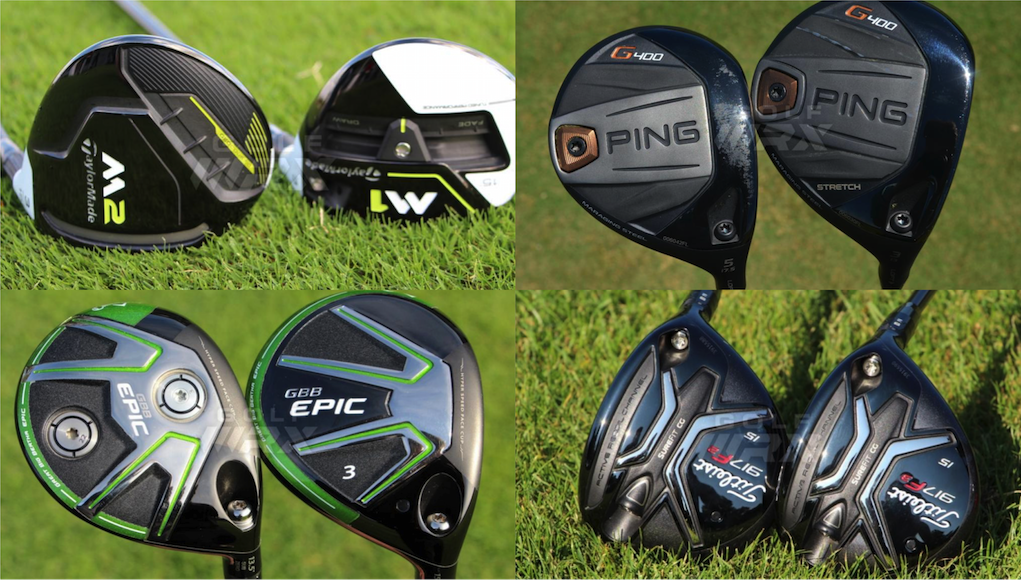
In this edition of Members Choice, we attempt to answer the question, “What’s the best fairway wood of 2017?”
Admittedly, it’s a bit of a loaded question since golfers use fairway woods for different reasons and in different situations on the course. Some use a fairway wood strictly as an alternative to their driver off the tee; other golfers use them almost entirely as approach clubs from the turf on long par fours and par fives; the rest use fairway woods for some combination of both situations. So are we looking for the longest and straightest fairway wood, or simply the most accurate and forgiving?
The best way to determine the best fairway wood, therefore, is to pose that question to golfers who have hit them all and let them decide. Thus, we have Members Choice: The Best Fairway Woods of 2017, where GolfWRX Members describe their experiences with the latest fairway woods. With in-depth descriptions from their testing, GolfWRX Members illuminate the pros and cons of each fairway wood, providing the real information you need when making your purchasing decisions.
Related
Our advice when reading through this story is to think about what you want from your fairway wood. Do you want max distance, max forgiveness, or a combination of both? The feedback from GolfWRX Members on each fairway wood will lead to toward a few models that match your needs and desires. Then test them out for yourself. Everyone interprets the performance of golf clubs differently, so personal testing and professional fittings are imperative, especially in this particular category. View the full results from the poll testing here.
Note: Responses from GolfWRX Members have been minimally edited for brevity and clarity.
Callaway Steelhead XR (4.08 percent)
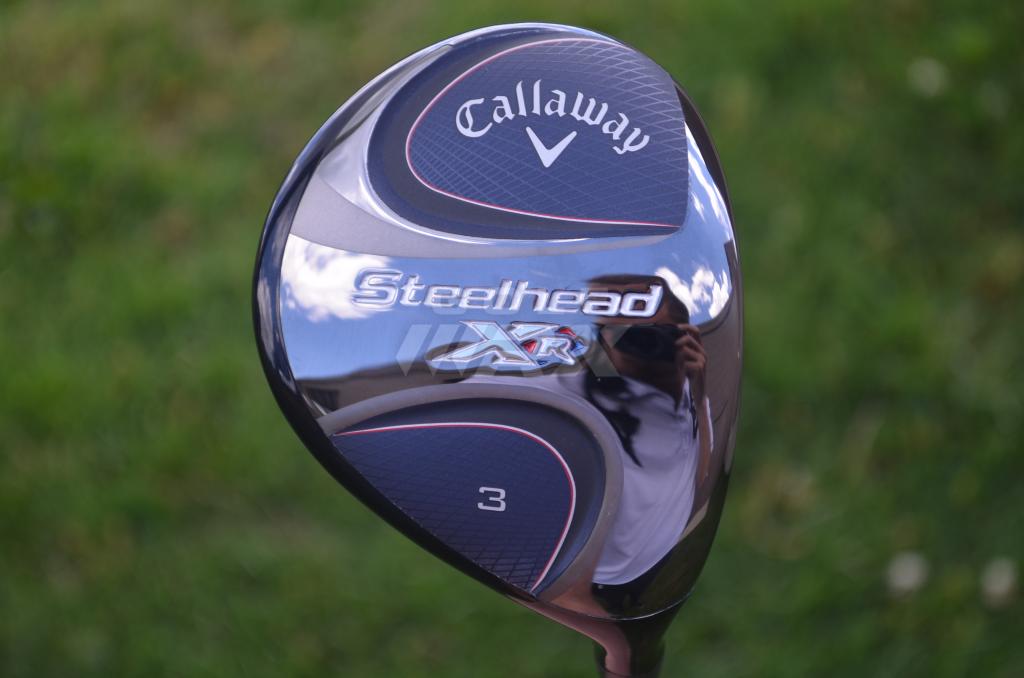
- SwingMan: I recognize that the Steelhead XR is late to the game, having just entered the market, but for a club that does everything well for GI and Players (the + models), they are long rocket launchers. Light, hot feel with pleasing metallic crack, deep face for ease off the tee, low CG (center of gravity) for ease off the deck, rounded sole gives you versatility from rough and bunkers. Forgiving and long. J36 carbon weave crown moves weight low. Because of the deep face with lot of bulge you need to lay it on the ground and it sits square. Take care when you pick it up so as not to close it. I hit it long off the tee with an R-Flex, obtaining 260-270 yards under favorable conditions — this club produces an urgent, direct trajectory with loads of roll in the lower lofts. Off the deck, 220+ with light wind; against a strong wind, 200. This club is surprising. Even the 7 wood off the deck with a higher trajectory gives you great yardage. Only caveat is that if you are in low speed range and insist on a 3 wood, you may want to order a high launch shaft instead of the mid-launch Tensei. But that’s the same advice with all 3 woods — you must be able to launch them. Callaway has several no cost shaft options. Otherwise, go with the 5 and 7 woods, which are loooong and versatile. The + models, for players and pros, are more weight forward and fade bias and arrive with a 65 Tensei CK Blue fairway shaft — smoother than the CK Blue driver shaft.
- DWtalk: I just finished testing the 15-degree Callaway Steelhead with the Tensi Blue shaft, and it’s a great club. It’s long and my misses are either a little right or left, but very solid. I also have a 15-degree M2 that is very good also with the stock shaft but I’m going to reshaft it with the Tensi blue. You couldn’t go wrong with either club.
Further Reading: Callaway upgrades a classic, introduces Steelhead XR fairways
Titleist 917F3 (5.28 percent)
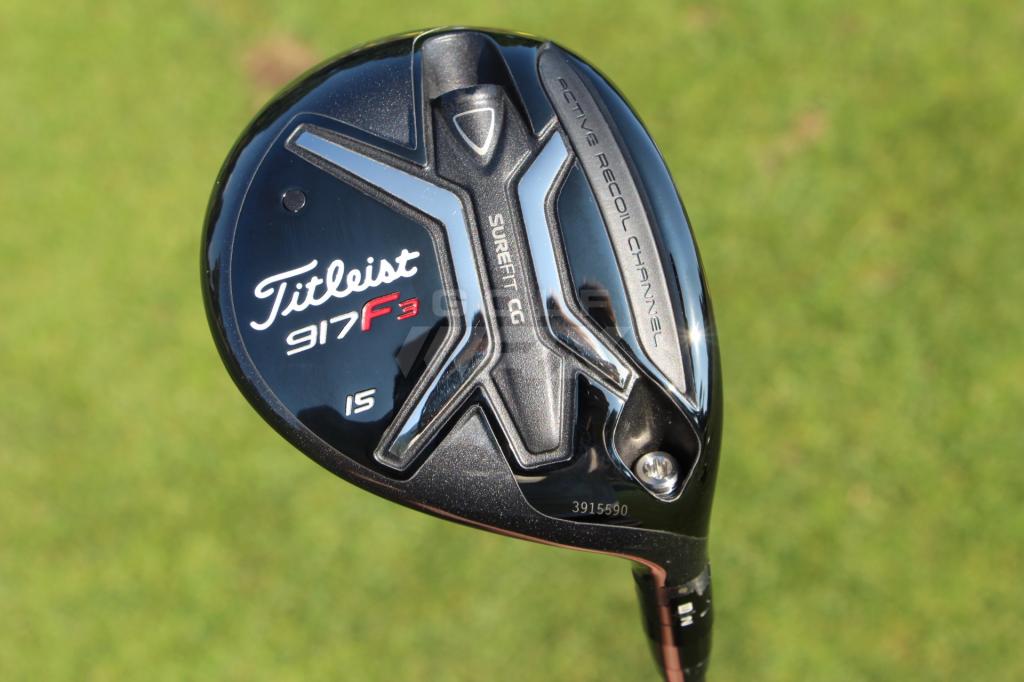
- Peanut191: I thought the Titleist F3 was the best combination of looks and feel, but they didn’t offer a 16.5 version, so I ordered the M2 Tour HL. I thought the M2/M2 Tour were the best distance wise, with the Callaway Epic, then the Titleist 917F3 just behind.
- II PigBimpin II: I used to be a Taylormade loyalist when it came to woods, but I recently switched to a Titleist 917F3 15-degree and it has single handedly put me in prime position to make three eagles within two weeks. Very predictable ball flight and distance, easy to hit off the deck.
- DuckHook02: I did try the Titleist 917F2, and if I was using it off the deck more, I’d probably gravitate towards the F2 and it’s shallow profile. However, I like the more compact look of the F3 and the lower ball flight it produces.
Review: Titleist 917F2 and 917F3 Fairway Woods
Cobra King F7 (6.40 percent)
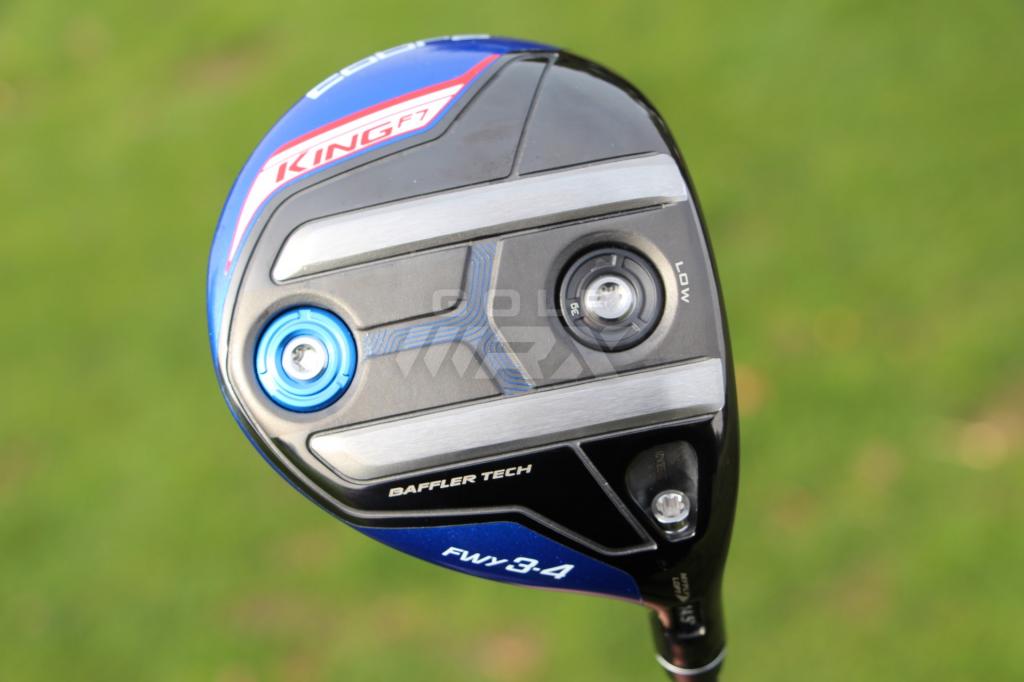
- Steveko89: I didn’t do nearly as much testing for my 3 wood after going up and down the racks picking out my Cobra F7+ w/ Hzrdus Yellow shaft. After settling on the driver, I said, “That 3 wood that matches looks pretty slick, let me hit a few with it.” and immediately fell in love. Has a nice traditional note at impact and the ball just flies off the face, especially with the weight forward. Probably could’ve tried a few different shafts, but the stock-stiff shaft works well enough and was able to find one used-mint on the bay for $150. Unfortunately, this was before the Cobra BOGO promo. Most of the positive shots that stick in my head from this season have come with the 3 wood, won’t be seeking out a replacement for a while.
- carcharodan1977: Cobra F7 fairway, currently playing at 4 wood loft… it’s fantastic. Easy to swing, impact sounds great and it’s a rocket from the fairway and even bad lies. The baffler rails really work well. Such a forgiving club.
- herbst20: Have played the Titleist 910 fairway woods since they came out. The Cobra F7 finally kicked them out of the bag. I have had an easier to hit whether it be off the team, fairway, or especially out of the rough. I love the baffler technology. I play it at 13 degrees because I am sporadic with my driver.
Further Reading: Cobra’s King F7 and F7+ drivers, fairways and hybrids
Callaway GBB Sub Zero (7.39 percent)
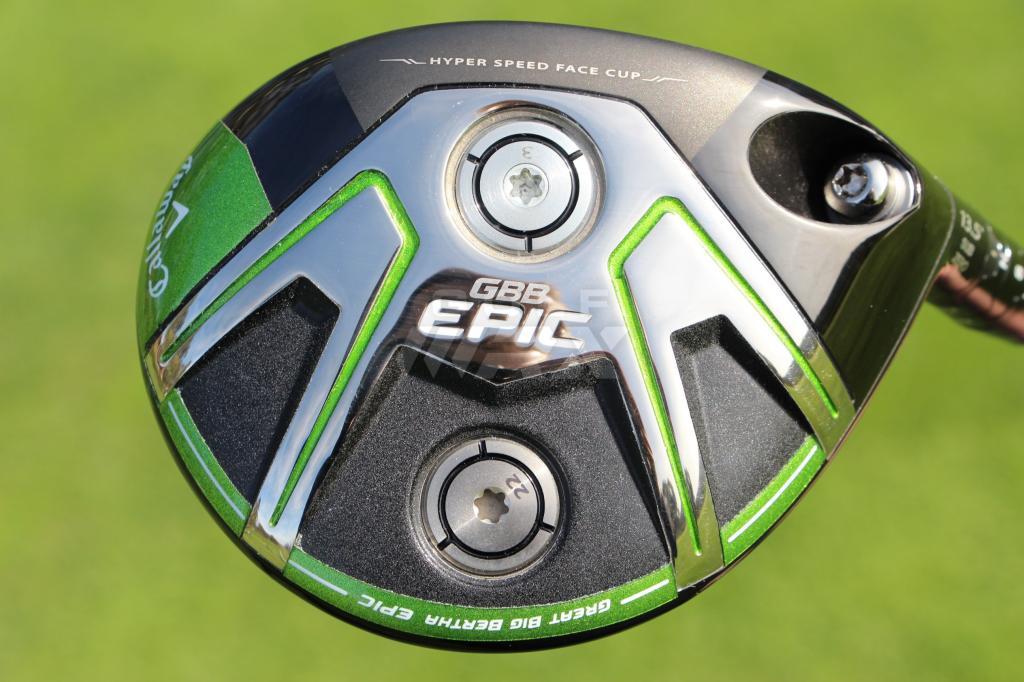
- Warrick: The (Sub Zero) 3+ was the first Epic in my bag, and it is never leaving. I have never hit a long club so consistently.
- Dobbs983: This is a fantastic year for fairway woods. I game the Epic Sub Zero 15-degree, set to 14 degrees. Easy distance, mid launch and penetrating flight. Easy to hit off the deck and a tee. I can move it left and right, if I need to, but why bother when straight and long is so easy. The Titleist 917’s are both very close to the Epic SZ, but not quite as forgiving. They are the best looking of the bunch. The Exotics EX10 Beta is amazingly long and straight and the sole is fantastic out of the rough.
- belacyrf: I currently game the TaylorMade SLDR fairway woods as I’ve never seen enough improvement from any new woods to make a change. However, IF I were to make a change, I would definitely move to the Callaway Epic Sub Zero. They are so forgiving and their flight is exactly what I like, plus they are long.
- PreppySlapCut: I was very pleased when messing around with the Epic Sub Zero this week. I was able to launch the 13.5 degrees off the deck, which has literally NEVER been a strength for me. Very impressive stuff from Callaway. The Ping G400 also just seems like the next wonderful iteration from Ping.
- kejoal11: I put the Epic Sub Zero 3+ in my bag and love it. Long off the tee, long from fairways. I love the ball flight and the fact that it doesn’t balloon on me. Very consistent with the club and by far my best purchase of 2017.
- golftech: If you like smaller, traditional shaped fairway woods, then Callaway’s Epic Sub Zero 15-degree is the best I’ve played. For that matter, it’s the best 3 wood I’ve had since my Toney Penna persimmon in the early 80s. It’s versatile off the tee and the fairway. I’ve been hitting career shots all season including the 18th at the famous Monterey, CA course.
- ago33: I’d choose the Epic Sub Zero over the M2 Tour. Adjustable hosel is better, looks better behind the ball and more forgiving.
Further Reading: Callaway GBB Epic and Epic Sub Zero Fairway Woods
Ping G400 (7.67 percent)
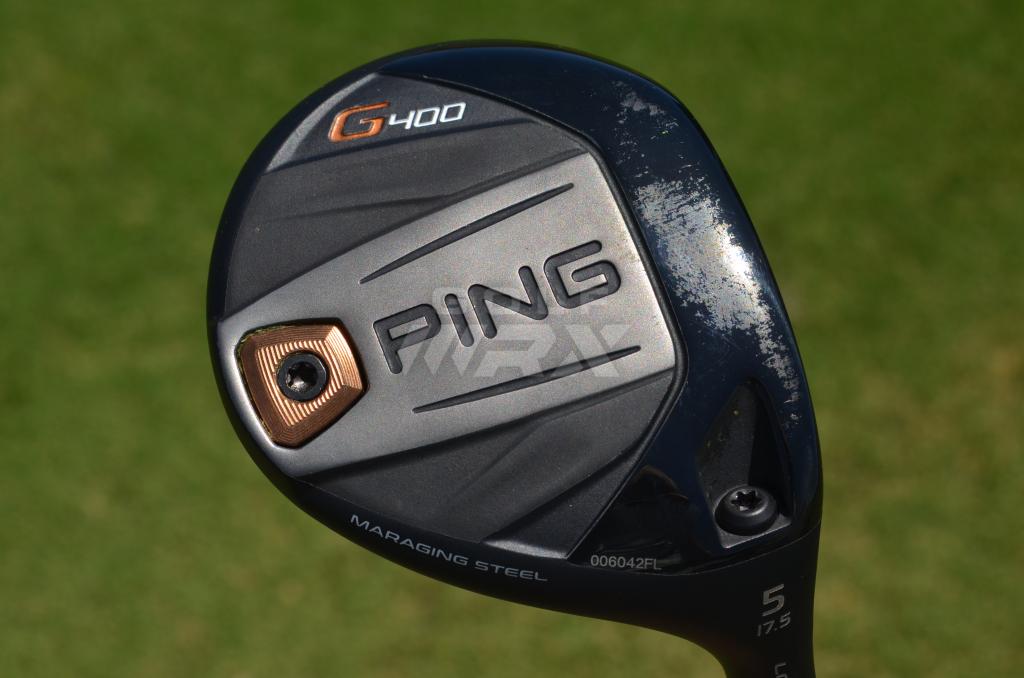
- Mwiseley10: Love my Titleist 917, I hit it so well off the deck I use it without a tee!
The Cobra Baffler felt great and has good sound but didn’t purchase. Hit the Ping G400 this morning, it hits great but d*** that profile is low! - DNice26: I tried the Ping G400 against my Ping G, both using my own shaft… little to no difference. The G400 looks and sounds better, but any performance benefit seemed negligible from the Trackman numbers I saw. My swing speed is about 109 mph with the driver.
- PrettyGood: Hit the new Ping G400 fairway this morning. My current 3-wood is the 2016 PING G series, at 14.5-degrees. So, between the two models: Turbulators on the G400 are definitely more pronounced. Footprint of the G400 looks bigger, and it’s a rounder shape somewhat (PING.com says G400 is ~12cc larger). Sole of the G400 does look a bit flatter, but no difference hitting shots. G400 face feels more lively, and it’s louder… but no more or less pleasing to hit, just different. Switching my own shaft between the two, performance looked pretty close… G400 maybe a shade higher, if anything. G400 headcover much nicer, big improvement. That’s about it.
Further Reading: Ping introduces new face material with its G400 Fairways
TaylorMade M1 2017 (7.88 percent)
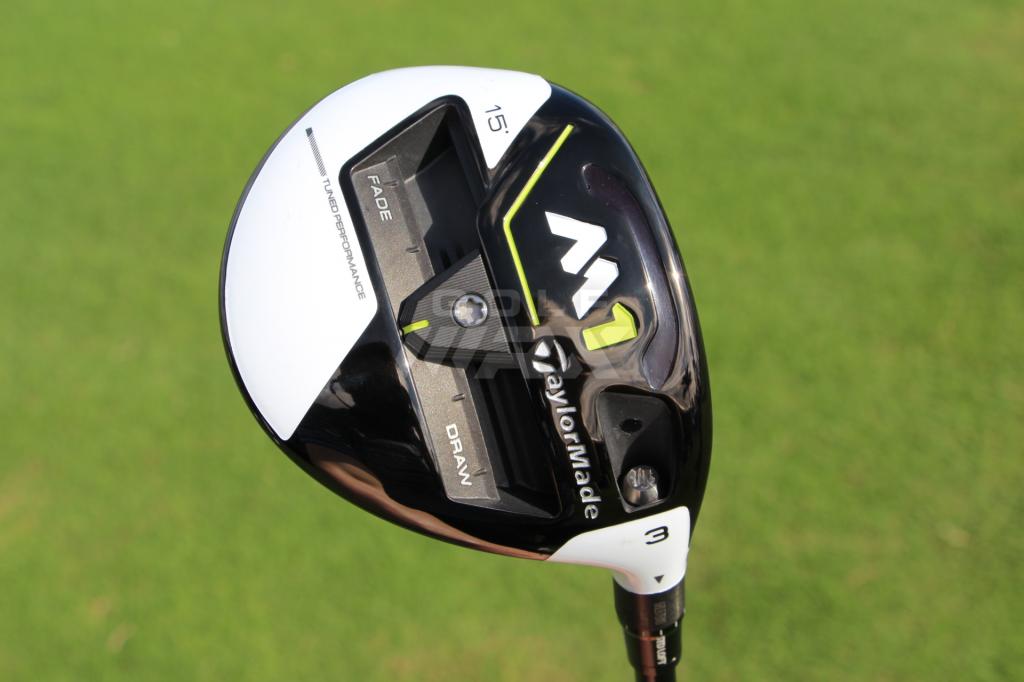
- lowball5732: My TaylorMade M1 15-degree is a wonder! Either off the deck or on the tee — optimal performance for me. My wife swears by her M2. She’s straight and true!
- Rdarling18: I really hit Taylormade’s entire M family pretty good. I went with the M1 because it was most consistent for me. However both M2 models (M2 and M2 Tour) are very long.
- AWD430: TaylorMade’s M1 was giving better distance than M2 when I hit them. I do agree that the M2 head on this year’s model seems very big when hitting off the deck.
- gpleonard: My two cents is the TaylorMade M1 HL 2017 is a monster both of the deck and from the tee… It is a go to club for me on long Par 5’s and on short Par 4’s off the tee.
- Mob: I have the TaylorMade M1 2016 and tried it against the M1 2017 and preferred the 2016 model for some reason. I know that I am supposed to prefer the newer model, but I consistently hit the 2016 straighter. Distance was a wash.
Further Reading: TaylorMade 2017 M1 Fairway Woods
TaylorMade M2 Tour (8.94 percent)
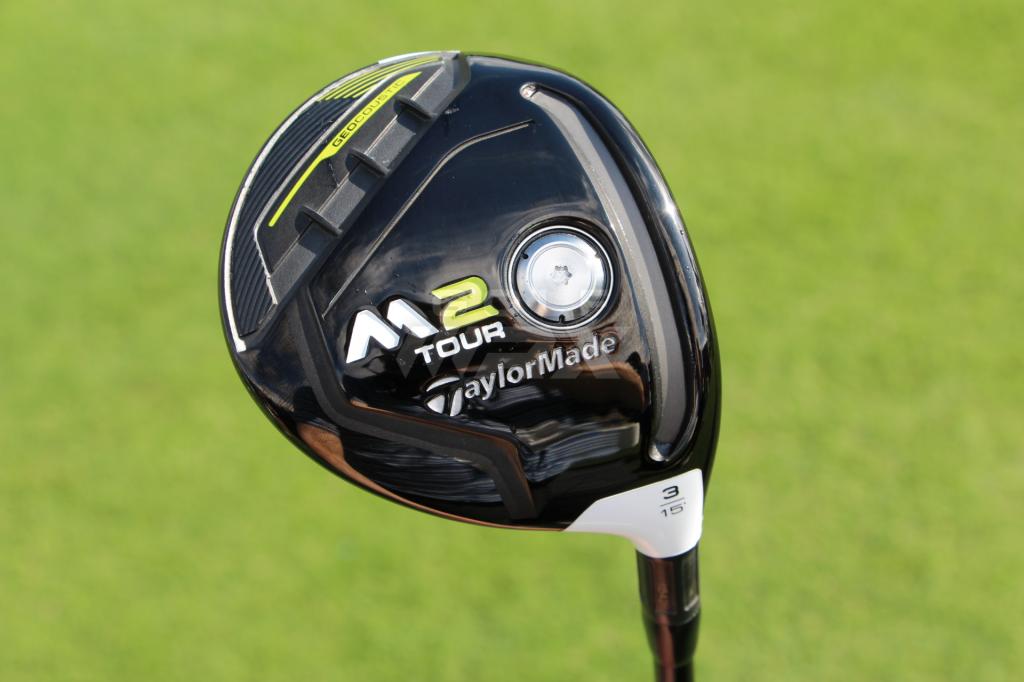
- AThompson_3: Best fairway wood by far is TaylorMade M2 Tour. Exceptional feel, workability, and forgiveness. Great off the tee while also able to launch the ball off the fairway very easily. Fantastic club. Expecting it be in my bag for years to come.
- Bomber_11: TaylorMade’s M2 Tour would get all 3 of my votes if I could do that. Wins out on distance, accuracy, forgiveness, versatility, and feel.
- Roadking_6: M2 Tour HL is an absolute beast this far (in my testing).
- halfsumo: M2 Tour: best look, sound, feel and performance. M1: awesome look and feel, I just decided to go with a 3HL version and since the M2 Tour spins less, I went with that to counteract the extra loft. Mizuno JPX900: second best look and feel and best stock shaft of anything out there by far.
- DeCuchi: M2 Tour. Higher launch and less spin makes it an excellent choice. Forgiveness is on par with other top fairways makes it the cream of the crop.
- Scratchat50: M2 Tour HL with a Project X HZDRUS 75g shaft (6.5-flex, -1 inch under std). Been searching for a great 3 wood for over 10 years. This is it!
- john443: M2 Tour is THE 3 wood of 2017.
Further Reading: TaylorMade 2017 M2 Tour Fairway Woods
Titleist 917F2 (10.13 percent)
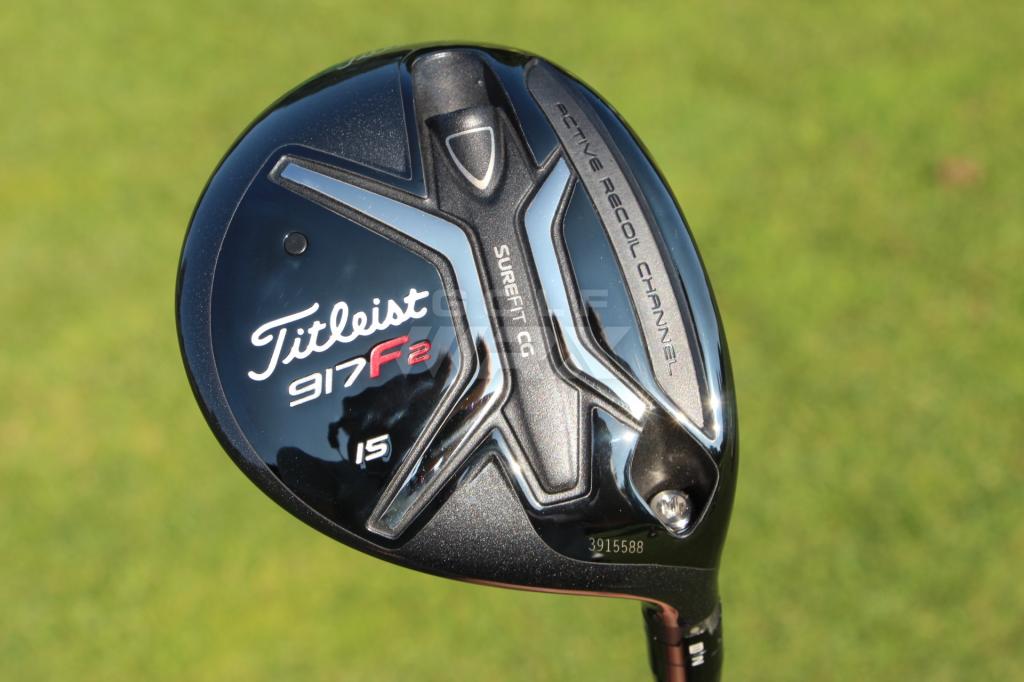
- bazinky: I’ve spent years searching for a fairway wood that I could hit with a consistent shot shape/pattern, and I finally found it in the Titleist 917 F2.
- tleader: I went from the Titleist 915F to the Titleist 917F2. Found them very similar, perhaps a slight increase in launch and more consistent across the face on mishits. Went with the 16.5-degree so it was an easy decision.
- MJL313214: I’ve hit the 917F2 at 16.5 degrees a good bit. It’s crazy long compared to the previous fairway woods. I like the slightly bigger look than the 917F3.
Review: Titleist 917F2 and 917F3 Fairway Woods
TaylorMade M2 2017 (12.60 percent)
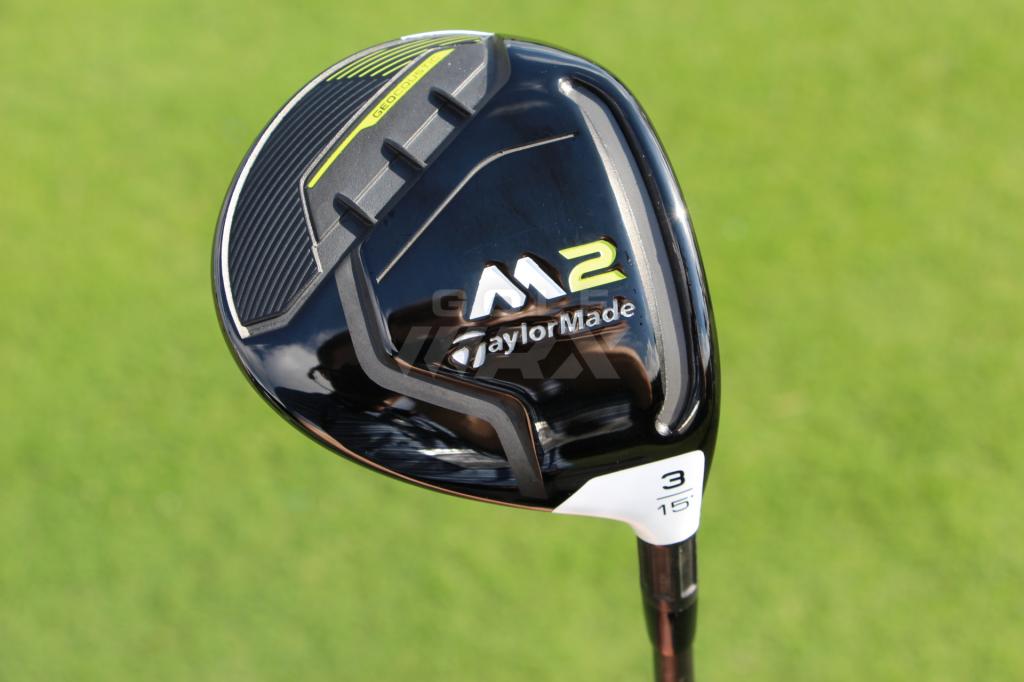
- Gnomesteel: (The TaylorMade M2 2017 fairway wood is) long off the tee and easily hit off the deck with control. Best of both worlds.
- kush614: My vote is for M2 2017, as well. Gaming a 15-degree M2 2017 with an Oban Kioyshi White shaft. Mid launch, low spin monster.
- venturagolfer87: There’s nowhere even remotely close to me that has the M2 Tour, but my 3HL normal M2 is as close to automatic as I’ve ever been. I’ve never been able to hit 3 woods, to the point where for the last few seasons, the next club in my bag after driver was a 5 wood that was shortened an inch. The M2 2017 is somehow just as easy to hit, and looooooong.
- johnnylongballz72: M2 3HL with AD DI 7X; probably the single best golf club I have ever owned.
- qwetz: I’m playing a 3HL M2 with a Mitsubishi Tensei CK Blue and it’s just a bomber from the deck or the tee.
- lordemsworth: How do those that have hit Epic fairway feel about the sound? That dull thwack is awful. As another opinion, I found the M2 2017 easier to hit consistently than the Epic fairway. Both from tee and deck.
- Porsche928: I had the M2 2017 and it was huge too hard off the deck. Never hit the M1 2017 but had the old M1 2016 for a demo and loved it.
Further Reading: TaylorMade 2017 M2 Fairway Woods
Callaway GBB Epic (13.37 percent)
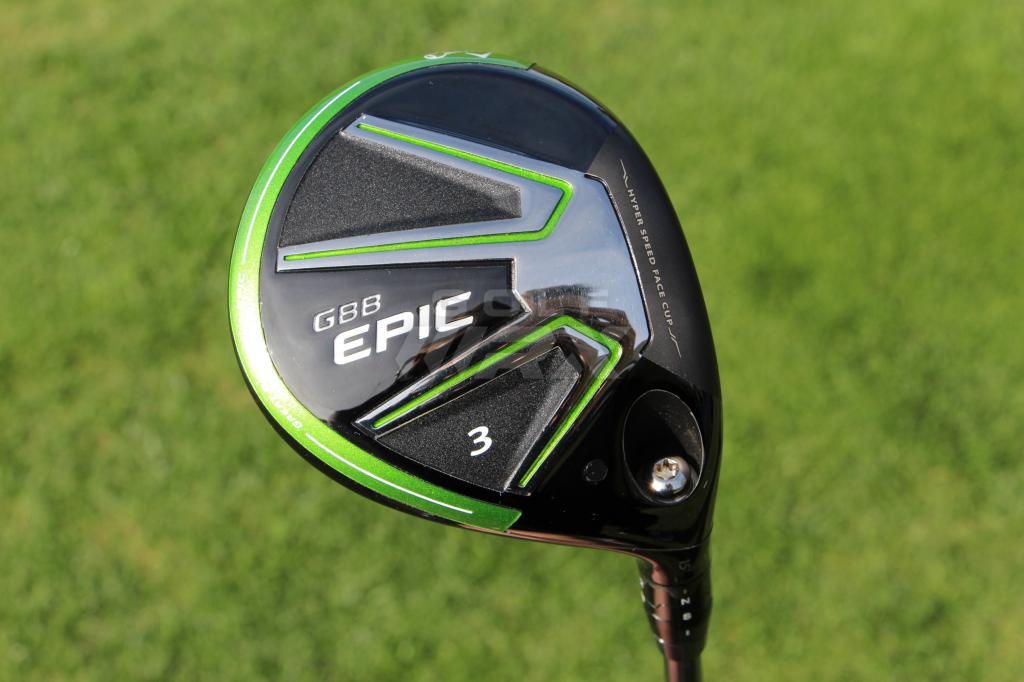
- mcgem: Hands down, without a doubt, Callaway’s GBB Epic fairway is the best of this year’s crop.
- Sean2: I have three Callaway Epic fairway woods and am quite enamored with their performance at 16/20/24 degrees. I am comfortable standing over the ball with any of these woods in my hands. I have no problem hitting the 16-degree off the turf and I find it a very good club on tight driving holes. The 7 and the 9 fly high and land soft.
- aussieb: Tested the Mizuno JPX-900 fairway wood on a few occasions now and it’s really the best off the deck, adjustable from 13-17 degrees and the sliding weight dials it in, has a great stock shaft and sounds as good as it looks. Ping’s G400 was really solid and forgiving, didn’t spin too much and set up well for my eye. A bit of adjustability and stock Tour shafts are great. Callaway Epic had the smallest head and best ball speeds off the tee. I didn’t really care for the sound and lack of forgiveness compared to the previous two, was dead feeling but that’s mostly shaft I think.
- leftshot: I went through a thorough fitting at Club Champion last month and had access to most of the heads on this list. So I know the answer FOR ME. Notably none of the top fits involves a club head with the standard shafts offered off the rack. The results of my testing was:
1. Callaway GBB Epic: Distance #1 (Tied), Dispersion #1, Off-center hits #1
2. Titleist 917F3: Distance #1 (Tied), Dispersion #2, Off-center hits #3
3. TaylorMade M2 2017: Distance #3, Dispersion #3, Off-center hits #2 - rony10: Epic. Accuracy, forgiveness and flight, distance is very good to.
- Benkross: I just put an Epic in the bag. I tried the M2, M2 Tour, M1 (2017 and 2016) and was playing a Titleist 915F and prior a 913Fd and 909 F3 before that. The Epic sounded the best and feels awesome. The 2016 M1 was the worst feeling 3 wood I’ve ever played. I’m replacing the shaft in the Epic so I’m excited to use it this weekend.
- kgeorge78: The Epic looks much smaller than the M2 2017 for some reason and easier to hit off the deck.
Further Reading: Callaway GBB Epic and Epic Sub Zero Fairway Woods

Pros: Dialing in trajectory and spin is more in the hands of the player than ever with SureFit CG adjustability. Feel and sound have improved, and 915 users will likely see a jump in distance.
Cons: If you preferred the black finish, you’re out of luck with the return of silver.
Who they’re for: Everyone who plays a fairway wood should give the Titleist 917F2 and 917F3 fairway woods a shot. They provide everything most golfers want from a fairway wood.
The Review
- Models: 917F2 (13.5, 15, 16.5, 18, 21 degrees), 917F3 (13.5, 15 degrees)
- Release Date: Oct. 21
- Price: $319 (MAP)
Right off the bat, you’ll notice a number of changes to Titleist’s new fairway woods: name, color, center of gravity (CG) adjustability, and if you’re really attentive a change in the Active Recoil Channel. I break down each of the major changes below.
Related: See the results from the Ultimate Titleist Driver Fitting Experience
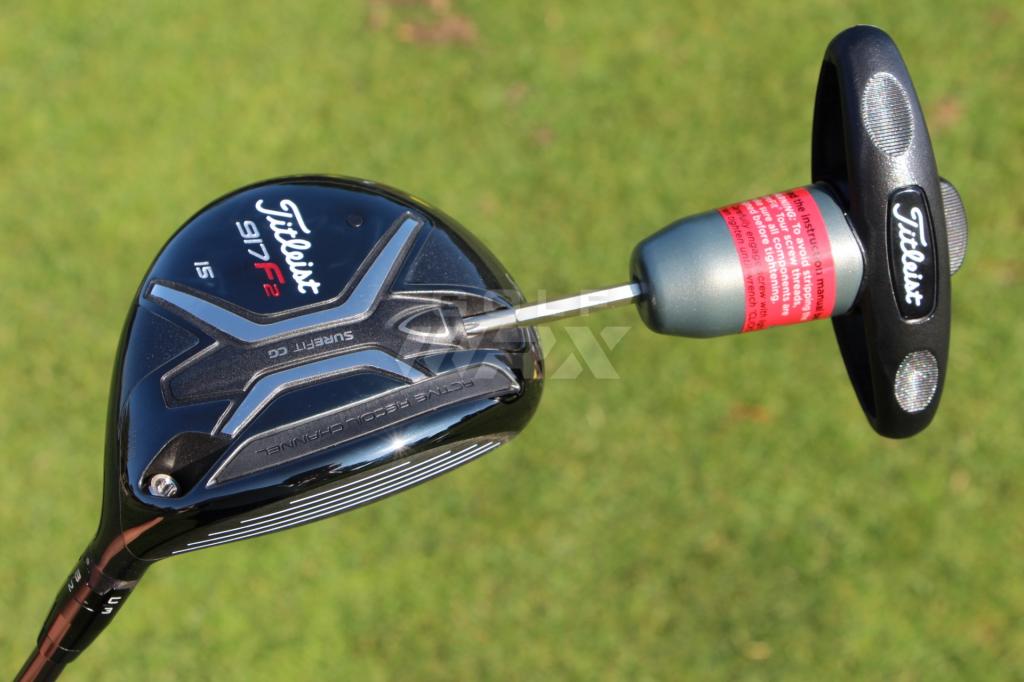
What’s in a name?
In its most recent fairway wood releases — the 913 and 915 models — Titleist used the F and Fd naming system. “F” was a larger, more forgiving fairway wood that launched higher and spun more, while “Fd” was a smaller, deeper-faced, lower-launching fairway wood that reduced spin. It was a bit confusing, and didn’t mesh well with the D2 and D3 naming system the drivers were using, so Titleist went to F2 and F3, which is what Titleist used in previous models such as the 909.
If you’re confused: F = F2, Fd = F3 (easy to remember since this rhymes).
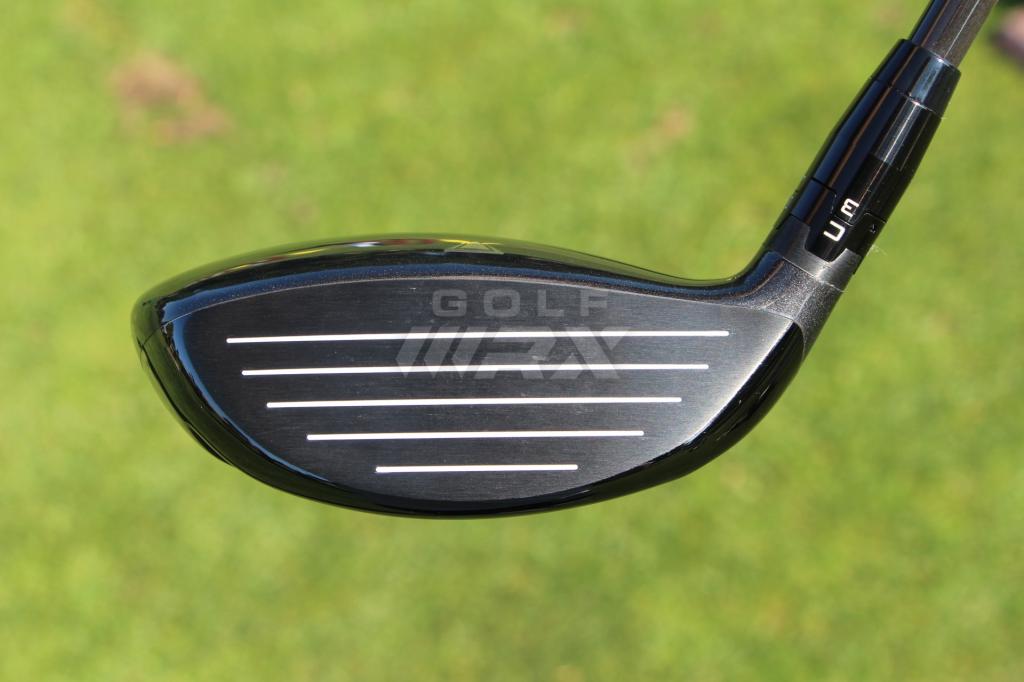
Now, the F2 (179 cubic centimeters) is the larger, higher-launching and more forgiving model, while the F3 (169 cubic centimeters) is smaller, deeper and more workable. The relationship hasn’t changed, just the names.
Sure thing
As with the 917 drivers, the 917 fairway woods have SureFit CG technology to give golfers the ability to tweak the draw/fade bias of the clubs. In the fairway woods, the SureFit CG system is also positioned slightly crooked, as seen in the driver, which has the same purpose; lower-spinning fades and higher-spinning draws. When in the draw position, the weight system will add spin to keep the ball in the air longer, and will decrease spin in the fade setting to keep shots from ballooning. The design also maintains the moment of inertia (MOI) of the fairway woods, keeping forgiveness high regardless of the weight setting.
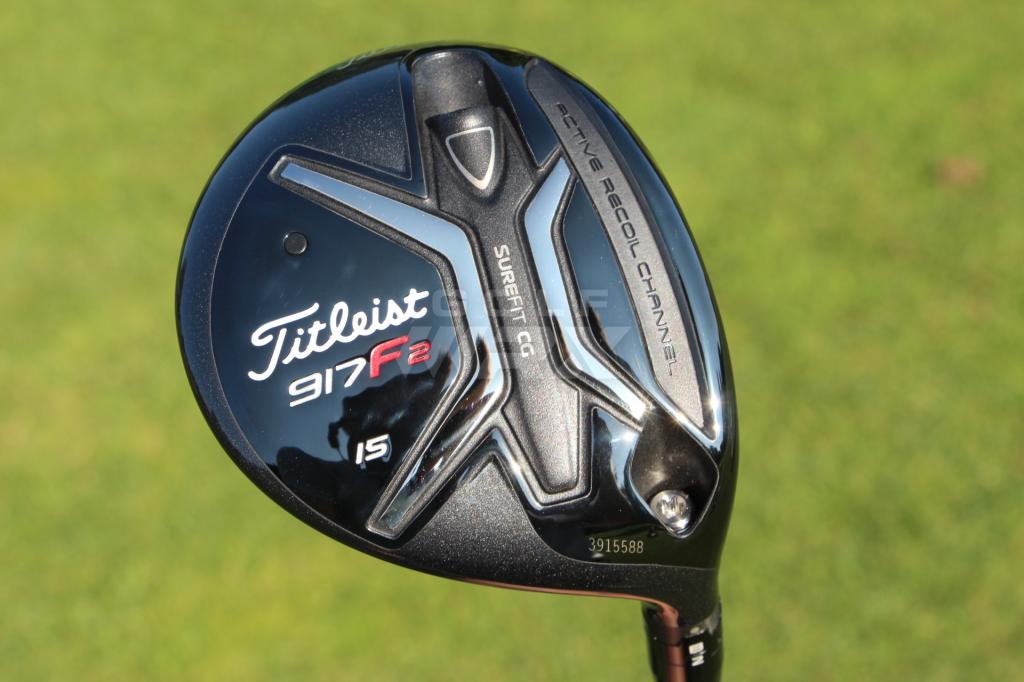

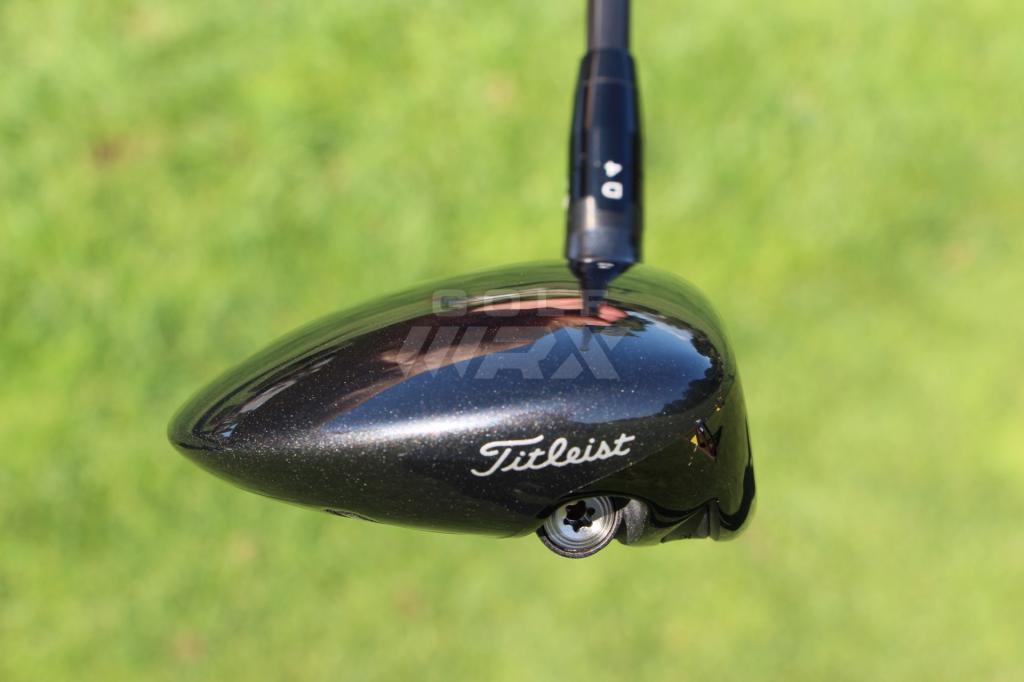

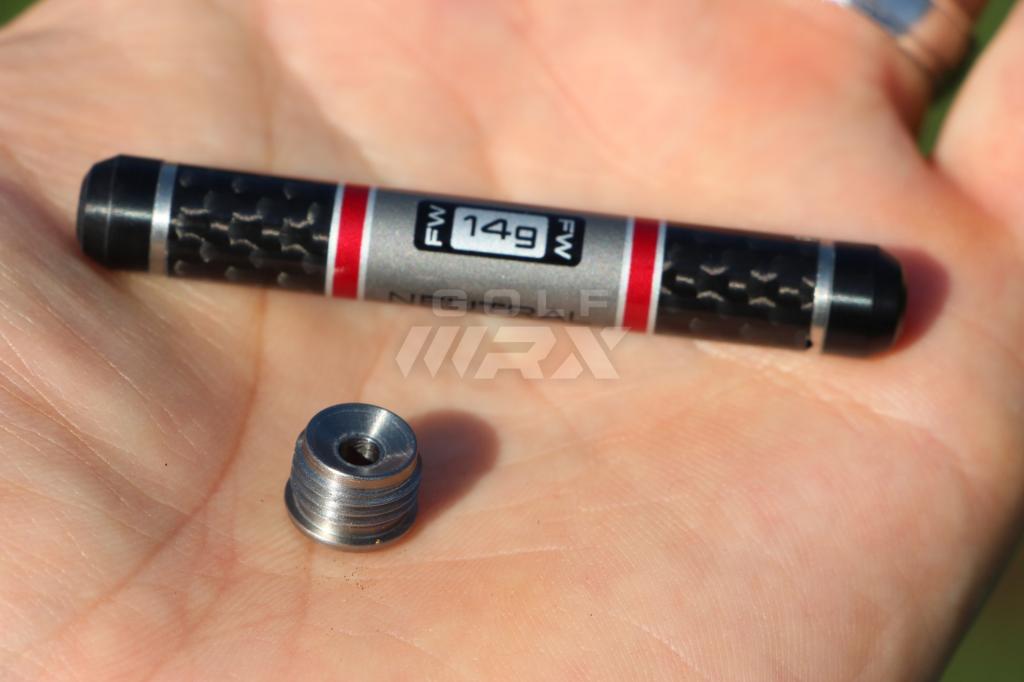
In the SureFit CG system, weight is changed using interchangeable weights* or tubes, made of a mixture of different materials. The neutral weights have a uniform weight throughout, while the draw-fade tubes have a heavier side.
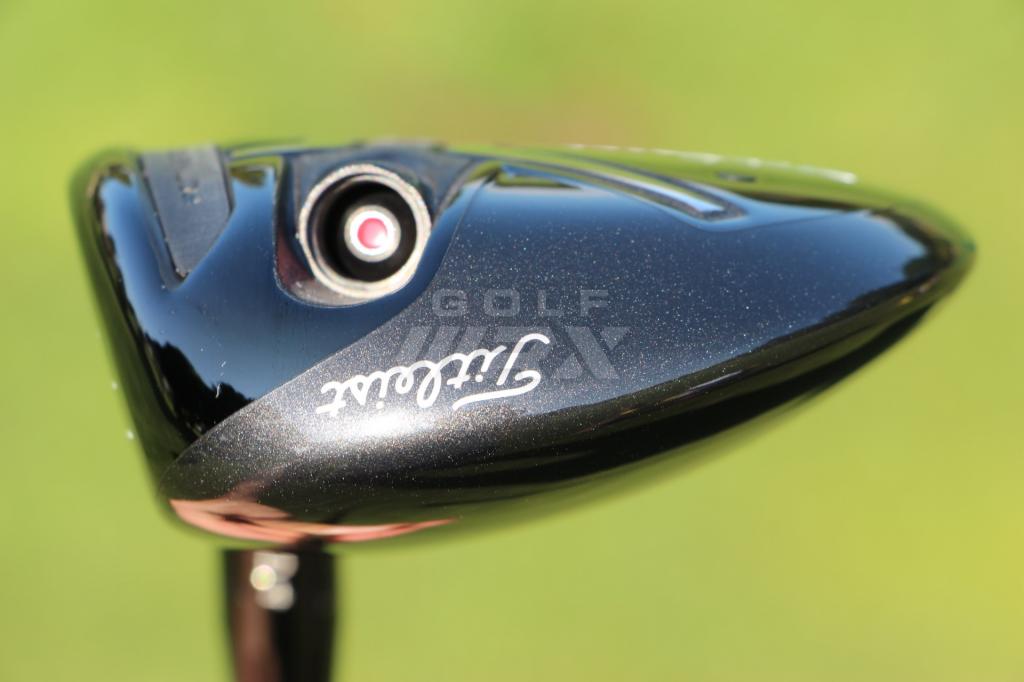
A Peek Inside: A 14-gram, neutral SureFit CG fairway wood weight.
When adjusting the system, golfers should look for the “+” sign, which indicates a fade setting, while a “-” sign indicates the draw setting. Note that this is opposite of the 917 drivers, as the entry port is on the opposite side (toe side) of the club head in the 917 fairway woods. A solid red circle indicates a neutral setting. Like the 917 drivers, the 917 fairway woods also have Titleist’s 16-way adjustable SureFit hosel, which offers independent adjust loft and lie settings.
*Note: SureFit CG driver weights cannot be used in fairway woods, and vice versa, due to their different sizes.
Active Recoil Channel 2.0

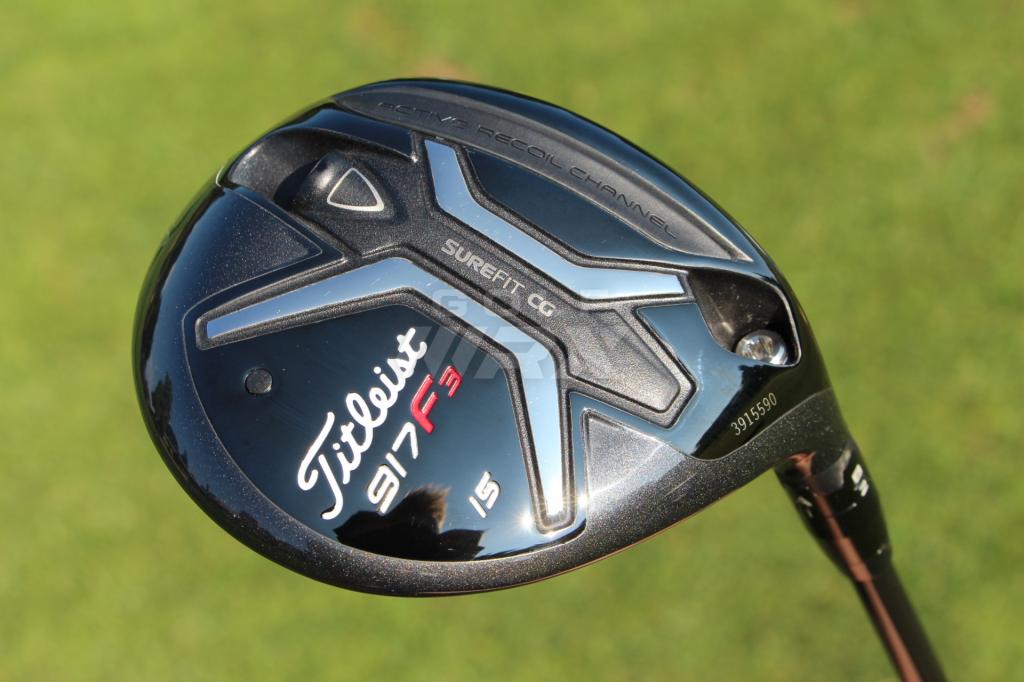



While the 915 fairway woods had an Active Recoil Channel behind their faces, designed for higher ball speeds on off-center hits, the area was hollow. The channel in the 917 fairway woods is filled with elastomer, helping produce more ball speed across the face and lower spin, according to Titleist. There’s is also a face insert with variable thickness for increased speed on off-center hits.
Another change for the better is the sound and feel of the 917 fairway woods. They have more of a muted sound and softer feel at impact, which is no doubt helped by filling the Active Recoil Channel. Another benefit is that golfers won’t need to frequently clean the dirt out of the channel, as they needed to do with 915 models.
Color

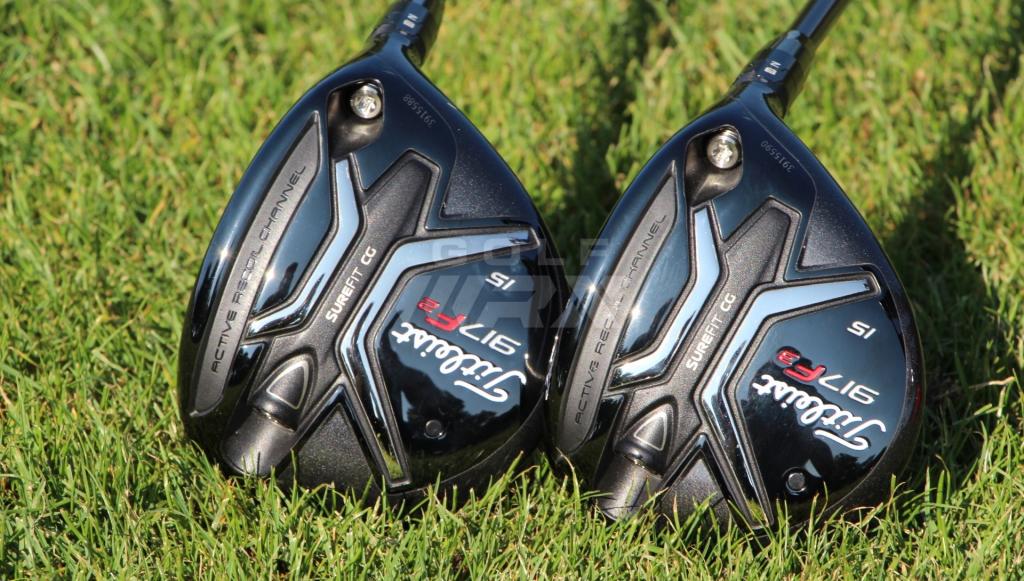
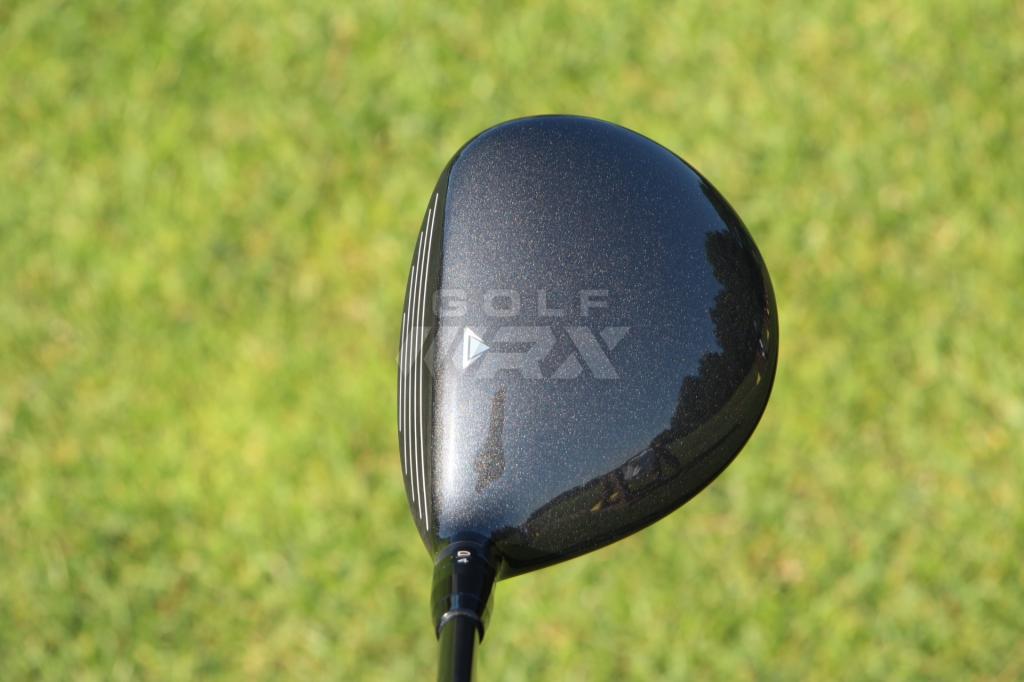
Titleist’s 917F2 (right) and 917F3 fairway woods at address.
The “liquid slate” finish on the crown is a throwback to Titleist woods of yesteryear, which is something Titleist fans may very much appreciate. Some of the classic Titleist fairway woods, such as the 980F, had a similar gray finish.
Overall performance
So what’s to be expected of the 917F2 and 917F3 in terms of performance? According to Titleist, golfers hitting the 917 versus a 915 should expect higher ball speeds, a higher launch, slightly lower spin and 4-7 yards in increased distance. It just so happens I hit the 917F2 and 917F3 versus the 915F and 915Fd, and you can see the numbers below.
The Numbers
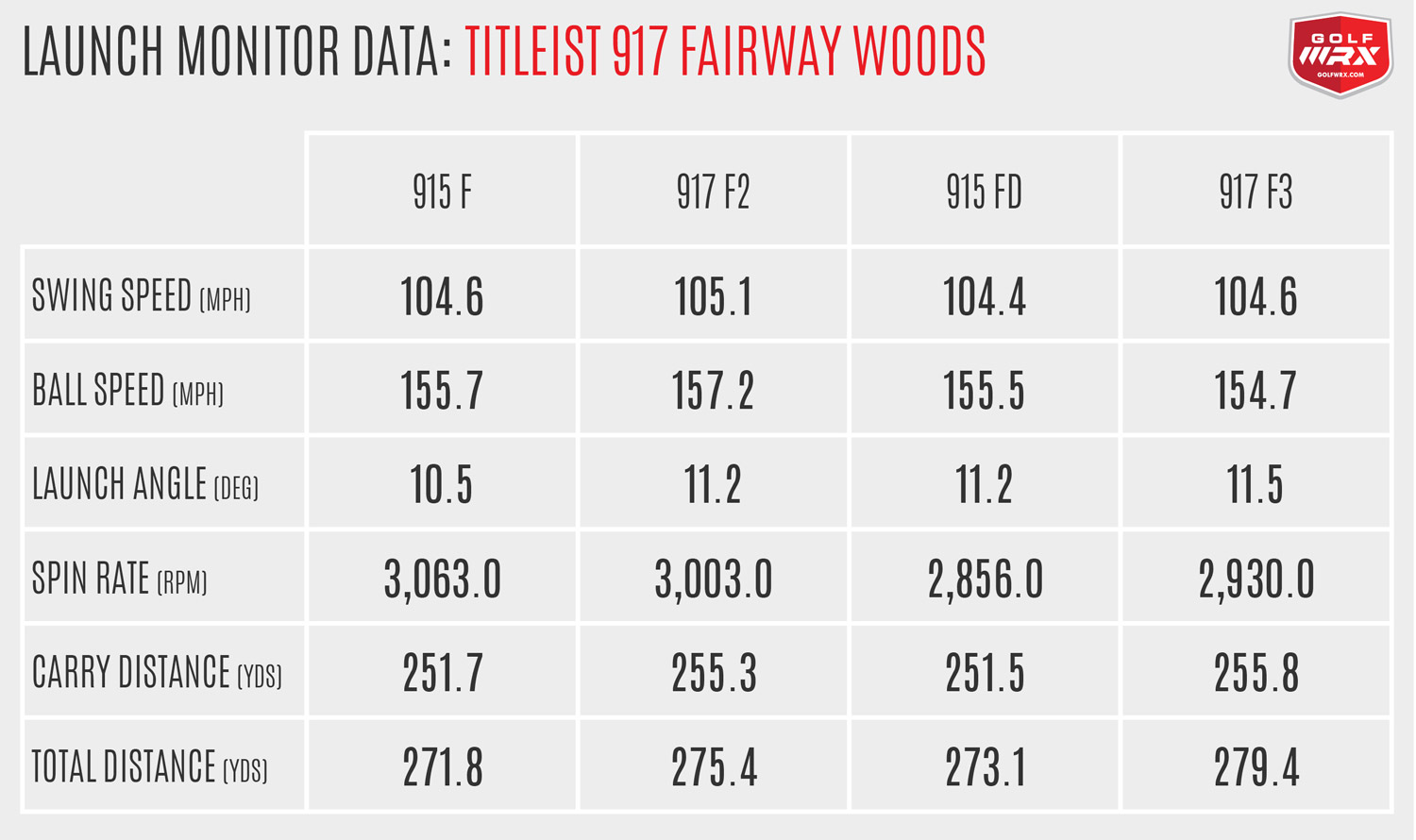
I took the 917F2 and 917F3 fairway woods to the Launch Pad at Carl’s Golfland in Bloomfield Hills, Mich., where I tested them against Titleist’s 915F and 915Fd models on Trackman with premium golf balls. The fairway woods were set to my specifications (C2 hosel setting, neutral weight setting in the 917 models) with the same Mitsubishi Rayon Diamana Limited D+ 80X shaft. Shots were hit with each club — order was constantly rotated, and outliers deleted — until 10 shots with each club had been recorded.
917F2 v. 915F:
- The 917F2 generated slightly less spin (-60 rpm) and a slightly higher launch angle (+0.7 degrees) than the 915F.
- The 917F2 offered more ball speed (+1.5 mph), more carry distance (+1.6 yards), and more total distance (+3.6 yards) than the 915F.
917F3 v. 915Fd:
- The 917F3 offered slightly less ball speed (-0.8 mph), a slightly higher launch (+0.3 degrees), and a little more spin (+74 rpm) than the 915Fd.
- The 917F3 increase carry distance (+4.3 yards) and offered more total distance (+6.3 yards) than the 915Fd.
Specs, pricing, availability
Titleist 917F2 and 917F3 fairway woods ($319 MAP) will be available on Oct. 21 with the following stock shafts: Aldila Rogue M-AX, Fujikura Speeder Pro Tour Spec and Mitsubishi Rayon Diamana Limited D+, S+ and M+.
With the purchase, consumers will receive either a 10, 12, 14, 16 and 18-gram neutral weight (the 12-gram is stock) and a matching draw-fade weight. Additional weights can be purchased for $40, or SureFit weight kits are available for $180 with every weight.
The Takeaway

Any golfer with an older version of a Titleist fairway wood, especially one with a silver finish, will find the switch to a 917 fairway wood an easy and valuable transition.
Not only do the fairway woods offer CG adjustability for fine tuning trajectory, but they also have a softer feel and more muted sound than the 915 versions while providing more carry distance and more total distance. You’d be hard pressed to show me an all-around better fairway wood in the current market.
Related

Pros: Driver-like ball speeds in a fairway wood that’s forgiving, workable, and the more affordable option in TaylorMade’s 2016 lineup.
Cons: No adjustability. The sound and feel is different than other fairway woods.
Who’s it for: The M2 fairway woods can be played by golfers of all skill levels, from beginners to PGA Tour players.
The Review
- Available Lofts: 15, 16.5, 18, 21, 24
- Stock Shafts: REAX 65 (X, S, R flexes), many custom shafts available free of charge.
“1.49? Really? Again? Man, these new fairway woods are amazing.” That was me during my launch monitor testing for this review. I kept getting pretty high smash factors for a fairway wood. To quickly explain, smash factor is ball speed divided by swing speed, and the average PGA Tour smash factor for a 3 wood is 1.48.
I am not a PGA Tour player, so getting a 1.49 the few times I did was pretty impressive, and shows an advance in technology — not that my swing has actually improved.
To say there’s been a revolution the past five years in fairway wood design is an understatement. Hotter faces are the norm now. I’ve actually heard people say they hit their 3 woods “too far,” which sounds absolutely insane. But with fairway woods the way they are now, many are providing the same relative ball speeds as drivers, and just as much distance.
When TaylorMade released the M2, there was some chatter that it was a price-point fairway wood, and it wouldn’t be as good as the company’s M1 since it didn’t have the moveable weights and changeable shafts. This is simply not the case. The M2 contains every bit of technology as the M1, and while I didn’t test them head to head, the feedback from most golfers has been that the M2 launches higher, spins less and offers more ball speed than the M1. For that reason, it will be the longer-flying TaylorMade fairway wood for most golfers.

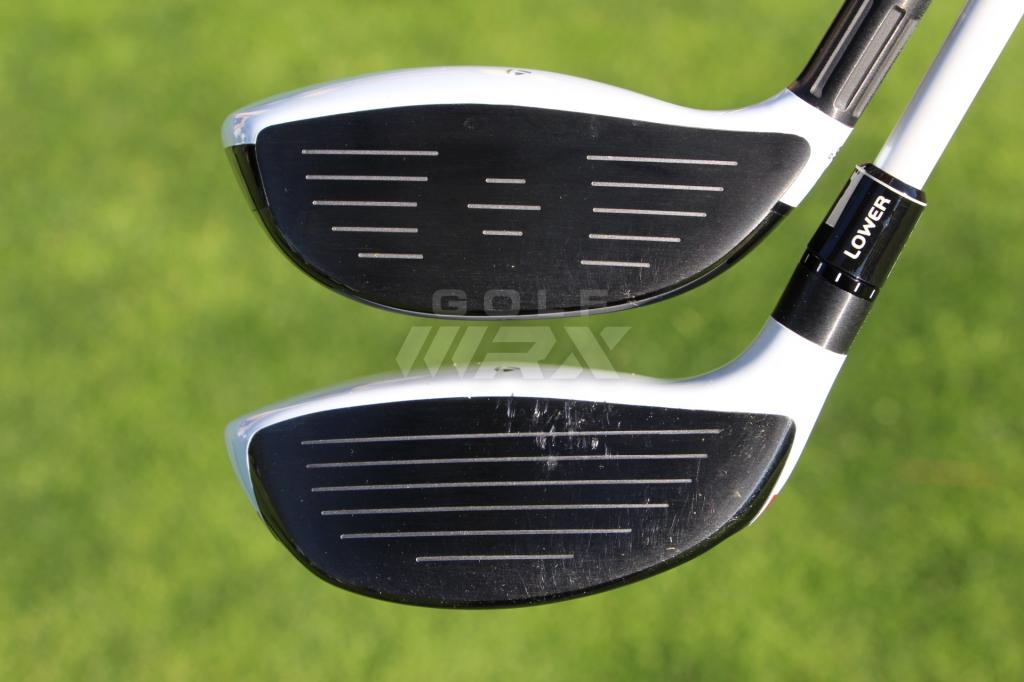
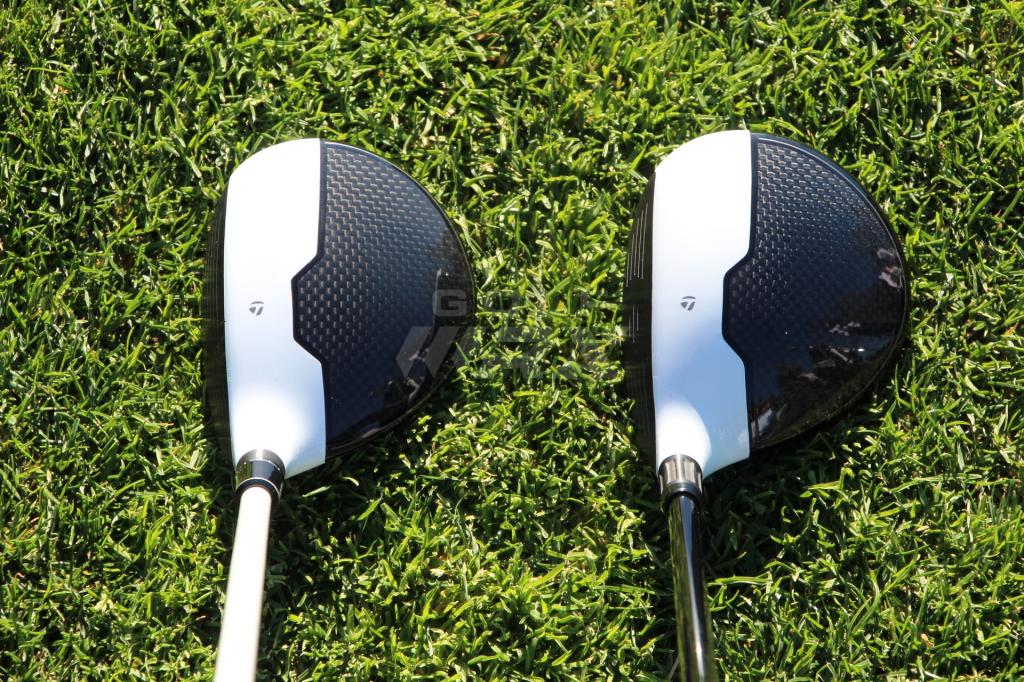
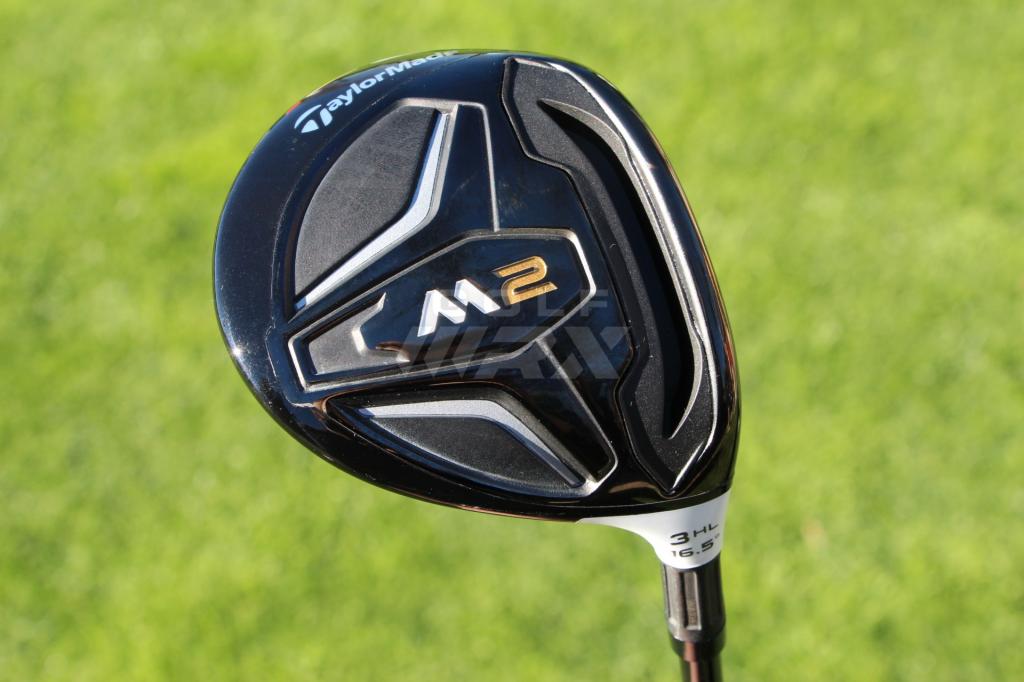
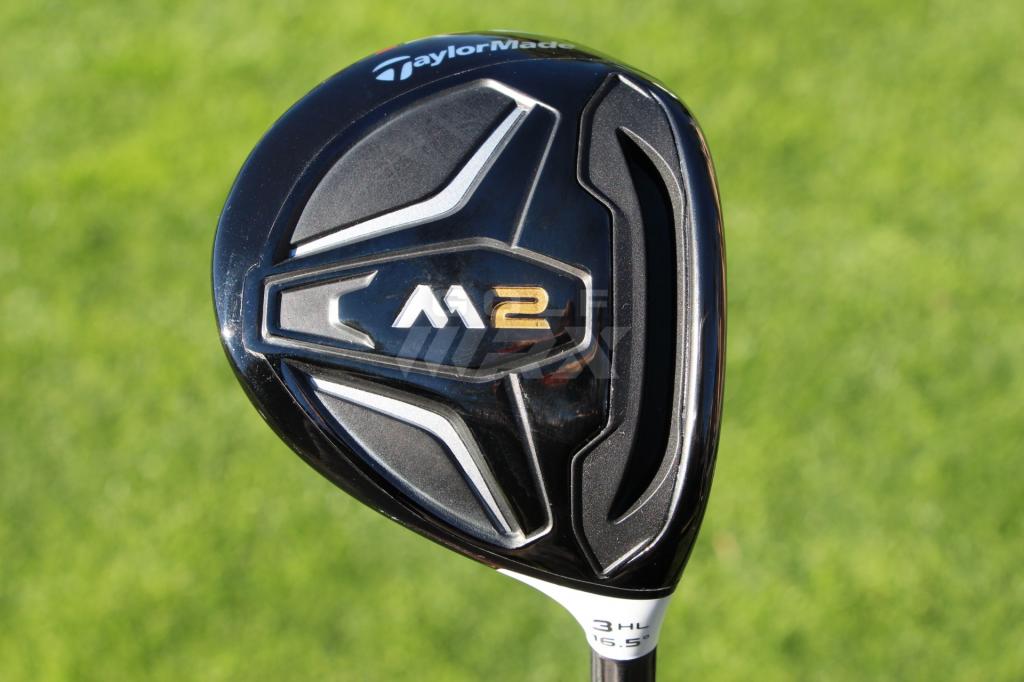
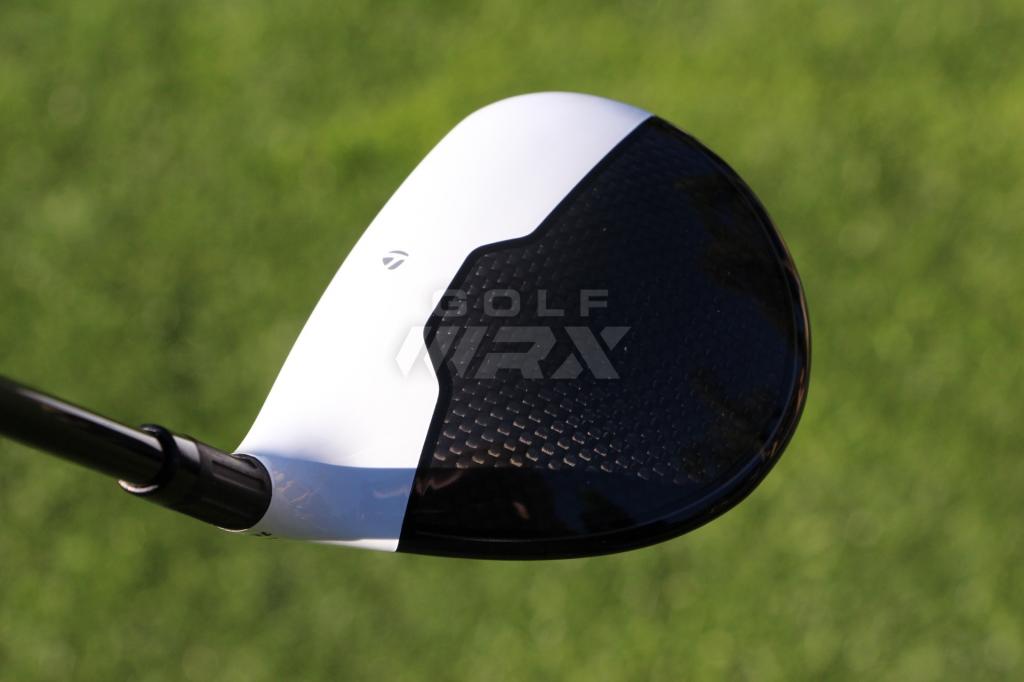
When viewing the clubs in the address position, it’s hard to tell the difference between the M1 and the M2. The M2 has the “ball” grooves, where there’s a centering point of no grooves in the shape of a ball. The only other difference is the M2 has a new “fluted” hosel construction, which moves a few grams of weight lower in the club head, and is said to improve sound and feel. I’m also a fan of the black-and-white painted composite crown. It seems to give off a more compact feeling to me, and makes it easier to line things up.
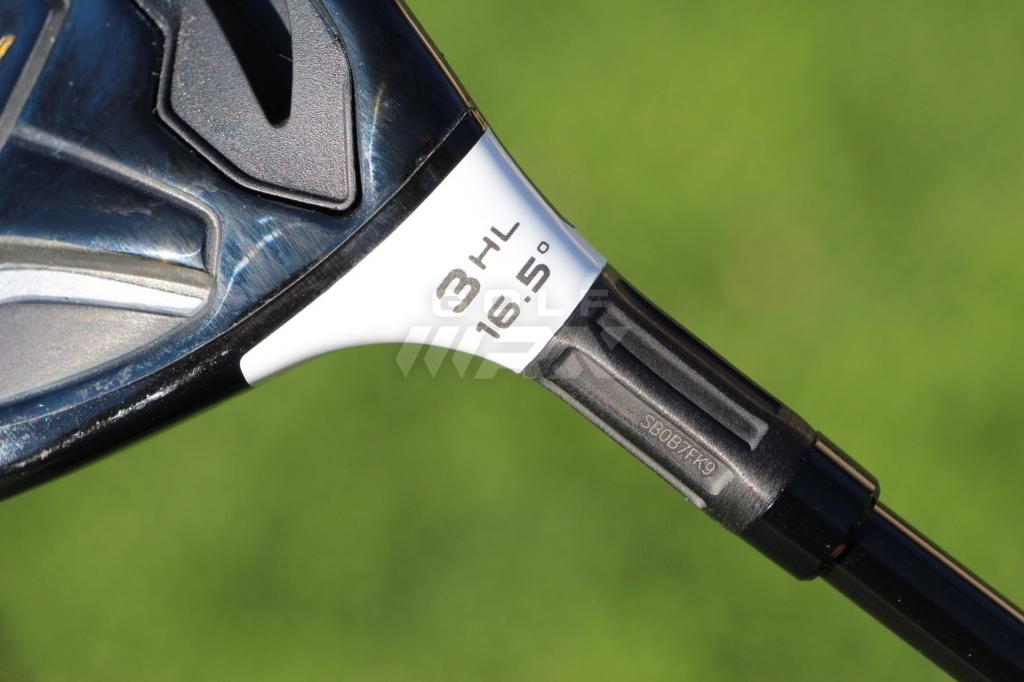
The face also sits square, which is a major requirement for me as well. I’ve bought and immediately sold 3 woods that have faces that are closed. I was actually worried about this, as in years past TaylorMade has sold a TP line of fairway woods, which have a more open face angle than standard models. There is no TP model in the M2 line, and what TaylorMade seems to have done is focused on making the M2 sit perfectly square.
The Results
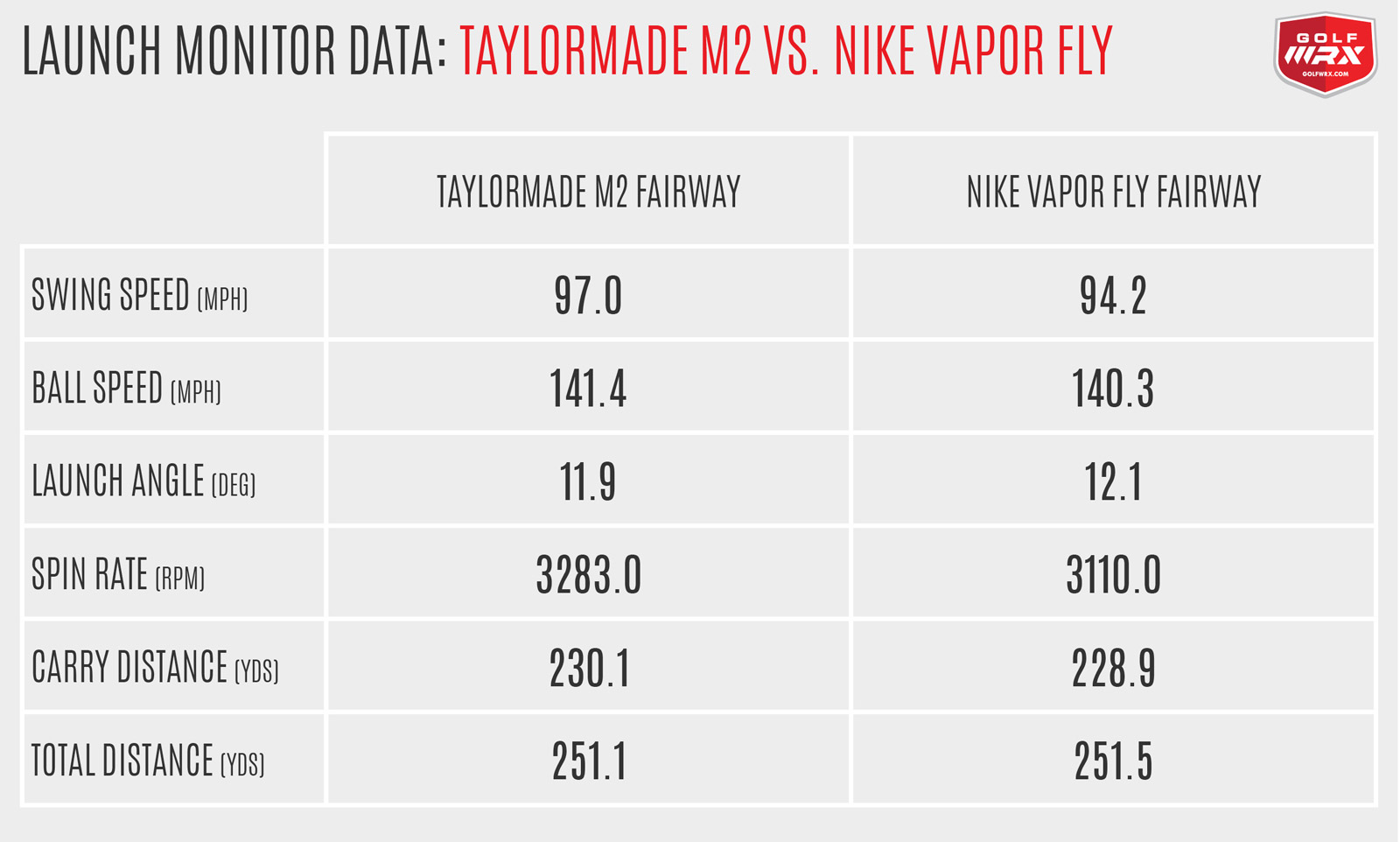
To do my testing, I took the M2 out to my course and played a few rounds, and then took it to the range and also had a couple of simulator sessions. The data above is from The Professional’s Golf Shop using Trackman and premium golf balls. The M2 was 15 degrees with a Fujikura Pro Tour Spec 73X shaft at 43 inches (untipped).
On Trackman, I was attempting to hit fade shots off the deck each time. The results are the 10 shots that best represented the fade. Overall, the numbers are pretty consistent. There were a few really good hits that made me say, “WOW!” But there were also several shots in this bunch that I hit thin, and I expected them to come up much shorter. That is until I got the results and was impressed that the shot still carried 225-230. I left those in, as I wanted to show how forgiving this club can be.
On The Course
On the course is where the M2 fairway wood really shines. Off the deck, I was getting great numbers on the simulator, but on the course I was hitting the M2 places where I have never hit a 3 wood before.
I came close to muttering those words “too far” at one point. I used it on a par 4 to stay short of water, and I ended up only a foot short of the hazard. We’re talking 280 to the water! And distance isn’t even the best thing about this club. Well, maybe … the distance IS pretty awesome. But there’s something else that’s really good, too. It goes back to the shape, sole design and face angle. I’m able to work this club with ease around the course. I can draw, fade, hook, slice, everything really easily with this club. Whether it’s from the tee box or behind 40 trees, I’m able to do some really fun things.
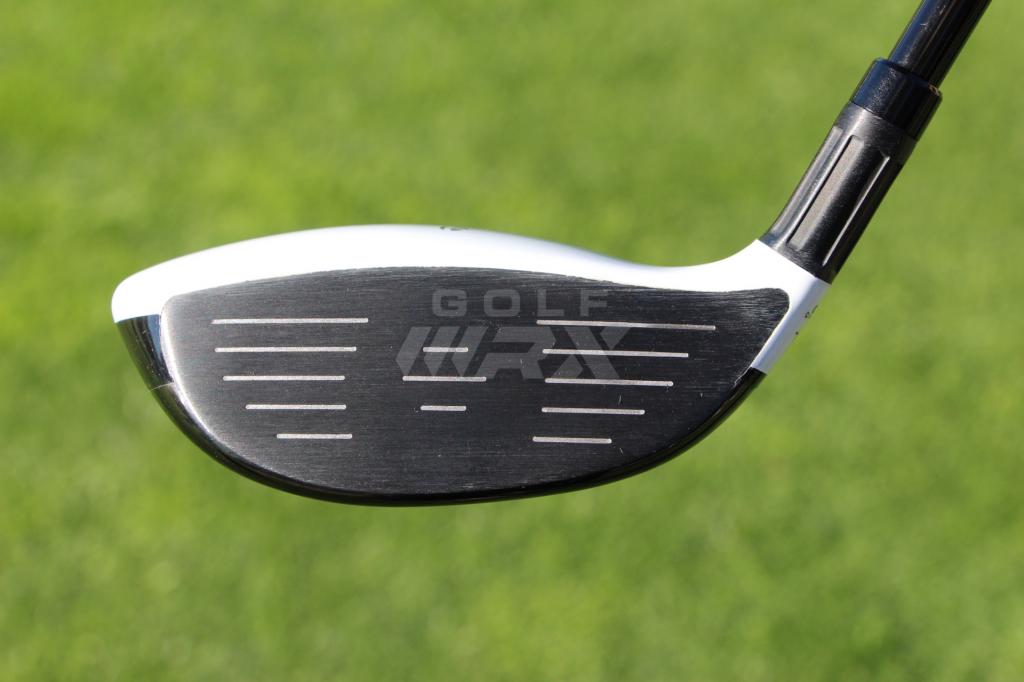 But I do have one negative. It has the same sound and feel as TaylorMade’s other M2 woods, and it’s something I don’t love. It almost feels a little hollow, and not as solid as other fairway woods. After awhile you do get used to it, and honestly I don’t think about it much now unless I hit another 3 wood right after it.
Comparison
As you might have seen in the data above, I was able to compare the M2 to my gamer, a Nike Vapor Fly (15 degrees with the same shaft, measuring the same length) both on the course and on the simulator. The only difference between the two clubs was that the Nike Vapor Fly’s shaft was tipped 0.5 inches.
Overall, they are pretty similar fairway woods. When hitting the fade shot on the simulator, they were almost identical. Both have great ball speeds, both are forgiving, and both pretty easily hit that shot.
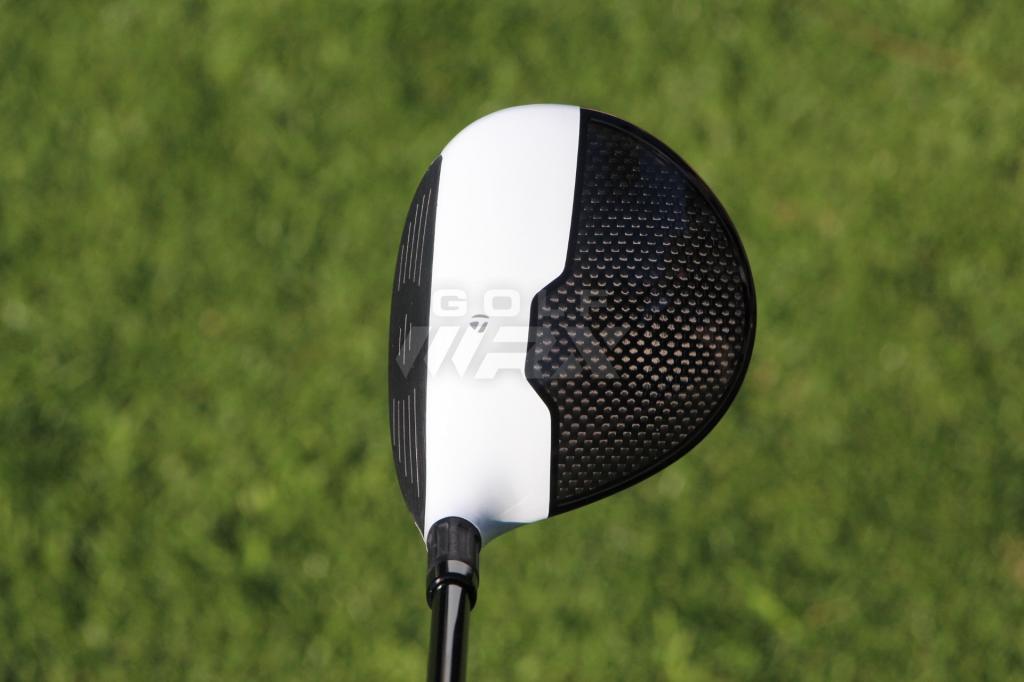
But on the course, the M2 ended up being a better club for me. The Vapor Fly has an open face angle, and it is harder for me to work shots both directions. I can hit fades with it all day, but I struggle to square the face and hit draws with it. The best hits on the simulator showed the M2 as the longer of the two, and that showed up on the course as well, especially off the tee. I thought I loved an open face, but it ended up not being good for me overall and my testing proved it.
Conclusion
The M2 is a fairway wood that anyone can play. It’s built with a square face, neutral weighting, and offers incredible distance. It should absolutely be on a list of fairway woods for any player to check out. It has a great combination of everything that I look for in a fairway wood. The feel and sound is the only knock I have.
[wrx_retail_links productid=”98″]

Justin Rose WITB 2026 (April): Full WITB breakdown with new McLaren irons

What’s the story behind Webb Simpson’s custom-stamped irons?

Cadillac Championship Tour Report: Spieth’s sizable changes, McLaren Golf launches, and more

Russell Henley’s winning WITB: 2026 Charles Schwab Challenge

Memorial Tournament Tour Report: Rory McIlroy, Cameron Young switch up drivers, and more

Kristoffer Reitan’s winning WITB: 2026 Truist Championship

Aaron Rai’s winning WITB: 2026 PGA Championship

Cameron Young’s winning WITB: 2026 Cadillac Championship

Details on Jason Day’s latest prototype Avoda iron setup

Nelly Korda WITB 2026 (April)


Alex Noren WITB 2026 (June)
Driver: Callaway Paradym Ai Smoke Max D (9 degrees @7, draw setting) Shaft: Graphite Design Tour AD VF 6 X 3-wood: Callaway...


Melanie Green WITB 2026 (June)
Driver: TaylorMade Qi4D (9 degrees) Shaft: Graphite Design Tour AD VF 5 S 3-wood: TaylorMade Qi4D (15 degrees) Shaft: Graphite Design Tour...


Sungjae Im WITB 2026 (June)
Sungjae Im had >14 clubs in his bag when photographed prior to the Memorial Tournament. Driver: Titleist TSi2 (8 degrees, B1...

Lucas Glover WITB 2026 (June)
Lucas Glover had >14 clubs in his bag when photographed prior to the Memorial Tournament. Driver: Titleist GTS2 (10 degrees, B2 SureFit...
-
 News6 days ago
Russell Henley’s winning WITB: 2026 Charles Schwab Challenge
-
 Equipment1 day ago
Memorial Tournament Tour Report: Rory McIlroy, Cameron Young switch up drivers, and more
-
 Whats in the Bag3 weeks ago
Aaron Rai’s winning WITB: 2026 PGA Championship
-
 Equipment3 days ago
Details on Jason Day’s latest prototype Avoda iron setup
-
 Tour Photo Galleries3 weeks ago
Photos from the 2026 CJ Cup Byron Nelson
-

 Equipment2 weeks ago
CJ Cup Byron Nelson Tour Report: Koepka and Kim’s newest putters finally get hot
-
 News1 week ago
Charles Schwab Challenge Tour Report: MacIntyre, Åberg and Spaun all switch putters, TaylorMade launches new Spider
-
 Equipment1 week ago
Details on J.J. Spaun’s surprise putter switch


Graham
Dec 22, 2008 at 2:28 am
I have recently bought the pocket cavity irons and was basically given a 19* and a 16* hybrid with the package.
I have never been a hybrid fan but after hitting the 16* longer and straighter then my 13* 3 wood I’m totally turned and love this club.
It gives me much more distance then I would have ever anticipated, and feels a lot more likean iron at address than other hybrids I have hit.
I hit off 14 at the moment and have shaved off four shots since
having Bridgestone clubs in my bag.
I think largely due to their responsivness, I actually know now exactly when I him them sweet and when I dont which I think has been a real game improver for me. Having clubs with too much forgiveness I believe can do more bad then good If u know what I mean.
The j36 hybrid has a lot of room to work the ball yet I have not hit a rank hook or slice with it yet only fades and draws.
Definately worth your while, feels like an iron with length like a wood!!!
Cheers, happy golfing!!!
Joey C
Nov 17, 2008 at 6:59 am
The 19 degree version is absolutely massive. My swing speed is approx 112 with a driver, n the standard stiff shaft held up so well to my swing. I was putting it past my titleist 904f 3 wood with a fujikura pro 95 shaft in it. Best hybrid ive hit, n ive hit em all. definately keeping it, and its so easy to hit.
drew ruiz
Apr 21, 2008 at 12:00 pm
I just bought the 16 degree J36 with the brand new prototype adilla vs shaft and it is a piece of art. Aside from its look the play is phenominal. It’s like hitting butter. I have a nickent 17 degree hybrid and would highly recommend that as well. However, nothings beats the bridgestone. I’m a highschool golfer and this club came in mid-season, its taken many strokes off my game.
Drew Ruiz
Bartolomeo
Mar 3, 2008 at 10:38 pm
This was a great review and it’s spot on about these aswesome hybrids. I switched from the Titleist 585H to this club in a 19 and 22 lofts. I suggest swapping out the shafts and put in some sort of Matrix hybrid shaft to compliment the head as well. Smaller head was a surprise but not noticeable at address. When struck, not a better sound.
Bart
Sean @ SwingSpeedGolf
Feb 25, 2008 at 8:34 pm
Now there’s a hybrid that I like the look of… thank’s heaps for sharing this one.
I’ve had 3 different hybrids in my bag (Srixon, Titleist, KZG) and all times, I’ve ended up putting a 5 wood back in or a “chunky” game improvement type long iron.
Your review has tipped me towards giving these a go.
Cheers
Sean Cassidy “Real Men Swing Fast”