
Equipment
2025 TaylorMade Qi35 drivers: GolfWRX Launch Report

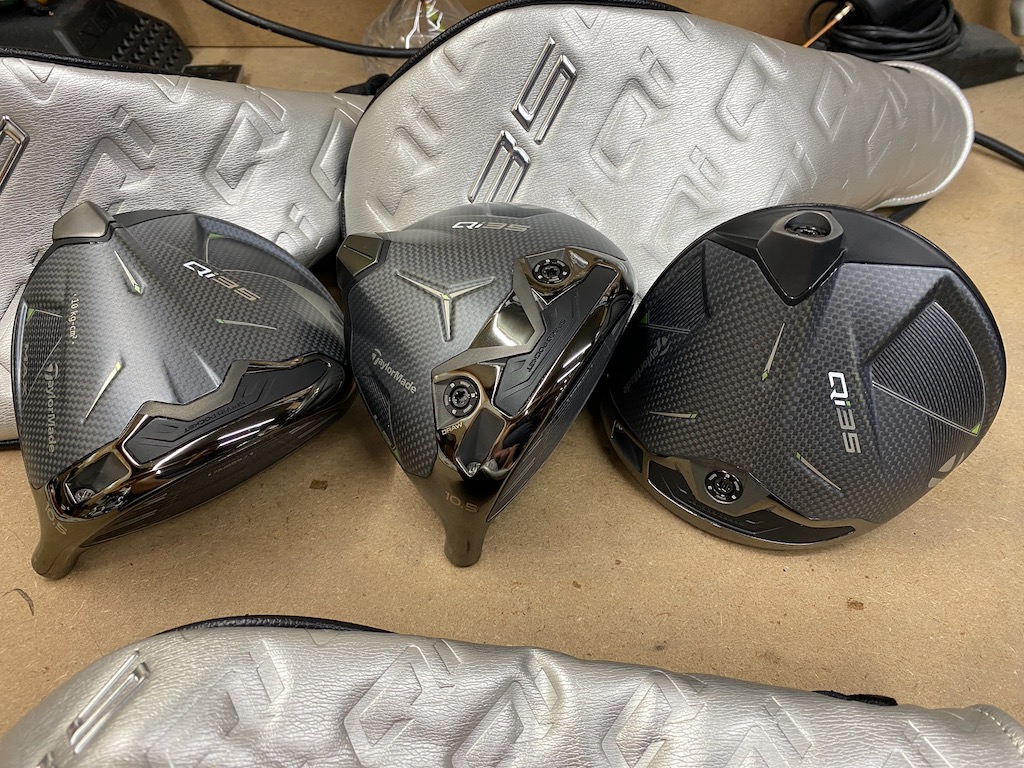
What you need to know: TaylorMade engineers sought to eliminate the tradeoff between moment of inertia (greater forgiveness) and low center of gravity (greater distance) with its new Qi35 drivers. The family includes Qi35 (standard model), Qi35 LS (low spin), Qi35 Max (maximum forgiveness), and Qi35 Max Lite (lightweight).
TaylorMade Qi35 drivers: What’s new, key technology
“More distance from more of the face” is TaylorMade’s tagline for the Qi35 driver lineup.
How does the company deliver this?
CG projection: The term refers to the balance point of the driver’s head projected onto the face of the club. A ball struck above the balance point (think “tee it high and let it fly”) generally launches higher with less spin. As all golfers have unfortunately experienced, a lower strike is spinnier, launches lower, and travels a shorter distance. TaylorMade engineers lowered the balance point of the TaylorMade Qi35 driver relative to previous models to give golfers more opportunities for better drives.
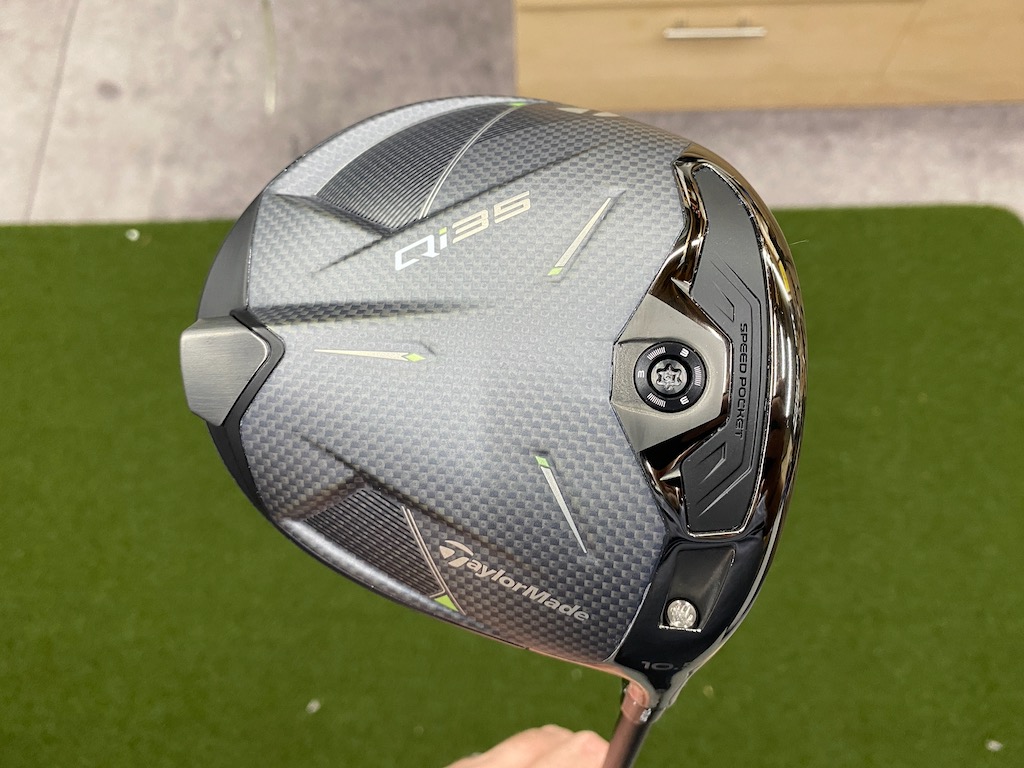
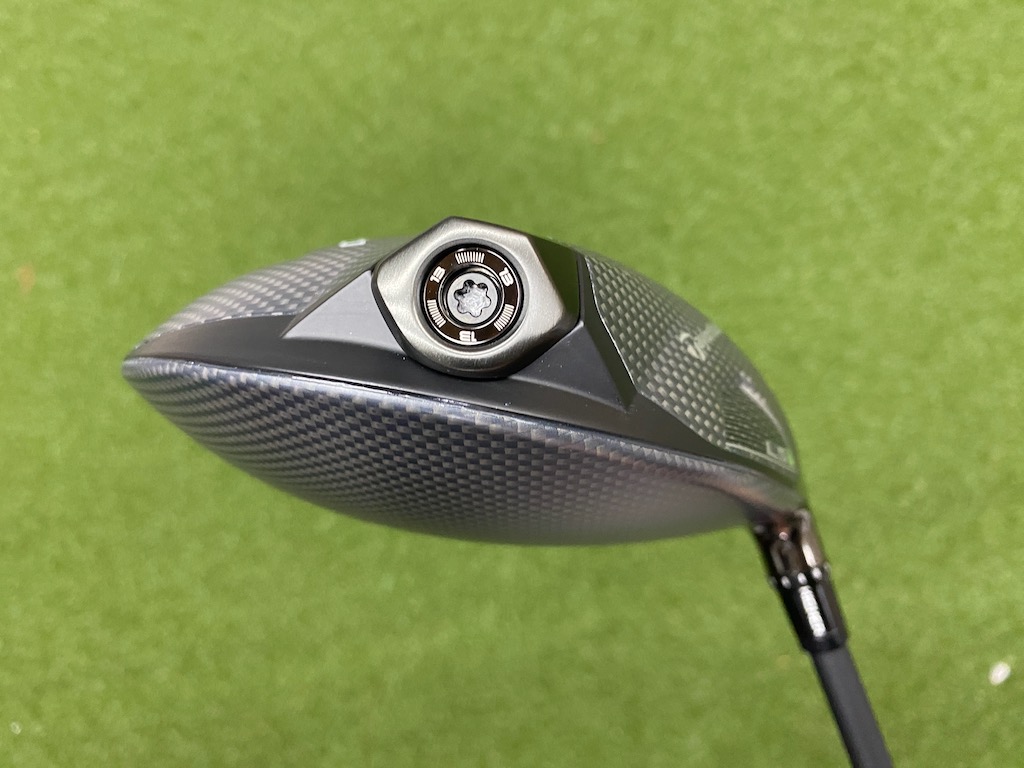
TAS weights: Additionally, the company’s Trajectory Adjustment System weights (uniquely configured for each model) allow for additional center of gravity adjustment for further tuning.
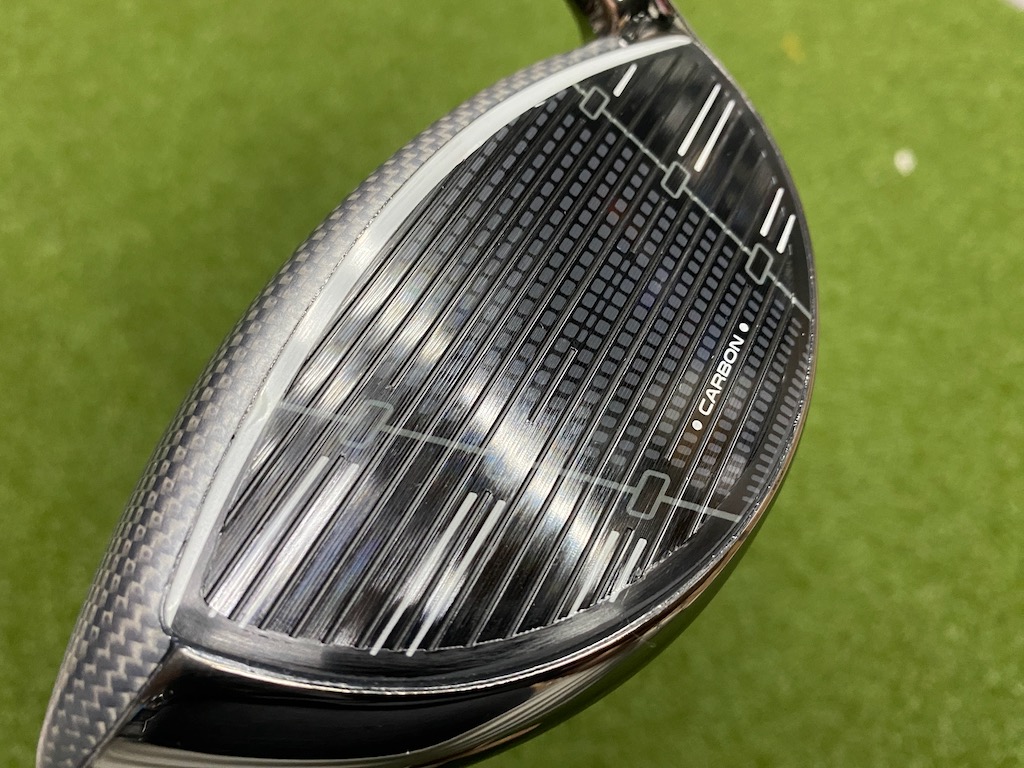
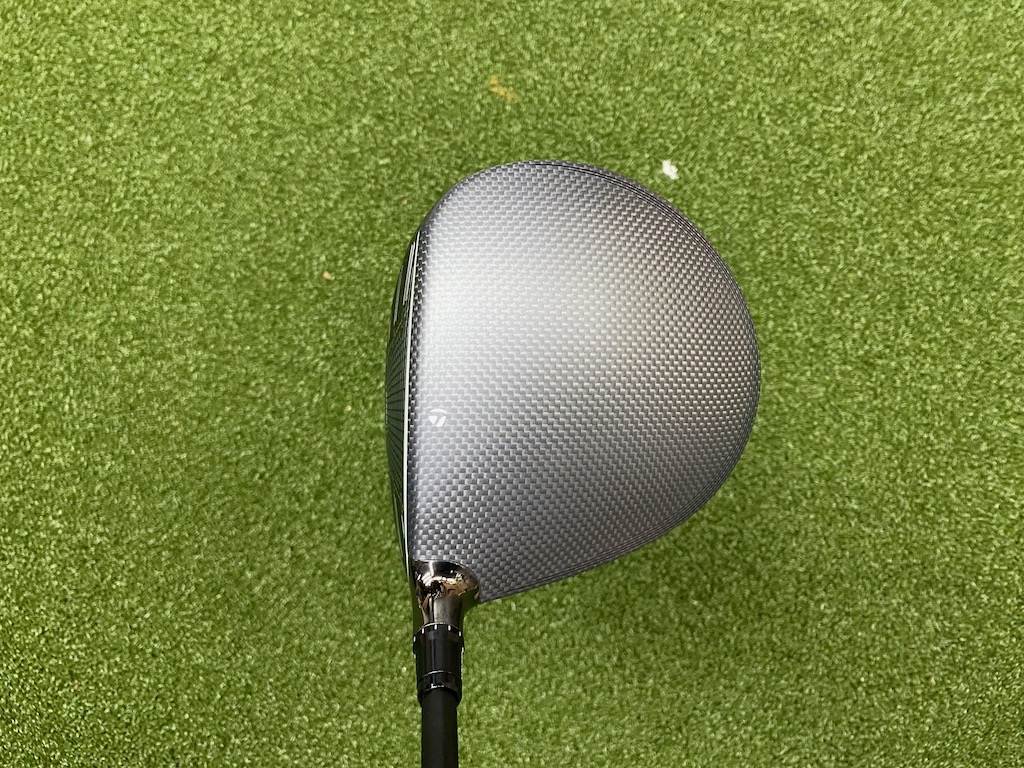
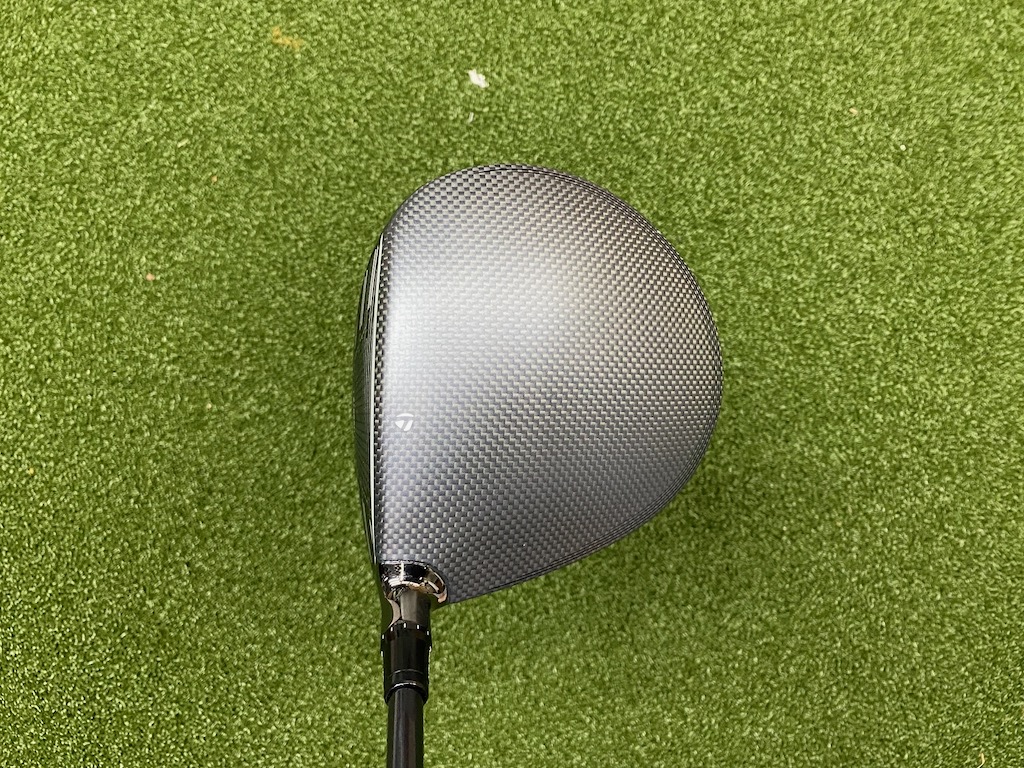
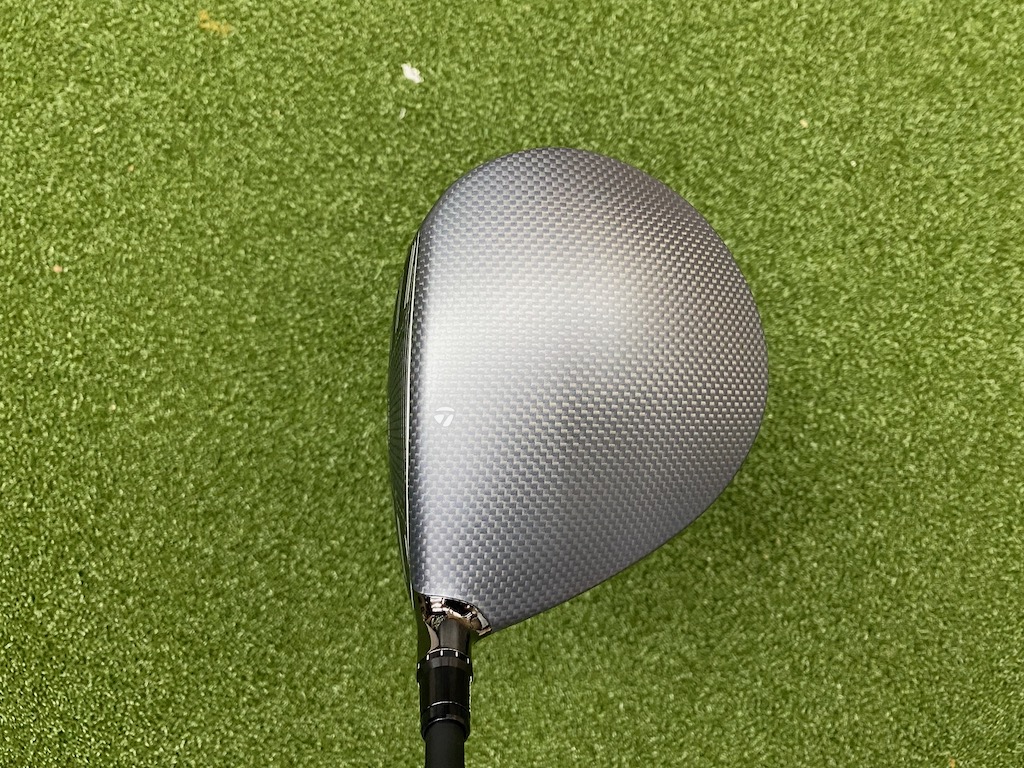
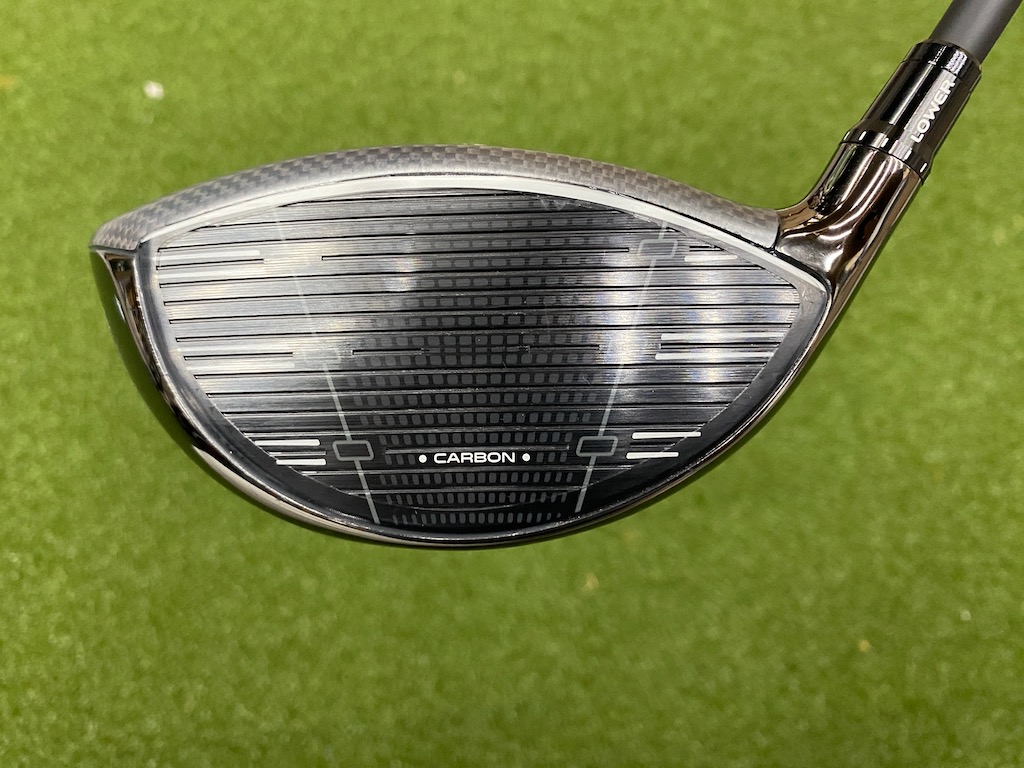
Chromium carbon fiber: Used throughout the head in conjunction with a fourth-generation Carbon Twist Face and Infinity Carbon Crown, the total effect of the technology is a lighter head with increased discretional weight positioned farther back in the structure for a greater moment of inertia (and thus more forgiveness).
Multi-material construction: Chromium carbon fiber, steel, aluminum, tungsten, and titanium all work together to deliver performance across the Qi35 family’s four driver models.
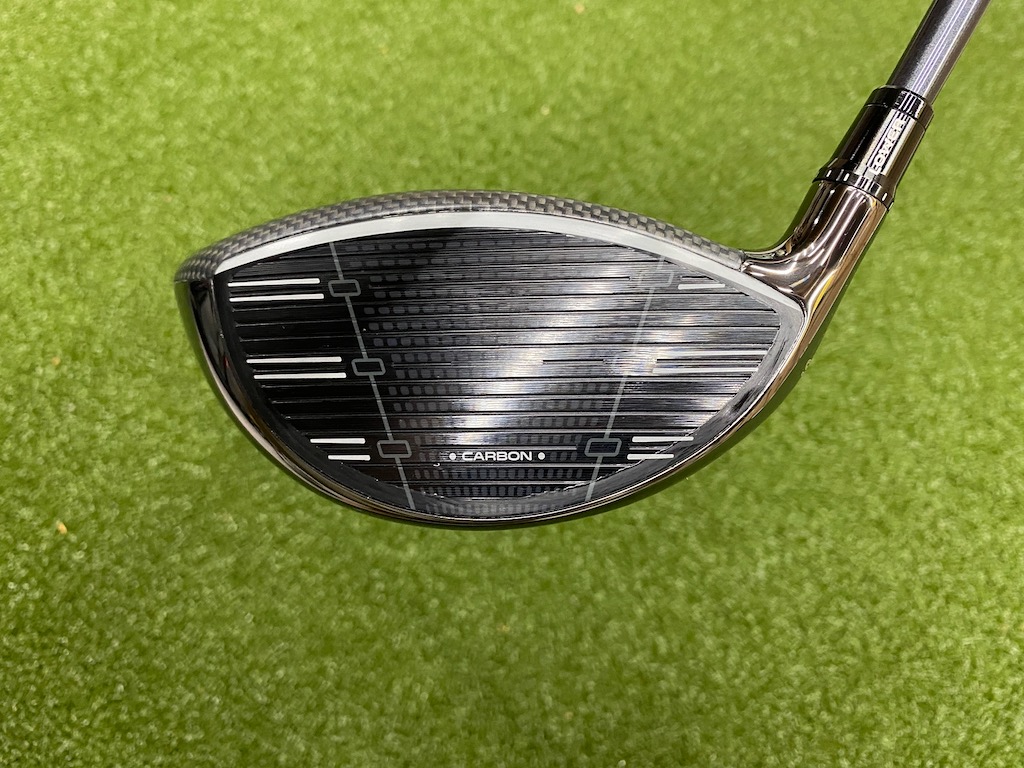
Qi35 SelectFit heads: Every Qi35 driver features reflective fitting markers built directly into the face for a more accurate and efficient fitting process. These markers allow for the most accurate impact location and face delivery data possible and eliminate the need for fitters to apply stickers to the driver’s face. Foresight’s GCQuad and Quad Max monitors can accurately track the markers. For Trackman, the company says, “TaylorMade has provided Trackman clubhead measurements for the most accurate face impact and club delivery data possible.”
2025 TaylorMade drivers: Additional model details
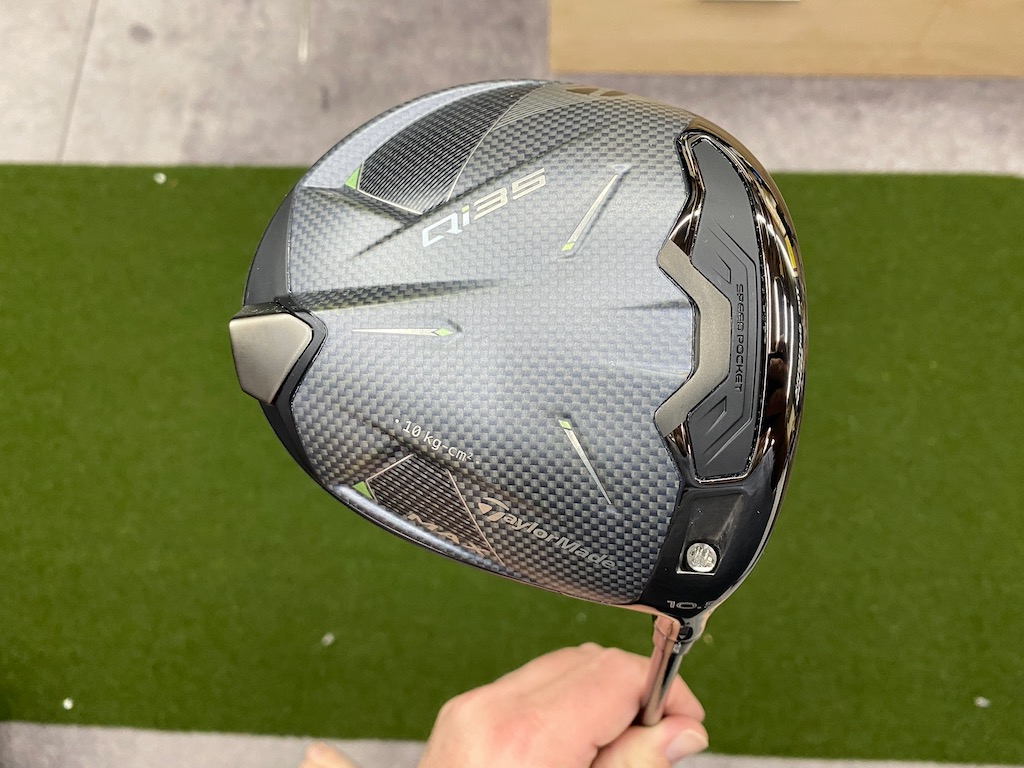
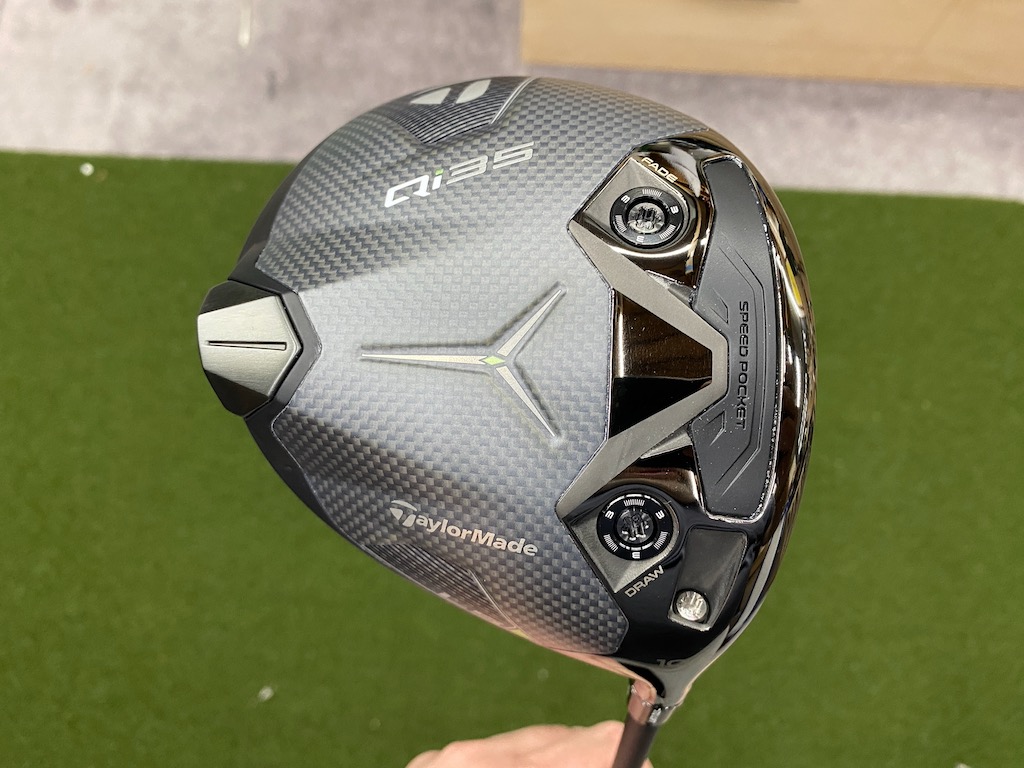
Qi35
- Same high-inertia shape as Qi35 Max
- 8 millimeters longer front-to-back than Qi10
- 9K MOI
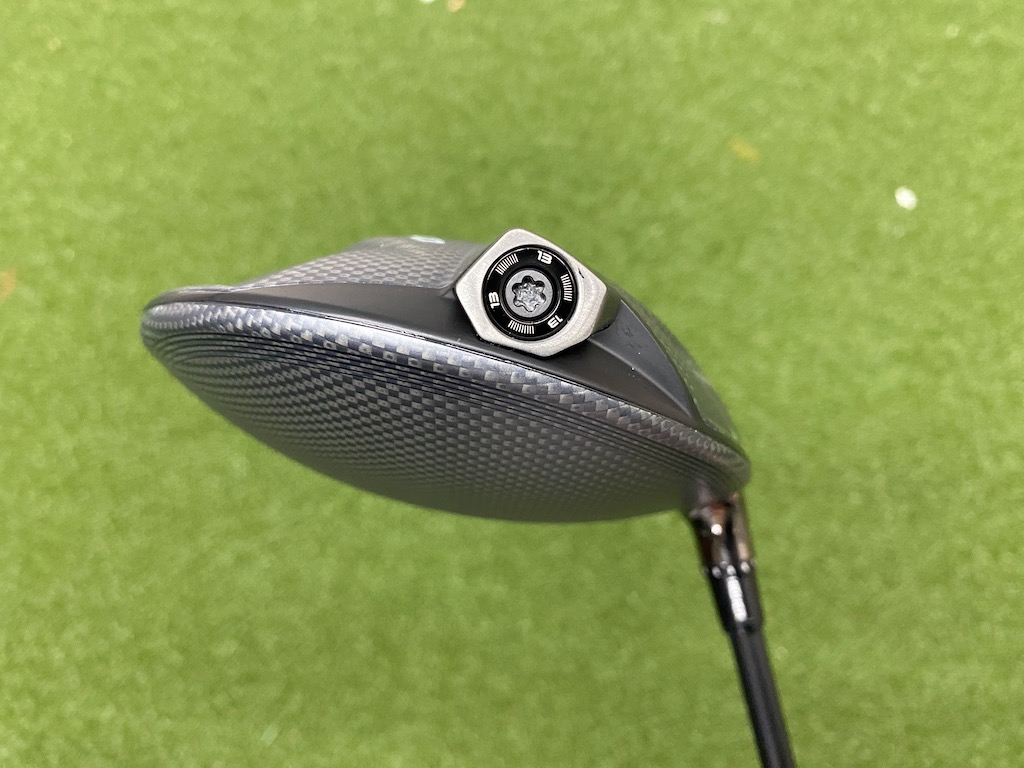
- 2 TAS weights: 13 grams back, 3 grams front allowing golfers to move the CG more than 1 millimeter
Qi35 Max
- 34-gram rear fixed tungsten weight housed in all-new symmetric inertia generator
- 10K MOI
- Projected CG is 2.9mm from center face for improved launch, greater distance
Qi35 LS
- 13-gram TAS weight standard in the rear
- 2 3-gram TAS weights standard in the front
- TAS weights allow for more discretionary weight than a sliding weight and more efficient CG
- Lowest-spin configuration: 13-gram weight in the front toe position (-0.2mm CG)
- Moving the 13-gram weight to the rear configures the LS model for its highest MOI
Qi35 Max Lite
- TaylorMade’s ultra-lightweight entry
- Over 35 grams lighter than Qi35 Max
- Ultra-lightweight components
What TaylorMade says
“At TaylorMade, we have been pushing the envelope of forgiveness, and in Qi35, we have taken it to yet another level. The true breakthrough is delivering this new level of forgiveness with even more distance and enhanced launch conditions. Combining that with groundbreaking fitting technology in Qi35 SelectFit heads will allow the golfer to see maximum performance gains with Qi35 drivers,” — Brian Bazzel, VP of Product Creation for TaylorMade.
Club Junkie’s take
BK got the lowdown on the new Qi35 drivers from Chandler Carr, TaylorMade’s product creation manager.
Pricing, specs, availability
Price: $599.99 (Qi35, Qi35 Max, Qi35 Max Lite), $649.99 (Qi35 LS)
TaylorMade Qi35
Lofts: 9, 10.5, 12 degrees
Stock shafts: 2025 Fujikura Ventus Blue (5S, 5R, 5A), Mitsubishi Diamana T+ 60 (X, S)
Stock grip: Golf Pride Black/Silver ZGrip
TaylorMade Qi35 Max
Lofts: 9, 10.5, 12 degrees
Stock shafts: 2025 Fujikura AirSpeeder (5S, 5R, 5A), Mitsubishi Diamana T+ 60 (X, S)
Stock grip: Golf Pride Black/Silver ZGrip
TaylorMade Qi35 LS
Lofts: 8, 9, 10.5 degrees
Stock shafts: Mitsubishi Kai’li Blue DarkWave CB 60 (X, S, R), Kai’li White DarkWave 60 (X, S)
Stock grip: Golf Pride Black/Silver ZGrip
TaylorMade Qi35 Max Lite
Lofts: 10.5, 12 degrees
Stock shafts: Mitsubishi Vanquish 4 (R, R2/A)
Stock grip: Golf Pride Black/White ZGrip (0.600 43g)
Qi35 Max Lite women’s is offered in 10.5 and 12-degree lofts with Fujikura’s AirSpeeder 40 L shaft and the Lamkin ST Soft grip (0.580 40g).
Qi35 drivers can be customized with various grip and shaft offerings through TaylorMade’s custom ordering platform. Customizable weights will also be offered in an eight-piece weight kit and individually ranging from 3 to 15 grams.
Pre-order: January 7
View this post on Instagram






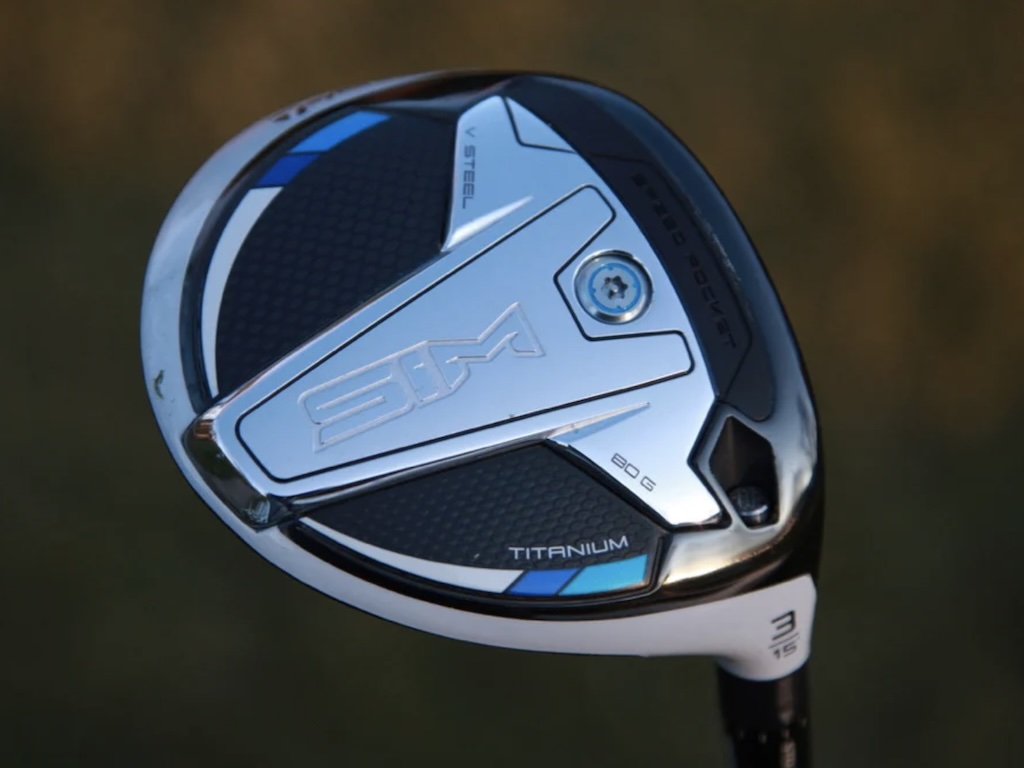
In our forums, one user is asking for recommendations for a 3-wood in the 200cc range. Standard 3-woods come with heads in the 165cc to 175cc range.
@driverHATE asked:
“I still have and regularly came the Callaway 2 deep. Looking for something similar in size and function. Ideally, the head would be low spin. I have tried many of the other mini drivers from the past and they are either (a) too large or (b) way too spinny.
“Does not need to be a current offering. My research has pointed me to the OG SIM TI, which I will likely try. Just seeing if there are any other similar options I am overlooking. Thanks!”
Our members in the forum have been offering up advice on options driverHATE might consider trying. Here are a few posts from the thread, but make sure to check out the entire discussion and have your say at the link below.
- Ben B: “I mean the new Qi4D core is 185cc and the max is 200cc. Much like the Qi10 fairways, the 4Ds are starting to gain a lot of traction.”
- phizzy30: “OG SIM ti has a bigger foot print with a deep face. It’s considered lower launch/spin with high ball speeds which I agree with after having one for years. I would recommend it or if you want something a bit newer that’s more versatile, the Qi10 tour is it. Qi4d tour is also amazing as well. These two have deeper faces as well and are great tee options. They’re also good off the deck as well provided you can elevate the ball.”
- hammergolf: “You will be very hard pressed to find a better performing club than the OG Sim Ti fwy wood. If you can find a rocket model even better.”

Neal Shipley survived “Golf’s Longest Day” to qualify for the U.S. Open next week at Shinnecock Hills Golf Club, and is set to make his first appearance at his national open since he earned low amateur in 2024. So what better time to be featured in another edition of “Building a Bag.”
It’s also a significant time for Shipley to have a breakdown of his setup featured here at GolfWRX, as the Ohio State alum has been through some substantial gear changes over the past few months to combat one thing – over-spinning the golf ball.
So let’s dive into Shipley’s setup:
Big changes start with the ball
Shipley’s major bag update for this season has been a change in golf balls. Initially, in the Titleist Pro V1, Shipley had to remove loft from his long irons to tackle the fact that he overspins the golf ball. But after testing and transitioning to the Pro V1x Double Dot, he was able to find the right numbers and also launch the ball higher.
“I’ve struggled with spin for a long time and I was battling that, especially in my longer irons and had to take a lot of loft off,” Shipley told GolfWRX. “So I struggled when I got the irons in the right spin rates in the right spin windows, not getting enough height. So I was able to go to this ball and add loft, get the lunch I need, without really adding too much spin.”
The lower-launching and lower-spinning Pro V1x variant is a golf ball that transformed Cameron Young’s game and plenty of players have tested it out on Tour, including Kris Ventura and Jhonattan Vegas.
“It’s been nice to kind of launch the ball a little bit more and get some height more with my launch rather than with the ball downfield,” Shipley added. “So it’s been a nice addition. It’s really good in crosswind. It’s great off the tee.”
Soft stepping experiment
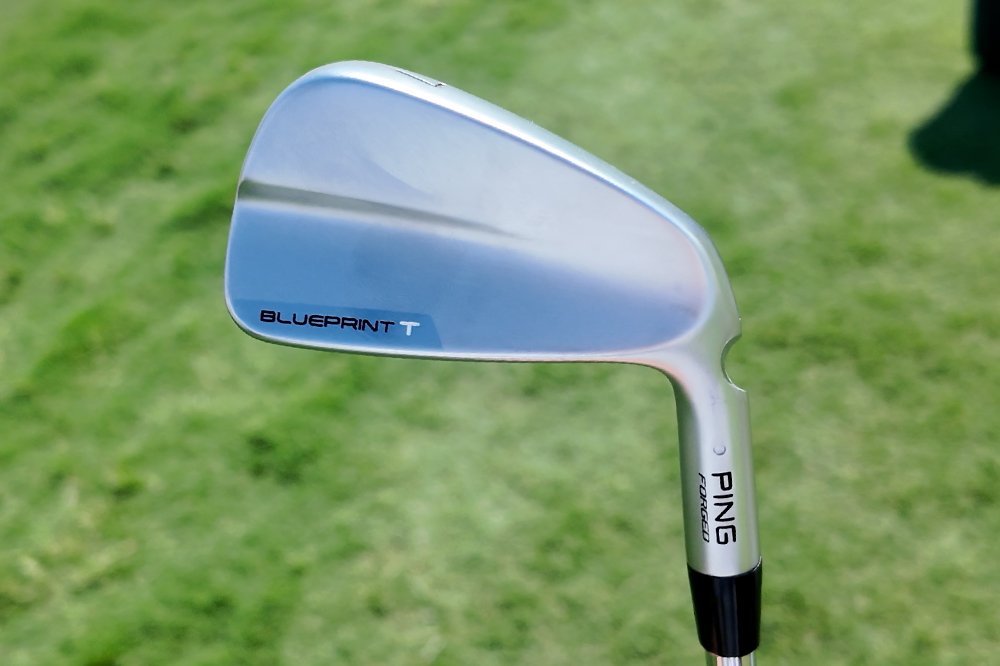
From 5- to 9-iron, Shipley plays Ping’s Blueprint T irons, of which he believes are “one of the cleanest looking blades out there.”
The model has been in his bag even before they even went to retail. What’s most interesting about his iron setup, though, is what he’s doing with the shafts.
Shipley plays Dynamic Gold X100 120 shaft, a pretty common low-spinning, low-launch shaft out on Tour. What he and the Ping team have begun experimenting with is soft-stepping, for a few reasons.
“Trying and get a little more, just touch, more height and spin on the ball, a little more deflection,” Shipley said on the process of changing the stiffness of a set of irons by putting the lower-numbered iron shaft throughout the set and changing the distance from the first step in the shaft to the hosel. (ie. The 8-iron shaft is put in the 9-iron and so forth.)
Essentially, the shift makes the shaft slightly weaker by cutting more off the butt end of the club. The change aligns with the ball swap, with Shipley’s freedom now to launch the ball higher with loft without it overspinning. Shipley has also done the same to his i240 4-iron.
No need to de-loft
Shipley plays some of the lowest-lofted clubs out on the PGA Tour. His older Ping G440 LST has just 6.8 degrees of loft – yes, you read that correctly!
Now with the ability to add more loft, thanks to the golf ball change, Shipley’s current driver is at 7.6 degrees. The 9-degree LST head is cranked down on Big Minus on the Ping adapter hosel.
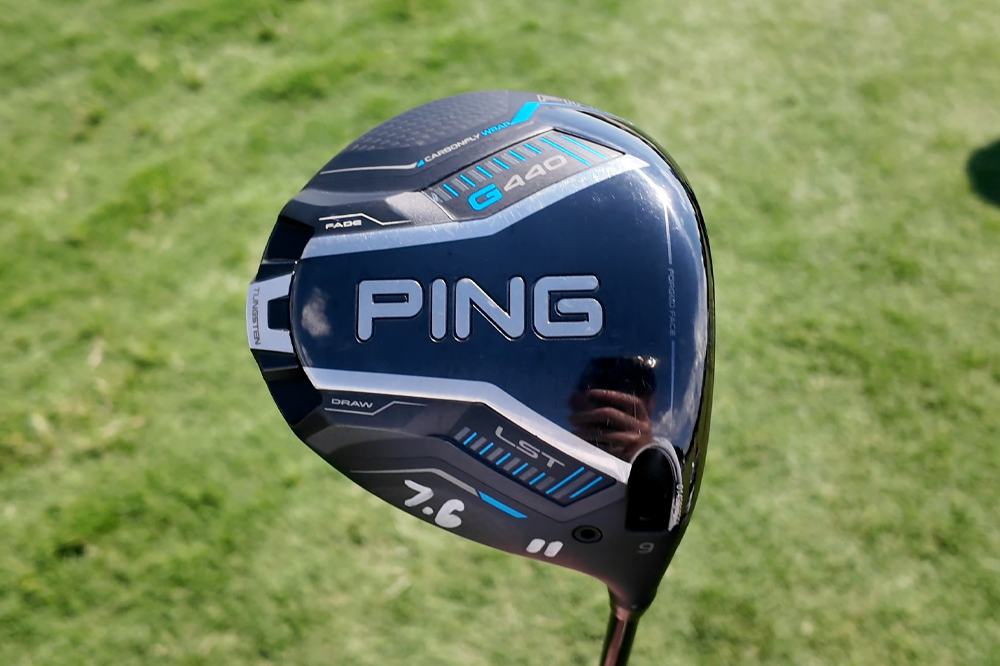
It’s still a stout build, however, as Shipley plays a Fujikura Ventus TR 7x that has been tipped at 2 inches. He also uses the heaviest high-density tungsten back weight available at 35 grams.
More than just the stamps
Shipley was the first to admit that he enjoyed his food while in college. But since his days at Ohio State, he’s slimmed down and earned a PGA Tour Card.
That hasn’t stopped him from having fun with his wedge stampings, though it’s led to some misunderstandings.
On the 54 (degree), we have ‘Big Fudge,'” Shipley said. “It was supposed to be ‘Big Fridge,’ so this happened a little while ago. ‘Big Fridge’ was a nickname between my college teammates and I, with ‘fridge’ meaning stomach, a big stomach.
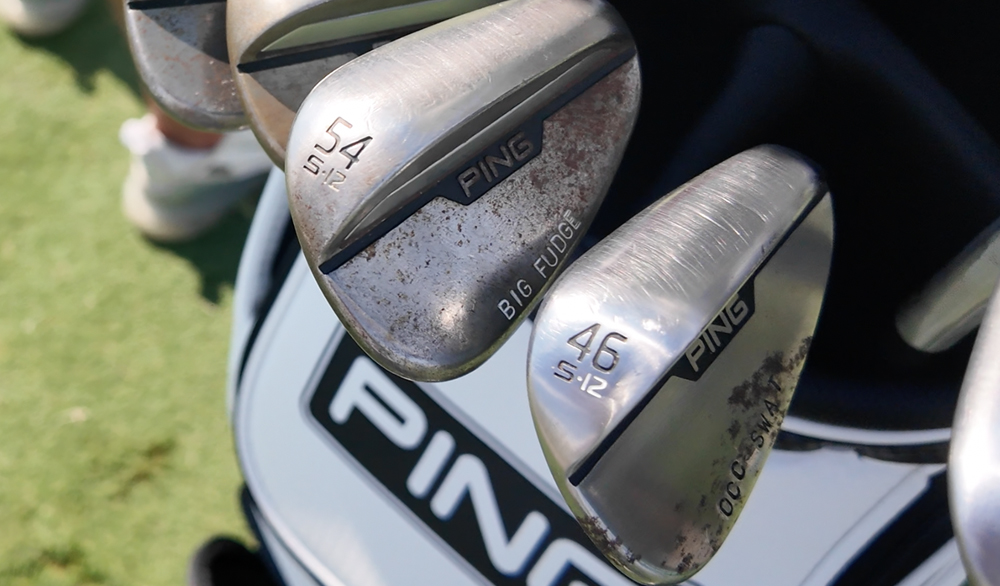
“We told the Ping guys to put … ‘Big Fridge’ on it, and I think maybe some bad cell service or something, and they thought I said ‘fudge,’ so they put fudge on it.”
On Shipley’s 50-degree he also continues the food theme, this time with his go-to order at the “Golden Arches,” and his stamping “DONS 7.”
“The number 7 meal, the two cheeseburger meal, that was my McDonald’s order, back when I would have McDonald’s frequently,” Shipley shared.
There’s more to just the stamping. He’s stuck with the S159 wedges since graduating from the Korn Ferry Tour, as he feels confident in the head shape.
“I prefer the shape a little bit more of the leading edge, not as rounded of a leading edge, a little bit more straight on,” Shipley added.
The added confidence helps him with adapting to the different grinds needed week-in-week-out on Tour. Shipley is happy to game three different grinds with his lob-wedge.
“Primarily use the T, the H, and then I’ll do a 58S,” Shipley said. “These are actually at 59 degrees. I’ll do the 58 strengthen to take a little bit of bounce off in the S grind and then we’ll shave some trail edge and heel edge relief. Just helps act as like a higher bounce essentially. So kind of stick with those most of the time.”
Heavier the better
The final piece to Shipley’s puzzle is his custom Ping PLD Anser 4D. It’s somewhat of a gentle giant, featuring a heavier-than-usual head, but a custom aluminium insert.
“It’s a little bit heavier, I think this one’s 355 to 360 grams, so a little bit heavier head,” Shipley said. “So the heavier head I feel like has helped me on some of the shorter putts with a little bit of stability.
“But the insert, I think, has been helpful in some of the longer putts. Just kind of slowing the ball down with the softer insert in the grooves.”
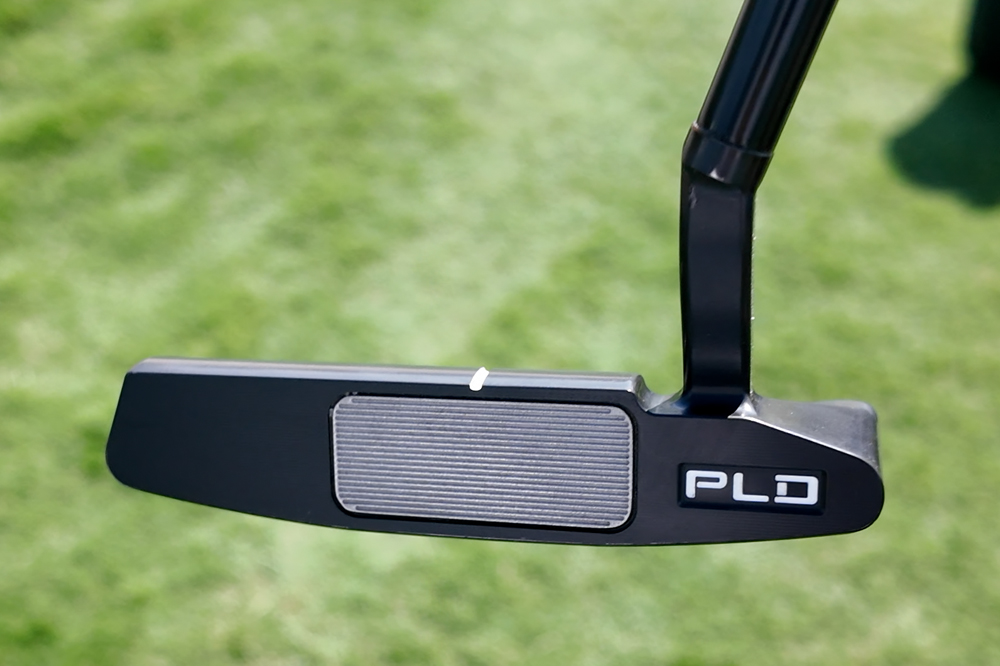
Shipley’s one of the few players left on Tour playing an actual Anser blade, having said in the past that he naturally sets up to the right on putts and allows the face to rotate through. Something which he hasn’t been able to mimic with a mallet.
Shipley’s full bag:
Driver: Ping G440 LST (9 degrees @ 7.6)
Shaft: Fujikura Ventus TR Black 7X (45 inches, tipped 2 inches)
Mini driver: Ping prototype
Shaft: Fujikura Ventus TR Black 8X
3-wood: Titleist TSR3 (13.5 degrees, C2 SureFit setting)
Shaft: Fujikura Ventus Black 8X
5-wood: Ping G440 Max (19 degrees)
Shaft: Fujikura Ventus Black VeloCore+ 8X
Irons: Ping iDi (3 @ 19.25), Ping i240 (4), Ping Blueprint T (5-9)
Shafts: Fujikura Ventus Black HB 10X (3), True Temper Dynamic Gold 120 X100 (4-9 soft-stepped)
Wedges: Ping s159 (46-12S, 50-10S, 54-12S, 60 T or H @ 59)
Shafts: True Temper Dynamic Gold 120 X100 (46-50), True Temper Dynamic Gold Tour Issue S400 (54-60)
Putter: Ping PLD Anser 4D
Grips: Golf Pride ZGrip Cord
Golf Ball: Titleist Pro V1x Double Dot

Driver: Titleist GTS3 (10 degrees, D4 SureFit setting)
Shaft: Mitsubishi Chemical Diamana RB 53 S
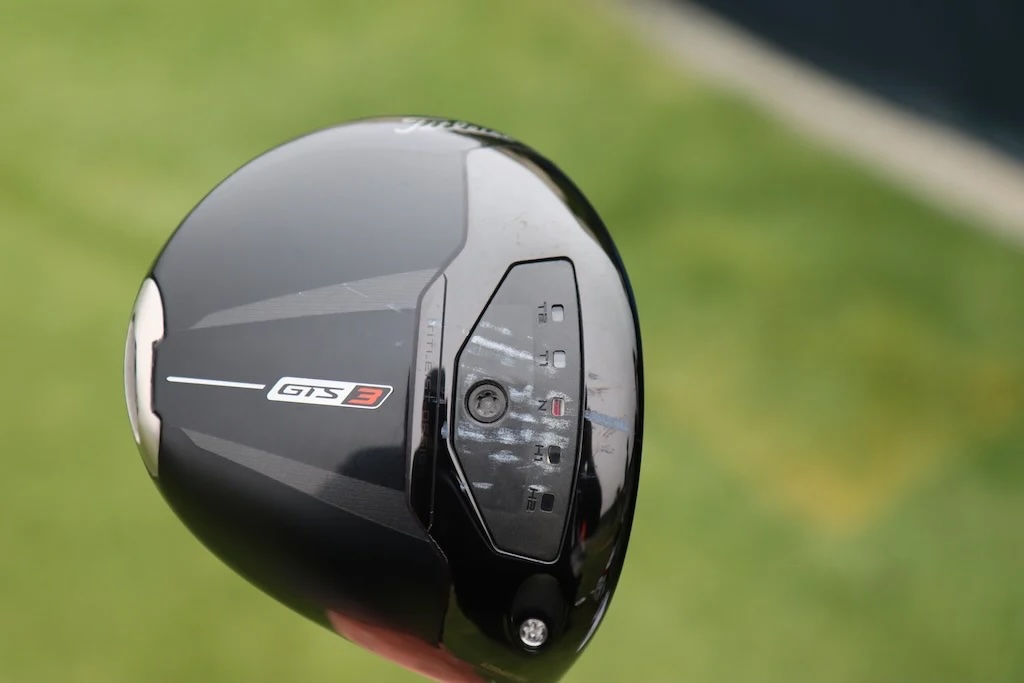
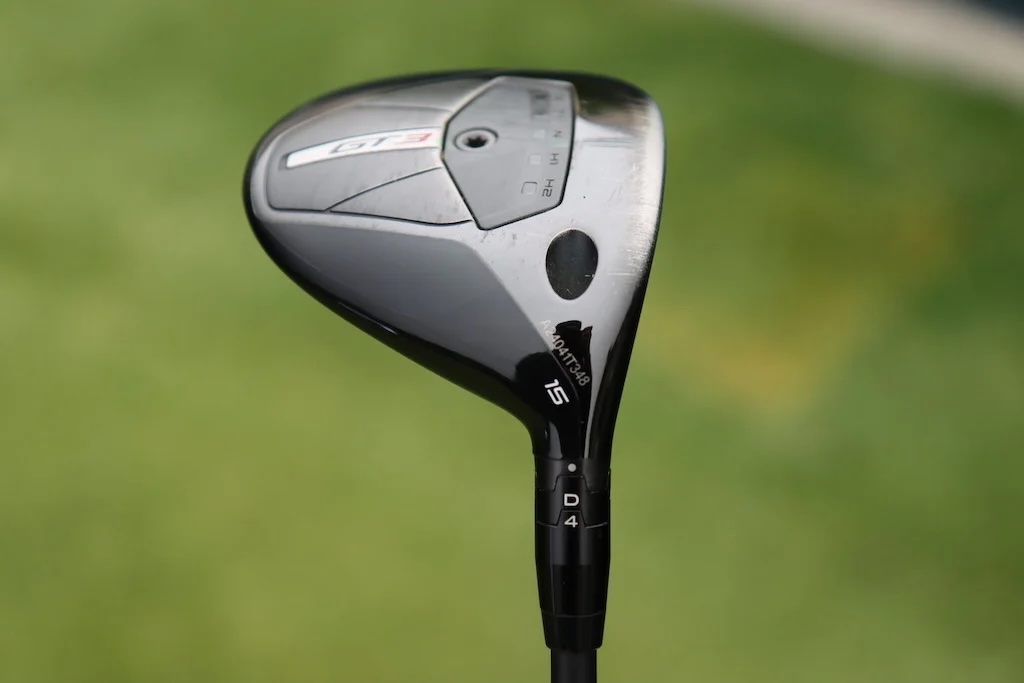
3-wood: Titleist GT3 (15 degrees, D4 SureFit setting)
Shaft: Mitsubishi Chemical Diamana RB 63 S
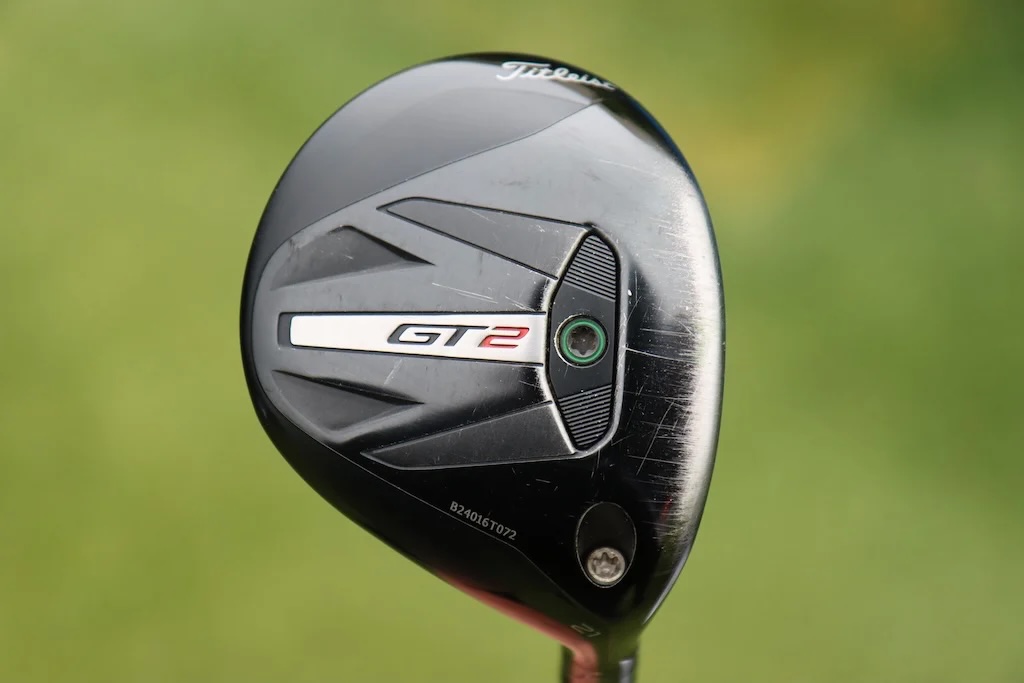
7-wood: Titleist GT2 (21 degrees, C1 SureFit setting)
Shaft: Graphite Designs Tour AD DI-6 SR
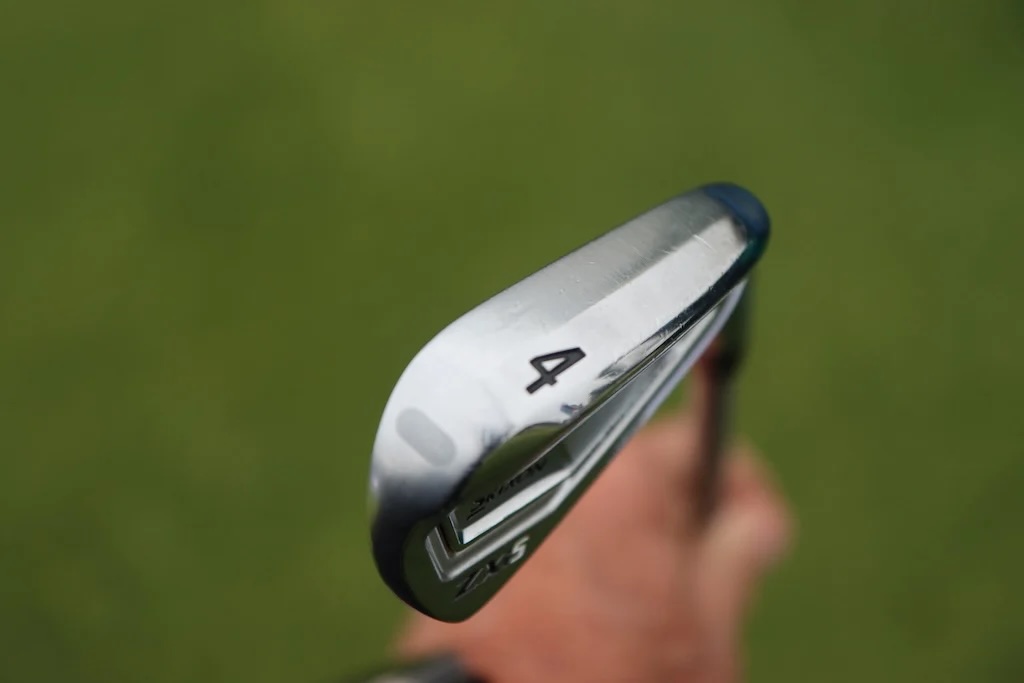
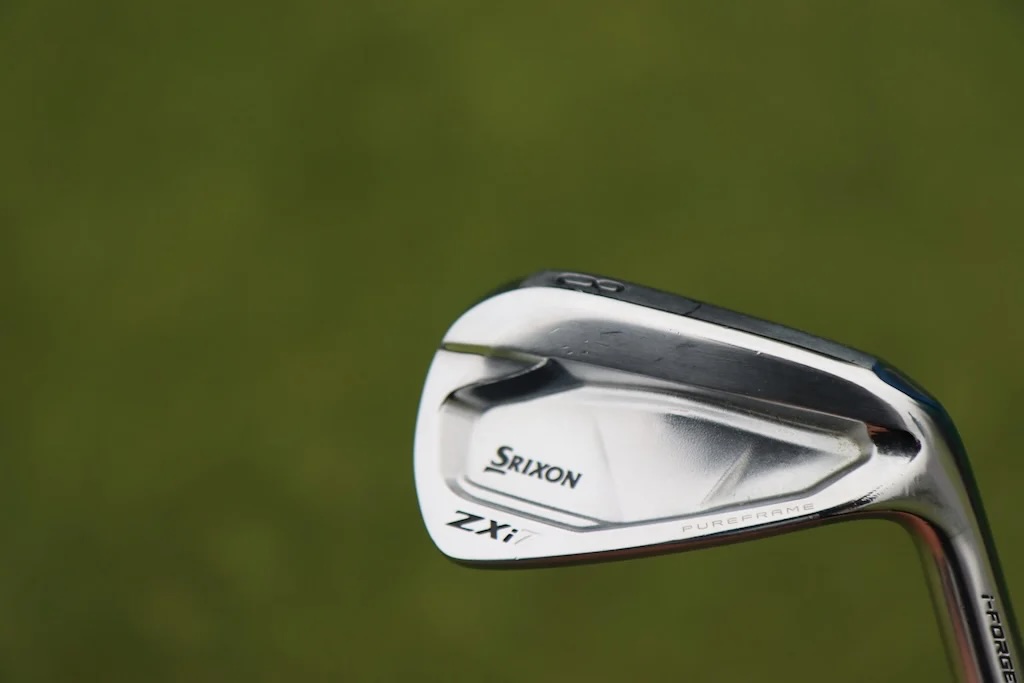
Irons: Srixon ZXi5 (4), ZXi7 (5-PW)
Shafts: True Temper Steelfiber i80 CW
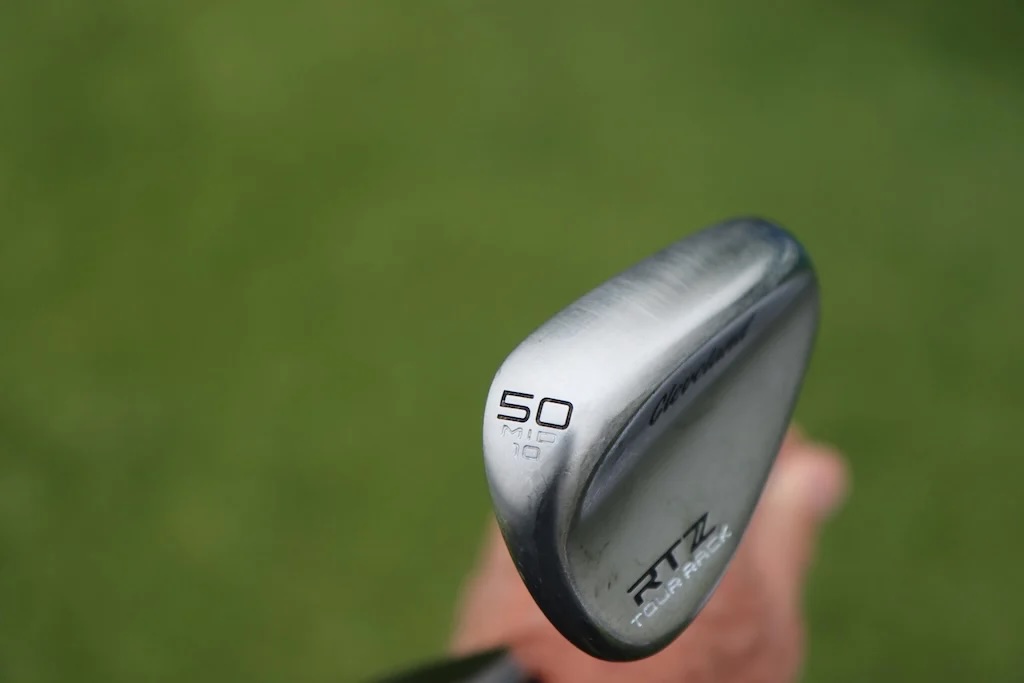
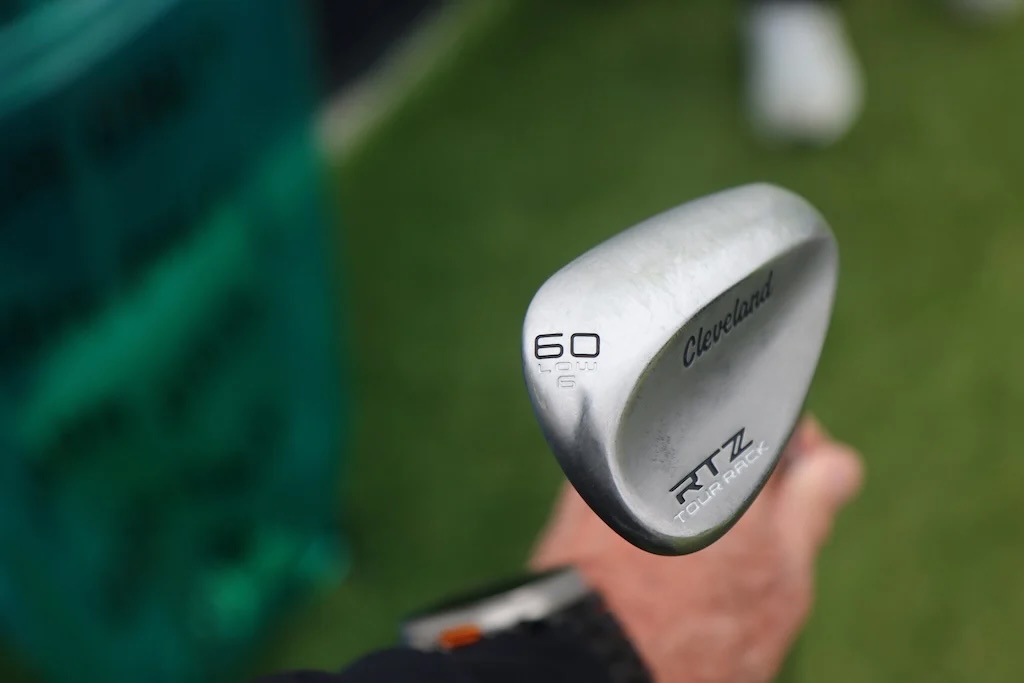
Wedges: Cleveland RTZ Tour Rack (50 MID-10, 56 MID-10, 60 LOW-06)
Shafts: Nippon N.S. Pro 980GH D.S.T. R
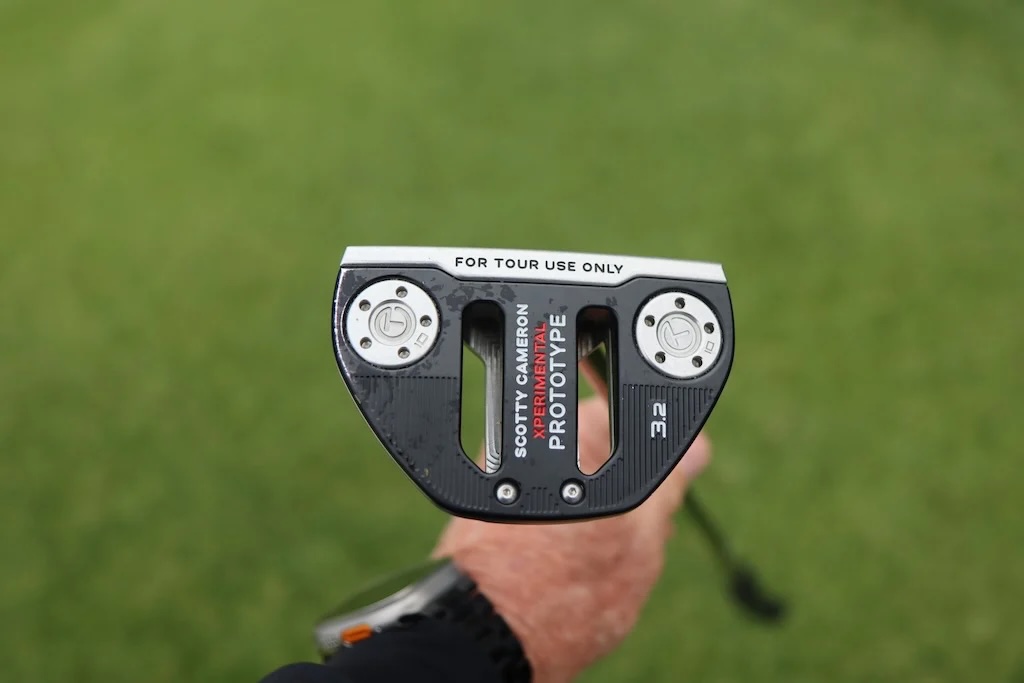
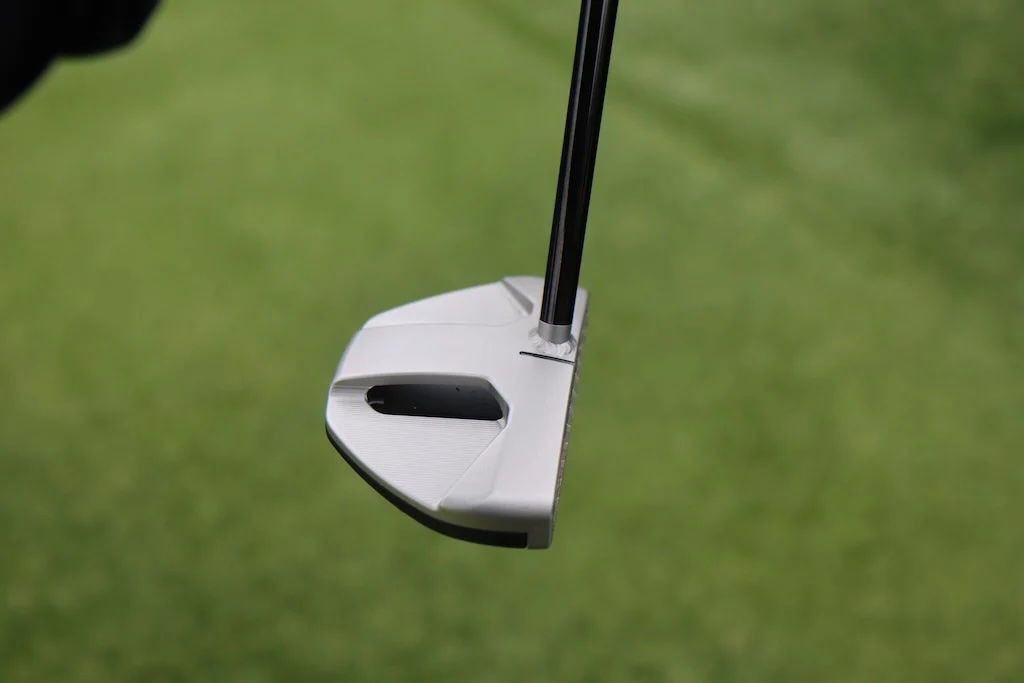
Putter: Scotty Cameron Xperimental 3.2 Prototype
Grips: Golf Pride Z-Grip Cord
Ball: Srixon Z-Star Diamond

Justin Rose WITB 2026 (April): Full WITB breakdown with new McLaren irons

What’s the story behind Webb Simpson’s custom-stamped irons?

Cadillac Championship Tour Report: Spieth’s sizable changes, McLaren Golf launches, and more

Memorial Tournament Tour Report: Rory McIlroy, Cameron Young switch up drivers, and more

Russell Henley’s winning WITB: 2026 Charles Schwab Challenge

Kristoffer Reitan’s winning WITB: 2026 Truist Championship

Aaron Rai’s winning WITB: 2026 PGA Championship

Cameron Young’s winning WITB: 2026 Cadillac Championship

J.T. Poston’s winning WITB: 2026 Memorial Tournament

Best irons 2026: Best irons overall, most forgiving irons, and more


Hannah Green WITB 2026 (June)
Driver: Titleist GTS3 (10 degrees, D4 SureFit setting) Shaft: Mitsubishi Chemical Diamana RB 53 S 3-wood: Titleist GT3 (15 degrees,...


Asterisk Talley WITB 2026 (June)
Driver: TaylorMade Qi4D (9 degrees) Shaft: Fujikura Ventus Blue 6 S 3-wood: TaylorMade Qi4D (16.5 degrees) Shaft: Fujikura Ventus Blue...

Brianna Do WITB 2026 (June)
Driver: Callaway Quantum Triple Diamond (9 degrees) Shaft: KBS PGW 3-wood: Callaway Elyte Titanium (15 degrees) Shaft: KBS PGW 5-wood:...


Athena Singh WITB 2026 (June)
Driver: TaylorMade Qi4D (10.5 Degrees) Shaft: Fujikura Ventus Blue 6 S 3-wood: TaylorMade Qi10 Max (16 Degrees) Shaft: Fujikura Ventus Red 6...
-
 Equipment5 days ago
Memorial Tournament Tour Report: Rory McIlroy, Cameron Young switch up drivers, and more
-
 News1 week ago
Russell Henley’s winning WITB: 2026 Charles Schwab Challenge
-
 Whats in the Bag3 days ago
J.T. Poston’s winning WITB: 2026 Memorial Tournament
-
 Equipment2 days ago
Best irons 2026: Best irons overall, most forgiving irons, and more
-
 Equipment1 week ago
Details on Jason Day’s latest prototype Avoda iron setup
-
 Equipment3 weeks ago
CJ Cup Byron Nelson Tour Report: Koepka and Kim’s newest putters finally get hot
-

 News2 weeks ago
Charles Schwab Challenge Tour Report: MacIntyre, Åberg and Spaun all switch putters, TaylorMade launches new Spider
-
 Equipment2 weeks ago
Details on J.J. Spaun’s surprise putter switch


Pingback: New TaylorMade drivers hit USGA conforming list — and GolfWRXers react – GolfWRX
Pingback: Best driver 2025: The best driver for your swing speed – GolfWRX
Pingback: TaylorMade Qi35 driver review (all three models) – Club Junkie reviews – GolfWRX
Mark Makers
Jan 9, 2025 at 11:15 am
Can’t wait to put these up against my Stealth 2 Plus gamer!
Jake
Jan 8, 2025 at 8:46 pm
Carbon IS NOT durable on the face of a golf club. Go read about point loads and point defects in carbon subject to impact forces. It’s a way for my to make cheaper clubs and charge more. Would love to grill a tm engineer