
Equipment
Matrix Shafts Q&A: The new X3 “White Tie” shaft

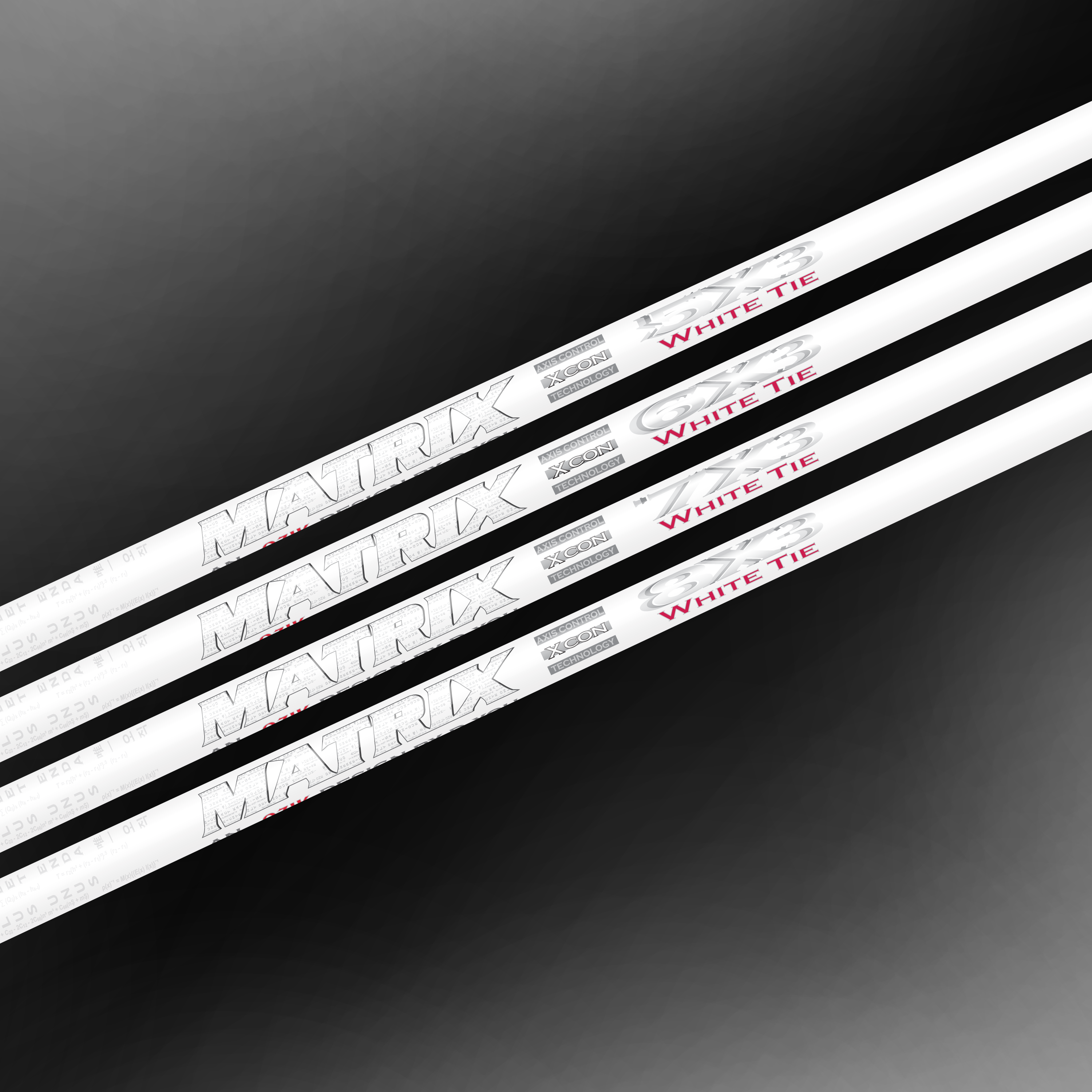
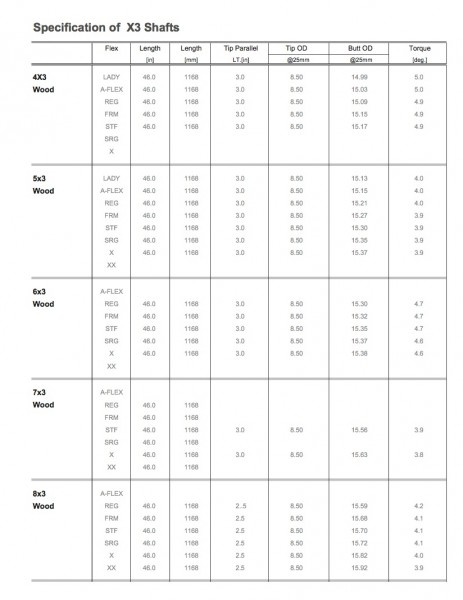
Joe Miera, Director of Tour Operations for Matrix Shafts, has been fitting tour players with Matrix shafts for 10 years. He took the time to answer questions from GolfWRX Managing Editor Zak Kozuchowski about his company’s new product line. Scroll to the bottom for specs.
ZK: Last year Matrix released its M3 “Black Tie” shaft. Now, we’re seeing photos of tour players testing the X3 “White Tie” shaft. Who do these shafts target and how do they differ?
JM: Every year Matrix strives to improve performance of all golfers through shaft innovations. We are continuing to fill our Matrix Flight System portfolio with shafts, the M3 “Black Tie” replaced the FM2 and is low-launch, low-spin shaft. The X3 “White Tie” replaced the X-Con, which is a high-launch, low-spin shaft. We will also be releasing the highly anticipated Q3 “Red Tie,” which replaces the HD Series, and is a mid-launch, mid spin shaft, completing the new Matrix Flight System (MFS).
ZK: What about these shafts make them perform in the way that they do, and where do the names come from?
JM: Aside from some of the structural patents like the 16-sided hexadecagonal internal chassis and our manufacturing techniques, we developed a DEC (Deformation of Energy Curve) modeling system that is vastly superior to designing on a traditional EI Curve. That’s what gives us the ability to leapfrog some older design ideas. The combination of color and letters in the new MFS allowed us to simplify things for greater understanding. For people that remember colors well, it’s red (mid-launch), black (low-launch) and white (high-launch), which happen to be our corporate colors. For those that can think of the Alphabet vertically off the ground — A being the lowest — they can picture the apex of the ball at the letter M, a bit higher for Q and higher yet for X. It’s comprehensive, but a simple memory tool for players, tour reps and fitters.
ZK: When will these shafts be available and how much will they cost?
JM: The OZIK M3 Black Tie and OZIK X3 White Tie shafts are available now and the OZIK Q3 Red Tie will be available in early January 2013. The MSRP for each will be $375.
ZK: What are the tolerances?
JM: As you may know, Matrix started as many years ago as a boutique product, available only through clubmakers. We have never wavered from the lessons learned along the way from them. The input helped Matrix become a leader in the field of shaft manufacturing and we are very proud of our reputation for having exacting standards. It may not be well known by some of your readers but our system is set up in such a way that all Matrix Shafts follow the same manufacturing process and procedures as the OZIK TP line.

ZK: We’ve heard from fitters that Matrix shafts tend to produce very good ball speeds for golfers. Why is this?
JM: Advanced design tools and materials are key ingredients in shaft development, while advanced production techniques allow companies to push the envelope of what is possible to produce. While it’s an open secret on tour that many players gain as much as 4 mph of ball speed using our shafts over conventionally designed shafts, (COO) Daniel You and his team are unlikely to give the recipe to the rest of the world. That being said, the structural design and manufacturing of our shafts is considerably different compared to how most traditional shafts are made. We don’t introduce and release products just to do it. We do it to build a better mousetrap, so to speak. The forward momentum of design, advancement of materials and the application of lessons learned help us incrementally move forward from previous models. We like to believe that our increments are just a bit bigger than expected.
ZK: There’s a lot of talk about shaft inconsistency – one company’s stiff flex can be another’s regular flex, and vice versa. How do you determine how stiff to make your regular flex, stiff flex, etc.?
JM: That’s a great question. It’s also a very difficult question to answer. As manufacturers, we each have to make our own decisions as to what we are going to design and implement as our flexes. There are no accepted standards for testing protocols or overseeing body in golf shafts. To decide on our flexes, we utilize player and robot testing and base our flexes on ideal maximum deflection at a given swing speed.
ZK: What do you see as being more important in the shaft industry going forward: materials or construction methods?
JM: Another great question, but you can’t separate the two. Our aim from day one has been to make the finest golf shafts available. In order to do that it has to be a holistic approach combined with sweating the small stuff. Using the very best materials in the world and combining it with mediocre manufacturing produces truly flawed products in our estimation. Alternately, if you are not willing to use cutting edge materials you won’t be able to produce the best shaft available. In simpler terms, a drag racer does not use fuel with a lower octane when trying to maximize performance. However, I believe that the key to producing the finest shafts in each class is having world-class design and manufacturing. At that point, a design engineer can choose materials to fit the price categories golfers are comfortable with.
Click here for more discussion in the “Tour/Pre-release equipment” forum.







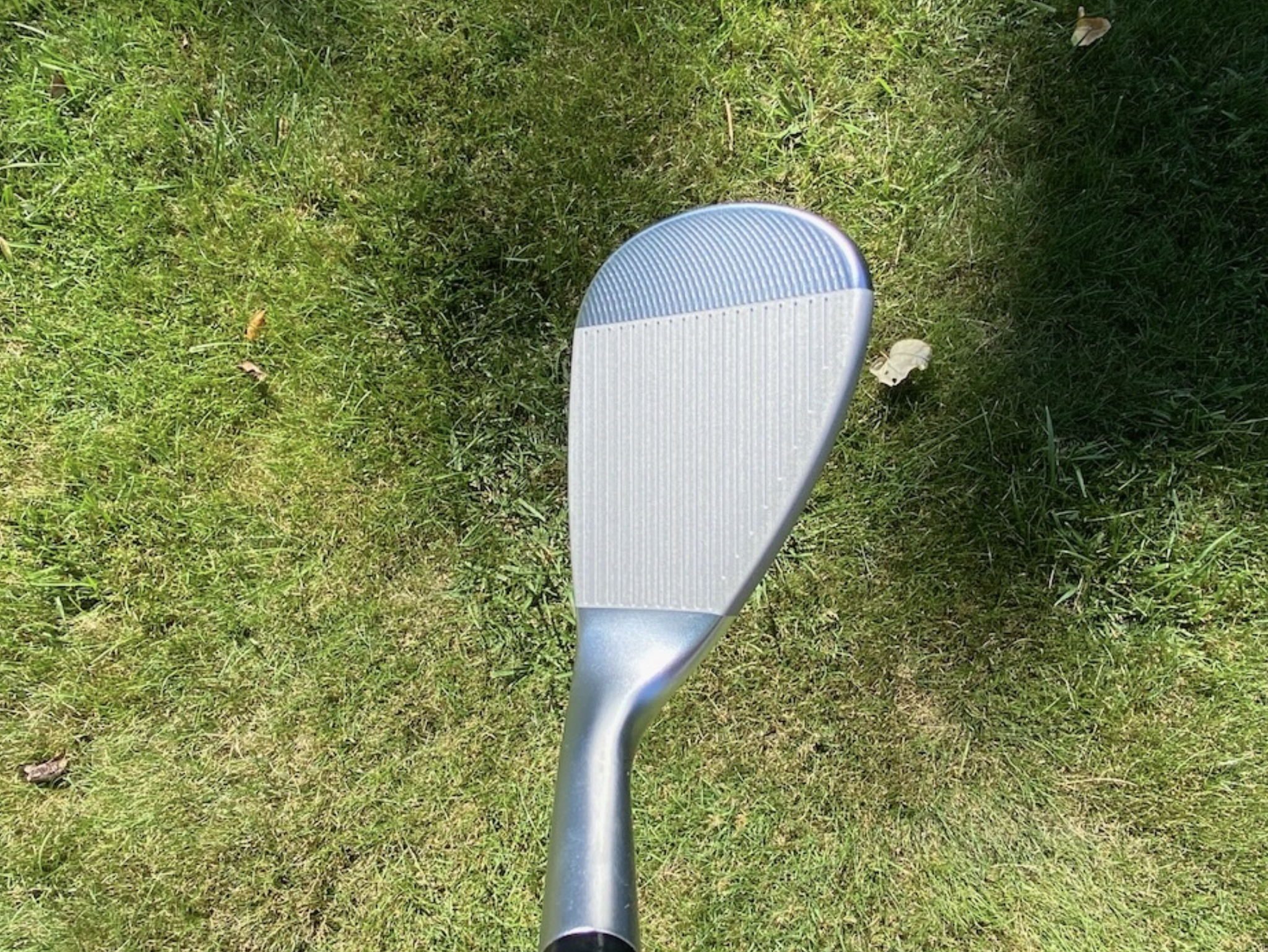
In our forums, our members have been discussing the most forgiving wedges on the market. WRXer ‘aaronpoling’ lays out his current setup and what he’s currently considering, saying:
“I am looking at getting new wedges, but looking for a forgiving wedge.
I currently play Ping G25 50°, MD4 54° and 58°. I used to play the CBX2 in the 50°, 54° and 58° and liked them a lot; but like any good dad, my son took them.
I am currently looking Callaway’s CB12 and Cleveland’s CBZ. Anyone have thoughts on these? Or recommendations of other wedges that I should check out?”
And our members have been weighing in with their thoughts and recommendations in response, with one brand coming out emphatically on top.
Here are a few posts from the thread, but make sure to check out the entire discussion and have your say at the link below.
- boggyman: “CBZs are amazing wedges!”
- drewbens: “Agreed, the Cleveland CB wedges are great! Already had a CBX Full Face 2 54 and recently added a 50 and 58 (for well under $100 a piece). Was chipping so well last week that my brother-in-law asked if the wedges were legal. Definitely underrated wedges for those of us that are not scratch golfers.”
- BogeyTed: “Get Cleveland CBX/CBZ. Very underrated clubs.”
Entire Thread: “Best ‘forgiving’ wedges – GolfWRXers discuss”
At GolfWRX, we are a community of like-minded individuals who all experience and express our enjoyment of the game in many ways.
It’s that sense of community that drives day-to-day interactions in the forums on topics that range from best driver to what marker you use to mark your ball. It even allows us to share another thing we all love – buying and selling equipment.
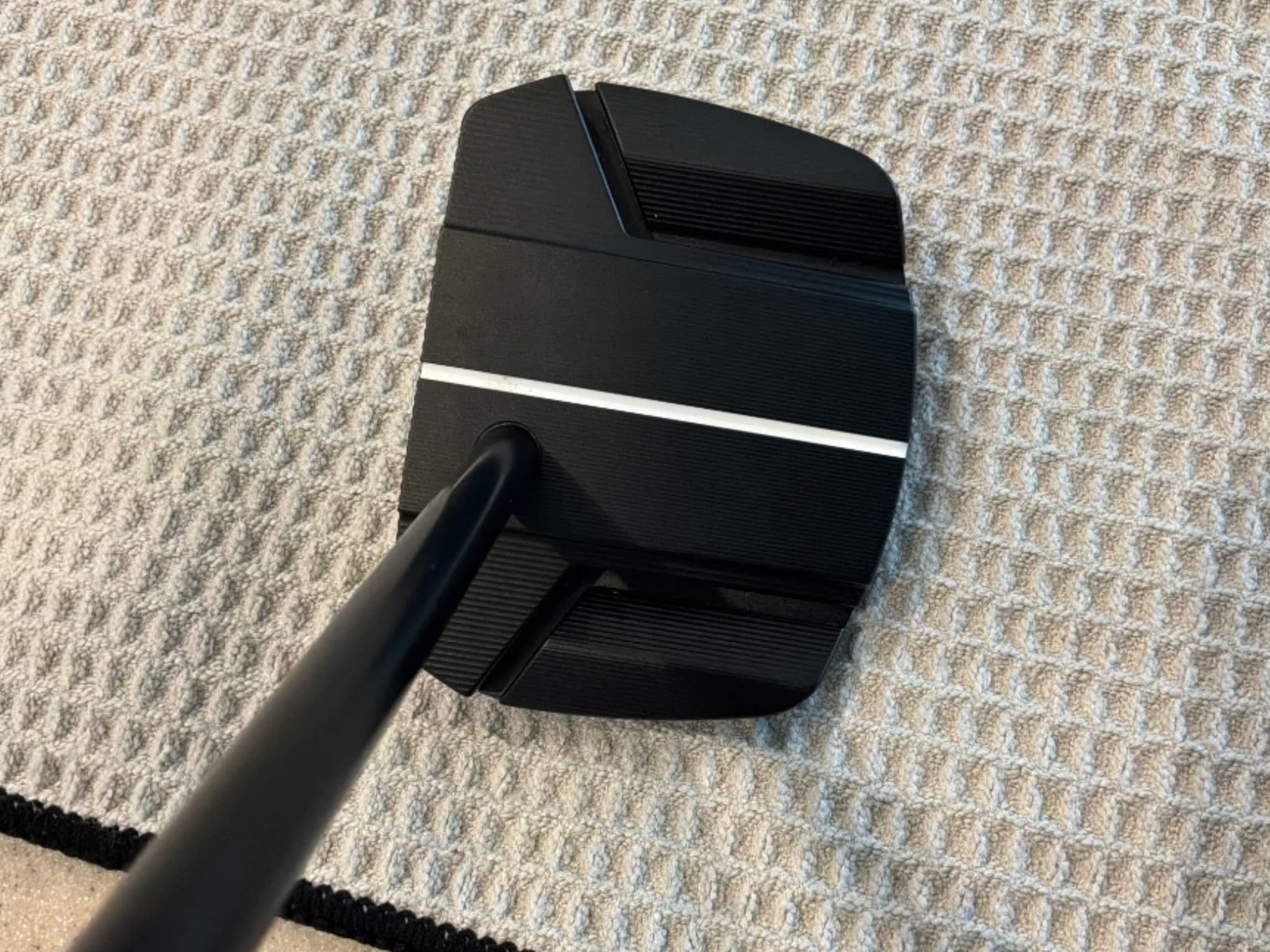
Currently, in our GolfWRX buy/sell/trade (BST) forum, @negncic has a Ping PLD Ally Blue Onset putter up for grabs.

From the listing: “34” Ping PLD Ally Blue Onset. Ping composite shaft Ping PLD Pistol grip. No issues. $345 shipped.”
To check out the full listing in our BST forum, head through the link. If you are curious about the rules to participate in the BST Forum, you can learn more here: GolfWRX BST Rules
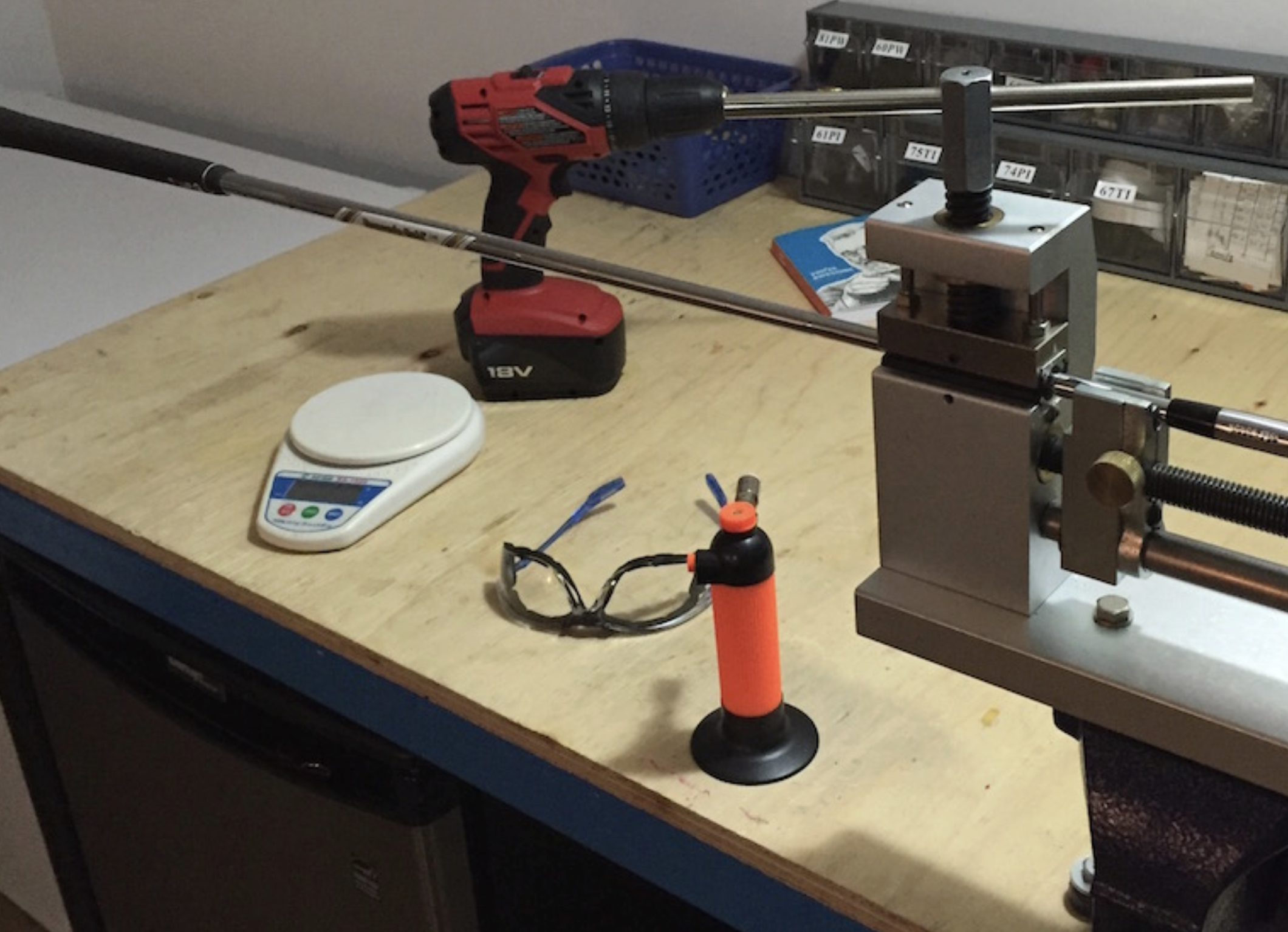
In our forums, our members have been reacting to a WRXer who claims to have built the “worst fitting clubs ever.” ‘dlow206’ recounts his experience with plenty of insightful findings for where he can go better next time in a detailed post, saying:
“Here’s my story of building the worst fitting clubs ever (for me). And my findings of what a better fit is.
I am short in stature, as well as a very short wrist to floor of 30.5″. I went down a rabbit hole of wanting to try irons 1″ shorter of more than standard length. Given the shorter lengths, the swingweights would be super light unless I added back a ton of weight to the heads, but I don’t like adding an extreme amount of weight back to the heads, so I decided to compensate with heavier shafts (115 grams instead of 95). Played with this set for a while and was hitting all irons extremely poorly. Thin, fat, right, right, left. My swing didn’t deteriorate that much because I was hitting my driver well, woods well, etc.
Went back to my older set of irons, playing at standard length, and my iron play improved immediately. Since then, have been doing more testing, while paying more attention to different possible variables. What I have found is I actually prefer lighter total weight with relatively normal or slightly heavier swingweights. Did a recent fitting and found that 85 gram shafts were better for me than 95 grams with standard length and relatively standard swingweights.
Still trying to dial in a final iron shaft choice, so have a few contenders that I will be testing. Will be moving away from my current Steelfiber i95 S parallel to lighter and softer
- MMT 80 parallel R – worked pretty well in a limited number of swings at a fitting
- Fujikura Travil 85 R – the fitter liked the Axiom 95 R for me at Club Champion, but i didn’t love the effort required to swing them. If there was a 85 Axiom, that would probably have been a great fit. So i am going try a Travil 85 R which is japan only
- Steelfiber i80 CW R – i have been playing Steelfibers for a long time, so need to give one Steelfiber shaft a shot
Given I do club building work, I am going to build all of these shafts with the All-Fit universal iron adapters to pair with a Srixon 7 iron head for testing. With these adapters, there isn’t a swingweight issue because the amount of weight from drilling out is about equivalent to the universal adapter components.”
And our members have been sharing their reactions in our forum.
Here are a few posts from the thread, but make sure to check out the entire discussion and have your say at the link below.
- Mikey_HACKilroy: “That length cut costs you a fair amount in swing points. I’d posit the length mattered more than the weight because a 115g shaft isn’t going to actually add enough back after cutting an inch off. Does it mean 115 would ultimately work? Hard to say. Maybe try a 1/2″ cut and add 2g to the head to compensate assuming the 7i is 37″ long. Maybe that will feel better. It translates to the same ~D2 you’re swinging at with the 95g shafts (estimated based on common weight, but you can weigh your parts on your own obviously).”
- Stuart_G: “Your process is good – keep at it and trust it.”
Entire Thread: “I built the worst fitting clubs ever – GolfWRXers discuss”

RBC Heritage Tour Report: More minis, course-specific setups, Spider & GTS launches

Justin Rose WITB 2026 (April): Full WITB breakdown with new McLaren irons

What’s the story behind Webb Simpson’s custom-stamped irons?

Cadillac Championship Tour Report: Spieth’s sizable changes, McLaren Golf launches, and more

Kristoffer Reitan’s winning WITB: 2026 Truist Championship

Cameron Young’s winning WITB: 2026 Cadillac Championship

Aaron Rai’s winning WITB: 2026 PGA Championship

Nelly Korda WITB 2026 (April)

Justin Rose on the switch to McLaren Golf, learnings from previous equipment moves

Photos from the 2026 CJ Cup Byron Nelson

Si Woo Kim WITB 2026 (May)
Driver: Callaway Quantum Triple Diamond (8.5 degrees) Shaft: Fujikura Ventus Black 6 X Mini driver: Callaway Paradym Ai Smoke Mini...


Wyndham Clark’s winning WITB: 2026 CJ Cup Byron Nelson
Driver: TaylorMade Qi4D (10.5 degrees) Shaft: Project X Titan Yellow 60 TX 3-wood: TaylorMade Qi4D Tour (15 degrees) Shaft: Project...

Cameron Smith WITB 2026 (May)
Driver: Titleist GTS3 (10 degrees, D1 SureFit setting) Shaft: Fujikura Ventus TR Blue 6 X 3-wood: Titleist GTS2 (16.5 degrees,...


Club Junkie WITB, week 17: Some underrated irons!
This week in my league, we are going with a rather interesting setup with old and new clubs. The PXG...
-
 Whats in the Bag2 weeks ago
Aaron Rai’s winning WITB: 2026 PGA Championship
-
 Tour Photo Galleries2 weeks ago
Photos from the 2026 CJ Cup Byron Nelson
-

 Tour Photo Galleries3 weeks ago
Photos from the 2026 PGA Championship
-

 Equipment1 week ago
CJ Cup Byron Nelson Tour Report: Koepka and Kim’s newest putters finally get hot
-
 Equipment4 days ago
Details on J.J. Spaun’s surprise putter switch
-
 Equipment3 weeks ago
GolfWRX Launch Report: 2026 Titleist GTS drivers
-

 Equipment2 weeks ago
PGA Championship Tour Report: Fitzpatrick, Koepka among big-name putter switches for Aronimink
-
 Popular Photo Galleries6 days ago
Photos from the 2026 Charles Schwab Challenge


Joe Perez
Jul 28, 2021 at 3:09 pm
Why doesn’t the spec chart list the shaft’s weight?
Jim Haire
Dec 5, 2012 at 4:06 pm
Great shaft! Had it about 3-4 weeks now in a ping anser. High long bombs. It kicked the graphite design tour ad di 6 out of the bag. The feel is also sweet