


Equipment
2020 Mizuno JPX 921 Forged, Tour and JPX921 Hot Metal irons: Faster, farther, better

New for 2020 Mizuno golf are 4 sets of irons. JPX 921 Tour, JPX921 Forged, JPX921 Hot Metal and the JPX Hot Metal Pro.
It has been 10 years since Mizuno initially launched the JPX iron series with the JPX 800. Since that time, iron after iron, engineers have introduced innovations that have allowed the company to push both cast and forged iron performance to places never before seen—and they are doing it once again with the release of the Mizuno JPX 921 iron series which includes the JPX 921 Tour, JPX921 Forged, and JPX921 Hot Metal—alongside the Hot Metal Pro.

Before diving into what’s new, we have to take a look back at the 10-year history of the JPX line, because from where it began to where it is today is an almost unrecognizable transformation.
But before we get to that first, let’s ask the question: What does JPX stand for?
Answer: Japan Performance Extreme.
It was a name developed for the Japanese market as a way to introduce more aggressive, distance-driven, often cast irons to a different segment of the market. Mizuno even went as far as creating branded anime comics featuring Mizuno’s Mr. X—alongside some of its staff players including Luke Donald—seriously.
More photos and discussion in the forums.
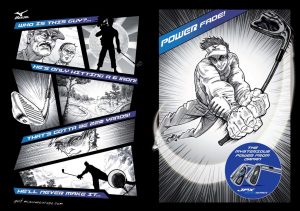
After being introduced in Japan, in 2011 the JPX line replaced the previous MX line in North America (which dated back to 2002 with the T-Zoid MX20). The JPX brand offered solid performing game improvement clubs that introduced a lot of new golfers to the generally better player-focused Mizuno. From there, a year later came the JPX Pro line to offer Grain Flow Forged construction with a game improvement twist to help golfers who still wanted a forged club with a little extra forgiveness.
Along the way, Mizuno introduced some great clubs—along with some they would rather you forget (JPX EZ, anyone?), but the brand was always been about reaching beyond Mizuno’s comfort zone and offering something to push the envelope.
The interesting thing about the JPX brand evolution is that what started in Japan became a bigger hit than they ever expected in North America, which lead to engineers creating designs more catered to the North American market to them bring back to Japan. It is an interesting change of fortune that started with the JPX 900 series and continues to this day, with the introduction of the newest JPX series, the JPX 921.
Mizuno JPX921 Forged: New processes lead to innovation

Let’s start with the biggest evolution: the JPX921 Forged.
“Faster – Forged – First”. It’s what Mizuno is using to describe its all-new JPX 921 Forged, and by appearances, they are right on every account. If we look back at the JPX Forged series, of irons or as it was previously known as the “Pro” series, they have always been about pushing the envelope of speed, shotmaking performance, and feel through material and geometry innovation. Thanks to a material and process change, the new JPX 921 Forged deliver more ball speed from a smaller chassis—it’s like they put a bigger engine into a smaller car…or have made a smaller trampoline return more energy. It takes a serious engineering step to get there.
The Materials
If you are familiar with modern Mizuno iron history then you have already heard about Chromoly when discussing the particular metal used in the construction of irons, but if you haven’t, let me help get you up to speed. It was first used in the JPX 900 Hot Metal irons to achieve improved cavity strength and face flexibility for more speed, while also still being malleable enough to bend for custom lies and lofts—a common issue with other game improvement clubs.
It was then used again to cast the JPX 919 Hot Metal and Hot Metal Pro irons to achieve higher ball speeds and increased MOI. The JPX 919 Hot Metal irons have gone on to be one of the most popular irons Mizuno has ever made and helped the company gain sizeable market share in the competitive game improvement category.
This brings us to the next big jump when Mizuno, along with its exclusive forging partner Chuo, in Hiroshima, Japan, Grain Flow forged the strong flexible Chromoly material for the first time in the construction of the faces and hosels components of the MP-20 HMB’s (2- 8-irons) for increased ball speed off the face of a hollow forged iron. It was another way to blend together process and materials innovation to build better performing golf clubs.
More photos and discussion in the forums.
The next material innovation: One-piece Grain Flow Forging Chromoly

Now for the first time, the Mizuno JPX 921 Forged is a one-piece Grain Flow Forged Chromoly iron. This allows engineers to completely re-engineer the geometry of the club to deliver a more compact players look with higher MOI and faster ball speeds thanks to a thinner face construction—oh, and don’t forget, better feel too! In the history of the JPX line, the 921 Forged is the most compact “Forged” model ever created.

This is not the first time Mizuno has used a new material to gain a performance advantage with a JPX “Forged” iron either. It was in late 2014 when Mizuno introduced the JPX 850 Forged which added Boron to the 1025e Pure Select Carbon steel to create irons that progressed the line and enabled thinner faces for more ball speed. Unlike the MP line of irons, where feel, looks, and workability take the main focus, JPX is and has always been about placing a premium on distance without sacrificing the other characteristics Mizuno irons are known for.
-

- Mizuno JPX921 from address: 7-Iron
-

- 2020 Mizuno JPX 921 sole profile: 7-Iron
As much as it seems like a simple progression, Grain Flow Forging the Chromoly steel requires extra steps to get it to where it reaches the final dimensions as a club head. Whereas all other forged Mizuno irons before have gone through two precision forging hits, the JPX 921 goes through three. This means more molds, more steps, and more precision.
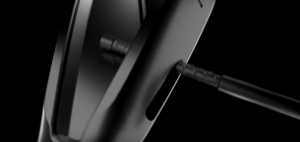
The last part of the 921 Forged story is the back milling of the sole. This started with the 919 Forged and continues with the 921. Thanks to the new stronger material, the side to side measurement of the slot and cavity is more than six-percent wider than the previous model, resulting in a what Mizuno is calling a 45 percent increase in total COR area of the face. When reengineering anything single percentage points matter, and the fact that Mizuno can widen the slot by more than six percent is a very significant number—especially when you consider this is a more compact head than the previous generation.
When you add it all up, what the designers and engineers at Mizuo have been able to achieve with the JPX 921 Forged will appeal to a wide swath of the golfing population. From low handicap golfers who want extra help and confidence in their irons thanks to the slightly larger shape to mid-handicap golfers that who a more compact one-piece forged club iron but aren’t quite ready for a small players cavity.
JPX 921 Forged: Specs, price, and availability
The stock components are Nippon Modus 120 in Stiff flex and 105 in regular with Golf Pride MCC+4 Grey grips. The JPX 921 Forged will only be available in right hand.
The price will be $175 per club/$1,400 for an eight-piece set.
More photos and discussion in the forums.

Mizuno JPX 921 Tour irons

As much as the JPX Forged line is about advancing technology and materials, the 921 Tour is about subtle refinements to deliver familiar performance with improved feel and looks. Another way to say it: “Let’s not screw a really good thing up.” Even in its short time as a Mizuno iron, the JPX Tour—starting with the 900 and then the 919—could be considered one of the company’s most important irons ever designed that came along at just the right time.
To quickly rehash an old story now, when Nike left the equipment space in 2016, it left a lot of golfers on tours all over the world searching for new clubs. Some chose to quickly sign with other OEMs while some other players (Brooks Koepka included) chose to forego club contracts and just use whatever clubs they felt worked the best—it was the rebirth of equipment free agents on tour. The irons Brooks ended up using to win all for of his current majors were the 900 Tours for the first three and then the 919 Tours for his most recent PGA Championship. Not to mention they were also the top money-winning iron on the PGA Tour in 2019 by non-contracted players.


The JPX921 Tour is designed with the feel, flow, and performance of the MP series but with greater clubhead stability and a different player in mind. The MP could still be considered the “traditionalist” iron, whereas the JPX Tour caters to a more aggressive player needing a little bit extra help on occasion but still wanting a smaller looking iron.

This is where Mizuno’s Stability Frame design allows the 921 Tour to offer greater forgiveness (higher MOI) than the MP-20 MMC without the multi-material construction. Designers achieved better flow by narrowing the soles in the shorter irons and ever-so-slightly increasing the width in the longer clubs—not something noticeable from address but a feature that helps with ball flight control.


The last, and quite possibly the most important part is looks and feel, and Mizuno took an old school approach to get this right for the 921 Tour. The first part was feel. To get the impact harmonics where they wanted engineers thickened the pad behind the impact area without losing the desired MOI. The original 900 offered thickness but less stability, the 919 went a bit thinner to boost MOI, and now the JPX 921 Tour is like Goldilocks finding the bowl of porridge that was just the right temperature.
So, about those looks. For the first time with the JPX series, after final CAD models were produced, they were sent to the Mizuno craftsman for final shaping before becoming master models for production. This process was always reserved strictly for the Mizuno MP line of clubs, but since the designers and engineers wanted to do everything they could to have the newest JPX 921 Tours look absolutely perfect at address and in the bag, they took every step they could to deliver on that goal. To understand that process more, check out the video below from the release of the MP-18 irons.
More photos and discussion in the forums.
JPX 921 Tour: Specs, price, and availability
The stock components are KBS S-Taper Stiff flex with Golf Pride Z-grip full cord grips. Only available in right hand.
The price will be $162.50 per club/$1,300 for an eight-piece set.
Here is another first of the JPX 921 Tour irons—no 3-iron available. Similar to how Mizuno analyzed the number of custom ordered sets to produce SKUs for the MP-20 line, the company decided it was finally time to do away with the 3 and instead offer a matching gap wedge. It’s a minor detail, but if if you are looking to add a 3-iron to your set, the 921 Forged 4-iron is a perfect three-degrees stronger and has a hotter face—just food for thought.

Mizuno JPX 921 Hot Metal, Hot Metal Pro irons

Similar to the JPX Tour, the designers at Mizuno didn’t want to mess with a good thing—they instead just wanted to reevaluate how they looked at the JPX line as a whole and make changes to suit the intended target golfers and well as make them look even cleaner. JPX irons have come a long way in the looks department since the original JPX 800 (below)


With 921 Forged moving into a smaller platform, it gave the designers at Mizuno the opportunity to do something they, along with a lot of other OEMs, have done in recent years—create a better-flowing set from top to bottom means more forgiveness where you need and control where you want it.
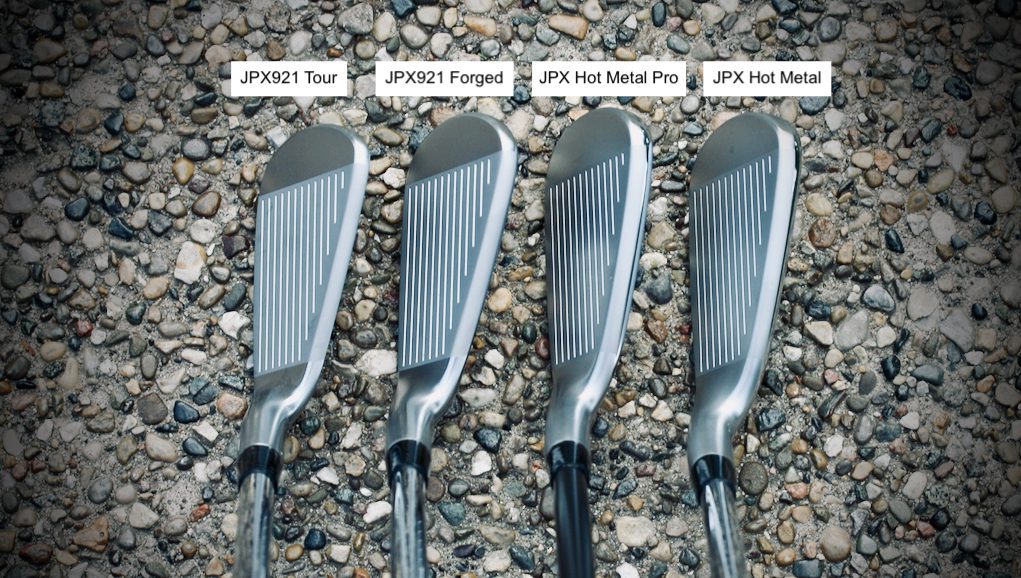
From left to right: JPX-921 Tour, JPX-921 Forged, JPX-921 Hot Metal Pro and JPX-921 Hot Metal
With the 921 Hot Metal, that means starting at the 8-iron and moving into the longer clubs, the heads lengths have gotten just a little bit bigger from heel to toe to boost MOI. This longer blade allows for a slightly lower center of gravity to accommodate the one-degree stronger lofts to add distance while maintaining peak hight and descent angles. Just like how the Forged model got smaller yet faster thanks to a material change, the material used to craft the 921 Hot Metals hasn’t changed—instead engineers changed the geometry to improve performance.

-

- Mizuno 2020 JPX921 Hot Metal sole
The other changes include adding three new sound ribs to the top line to make it lighter and stiffer and to enhance acoustics while also saving weight to redistribute around the head and Stability Frame.
Last but not least, we can’t talk about a game improvement iron without talking about ball speeds and face engineering. Mizuno separates itself by making the entire head including the seamless face cup completely weld-free, that’s right, one-piece construction other than the badge. The 921 has the thinnest fastest face that have ever produced
Hot Metal: Specs, price, and availability
The stock components are Steel: Nippon NS Pro 950 NEO, & Graphite: UST Recoil EXS with Golf Pride MCC+4 Grey grips. The JPX 921 Hot Metal irons will be available in right and left hand, with the standard set makeup of 4-GW.
The price will be $125 per club/$1,000 for an eight-piece set.
More photos and discussion in the forums.

Now to the Pros…

In the early part of 2019, Mizuno did something a little out of character for the usually very predictable Japanese company—it released a line extension iron mid-cycle with the JPX 919 Hot Metal Pro. Even though it was a bit of a surprise, the reaction from golfers was beyond positive. Now with all four JPX 921 series irons being launched cohesively, it will give players looking for Hot Metal ball speed in a smaller package the option right from the start.
-

- Mizuno JPX 921 Hot Metal Pro address – 7 Iron
-

- Mizuno JPX 921 Hot Metal Pro sole: 7 iron
The Pro offers all of the Mot Metal technology as the standard model, but what separates it from the standard model is the look from address, including the topline – thinner, blade length – shorter, and offset – in line with the player focused MP series.
Also, much like the standard Hot Metal, the flow was improved from top to bottom with the 7 iron being the starting point for a slightly longer blade length into the longer clubs. To be honest, you’re going to have to look very closely to notice it, but it’s there, and it’s there to help.
Hot Metal Pro: Specs, price, and availability
The stock components are Project X LZ Black 5.5 with Lamkin ST Hybrid grips. The JPX 921 Hot Metal irons will be available in right-hand only with the standard set makeup of 4-GW
The price will be $125 per club/$1,000 for an eight-piece set.

There are always more options
Like with previous generations, including MP irons going back almost a decade, Mizuno is sticking with its industry-leading matrix of shaft and grip options available at NO upcharge. However, after 2019 and growing demand for more exotic shaft options, the newly expanded Mizuno shaft line up will include a few shafts that will come with a slight upcharge. The full list of shaft options can be found at MizunoGolf.com




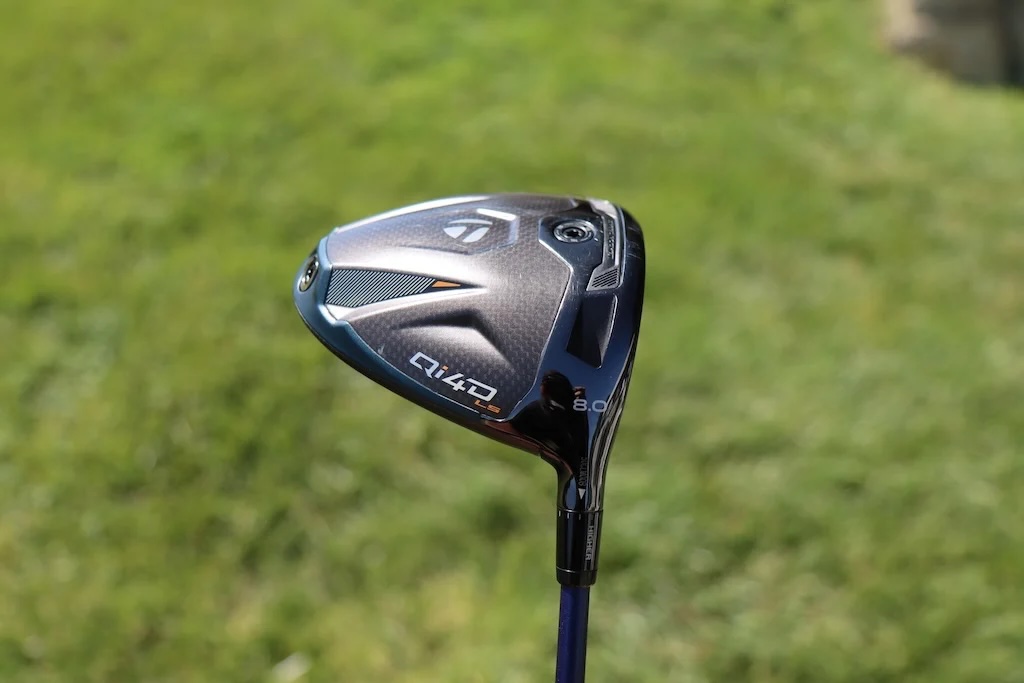
Driver: TaylorMade Qi4D LS (8 degrees)
Shaft: Fujikura Ventus TR Blue 6 X
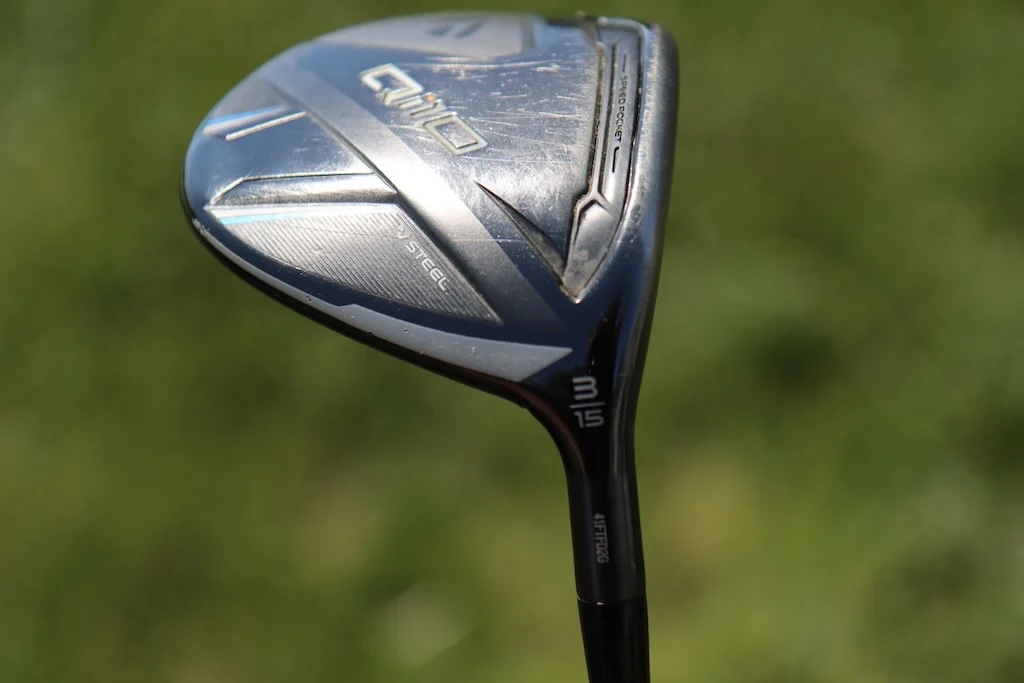
3-wood: TaylorMade Qi10 (15 degrees)
Shaft: Fujikura Ventus Black 9 TX
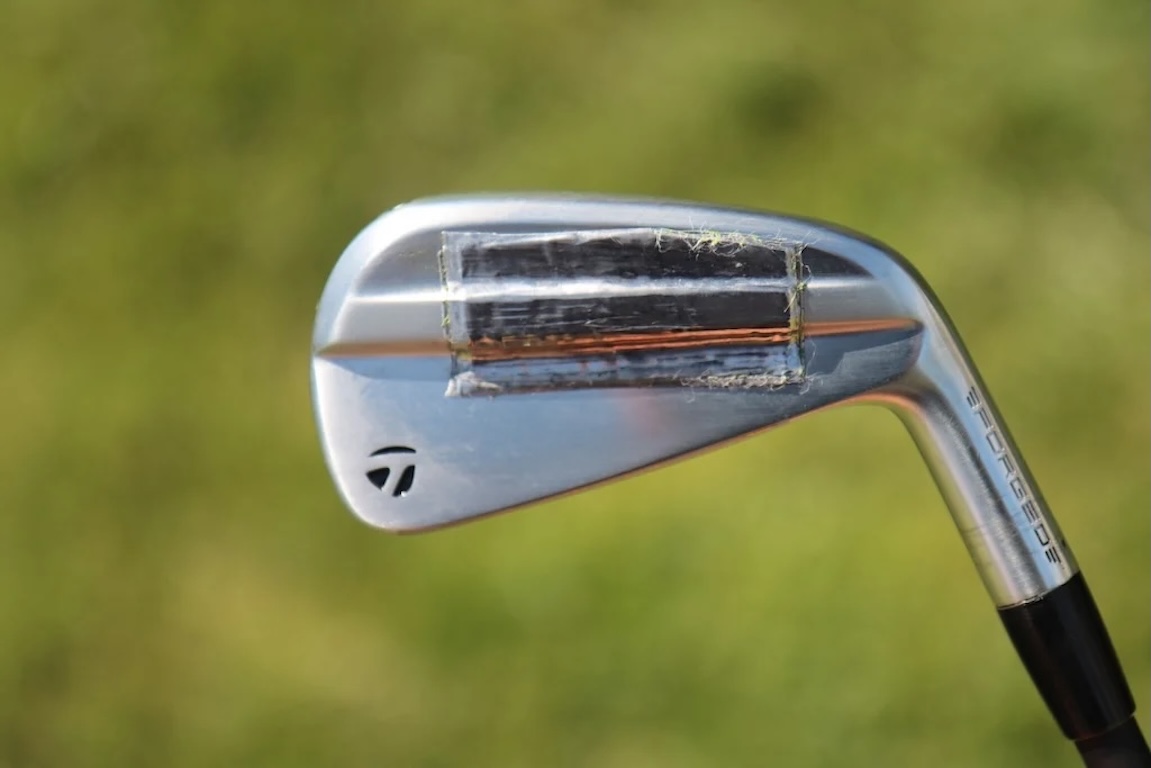
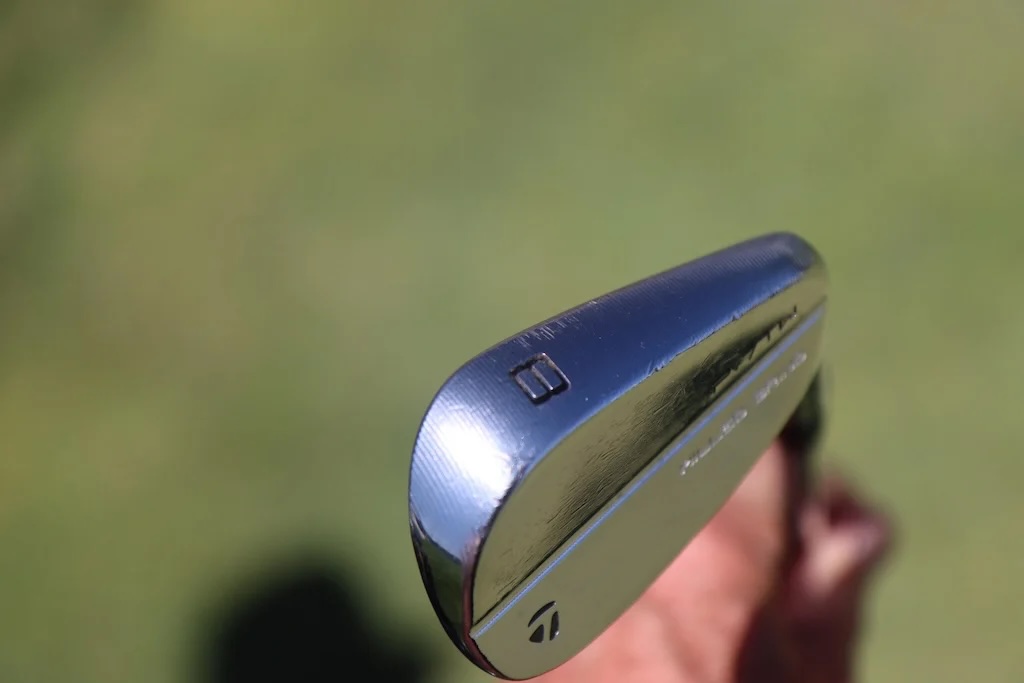
Irons: TaylorMade P770 (3), TaylorMade P7CB (4), TaylorMade P7TW (5-PW)
Shafts: Fujikura Ventus Black HB 10 X, True Temper Dynamic Gold X100
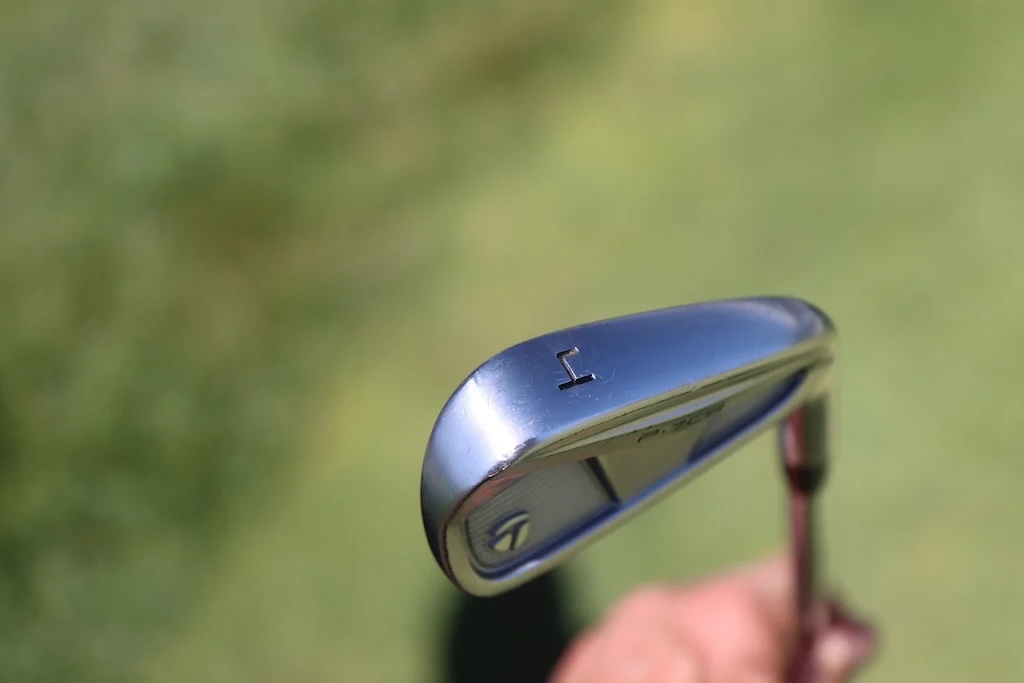
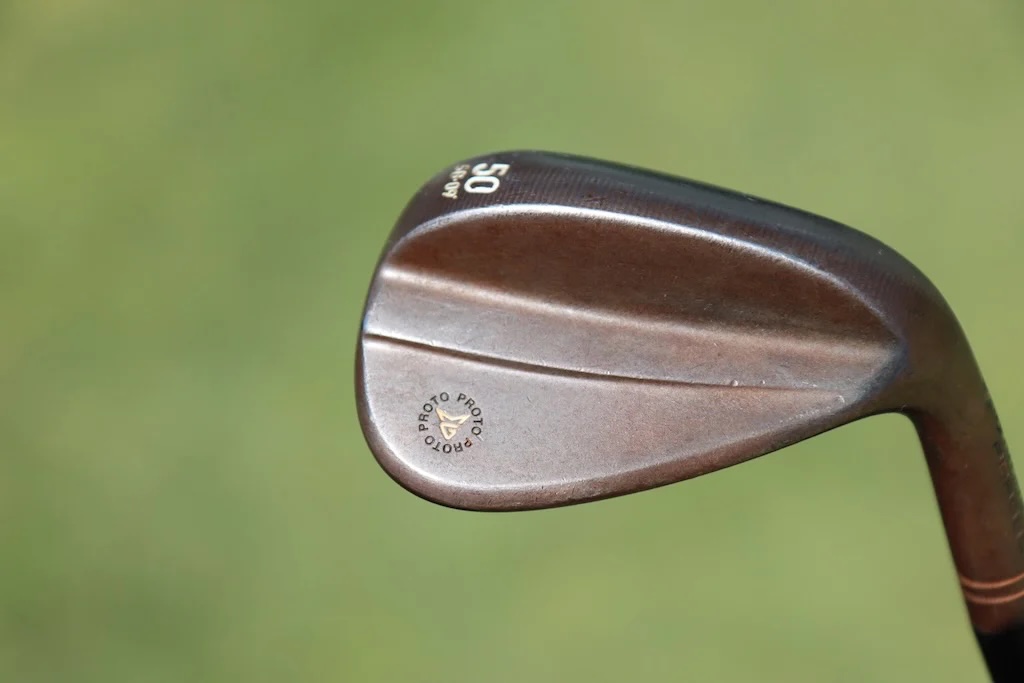
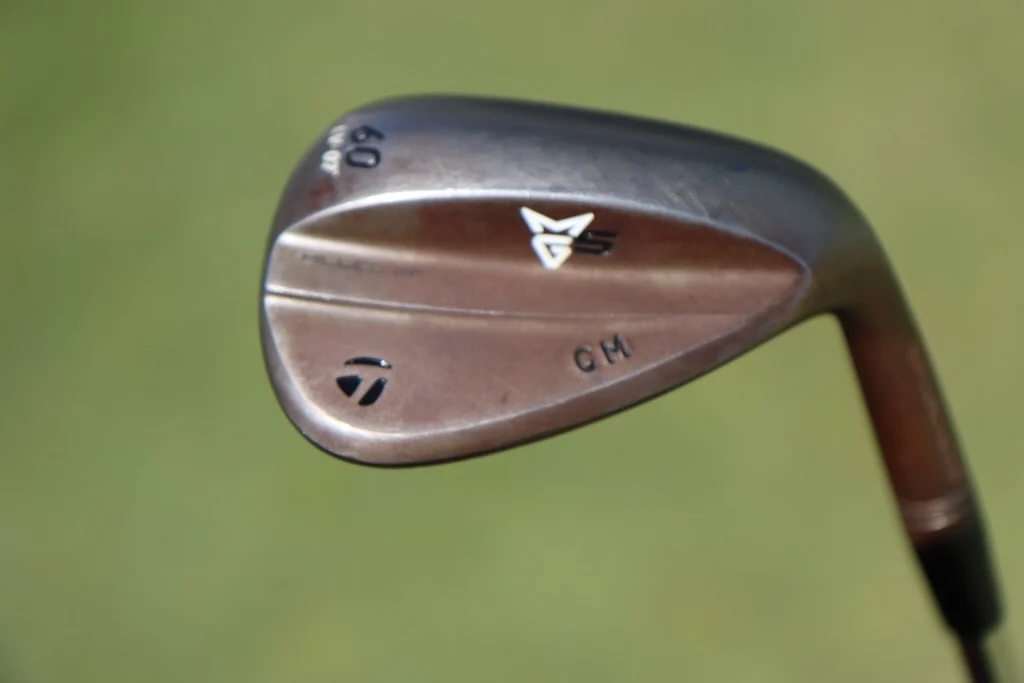
Wedges: TaylorMade Prototype (50-SB09), TaylorMade MG5 (56-HB12, 60-LV07)
Shafts: True Temper Dynamic Gold S400
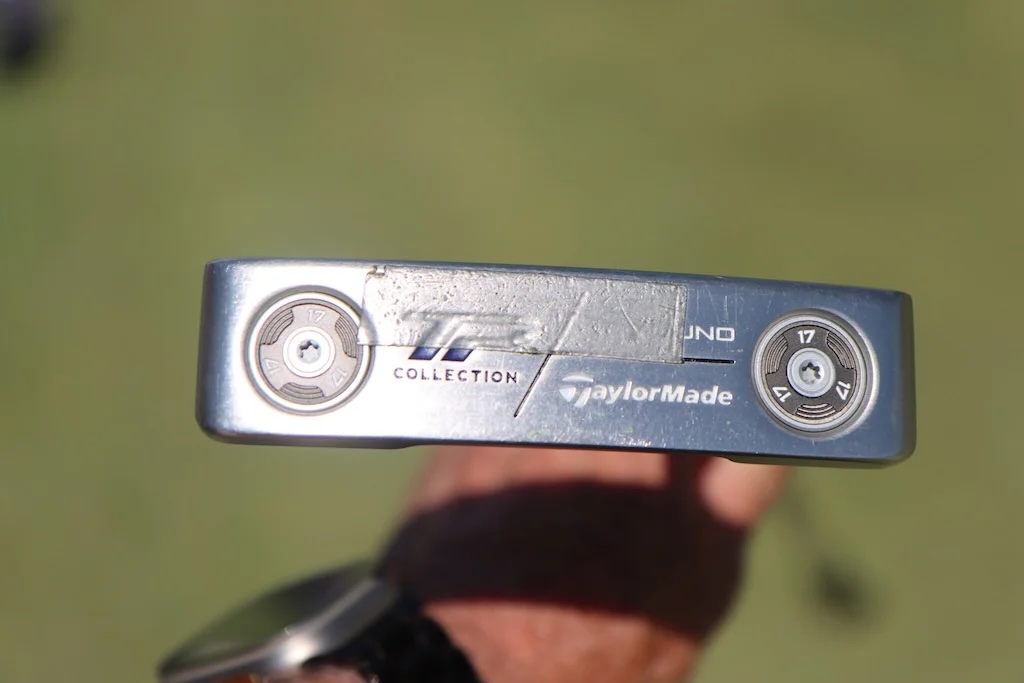
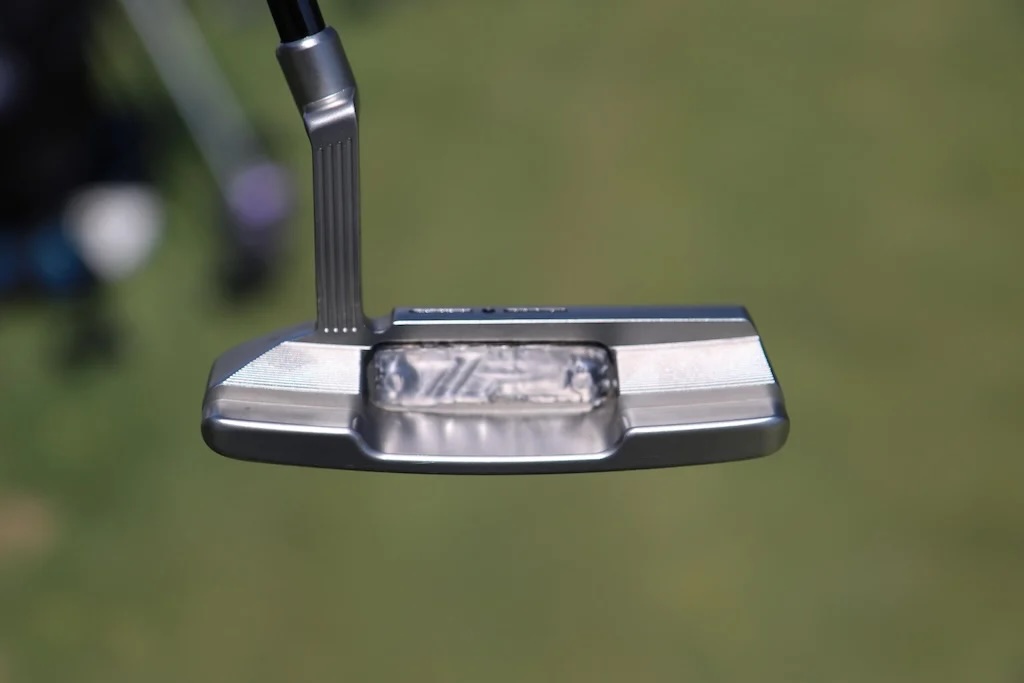
Putter: TaylorMade TP Juno
Ball: Titleist Pro V1x
Grips: Golf Pride Tour Velvet Cord
Check out more in-hand photos of Christiaan Maas’ clubs here.
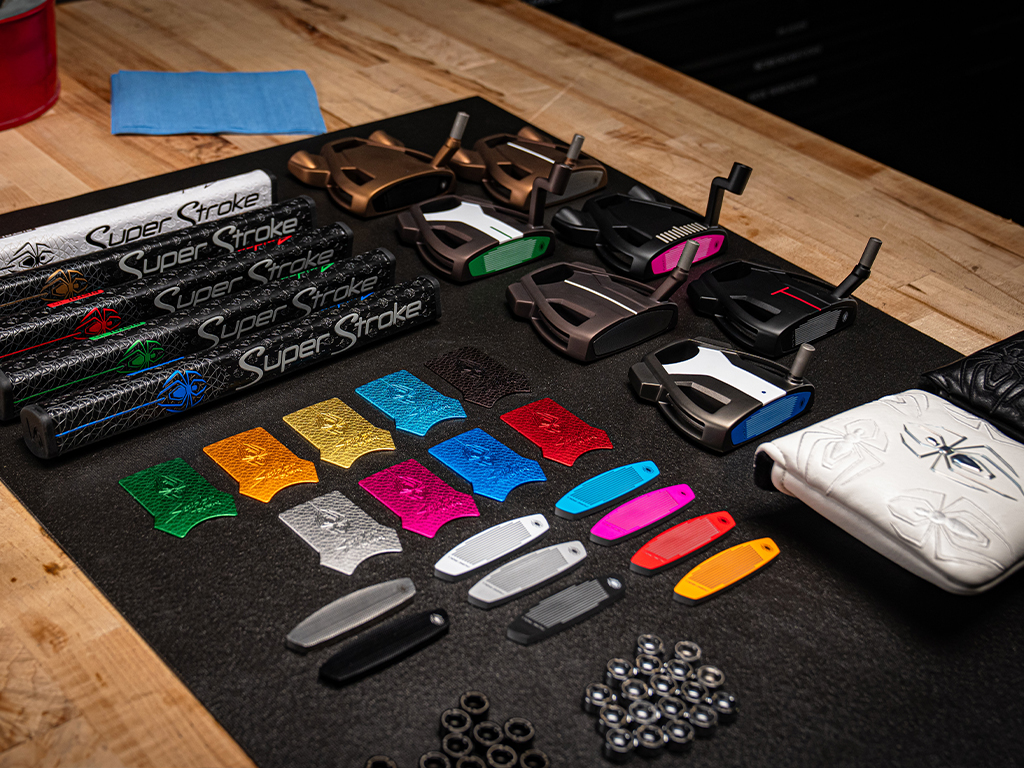
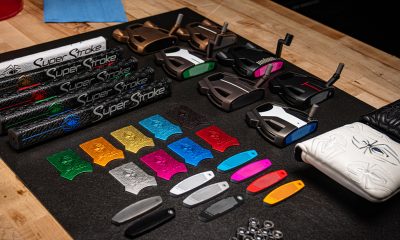
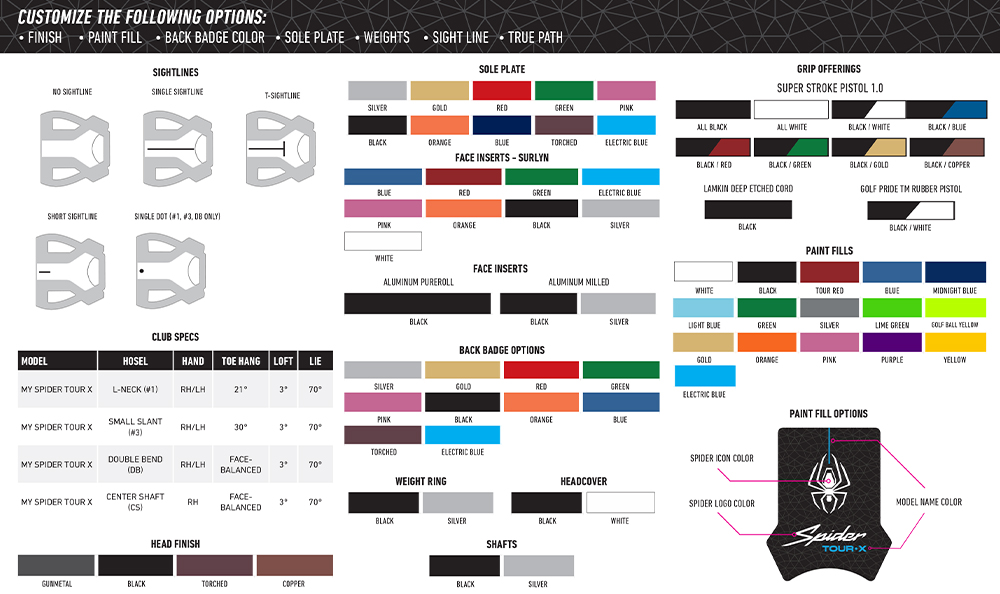
TaylorMade Golf’s MySpider program underwent a substantial overhaul over the last month. Firstly, the company launched the option to customize the Spider ZT model, and now the program has returned with the MySpider Tour and MySpider Tour X.
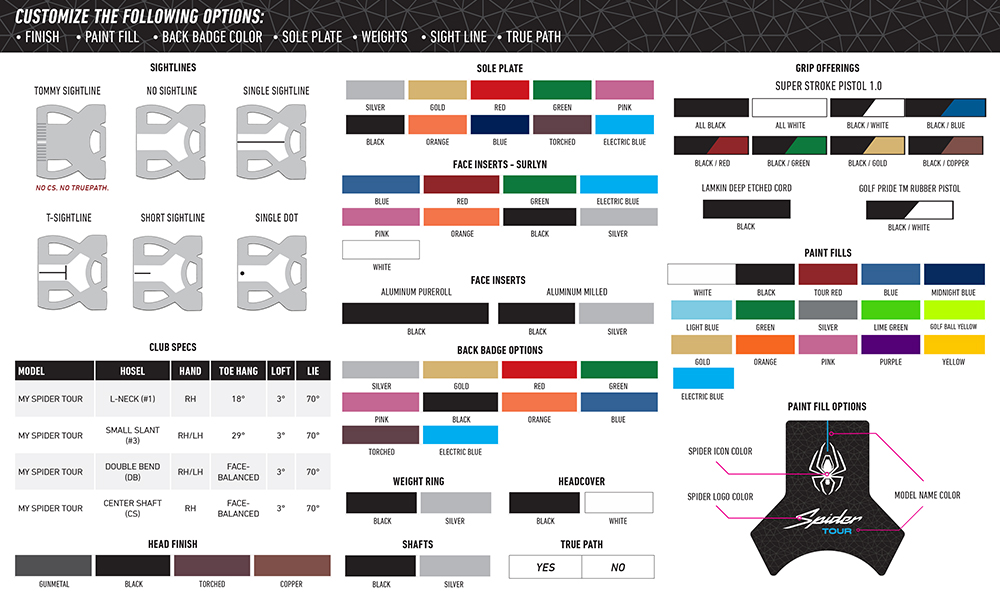
The revamped page now gives golfers complete control over every visual and functional detail of their putter on the popular Tour and Tour X head, with every cosmetic idea thought of. In MySpider Tour, golfers can choose from four head finishes, 16 paint fill colors, nine Surlyn face insert colors, three aluminum insert options, six sightline configurations, and four hosel options — L-neck, small slant, double bend, center shaft. Six sightline options are available in MySpider Tour, including the optically engineered True Path alignment system. MySpider Tour X gives builders the option of four head finishes, four hosel configurations, and five sightline options, also including True Path alignment.
One of the more interesting features of the new MySpider program is the availability of three distinct face insert options. Along with the usual Surlyn Pure Roll insert trusted by Scottie Scheffler and Rory McIlroy, which can be customized from nine colors, golfers can now also select firmer options. Two are offered with the black aluminum Pure Roll insert, slightly firmer than the traditional insert, or for the firmest feel, golfers can choose from two colors of milled aluminum inserts.
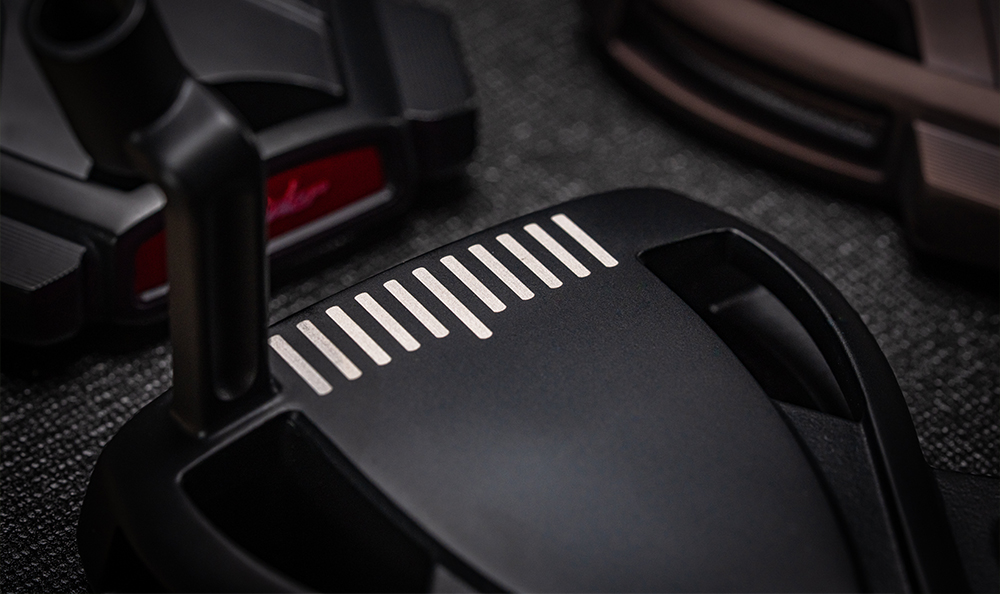
Another fun addition to the MySpider Tour is the ability to use the “Tommy Sightline.” The custom alignment aid design, which was first drawn onto Tommy Fleetwood’s putter by PGA Tour Rep James Holley, is based on the milled sightline on his Spider ZT head. There are five shorter lines on the left and right of a longer central line serving as the traditional short line alignment aid.
See below for the full specifications sheet for MySpider Tour and Tour X:
MySpider Tour
MySpider Tour X
Equipment
Then and now: Comparing Rory McIlroy’s current setup to his record-breaking 2019 Canadian Open victory

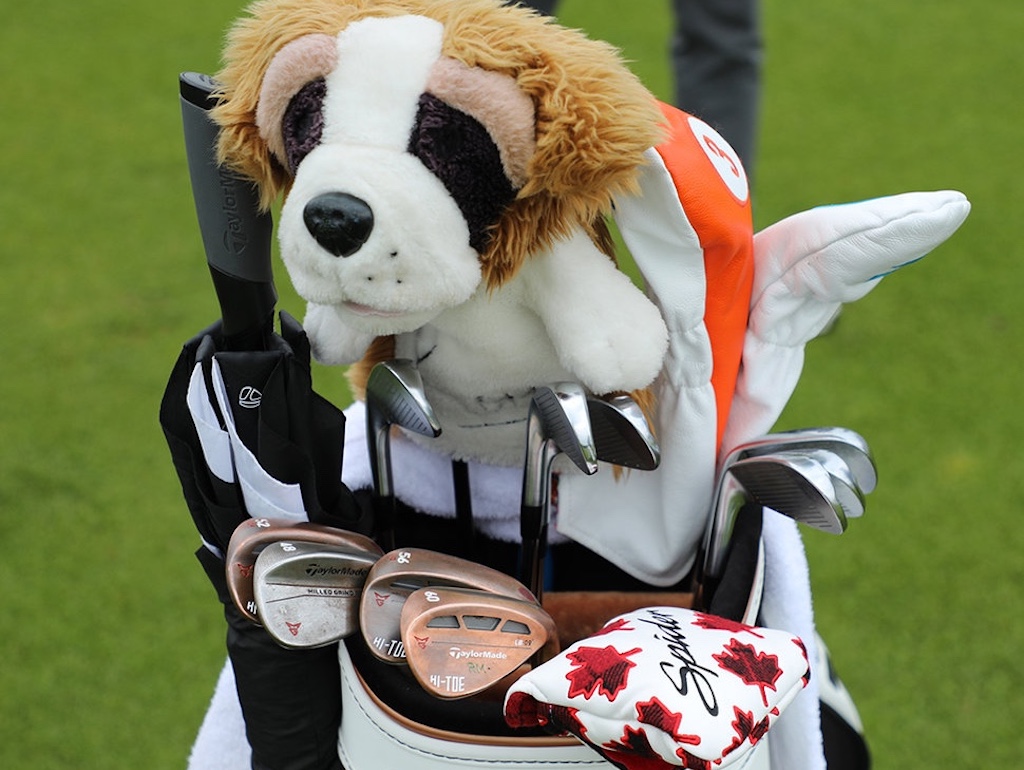
In Rory McIlroy’s first appearance at the 2019 RBC Canadian Open, he crushed the record books to earn his 16th PGA Tour title in dominating fashion, winning by seven shots over Shane Lowry and Webb Simpson.
McIlroy’s score of 22-under-par 258 is the lowest 72-hole score to date at the Canadian Open, and his closing 61 is also the best final-round score in the history of one of golf’s oldest tournaments. Finally, with his win in 2019, McIlroy became only the sixth player to win the career Triple Crown, adding to his victories at the U.S. Open in 2011 and The Open Championship in 2014, joining Tommy Armour, Walter Hagen, Arnold Palmer, Lee Trevino and Tiger Woods in a coveted list.
So, with that, why not compare his current setup to the clubs he used to break all the records?
Driver
2019: TaylorMade M5 (9 degrees), Shaft: Mitsubishi Tensei CK Pro White 70 TX
2026: TaylorMade Qi4D (9 degrees @8), Shaft: Fujikura Ventus Black 7X (45 5/8 inches)
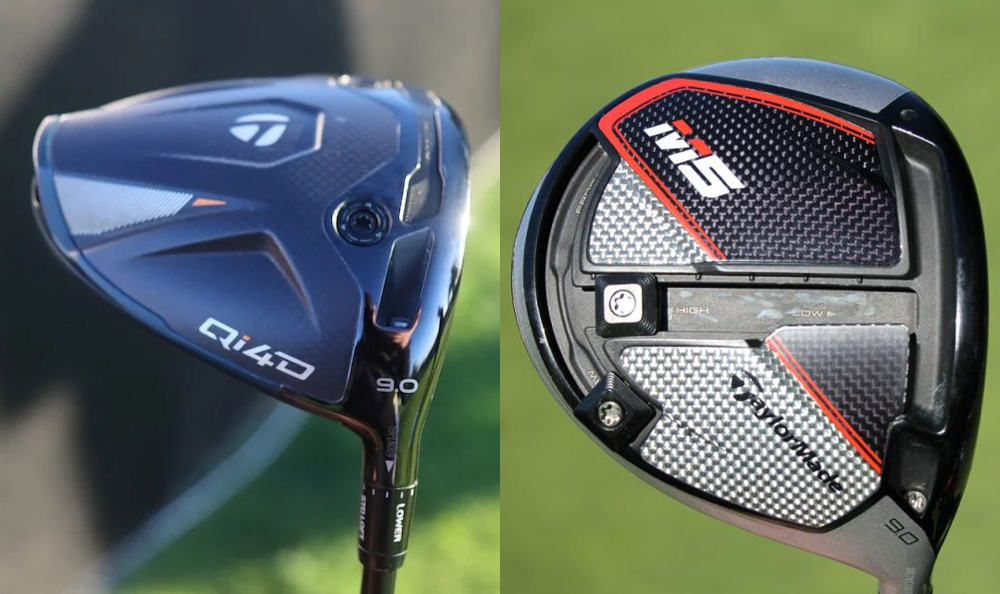
McIroy led the Tour in Strokes Gained: Off-the-Tee in 2019; he’s doing the same in 2026. Between now and then, McIlroy has switched from the Mitsubishi Tensei CK Pro White 70 TX (a shaft with slightly more feeling in the tip) to the original Fujikura Ventus Black 7X, having just made the change to the heavier version from playing the 60X.
What’s interesting about McIlroy’s 2019 setup is that the weighting on his driver is actually set in the high-draw setting, using the T-Track weighting system, whereas in the Qi4D, he’s currently using a heavily rear-weighted setup. (Two 13-gram weights in the rear and only two 4-gram front weights.)
The TaylorMade M5 driver he played in during his Canadian Open win was the company’s first head that they claimed to design to initially exceed the USGA’s COR limit, and then injected with tuning resin to bring it back in bounds.
Fairway woods
2019: TaylorMade M6 3-wood (15 degrees), Shaft: Mitsubishi Tensei CK Pro White 80 TX; TaylorMade M5 5-wood (19 degrees), Shaft: Mitsubishi Tensei CK Pro White 90 TX
2026: TaylorMade Qi4D 3-wood (15 degrees), Shaft: Fujikura Ventus Black 8X; TaylorMade Qi4D 5-wood (18 degrees), Shaft: Fujikura Ventus Black 9X

The TaylorMade M6 fairway wood that McIlroy was using during the 2019 season is still in the bag of some of the best golfers on Tour in 2026. Just check out Justin Rose’s winning setup from the Farmers Insurance Open earlier this year. This year, though, McIlroy has still been searching for his top-end-of-the-bag setup, having played both the new Qi4D and the Qi10, which he won the Masters with.

The same shaft swap can be seen in the fairway woods as the driver, along with slightly less loft on the 5-wood.
Irons
2019: TaylorMade P750 (4) Buy here, TaylorMade P730 (5-9), Shafts: Project X 7.0
2026: TaylorMade P760 (4), TaylorMade Rors Proto (5-9), Shafts: Project X 7.0

The biggest difference between McIlroy’s custom set and the stock P730s is the groove design. While the P730s were constructed with 14 MX-9 grooves on their milled faces, McIlroy’s proto heads instead use the higher-spinning, 16-groove layout of the TW2 grooves. Other big differences between the sets are that McIlroy’s 7- and 8-irons have thinner toplines, are 1 degree stronger in loft, and are 1/4 inch longer than the original P730 builds.
With McIlroy’s 4-iron, the switch from P750 to P760 sees a transition to a two-piece construction with Speed Foam in it, which allows McIlroy to launch the ball slightly higher, with more workability.
Wedges
2019: TaylorMade Milled Grind (48-09SB), TaylorMade MG Hi-Toe (52-09SB, 56-09SB, 60-LB09), Shafts: Project X Rifle 6.5
2026: TaylorMade MG5 (46-09SB, 50-09SB, 54-11SB, 60-08LB @61), Shafts: Project X 6.5 (46-54), Project X 6.5 Wedge (60)

Between 2019 and 2026, McIlroy’s focus on his short game has been much more apparent. It was the reason why he switched back to the TP5 golf ball, to help with launch, spin and control with his wedges leading up to his career Grand Slam victory in 2025. The most apparent changes to McIlroy’s wedge setup are his lofts and bounce. He’s slowly delofted his pitching to a sand wedge, but has increased the loft on the lob wedge, bending his current 60-degree to 61. With that, adding more loft to his lob wedge also slightly increases the bounce and leading-edge sit point, so, as a result, he plays a lower-bounce lob wedge compared to 2019. The MG5 wedges are also softer than the first Milled Grind option from 2019. McIlroy also no longer plays the full-face grooves found on the Hi-Toe.
Putter
2019: TaylorMade Spider X
2026: TaylorMade Spider Tour X
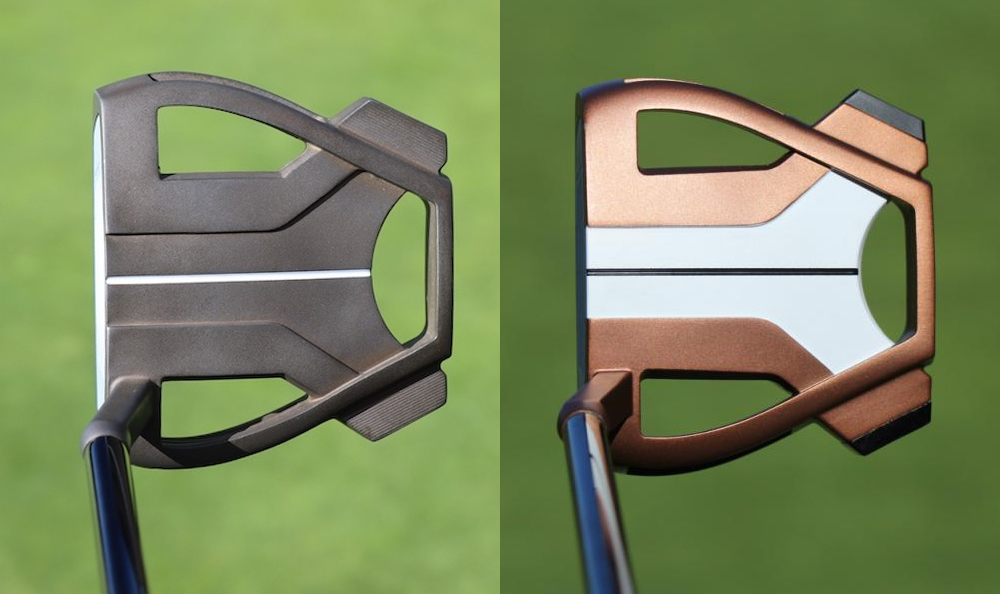
Notice anything similar. Yes, the copper finish on Rory McIlroy’s Spider X putter in 2019 is a slightly more reflective finish than the recently released torched PVD finish. McIlroy was using the True Path alignment system, but now uses only a single white sightline.
Ball
2019: 2019 TaylorMade TP5 (#22)
2026: 2025 TaylorMade TP5 (RORS)
As mentioned above, McIlroy had transitioned from the TP5 to TP5x golf ball since his victory in Canada in 2019, but now is black with the same style of golf ball as his victory at Hamilton Golf & Country Club.
Grips
2019: Golf Pride Tour Velvet Cord
2026: Golf Pride MCC
Interesting, McIlroy actually used Golf Pride’s Tour Velvet Cord grips during his victory in 2019 (it was during a 2+ year switch to the corded TV) as opposed to his usual MCC grips, which he has played for most of his career.

What’s the story behind Webb Simpson’s custom-stamped irons?

Memorial Tournament Tour Report: Rory McIlroy, Cameron Young switch up drivers, and more

Cadillac Championship Tour Report: Spieth’s sizable changes, McLaren Golf launches, and more

Russell Henley’s winning WITB: 2026 Charles Schwab Challenge

Kristoffer Reitan’s winning WITB: 2026 Truist Championship

Best irons 2026: Best irons overall, most forgiving irons, and more

J.T. Poston’s winning WITB: 2026 Memorial Tournament

Aaron Rai’s winning WITB: 2026 PGA Championship

Cameron Young’s winning WITB: 2026 Cadillac Championship

Details on Jason Day’s latest prototype Avoda iron setup


Christiaan Maas WITB 2026 (June)
Driver: TaylorMade Qi4D LS (8 degrees) Shaft: Fujikura Ventus TR Blue 6 X 3-wood: TaylorMade Qi10 (15 degrees) Shaft: Fujikura Ventus Black...


Ryan Palmer WITB 2026 (June)
Driver: Callaway Quantum Triple Diamond (9 degrees) Shaft: Project X HZRDUS Smoke Blue RDX 60 TX 3-wood: TaylorMade Qi10 (15 degrees) Shaft:...


Bud Cauley WITB 2026 (June)
Bud Cauley had >14 clubs in his bag when photographed prior to the Memorial Tournament. Driver: Titleist GTS2 (8 degrees) Shaft: Fujikura...


Hannah Green WITB 2026 (June)
Driver: Titleist GTS3 (10 degrees, D4 SureFit setting) Shaft: Mitsubishi Chemical Diamana RB 53 S 3-wood: Titleist GT3 (15 degrees,...
-
 Equipment7 days ago
Memorial Tournament Tour Report: Rory McIlroy, Cameron Young switch up drivers, and more
-
 News2 weeks ago
Russell Henley’s winning WITB: 2026 Charles Schwab Challenge
-
 Equipment4 days ago
Best irons 2026: Best irons overall, most forgiving irons, and more
-
 Whats in the Bag4 days ago
J.T. Poston’s winning WITB: 2026 Memorial Tournament
-
 Equipment1 week ago
Details on Jason Day’s latest prototype Avoda iron setup
-
 Equipment3 weeks ago
CJ Cup Byron Nelson Tour Report: Koepka and Kim’s newest putters finally get hot
-

 News2 weeks ago
Charles Schwab Challenge Tour Report: MacIntyre, Åberg and Spaun all switch putters, TaylorMade launches new Spider
-
 Equipment2 weeks ago
Details on J.J. Spaun’s surprise putter switch


Pingback: Best irons in golf of 2021: The shotmakers – GolfWRX
Skip
Aug 15, 2020 at 9:47 am
Can they put a grip on straight tho?
Paul Runyan
Aug 10, 2020 at 9:33 pm
Good!
I was wondering how swing weight would be affected by cutting off 1/2 inch on the Tours.
Thank You Ryan!!!
Colm O Kane
Aug 10, 2020 at 3:14 pm
Why have they ignored left handers for hot metal pro again. Very disappointing
Andrew
Aug 10, 2020 at 5:13 pm
Concur! Even more disapointing is no Forged left handed version (which we have had in previous generation models.) WTF Mizuno!
JK
Aug 11, 2020 at 9:09 am
I agree completely. I think they will be offering a set of JPX921 SEL for lefties which will consist of a JPX 921 forged 4, 5 iron & 6-GW 921 Tour irons. That’s fine but all I really wanted was the 921 HM pro’s in LH. Not sure who is making decisions at Mizuno but as a Lefty I could not game a whole bag of Mizuno clubs because there is not enough options.
Carolyn
Aug 10, 2020 at 2:21 pm
More it looks like clubs have reached a point where making them work better is not a issue..seems going after making the good performing clubs look amazing is the selling point now. Getting to where I can hardly stand to look at the new Ads for new clubs every month…can have a hundred pair of shoes in my closet but filling the garage with clubs is getting old.
Bill Gates
Aug 10, 2020 at 10:23 am
whats wrong w/ the jpx ez’s?
A. Commoner
Sep 22, 2020 at 9:05 pm
For me, the feel was not Mizuno. Felt more like bargain store specials. Also, dispersion was quite disappointing. After 30 holes, they found themselves in a new home.
DB
Aug 10, 2020 at 10:17 am
These look nice. Only the Tour has the length listed – 38.5″ 5-iron and 36″ wedge. Looks like Mizuno have bumped their stock lengths quite a bit. Probably trying to adjust based on their typical orders.
Paul Runyan
Aug 10, 2020 at 10:08 am
JPX 921 5 iron at 38.5 inches? Isn’t that a little long for a standard tour iron?
Or am I reading this incorrectly?
It looks like length increased by over 1/2 inch from last years spec of 38.0 inches.
Anyone??
Ryan Barath
Aug 10, 2020 at 2:59 pm
The stock lengths have NOT been increased over previous models – there was shifting during data transfer when doing the graphics that caused the miss, and they have been updated to the correct information.