
Equipment
PING G20 PRODUCT LAUNCH–WOODS

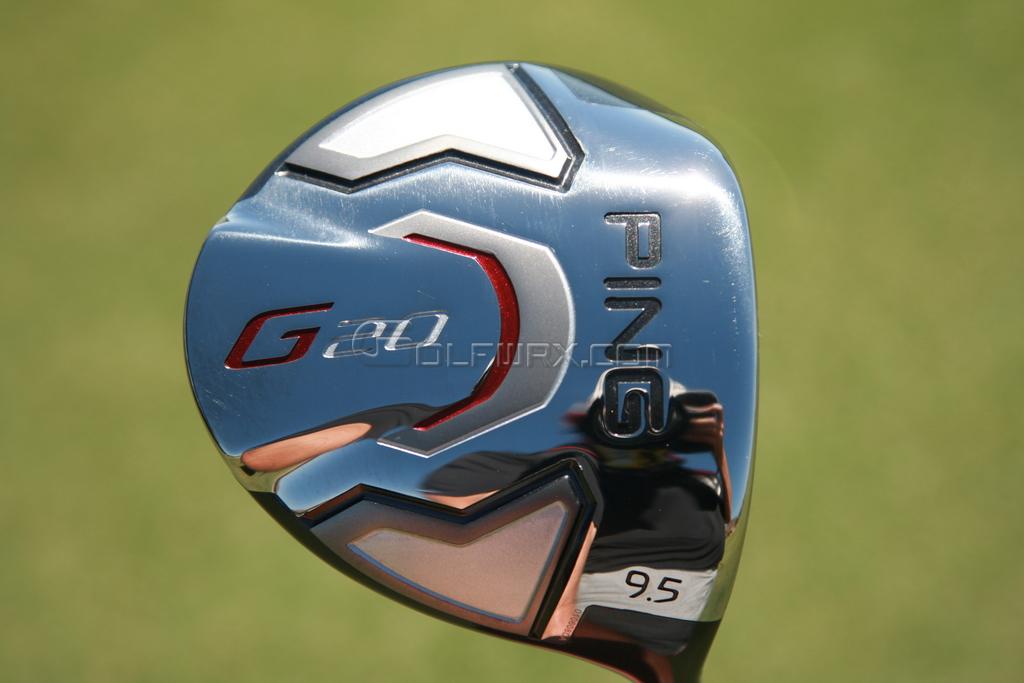
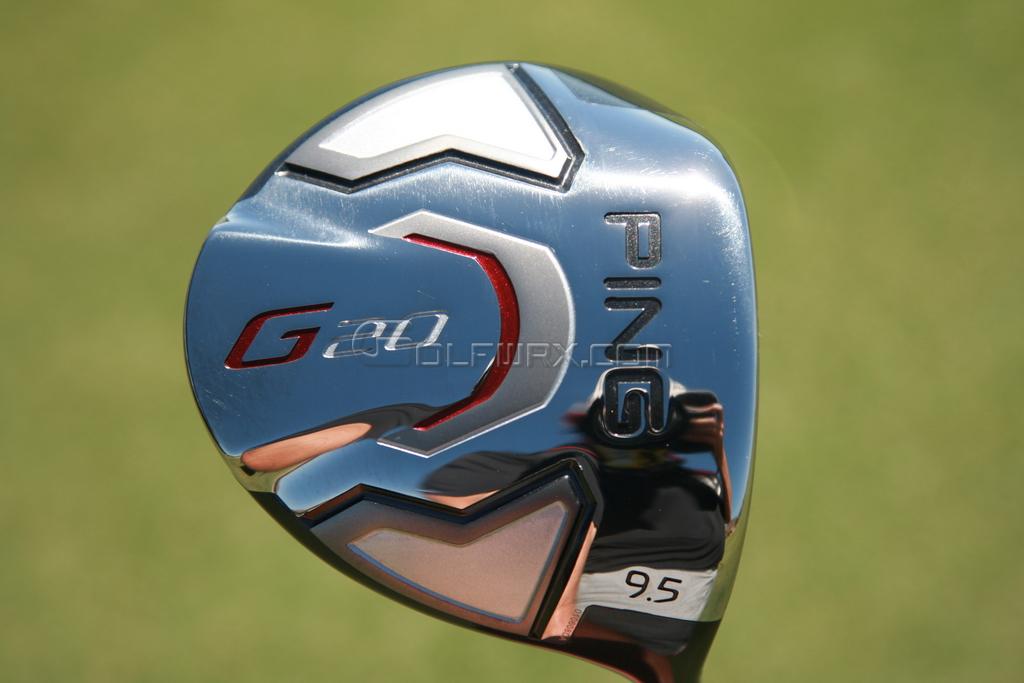
Anybody who’s been on this board for any amount of time tends to get a feel for what clubs garner the most buzz and, more importantly, what clubs live up to that hype. For the last two years PING’s G15 driver and irons have been in a class few others can claim. Recognizing this, PING followed the same formula to make improvements on an already incredible club.
Now, in the G20 series, PING decided to reemphasize the concept of having a complete set design. They wanted to do away with the idea of having a favorite club that just seems to fit your swing really well by matching the entire set to your swing. This is not a new concept, even to PING, but with the advanced technologies they have available, and their long history of designing clubs from an understanding of engineering and physics, they have matched these sets from top to bottom by examining and matching system mass, MOI about the hosel axis, CG position of the clubhead, etc., to synchronize the natural head rotation or delivery of the club. This provides fitters the flexibility to fit for trajectory and distance gapping without having to worry about having golfers adjust their swing to different clubs.
DRIVER
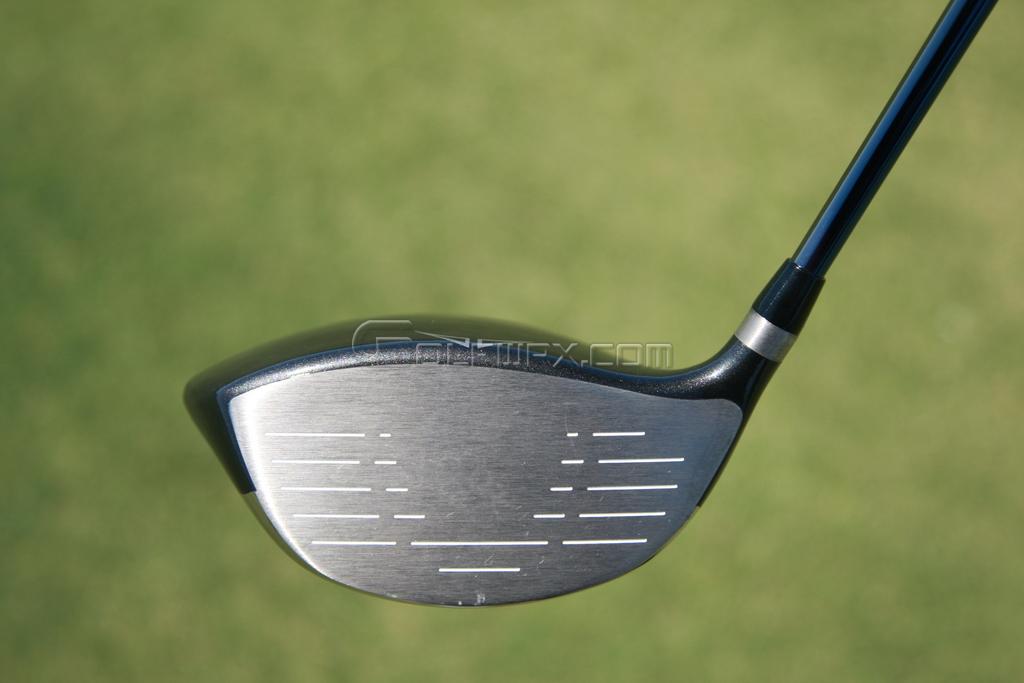
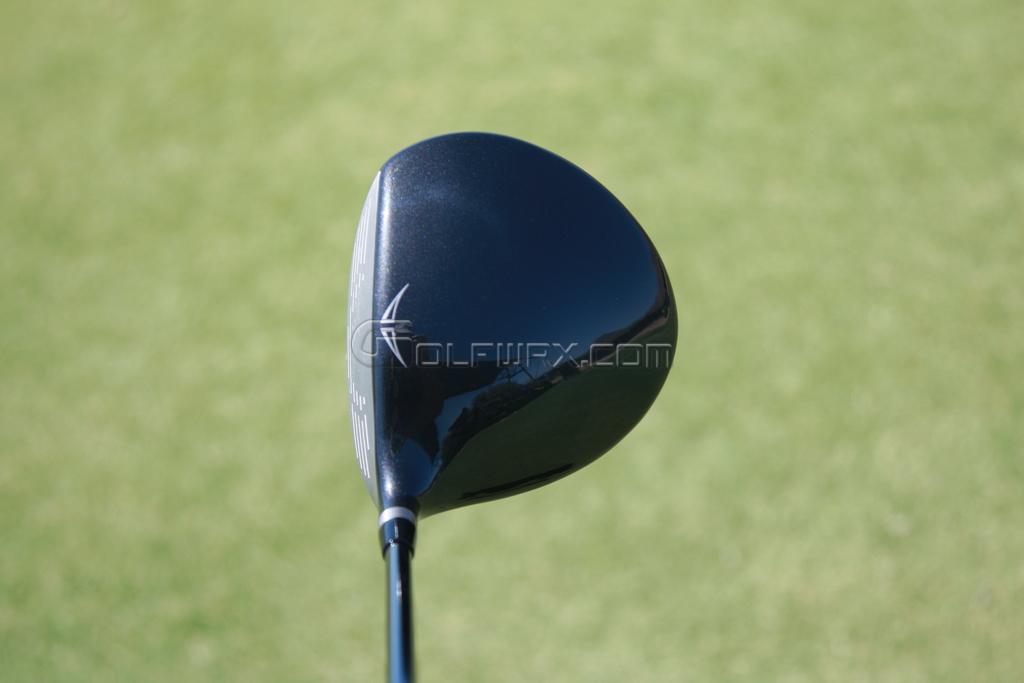
For the G20 Driver, PING utilized the high balance point shaft technology first employed in the G15, and took it a little further. By using a counterbalanced shaft, there were able to add more weight to the head, lighten the shaft, and keep the system mass and swingweight the same. This allowed PING to add more mass to the head which delivers more energy to the ball. The G15 added 5 grams to their standard G10 headweight and the G20 added another 2, yielding a current driver headweight of 203 grams. Testing shows that this concept adds distance and forgiveness as you're not slowing the clubhead during the swing and you're increasing inertia from the increased head mass.
In verifying this concept, PING tested clubs of otherwise same specifications, including shaft specs (swingweight, stiffness, torque, kick point, etc.), only changing the total system mass from 270, 286, and 304 grams between the three. They discovered that clubhead and ball speeds were not statistically significantly faster in any of the system weights, but distance and forgiveness were best with the heavier setup. Additionally, real world testing showed that there are benefits in having a more natural progression from your driver as per the complete set design outlined above as golfers don’t have to fight their swing going from a superlight driver to a heavier fairway or iron.
While not surprising, one point that bears mentioning deals with the G20‘s standard shaft length of 45.75 inches (and D3 swingweight). While this seems overly-long, especially to the GolfWRX membership where 45” seems to be the preference, it’s actually the standard length PING has stayed with since the TiSI. When the USGA published their standard for measuring, PING was using a 56º sole plate and measuring to the end of the ungripped shaft. When the standard of measurement required a 60º sole plate and measurement to the end of a gripped club, PING opted to change their published lengths rather than shorten what they’ve been doing. They also discovered through player testing that golfers can handle this length with no significant drawbacks on the course and without forcing golfers to fight their swing.
In the G20 driver, PING was able to lower and move weight even further back to optimize trajectory. Bubba's long because he launches 16º at 1800 RPM. And SlingMan is able to launch it even higher with lower spin to reach even farther distances–so there's still lots of distance to be gamed through trajectory optimization without even touching ball speed.
For the G20 driver, PING changed the material to Ti811 from Ti64: they are both very similar in terms of strength and elongation, but Ti811 is slightly lighter and less dense, so they can utilize more volume to mess with the thickness variances to better optimize CG and inertia. A larger head profile increases inertia, especially along the horizontal AND vertical axises and PING was able to increase the face area over the G15. The G20 is constructed from a cast body with the variable thickness sheet face. This allows to take weight away from some areas and add elsewhere and requires only one weld.
Driver testing between the G15 and G20 on PingMan and Player testing showed distance increases, and tighter dispersion across the board for swing speeds (spin rates were close between the two with some overlaps depending on several factors).
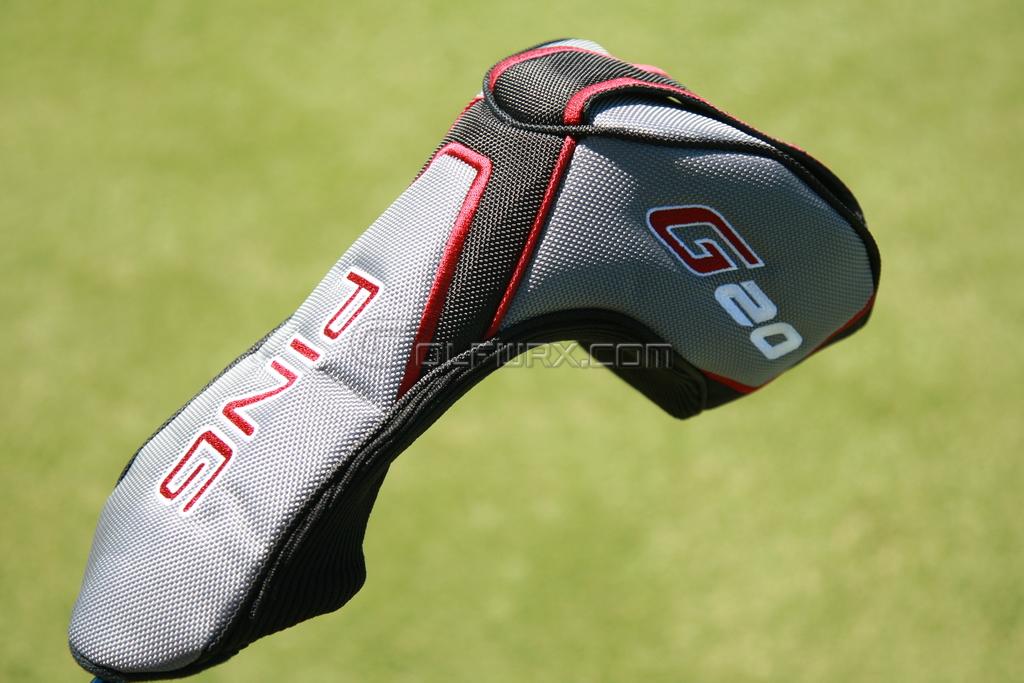
FAIRWAYS
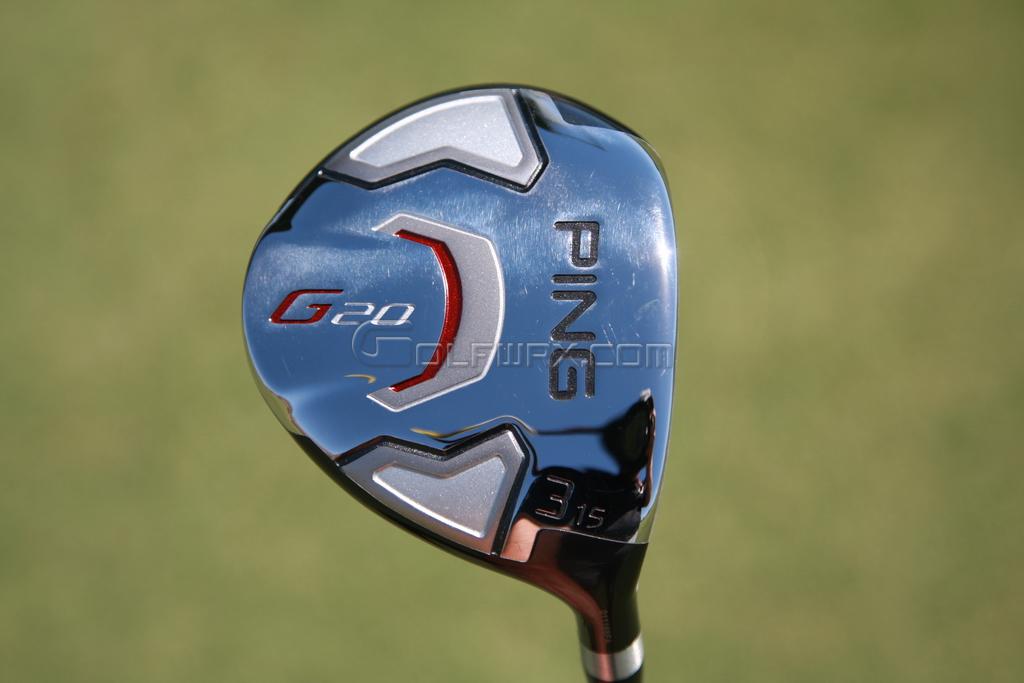
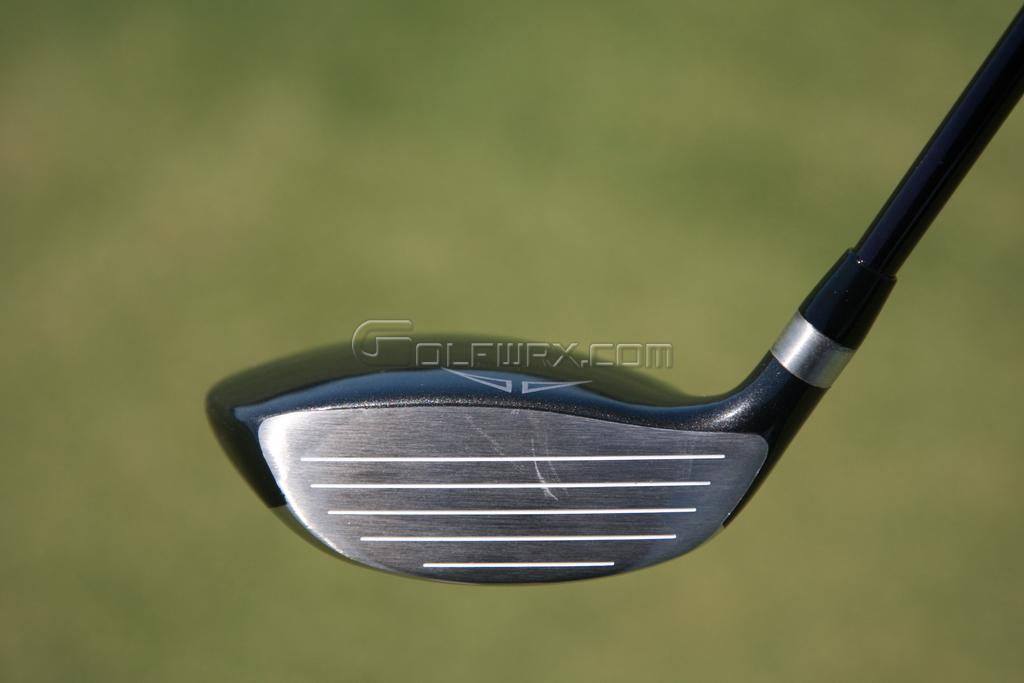
In the G20 PING made a fairway that was easy to get up in the air through center of gravity and trajectory optimization. Made club deeper front to back to move the CG even lower and to the back. By increasing the dynamic launch angle, they were able to strengthened the standard loft of the 3 wood back to 15º. The 4 wood is same length as the 3, so it’s basically a higher lofted 3 wood. PING has found it to work even better with over 60% of golfers getting more optimal performance out of 4 wood in player testing. In fact, Bubba plays a 4 wood.
Often times, when companies make improvements, they’re usually on the smaller scale. Such is true in the vertical axis of the fairway where PING was able to improved MOI for heel-to-toe hits by 4%. HOWEVER, PING increased the MOI on the vertical axis by 25%, making it significantly more forgiving on high and low mishits. This is especially important as it seems overly easy to hit a fairway thin (just me?).
So golfers can expect less distance loss on fairway mishits in the G20, and slightly increased overall distance as the launch conditions have been optimized. Across the board, in both player and PingMan testing, the G20 fairways produced higher ball speeds because they were able to slightly lower the spin and increase the launch angle despite strengthening the standard loft resulting in longer distances…again–especially on mishits.
HYBRID
Not going to lie: this was the club I was least interested in going in, especially after seeing it was going to resemble the G15. However, after listening to the presentation and, more importantly, hitting it, it is the club I’m most excited for!
When PING designed the G15 hybrid, they took a 3 iron face profile and built around that. Taking Karsten Solheim’s original concept in incorporating offset, they were able to greatly increase launch angle without raising spin. Additionally, the design of the club increases the moment of inertia by 50% over the standard design. This provides significantly more forgiveness, tighter dispersion, and less twisting from mishits. And again, the offset increases the dynamic launch without increasing spin, especially on high and low mishits because of the high MOI, giving significantly more distance control and less variance between flushed shots and mishits.
Based on feedback of the G15, PING made adjustments in the G20 hybrid to appeal to more people. One complaint was that the club appeared too upright, especially in conjunction with the higher toe, so PING shortened the club from heel-to-toe, moving the CG in a bit, allowing them to bend the lie angle flatter by 2º. This also reduced the toe-down droop seen at higher swing speeds. Despite this move, they were able to keep the same MOI. PING also increased the versatility of the club by increasing the heel-toe sole curvature.
One point of interest is that complaints of the G20 by actual owners of that club were minimal. The voiced complaints were overwhelmingly made by people who never bothered to hit the club…myself included. At demo days, the feedback from golfers who actually hit the club was very positive. PING is hoping that the changes made will get more people to pick it up and give it a try. In test results, the G20 hybrid performed very similarly to the G15. Same goes for player testing. However, player perceptions were drastically improved.





This week, we have our Tour Photographer, Greg Moore, on the ground at the OccuNet Classic at Tascosa Golf Club in Amarillo, Texas, for the 14th event of the 2026 Korn Ferry Tour season. With that, we see some great things in the Lead Tape Report as we roll into Amarillo.
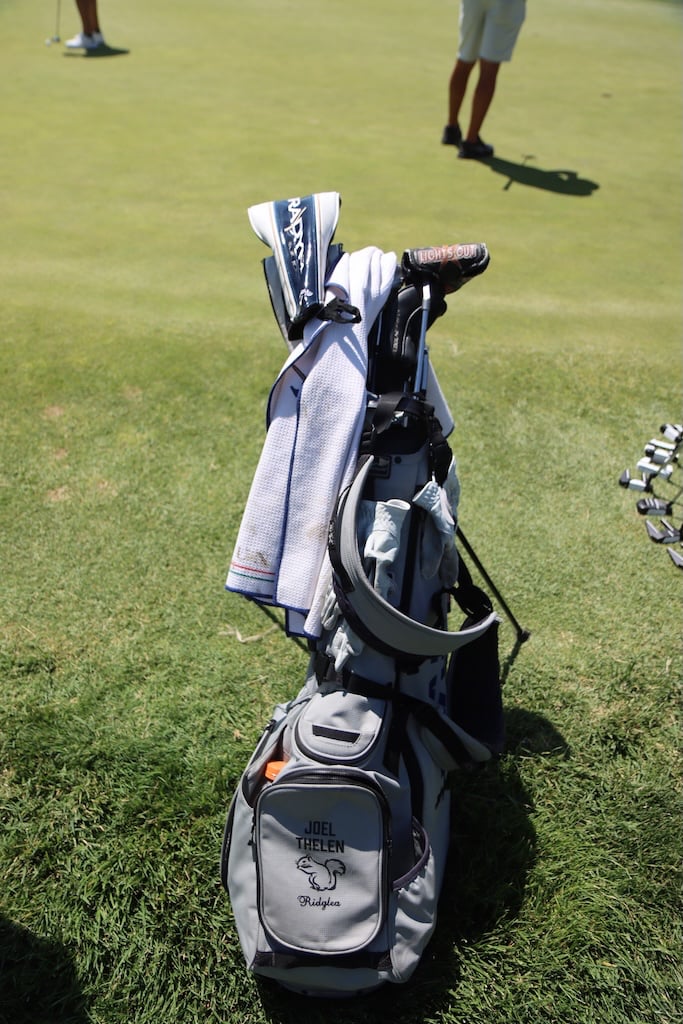
Joel Thelen
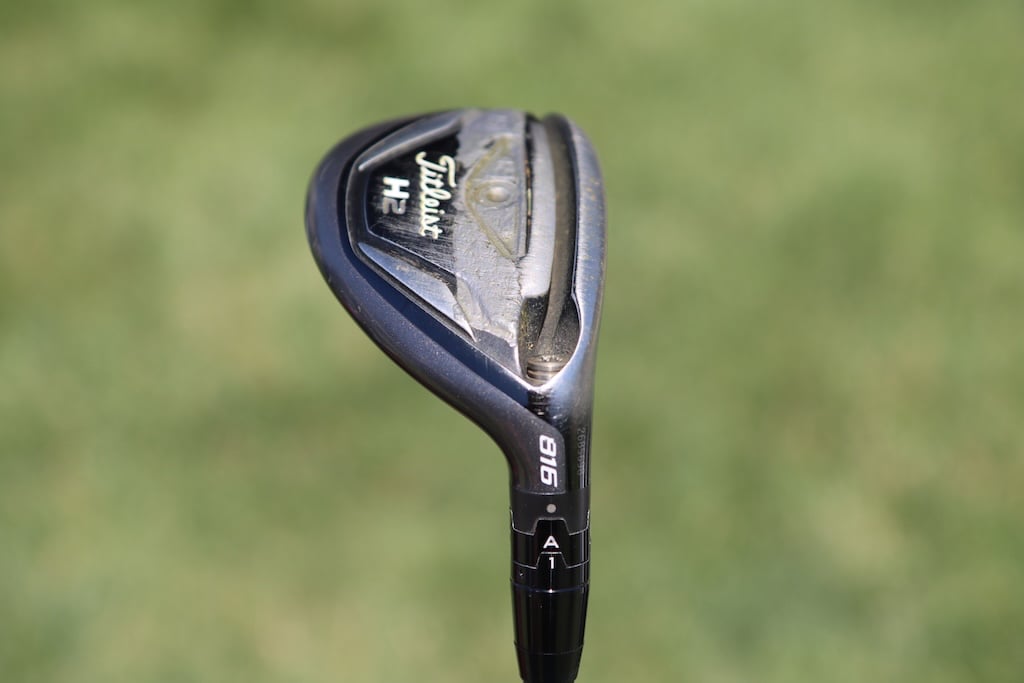
Monday Qualifier, Joel Thelen is in the field this week. He has played on the Korn Ferry Tour for a full season in 2023, and he is back in action this week. A couple of clubs caught my eye this week in his bag.
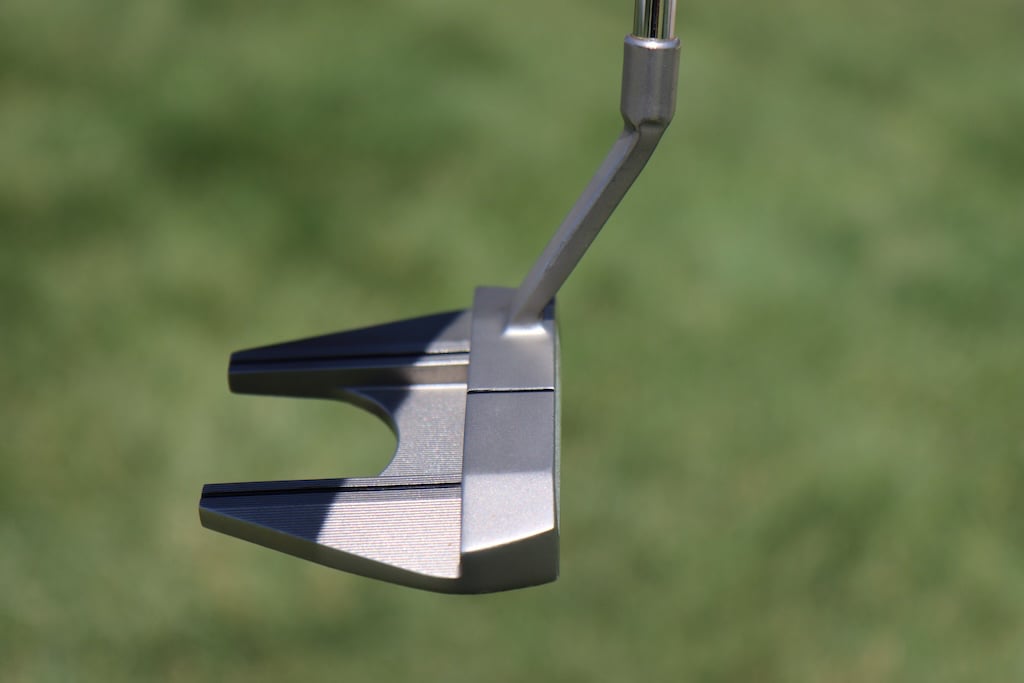
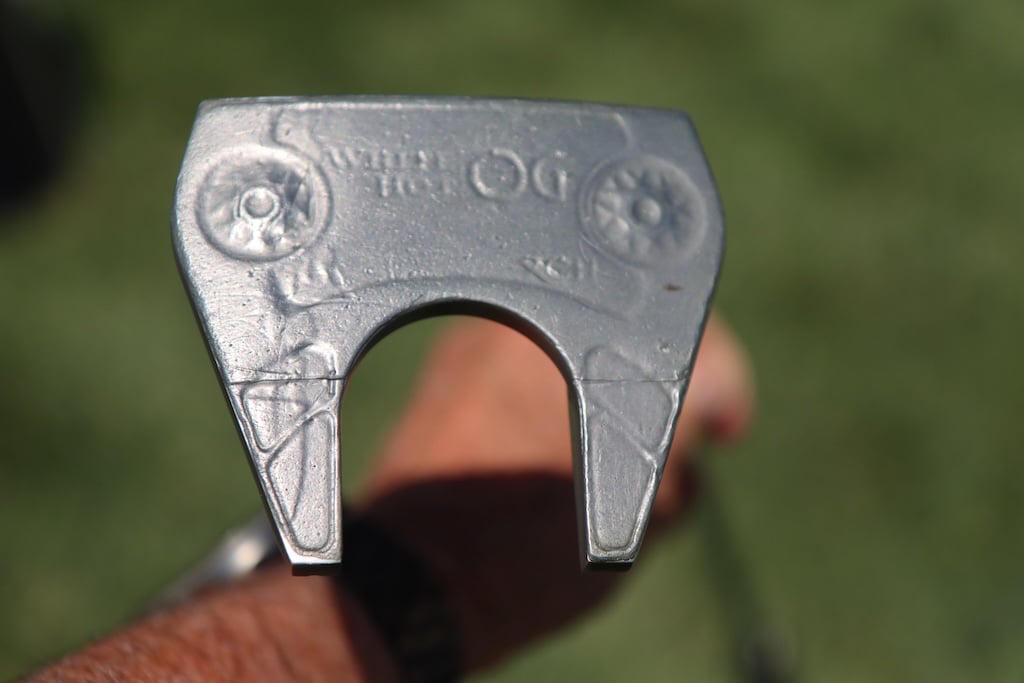
First off: His trusted Titleist 816 H2 hybrid. This club came out in October of 2015, and it still remains strong in the bag. Also, take a look at this Odyssey White Hot OG 7, putting a capital S in the 7S model. This custom neck has some impressive lean for an arm-lock-style putter. The bottom of the putter is covered in tape for optimal weighting.
Mitchell Meissner
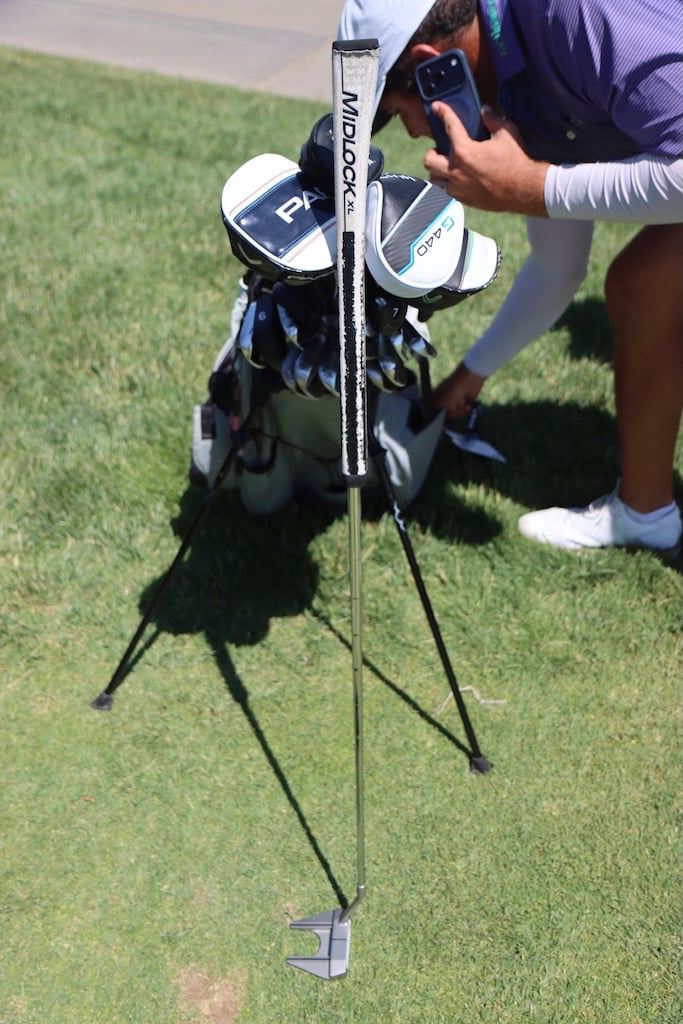
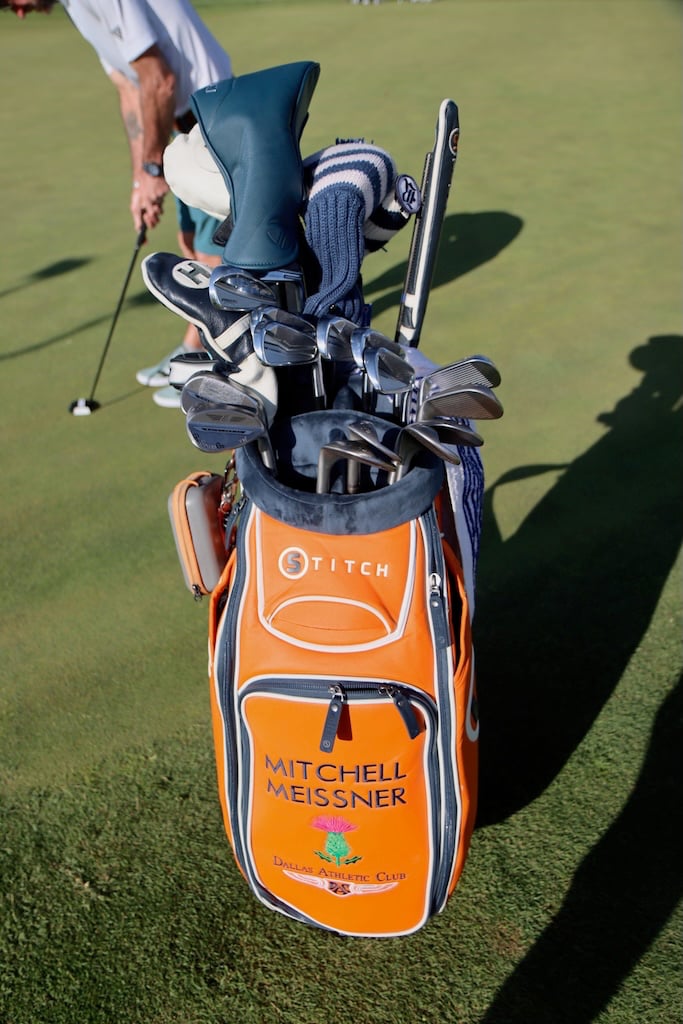
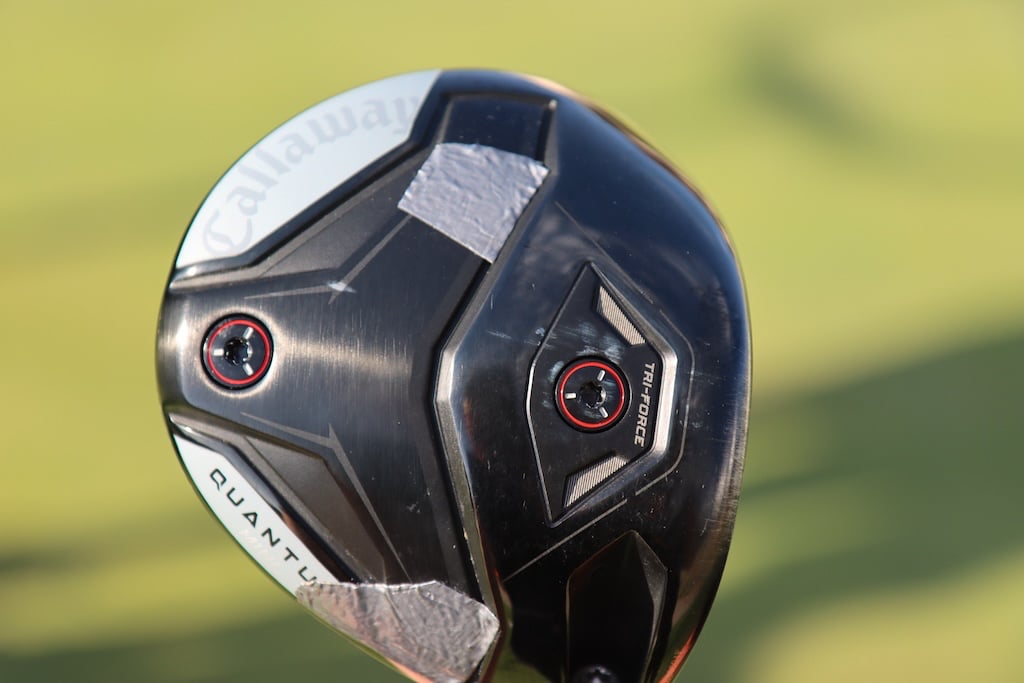
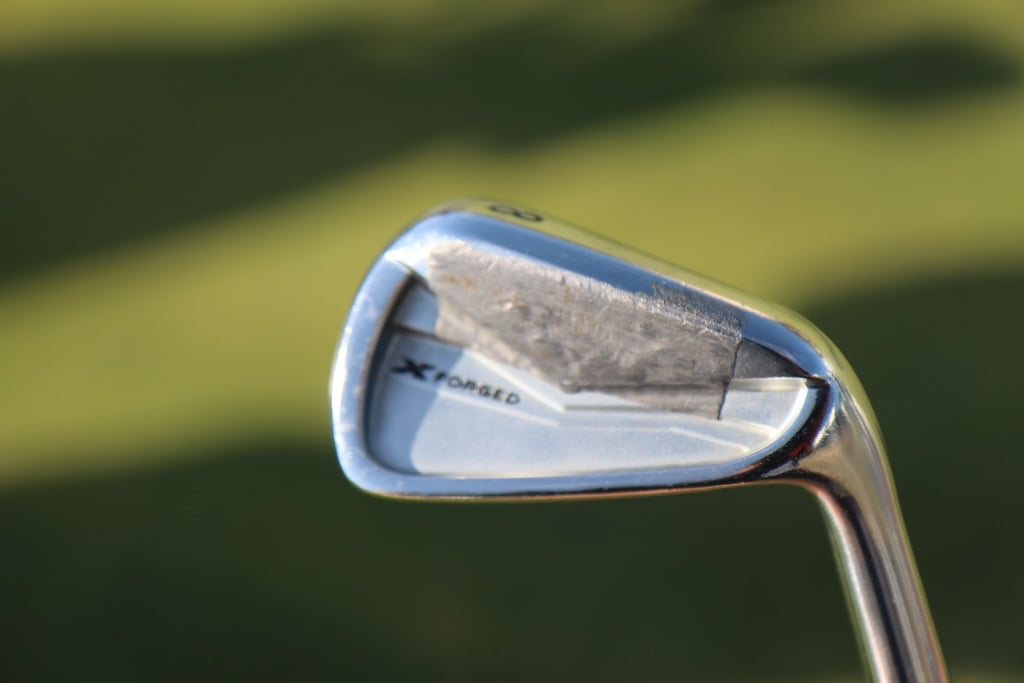
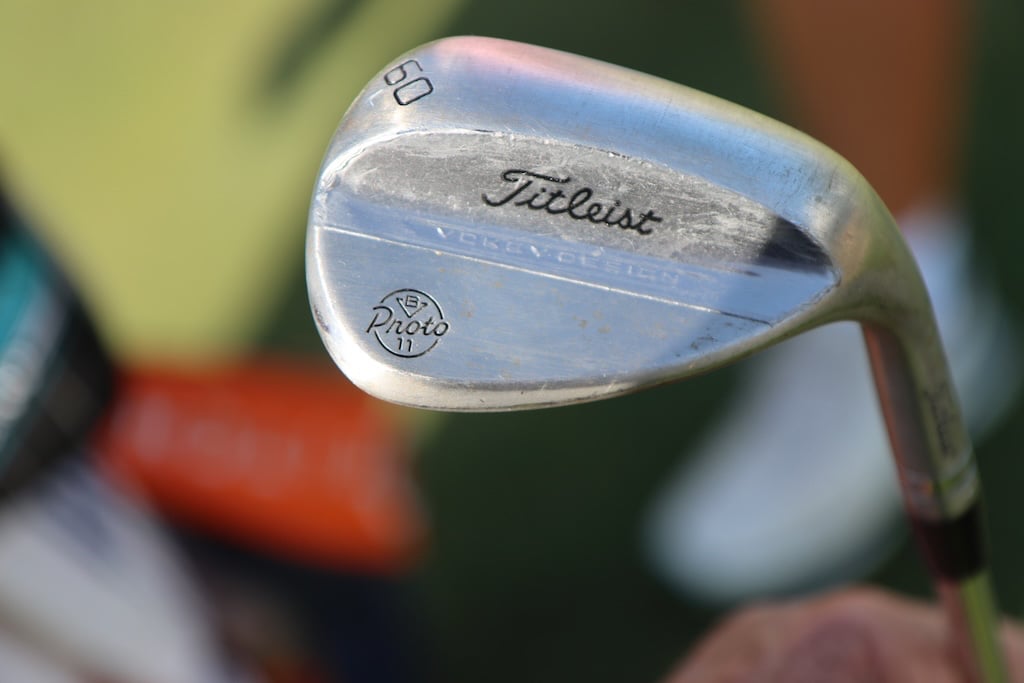
Taking a look at Mitchell Meissner’s bag this week, we have some great lead tape coverage. Top to bottom working from fairway metals, irons, and wedges. We can see on the short irons and wedges that there is tape at the base of the grip, adding a little counterbalance. Along with that, some tape on the short irons and wedges as well. Moving to his putter, he rolls the Odyssey 7 Bird putter. Meissner putts left-handed and strikes the ball right-handed.


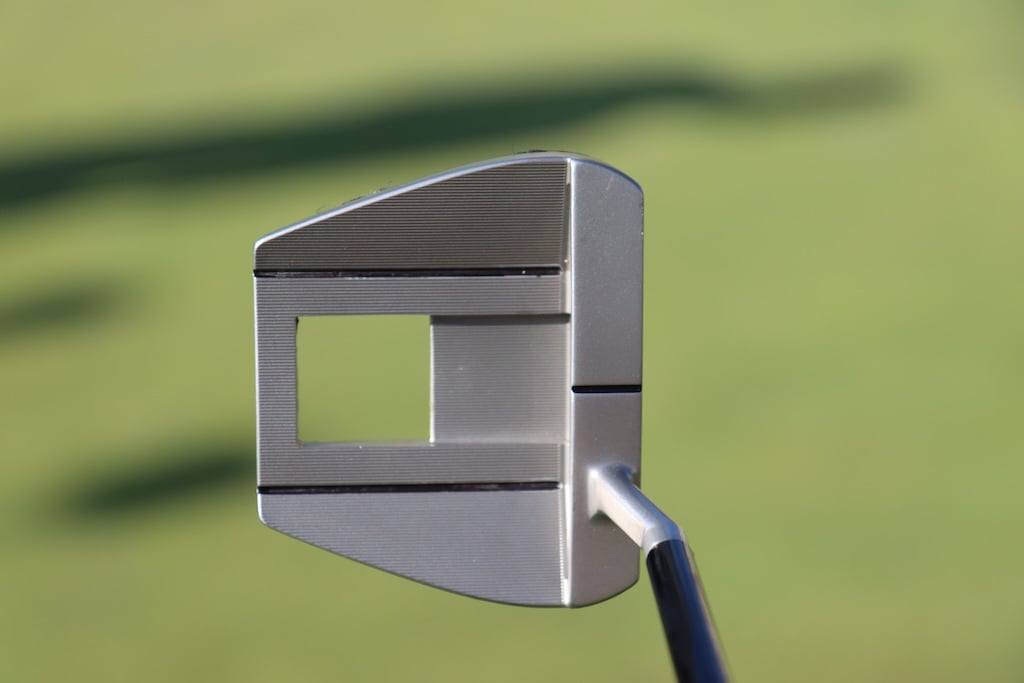


Bud Cauley had >14 clubs in his bag when photographed prior to the Memorial Tournament.
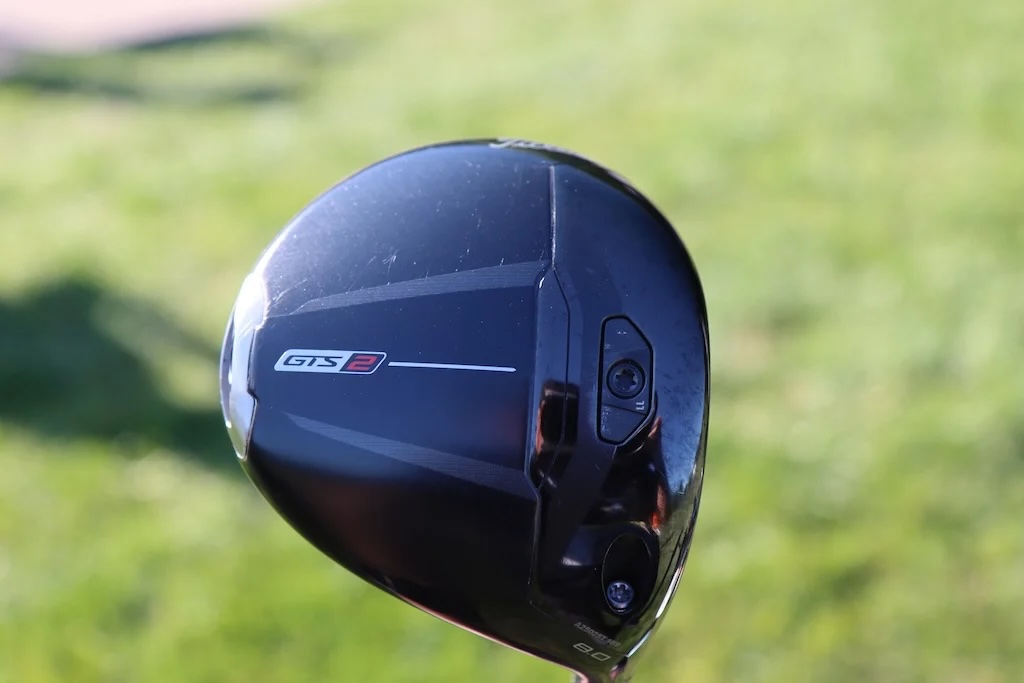
Driver: Titleist GTS2 (8 degrees)
Shaft: Fujikura Ventus Black 6 X
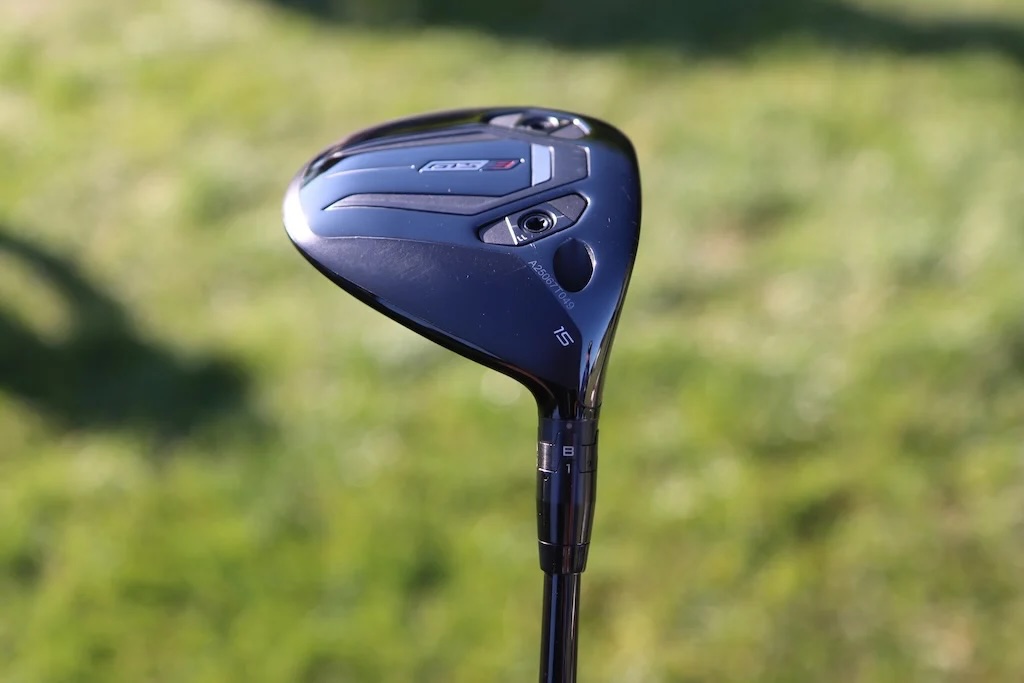
3-wood: Titleist GTS3 (15 degrees, B1 SureFit setting)
Shaft: Mitsubishi Chemical Tensei 1K Pro Red 70 TX
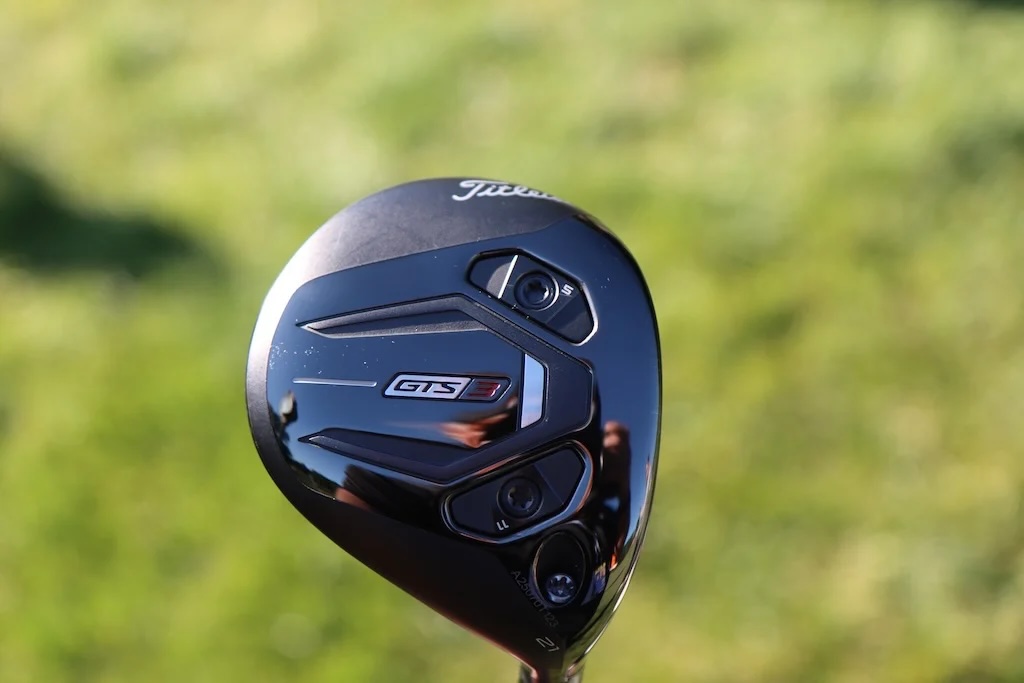
7-wood: Titleist GTS3 (21 degrees, D1 SureFit setting)
Shaft: Mitsubishi Chemical Tensei 1K Pro Red 80 TX
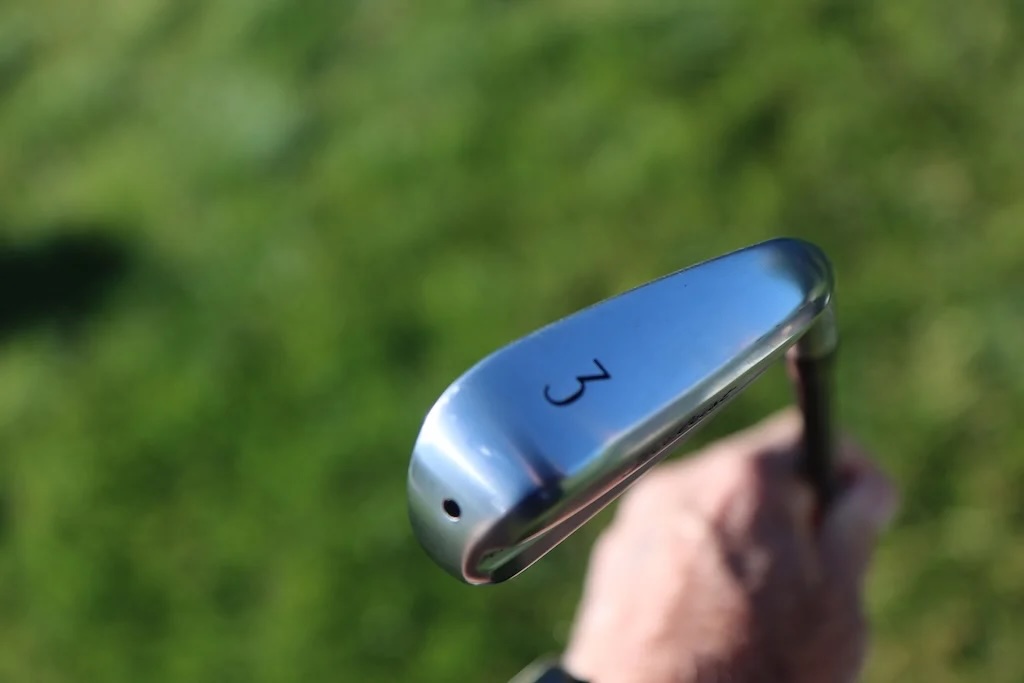
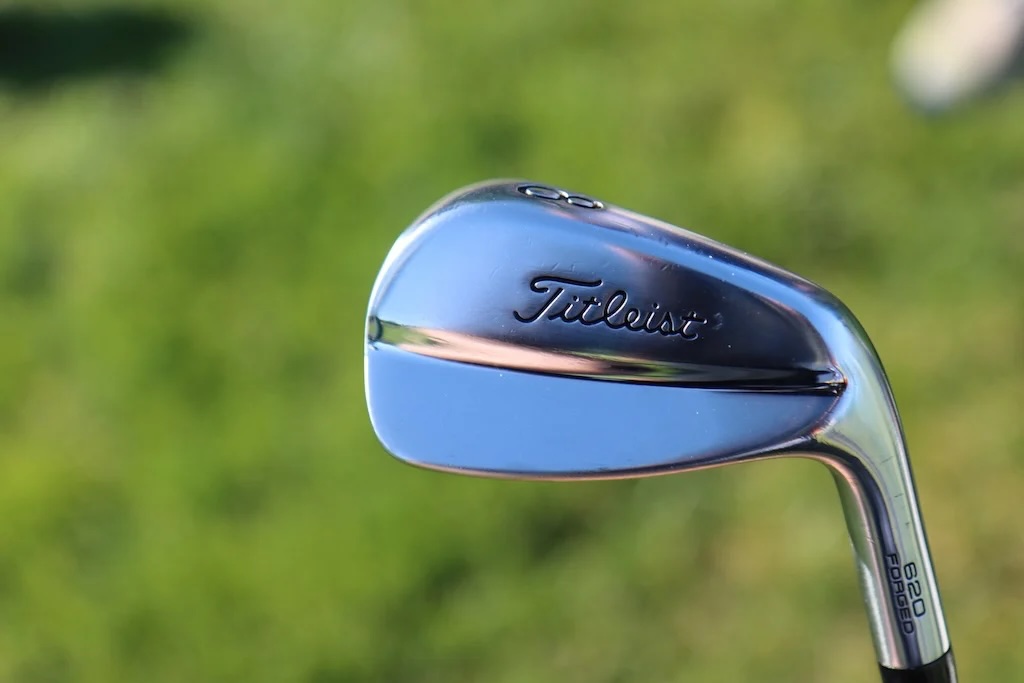
Irons: Titleist U505 (3), Titleist 620 MB (4-9)
Shafts: Fujikura Ventus Black HB 8 X, True Temper Dynamic Gold Tour Issue
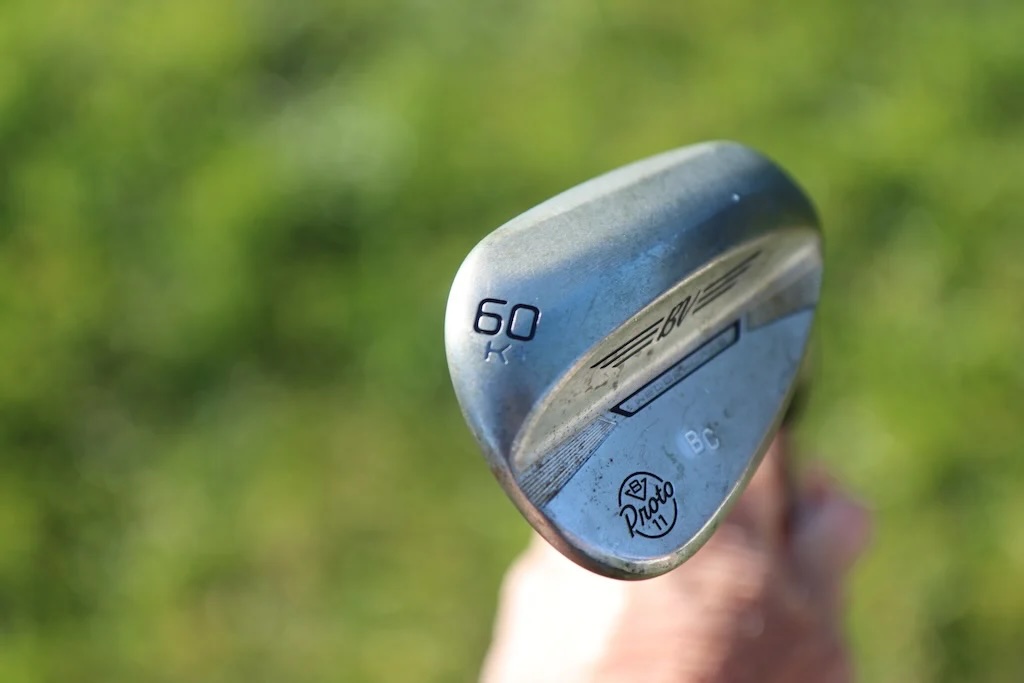
Wedges: Titleist Vokey Design SM11 (48-10F, 52-12F, 56-14F), WedgeWorks (60-K*)
Shafts: True Temper Dynamic Gold Tour Issue S400
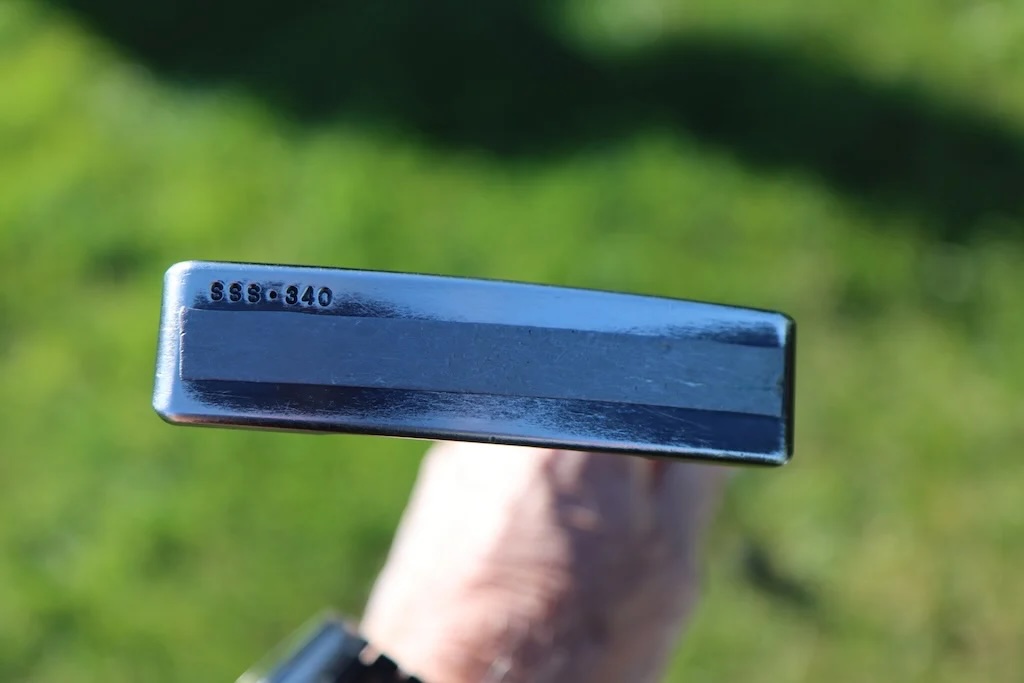
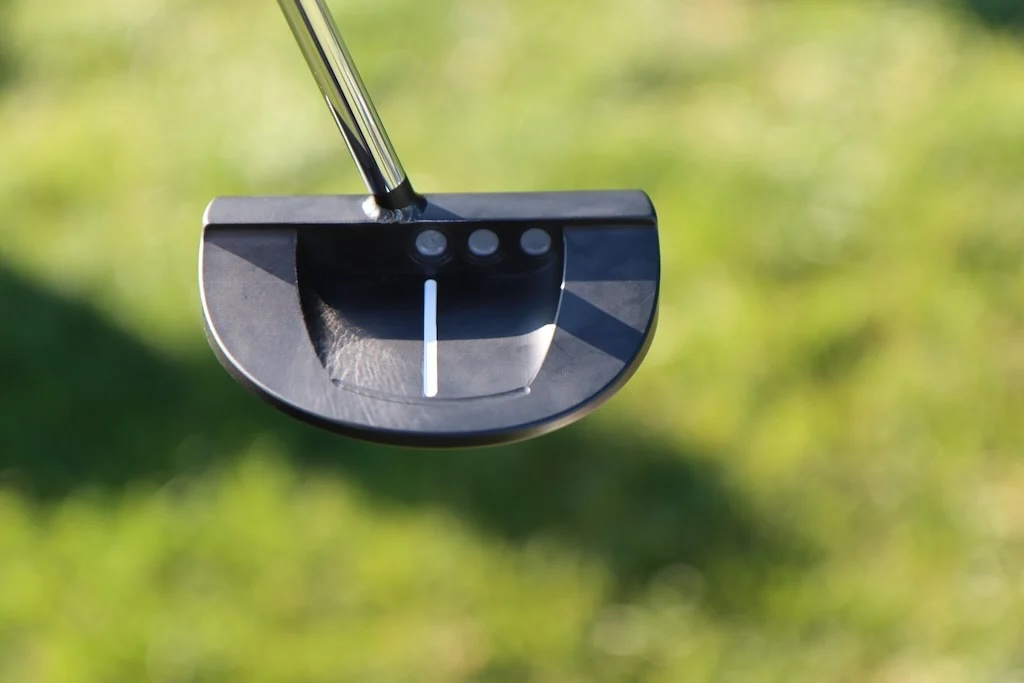
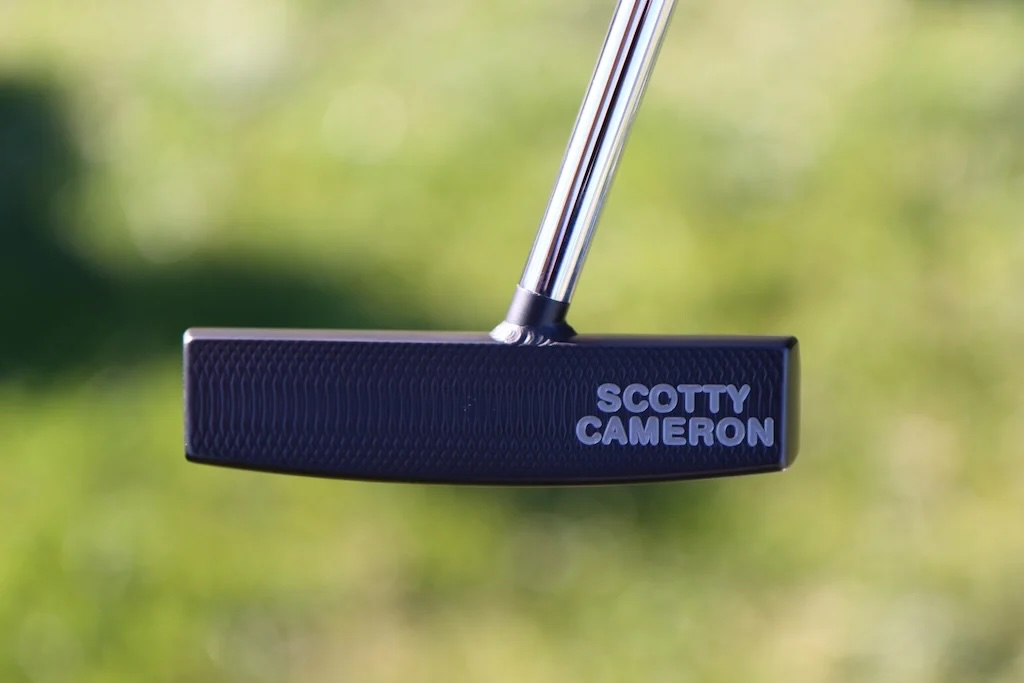
Putters: Scotty Cameron Tour Prototype, Scotty Cameron GOLO 6.3 Prototype
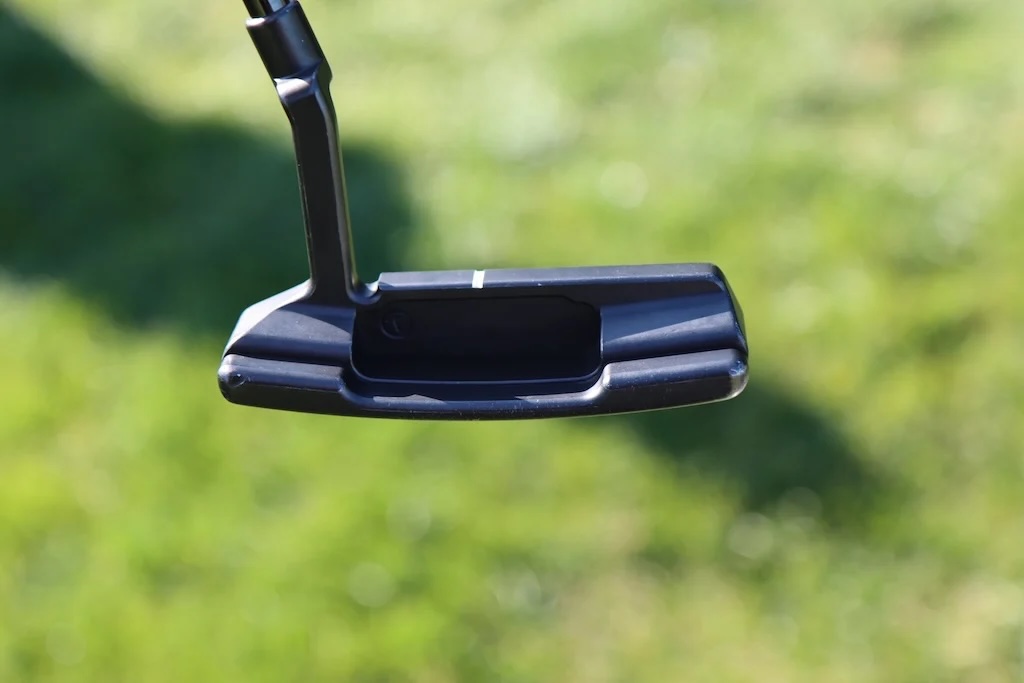
Grips: Golf Pride Tour Velvet Align
Ball: Titleist Pro V1
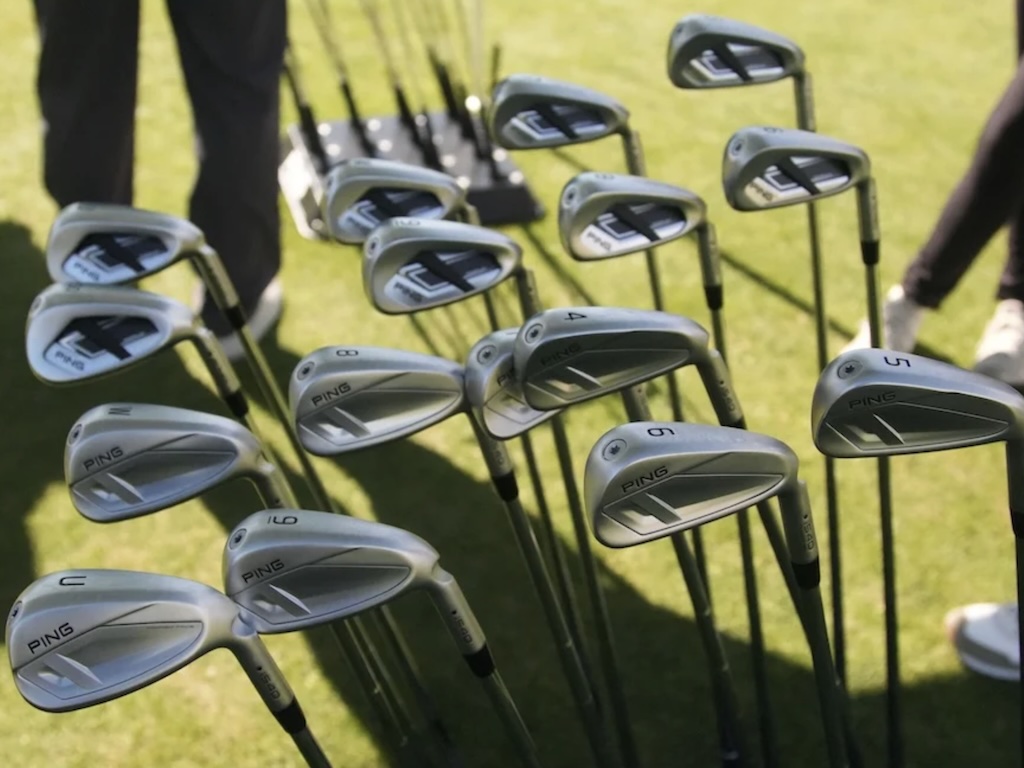
In our forums, one user has offered up a prompt for the true sickos, inviting fellow forum members to share every set of irons they’ve ever owned. As to be expected, this is a lengthy forum topic.
@Lamosteve began:
Can you name every set of irons you’ve owned? Here’s mine
Spalding Dots
Spalding Eclipse
Ram Lazer FX
Lynx Parallax
Mizuno EZ Comp
Ben Hogans
Cleveland CG Red
Taylor Made R9s
PING i20
PING iE1
Taylor Made M6
Our members in the forum have been offering up their own collections. Here are a few posts from the thread, but make sure to check out the entire discussion and have your say at the link below.
- macedan: “Started with a hand-me-down Golden Bear set from my brother when I was in high school, never really played more than once a year or got into the game until about summer of 2017. First purchased a set of Cleveland CG4’s (I actually really miss this set sometimes, soft & not terribly large for a GI iron), moved into Nike Vapor Fly’s by the end of the year. Those lasted until spring of 18 when I decided I wanted new, so I traded them in for TM Rbladez. Honestly, although I liked the Rbladez, poor decision on my part, I think this was really about the only time so far that after a week or two I was kicking myself for not staying with what I had. Rbladez stayed with me until late last summer when I switched to P790’s and (knock on wood) I am hoping this will be my longest lasting set.”
- JimmyC59: “MacGregor Jack Nicklaus Triple Crown. Palmer The Standard. Still play these.”
- jgrzask: “Tommy Armour 845u
Mizuno MP-32
Mizuno MP-33 (2 sets)
Bridgestone J33cb – still own
Srixon i-302 (2 sets) – still own
Tourstage X-Blades – still own
Mizuno Hot Metal – still own
Nike Forged Blades – still own
Titleist 714 AP1 – still own
Cobra Forged SS – still own”

Justin Rose WITB 2026 (April): Full WITB breakdown with new McLaren irons

What’s the story behind Webb Simpson’s custom-stamped irons?

Memorial Tournament Tour Report: Rory McIlroy, Cameron Young switch up drivers, and more

Cadillac Championship Tour Report: Spieth’s sizable changes, McLaren Golf launches, and more

Russell Henley’s winning WITB: 2026 Charles Schwab Challenge

Kristoffer Reitan’s winning WITB: 2026 Truist Championship

Best irons 2026: Best irons overall, most forgiving irons, and more

J.T. Poston’s winning WITB: 2026 Memorial Tournament

Aaron Rai’s winning WITB: 2026 PGA Championship

Cameron Young’s winning WITB: 2026 Cadillac Championship


Bud Cauley WITB 2026 (June)
Bud Cauley had >14 clubs in his bag when photographed prior to the Memorial Tournament. Driver: Titleist GTS2 (8 degrees) Shaft: Fujikura...


Hannah Green WITB 2026 (June)
Driver: Titleist GTS3 (10 degrees, D4 SureFit setting) Shaft: Mitsubishi Chemical Diamana RB 53 S 3-wood: Titleist GT3 (15 degrees,...


Asterisk Talley WITB 2026 (June)
Driver: TaylorMade Qi4D (9 degrees) Shaft: Fujikura Ventus Blue 6 S 3-wood: TaylorMade Qi4D (16.5 degrees) Shaft: Fujikura Ventus Blue...

Brianna Do WITB 2026 (June)
Driver: Callaway Quantum Triple Diamond (9 degrees) Shaft: KBS PGW 3-wood: Callaway Elyte Titanium (15 degrees) Shaft: KBS PGW 5-wood:...
-
 Equipment6 days ago
Memorial Tournament Tour Report: Rory McIlroy, Cameron Young switch up drivers, and more
-
 News2 weeks ago
Russell Henley’s winning WITB: 2026 Charles Schwab Challenge
-
 Equipment3 days ago
Best irons 2026: Best irons overall, most forgiving irons, and more
-
 Whats in the Bag4 days ago
J.T. Poston’s winning WITB: 2026 Memorial Tournament
-

 Equipment1 week ago
Details on Jason Day’s latest prototype Avoda iron setup
-

 Equipment3 weeks ago
CJ Cup Byron Nelson Tour Report: Koepka and Kim’s newest putters finally get hot
-

 News2 weeks ago
Charles Schwab Challenge Tour Report: MacIntyre, Åberg and Spaun all switch putters, TaylorMade launches new Spider
-

 Equipment2 weeks ago
Details on J.J. Spaun’s surprise putter switch


Maurice Yuen
Nov 4, 2012 at 8:26 pm
Dear Sir,
What is the difference between TFC 330D & 169D?
Thanks.