
Equipment
GolfWRX Archives: Economics of an independent club builder

The golf season is slowly gearing up, and the next step many are taking is getting their clubs tuned up and dialed in. Whether it be new grips, lie and loft checks, or getting into the nitty-gritty details of a launch monitor gapping session, it’s a mad rush to be ready for the first tee shot.
With so much of this work being done by smaller companies or local club builders, I wanted to revisit a piece I wrote around this time last year that showcases the economics that smaller shops face since a large part of the discussion often revolves around price.
The Economics of an Independent Club Builder
I build clubs, not a ton, but for a one-person operation, I keep very busy during the season. I work on clubs for people locally, help a couple of the local golf courses get work done quickly for members, and I do a lot of my own tinkering (which I acknowledge is akin to if Walter White was also his own biggest customer).
What I have noticed over the last few years when talking to, or reading about, golfers inquiring about having work done, is the great discussion and sometimes misinformation about the cost associated with club work. From high-end custom club fitting, to just a simple repair or grip change, there’s a lot of confusion. This is a constant topic here on GolfWRX with many of the same replies being summarized by
“No way a (insert club or repair job) should cost that much! It’s an easy thing to do with a torch, a vice and some epoxy.”
I’m not saying building clubs isn’t relatively simple, heck it’s my goal to try and teach people how to do it and better understand it, but when it comes to doing things right and making sure the specs are just as they should be, well that’s an entirely different story.
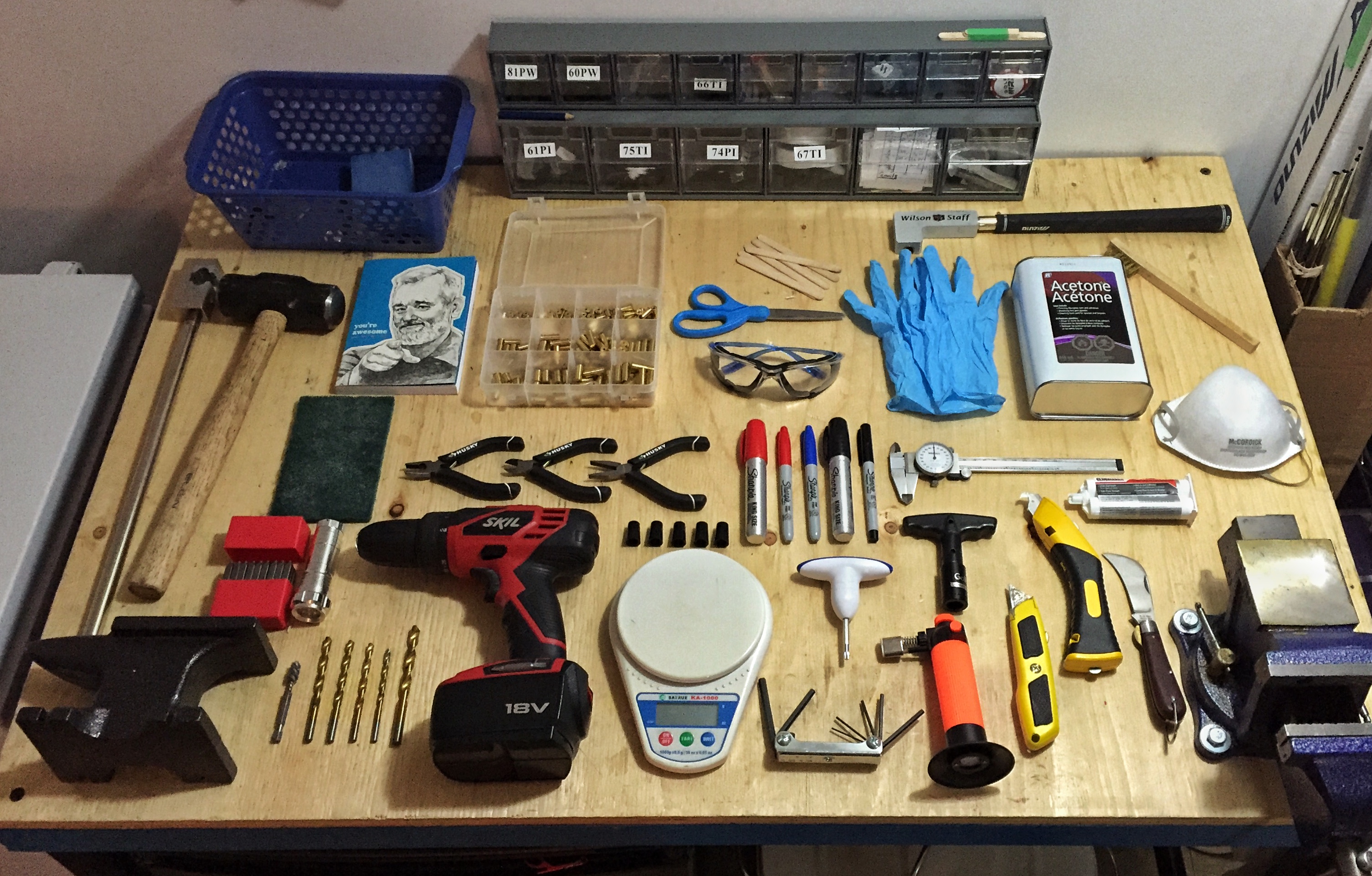
To properly equip a shop with all the tools required to take on any club building task aside from grinding wedges and milling putters, the cost is roughly $5,000 for proper top-of-the-line gear including safety equipment — not an over-the-top investment, but something that is mostly beyond the average hobbyist. I’m lucky in that I’ve never relied on building clubs (as an independent builder) as my only source of income and slowly built up my vast collection of tools, some of which I’ve had for over 15 years.
My argument for the cost of any repair is quite simple: The club builder needs to be able to make a reasonable profit (not a bad word) based on the time associated with completing the task, which is essentially the MO for any individual or business.
I compare it to getting an oil change: Do I know how to do it? Yes. Do I have the ability to get all the required tools? Yes. Does it take a relatively short amount of time to do it by a trained professional? Yes. Do I want to get under my car to do it? Absolutely not!
Same can be applied for the building of a set either from scratch or with previously used parts (which is WAY worse and actually takes longer by the way) pulling and gluing steel taper tip golf shafts isn’t really a big deal but here are the things many people fail to consider
- Getting head weights right to make sure swing weight, or in some cases MOI, match the desired spec.
- Cutting to the exact length and potentially accounting for grip cap length
- Having on hand the proper tools do the prep work including disposables like sanding belts, buffing pads etc.
- Stocking ferrules in a variety of sizes for different clubs
- Epoxy – making sure to have relatively “fresh” quality stuff on hand — a single tube of 3M can run over $25 alone
- Grip tape
- Solvent, and catch tray or actual gripping station
- Final lie loft – making sure to leave as few marks as possible
Let’s consider one of the most common repairs: a broken wedge shaft (I don’t ask questions about how things get broken)
For a small shop that might not carry a lot (if any) shaft inventory, something as common as a True Temper Dynamic Gold is $24 from a supplier like GolfWorks, add on a single grip, say, Golf Pride Tour Velvet ($5), you’re almost at $30 COST. Now, if we consider that there is potential for a 15 percent savings if the shop gets a “dealer” discount, we’re still looking at just under $25 before tax. You add shipping onto that and time, it’s understandable that this is going to be at least a $50 repair.
Yes, you can get new previous model wedges for around $100, but they have the opportunity to buy at HUGE volume as an OEM, that’s the difference. Small shops need to be able to cover costs and make a small profit to exist. Prices might seem high compared to buying a new full club as a single unit, but you are truly supporting a small business.


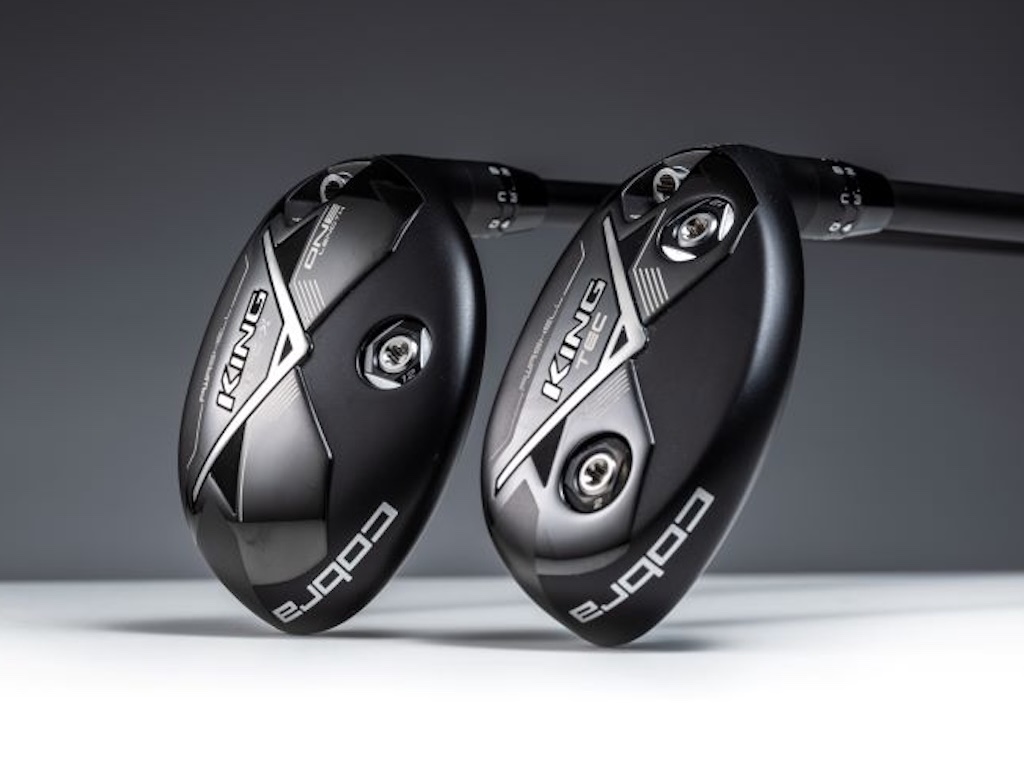
In our forums, users are talking about top of bag setups that are non-traditional or thought-provoking in some way. Original poster @SuperSpurs106 inquired about other members who might use unorthodox set-ups to help with gapping issues or weak spots.
They wrote:
“I currently have a PING G430 driver, TM Qi35 3W and a TM Qi4D 7W. Driver and 7W are fine but can’t get on with my 3W and have always struggling with this club over the years. Thinking of adding a 2H which I know would look odd. Just wondering if anyone else had a weird set up at the top of their bag?”
Our members in the forum have offered up their thoughts and personal experiences with non-traditional top of bag set-ups, and their reasoning for thinking outside of the box to begin with. Here are a few posts from the thread, but make sure to check out the entire discussion and have your say at the link below.
- BowMain42: “Don’t worry about what “looks” odd. If the club does what you need it to do, it’s the right club.”
- scooterhd2: “I cant hit 3 woods either. Thats why I roll with a unicorn XL Hibore 2 wood. 400 cc head at 16 degrees of loft and its just a monster 3 wood off the tee. Off the deck, we are playing the f6 baffler. 5 wood at 41.75 inches and its easy to control.”
- phizzy30: “I had driver, 3 metal, 2/4 hybrid once upon a time as a higher ss player. 4 hybrid is gone and in place is a driving iron nowadays. I don’t think what you’re proposing is weird in anyway, however the yardage gap might be glaringly huge between driver and 2 hybrid. What is it about your 3 metal that has got you all messed up? You could always go 4 metal with shorter shaft and see if that works.”
Entire Thread: “Interesting clubs at top of bag”
If you aren’t a member, join us in the GolfWRX forums today!
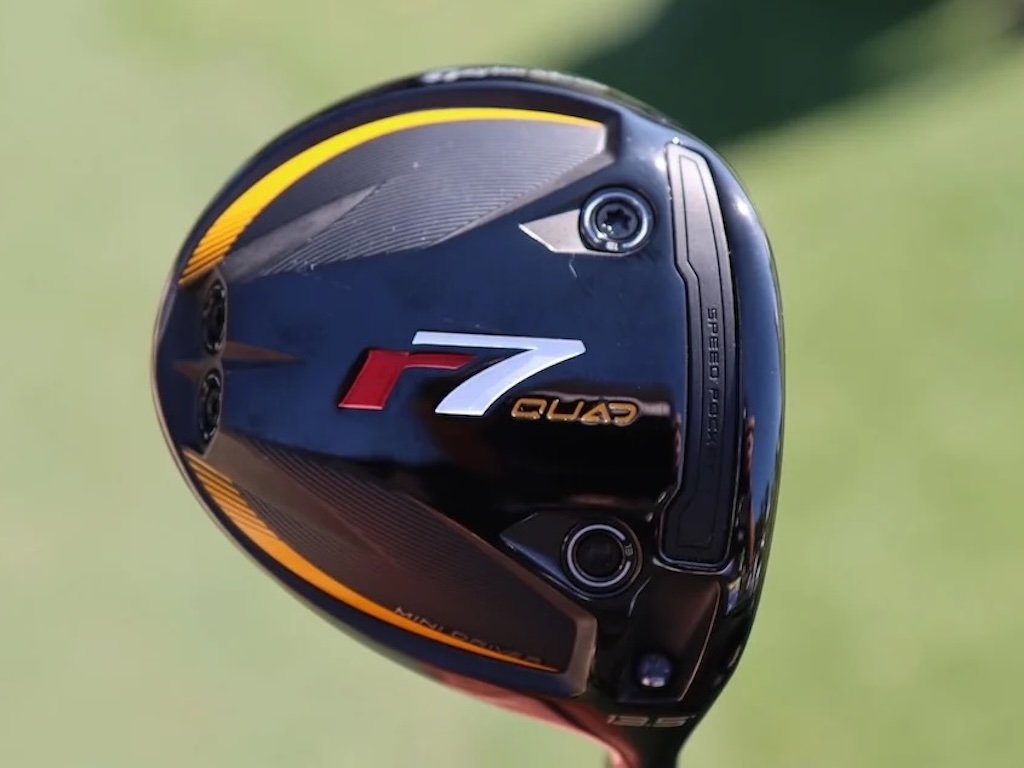
In our forums, one user has gone searching for fellow users of a mini driver. In a post, @TightFade asked for other mini driver users to chime in with their weapon of choice, the reason for employing a mini, and what club follows it in the bag.
@TightFade asked:
“What mini are you playing? What spot in the bag did it take over? What’s the next club after it? For me: Elyte mini 13.5. Replacing 3w. Next up club looks like it’ll be 5w.”
Our members in the forum have been sharing their own bag setups featuring the mini driver, and the various reasons they purchased one in the first place. Here are a few posts from the thread, but make sure to check out the entire discussion and have your say at the link below.
- RCGA: “Ping G430 Max 12* ‘Thriver.’ Next club is a 4w and 2i (I play a weird course).”
- JMB3: “R7 at 12.75 with Diamana BB 63s. 3w replacement. Next Club: Elyte Ti 5w at 17*.”
- ColdOkieGolf: “R7 15.5 turned down to 13.5 It replaces the 3w. I found it surprisingly easy to hit off the deck, and it’s very rare that I need or want to hit something beyond 250 from the fairway, so next club is my 7w.”
- ChaosTheory: “I’m sub-90 MPH with driver. But I’m able to hit DOD. I have been wanting something like the R7 15.5, so I just ordered one. I have a spot in the bag so nothing has to go. But I could see it replacing my trusty 4 wood, which I never use for approach shots. Just tee shots and lay ups. If I drop the 4 wood, I will turn my 7 wood down to ~20 degrees and will have good gaps. I recently tried a thriver build: 12 degree driver turned to 14, with a heavier 44 inch shaft and added head weight. I hit it great. Very accurate and not overly high, but the problem was that it sometimes went as far as a typical drive. And that’s not what I needed. So I will probably turn the 15.5 up to 16.5 or even 17.5. It’s all theoretical at this point. ?”
Entire Thread: “Members of the Mini Driver Club…Check In.”
If you aren’t a member, join us in the GolfWRX forums today!

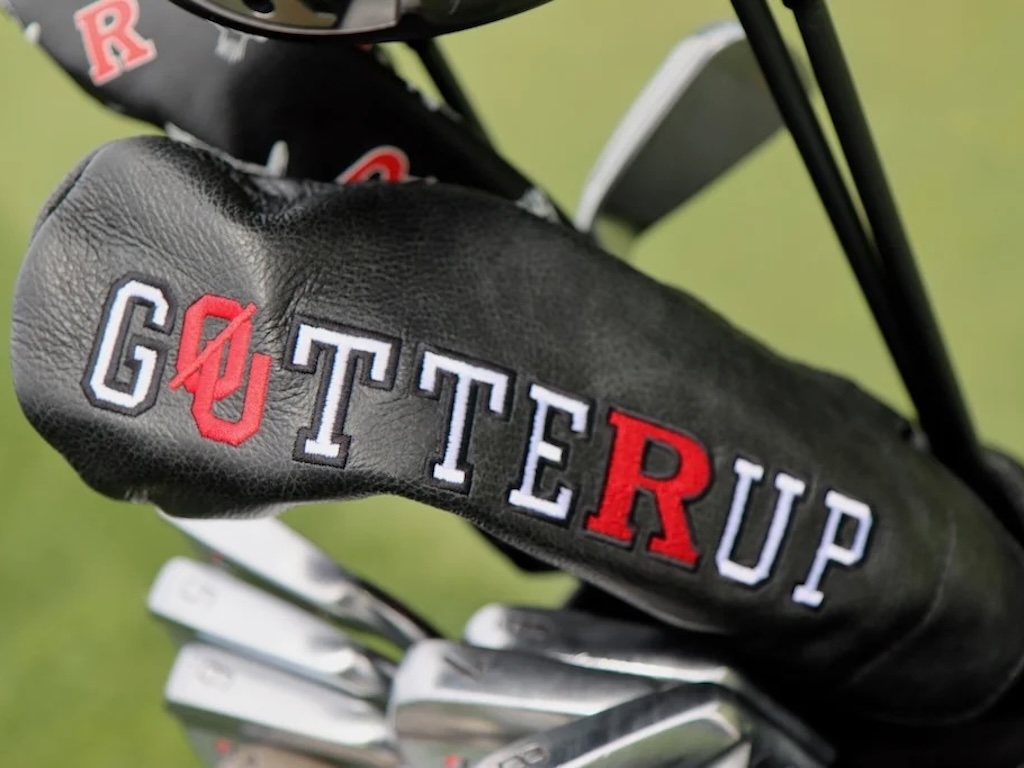
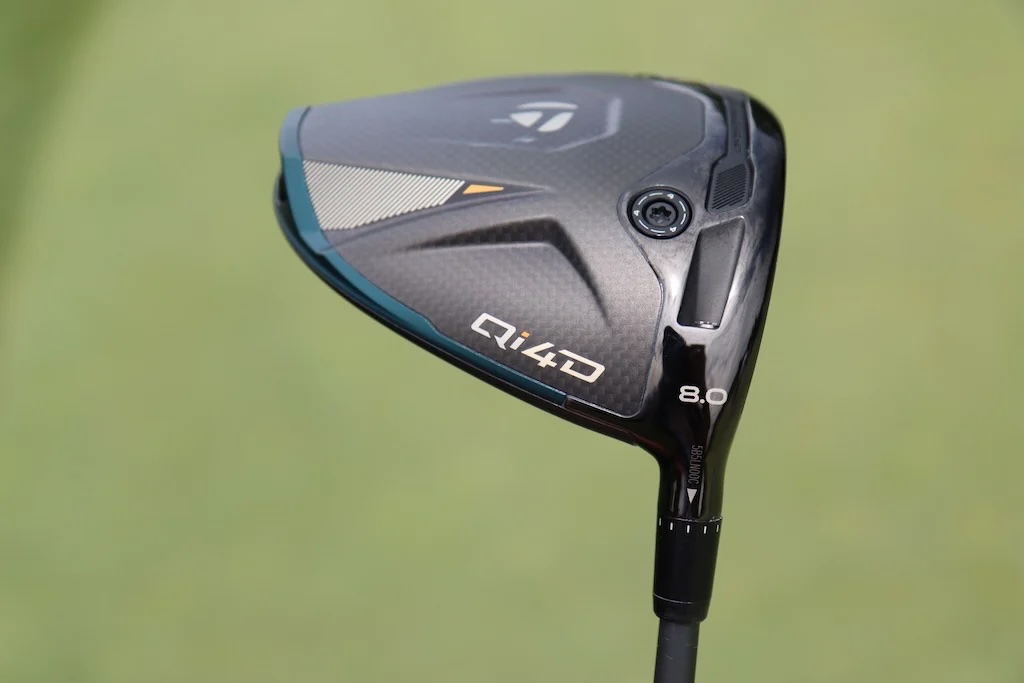
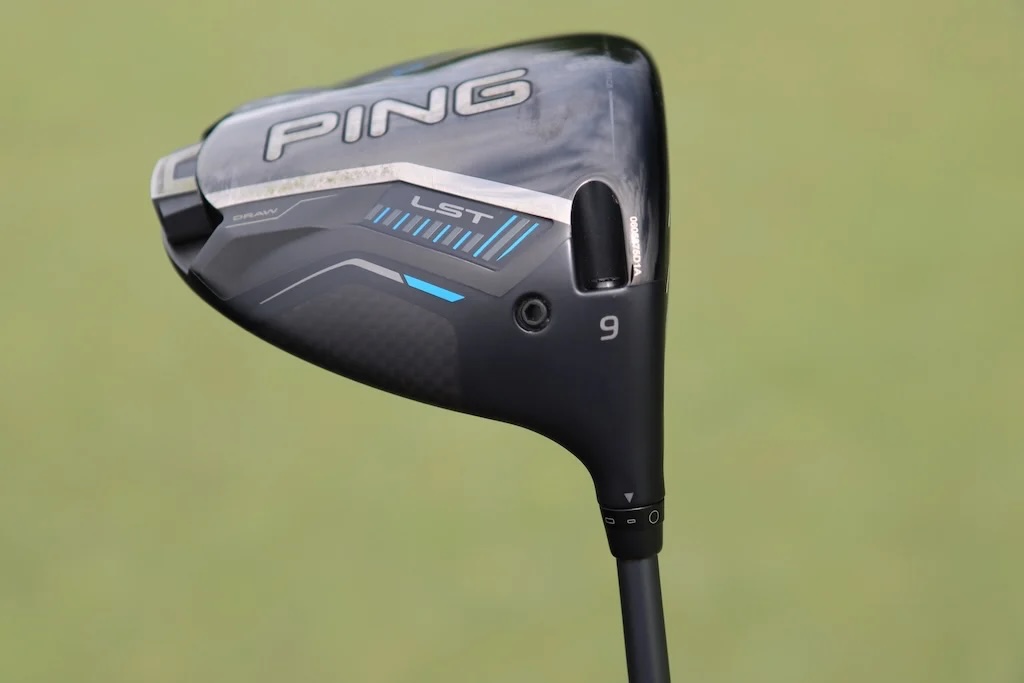
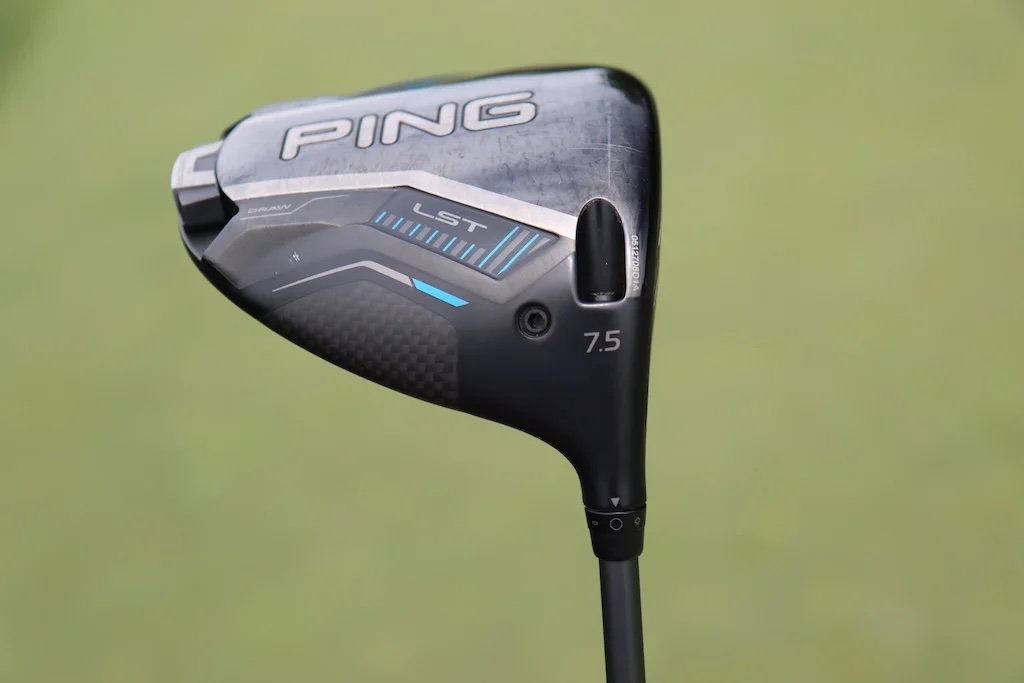
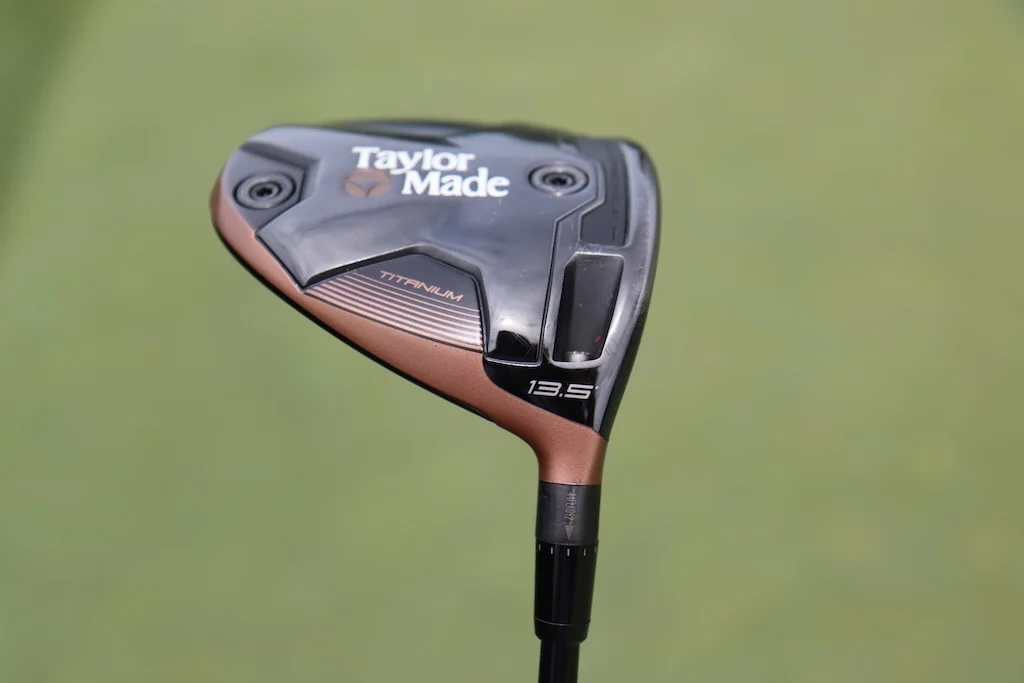
- Chris Gotterup had >14 clubs in his bag when photographed prior to the Memorial Tournament.
Drivers: TaylorMade Qi4D (8 degrees), Ping G440 LST (9 degrees @8), Ping G440 LST (7.5 degrees)
Shafts: Project X HZRDUS Smoke Grey 6.5 TX 70 g, Project X HZRDUS T1100 Handcrafted 6.5 TX 70 g, Project X HZRDUS Smoke Grey 6.5 TX 70 g
Mini driver: TaylorMade BRNR (13.5 degrees)
Shaft: Project X HZRDUS Black TX 80 g
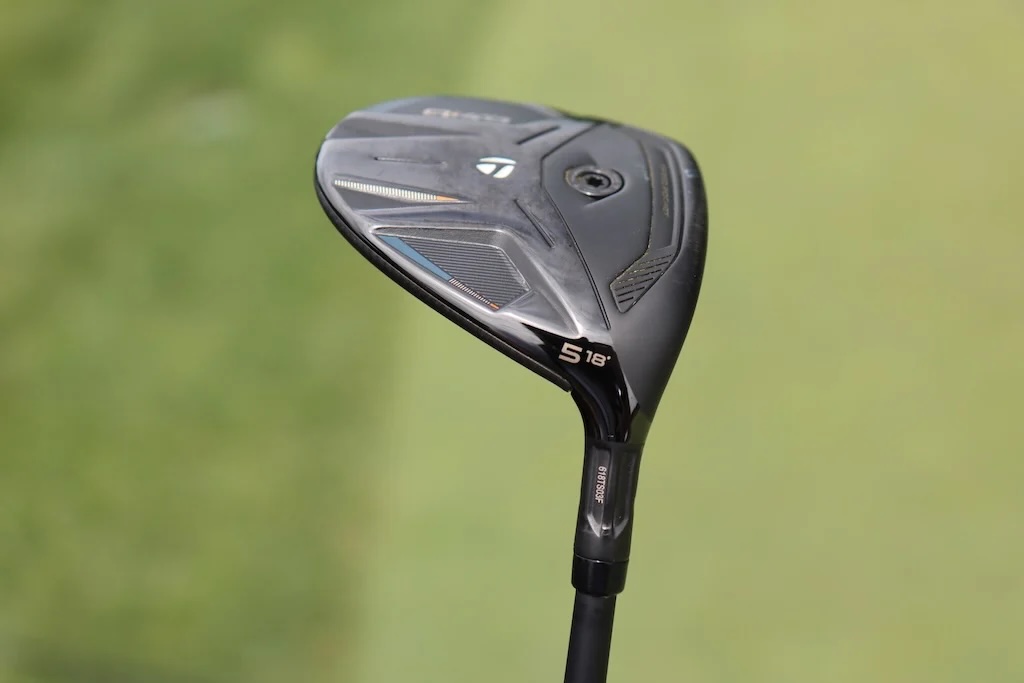
5-wood: TaylorMade Qi4D (18 degrees)
Shaft: Mitsubishi Chemical Diamana WB Wood Shaft 83 TX
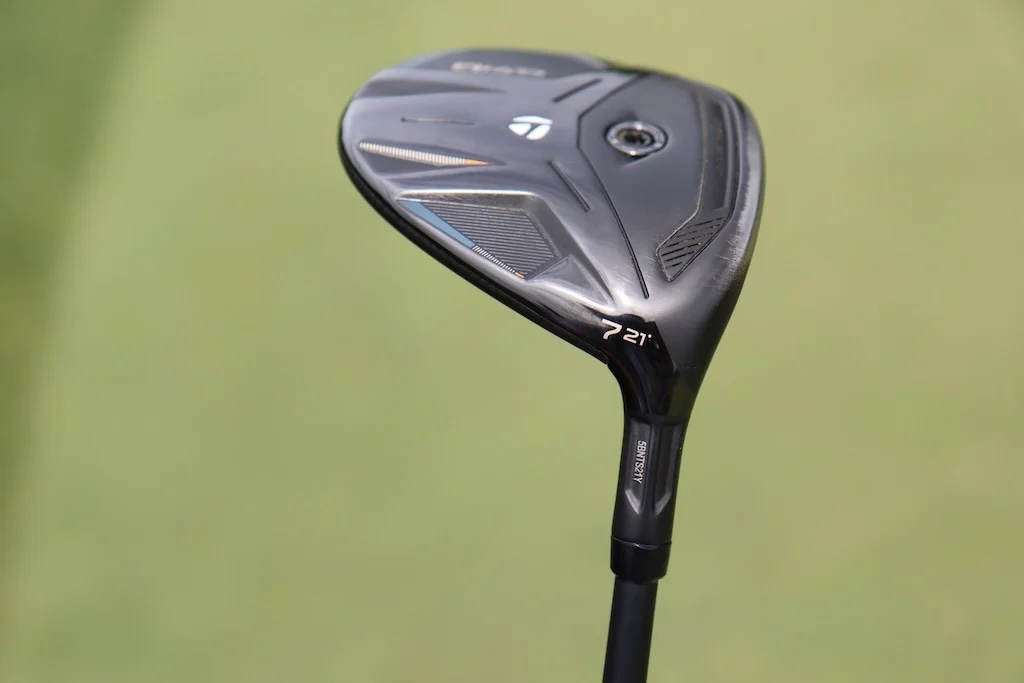
7-wood: TaylorMade Qi4D (21 degrees)
Shaft: Mitsubishi Diamana WB Wood Shaft 83 TX
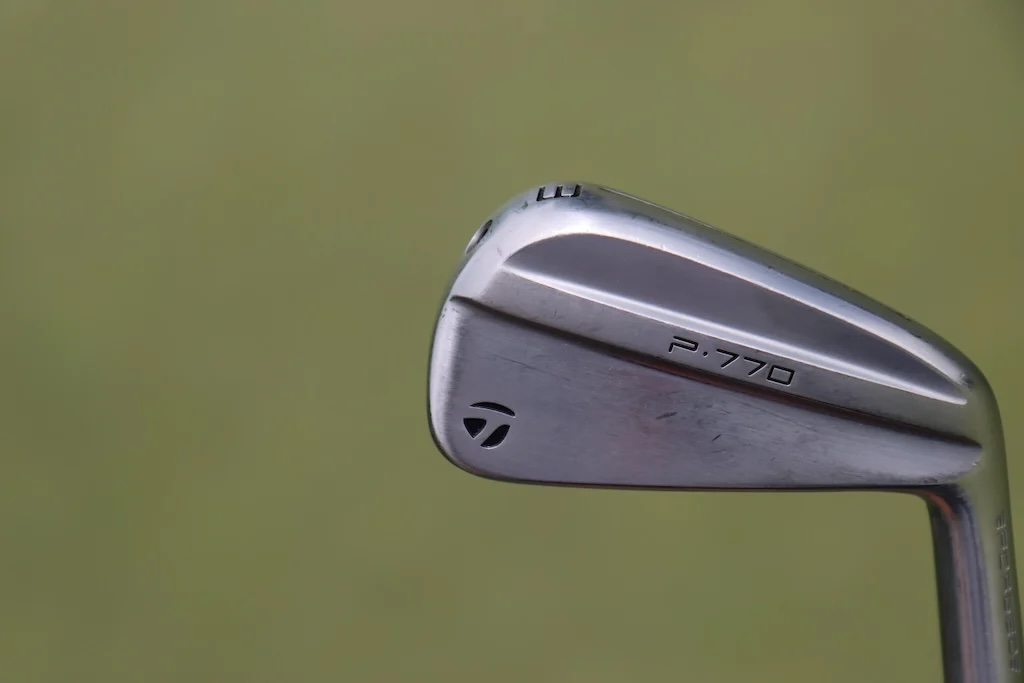
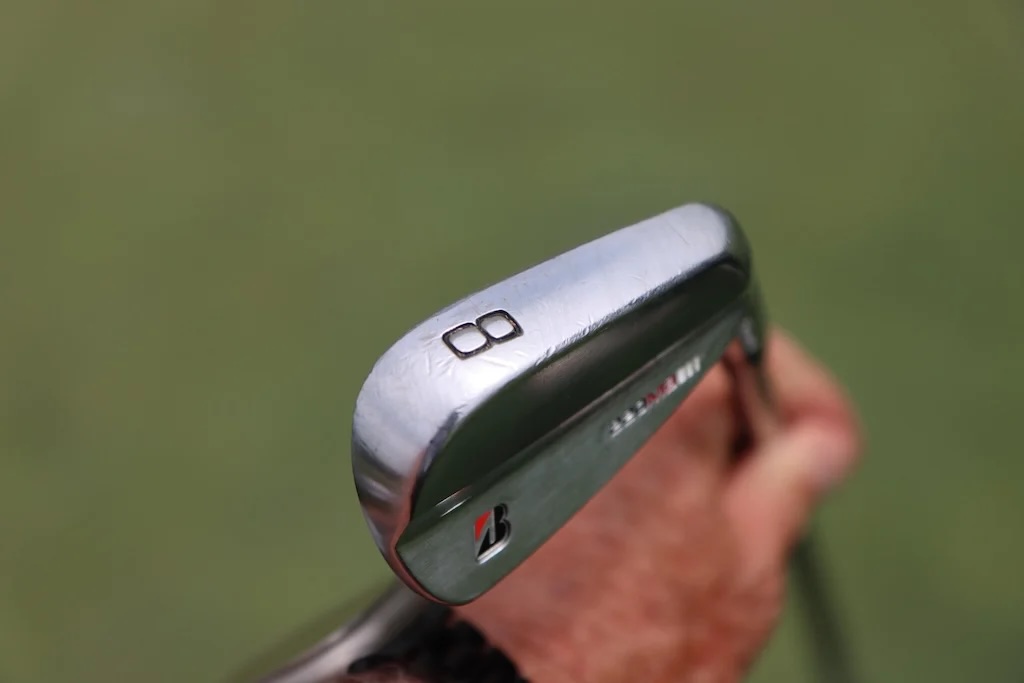
Irons: TaylorMade P770 (3), Bridgestone Tour B 220 MB (4-9)
Shafts: KBS C-Taper 130 X
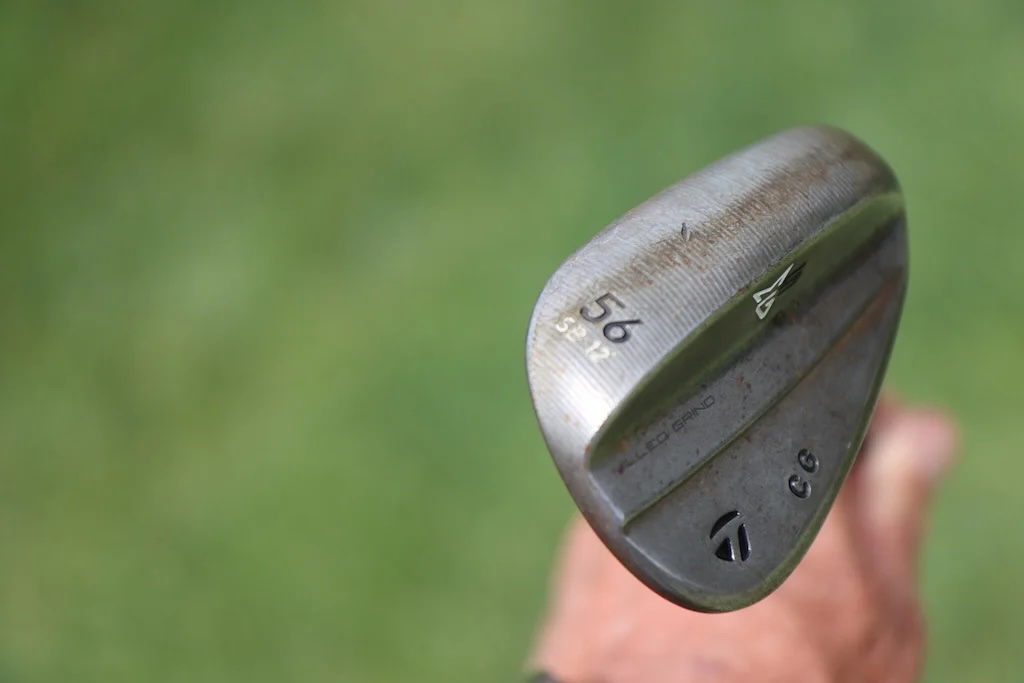
Wedges: TaylorMade MG5 (46, 52, 56, 60)
Shafts: KBS C-Taper 130 X, True Temper Dynamic Gold Tour Issue X100
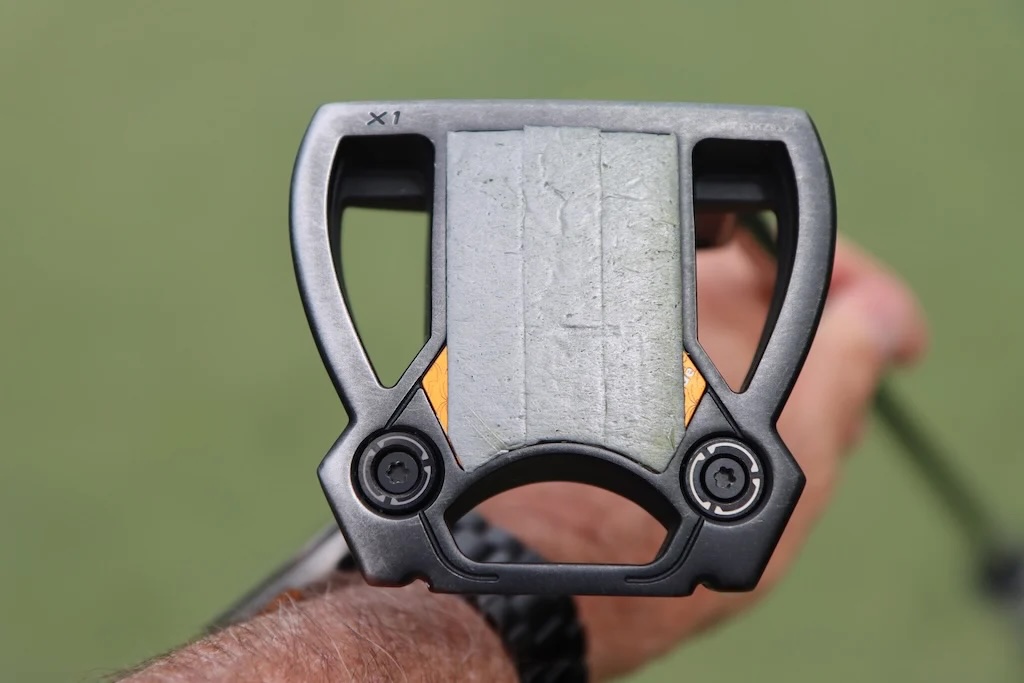
Putter: TaylorMade Spider X Tour
Grip: SuperStroke Zenergy Pistol 2.0
Grips: Golf Pride Z Grip Cord
Ball: Bridgestone Tour B X Mindset
Check out more in-hand photos of Chris Gotterup’s clubs here.

Justin Rose WITB 2026 (April): Full WITB breakdown with new McLaren irons

What’s the story behind Webb Simpson’s custom-stamped irons?

Cadillac Championship Tour Report: Spieth’s sizable changes, McLaren Golf launches, and more

Kristoffer Reitan’s winning WITB: 2026 Truist Championship

Russell Henley’s winning WITB: 2026 Charles Schwab Challenge

Cameron Young’s winning WITB: 2026 Cadillac Championship

Aaron Rai’s winning WITB: 2026 PGA Championship

Nelly Korda WITB 2026 (April)

Justin Rose on the switch to McLaren Golf, learnings from previous equipment moves

Photos from the 2026 CJ Cup Byron Nelson

Chris Gotterup WITB 2026 (June)
Chris Gotterup had >14 clubs in his bag when photographed prior to the Memorial Tournament. Drivers: TaylorMade Qi4D (8 degrees), Ping...

Jason Day WITB 2026 (June)
Jason Day had >14 clubs in his bag when photographed prior to the Memorial Tournament. Driver: Ping G430 LST (10.5 degrees...

Nastasia Nadaud WITB 2026 (June)
Driver: Titleist TSR4 (9 Degrees) Shaft: Project X EvenFlow Riptide CB 6.0 S 3-wood: Titleist GTS2 (15 degrees) Shaft: Graphite Design Tour AD DI...

Keith Mitchell WITB 2026 (June)
Driver: TaylorMade Qi4D LS Shaft: Project X Titan Yellow 6 X 3-wood: TaylorMade Qi10 (16.5 degrees) Shaft: Mitsubishi Tensei 1K Blue 90...
-
 News3 days ago
Russell Henley’s winning WITB: 2026 Charles Schwab Challenge
-
 Whats in the Bag2 weeks ago
Aaron Rai’s winning WITB: 2026 PGA Championship
-
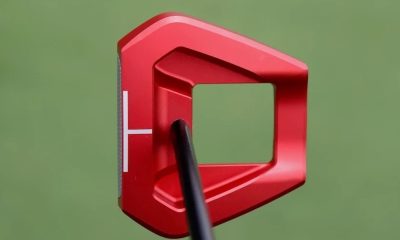 Tour Photo Galleries2 weeks ago
Photos from the 2026 CJ Cup Byron Nelson
-

 Equipment2 weeks ago
CJ Cup Byron Nelson Tour Report: Koepka and Kim’s newest putters finally get hot
-
Equipment10 hours ago
Details on Jason Day’s latest prototype Avoda iron setup
-
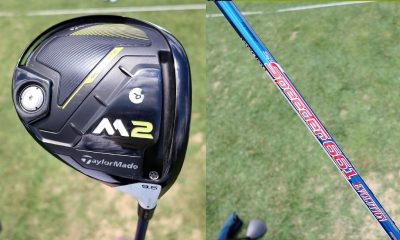
 News6 days ago
Charles Schwab Challenge Tour Report: MacIntyre, Åberg and Spaun all switch putters, TaylorMade launches new Spider
-
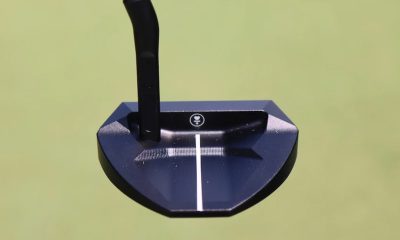
 Equipment1 week ago
Details on J.J. Spaun’s surprise putter switch
-
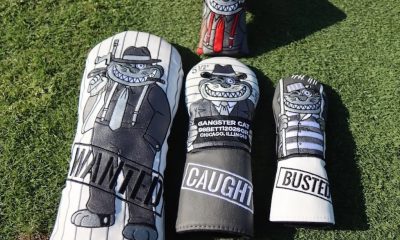
 Popular Photo Galleries1 week ago
Photos from the 2026 Charles Schwab Challenge


A. Commoner
May 24, 2020 at 4:55 pm
Excellent article. Spurs thought so often repeated: “If people would only realize.”
Tom Duckworth
May 23, 2020 at 1:41 pm
I will change my own grips and ad length to my irons but I stop there. It would be fun to build my own clubs one day but the cost saving is not enough. Buying a set of forged iron heads on eBay is just as expensive as a complete set of irons. I’m happy if I can have a good conversation and fitting and get the information I need to find a set that fits me. I mostly buy used because getting clubs a few years old is a major cost savings and the technology just doesn’t change that dramatically.
I would be happy to support someone working out of their home but I have never found any locally. I admire the investment it takes to do it right.
Breiman
May 22, 2020 at 6:21 pm
I had a small shop in the 80s that did mostly custom woods and forged iron sets and some repairs. The investment into heads, shafts and grips alone was 20k in 1985 $$$$. Let alone the tools. Running a small shop is a labor of love.