
Equipment
Remembering the great club launches of 2011

Golf clubs always feel bright and shiny the moment we first lay our eyes on them, but over time thanks to the endless pursuit of “the next best thing,” we are quick to forget just how revolutionary some clubs were.
Whether it be industry-wide, or a single OEM doing something for the first time, each club and each release has a story to tell and technology to help make the game easier.
2011 was a groundbreaking year for equipment releases across the board, and these are the most memorable.
Titleist 910 Series
After years of quietly ignoring the “when will you release an adjustable driver?” question, Titleist finally launched the 910 series to incredible fanfare. It was a massive success right out of the gate especially compared to the previous 909 and 907 series. The obvious measurement of the success was how quickly almost all of their tour staff upgraded to the new products.
It wasn’t that the previous two generations weren’t great, it was that the previous 905 series drivers were still sticking around and many golfers saw little benefit to upgrading. To be fair the entire 905 line was really really good!
The 910 series changed the perception of Titleist drivers being stuck in the past, much like how the recent TS series did again in 2018. The 910 driver was so good, it took until the 917 series for Jordan Speith to finally make a permanent switch out of his old faithful.
TaylorMade R11 driver
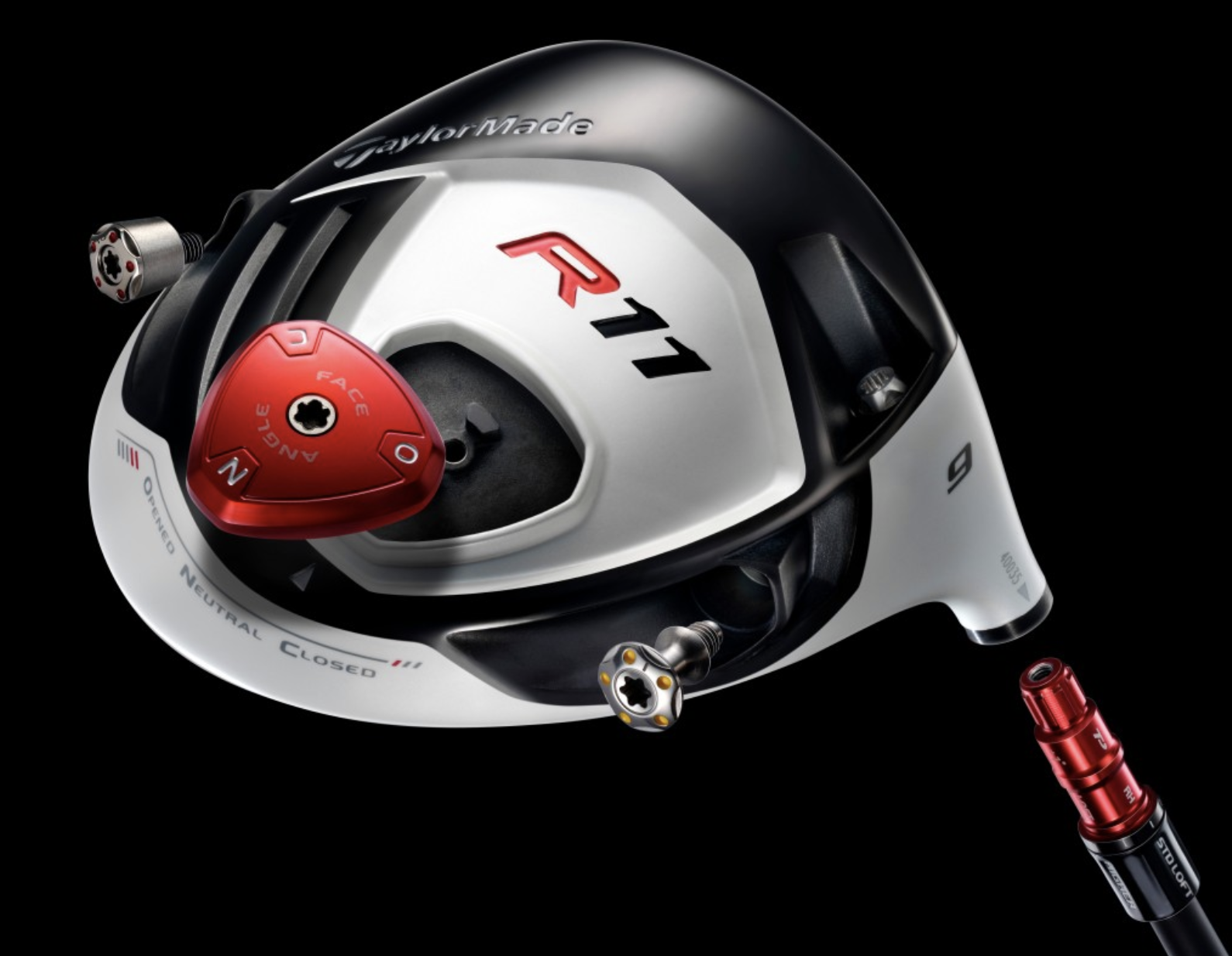
This is the driver that changed driver marketing for close to a decade, the TaylorMade R11 was completely different than any other driver on the market because it was (wait for it)…painted white, among other things.
It was such a huge leap in color, that the rumored story is TaylorMade had a contingency plan to re-launch it in black if consumers revolted. Long story short, they didn’t revolt and instead lined up to buy them!
It was touted as the world’s most adjustable driver thanks to the introduction of Adjustable Sole Plate (ASP) Technology, which allowed golfers to adjust the face angle independently of the loft.
TECH NOTE: It only changed the visual face angle when the driver was soled on the ground and had no effect on the measured loft of the club.
This technology lived on all the way up until the R1 (one loft driver) and certainly left its mark on the industry. TaylorMade even shut down Times Square in New York City so Sergio could pound drivers down 42nd Street when they debuted the club!
Nike Vr Pro irons
Nike had made blade and combo iron sets before, combo sets going back as early as 2003 (nice clubs, by the way) but the 2011 irons were a whole new ball game. The VR Pro series was the culmination of everything Nike had done up to that point including the introduction of their new groove, because of the 2010 rule change.
The VR Pro blades are a Mike Taylor masterpiece and have become the baseline for every single personal Tiger iron since. The VR Pro blades might even be more popular now then they were in 2011 thanks to Artisan Golf.
You also have the split cavity and the full cavity combo set—another treasure of the time. If you were in Japan you get even luckier because Nike did a 3-PW set consisting of just the split cavities and never released them in North America. Endo forged, extremely tight to spec, these irons still hold their own against any players iron on the market today, and they are getting close to their 10th birthday.
Ping S56 irons
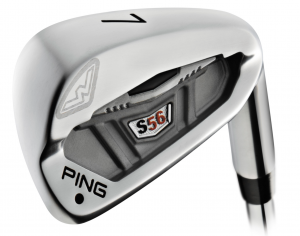
Although technically released in fall 2010, I’m calling this a 2011 product since Ping operates on a strong two-year product cycle.
The S56 did what any Ping iron does, built off the success of a popular model and made it better. The previous S57 was the first in the S series to offer a tungsten toe weight (first found in the Rapture iron) to significantly boost MOI over the S58.
The S56 took that boost in MOI, improved on feel, improved on turf interaction—and boom you have a winning formula.
Ping also launched the Tour S wedge line in 2011, and with that introduced the first Ping wedge with an oilcan finish intended to rust hit the market—something many people thought the company would never do.
Mizuno MP-63 irons
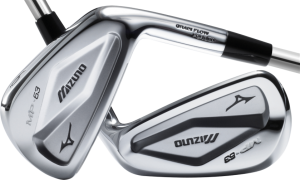
The MP-63 followed the (you may have guessed it) MP-62’s in the Mizuno irons family.
What set them apart was the departure from a rounded or straight-across cavity design in favor of a diamond muscle to place extra mass behind the sweet spot of the club and remove it from the bottom corners of the club to increase MOI without sacrificing the “Mizuno Feel”
The MP-63 was a popular design, but what it really did was lead to the introduction of the MP-64, which goes down as one of the most well-revered non-blade Mizuno irons of all time.
TaylorMade Burner 2.0 irons
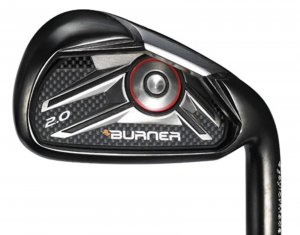
Trying to follow up one of the most successful irons launches of all time is not easy, but the Burner name was on fire heading into 2011 and TaylorMade took every step to improve on the popular Burner ’09.
The overall profile didn’t change much compared to the ’09s but what they introduced was stock flighted shafts, along with faces that got progressively thinner into the longer irons to increase ball speed and improve trajectory—it was their goal to build a full cavity set that played like a combo set.
Last but not least, a redesigned cavity and vibration dampening badge tied everything together to make the TaylorMade Burner 2.0 just that much better than its predecessor.
Adams F11 titanium fairway wood
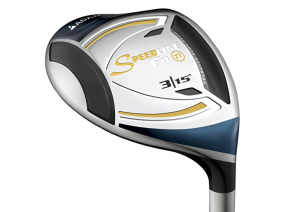
There is potential to write an entire story dedicated to the F11 series fairway woods and the shockwave they caused in the golf industry as a whole, not just for Adams. From a technology standpoint, these fairway woods (available in both steel and titanium) were a huge technology leap forward for one reason: slots behind the face to increase rebound, especially on lower face strikes.
This revolutionized club design and also caused a personal reshuffle that can still be felt to this day.
Now for the history part of the show
If we look at the industry during the period when the F11 line came out in 2011, Adams was on a very sharp rise on tour and at retail. Adams Golf had built a very strategic plan thanks to key point here…CEO Chip Brewer wanted to build on the massive success of their hybrids and start taking over other segments including fairway woods.
As mentioned, Adams was growing exponentially and taking market share from everyone, especially from the OEMs that operated in the middle of the price point curve—at the time this was mostly dominated by previous generation products from the bigger OEMs, including TaylorMade—which at the time was the juggernaut of the golf industry backed by Adidas.
In 2012, soon after the F11s came out, the “fairway wood that changed fairway woods,” the TaylorMade RBZ (RocketBallz, a name that stills makes grown men chuckle) was released—with a sole slot. It was, per TaylorMade, 17 yards longer guaranteed, and once again people lined up to buy them. TaylorMade was even giving away cash—cash! During promotions around the country: $10 for every yard you gained compared to your current fairway wood.
Although it was never officially confirmed, Adams was apparently looking to file a lawsuit against TaylorMade to protect slot technology patents they had. TaylorMade, being the largest golf company in the world at the time, and with deep deep pockets, decided to instead make Adams Golf an offer they couldn’t refuse. So in March 2012, TaylorMade bought Adams Golf and all of its technology making both the shareholders and other parties involved in the company a lot of money. It wasn’t long after TaylorMade decided that there was no point operating a cannibalizing brand and Adams died a slow death a couple of years later.
But where did that leave Adams CEO Chip Brewer?
After the TaylorMade takeover in 2012, Chip Brewer left Adams after successfully making it a major player in the golf market and took a roll with Callaway, a company that struggled for years to find a CEO to set them on track.
Chip was just the man for the job and quickly made a number of sweeping strategic changes across the company. In what could be called the most impactful decision ever made there, Harry Arnett joined Callaway from Adidas and implemented a big shift in Callaway’s marketing strategy and image over the next 7 years. In those seven years, Callaway made its way back to the number one golf company and took over the number two spot in golf balls by a fairly wide margin.
All of this might not have ever happened if it weren’t for the Adams R&D team that came up with sole slots, however. How’s that for an industry changer?
Cobra S3 Pro irons
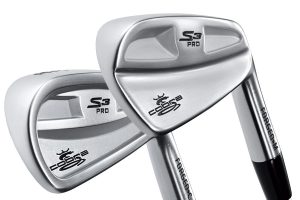
When Acushnet sold Cobra to Puma in 2010, there were some interesting clubs releases over the next couple of years as the design team settled in with their new parent company. How much the acquisition actually affected the products and release cycle I’m not sure, but what I do know is the S3 Pro irons are still to this day one of the nicest sets of clubs Cobra has ever made.
A simple combo set with almost perfect lines, a squared-off profile, and they came in satin chrome!
Although Cobra was still on its way to establishing itself as a company that could produce “players” clubs these irons certainly helped. Plus when you look back to around this time they truly had a tour staff stacked with stars including Geoff Ogilvy, JB Holmes, Camilo Villegas, and Ian Poulter.


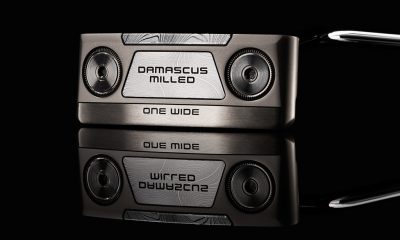






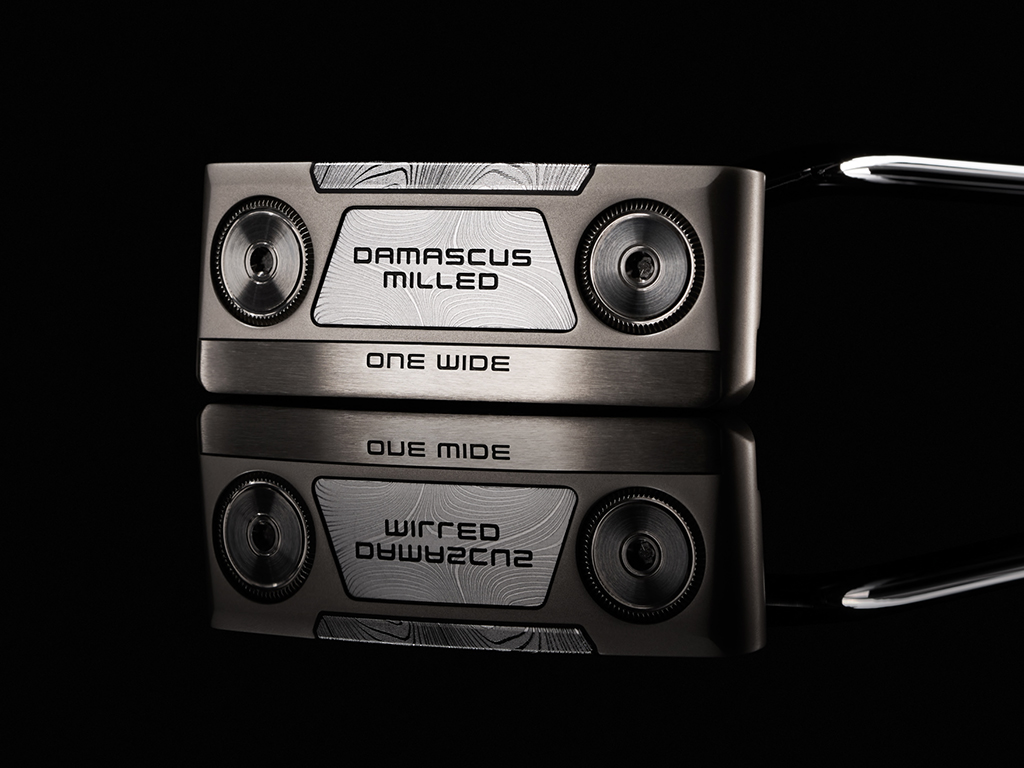
Odyssey Golf announced Tuesday that the already popular Damascus Milled putter lineup is getting more options.
Initially launched back in April, only in a Damascus Milled #7 head (in plumbers or double bend configurations), the family grows to four with a One Wide, Two and Rossie S shape, all available in the second limited-edition drop at retail on June 6th.
“Damascus Steel is a beautiful material, and the patterns tell the story, because every one is different” said Odyssey General Manager, Jacob Davidson. “But what stands out is that as beautiful as these putters are, the feedback from Tour has been the exceptional feel of these putters. We wanted to deliver the most premium performance-driven putter we’ve ever done at Odyssey. When you look at this product, we have so much confidence because there is not one thing we’d do different. On this one we really took our time over the last couple years to try to perfect the design.”
Created from a layered construction of multiple steel alloys, this Damascus Steel insert is forged, folded and pressed to create a unique, striking pattern in every piece. Think of it like a fingerprint. Each Damascus construction comes with its own 1-of-1 style pattern. No offerings will ever look the same.
The layered structure, combined with a specialized heat treatment, delivers a finely tuned, highly responsive feel different from other insert materials. The Damascus steel is audibly different compared to other inserts, potentially with slightly more feedback. Odyssey also uses AI-designed back contours to maintain consistent ball speed across the face, blending traditional craftsmanship with modern tech.
Each head in the line is precision-milled from stainless steel and features a blasted silver finish to complement the Damascus insert and sole plates.
With Tour feedback, Odyssey has also developed, in collaboration with Golf Pride, a grip featuring meticulously crafted edges, pistol shaping and a classic modern tour feel.


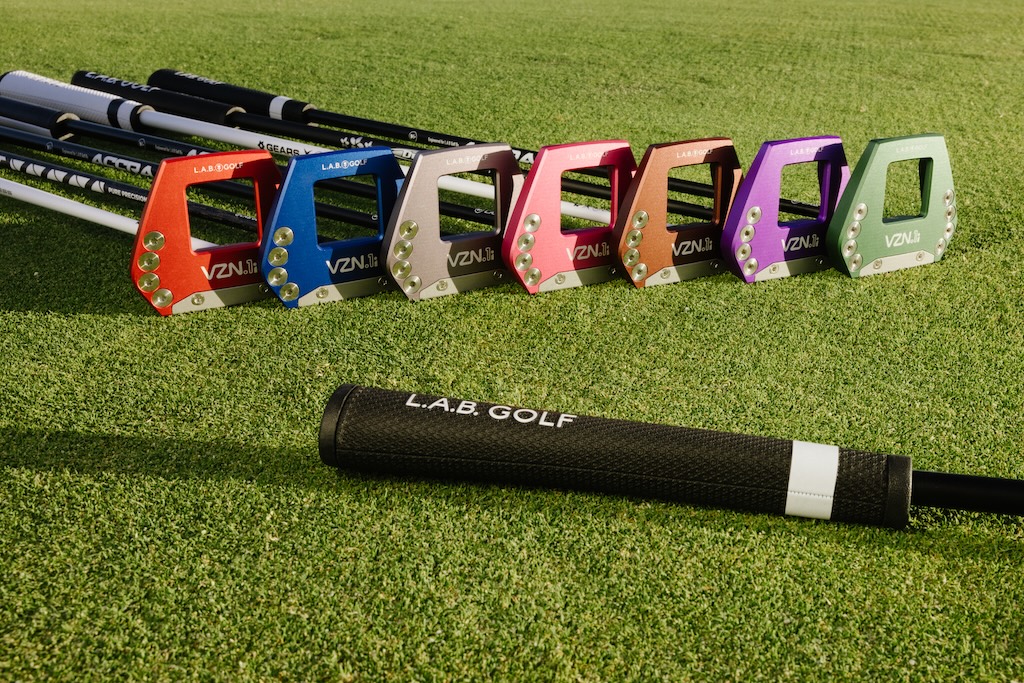
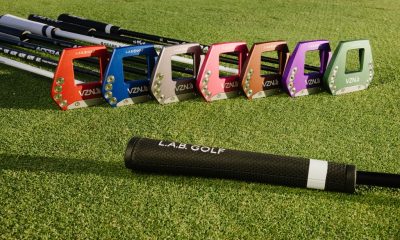
L.A.B. Golf has been the pioneer when it comes to Lie Angle Balanced putters for years now. When you talk to another golfer and zero torque putters comes up, as it will since it is the hottest thing in golf, the first brand out of their mouthes is L.A.B. Golf. Currently their putter line up has something for every golfer, wether your like blades or mallets. But the company has a new creation for golfers that we saw out on tour just a few weeks ago and is now available to us, the VZN.1i putter.

One of the big stories with the new VZN.1i putter is alignment in the form of the shape. L.A.B. has always given us plenty of alignment options in their putters with different line formations and shapes that can be laser etched onto the top of the putter. With this new design they used the shape of the head and the open cavity in the middle to help enhance the alignment for players. These shapes help players lock into their intended line to improve accuracy and concistency.
“VZN.1i was approached formulaically by combining everything we’ve learned from the success of previous L.A.B. Golf models into a familiar mallet shape that’s easy on the eyes and even easier to putt with,” said Cameron Day, Senior Vice President of Product at L.A.B. Golf. “Every L.A.B. putter is engineered to roll the ball on its intended line through Lie Angle Balance technology. With VZN.1i, we took things a step further by simplifying another critical aspect of putting: alignment.”

Like most of the other L.A.B. mallet putters the VZN.1i is machined from a solid block of aluminum and features a 303 stainless steel face insert. Steel face inserts on all L.A.B. putters not only enhance the sound and feel but they improve ball speed for better distance control. The new shaping also offers two ways of picking up your ball, using the sole or the rear flange can scoop up the ball. The company is offering the VZN.1i with a 1.5 degree forward shaft lean or a vertical shaft option in order to fit more golfers. Each VZN.1i is hand balanced and 10 other stages before it is complete and ready to ship. L.A.B. has its custom program where the golfer can select their length and lie but also head color, shaft upgrades, and grips to make their VZN.1i fit them perfectly.

The VZN.1i is available now starting at $499 for stock models and $599 for custom.

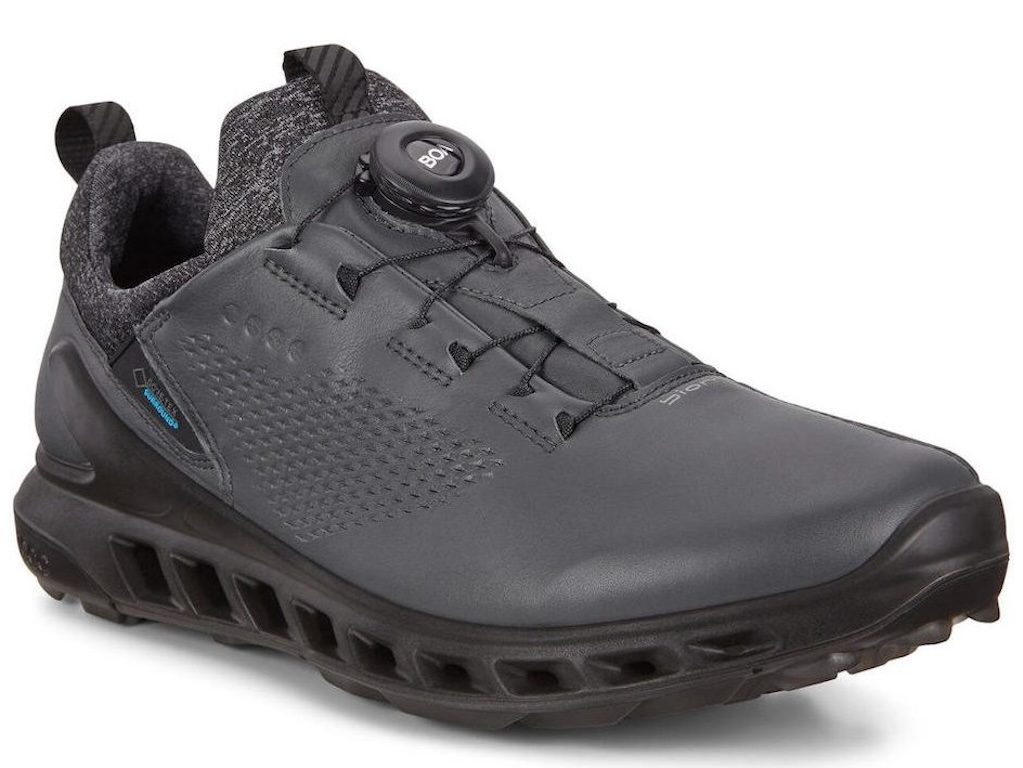
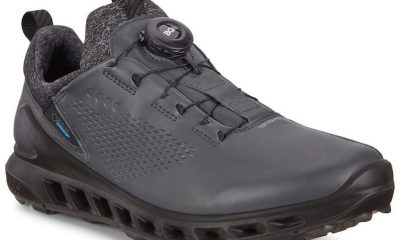
In our forums, one user has asked a question sure to interest all sorts of golfers. What’s the most comfortable walking shoe of 2026?
@RobDMB posed the following question:
“Looking for suggestions/recommendations on the currently available most comfortable walking shoes – preferably waterproof. Essentially looking for something comfortable like a running shoe, but with some stability and waterproof for golf. Decent room in toe box as well. Any recommendations are appreciated. Thanks!”
Our members in the forum have been sharing their own recommendations on the best walking shoes that can also survive a number of golf rounds. Here are a few posts from the thread, but make sure to check out the entire discussion and have your say at the link below.
- SheriffBooth: “To check all your boxes I’d vote for whichever of the current Nike lineup fits your feet the best. Obviously the Victory Pro 4 and Victory Tour 4 are good enough for the two best players in the world, but the new Pegasus, Next% Tour 3, and Tempo all look really good too.”
- i*windows: “when I had issues with my feet I played in Asics running shoes they were a little bit like the hoka’s above, very comfortable, now I’m back to Ecco shoes which are great.”
- mshills: “Everyone’s feet are different so this will be a long list of lots of different shoes. For me, anything from Ecco’s Biom lineup. Nothing else comes close.”
Entire Thread: “2026 Edition: Most Comfortable Walking Shoe?”
If you aren’t a member, join us in the GolfWRX forums today!

Justin Rose WITB 2026 (April): Full WITB breakdown with new McLaren irons

What’s the story behind Webb Simpson’s custom-stamped irons?

Cadillac Championship Tour Report: Spieth’s sizable changes, McLaren Golf launches, and more

Kristoffer Reitan’s winning WITB: 2026 Truist Championship

Russell Henley’s winning WITB: 2026 Charles Schwab Challenge

Cameron Young’s winning WITB: 2026 Cadillac Championship

Aaron Rai’s winning WITB: 2026 PGA Championship

Nelly Korda WITB 2026 (April)

Justin Rose on the switch to McLaren Golf, learnings from previous equipment moves

Photos from the 2026 CJ Cup Byron Nelson

Nastasia Nadaud WITB 2026 (June)
Driver: Titleist TSR4 (9 Degrees) Shaft: Project X EvenFlow Riptide CB 6.0 S 3-wood: Titleist GTS2 (15 degrees) Shaft: Graphite Design Tour AD DI...

Keith Mitchell WITB 2026 (June)
Driver: TaylorMade Qi4D LS Shaft: Project X Titan Yellow 6 X 3-wood: TaylorMade Qi10 (16.5 degrees) Shaft: Mitsubishi Tensei 1K Blue 90...

Matt Kuchar WITB 2026 (June)
Driver: Titleist GTS3 (9 degrees) Shaft: Fujikura Ventus TR Blue 6 X 3-wood: Callaway Quantum Max HL (16.5 degrees) Shaft:...


Maria Torres WITB 2026 (June)
Driver: Ping G440 LST (9 degrees) Shaft: Accra TourZ Green 5-M4 3-wood: Ping G440 Max (15 degrees) Shaft: Accra TourZ Green 6-M4 5-wood: Ping G440...
-
 News2 days ago
Russell Henley’s winning WITB: 2026 Charles Schwab Challenge
-
 Whats in the Bag2 weeks ago
Aaron Rai’s winning WITB: 2026 PGA Championship
-
 Tour Photo Galleries2 weeks ago
Photos from the 2026 CJ Cup Byron Nelson
-

 Equipment2 weeks ago
CJ Cup Byron Nelson Tour Report: Koepka and Kim’s newest putters finally get hot
-
 News5 days ago
Charles Schwab Challenge Tour Report: MacIntyre, Åberg and Spaun all switch putters, TaylorMade launches new Spider
-
 Equipment6 days ago
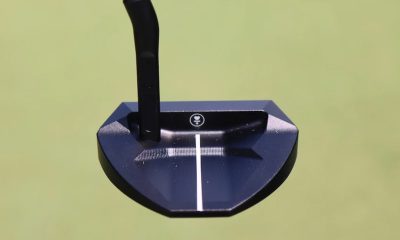
Details on J.J. Spaun’s surprise putter switch
-
 Equipment3 weeks ago
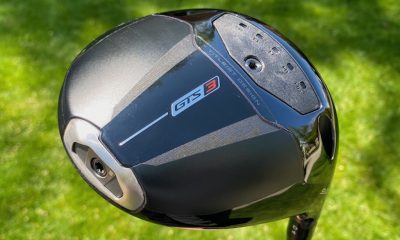
GolfWRX Launch Report: 2026 Titleist GTS drivers
-
 Popular Photo Galleries1 week ago
Photos from the 2026 Charles Schwab Challenge


Spazo
Aug 28, 2020 at 12:00 am
Taylormade was already in diligence to buy Adams when the patents published. The idea that TM picked up Adams to avoid patent liability is a farce.
-former tm lawyer
Ace Underhill
Apr 24, 2020 at 12:32 pm
How do you not have the Bridgestone J40 DPC on this list?!
Pelling
Apr 24, 2020 at 10:36 am
Cobra S3 Pro look like Taylormade RAC TP…
Boyo
Apr 24, 2020 at 10:30 am
From the headline I thought they were talking whirlybirds.
makaveli
Apr 24, 2020 at 10:22 am
MP-63’s getting some love finally. They have been in the bag since 2012 and that’s only because I sold my S-56’s! The PXG 0211’s will be taking over for the MP-63 this summer but no doubt those were great irons from Mizuno and Ping.
Kieran
Apr 24, 2020 at 9:52 am
Still play the R11 with an Oban devotion shaft. Haven’t found anything in 9 years to knock it out of the bag
dlygrisse
Apr 24, 2020 at 9:45 am
The 910 line is one of my favorite of all time.
Thomas A
Apr 24, 2020 at 9:38 am
Great history article, keep them coming to fill the void!
Martin
Apr 24, 2020 at 6:12 am
Nonsense. Jordan Spieth used the 915 driver and refused to upgrade to the 917 so your article is flawed
jgpl001
Apr 24, 2020 at 4:43 am
910D was and still is a great driver
I really liked those Cobra irons too
AndyfromNC
Apr 23, 2020 at 10:21 pm
That r11 was one of my fav drivers of all time. Wish I’d kept it. First time I was fitted. Thing was stupid long for me.
Chuck Slothower
Apr 23, 2020 at 8:04 pm
I still have an Adams F11 3-wood in my bag. The first and probably last 3-wood I’ll ever buy. Love that club! Launches high and hot, super forgiving. Bury me with blue steel.
Brandon
Apr 23, 2020 at 4:53 pm
No love for the Callaway Razr X forged, eh? Still have a combo set of those that I go back to once in a while.
Mark
Apr 23, 2020 at 12:14 pm
Thanks Ryan for this flashback. I loved and still have my MP-63 set. I used them for years….it took the MP-18’s to finally retire them.
Chris
Apr 23, 2020 at 2:42 pm
Those were the first set of Mizuno’s I ever tried and I’ll have a hard time playing anything but Mizzy’s in the future