
Opinion & Analysis
Part 3: Facts about shafts, and what they do

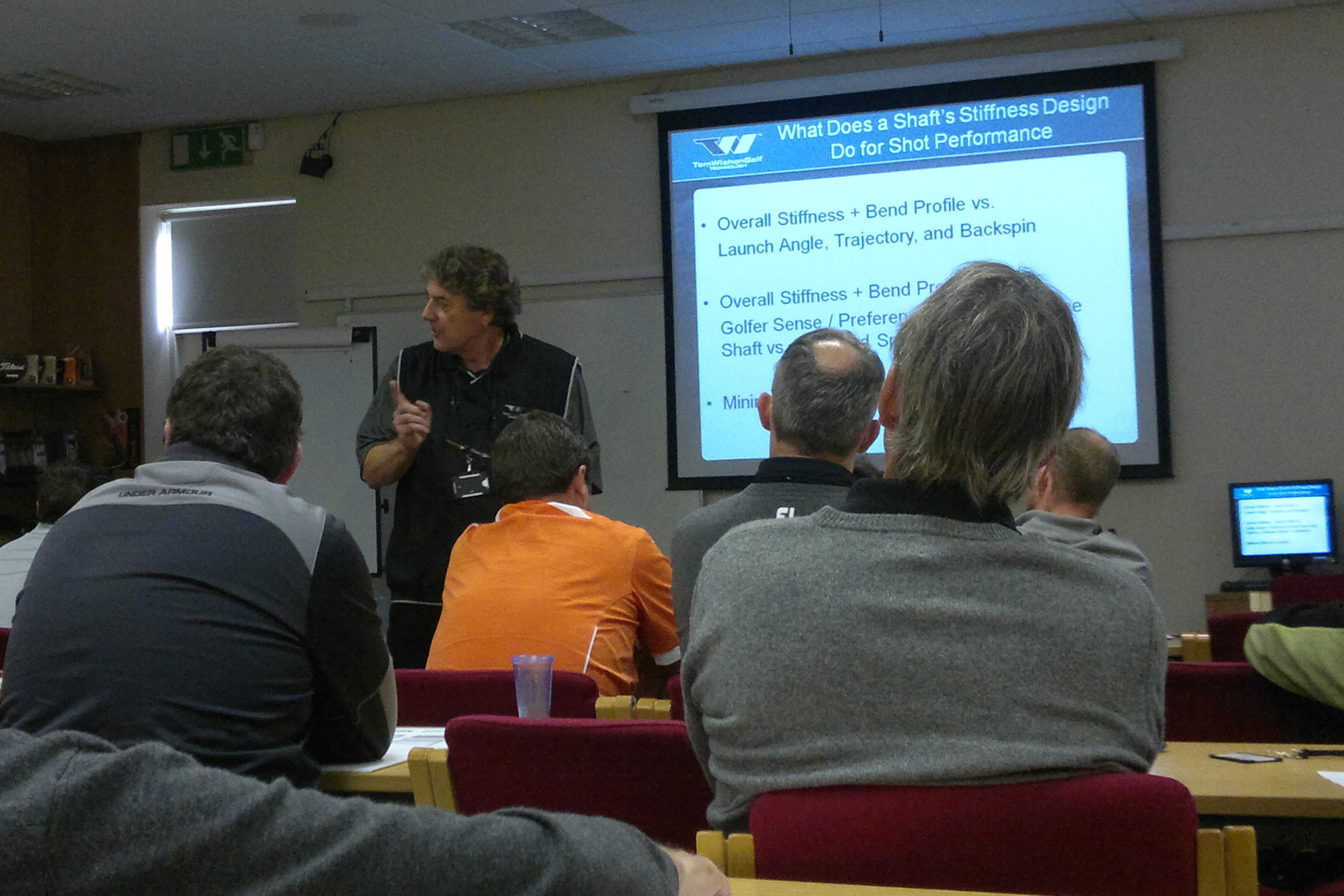
There is no question the shaft is the least understood of all the components of a golf club.
The first reason is because most golfers simply do not know what the shaft can and cannot do to influence the outcome of a shot. Second, many golfers think that the shaft does what it does for every golfer who uses that shaft. It is very common for a golfer to switch shafts, see a visible change in ball flight, and attribute all of the shot change they see to the shaft. In reality, there are other fitting parameters in the club that underwent a significant change when the new shaft was installed, which may or may not be the reason for the change in ball flight.
In Part 1 and Part 2 of my series on shafts, you have learned how it is possible to measure and express a shaft’s flex and bend profile design in quantitative terms. The graphs and stiffness measurement data take flex and bend profile comparison and selection to the same level of quantitative measurement as all the other specs of the golf club which are measured in degrees, grams and inches.
But in the end, even with the ability to empirically compare shaft flex and bend profile, there are still questions:
- How does the shaft contribute to ball flight?
- For who does it contribute?
- How much does it contribute?
- How does it actually contribute?
I’ve spent decades in my career doing this study and I strongly believe that we do know the answers to these often confusing questions about the performance of the shaft.
The shaft can have an effect on launch angle, trajectory and spin rate. How much of an effect the shaft has on these shot parameters depends on the lateness of a golfer’s release, their clubhead speed and how aggressive their downswing tempo is. In addition, how much the shaft can change launch angle, trajectory and spin for golfers who do have the swing characteristics to make the shaft perform depends completely on the overall stiffness and bend profile of the new shaft versus the golfer’s previous shaft.
For those of you who have read some of my articles and posts on shafts, you have heard this part before. The shaft’s effect on launch angle, trajectory and backspin only become visible as the golfer’s release occurs later and later in the downswing. In addition, the shaft’s effect on trajectory and spin progresses more and more as the golfer’s clubhead speed and downswing aggressiveness/force increases.
Golfers who unhinge the wrist cock early to midway in the downswing do NOT experience a difference in launch angle, trajectory or backspin from shafts of different flex and different bend profile. They do experience a difference in how solid or boardy the impact with the ball is. But as the release gets to midway on the downswing, and progressively a little later and later beyond midway in the downswing, the shaft begins to have a little more and more effect on launch angle, trajectory and spin.
The reason the shaft can have an effect on launch angle, trajectory and spin for later release players is because of the way the timing of the bending of the shaft can affect the dynamic loft of the clubhead at impact. When the golfer begins to unhinge their wrist cock angle on the downswing, the golfer’s hands/arms begin to slow down while the club accelerates.
Yes, for EVERY golfer, once he or she unhinges the wrist cock angle, their arms slow down. Because the hands are holding the club while the arms are slowing down, the acceleration of the club begins to push the shaft against the resistance of the slowing arms/hands into a forward bend position.
The later the golfer’s release, the more the forward bending of the shaft can arrive at impact in that forward bend position. For a midway release, the shaft only has a slight amount of forward bend by the time the clubhead gets to the ball. For an early to midway release, the forward bending of the shaft happens too soon, so that by the time the clubhead gets to the ball, the shaft has rebounded back to straight, thus not changing the dynamic loft of the clubhead at impact.
It is important to understand that two golfers can have the same launch angle, but have totally different trajectories and backspin amounts from each other. If two golfers with different clubhead speeds have the same swing path, same angle of attack and same hand position at impact, the launch angle will be the same but the trajectory and spin rates will differ. The higher the clubhead speed of the golfer, the higher the trajectory and spin will be for any given launch angle.
How much can the shaft affect the launch angle and spin rate for those golfers who do have a later to very late release?
Two things control this. First, when a golfer uses a different shaft than he has been playing, the only way the shaft can change the launch angle and spin is if the new shaft is different in its overall stiffness design than the old shaft. Second, how much the shaft can affect launch angle and spin also depends on how flexible or stiff the shaft is in relation to the golfer’s clubhead speed, transition and tempo force and point of release.
First, I see TONS of posts and questions in the GolfWRX forums that say something like:
“I need a recommendation for a good low-launching (or high-launching), low-spin shaft.”
Such a question is asked as if the golfer thinks that a shaft will demonstrate the same effect on launch angle and spin for every golfer who uses it.
While the shaft companies like to say their shafts are designed to have certain launch and spin characteristics, the truth is that a shaft can only offer a low or higher launch/spin if it is stiffer or more flexible THAN WHAT THE GOLFER USED BEFORE.
In other words, what is a low-launch and low-spin shaft for Golfer A can be a high-launch and high-spin shaft for Golfer B, and vice versa. FOR THE SAME SHAFT, the golfer with the higher clubhead speed, later release and more upward angle of attack is going to hit shots with a higher launch, higher trajectory and higher spin than will the golfer with a lower clubhead speed, earlier release and more downward angle of attack.
So, for golfers who are looking for a low-launch, low-spinning shaft, the only way you can find that is to:
- Know precisely what the overall stiffness and bend profile stiffness design is of the shaft you now play, and…
- Know the overall stiffness and bend profile stiffness design of all other shafts so you can pick one that is stiffer overall and/or has a more stiff tip section design.
Shafts are dumb animals. They only do what their owner’s swing forces them to do.
Second, if a late-release golfer were to play with a soft L-Flex shaft one day and a stiff X-Flex the next, without question the difference in launch angle, trajectory and spin would be very significant. But common sense says this isn’t going to happen because each golfer should play a shaft that has its overall stiffness and bend profile properly matched to the golfer’s unique combination of clubhead speed, transition/tempo force and point of wrist cock release.
Sure, some of us prefer to play a shaft that feels stiffer. Some of us like to play a shaft that feels a little more flexible. If a golfer has a preferred sense of bending feel for a shaft, without question, regardless of their clubhead speed, transition/tempo and point of release, their best shaft has to satisfy that bending feel preference or their swing tempo/timing/rhythm/release gets screwed up and becomes inconsistent.
But within shafts that reasonably fit a golfer’s clubhead speed, transition/tempo and point of release, typically the maximum difference seen in launch angle from different shaft options is in the area of 2.5-to-3 degrees. As far as spin difference, that depends on the clubhead speed of the golfer. A shaft that launches the ball 2-degrees higher for a golfer with an 80 mph clubhead speed would typically increase spin by 350-to-400 rpm, while a shaft that launches the ball 2-degrees higher for a golfer with a 100 mph clubhead speed would typically increase spin by 500-to-600 rpm – that is, of course, given the same clubhead and same other assembly specs of the club.
So the bottom line is this: shafts can bring about changes in launch angle, trajectory and spin, but only for golfers with a later-to-late release, and only to the extent that their overall stiffness and bend profile are different from the shaft the golfer previously played.
If the golfer has developed a preferred sense of bending feel for the shaft, playing a shaft that satisfies that preferred bending feel will enable the golfer to achieve their highest clubhead speed. However, for such a golfer, playing a shaft that does NOT perfectly match their preferred bending feel will bring about a lower clubhead speed, worse accuracy and more off-center hits.
Here’s a statement about shafts that I have heard a few times in my career:
“Different shaft designs can be designed with a higher tip velocity to allow the golfer to achieve a higher clubhead speed.”
That’s not correct. As I said before, shafts are dumb animals. They ONLY do what the swing characteristics of their owners cause them to do. Whenever a golfer uses a shaft that has its weight, overall stiffness and bend profile well matched to the golfer’s clubhead speed, transition/tempo, point of release AND preference for bending feel, that’s when the golfer will achieve their highest clubhead speed. But this is only if the specs of length, loft, face angle, total weight, swing weight, and grip size are correctly fit to the golfer as well.
Give that same shaft to a different golfer with the same clubhead speed but a different combination of transition/tempo, point of release and preference for bending feel and that same shaft will result in a lower clubhead speed with far worse performance for that golfer BECAUSE THE SHAFT DOES NOT FIT THE SWING CHARACTERISTICS OF THE OTHER GOLFER.
A shaft can only exhibit a high level of “tip velocity” for the golfers whose clubhead speed, transition/tempo, point of release AND preference for bending feel is perfectly matched to the weight, overall stiffness and bend profile of the shaft.
Conclusion
The flex (overall stiffness) and bend profile (distribution of stiffness over the length of the shaft) are without question an important performance element of the golf club – but only to golfers whose point of release is later in the downswing. In addition, the flex and bend profile of the shaft becomes more of a performance element in the shot as the golfer’s clubhead speed gets higher and their transition and tempo gets more aggressive.
So for golfers with an early-to-midway release with a slower swing speed and with a less forceful and aggressive transition and tempo, the shaft’s flex and bend profile will not affect launch angle, trajectory and backspin and become chiefly a contributor to the impact feel of the shot coming off the clubhead.
As always, the very best way to be fit to the best shaft for your swing and for your shot shape requirements is to find a good clubmaker. There are clubmakers out there who really live, eat and breathe the quantitative and swing analysis approach to shaft fitting. If you want the best fitting, see one of these clubmakers and you will be well ahead for doing so.
To find a good Clubmaker in your area, consult any of these following sources:
- The AGCP (Association of Golf Clubfitting Professionals)
- The ICG (International Clubmakers’ Guild)
- The TWGT Clubmaker Locator
Related








Club Junkie
Building my 2026 gamer WITB: Ranking the contenders and new putter projects – Club Junkie Podcast

The annual What’s In The Bag build is underway, and on this episode of Club Junkie, Brian breaks down the clubs currently leading the race for a spot in his 2026 gamer setup. From drivers and fairway woods to irons, wedges, and shafts, he ranks the equipment that’s performing best and explains what’s separating the front runners from the rest of the field.
Brian also heads into the workshop to discuss several putter projects currently on the bench. From head options and shaft choices to build ideas and testing plans, he shares what he’s working on and which putters could become serious contenders for the bag this season.
If you’re a gear junkie who loves equipment testing, club building, and the never-ending pursuit of the perfect setup, this episode is for you.
Follow Club Junkie:
Instagram: @clubjunkiepod
TikTok: @clubjunkiepod
Threads: @clubjunkiepod
X: @ClubJunkiePod
Club Junkie
Tour Edge Exotics mini driver review + TaylorMade Spider ZT Max first look – Club Junkie

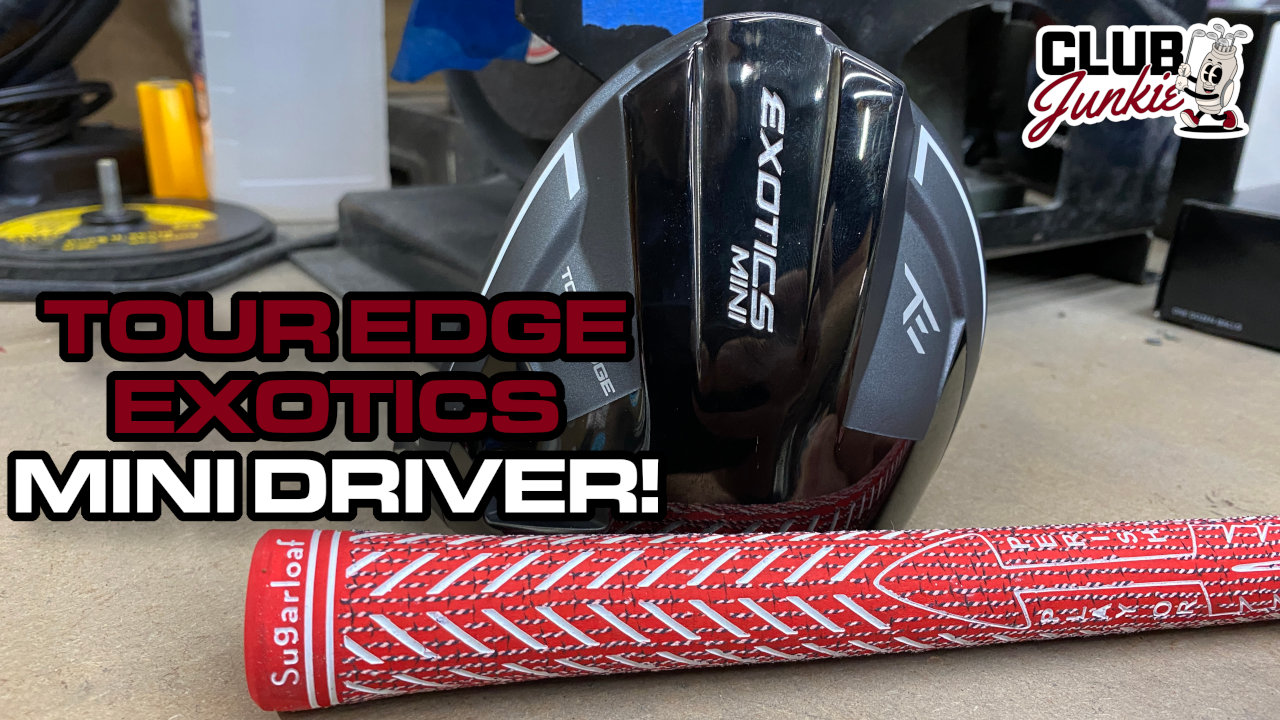
On this episode of Club Junkie, I put the new Tour Edge Exotics Mini Driver to the test and break down the performance, forgiveness, distance, and where it fits compared to a traditional driver or strong fairway wood. If you have been curious about adding a mini driver to the bag, this one is worth a look.
I also dive into the new TaylorMade Spider ZT Max putter that was recently spotted and discuss the growing zero torque putter trend. Plus, there is a closer look at the new Project X Titan Yellow shaft showing up on the PGA Tour and what makes it different from other profiles currently out there.
Opinion & Analysis
AVL: We’re talking about practice! My best tips for taking your game to the course

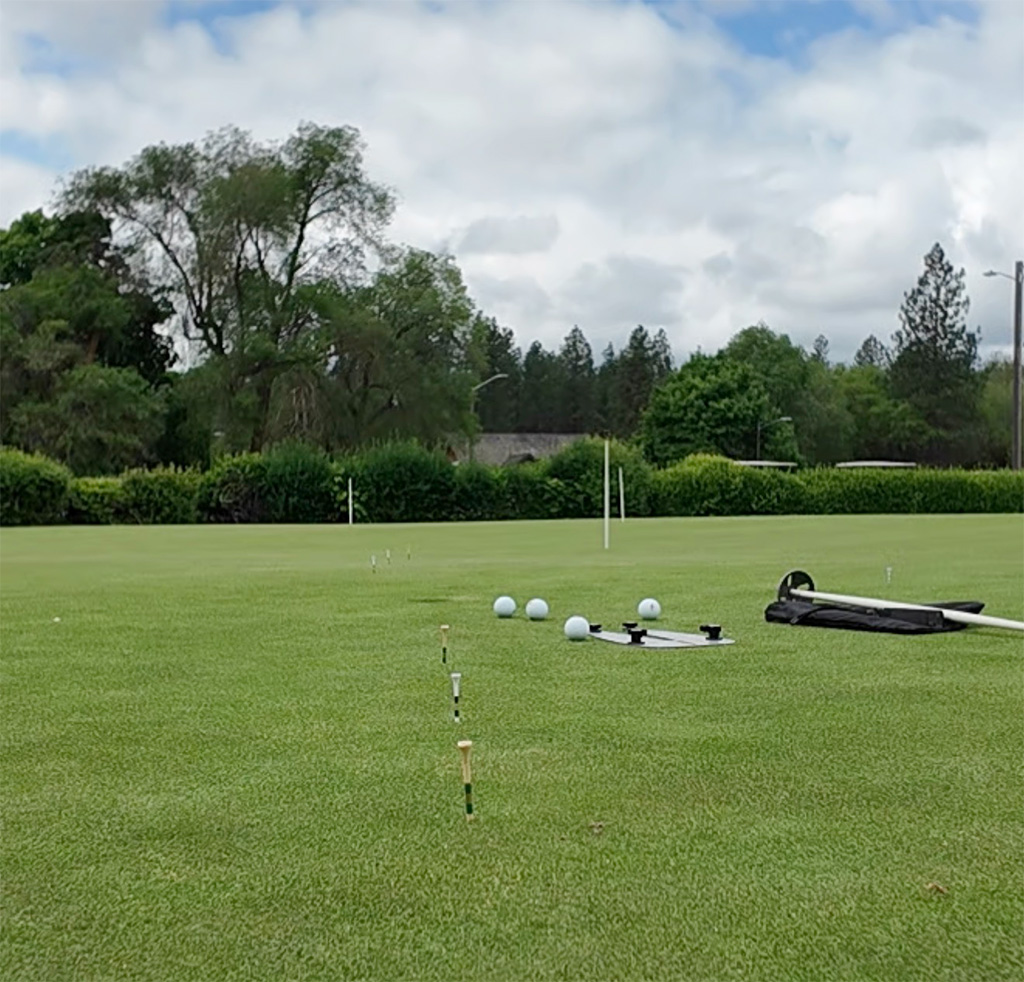
With the beginning of June on the horizon and courses rounding into peak condition for the season, it’s time to hone the finer skills that often get rusty over the winter. More sunlight also means more time to get out on the course and work on your game.
Whether it’s the practice green or the driving range, there’s always something to improve—whether you’re enjoying the fresh air or preparing for a weekend game or tournament. You can work on drills or freestyle around the green, and friendly competition is a great way to sharpen your skills.
While there are endless ways to get better at golf, I’m going to focus on practicing around the green. Let’s take a look at a few things to keep in mind as we head into the summer months.
Drills
From the driving range to the practice green, it’s important to incorporate drills into your routine. Years ago, I spent a weekend working on my short game with James Sieckmann. He recommended doing drill work for 5–10 minutes, then returning to your main practice.
This way, you create a balance between structured drills and real-world scenarios, so you’re not confined to “perfect” situations. For example, hitting the same three-foot putt over and over is good for repetition, but after a while, it becomes less interactive for your brain.
My approach is to use a putting trainer with a narrow gate for the ball to pass through, or simply place tees just outside the width of the ball. I’ll hit a series of four putts through the gate for three sets. Then, from a similar distance, I’ll hit four putts without the training aid and repeat that sequence three times.
Next, I’ll hit a number of 15–25 foot putts in a random fashion, then circle back to repeat the short putt drills with and without the training aid.
This breaks up the rhythm of hitting short putts with the training aid. When you hit the same short putts over and over, it’s easy to get into a groove—which is great for the drill, but not reflective of actual course play. While finding a rhythm is fundamental for drills, I like to introduce variation with longer putts to keep things realistic.
Game Mode
Once you’ve established a foundation with drills, it’s time to simulate on-course scenarios. This is where a few practice games come in handy.
One that I’ve been enjoying lately involves putting 10- to 15-footers with two balls. If I make the putt, great! If I miss, I pull the missed ball back a putter length. Suddenly, that little tap-in becomes a nerve-wracking three-footer—at least at first. As you get better at this game, those three- and five-footers become much more comfortable and routine.
It may sound cliché, but each shot is just what it is—it’s how we react that makes the difference. I like this game because it blends the pressure of on-course putting with the consequence of leaving yourself a much longer putt than usual.
Another game I like is one I recently learned from Brad Faxon. Place three tees in a line at four different locations around the hole: one at 3 feet, one at 6 feet, and one at 8 feet. The 3- and 6-foot putts count as par, and the 8-footer is for birdie.
This game keeps you focused on scoring and helps you get into a competitive mindset. You can even think about this putting game while you’re on the course. I just started playing it, and last week I couldn’t get better than two under par.
Competition
Competition during practice is when drills and games come to life, and you start to see results. For me, nothing beats a putting contest with a friend or two. In the right setting, these contests can become talking points for the whole season.
Match play, a game of 21, or simply seeing who can make the most one-putts (with a small prize on the line) are all great ways to simulate real on-course pressure. Recently, I played in a putting contest where one competitor made back-to-back 30- and 50-foot putts. As they say, expect your opponent to make every putt—and he nearly did. That’s impressive, and it’s something you see on the course, too: you have to stay committed to your game plan, no matter what.
When it comes to practice, it’s important to blend feedback from recent rounds with the fundamentals you want to reinforce. Drills, games, and competition—from the driving range to the putting green—form the backbone of skills you’ll rely on during actual rounds.
Finding the right balance is something we’re all working on, one practice session at a time. With the beginning of June on the horizon and courses rounding into peak condition for the season, it’s time to hone the finer skills that often get rusty over the winter. More sunlight also means more time to get out on the course and work on your game. Whether it’s the practice green or the driving range, there’s always something to improve—whether you’re enjoying the fresh air or preparing for a weekend game or tournament. You can work on drills or freestyle around the green, and friendly competition is a great way to sharpen your skills. While there are endless ways to get better at golf, I’m going to focus on practicing around the green. Let’s take a look at a few things to keep in mind as we head into the summer months.
Drills
From the driving range to the practice green, it’s important to incorporate drills into your routine. Years ago, I spent a weekend working on my short game with James Sieckmann. He recommended doing drill work for 5–10 minutes, then returning to your main practice. This way, you create a balance between structured drills and real-world scenarios, so you’re not confined to “perfect” situations. For example, hitting the same three-foot putt over and over is good for repetition, but after a while, it becomes less interactive for your brain.
My approach is to use a putting trainer with a narrow gate for the ball to pass through, or simply place tees just outside the width of the ball. I’ll hit a series of four putts through the gate for three sets. Then, from a similar distance, I’ll hit four putts without the training aid and repeat that sequence three times. Next, I’ll hit a number of 15–25 foot putts in a random fashion, then circle back to repeat the short putt drills with and without the training aid.
This breaks up the rhythm of hitting short putts with the training aid. When you hit the same short putts over and over, it’s easy to get into a groove—which is great for the drill, but not reflective of actual course play. While finding a rhythm is fundamental for drills, I like to introduce variation with longer putts to keep things realistic.
Game Mode
Once you’ve established a foundation with drills, it’s time to simulate on-course scenarios. This is where a few practice games come in handy. One that I’ve been enjoying lately involves putting 10- to 15-footers with two balls. If I make the putt, great! If I miss, I pull the missed ball back a putter length.
Suddenly, that little tap-in becomes a nerve-wracking three-footer—at least at first. As you get better at this game, those three- and five-footers become much more comfortable and routine. It may sound cliché, but each shot is just what it is—it’s how we react that makes the difference. I like this game because it blends the pressure of on-course putting with the consequence of leaving yourself a much longer putt than usual.
Another game I like is one I recently learned from Brad Faxon. Place three tees in a line at four different locations around the hole: one at 3 feet, one at 6 feet, and one at 8 feet. The 3- and 6-foot putts count as par, and the 8-footer is for birdie.
This game keeps you focused on scoring and helps you get into a competitive mindset. You can even think about this putting game while you’re on the course. I just started playing it, and last week I couldn’t get better than two under par.
Competition
Competition during practice is when drills and games come to life, and you start to see results. For me, nothing beats a putting contest with a friend or two. In the right setting, these contests can become talking points for the whole season. Match play, a game of 21, or simply seeing who can make the most one-putts (with a small prize on the line) are all great ways to simulate real on-course pressure. Recently, I played in a putting contest where one competitor made back-to-back 30- and 50-foot putts. As they say, expect your opponent to make every putt—and he nearly did. That’s impressive, and it’s something you see on the course, too: you have to stay committed to your game plan, no matter what.
When it comes to practice, it’s important to blend feedback from recent rounds with the fundamentals you want to reinforce. Drills, games, and competition—from the driving range to the putting green—form the backbone of skills you’ll rely on during actual rounds. Finding the right balance is something we’re all working on, one practice session at a time.

Justin Rose WITB 2026 (April): Full WITB breakdown with new McLaren irons

What’s the story behind Webb Simpson’s custom-stamped irons?

Cadillac Championship Tour Report: Spieth’s sizable changes, McLaren Golf launches, and more

Russell Henley’s winning WITB: 2026 Charles Schwab Challenge

Kristoffer Reitan’s winning WITB: 2026 Truist Championship

Cameron Young’s winning WITB: 2026 Cadillac Championship

Aaron Rai’s winning WITB: 2026 PGA Championship

Details on Jason Day’s latest prototype Avoda iron setup

Nelly Korda WITB 2026 (April)

Justin Rose on the switch to McLaren Golf, learnings from previous equipment moves


Sungjae Im WITB 2026 (June)
Sungjae Im had >14 clubs in his bag when photographed prior to the Memorial Tournament. Driver: Titleist TSi2 (8 degrees, B1...


Lucas Glover WITB 2026 (June)
Lucas Glover had >14 clubs in his bag when photographed prior to the Memorial Tournament. Driver: Titleist GTS2 (10 degrees, B2 SureFit...

Chris Gotterup WITB 2026 (June)
Chris Gotterup had >14 clubs in his bag when photographed prior to the Memorial Tournament. Drivers: TaylorMade Qi4D (8 degrees), Ping...

Jason Day WITB 2026 (June)
Jason Day had >14 clubs in his bag when photographed prior to the Memorial Tournament. Driver: Ping G430 LST (10.5 degrees...
-
 News4 days ago
Russell Henley’s winning WITB: 2026 Charles Schwab Challenge
-
 Whats in the Bag3 weeks ago
Aaron Rai’s winning WITB: 2026 PGA Championship
-
Equipment2 days ago
Details on Jason Day’s latest prototype Avoda iron setup
-
 Tour Photo Galleries2 weeks ago
Photos from the 2026 CJ Cup Byron Nelson
-

 Equipment2 weeks ago
CJ Cup Byron Nelson Tour Report: Koepka and Kim’s newest putters finally get hot
-
 News7 days ago
Charles Schwab Challenge Tour Report: MacIntyre, Åberg and Spaun all switch putters, TaylorMade launches new Spider
-
 Equipment1 week ago
Details on J.J. Spaun’s surprise putter switch
-
 Popular Photo Galleries1 week ago
Photos from the 2026 Charles Schwab Challenge

