
Equipment
Platform Golf Q&A: ‘We saw the single most glaring blind spot in the entire simulator industry’


Platform Golf is on a mission to solve the one problem the simulator industry has overlooked for years: every shot is hit off a perfectly flat surface. Their patented tilting platform technology brings real-world lies into the indoor environment for the first time, and the industry is taking notice.
I sat down with Platform Golf co-founder and CEO Thomas Hackett to learn more about the company, the technology, and where indoor golf goes from here.
Check out the full Q&A below.
Gianni: For those encountering Platform Golf for the first time, can you introduce the company and the story behind how it was founded?
Platform Golf: The origin story is actually one of passion before product. The company started with a founder named Glen Coombe, who was obsessed with one problem: how do you practice breaking putts indoors while creating a perfect baseline for stroke analysis and putter fitting? That obsession led to a platform that could tilt underfoot, and a partnership with Robb Gibb, who turned it into a real business.
Myself and Platform Co-Founder, Rory Flanagan, worked with Robb to help him take what was a product and turn it into a business and a brand known as Perfection Platforms. When we came in and acquired the company in 2024, we knew the future was something much bigger than a putting aid and that integrating with full swing technologies was going to be the missing link.
We saw the single most glaring blind spot in the entire simulator industry: every shot is hit off a perfectly flat surface, which almost never happens on an actual golf course – and that same surface was used for putting when we had a beautiful tour-grade putting platform to recreate putts from the sim environment. We rebranded as Platform Golf and immediately shifted the roadmap from manual, static tilt to digitally actuated systems that move in real time. The mission crystallized into one sentence: if golf is played on slopes, it should be trained and practiced on slopes.
Gianni: Most simulators today deliver highly accurate ball and club data, but still rely on a perfectly flat hitting surface. Why has lie simulation been largely ignored until now, and what made it solvable at this point in time?
Platform Golf: Honestly, the industry got seduced by the screen. Launch monitors got incredibly precise (spin rate, attack angle, ball speed to the decimal) and that became the arms race. Lie simulation was an engineering problem that nobody had strong enough incentive to solve because the data story was already compelling enough to sell simulators. What made it solvable now is the convergence of a few things: actuator technology becoming both reliable and affordable enough for consumer environments, the maturation of simulator software APIs that allow real-time communication with hardware, and frankly, the bar for indoor golf rising.
Golfers using simulators aren’t just hitting range balls anymore. They’re genuinely trying to improve. When your customer base shifts from entertainment to performance, the flat mat problem becomes impossible to ignore. We also filed a patent on inclinometer-based pitch-and-roll technology that gave us a foundation no one else had. Reliable, trustworthy data for both baselining performance and standardizing competition.
Gianni: What’s actually happening under the platform when a golfer transitions between shots? Walk us through how the system recreates something like a downhill lie to an elevated green or a severe sidehill with the ball above your feet.
Platform Golf: The core is our digitally actuated platform tied directly to the simulator’s course data. When you step up to a shot on, say, a dogleg par five with your ball sitting on a downslope kicking left, the simulator already knows the exact grade of that terrain. Our SSG software reads that data and translates it into real-time instructions to the platform’s actuators, which independently adjust pitch and roll to recreate that slope underfoot, physically, not just visually.
You’re not watching a number on a screen that says “-4% slope.” Your feet feel it. Your weight shifts. Your body has to compensate exactly as it would on course. The transition between shots happens quickly, and the system can dial in up to five percent slope adjustment in any combination of directions. For putting, TrueBreak does the same thing. The green physically tilts to match the actual break of the putt you’re facing. You’re not reading a line on a projection. You’re rolling a ball on a surface that is the slope while putting into a hole.

Gianni: There’s always a question of “transfer” with indoor practice. What evidence, whether anecdotal, coaching feedback, or data, suggests that training on uneven lies actually improves on-course performance?
Platform Golf: This is the question I love most because it cuts straight to the heart of what we’re trying to do. The most powerful proof point we have right now is behavioral: golfers who train on uneven lies develop a fundamentally different understanding of yardage management. When you hit the same club from a flat lie versus a two-percent forward slope, you start to feel, not just calculate, the difference in launch and distance. The use of force plates and swing analysis video tools allows for codifying this experiential feel, which leads to a recalibration for those moments on the course.
We’ve had coaching feedback from instructors at the elite level who tell us their students arrive on course with better instincts about setup adjustments on uneven terrain. We also had a junior golfer whose father built a full home studio and trained almost exclusively indoors. The kid shot 89 in his first-ever tournament and made his high school JV team as a freshman hitting 40s. Coaches like Brad Faxon and Claude Harmon III don’t attach their names to technology lightly. The formal data collection is ongoing, but the directional evidence from the coaching community has been consistent.
Gianni: You made your second appearance at the PGA Show this past January. How did the reaction compare to your first showing, and what surprised you most?
Platform Golf: The 2025 Platform Golf debut was electric in the way that anything novel and unexpected can be. People walked by, stopped, couldn’t quite process what they were seeing, and then wouldn’t leave. We won a “Best in Show” award from one of golf’s big media companies, which validated that the problem we were solving resonated with people the moment they stood on the platform. The 2026 return was different and in some ways more meaningful. The questions changed. In 2025 people were asking “wait, what is this?” In 2026 they were asking “how does this integrate with what I already have, and what does the roadmap look like?” That’s a fundamental shift from curiosity to commerce. What surprised me most was the depth of interest from the international market. We’ve already partnered with The Tommy Fleetwood Academy at Yas Links in Abu Dhabi and Precision Golf outside London, and the global interest and demand continues to grow.
Gianni: Who is the target customer right now: commercial facilities, home installs, tour players? And what does accessibility look like in terms of pricing and integration with existing simulator setups?
Platform Golf: All three, honestly, but for different reasons and at different stages. I would also include golf courses and club fitters, as golf courses already have a lot of real estate and club fitters have just had their opportunity for true baselines massively expanded. Commercial facilities are our fastest-growing segment because the ROI story is straightforward: differentiation in a crowded simulator bar market, a premium experience that commands premium pricing, and a reason for serious golfers to choose you over the place down the street.
Home installs are our most passionate customers. These are typically “golf sickos” who are genuinely trying to get better, not just entertain guests. However, they do love the ‘WOW’ factor. The tour and elite coaching space is where credibility is built. High-profile installs at TaylorMade HQ, Cobra Puma Golf, and with world-class instructors lend credibility that filters down. On integration, and this is critical for GolfWRX readers who already have simulator setups, our products are designed to retrofit into existing environments. We integrate with TruGolf across 6,000-plus simulators and are in the middle of a game-changing integration with Trackman. We are also integrated with SAM, with upcoming integrations poised with GEARS, Quintic, and others. You don’t need to rip out what you have. Pricing scales with the product tier, from TrueBreak for dedicated putting to TrueSlope for the full combined experience.
Gianni: Beyond lie simulation, what do you think still needs to happen for indoor golf to genuinely close the gap with the on-course experience?
Platform Golf: Give people “that made putt feeling” that they get 18 times on the course, which is truly lagging in current options. Number two is that 96% of approach shots are hit from uneven lies. We create slope realism for every shot that truly transforms the experience tee to green. Producing these two elements of the game inside a bay will allow for parity in scoring and ultimately standardization of off course to on course golf become aligned creating major championships that can be played globally.


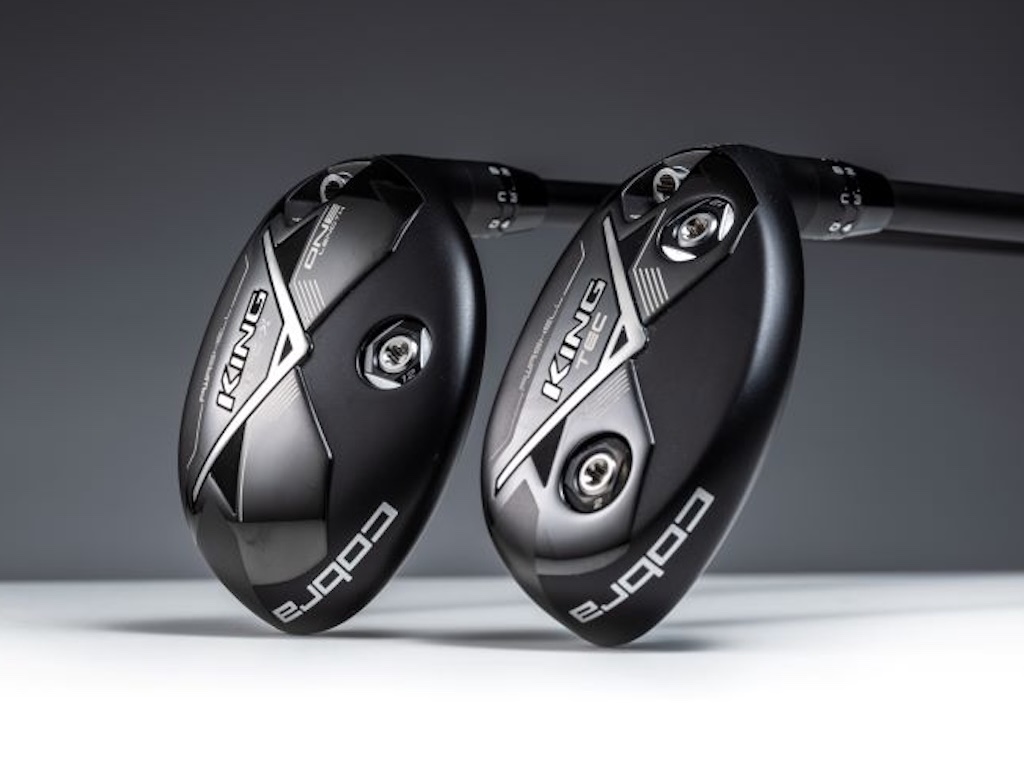
In our forums, users are talking about top of bag setups that are non-traditional or thought-provoking in some way. Original poster @SuperSpurs106 inquired about other members who might use unorthodox set-ups to help with gapping issues or weak spots.
They wrote:
“I currently have a PING G430 driver, TM Qi35 3W and a TM Qi4D 7W. Driver and 7W are fine but can’t get on with my 3W and have always struggling with this club over the years. Thinking of adding a 2H which I know would look odd. Just wondering if anyone else had a weird set up at the top of their bag?”
Our members in the forum have offered up their thoughts and personal experiences with non-traditional top of bag set-ups, and their reasoning for thinking outside of the box to begin with. Here are a few posts from the thread, but make sure to check out the entire discussion and have your say at the link below.
- BowMain42: “Don’t worry about what “looks” odd. If the club does what you need it to do, it’s the right club.”
- scooterhd2: “I cant hit 3 woods either. Thats why I roll with a unicorn XL Hibore 2 wood. 400 cc head at 16 degrees of loft and its just a monster 3 wood off the tee. Off the deck, we are playing the f6 baffler. 5 wood at 41.75 inches and its easy to control.”
- phizzy30: “I had driver, 3 metal, 2/4 hybrid once upon a time as a higher ss player. 4 hybrid is gone and in place is a driving iron nowadays. I don’t think what you’re proposing is weird in anyway, however the yardage gap might be glaringly huge between driver and 2 hybrid. What is it about your 3 metal that has got you all messed up? You could always go 4 metal with shorter shaft and see if that works.”
Entire Thread: “Interesting clubs at top of bag”
If you aren’t a member, join us in the GolfWRX forums today!
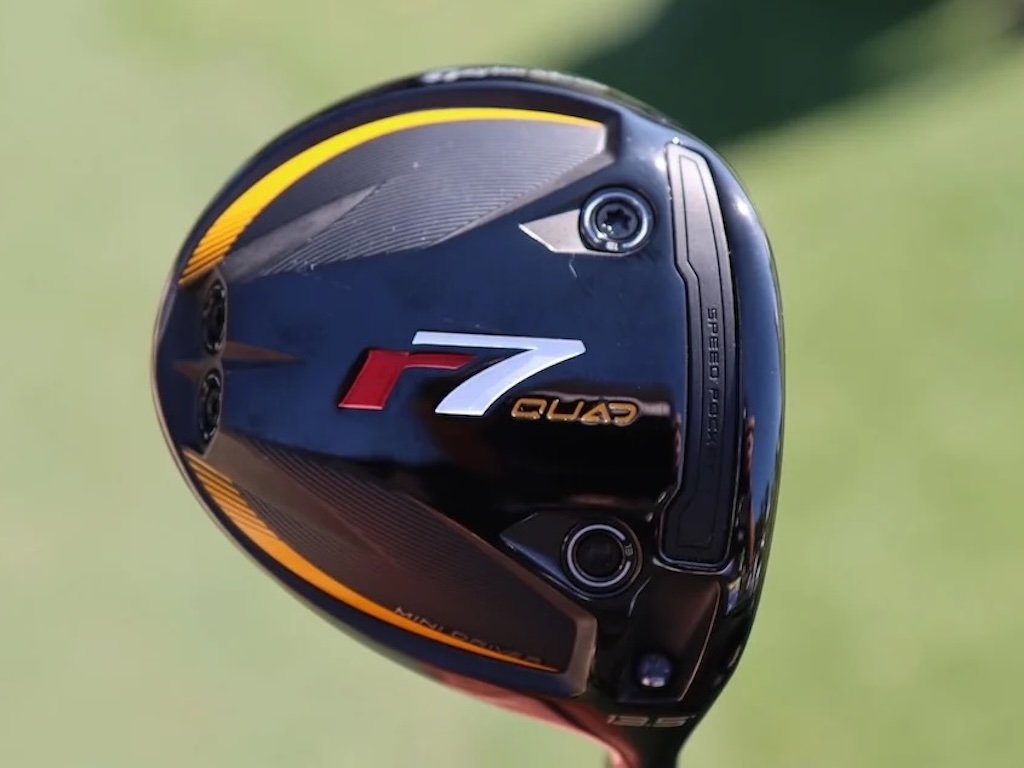
In our forums, one user has gone searching for fellow users of a mini driver. In a post, @TightFade asked for other mini driver users to chime in with their weapon of choice, the reason for employing a mini, and what club follows it in the bag.
@TightFade asked:
“What mini are you playing? What spot in the bag did it take over? What’s the next club after it? For me: Elyte mini 13.5. Replacing 3w. Next up club looks like it’ll be 5w.”
Our members in the forum have been sharing their own bag setups featuring the mini driver, and the various reasons they purchased one in the first place. Here are a few posts from the thread, but make sure to check out the entire discussion and have your say at the link below.
- RCGA: “Ping G430 Max 12* ‘Thriver.’ Next club is a 4w and 2i (I play a weird course).”
- JMB3: “R7 at 12.75 with Diamana BB 63s. 3w replacement. Next Club: Elyte Ti 5w at 17*.”
- ColdOkieGolf: “R7 15.5 turned down to 13.5 It replaces the 3w. I found it surprisingly easy to hit off the deck, and it’s very rare that I need or want to hit something beyond 250 from the fairway, so next club is my 7w.”
- ChaosTheory: “I’m sub-90 MPH with driver. But I’m able to hit DOD. I have been wanting something like the R7 15.5, so I just ordered one. I have a spot in the bag so nothing has to go. But I could see it replacing my trusty 4 wood, which I never use for approach shots. Just tee shots and lay ups. If I drop the 4 wood, I will turn my 7 wood down to ~20 degrees and will have good gaps. I recently tried a thriver build: 12 degree driver turned to 14, with a heavier 44 inch shaft and added head weight. I hit it great. Very accurate and not overly high, but the problem was that it sometimes went as far as a typical drive. And that’s not what I needed. So I will probably turn the 15.5 up to 16.5 or even 17.5. It’s all theoretical at this point. ?”
Entire Thread: “Members of the Mini Driver Club…Check In.”
If you aren’t a member, join us in the GolfWRX forums today!

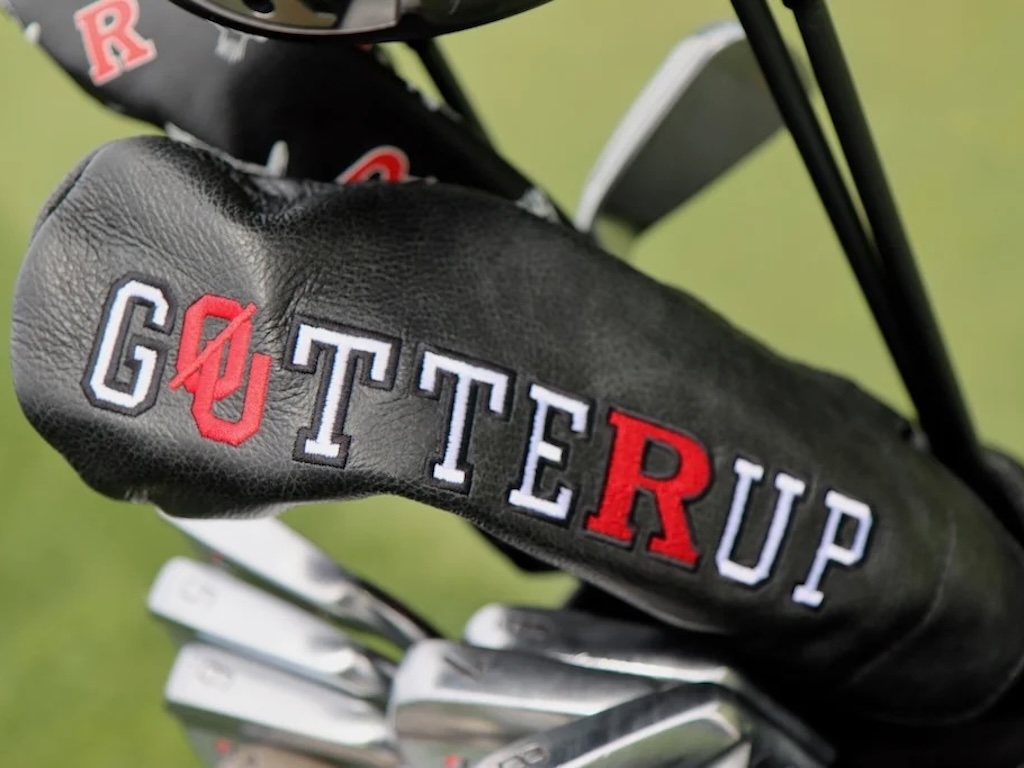
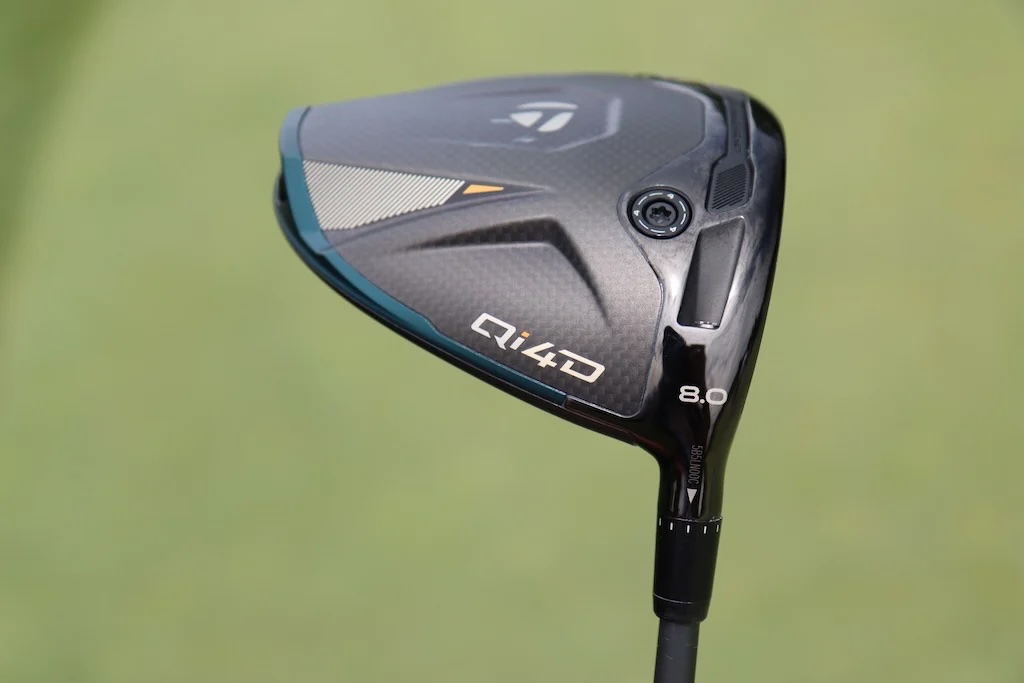
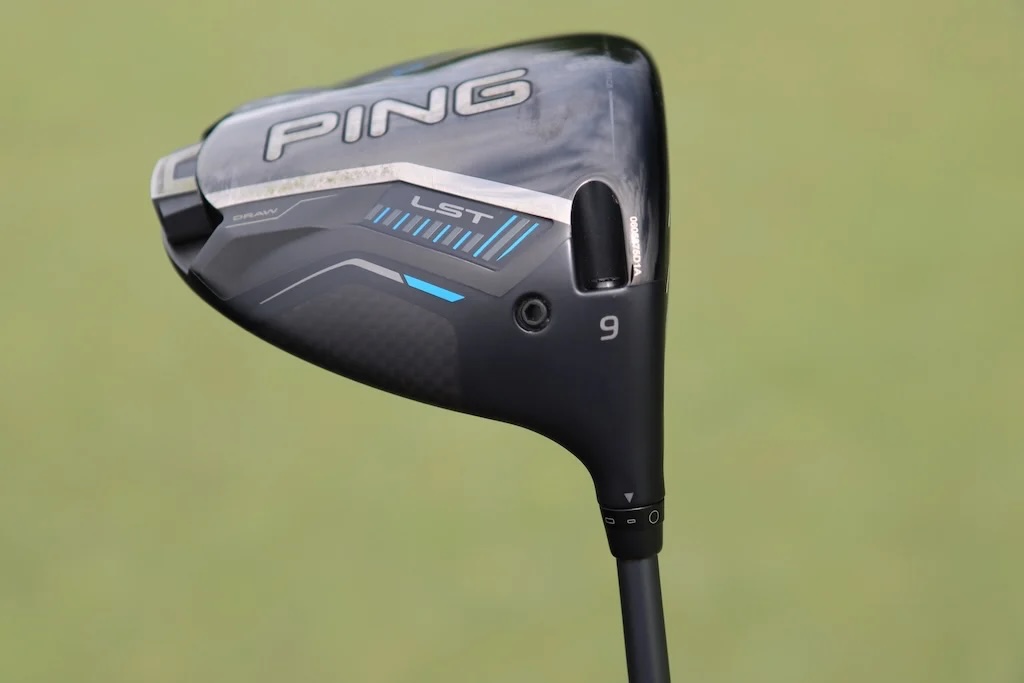
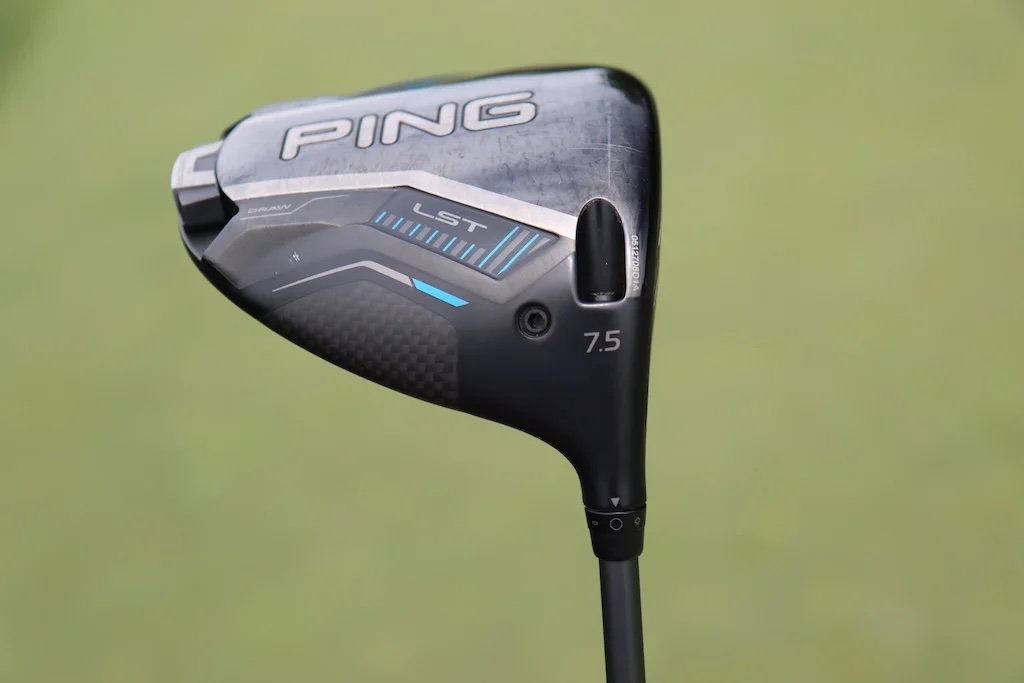
- Chris Gotterup had >14 clubs in his bag when photographed prior to the Memorial Tournament.
Drivers: TaylorMade Qi4D (8 degrees), Ping G440 LST (9 degrees @8), Ping G440 LST (7.5 degrees)
Shafts: Project X HZRDUS Smoke Grey 6.5 TX 70 g, Project X HZRDUS T1100 Handcrafted 6.5 TX 70 g, Project X HZRDUS Smoke Grey 6.5 TX 70 g
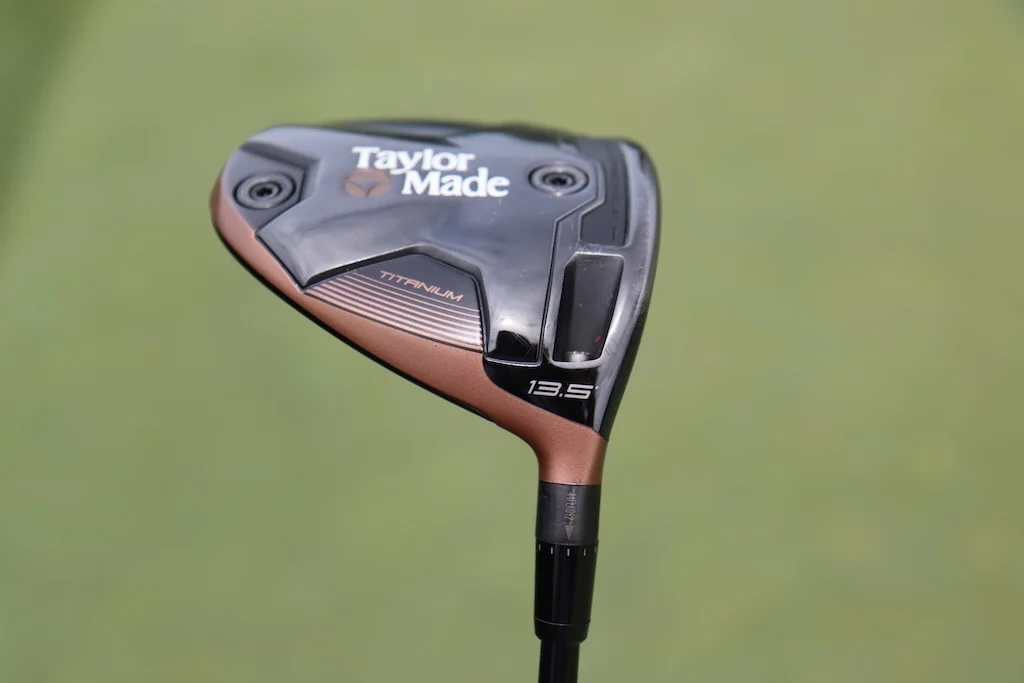
Mini driver: TaylorMade BRNR (13.5 degrees)
Shaft: Project X HZRDUS Black TX 80 g
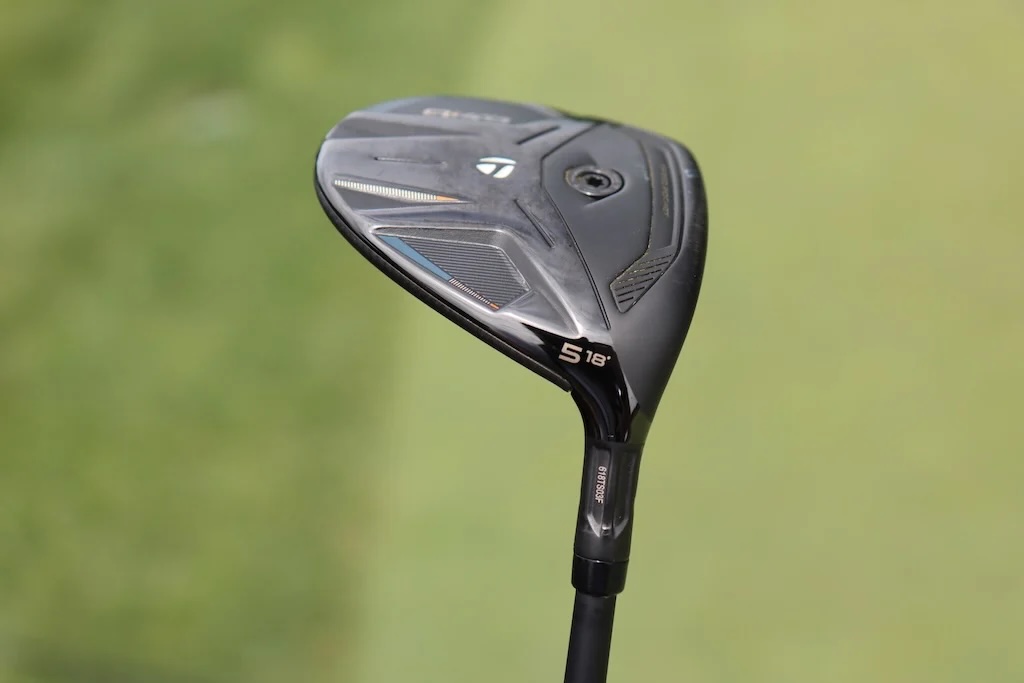
5-wood: TaylorMade Qi4D (18 degrees)
Shaft: Mitsubishi Chemical Diamana WB Wood Shaft 83 TX
7-wood: TaylorMade Qi4D (21 degrees)
Shaft: Mitsubishi Diamana WB Wood Shaft 83 TX

Irons: TaylorMade P770 (3), Bridgestone Tour B 220 MB (4-9)
Shafts: KBS C-Taper 130 X
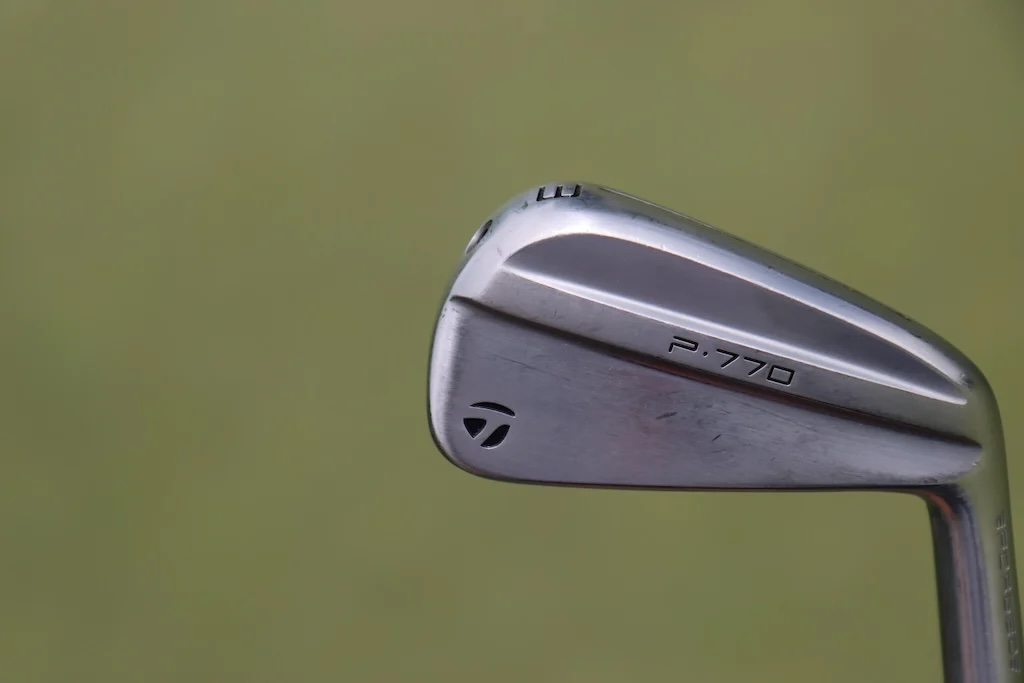
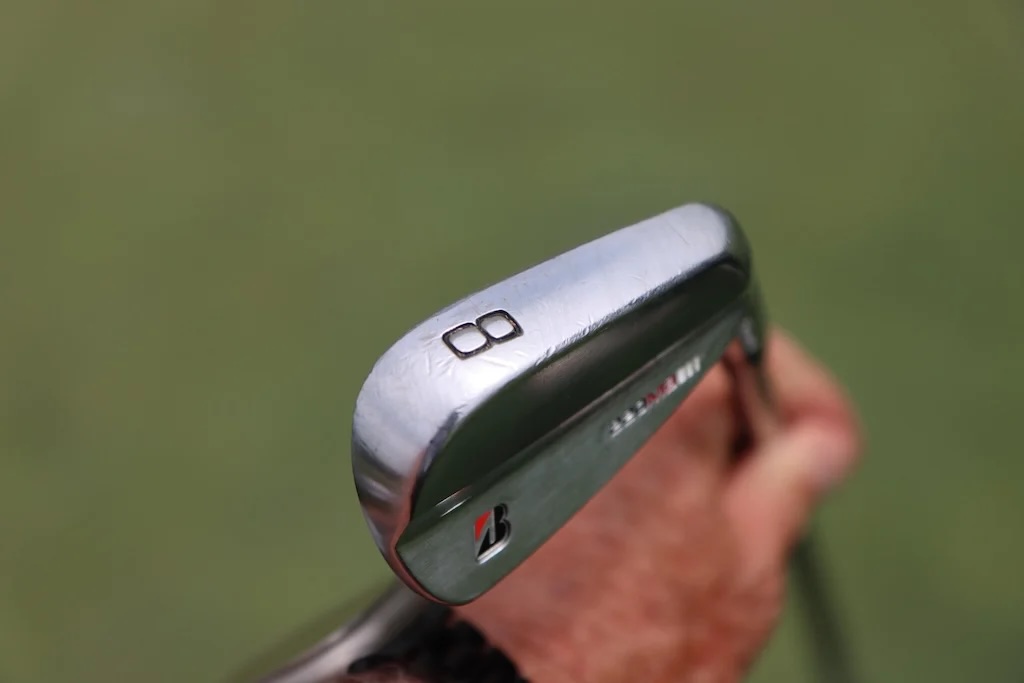
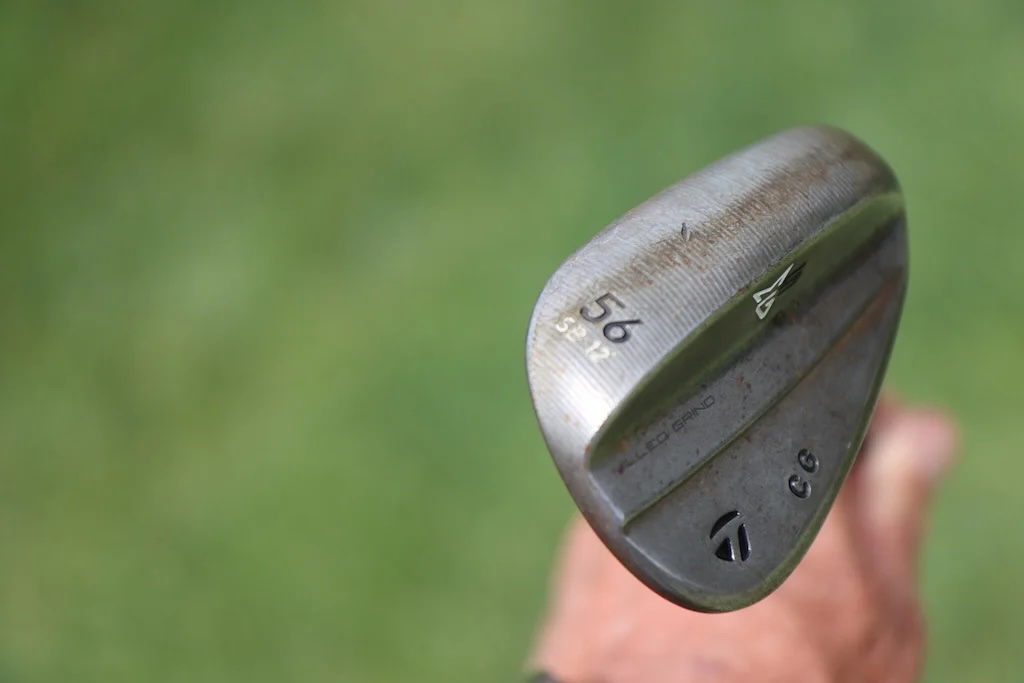
Wedges: TaylorMade MG5 (46, 52, 56, 60)
Shafts: KBS C-Taper 130 X, True Temper Dynamic Gold Tour Issue X100
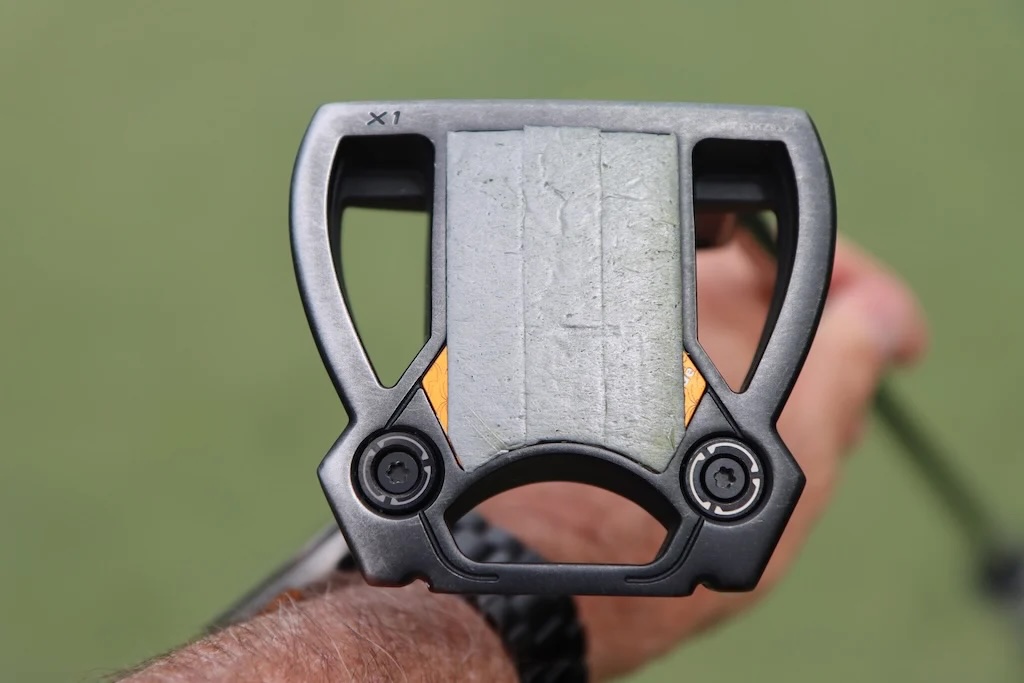
Putter: TaylorMade Spider X Tour
Grip: SuperStroke Zenergy Pistol 2.0
Grips: Golf Pride Z Grip Cord
Ball: Bridgestone Tour B X Mindset
Check out more in-hand photos of Chris Gotterup’s clubs here.

Justin Rose WITB 2026 (April): Full WITB breakdown with new McLaren irons

What’s the story behind Webb Simpson’s custom-stamped irons?

Cadillac Championship Tour Report: Spieth’s sizable changes, McLaren Golf launches, and more

Kristoffer Reitan’s winning WITB: 2026 Truist Championship

Russell Henley’s winning WITB: 2026 Charles Schwab Challenge

Cameron Young’s winning WITB: 2026 Cadillac Championship

Aaron Rai’s winning WITB: 2026 PGA Championship

Nelly Korda WITB 2026 (April)

Justin Rose on the switch to McLaren Golf, learnings from previous equipment moves

Photos from the 2026 CJ Cup Byron Nelson


Chris Gotterup WITB 2026 (June)
Chris Gotterup had >14 clubs in his bag when photographed prior to the Memorial Tournament. Drivers: TaylorMade Qi4D (8 degrees), Ping...


Jason Day WITB 2026 (June)
Jason Day had >14 clubs in his bag when photographed prior to the Memorial Tournament. Driver: Ping G430 LST (10.5 degrees...

Nastasia Nadaud WITB 2026 (June)
Driver: Titleist TSR4 (9 Degrees) Shaft: Project X EvenFlow Riptide CB 6.0 S 3-wood: Titleist GTS2 (15 degrees) Shaft: Graphite Design Tour AD DI...


Keith Mitchell WITB 2026 (June)
Driver: TaylorMade Qi4D LS Shaft: Project X Titan Yellow 6 X 3-wood: TaylorMade Qi10 (16.5 degrees) Shaft: Mitsubishi Tensei 1K Blue 90...
-
 News3 days ago
Russell Henley’s winning WITB: 2026 Charles Schwab Challenge
-
 Whats in the Bag2 weeks ago
Aaron Rai’s winning WITB: 2026 PGA Championship
-
 Tour Photo Galleries2 weeks ago
Photos from the 2026 CJ Cup Byron Nelson
-

 Equipment2 weeks ago
CJ Cup Byron Nelson Tour Report: Koepka and Kim’s newest putters finally get hot
-
 News5 days ago
Charles Schwab Challenge Tour Report: MacIntyre, Åberg and Spaun all switch putters, TaylorMade launches new Spider
-
 Equipment1 week ago
Details on J.J. Spaun’s surprise putter switch
-
 Popular Photo Galleries1 week ago
Photos from the 2026 Charles Schwab Challenge
-

 Equipment3 weeks ago
PGA Championship Tour Report: Fitzpatrick, Koepka among big-name putter switches for Aronimink


Ben
Apr 14, 2026 at 1:59 pm
how do you keep the ball from rolling away?
S
Apr 14, 2026 at 12:03 pm
Errrrr…….. GOLZON? ZENGOLF?
Moving floor indoor golf simulators have been around for a decade.
Duh!