
Equipment
Mizuno JPX 900 drivers, fairway woods and hybrids

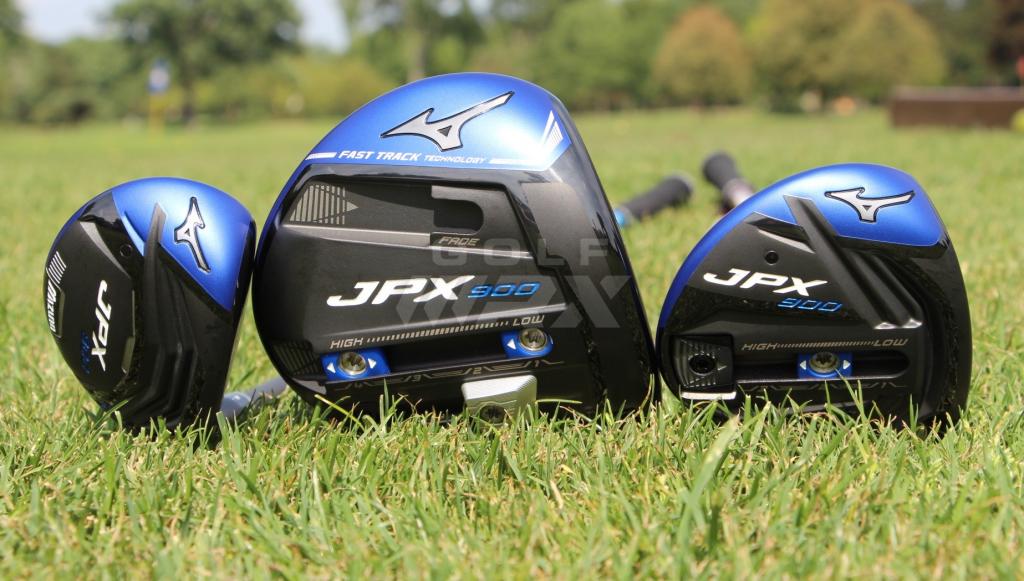
In the golf equipment world, it’s rare for new releases and technologies to produce drastic distance gains in off-the-rack purchases, mostly due to limitations by the USGA. But where many new releases excel is in their increased adjustability, which allows golfers to fine-tune their clubs to fit their preferences and needs. That can create big distance gains, and a host of other benefits as well.
Mizuno is at the forefront of the custom-fitting movement with its JPX-900 drivers, fairway woods and hybrids, which were designed with focus on allowing golfers to optimize their swings and properly gap their clubs. That means golfers can get their games dialed in more than ever before.
Thanks to the added adjustability of the new JPX-900 driver, golfers can optimize spin rates, fine tune their visual preferences and help reduce their big miss. The new JPX-900 fairway woods have a central sliding weight that allows the clubs to perform as either a rocket launcher from the tee or high-ball hitting clubs that will stop shots abruptly on greens. The new JPX-900 hybrids have also undergone design changes to better fill a golfer’s yardage gaps, and look better, too.
Learn more about each of the new offerings below, and join the discussion about Mizuno’s JPX-900 clubs in our forums.
Mizuno JPX-900 driver
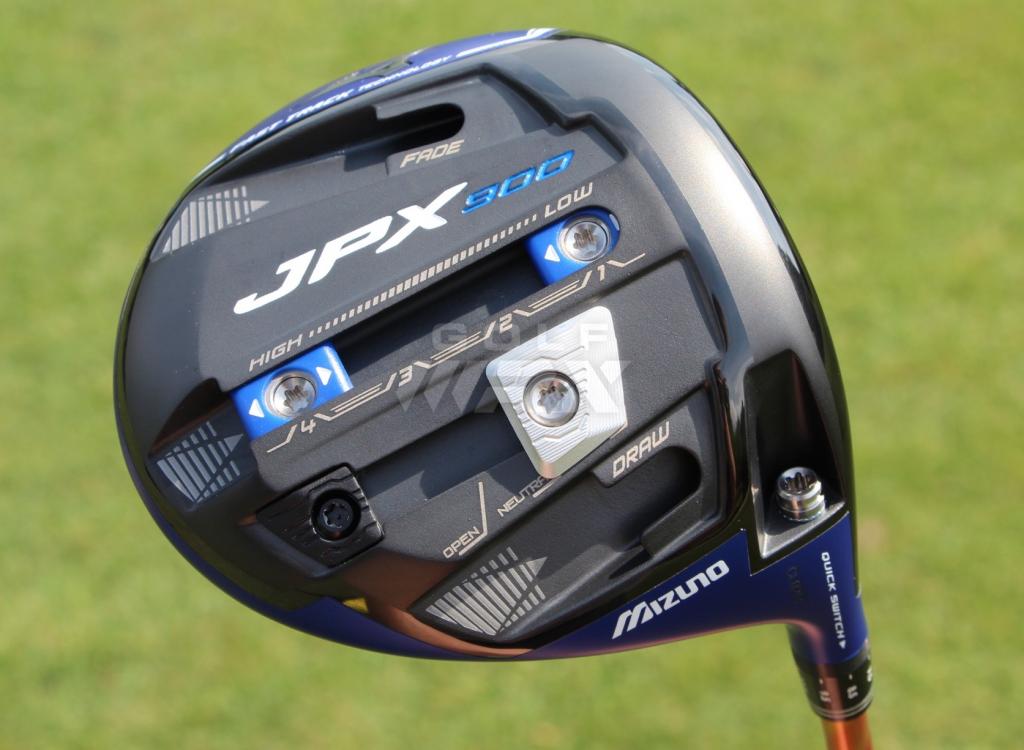
When designing the JPX-850 driver, which the JPX-900 driver is replacing, Mizuno “pulled out the stops,” says David Llewellyn, Mizuno’s Director of R&D. “We changed our attitude to make premium and aspirational drivers to match up with our irons.”
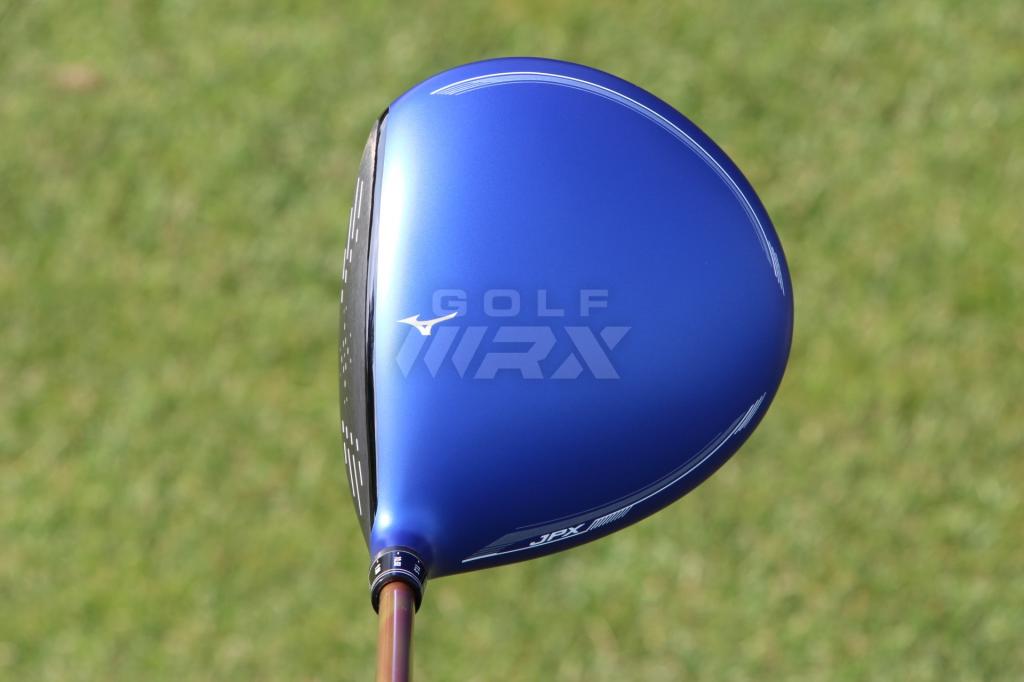
With a blue crown, adjustable center of gravity (CG) and adjustable hosels, Mizuno definitely broadened the scope of their drivers. Now, the company is expanding its technologies to cast an “even wider net,” according to Llewellyn, with a goal to “bring the most adjustable driver ever to the market.”
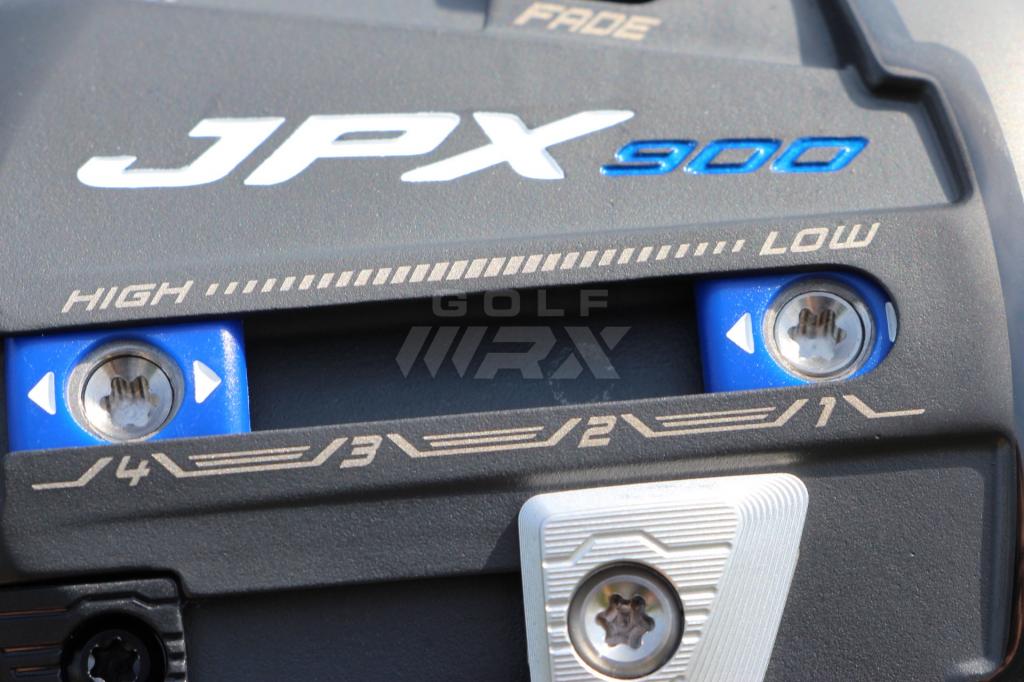
To do that, Mizuno’s new JPX-900 driver offers an “Infinite Track,” which allows golfers to adjust center of gravity forward or rearward for trajectory and spin rate adjustments. It’s different from the familiar “Fast Track” of its predecessor, because there are no longer pre-determined spots on the track to put the weights; thus, the new track has infinite settings.
Also, like the JPX-850, JPX-900 drivers have two additional weight ports in their soles on the heel and toe of the clubs. They allow golfers to take one of the two weights and make the head either draw or fade-biased. The drivers also have adjustable hosels for lie angle and loft adjustments.
Also new on the JPX-900 heads is VFA (visual face angle) adjustor that allows golfers to alter the soled face angle of a club, making it more open or closed at address. This is especially beneficial for gear heads who want their club head to look a certain way, or protect against missing shots a certain direction.
Not only is the 450-cubic-centimeter JPX-900 made to be more adjustable than ever, but it’s also designed to be more forgiving on off-center hits. This is accomplished through added technology you can’t see. With its new “CORtech” face design, Mizuno added support behind the face at the equator, but also vertically along the center of the face. This means that shots hit off center, or too high or too low on the face, will have additional forgiveness compared to their predecessors.
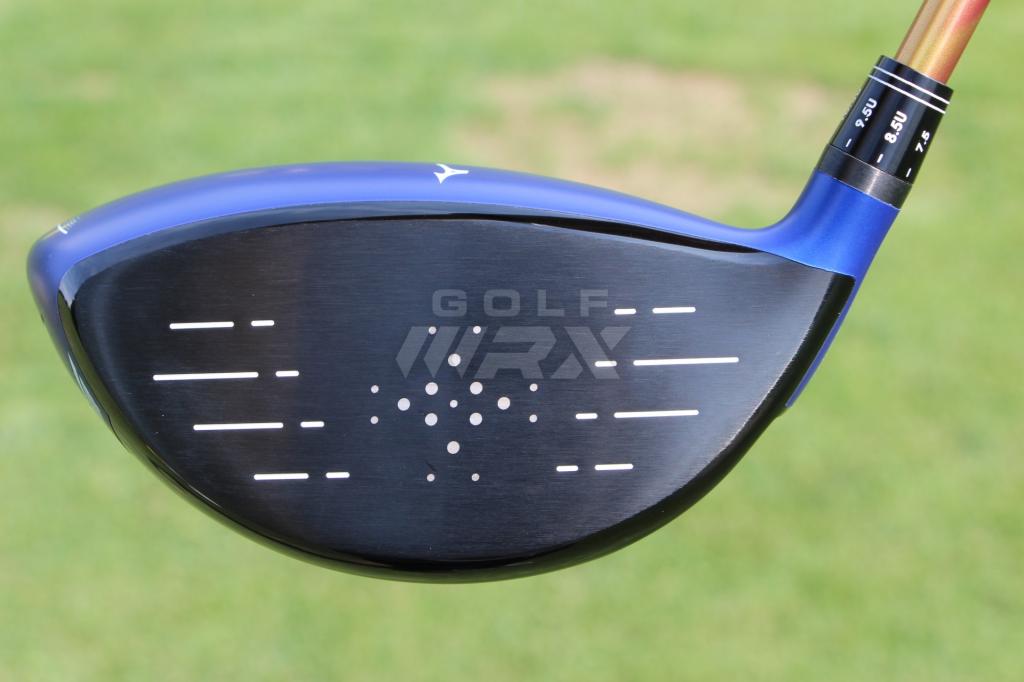
The JPX-900 drivers are adjustable from 7.5-11.5 degrees in 1-degree increments. The stock shaft family is Fujikura’s Speeder Evolution II shaft, which has a counter balance design and comes in a variety of flexes and weights.
Why the Evo II? “With a linear bending profile, it’s perfect for a max-adjustable driver,” Llewellyn said.
Mizuno JPX-900 fairway woods
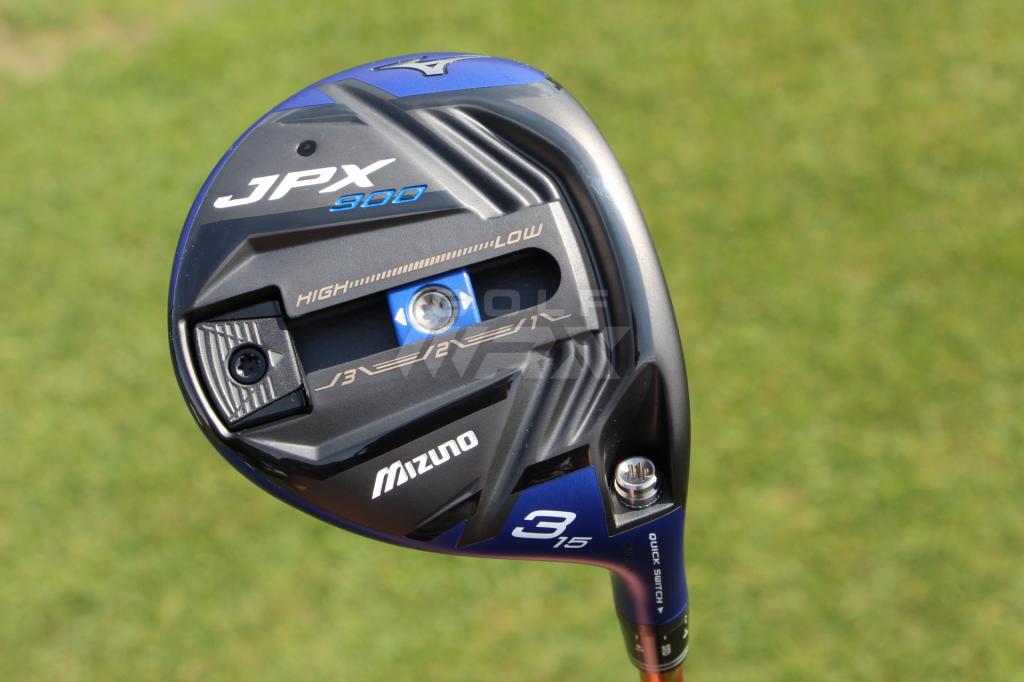
Mizuno also implemented the new infinite-track technology in its JPX-900 fairway woods to allow golfers to fine-tune spin and trajectory, so whether your fairway wood is primarily used off the tee or from the fairway on approach shots, you can maximize its effectiveness.
Move the track forward and a JPX-900 fairway wood becomes a lower-spinning, lower-flying option from the tee. Move it rearward and it becomes a higher-spinning, higher-launching club with more forgiveness to give you a better chance of hitting and staying on the green with your long approach shots. With Mizuno’s infinite track, spin rates can change by 450 rpm, according to Mizuno’s testing.
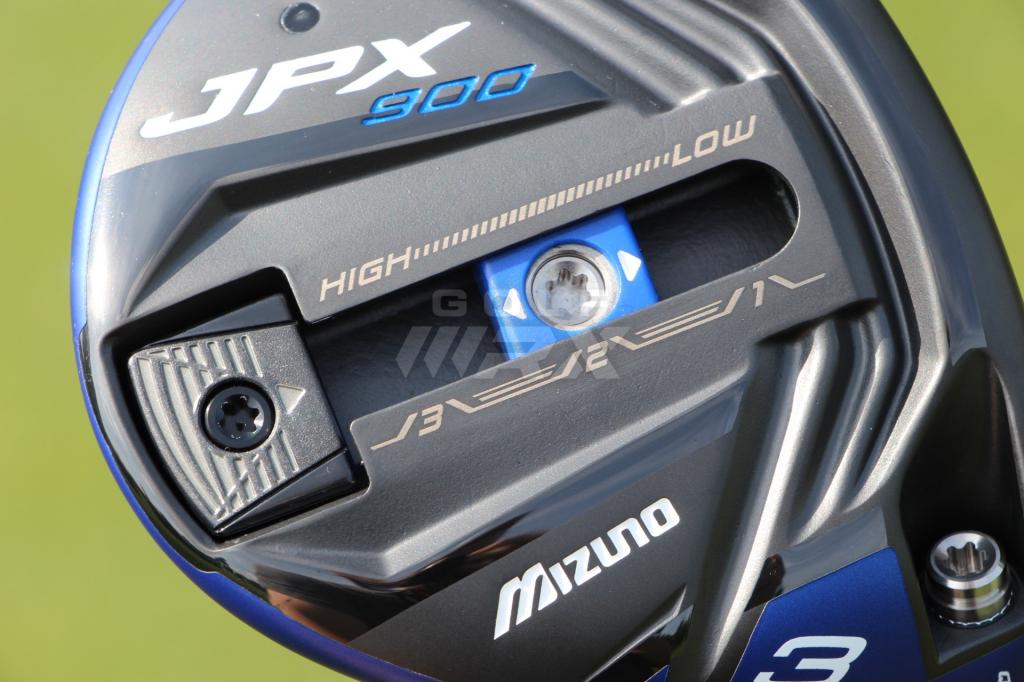
Also in the JPX-900 woods are a “Shockwave” sole, a waffle crown and a new head design. The Shockwave sole helps give the fairway wood a more forward CG, but is said to maintain high-COR on shots hit low on the face, which is a common spot for golfers to contact their fairway woods, especially when hit off the turf.
“The shockwave acts like an accordion, and concentrates weight forward and low on the face,” Llewellyn said.
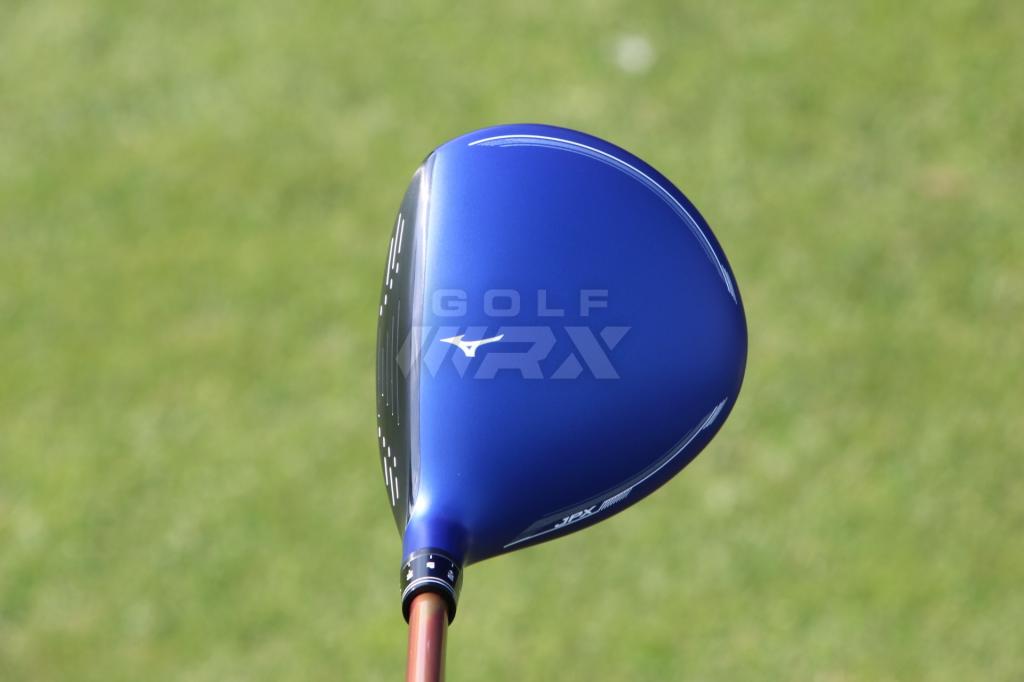
A “Waffle Crown” on the fairway woods refers to the multi-thickness design, which allows weight to repositioned for better forgiveness and lower CG while maintaining strength.
The JPX-900 faiway woods, which are available in 15, 18 and 21-degree stock heads, will come stock with a Fujikura Evolution II shaft and Golf Pride M31 360 grips. They will sell for $299.99 starting on September 16.
Mizuno JPX-900 hybrids

For its hybrids, Mizuno focused on providing golfers with clubs that will bridge the gaps between their woods and longest irons. To accomplish that, Mizuno put emphasis on head shaping, which gives the clubs a more streamlined appearance that blends better with a golfer’s fairway woods and long irons
Each hybrid head (16, 19, 22, 25 degrees) was individually designed for the task, with the common goal of giving each club the right look at address. If you’ve ever looked at a high-lofted hybrid and shook your head — the leading edge seems to jut way too far in front of the hosel — you know the problem Mizuno was trying to fix. To solve the issue, Mizuno gave the hybrids a progressive amount of offset as loft increased, which gives the club faces a more traditional, iron-like look.
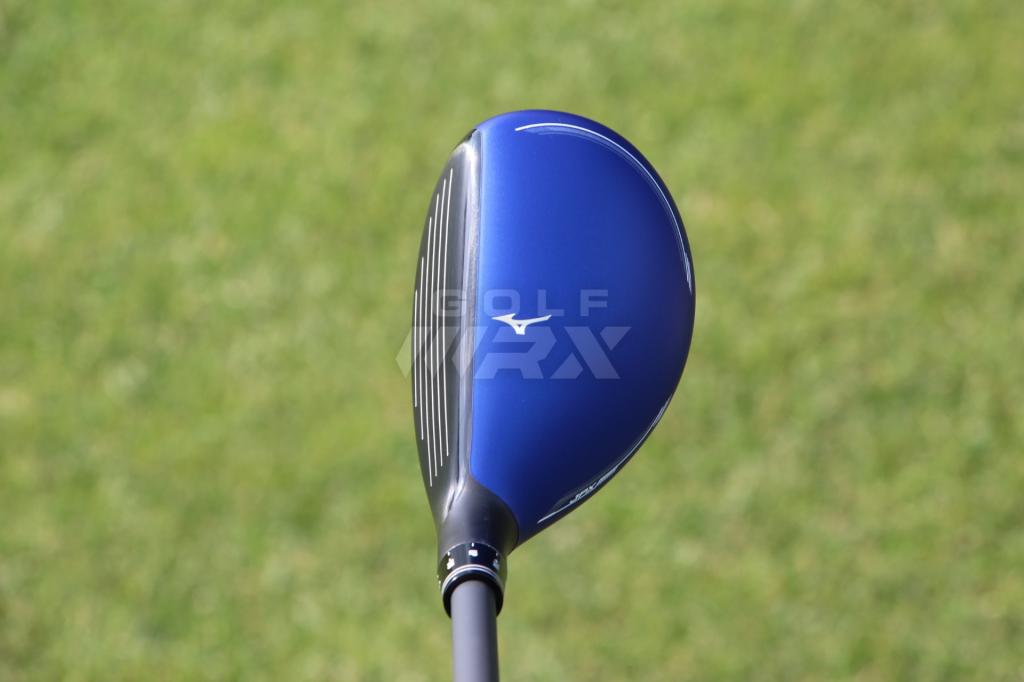
In terms of tech, the hybrids were designed with a 1770 maraging steel face, a shockwave sole and a thicker sole-design than its predecessors for a lower CG.
The stock shaft in the JPX-900 hybrids is a Fujikura Pro available in 83X, 73S, 63R and 63R2, and the clubs will sell for $249.99 beginning on September 16.






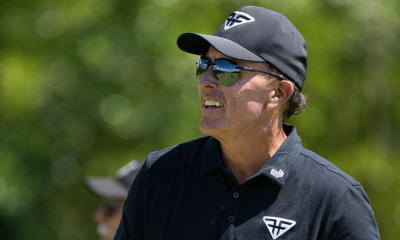



Neal Shipley survived “Golf’s Longest Day” to qualify for the U.S. Open next week at Shinnecock Hills Golf Club, and is set to make his first appearance at his national open since he earned low amateur in 2004. So what better time to be featured in another edition of “Building a Bag.”
It’s also a significant time for Shipley to have a breakdown of his setup featured here at GolfWRX, as the Ohio State alum has been through some substantial gear changes over the past few months to combat one thing – over-spinning the golf ball.
So let’s dive into Shipley’s setup:
Big changes start with the ball
Shipley’s major bag update for this season has been a change in golf balls. Initially, in the Titleist Pro V1, Shipley had to remove loft from his long irons to tackle the fact that he overspins the golf ball. But after testing and transitioning to the Pro V1x Double Dot, he was able to find the right numbers and also launch the ball higher.
“I’ve struggled with spin for a long time and I was battling that, especially in my longer irons and had to take a lot of loft off,” Shipley told GolfWRX. “So I struggled when I got the irons in the right spin rates in the right spin windows, not getting enough height. So I was able to go to this ball and add loft, get the lunch I need, without really adding too much spin.”
The lower-launching and lower-spinning Pro V1x variant is a golf ball that transformed Cameron Young’s game and plenty of players have tested it out on Tour, including Kris Ventura and Jhonattan Vegas.
“It’s been nice to kind of launch the ball a little bit more and get some height more with my launch rather than with the ball downfield,” Shipley added. “So it’s been a nice addition. It’s really good in crosswind. It’s great off the tee.”
Soft stepping experiment
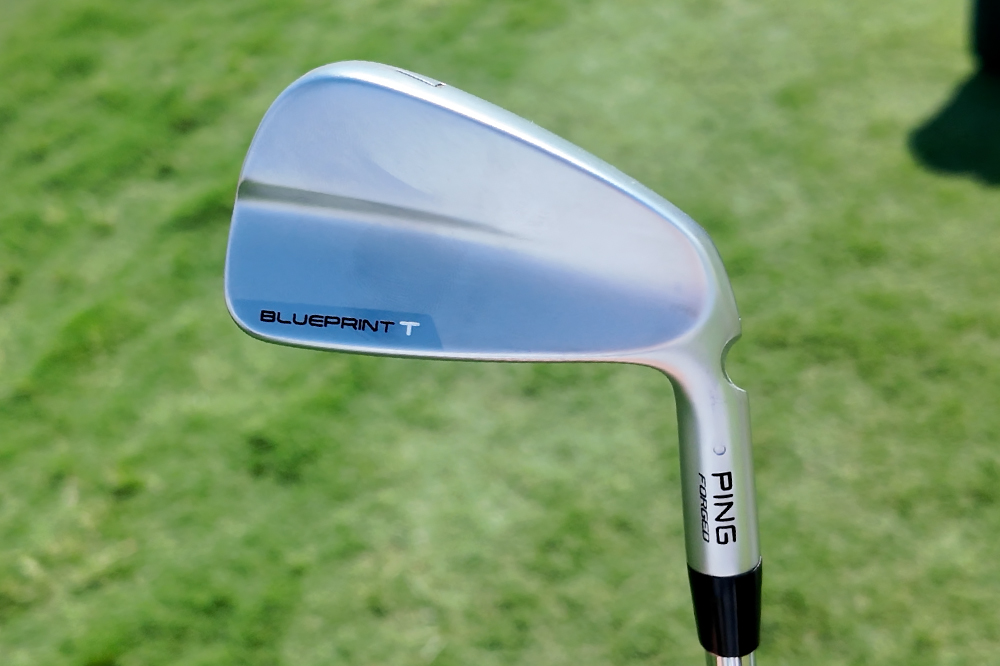
From 5- to 9-iron, Shipley plays Ping’s Blueprint T irons, of which he believes are “one of the cleanest looking blades out there.”
The model has been in his bag even before they even went to retail. What’s most interesting about his iron setup, though, is what he’s doing with the shafts.
Shipley plays Dynamic Gold X100 120 shaft, a pretty common shaft out on Tour. What he and the Ping team have begun experimenting with is soft-stepping, for a few reasons.
“Trying and get a little more, just touch, more height and spin on the ball, a little more deflection,” Shipley said on the process of changing the stiffness of a set of irons by putting the lower-numbered iron shaft throughout the set and changing the distance from the first step in the shaft to the hosel. (ie. The 8-iron shaft is put in the 9-iron and so forth.)
Essentially, the shift makes the shaft slightly weaker by cutting more off the butt end of the club. The change aligns with the ball swap, with Shipley’s freedom now to launch the ball higher with loft without it overspinning. Shipley has also done the same to his i240 4-iron.
No need to de-loft
Shipley plays some of the lowest-lofted clubs out on the PGA Tour. His older Ping G440 LST has just 6.8 degrees of loft – yes, you read that correctly!
Now with the ability to add more loft, thanks to the golf ball change, Shipley’s current driver is at 7.6 degrees. The 9-degree LST head is cranked down on Big Minus on the Ping adapter hosel.
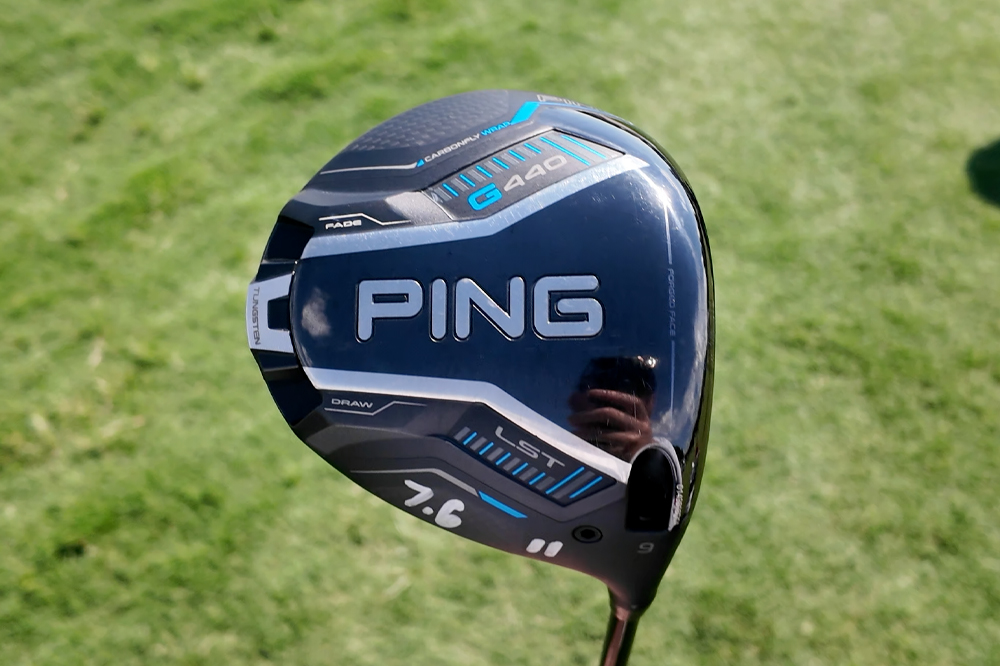
It’s still a stout build, however, as Shipley plays a Fujikura Ventus TR 7x that has been tipped at 2 inches. He also uses the heaviest high-density tungsten back weight available at 35 grams.
More than just the stamps
Shipley was the first to admit that he enjoyed his food while in college. But since his days at Ohio State, he’s slimmed down and earned a PGA Tour Card.
That hasn’t stopped him from having fun with his wedge stampings, though it’s led to some misunderstandings.
On the 54 (degree), we have ‘Big Fudge,'” Shipley said. “It was supposed to be ‘Big Fridge,’ so this happened a little while ago. ‘Big Fridge’ was a nickname between my college teammates and I, with ‘fridge’ meaning stomach, a big stomach.
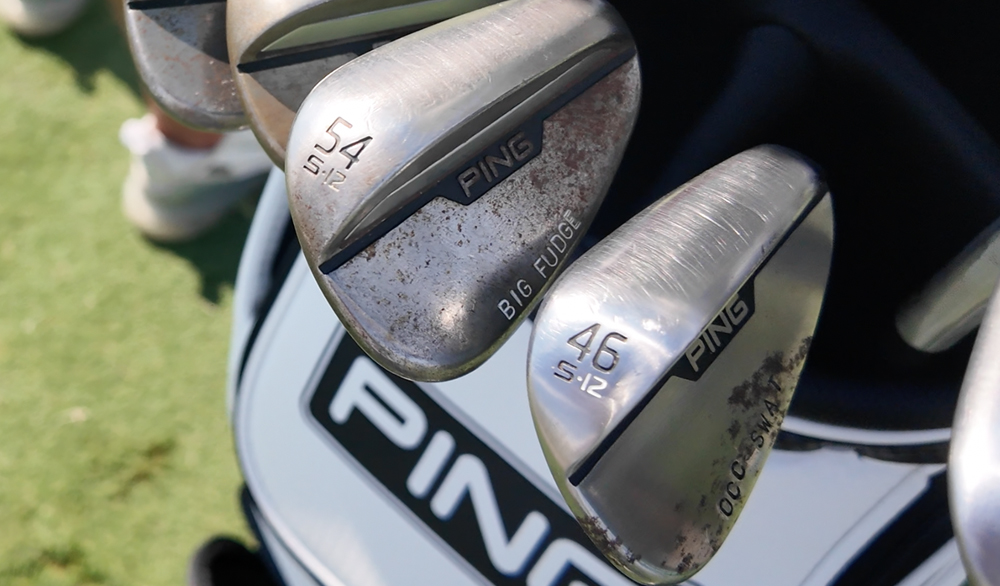
“We told the Ping guys to put … ‘Big Fridge’ on it, and I think maybe some bad cell service or something, and they thought I said ‘fudge,’ so they put fudge on it.”
On Shipley’s 50-degree he also continues the food theme, this time with his go-to order at the “Golden Arches,” and his stamping “DONS 7.”
“The number 7 meal, the two cheeseburger meal, that was my McDonald’s order, back when I would have McDonald’s frequently,” Shipley shared.
There’s more to just the stamping. He’s stuck with the S159 wedges since graduating from the Korn Ferry Tour, as he feels confident in the head shape.
“I prefer the shape a little bit more of the leading edge, not as rounded of a leading edge, a little bit more straight on,” Shipley added.
The added confidence helps him with adapting to the different grinds needed week-in-week-out on Tour. Shipley is happy to game three different grinds with his lob-wedge.
“Primarily use the T, the H, and then I’ll do a 58S,” Shipley said. “These are actually at 59 degrees. I’ll do the 58 strengthen to take a little bit of bounce off in the S grind and then we’ll shave some trail edge and heel edge relief. Just helps act as like a higher bounce essentially. So kind of stick with those most of the time.”
Heavier the better
The final piece to Shipley’s puzzle is his custom Ping PLD Anser 4D. It’s somewhat of a gentle giant, featuring a heavier-than-usual head, but a custom aluminium insert.
“It’s a little bit heavier, I think this one’s 355 to 360 grams, so a little bit heavier head,” Shipley said. “So the heavier head I feel like has helped me on some of the shorter putts with a little bit of stability.
“But the insert, I think, has been helpful in some of the longer putts. Just kind of slowing the ball down with the softer insert in the grooves.”

Shipley’s one of the few players left on Tour playing an actual Anser blade, having said in the past that he naturally sets up to the right on putts and allows the face to rotate through. Something which he hasn’t been able to mimic with a mallet.
Shipley’s full bag:
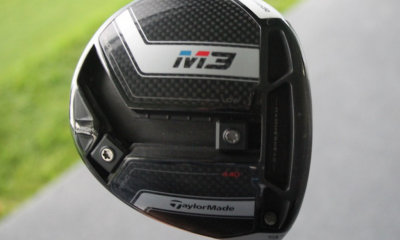
Driver: Ping G440 LST (9 degrees @ 7.6)
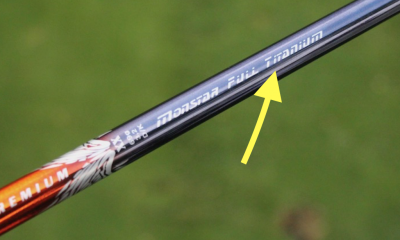
Shaft: Fujikura Ventus TR Black 7X (45 inches, tipped 2 inches)
Mini driver: Ping prototype
Shaft: Fujikura Ventus TR Black 8X
3-wood: Titleist TSR3 (13.5 degrees, C2 SureFit setting)
Shaft: Fujikura Ventus Black 8X
5-wood: Ping G440 Max (19 degrees)
Shaft: Fujikura Ventus Black VeloCore+ 8X
Irons: Ping iDi (3 @ 19.25), Ping i240 (4), Ping Blueprint T (6-9)
Shafts: Fujikura Ventus Black HB 10X (3), True Temper Dynamic Gold 120 X100 (4-9 soft-stepped)
Wedges: Ping s159 (46-12S, 50-10S, 54-12S, 60 T or H @ 59)
Shafts: True Temper Dynamic Gold 120 X100 (46-50), True Temper Dynamic Gold Tour Issue S400 (54-60)
Putter: Ping PLD Anser 4D
Grips: Golf Pride ZGrip Cord
Golf Ball: Titleist Pro V1x Double Dot

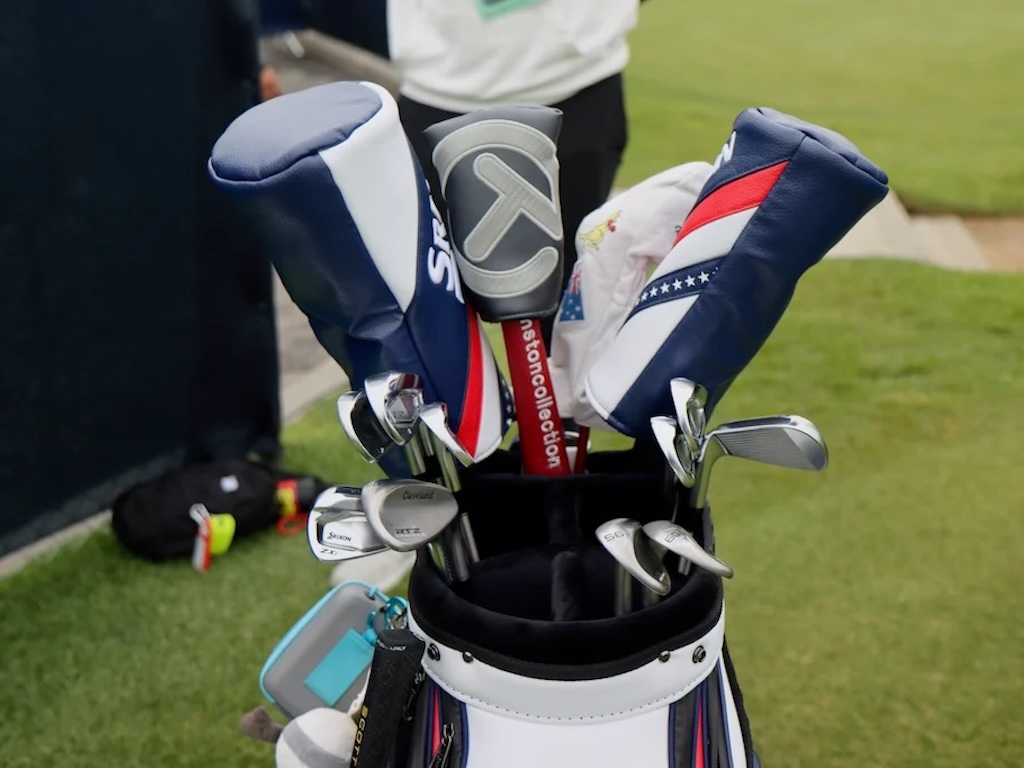
Driver: Titleist GTS3 (10 degrees, D4 SureFit setting)
Shaft: Mitsubishi Chemical Diamana RB 53 S

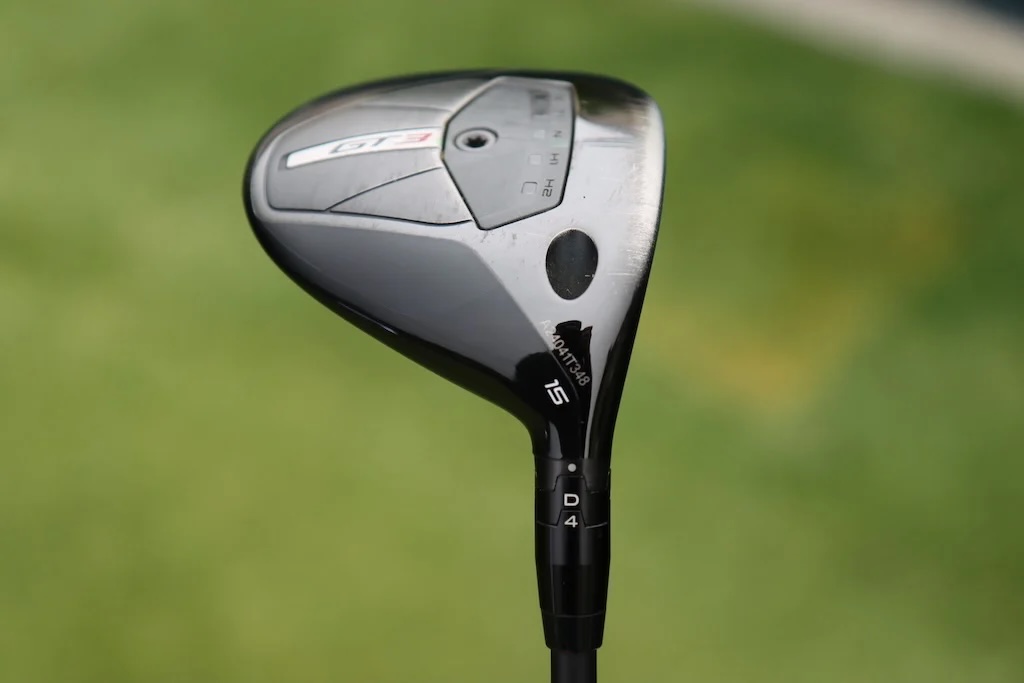
3-wood: Titleist GT3 (15 degrees, D4 SureFit setting)
Shaft: Mitsubishi Chemical Diamana RB 63 S
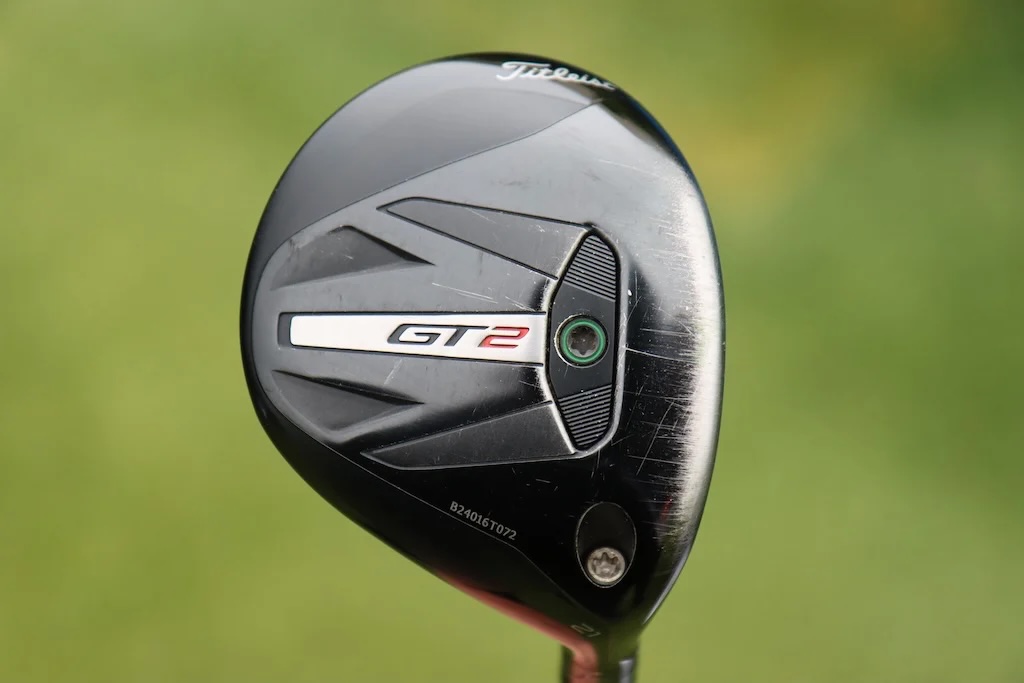
7-wood: Titleist GT2 (21 degrees, C1 SureFit setting)
Shaft: Graphite Designs Tour AD DI-6 SR
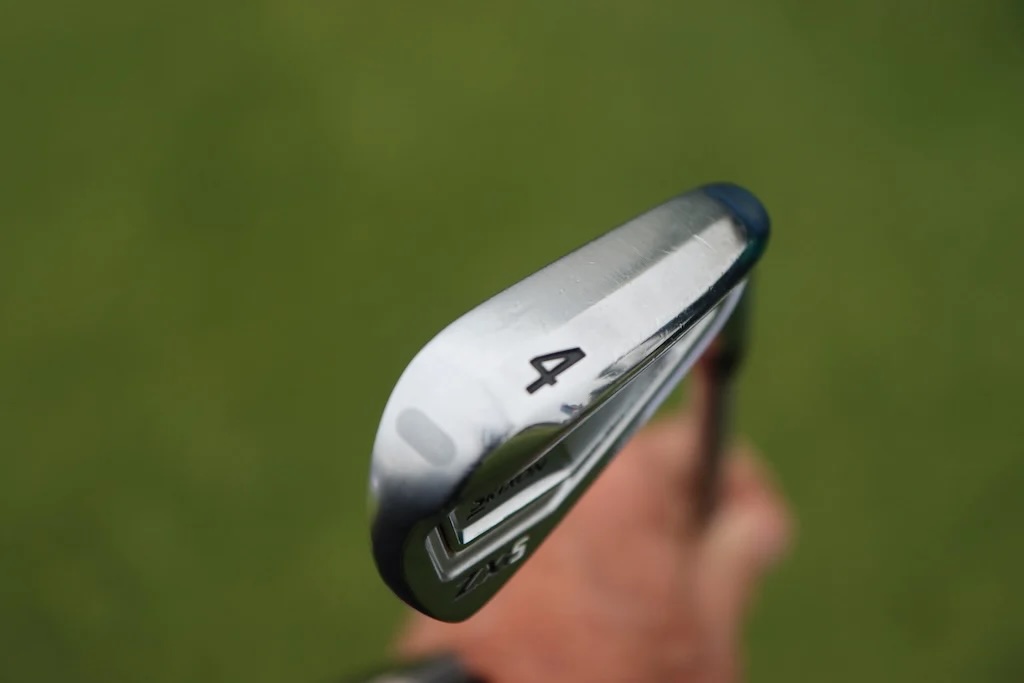
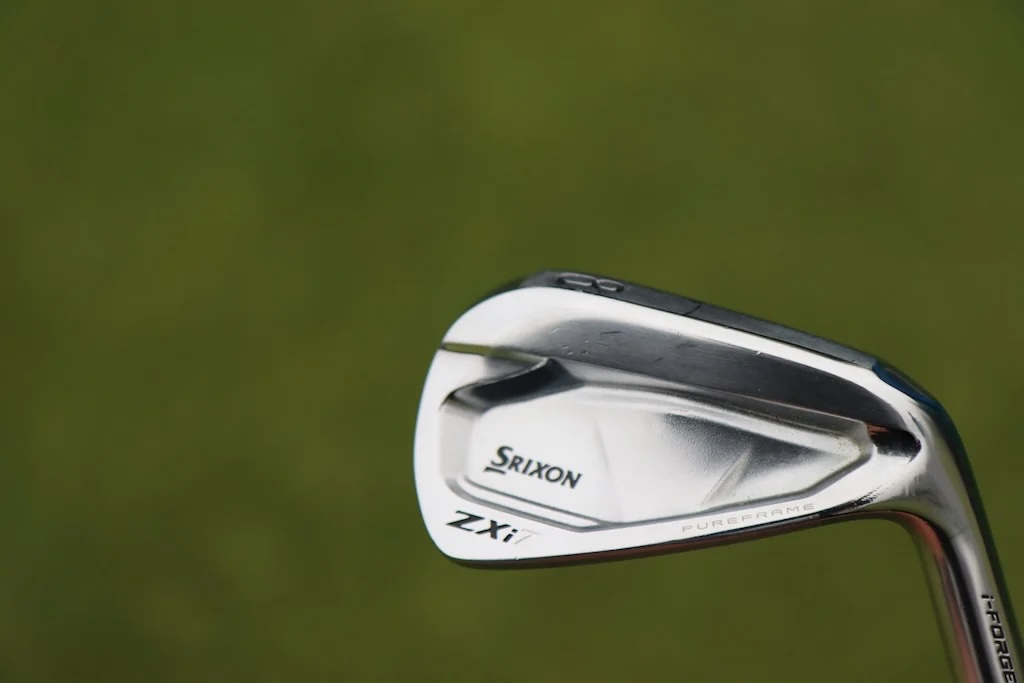
Irons: Srixon ZXi5 (4), ZXi7 (5-PW)
Shafts: True Temper Steelfiber i80 CW
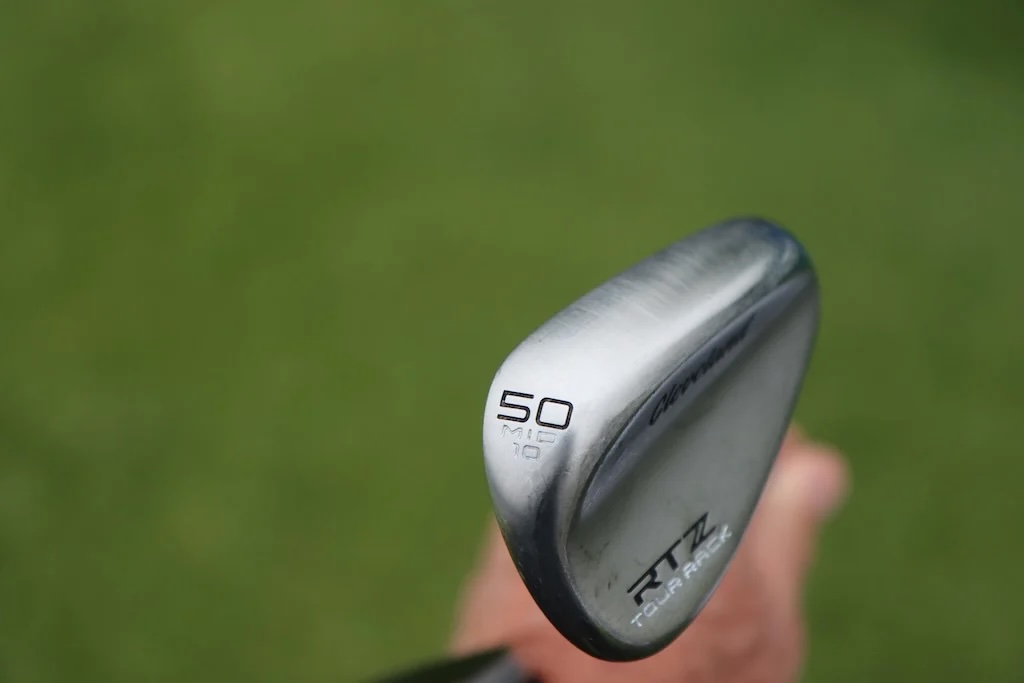
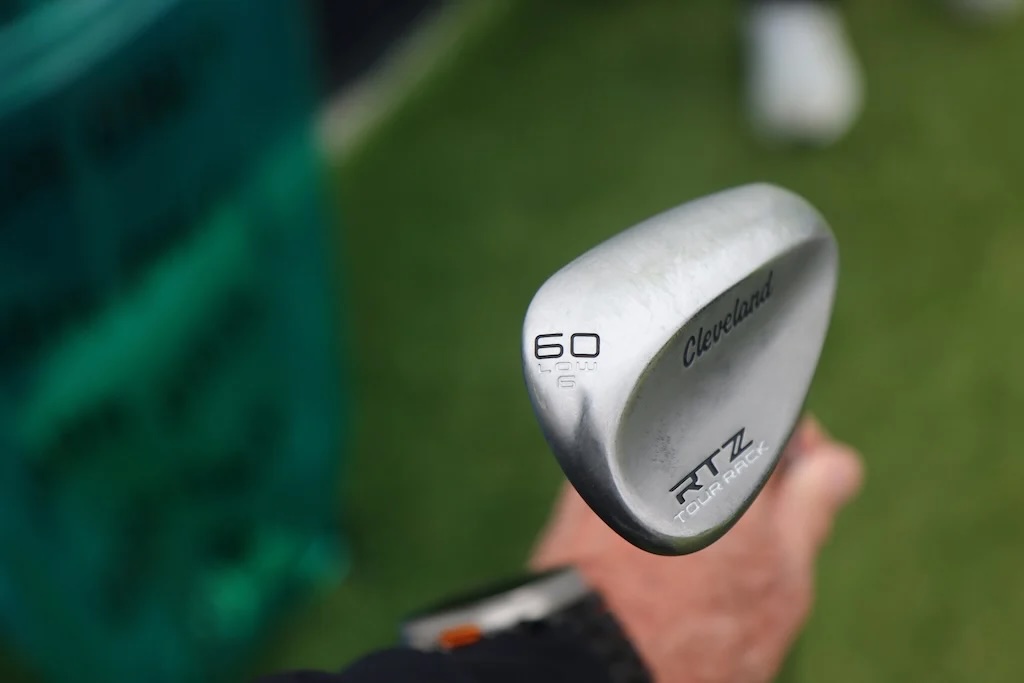
Wedges: Cleveland RTZ Tour Rack (50 MID-10, 56 MID-10, 60 LOW-06)
Shafts: Nippon N.S. Pro 980GH D.S.T. R
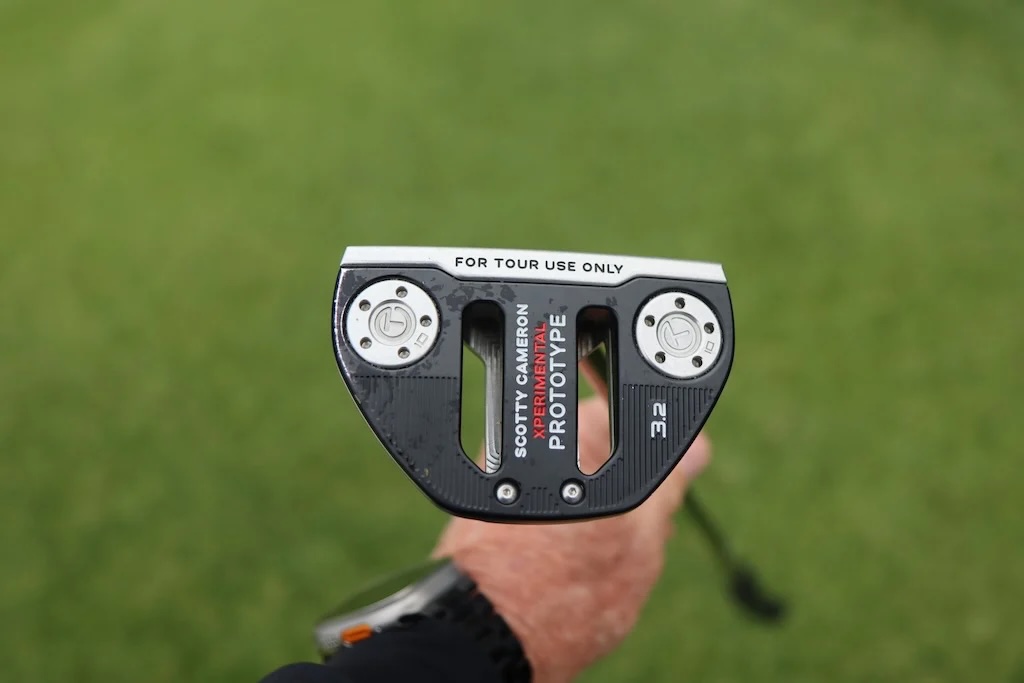
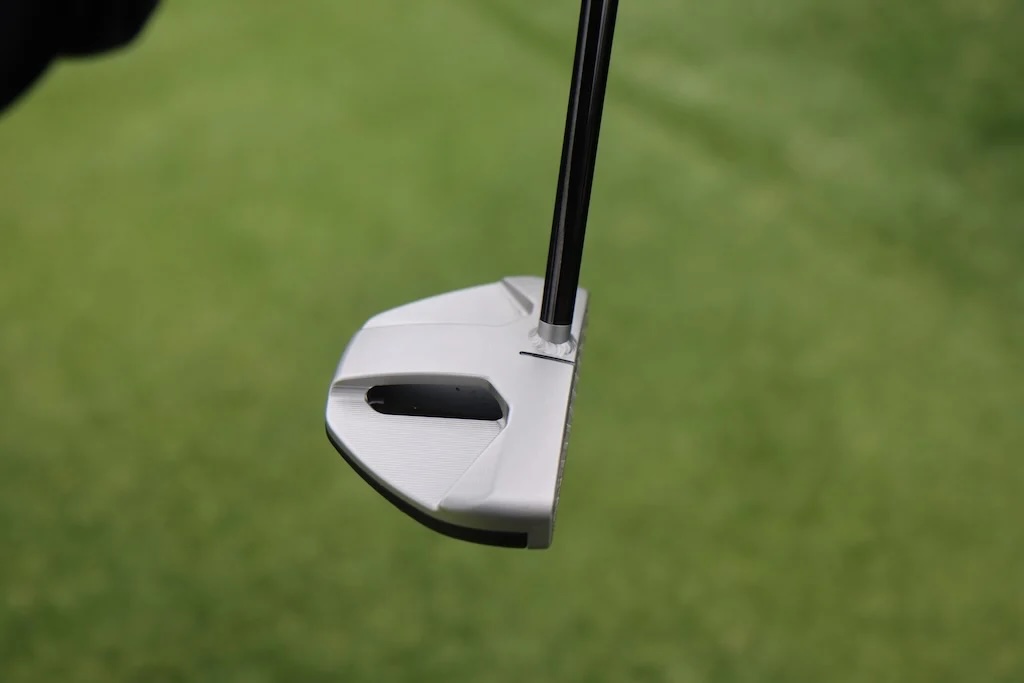
Putter: Scotty Cameron Xperimental 3.2 Prototype
Grips: Golf Pride Z-Grip Cord
Ball: Srixon Z-Star Diamond
At GolfWRX, we are a community of like-minded individuals who all experience and express our enjoyment of the game in many ways.
It’s that sense of community that drives day-to-day interactions in the forums on topics that range from best driver to what marker you use to mark your ball. It even allows us to share another thing we all love – buying and selling equipment.
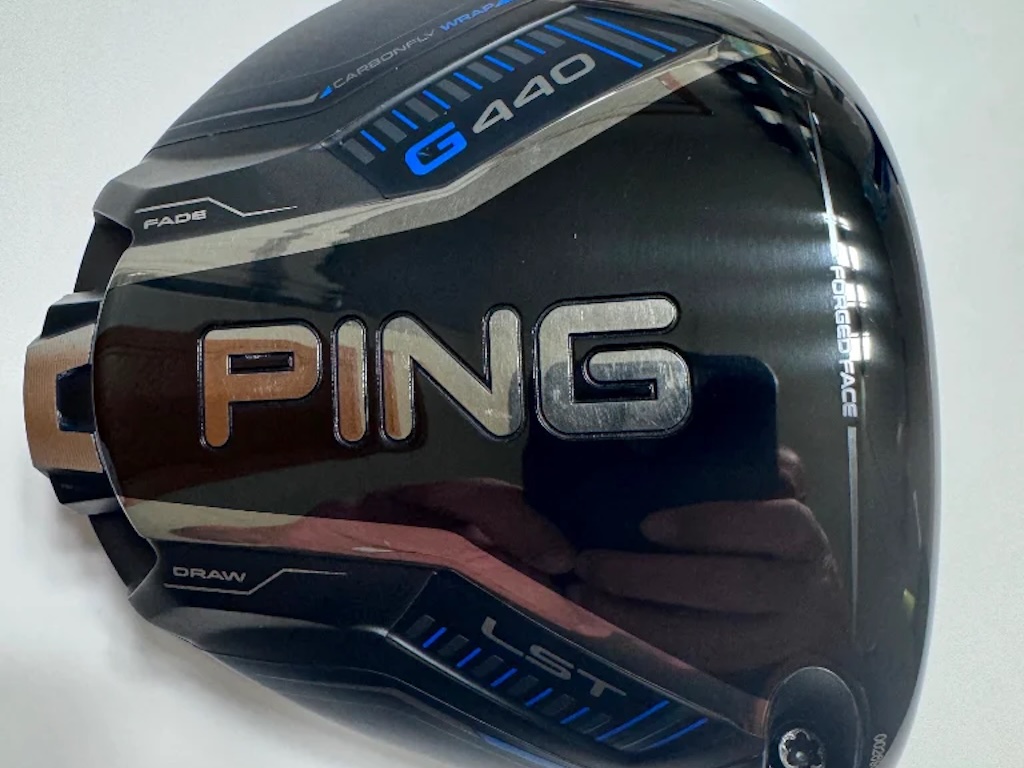
Currently, in our GolfWRX buy/sell/trade (BST) forum, @Slinger24 is selling a tour-issued Ping G440 LST driver head. The item, verified by the club maker, has nine degrees of loft.
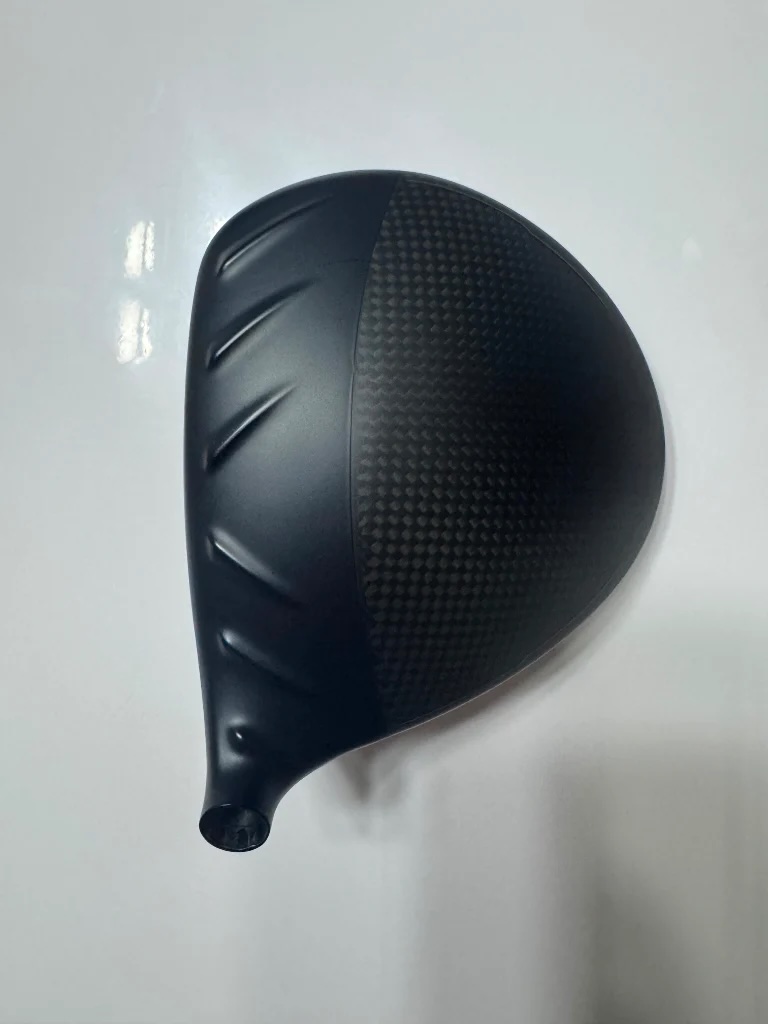
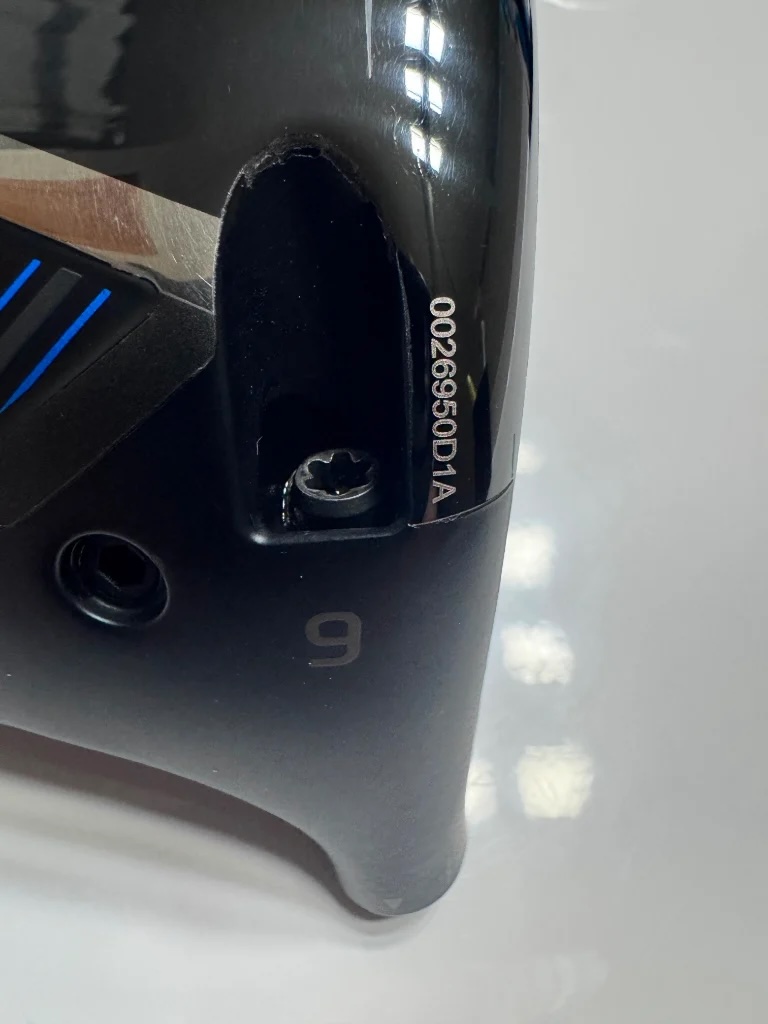
From the listing:
First up is a tour issue PING G440 LST 9 degree head. Head-cover included. Has been verified by PING with the serial number and you can see the spec sheet from PING as well. This thing is an absolute spin killer. I just can’t hit it high enough. Asking $380 shipped in the lower 48 UPS for the head.
To check out the full listing in our BST forum, head through the link. If you are curious about the rules to participate in the BST Forum, you can learn more here: GolfWRX BST Rules.

Justin Rose WITB 2026 (April): Full WITB breakdown with new McLaren irons

What’s the story behind Webb Simpson’s custom-stamped irons?

Cadillac Championship Tour Report: Spieth’s sizable changes, McLaren Golf launches, and more

Memorial Tournament Tour Report: Rory McIlroy, Cameron Young switch up drivers, and more

Russell Henley’s winning WITB: 2026 Charles Schwab Challenge

Kristoffer Reitan’s winning WITB: 2026 Truist Championship

Aaron Rai’s winning WITB: 2026 PGA Championship

Cameron Young’s winning WITB: 2026 Cadillac Championship

J.T. Poston’s winning WITB: 2026 Memorial Tournament

Details on Jason Day’s latest prototype Avoda iron setup

Hannah Green WITB 2026 (June)
Driver: Titleist GTS3 (10 degrees, D4 SureFit setting) Shaft: Mitsubishi Chemical Diamana RB 53 S 3-wood: Titleist GT3 (15 degrees,...

Asterisk Talley WITB 2026 (June)
Driver: TaylorMade Qi4D (9 degrees) Shaft: Fujikura Ventus Blue 6 S 3-wood: TaylorMade Qi4D (16.5 degrees) Shaft: Fujikura Ventus Blue...

Brianna Do WITB 2026 (June)
Driver: Callaway Quantum Triple Diamond (9 degrees) Shaft: KBS PGW 3-wood: Callaway Elyte Titanium (15 degrees) Shaft: KBS PGW 5-wood:...

Athena Singh WITB 2026 (June)
Driver: TaylorMade Qi4D (10.5 Degrees) Shaft: Fujikura Ventus Blue 6 S 3-wood: TaylorMade Qi10 Max (16 Degrees) Shaft: Fujikura Ventus Red 6...
-
 Equipment5 days ago
Memorial Tournament Tour Report: Rory McIlroy, Cameron Young switch up drivers, and more
-
 News1 week ago
Russell Henley’s winning WITB: 2026 Charles Schwab Challenge
-
 Whats in the Bag2 days ago
J.T. Poston’s winning WITB: 2026 Memorial Tournament
-
 Equipment7 days ago
Details on Jason Day’s latest prototype Avoda iron setup
-

 Equipment2 days ago
Best irons 2026: Best irons overall, most forgiving irons, and more
-

 Equipment3 weeks ago
CJ Cup Byron Nelson Tour Report: Koepka and Kim’s newest putters finally get hot
-
 News2 weeks ago
Charles Schwab Challenge Tour Report: MacIntyre, Åberg and Spaun all switch putters, TaylorMade launches new Spider
-
 Equipment2 weeks ago
Details on J.J. Spaun’s surprise putter switch


Rich
Sep 2, 2016 at 3:23 am
Link to forum thread doesn’t work for me. Keeps saying error and that I don’t have permission to view that thread and I’m logged in. Please fix it.
Mark
Aug 30, 2016 at 9:49 pm
How can a company that makes such gorgeous irons constantly get their woods so wrong? They look bling and Cobra ish and not in a good way. No wonder our local stockists stick to irons and wedges only.
Dave R
Aug 29, 2016 at 8:35 pm
Mizuno are probably the best iron I have played, been a ping guy for years but switched this year and not looking back. Still play the g25 woods though hard to get rid of them.
Jeff
Aug 29, 2016 at 5:45 pm
For $1200 the JPX 900 better go 325 yards right down the middle every time.
Sm
Aug 30, 2016 at 1:56 pm
You must be an eejit
Bigboy
Aug 29, 2016 at 5:08 pm
Stick to irons Mizuno.
DevilDog18
Aug 29, 2016 at 11:46 pm
Why not hit it first then judge in Bigboy
Chance
Aug 29, 2016 at 5:07 pm
I loved the 850 and still do as I am gaming it. Never had the respect for Mizuno before I tried that driver. These look just as fantastic. Would love to try.
Lester Diamond
Aug 29, 2016 at 12:17 pm
$300 for a fairway wood, and $250 for a hybrid? I also see there is no price listed for the driver.
Shank.
S Mizzle
Aug 29, 2016 at 9:00 pm
Hardy har har