
Equipment
Equipment changes come full circle for Choi

By Zak Kozuchowski
GolfWRX Managing Editor
There’s a simple rule most golfers follow when making equipment changes – don’t mess with success.
And golfers certainly shouldn’t switch from a set of clubs that helped them win the biggest tournament of their lives – at least not for a while. But that’s exactly what K.J. Choi, winner of The Players Championship last year, has done in 2012.
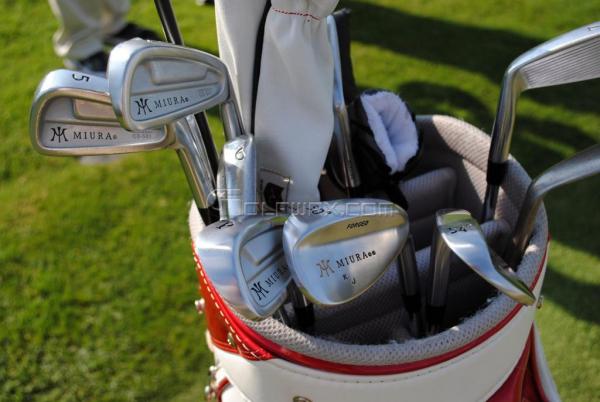
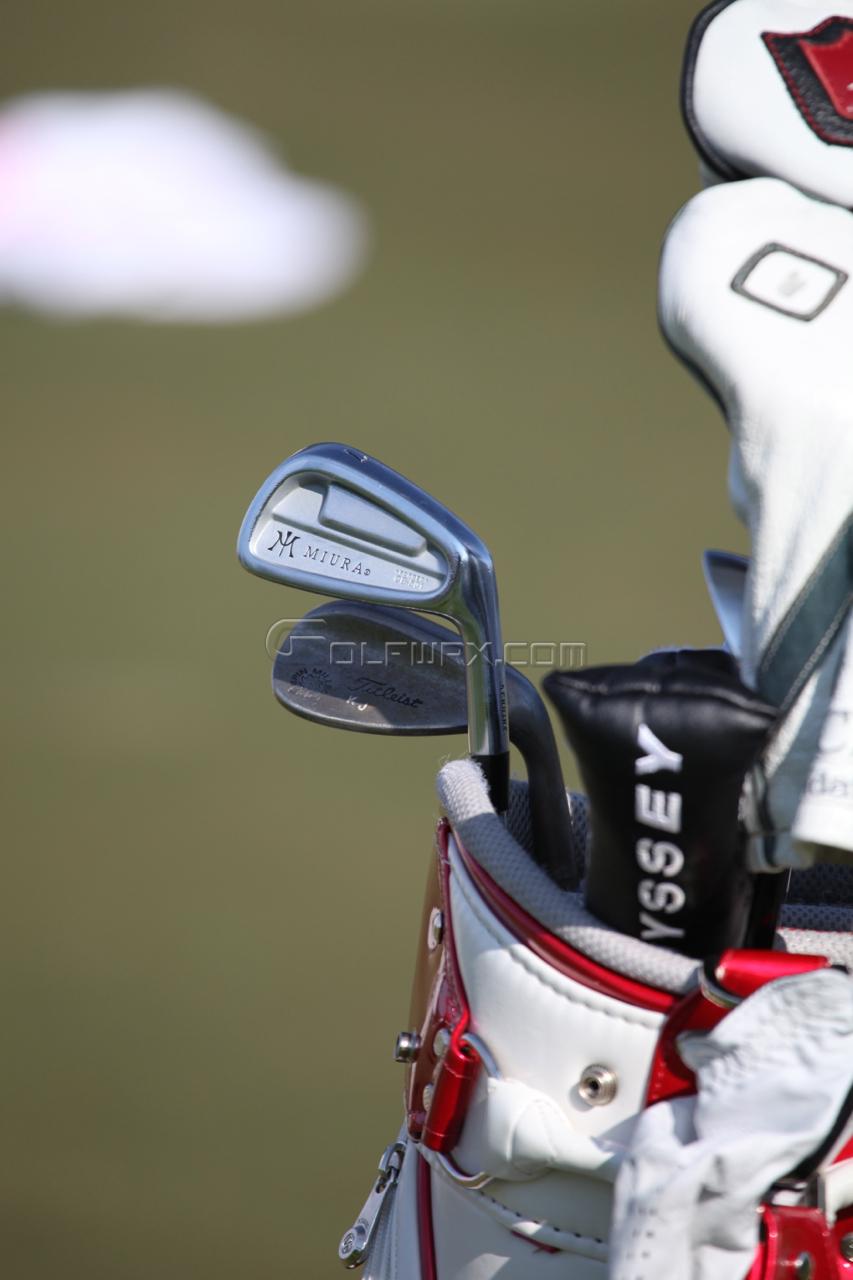
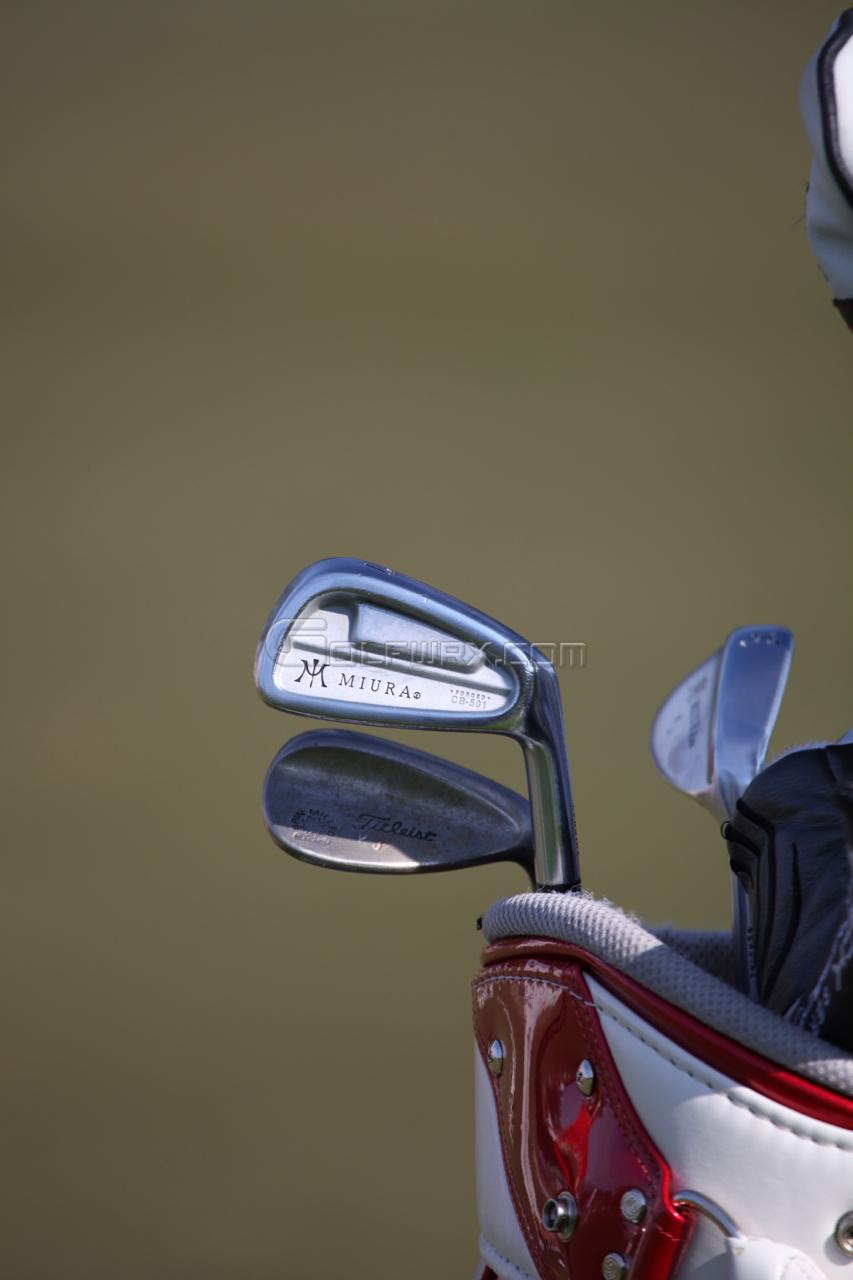
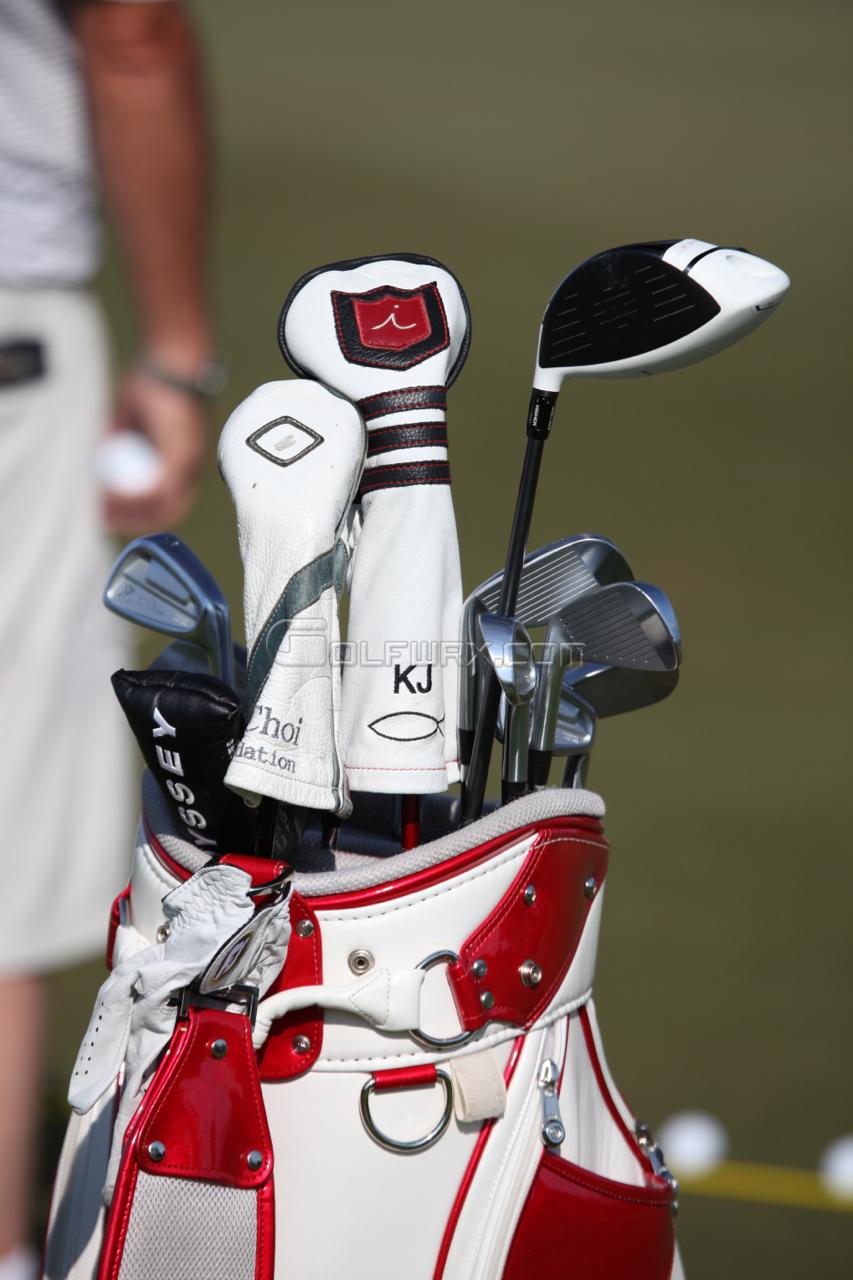
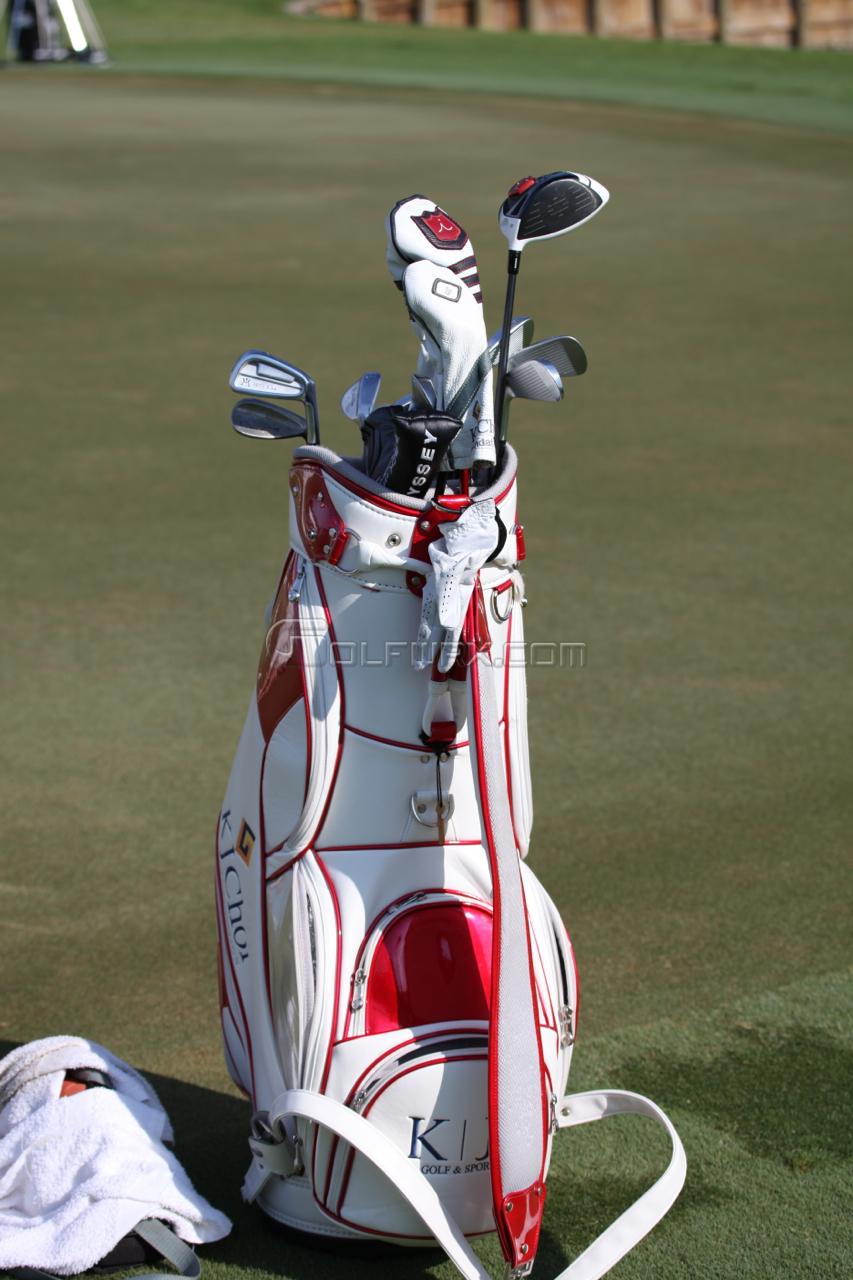
In early March, Choi put away the set of Miura CB-501 irons that he used in his victory at the TPC Sawgrass Stadium Course for a set of Cleveland 588 CB Forged irons. Just a few weeks later he sampled another manufacturer’s clubs, Ping i20 irons. But as the one-year anniversary of Choi’s win approaches, he again finds himself using the same set of irons that he used last year at The Players.
Many people will jump to point out that Choi’s tinkering was unnecessary – he should have been working on his game instead of trying to catch lightning in a bottle with an equipment change, they might say. But there’s another way of thinking about equipment changes. Bill Choung of CompuGolf Center in Dallas has been working with Choi on his equipment since March 2010. Since Choung opened CompuGolf nine years ago, he has been seeking to answer a simple question,
“How does an equipment change impact the golf swing?”
He’s found that changing equipment has a very real impact on a player’s swing, especially with tempo and rhythm.
The goal of Choung’s work with Choi has been to give Choi a higher trajectory and more spin on his iron shots. Choi felt that he wasn’t hitting the ball high enough or with enough spin to control his distances at major championships – setups that generally have firm greens and tight pin positions.
There are several different ways of achieving that goal, and Choi and Choung have tried just about all of them. Choi played the 2011 Masters with a 6-iron hybrid, which gave him a higher trajectory, more forgiveness and more spin. But Choi felt that he was sacrificing workability and feel, which led to more experimenting.
Choung hit paydirt when he built Choi a set of Miura CB-501 irons just days before the 2011 Zurich Classic. To create Choi’s desired ball flight, Choung used KBS Tour parallel tip shafts, which are different than the taper tip shafts used by nearly every other PGA Tour player. Whereas taper tip shafts are precut to a specific length for a certain club (6 iron shafts are generally used in 6 iron heads), parallel tip shafts are uncut, which means that they can be trimmed to fit any iron head. This allows the club builder to trim the shafts to the exact stiffness that a player desires.
Shaft stiffness, which is measured by the frequency of a shaft, is important because according to Choung it changes the way a player loads and unloads the club during the swing. When trimming Choi’s parallel tip shafts, Choung cut more off the butt end of the shaft and less off the tip, creating a “softer” tip that allowed for a higher trajectory and more spin. Choi liked the combination of the parallel tip shafts and the Miura CB-501 head, and the results proved it. That week he put the clubs in play to finish in the top 5 at the 2011 Zurich Classic, and of course, to win The Players two weeks later.
There are at least two reasons why Choi decided to change from the iron set that brought him a $1.7 million payday and a new level of fame in the golf world. First, he received information that parallel tip shafts were not generally played on the PGA Tour, which made him interested in trying taper tip shafts. Second, he changed because he was in the process of trying out different iron heads and shaft combinations that he thought might improve on the results of the Miura set he used to win The Players.
When Choi changed to a taper tip shaft, he was forced to use a softer flex to give him the trajectory he wanted. While this resulted in the desired higher flight, he lost consistency and control.
Science or art?
Talking about Choi’s golf clubs in terms of shaft frequency, spin rate and launch angle creates the assumption that his swing is always the same. While Choi does have one of the most consistent golf swings on Tour, even he falls in and out of bad habits. That’s why it’s Choung’s belief that no matter how technically sound a golfer’s fundamentals are, the golf swing is still an organic movement.
“When [golfers] change clubs, what they are really doing is changing their swing,” Choung said. “More than anything, they are inducing a change in tempo and rhythm.”
So it’s no surprise to Choung that Choi has returned to his Miura CB-501 irons with parallel tip shafts. He was struggling during the time he was playing Cleveland and Ping irons, shooting only two rounds in the 60s during that period. Last week, when he returned to the Miuras, he shot two rounds in the 60s and finished tied for 39th. It wasn’t a huge improvement, but it was his best finish in relation to par since the Hyundai Tournament of Champions in January.
Choung said that Choi’s performance since switching back to parallel tip shafts might have improved because of the increased tip diameter of parallel tip shafts — .370 inches instead of the .355 inch tip that taper tip shafts offer. So why don’t more Tour pros opt for parallel tip shafts if they offer more stability? According to Choung, it’s because parallel tip shafts are much more labor intensive to build. Choung and his staff at CompuGolf can build a set of taper tip shafts in about 30 minutes, while it takes them about three hours to build a set of parallel tip shafts.
A lot of independent club builders and even Tour vans can’t justify spending extra time to create frequency-matched sets either, but Choung’s research has shown the value in it. Because of the chaotic nature of the shaft industry, where one industry’s stiff flex is another’s x-flex, Choung places huge value in frequency matching, which streamlines the frequency throughout the set. For example, Choi’s driver shaft frequency, the base measurement Choung uses to find the frequencies for the rest of his clubs, is 271. As shaft length decrease, however, frequency must increase to match. Choung and his team did testing of exactly how many cycles frequency should increase as the shaft shortens .5 inches, and their researched concluded that four cycles is best. That’s why Choi’s 4 iron, which measures 38.5 inches, has a frequency of 314, while his 60 degree wedge, which measures 34.5 inches, has a frequency of 334.
So what does all this mean for the average golfer? Even if you don’t swing like Choi, Choung said that there is still good reason to go through a verifiable fitting process, especially processes like his that have an improvement guarantee.
“A lot of golfers come to me and they say I’m hitting my driver well, but can’t hit my irons,” Choung said. “Or they say that they’re hitting their irons well and can’t hit their driver. Often there’s a total mismatch between the driver and the irons. They’ve adapted their swings to either the driver or the irons.”
If you still can’t be swayed to go through a custom-fitting process, Choung has this advice for you. The club that you liked demoing so much – buy it. But don’t order it. Buy that exact club. Because chances are, the one you order will be slightly different.
Click here for more discussion in the “Clubmaking” forum.







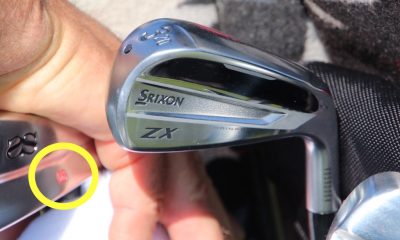


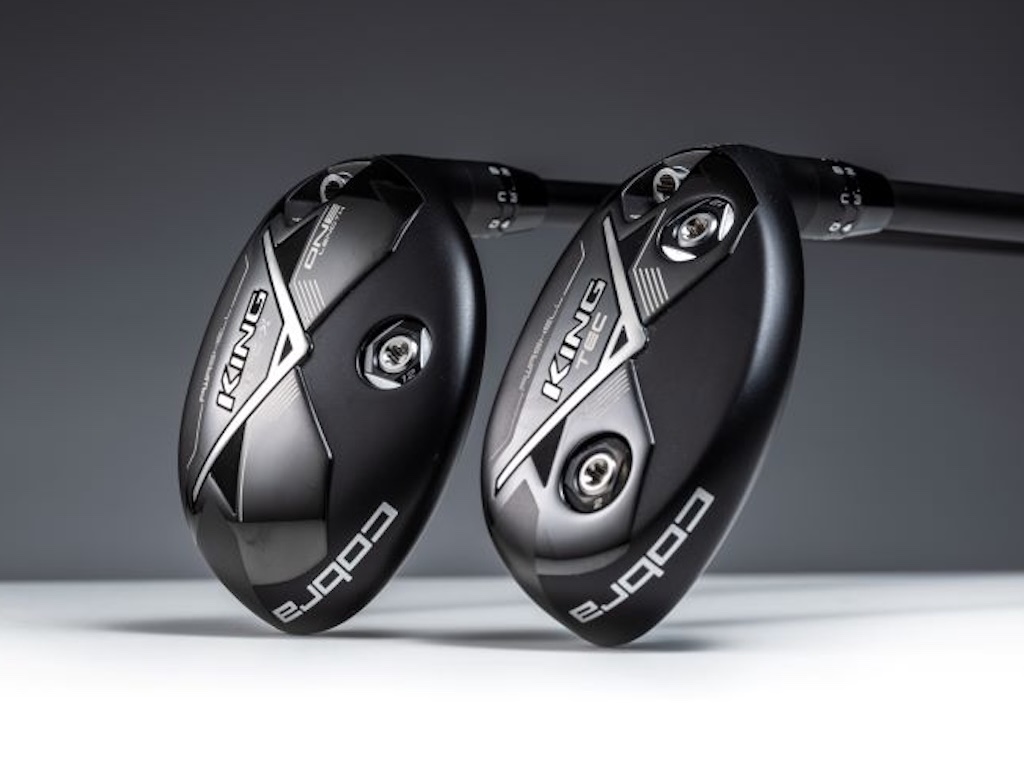
In our forums, users are talking about top of bag setups that are non-traditional or thought-provoking in some way. Original poster @SuperSpurs106 inquired about other members who might use unorthodox set-ups to help with gapping issues or weak spots.
They wrote:
“I currently have a PING G430 driver, TM Qi35 3W and a TM Qi4D 7W. Driver and 7W are fine but can’t get on with my 3W and have always struggling with this club over the years. Thinking of adding a 2H which I know would look odd. Just wondering if anyone else had a weird set up at the top of their bag?”
Our members in the forum have offered up their thoughts and personal experiences with non-traditional top of bag set-ups, and their reasoning for thinking outside of the box to begin with. Here are a few posts from the thread, but make sure to check out the entire discussion and have your say at the link below.
- BowMain42: “Don’t worry about what “looks” odd. If the club does what you need it to do, it’s the right club.”
- scooterhd2: “I cant hit 3 woods either. Thats why I roll with a unicorn XL Hibore 2 wood. 400 cc head at 16 degrees of loft and its just a monster 3 wood off the tee. Off the deck, we are playing the f6 baffler. 5 wood at 41.75 inches and its easy to control.”
- phizzy30: “I had driver, 3 metal, 2/4 hybrid once upon a time as a higher ss player. 4 hybrid is gone and in place is a driving iron nowadays. I don’t think what you’re proposing is weird in anyway, however the yardage gap might be glaringly huge between driver and 2 hybrid. What is it about your 3 metal that has got you all messed up? You could always go 4 metal with shorter shaft and see if that works.”
Entire Thread: “Interesting clubs at top of bag”
If you aren’t a member, join us in the GolfWRX forums today!
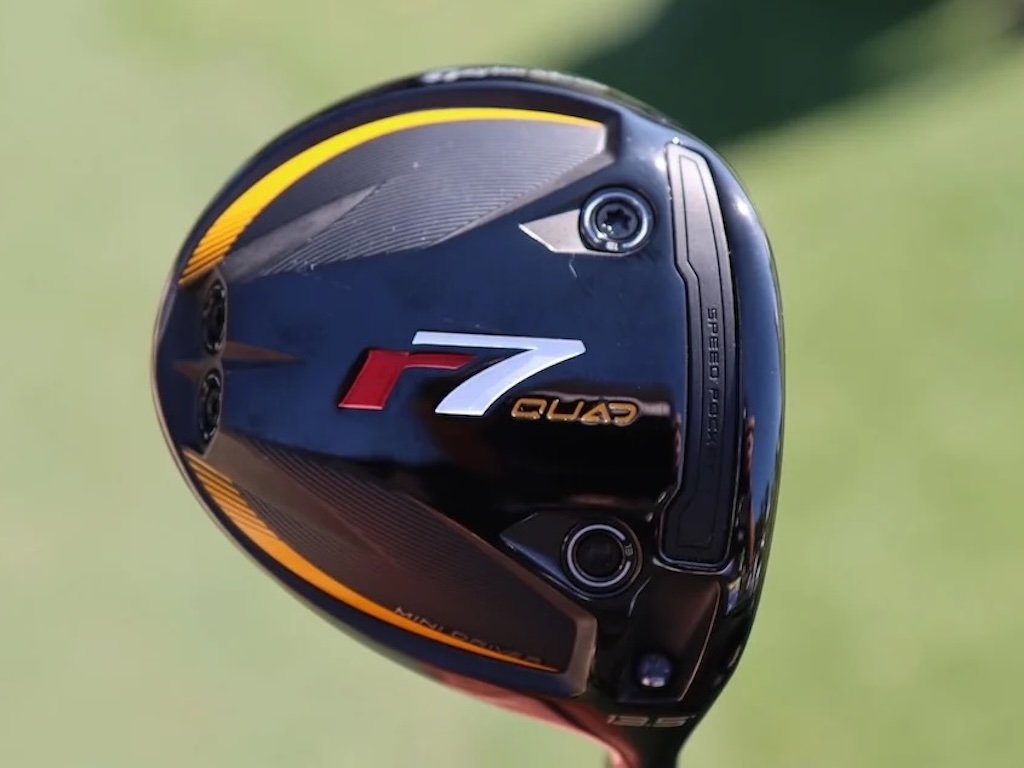
In our forums, one user has gone searching for fellow users of a mini driver. In a post, @TightFade asked for other mini driver users to chime in with their weapon of choice, the reason for employing a mini, and what club follows it in the bag.
@TightFade asked:
“What mini are you playing? What spot in the bag did it take over? What’s the next club after it? For me: Elyte mini 13.5. Replacing 3w. Next up club looks like it’ll be 5w.”
Our members in the forum have been sharing their own bag setups featuring the mini driver, and the various reasons they purchased one in the first place. Here are a few posts from the thread, but make sure to check out the entire discussion and have your say at the link below.
- RCGA: “Ping G430 Max 12* ‘Thriver.’ Next club is a 4w and 2i (I play a weird course).”
- JMB3: “R7 at 12.75 with Diamana BB 63s. 3w replacement. Next Club: Elyte Ti 5w at 17*.”
- ColdOkieGolf: “R7 15.5 turned down to 13.5 It replaces the 3w. I found it surprisingly easy to hit off the deck, and it’s very rare that I need or want to hit something beyond 250 from the fairway, so next club is my 7w.”
- ChaosTheory: “I’m sub-90 MPH with driver. But I’m able to hit DOD. I have been wanting something like the R7 15.5, so I just ordered one. I have a spot in the bag so nothing has to go. But I could see it replacing my trusty 4 wood, which I never use for approach shots. Just tee shots and lay ups. If I drop the 4 wood, I will turn my 7 wood down to ~20 degrees and will have good gaps. I recently tried a thriver build: 12 degree driver turned to 14, with a heavier 44 inch shaft and added head weight. I hit it great. Very accurate and not overly high, but the problem was that it sometimes went as far as a typical drive. And that’s not what I needed. So I will probably turn the 15.5 up to 16.5 or even 17.5. It’s all theoretical at this point. ?”
Entire Thread: “Members of the Mini Driver Club…Check In.”
If you aren’t a member, join us in the GolfWRX forums today!

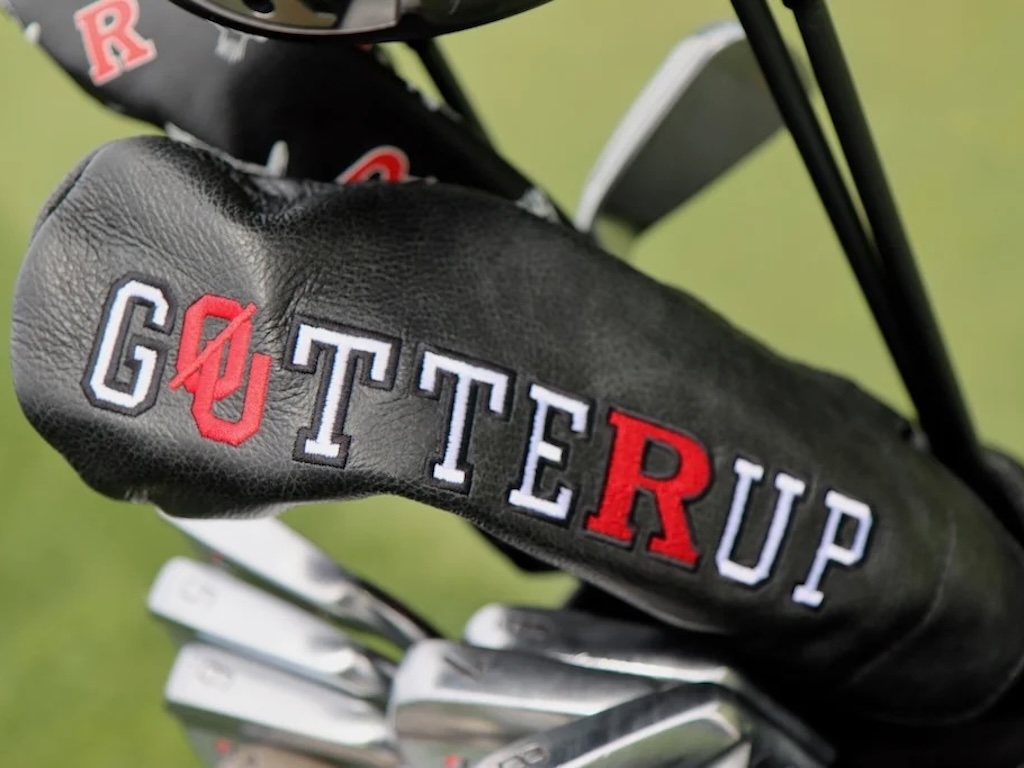
- Chris Gotterup had >14 clubs in his bag when photographed prior to the Memorial Tournament.
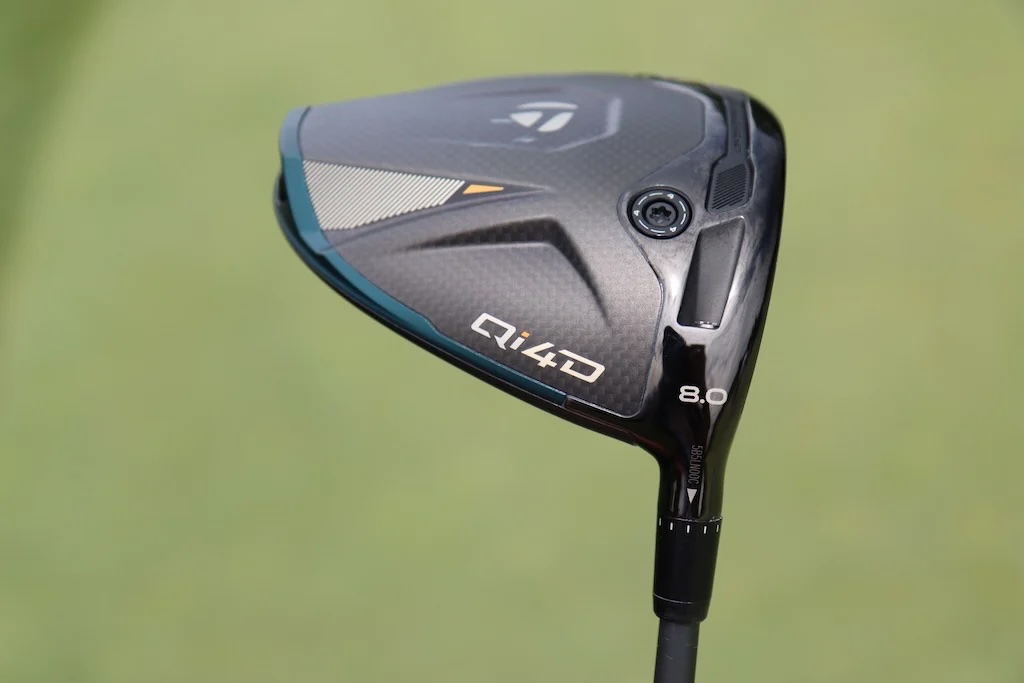
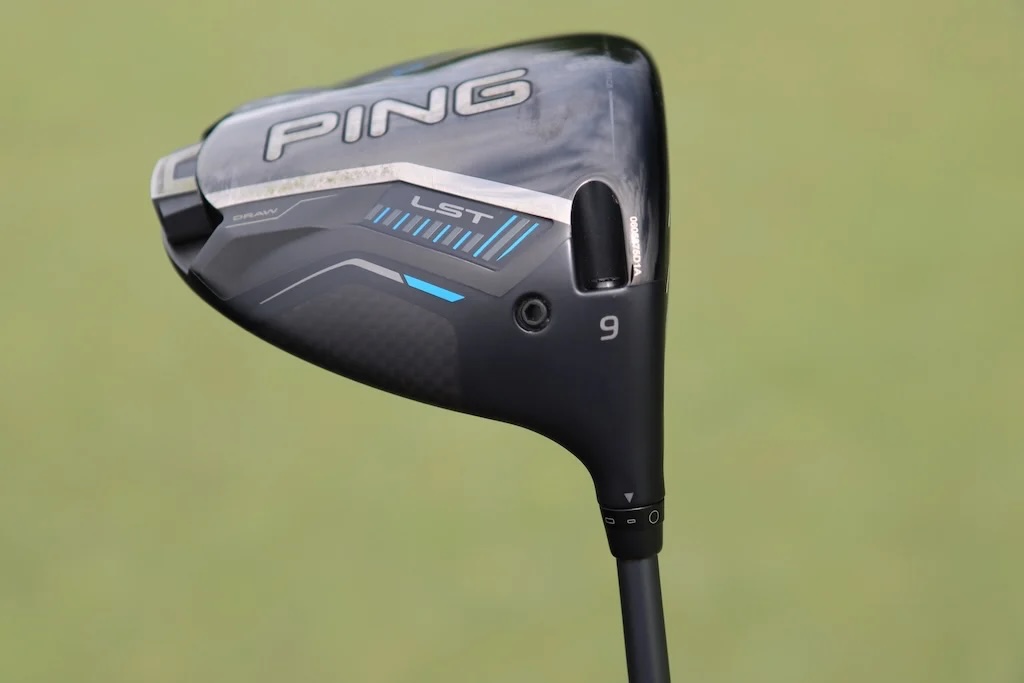
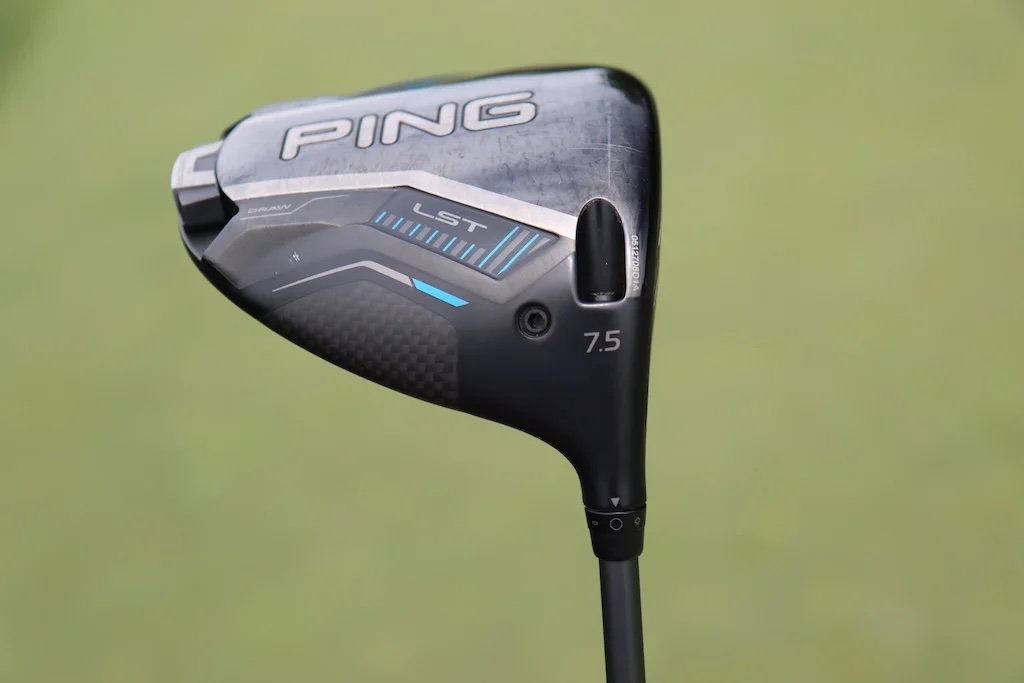
Drivers: TaylorMade Qi4D (8 degrees), Ping G440 LST (9 degrees @8), Ping G440 LST (7.5 degrees)
Shafts: Project X HZRDUS Smoke Grey 6.5 TX 70 g, Project X HZRDUS T1100 Handcrafted 6.5 TX 70 g, Project X HZRDUS Smoke Grey 6.5 TX 70 g
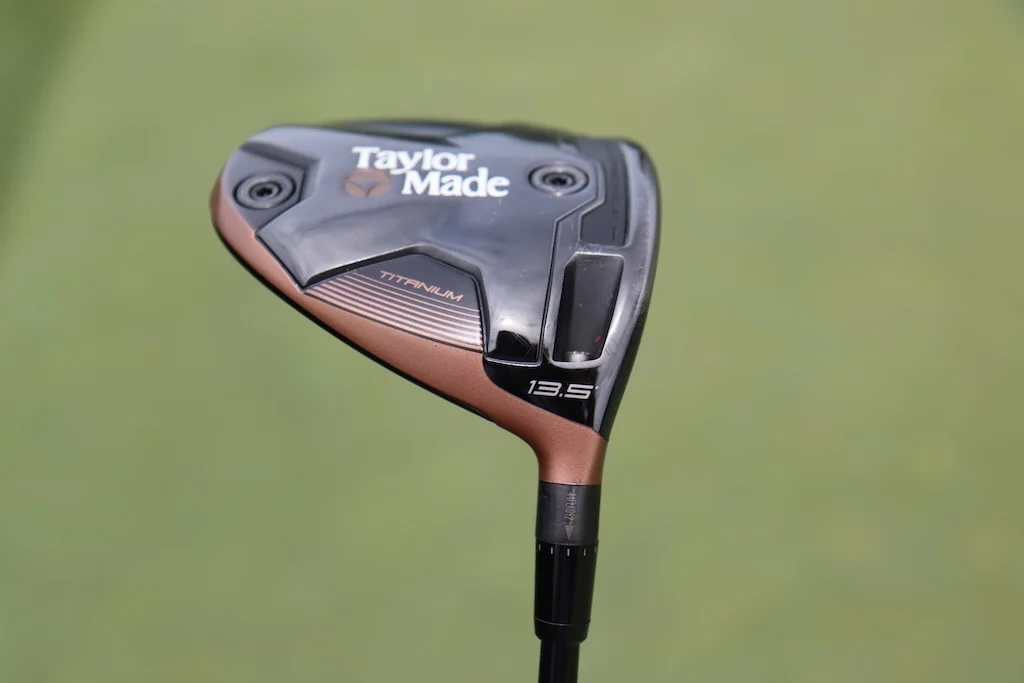
Mini driver: TaylorMade BRNR (13.5 degrees)
Shaft: Project X HZRDUS Black TX 80 g
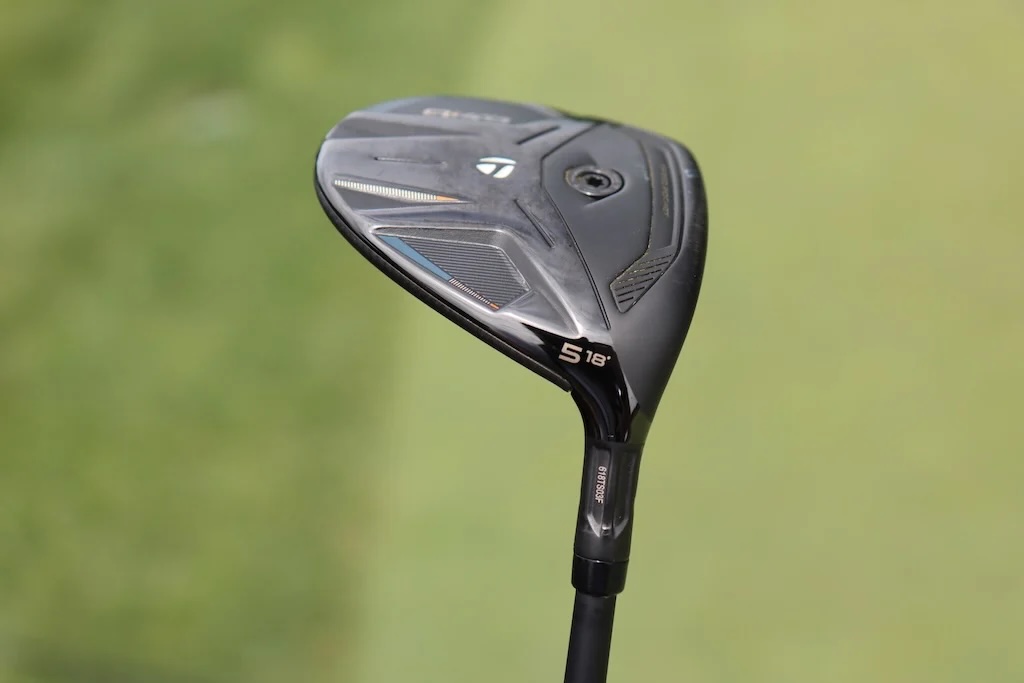
5-wood: TaylorMade Qi4D (18 degrees)
Shaft: Mitsubishi Chemical Diamana WB Wood Shaft 83 TX
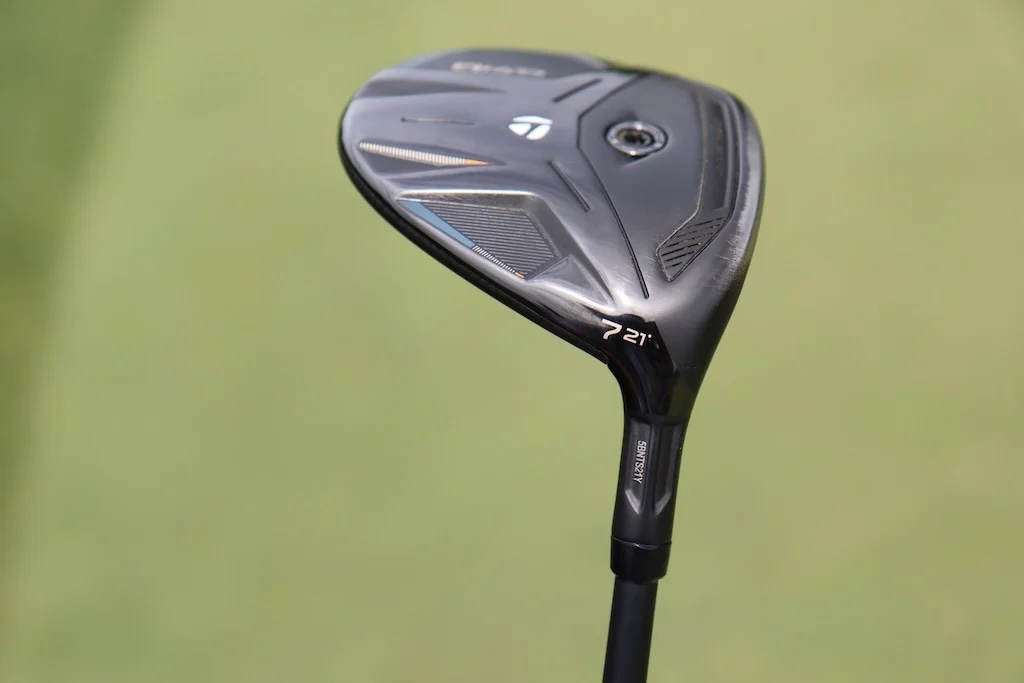
7-wood: TaylorMade Qi4D (21 degrees)
Shaft: Mitsubishi Diamana WB Wood Shaft 83 TX
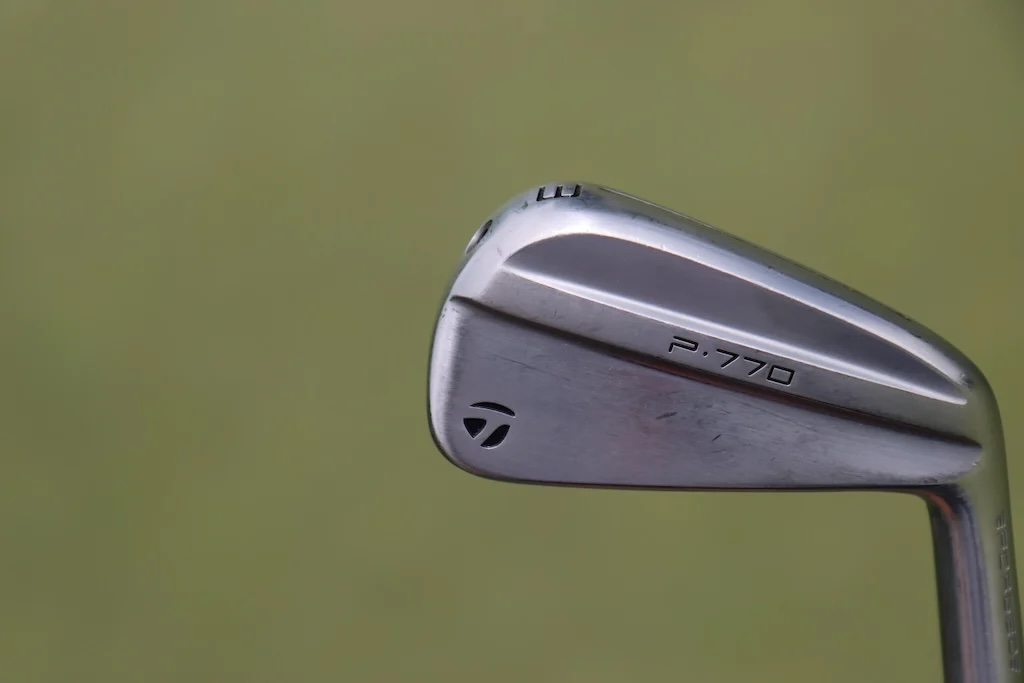
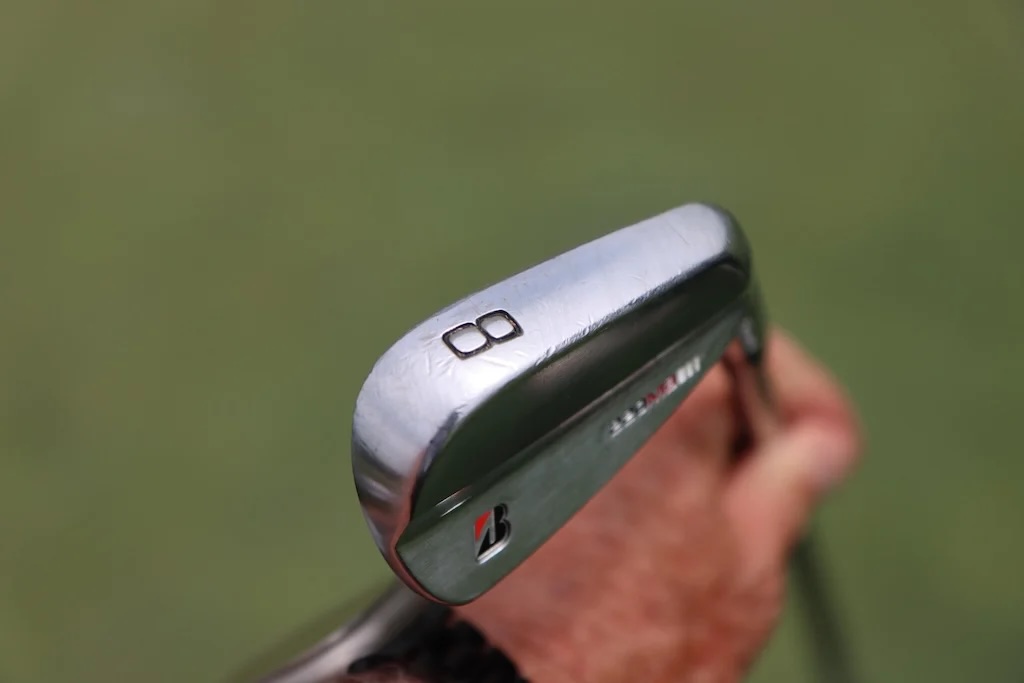
Irons: TaylorMade P770 (3), Bridgestone Tour B 220 MB (4-9)
Shafts: KBS C-Taper 130 X
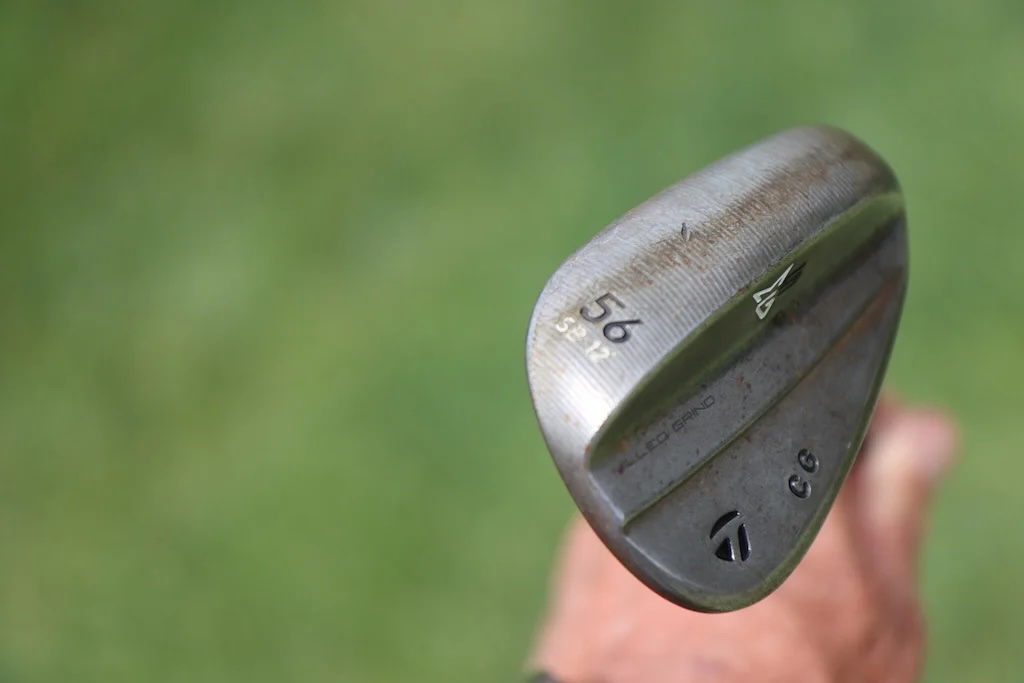
Wedges: TaylorMade MG5 (46, 52, 56, 60)
Shafts: KBS C-Taper 130 X, True Temper Dynamic Gold Tour Issue X100
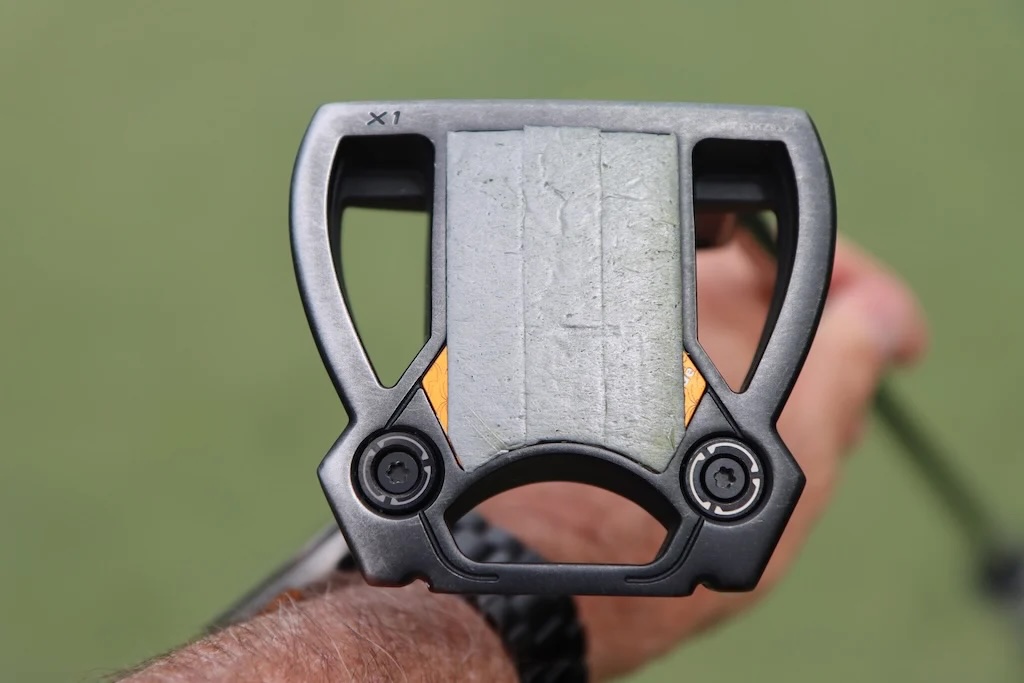
Putter: TaylorMade Spider X Tour
Grip: SuperStroke Zenergy Pistol 2.0
Grips: Golf Pride Z Grip Cord
Ball: Bridgestone Tour B X Mindset
Check out more in-hand photos of Chris Gotterup’s clubs here.

Justin Rose WITB 2026 (April): Full WITB breakdown with new McLaren irons

What’s the story behind Webb Simpson’s custom-stamped irons?

Cadillac Championship Tour Report: Spieth’s sizable changes, McLaren Golf launches, and more

Kristoffer Reitan’s winning WITB: 2026 Truist Championship

Russell Henley’s winning WITB: 2026 Charles Schwab Challenge

Cameron Young’s winning WITB: 2026 Cadillac Championship

Aaron Rai’s winning WITB: 2026 PGA Championship

Nelly Korda WITB 2026 (April)

Justin Rose on the switch to McLaren Golf, learnings from previous equipment moves

Photos from the 2026 CJ Cup Byron Nelson


Chris Gotterup WITB 2026 (June)
Chris Gotterup had >14 clubs in his bag when photographed prior to the Memorial Tournament. Drivers: TaylorMade Qi4D (8 degrees), Ping...


Jason Day WITB 2026 (June)
Jason Day had >14 clubs in his bag when photographed prior to the Memorial Tournament. Driver: Ping G430 LST (10.5 degrees...

Nastasia Nadaud WITB 2026 (June)
Driver: Titleist TSR4 (9 Degrees) Shaft: Project X EvenFlow Riptide CB 6.0 S 3-wood: Titleist GTS2 (15 degrees) Shaft: Graphite Design Tour AD DI...

Keith Mitchell WITB 2026 (June)
Driver: TaylorMade Qi4D LS Shaft: Project X Titan Yellow 6 X 3-wood: TaylorMade Qi10 (16.5 degrees) Shaft: Mitsubishi Tensei 1K Blue 90...
-
 News3 days ago
Russell Henley’s winning WITB: 2026 Charles Schwab Challenge
-
 Whats in the Bag2 weeks ago
Aaron Rai’s winning WITB: 2026 PGA Championship
-
 Tour Photo Galleries2 weeks ago
Photos from the 2026 CJ Cup Byron Nelson
-

 Equipment2 weeks ago
CJ Cup Byron Nelson Tour Report: Koepka and Kim’s newest putters finally get hot
-
Equipment10 hours ago
Details on Jason Day’s latest prototype Avoda iron setup
-
 News6 days ago
Charles Schwab Challenge Tour Report: MacIntyre, Åberg and Spaun all switch putters, TaylorMade launches new Spider
-
 Equipment1 week ago
Details on J.J. Spaun’s surprise putter switch
-
 Popular Photo Galleries1 week ago
Photos from the 2026 Charles Schwab Challenge


John
Sep 19, 2012 at 1:04 am
Jon, oftentimes players prefer softer wedges as they are not making full/all-out swings with those clubs. They are looking for more feel and control in the short, scoring shots. For this reason, we often build the wedges a little softer than the rest of the set.
Jon
Jul 12, 2012 at 2:57 pm
I don’t understand the math. If 4 cycles per 0.5 inches is the rate, how do we go from a 38.5″ 4 iron at 314 cpm to a 34.5″ wedge at 334 cpm? Four inches is eight one-half inches, times 4 cycles, is 32 cycles. 314+32=346, not 334. The article makes no sense.
Michael
Jun 8, 2012 at 4:33 am
Old news from the building stand point. I try to avoid using taper tip shafts, since you can’t make a set with a correct frequency slope. You would have to have to many sets in your workshop, to do it right and you would have to through away to many shafts, that just don’t fit into a matched set. This is why I always try to work with parallel tips.
Tim
May 17, 2012 at 1:23 am
Mike, Really? That my friend, is how you frequency match a set of clubs.
Ian
May 12, 2012 at 11:02 pm
Bill Choung does great work. He did several clubs for me in Dallas years ago as well as clubs for many of my friends….the work was always first class
Mike Krzewsky
May 11, 2012 at 9:34 pm
I heard this guy is not all that great and he had originally messed up KJ’s clubs by cutting the tip end instead of the butt end.
Brian Cass
May 11, 2012 at 9:59 am
This is why Villegas and McDowell have struggled after seemingly nonsensical equipment changes (McDowell wins at Pebble then takes a signing bonus to Srixon…where’s he been of late?) Villegas wins Honda then switches to TMade (where’s he been of late???).
Sam
May 9, 2012 at 12:47 pm
Had that exact same thing done several years ago to a set (frequency matched parallel tip shafts installed). Initially felt soft but played some marvelous rounds with them. Went back to tapered tips and regretted selling the set ever since.
Pingback: Anonymous
Pingback: Equipment changes come full circle for Choi | Augusta Blog