
Opinion & Analysis
Achilles Last Stand? Woods’ Pursuit of Jack Again in Doubt

By Pete Pappas
GolfWRX Staff Writer
Early this season Tiger Woods said his left leg felt as strong as it’s been in years, and that he’s starting the 2012 campaign healthy for the first time in nearly eight years.
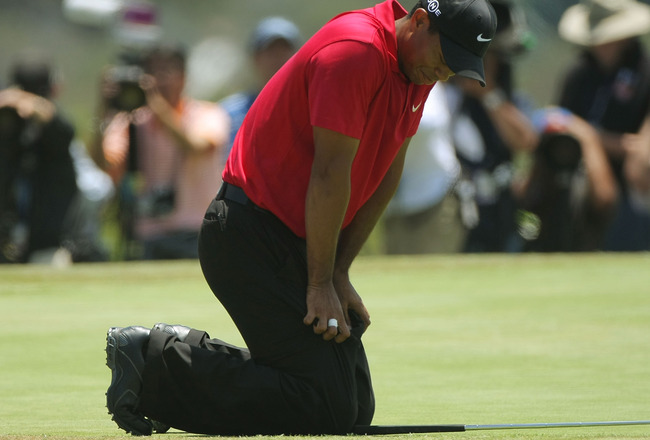
However Sunday at TPC Blue Monster he injured the same left Achilles he hurt at last year’s Masters, forcing him to pull out of the World Golf Championships-Cadillac Championship. And now his mere presence at Augusta National next month is in jeopardy.
Remember Tiger grimacing on No. 17 at the Masters in 2011 after his second shot? That same agonizing grimace appeared Sunday at No. 10 on Woods’ approach shot which veered ominously left into the lake.
When the final round began at Doral, Tiger was nine-under, playing encouraging if not spectacular golf. And the man who used to be the greatest golfer most of us have ever seen appeared well on his way towards turning another corner in his ongoing battle of patience, process, and progress.
Woods came into the WGC-Cadillac Championship reinvigorated by his final round 62, T-2 finish at The Honda Classic. The golf world was again abuzz about Tiger’s pursuit of Jack Nicklaus’ record 18 majors, and optimistic of Tiger’s chances at The Masters in April.
But something was amiss to start the final round at TPC Blue Monster.
“I felt tightness in my left Achilles warming up this morning, and it continued to get progressively worse,” Woods said in a statement. “After hitting my tee shot at No. 12, I decided it was necessary to withdraw. In the past, I may have tried to continue to play, but this time, I decided to do what I thought was necessary.”
Woods missed two majors in 2011 after suffering a mild medial collateral ligament sprain to his left knee and a mild strain to his left Achilles tendon. The extent of damage from this most recent injury won’t be known until later in the week.
“I will get my Achilles evaluated sometime early next week,” Woods said.
But no matter what the medical tests reveal, Tiger finds himself again embroiled in the middle of controversy, right where he’s been for the better part of 18 months.
When Woods withdrew at No. 12 citing a “left leg injury” another new can of worms popped open in this always evolving Tiger-drama. And fairly or not, Woods’ backbone, durability, and swing mechanics are coming under more forceful attack than ever before.
Fighting for nothing
If Tiger’s injury is a minor one, it’s possible he won’t have to miss the Arnold Palmer Invitational at Bay Hill, his next scheduled event on the PGA Tour. However if it’s a minor injury, people will also undoubtedly question his guts; in fact, many already have.
Back when Woods withdrew from the 2011 Players Championship after shooting six-over through the first nine holes (Tiger was three-over when he withdrew Sunday at Doral), more than a few in the media crucified him, and some tour players were less than supportive or understanding.
It’s said that one time’s a point, two time’s a trend, three time’s a pattern. So Woods has a trend of not finishing? A Tiger-trend of quitting?
Calling him a quitter and particularly comparing him to John Daly’s pinhead antics (as numerous are doing) seems extreme to me. Woods is surely closer to Jack’s majors record than he is to letting himself go, smoking unfiltered Camels, rehydrating with Pabst Blue Ribbon, and swearing by a “Krispy Kreme Extreme Abs Workout”.
On the other hand about a half-dozen lost endorsements ago, I believed Tiger was the clean-cut, All-American Mr. Goody-Two-Shoes type; so I know things aren’t always how they seem with Mr. Woods. Another trend?
Throw in a few gratuitous snide remarks pointing out Tiger allegedly wanted to quit the PGA Tour and become a Navy SEAL (according to Hank Haney in his Tiger tell-all book, “The Big Miss”), and I’m left to ask, are these criticisms of Woods’ backbone fair game?
One school of thought says you never quit; ever.
Quitting is disrespectful to the field, to the game, and (should be) to your own sense of professionalism. And Woods did play through worse, winning the 2008 U.S Open on a broken leg.
Others however point out withdrawing at the Blue Monster should be considered a sign of Tiger’s maturity; and perhaps more important for Woods’ future success, his acceptance of physical limits he didn’t believe existed before, or simply chose to ignore.
Tiger’s going to fight for nothing? Not even a top-10 finish at Doral, where he already owns more WGC titles than the five players ranked immediately below him (in WGC victories) have won combined? And in the process, risk exacerbating his injury to the point where he has to take a year off again; or worse, beyond a point of repair? Absurd!
Whatever you believe, one thing is certain, it’s definitely not easy being Tiger Woods these days. And though his golf game isn’t quite the wreck it used to be, the jury is still out on his Achilles.
You can’t win majors if you can’t play majors
An Achilles injury (minor or major) isn’t exactly MLB’s Ken Griffey Jr. pinching a testicle with his protective cup. Or professional disc golfer (yes they actually get paid) Ron Russel swinging his hand into a tree during a 2000 PDGA event.
Woods had torn ligaments in his left knee when he won at Torrey Pines, and had a stress fracture en route to giving Rocco Mediate his 15 minutes of fame in that remarkable 91-hole 2008 U.S. Open (you know I love you RAM!). And Tiger’s knee troubles and Achilles injuries reappeared at the 2011 Masters, and then again that same year at the Players Championship.
You didn’t need to go to medical school to figure this one out; it’s not just possible Tiger’s body is deteriorating; it’s damn near certain it is.
Just look at Woods’ disturbing freefall since last years Masters. U.S Open? Missed because of injury. British Open? Missed because of injury. PGA Championship? Tiger missed the cut.
You can’t win majors if you can’t play majors. And if Woods is absent from Augusta this year, don’t just throw up another road block in Tiger’s pursuit of Jack; bulldoze a few gigantic boulders in that path.
Missing another major because of injury will cause greater and louder questions about the durability of Tiger’s 36 year-old body than would exist if Woods was there, competing, and lost. The Achilles injury Tiger suffered Sunday as WGC-Cadillac is the same Achilles that he injured last year at Augusta National. This is not the kind of déjà vu Woods was looking for with the 2012 Masters on the horizon.
And on top of all that, who really knows what’s going on with Tiger’s body.
Remember when Oakland Raiders halfback Bo Jackson was injured on what seemed to be a routine tackle in a 1990 playoff game against the Cincinnati Bengals? That injury spiraled out of control, deteriorating cartilage and bone around his hip joint. No one could have thought those consequences would result in their wildest dreams.
Tiger has gone hard on that left side for 16 years since turning pro back in 1996. And spectators have sworn they’ve felt the ground rumble beneath them when Tiger tees off. The Achilles tendon is the strongest tendon in the body, and depending upon speed, stride, terrain and additional weight being carried or pushed, may be subject to three-to-twelve a person’s body weight during a push off. It connects the calf muscle to the heel bone and can support more than 1,000 pounds of pressure.
We’ve seen Tiger many times look like he’s come close to maxing that out.
The Rock will layeth the smackdown on your candy-(you know the rest)
Somewhere Sunday afternoon, Mediate might have been heard yelling, “I knew it!”
No matter what kind of injury this current Achilles setback winds up being for Woods, severe or minor; it’s re-opened the debate on the positive and negative effects of Woods’ new swing style. And the question in particular is, does the new Sean Foley swing cause more damage; or does it prevent further damage (as Foley claims is the case).
I’m not going to presume to understand the anatomy of a biomechanically sound golf swing. And I haven’t studied and compared Tiger’s old swing and new swings to critique it from any injury preventive perspective.
Swing mechanics certainly generate substantial tension on the body, this much I do understand. And the question then becomes, is Tiger’s new swing worsening that tension’s damage, or softening its effect?
Mediate has been adamant in making a simple, single, but profound point about Tiger’s new swing: it’s just putting too much pressure and stress on Tiger’s body. (And for what it’s worth, Mediate is not alone in this belief; add Lee Trevino to the non-believers of the Sean Foley way).
“The physical motion is wrong,” Mediate said. “To get that stress off his body is a piece of cake, but the guys working with him just don’t know. Sean knows some stuff, but what’s going on with Tiger is not correct,” he said.
The Foley camp argues Tiger wanted the swing change, is happy with the swing change, and believes the swing change is necessary to avoid further wear and tear on his injured knee and body overall.
But even if that’s the case, who’s to say Foley’s technique is the best one for Tiger? The process has been protracted, the progress dwarfed, and Tiger’s patience tested time and time again. That doesn’t exactly sound reassuring.
Father knows best
In all walks of life, we use the expression Achilles’ heel to refer to a person’s single vulnerable point. And Tiger’s vulnerable point; ironically might wind up being his actual Achilles heel.
I see only one possible way this can turn out well for Tiger. He comes back for the Masters, reveals afterwards he had an injury worse than he (eventually) announced after Doral, and wins in epic Tiger style. His fifth Masters Green Jacket,and 15th major, just three back from Jack; churn the wheels, grease the engines, Woods is back on pace to catch and surpass Nicklaus and he did it with that venerable Tiger flash!
I’d like to believe that will happen. But I don’t. Instead I’m reminded of something Tiger’s dad once said.
“I’m going to make a prediction,” Earl Woods said. “Before he’s through, my son will win 14 major championships.”
Click here for more discussion in the “Tour Talk” forum.
You can follow Pete on twitter @TheGreekGrind.


Club Junkie
Building my 2026 gamer WITB: Ranking the contenders and new putter projects – Club Junkie Podcast

The annual What’s In The Bag build is underway, and on this episode of Club Junkie, Brian breaks down the clubs currently leading the race for a spot in his 2026 gamer setup. From drivers and fairway woods to irons, wedges, and shafts, he ranks the equipment that’s performing best and explains what’s separating the front runners from the rest of the field.
Brian also heads into the workshop to discuss several putter projects currently on the bench. From head options and shaft choices to build ideas and testing plans, he shares what he’s working on and which putters could become serious contenders for the bag this season.
If you’re a gear junkie who loves equipment testing, club building, and the never-ending pursuit of the perfect setup, this episode is for you.
Follow Club Junkie:
Instagram: @clubjunkiepod
TikTok: @clubjunkiepod
Threads: @clubjunkiepod
X: @ClubJunkiePod
Club Junkie
Tour Edge Exotics mini driver review + TaylorMade Spider ZT Max first look – Club Junkie

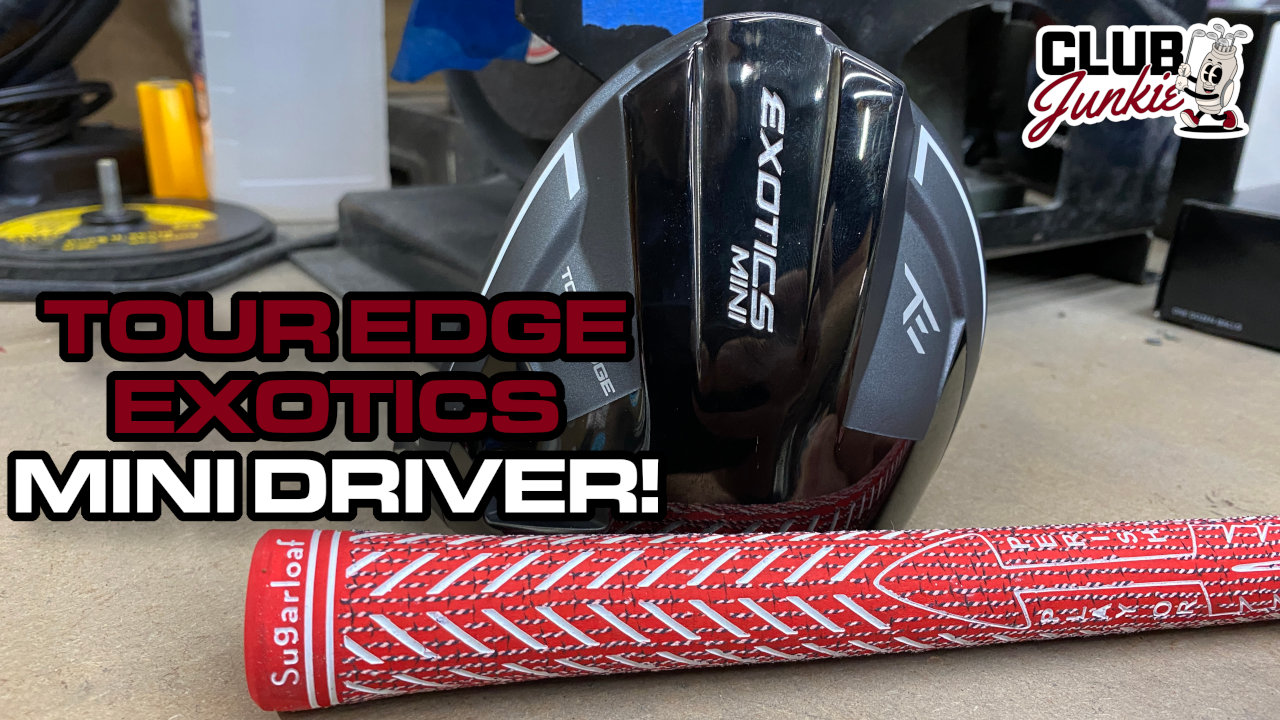
On this episode of Club Junkie, I put the new Tour Edge Exotics Mini Driver to the test and break down the performance, forgiveness, distance, and where it fits compared to a traditional driver or strong fairway wood. If you have been curious about adding a mini driver to the bag, this one is worth a look.
I also dive into the new TaylorMade Spider ZT Max putter that was recently spotted and discuss the growing zero torque putter trend. Plus, there is a closer look at the new Project X Titan Yellow shaft showing up on the PGA Tour and what makes it different from other profiles currently out there.
Opinion & Analysis
AVL: We’re talking about practice! My best tips for taking your game to the course

With the beginning of June on the horizon and courses rounding into peak condition for the season, it’s time to hone the finer skills that often get rusty over the winter. More sunlight also means more time to get out on the course and work on your game.
Whether it’s the practice green or the driving range, there’s always something to improve—whether you’re enjoying the fresh air or preparing for a weekend game or tournament. You can work on drills or freestyle around the green, and friendly competition is a great way to sharpen your skills.
While there are endless ways to get better at golf, I’m going to focus on practicing around the green. Let’s take a look at a few things to keep in mind as we head into the summer months.
Drills
From the driving range to the practice green, it’s important to incorporate drills into your routine. Years ago, I spent a weekend working on my short game with James Sieckmann. He recommended doing drill work for 5–10 minutes, then returning to your main practice.
This way, you create a balance between structured drills and real-world scenarios, so you’re not confined to “perfect” situations. For example, hitting the same three-foot putt over and over is good for repetition, but after a while, it becomes less interactive for your brain.
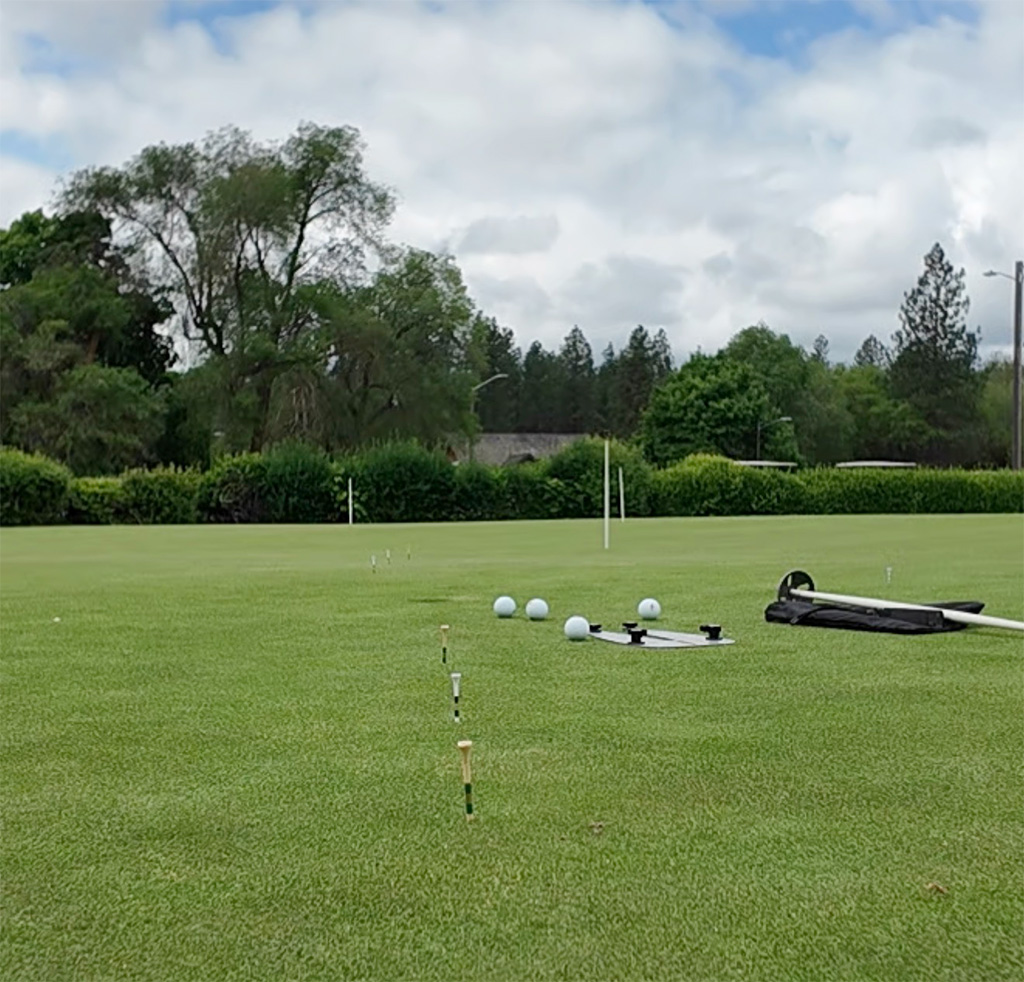
My approach is to use a putting trainer with a narrow gate for the ball to pass through, or simply place tees just outside the width of the ball. I’ll hit a series of four putts through the gate for three sets. Then, from a similar distance, I’ll hit four putts without the training aid and repeat that sequence three times.
Next, I’ll hit a number of 15–25 foot putts in a random fashion, then circle back to repeat the short putt drills with and without the training aid.
This breaks up the rhythm of hitting short putts with the training aid. When you hit the same short putts over and over, it’s easy to get into a groove—which is great for the drill, but not reflective of actual course play. While finding a rhythm is fundamental for drills, I like to introduce variation with longer putts to keep things realistic.
Game Mode
Once you’ve established a foundation with drills, it’s time to simulate on-course scenarios. This is where a few practice games come in handy.
One that I’ve been enjoying lately involves putting 10- to 15-footers with two balls. If I make the putt, great! If I miss, I pull the missed ball back a putter length. Suddenly, that little tap-in becomes a nerve-wracking three-footer—at least at first. As you get better at this game, those three- and five-footers become much more comfortable and routine.
It may sound cliché, but each shot is just what it is—it’s how we react that makes the difference. I like this game because it blends the pressure of on-course putting with the consequence of leaving yourself a much longer putt than usual.
Another game I like is one I recently learned from Brad Faxon. Place three tees in a line at four different locations around the hole: one at 3 feet, one at 6 feet, and one at 8 feet. The 3- and 6-foot putts count as par, and the 8-footer is for birdie.
This game keeps you focused on scoring and helps you get into a competitive mindset. You can even think about this putting game while you’re on the course. I just started playing it, and last week I couldn’t get better than two under par.
Competition
Competition during practice is when drills and games come to life, and you start to see results. For me, nothing beats a putting contest with a friend or two. In the right setting, these contests can become talking points for the whole season.
Match play, a game of 21, or simply seeing who can make the most one-putts (with a small prize on the line) are all great ways to simulate real on-course pressure. Recently, I played in a putting contest where one competitor made back-to-back 30- and 50-foot putts. As they say, expect your opponent to make every putt—and he nearly did. That’s impressive, and it’s something you see on the course, too: you have to stay committed to your game plan, no matter what.
When it comes to practice, it’s important to blend feedback from recent rounds with the fundamentals you want to reinforce. Drills, games, and competition—from the driving range to the putting green—form the backbone of skills you’ll rely on during actual rounds.
Finding the right balance is something we’re all working on, one practice session at a time. With the beginning of June on the horizon and courses rounding into peak condition for the season, it’s time to hone the finer skills that often get rusty over the winter. More sunlight also means more time to get out on the course and work on your game. Whether it’s the practice green or the driving range, there’s always something to improve—whether you’re enjoying the fresh air or preparing for a weekend game or tournament. You can work on drills or freestyle around the green, and friendly competition is a great way to sharpen your skills. While there are endless ways to get better at golf, I’m going to focus on practicing around the green. Let’s take a look at a few things to keep in mind as we head into the summer months.
Drills
From the driving range to the practice green, it’s important to incorporate drills into your routine. Years ago, I spent a weekend working on my short game with James Sieckmann. He recommended doing drill work for 5–10 minutes, then returning to your main practice. This way, you create a balance between structured drills and real-world scenarios, so you’re not confined to “perfect” situations. For example, hitting the same three-foot putt over and over is good for repetition, but after a while, it becomes less interactive for your brain.
My approach is to use a putting trainer with a narrow gate for the ball to pass through, or simply place tees just outside the width of the ball. I’ll hit a series of four putts through the gate for three sets. Then, from a similar distance, I’ll hit four putts without the training aid and repeat that sequence three times. Next, I’ll hit a number of 15–25 foot putts in a random fashion, then circle back to repeat the short putt drills with and without the training aid.
This breaks up the rhythm of hitting short putts with the training aid. When you hit the same short putts over and over, it’s easy to get into a groove—which is great for the drill, but not reflective of actual course play. While finding a rhythm is fundamental for drills, I like to introduce variation with longer putts to keep things realistic.
Game Mode
Once you’ve established a foundation with drills, it’s time to simulate on-course scenarios. This is where a few practice games come in handy. One that I’ve been enjoying lately involves putting 10- to 15-footers with two balls. If I make the putt, great! If I miss, I pull the missed ball back a putter length.
Suddenly, that little tap-in becomes a nerve-wracking three-footer—at least at first. As you get better at this game, those three- and five-footers become much more comfortable and routine. It may sound cliché, but each shot is just what it is—it’s how we react that makes the difference. I like this game because it blends the pressure of on-course putting with the consequence of leaving yourself a much longer putt than usual.
Another game I like is one I recently learned from Brad Faxon. Place three tees in a line at four different locations around the hole: one at 3 feet, one at 6 feet, and one at 8 feet. The 3- and 6-foot putts count as par, and the 8-footer is for birdie.
This game keeps you focused on scoring and helps you get into a competitive mindset. You can even think about this putting game while you’re on the course. I just started playing it, and last week I couldn’t get better than two under par.
Competition
Competition during practice is when drills and games come to life, and you start to see results. For me, nothing beats a putting contest with a friend or two. In the right setting, these contests can become talking points for the whole season. Match play, a game of 21, or simply seeing who can make the most one-putts (with a small prize on the line) are all great ways to simulate real on-course pressure. Recently, I played in a putting contest where one competitor made back-to-back 30- and 50-foot putts. As they say, expect your opponent to make every putt—and he nearly did. That’s impressive, and it’s something you see on the course, too: you have to stay committed to your game plan, no matter what.
When it comes to practice, it’s important to blend feedback from recent rounds with the fundamentals you want to reinforce. Drills, games, and competition—from the driving range to the putting green—form the backbone of skills you’ll rely on during actual rounds. Finding the right balance is something we’re all working on, one practice session at a time.

Justin Rose WITB 2026 (April): Full WITB breakdown with new McLaren irons

What’s the story behind Webb Simpson’s custom-stamped irons?

Cadillac Championship Tour Report: Spieth’s sizable changes, McLaren Golf launches, and more

Russell Henley’s winning WITB: 2026 Charles Schwab Challenge

Kristoffer Reitan’s winning WITB: 2026 Truist Championship

Cameron Young’s winning WITB: 2026 Cadillac Championship

Aaron Rai’s winning WITB: 2026 PGA Championship

Details on Jason Day’s latest prototype Avoda iron setup

Nelly Korda WITB 2026 (April)

Justin Rose on the switch to McLaren Golf, learnings from previous equipment moves


Sungjae Im WITB 2026 (June)
Sungjae Im had >14 clubs in his bag when photographed prior to the Memorial Tournament. Driver: Titleist TSi2 (8 degrees, B1...


Lucas Glover WITB 2026 (June)
Lucas Glover had >14 clubs in his bag when photographed prior to the Memorial Tournament. Driver: Titleist GTS2 (10 degrees, B2 SureFit...
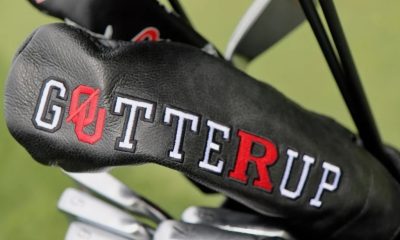

Chris Gotterup WITB 2026 (June)
Chris Gotterup had >14 clubs in his bag when photographed prior to the Memorial Tournament. Drivers: TaylorMade Qi4D (8 degrees), Ping...

Jason Day WITB 2026 (June)
Jason Day had >14 clubs in his bag when photographed prior to the Memorial Tournament. Driver: Ping G430 LST (10.5 degrees...
-
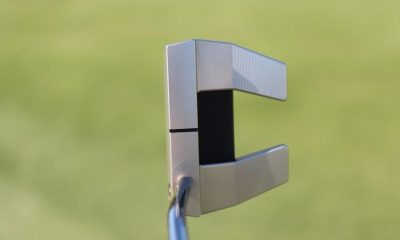 News4 days ago
Russell Henley’s winning WITB: 2026 Charles Schwab Challenge
-
 Whats in the Bag3 weeks ago
Aaron Rai’s winning WITB: 2026 PGA Championship
-
Equipment2 days ago
Details on Jason Day’s latest prototype Avoda iron setup
-
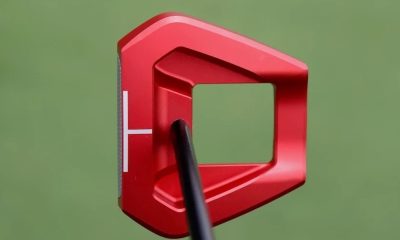
 Tour Photo Galleries2 weeks ago
Photos from the 2026 CJ Cup Byron Nelson
-

 Equipment2 weeks ago
CJ Cup Byron Nelson Tour Report: Koepka and Kim’s newest putters finally get hot
-
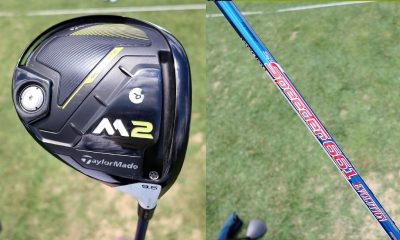
 News7 days ago
Charles Schwab Challenge Tour Report: MacIntyre, Åberg and Spaun all switch putters, TaylorMade launches new Spider
-
 Equipment1 week ago
Details on J.J. Spaun’s surprise putter switch
-
 Popular Photo Galleries1 week ago
Photos from the 2026 Charles Schwab Challenge


Jason Powell
Mar 14, 2012 at 4:09 pm
Very valid points allowing personal opinions to seminate. However, just as Tiger is no God, Earl was no prophet. Only time will tell. If TW can pass Jack’s record, great. If he cannot, I’ll still worry about life’s pieces that really matter. Jack/Tiger’s record(s) aren’t one of them. They’re simply recreation to most of us & won’t change whether or not we are able to pay the mortgage & feed our families.
Gary Passmore
Mar 13, 2012 at 7:18 pm
Great article and awesome hard rock reference. Kudos…
rick rappaport
Mar 12, 2012 at 12:08 pm
A well written article raising good points and leaving us with something to actually think about afterwards. To me that’s the mark of something worth reading.
All I can add is the seminal lyrics from the Byrds:
To everything – turn, turn, turn
There is a season – turn, turn, turn
And a time for every purpose under heaven.
It’s not an epitaph for TW but just a reminder that nothing lasts forever, regardless of whether it’s 15 minutes of fame or 15 years.