
Equipment
GolfWRX Launch Report: 2026 Callaway Quantum drivers

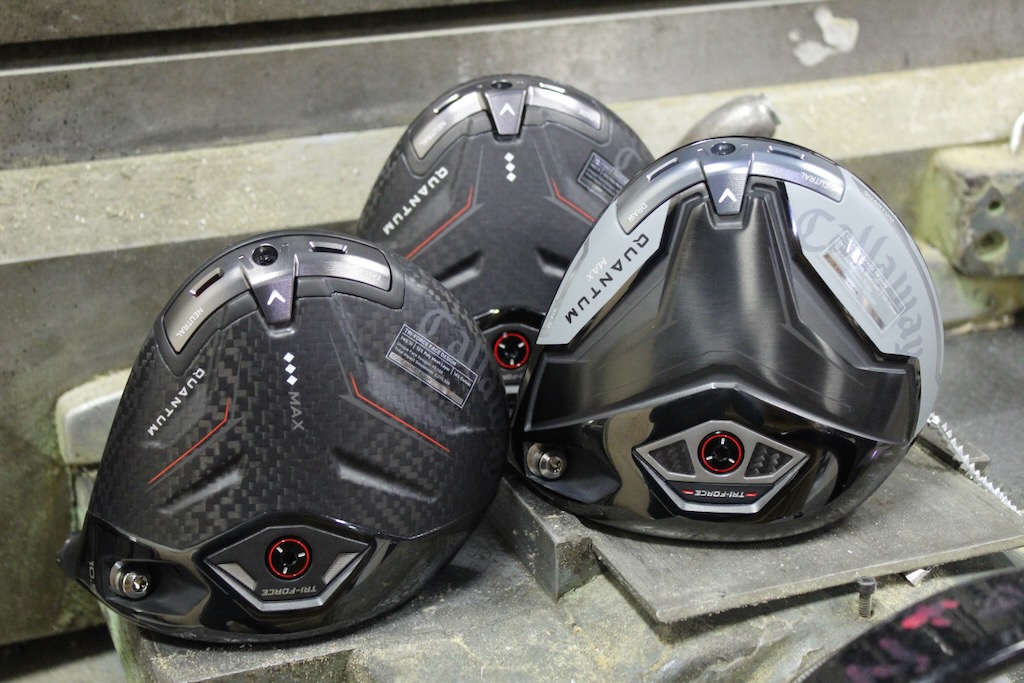
What you need to know: Today, Callaway has announced its new Quantum driver, which features centerpiece Tri-Force Face technology. With this multi-material, Callaway has, for the first, integrated three distinct materials into a single driver face. In keeping with previous segmentation, the Quantum driver family features five models: Quantum Max, Quantum Max D, Quantum Triple Diamond, Quantum Triple Diamond Max, and Quantum Max Fast.

2026 Callaway Quantum drivers: What’s new, key technologies
Tri-Force Face construction: The headline innovation in the Quantum driver family is the Tri-Force Face. Callaway engineers layered titanium, a military-grade polymer, and carbon fiber into a fully integrated speed-producing system, and each material serves a specific purpose.

Callaway Quantum Max Driver
The ultra-thin, high-strength titanium layer is engineered for ball speed off the face. Binding these layers together is Poly Mesh, a military-grade polymer that ensures structural integrity while still allowing the face to perform at its peak. Carbon fiber reinforcement is the third of the material, which is designed to allow the face structure to flex more at impact and recover faster, which maximizes energy transfer to the golf ball.
According to Brian Williams, Callaway Vice President of R&D, “This is the first face ever to combine these three exceptional materials into one design for incredible ball speed and distance.”

Callaway Quantum Max Driver
Continuing to leverage artificial intelligence, Callaway, of course, is not just relying on innovative materials, and its Tri-Force Face is paired with next-generation artificial intelligence modeling. As it began with its Paradym Ai-Smoke drivers, Callaway has again used AI to precisely tune the entire driver face to optimize speed, launch angle, and spin consistency based on real player impact patterns.
2026 Callaway Quantum driver models
Once again, Callaway’s lineup features five models, but for the first time all are released in-line at January launch.
Quantum Max: The most versatile option in the lineup and best suited to the largest portion of the fitting bell curve, Quantum Max combines the Tri-Force Face with AI-optimized face mapping and adjustable weighting.

Quantum Max Fast: Specifically engineered for players seeking greater speed through a lighter overall system. The lightweight construction and high-MOI design, combined with a shallower face profile, help generate increased clubhead speed without requiring extra effort.

Quantum Max D: The Quantum “draw” model features strategic weight positioning that promotes a right-to-left ball flight for players who struggle with a slice.

Quantum Triple Diamond: Per usual, the Triple Diamond model is built with a compact, tour-inspired head shape that appeals to better players. Engineered to produce lower spin rates and a penetrating ball flight with enhanced shot-shaping capabilities.

Quantum Triple Diamond Max: Offers the performance characteristics better players demand in a full 460cc head shape. Maintains the low-spin, workable flight of the Triple Diamond while providing enhanced stability and greater forgiveness on off-center hits.

What Callaway says
Zack Oakley – Sr. Manager – Product Strategy & Category Management: “As a brand, our North Star when it comes to drivers is about ball speed. And so that’s where we really focused our attention this year. And you might be asking, OK, well it’s great to hit it further, but distance isn’t everything. Or is it? When we look at strokes gained driving, this particular statistic actually shows that distance is basically twice as valuable as accuracy. And so yes, forgiveness and accuracy. And all those other things, they are important. We’re not neglecting those. But speed is really your difference maker and that’s what separates you from the competition.

Callaway Quantum Max Driver
Brian Williams – VP of R&D: “During the collision that happens when a ball strikes the face, you’re seeing deflection in the face. And that’s what this Tri-Force face is all built around, is the idea of deflection and forces that are in place. So, the rear of the face is actually stretching inward. It’s under tension. And tension is a force where carbon fiber excels. It’s very strong as it’s being stretched apart. By contrast, compression, which is the force that we experience on the outside on a striking surface, it’s a crushing force.

Callaway Quantum TD Max Driver
“And that’s a force that carbon fiber has a weakness in, and it’s a force that under that crushing load of a ball strike, you can see issues with carbon fibers delaminating, breaking or failing. And that’s one of the reasons why a single material carbon fiber face is made. It’s pretty thick, which is not optimal for forgiveness.

Callaway Quantum Max D Driver
“Now, by contrast, titanium as a striking surface, it’s also lightweight. It’s very strong, but very strong in compression, which makes it an ideal candidate to be on the striking surface or the outside of your driver face. Now titanium, we’ve really found that we’ve pushed to its limits. It also has limitations around stress and strain and deflection, and we’ve taken it about as thin as we’ve been able to in the past without starting to see failures, without starting to see deflection and ultimately yields or cracking. So, by building the Tri-Force Face, by putting titanium on the outside and carbon fiber on the inside, we’ve really put each material where it excels. They play to their strengths and they mitigate each other’s weaknesses.”

Callaway Quantum Triple Diamond Driver
Club Junkie’s take
When I got to hit the new Callaway Quantum drivers, I was first impressed with the look. The Max models look clean and classy with the silver accents on the sole, and the Triple Diamond models look mean and stealthy with the black carbon fiber. All of the models bring you back a few years with the crown look from the Paradigm Ai Smoke and the exposed woven carbon fiber.
When you start hitting the new Quantum drivers, I felt like the sound was more muted than Elyte, with a classic but quieter sound. The ball really feels like it flies off the face, and every drive feels fast. Ball speed from the new Tri Force face seems hot even when you don’t hit the ball in the dead center. Misses kept a lot of ball speed, and I was surprised with the distance I was getting off my high heel miss.
The Quantum Max is super forgiving and seemed to just want to hit high and straight shots with a very gentle draw. If you are looking to keep that high level of forgiveness but take more of the right side out of play, the Max D was very easy to turn over while not sacrificing distance.
I think the Quantum Triple Diamond Max might be the leader in the clubhouse for me. I loved the low spin the driver would provide when I missed a shot off the heel, but I didn’t need to sacrifice all of the forgiveness for that. While the Max models launched higher, I had no problem hitting the TD Max high and straight.
For those players who need spin control and want pure speed, the Triple Diamond will be a monster. While not wildly fade biased, you have the ability to move the rear weights and make the left side a distant memory. Ball speeds are phenomenal, and you don’t have to be a tour-level player to use it.
Pricing, specs, availability
Qauntum Max
Lofts: 9, 10.5, 12 degrees
Shafts: True Temper Denali Frost Silver 50 R, S, Mitsubishi Vanquish 60 S, X

Max Fast
Lofts: 10.5, 12 degrees
Shafts: Mitsubishi Vanquish 40 R, Mitsubishi Eldio (Women’s)

Max D
Lofts: 9, 10.5, 12 degrees
Shafts: Project X Denali Frost Silver 50 R, S, 60 S

Triple Diamond
Lofts, 8, 9, 10.5 degrees
Shafts: Fujikura Ventus Black 60 S, X, 70 S, X, Project X Denali Frost Silver 50 S

Triple Diamond Max
Lofts, 9, 10.5 degrees
Shafts: Fujikura Ventus Black 60 S, X, 70 S, X, Project X Denali Frost Silver 50 S, Mitsubishi Vanquish 40 R, Mitsubishi Eldio (Women’s)

At retail: February 13
Price: $649.99 (Max, Max D), $699.99 (Triple Diamond, Triple Diamond Max, Max Fast)







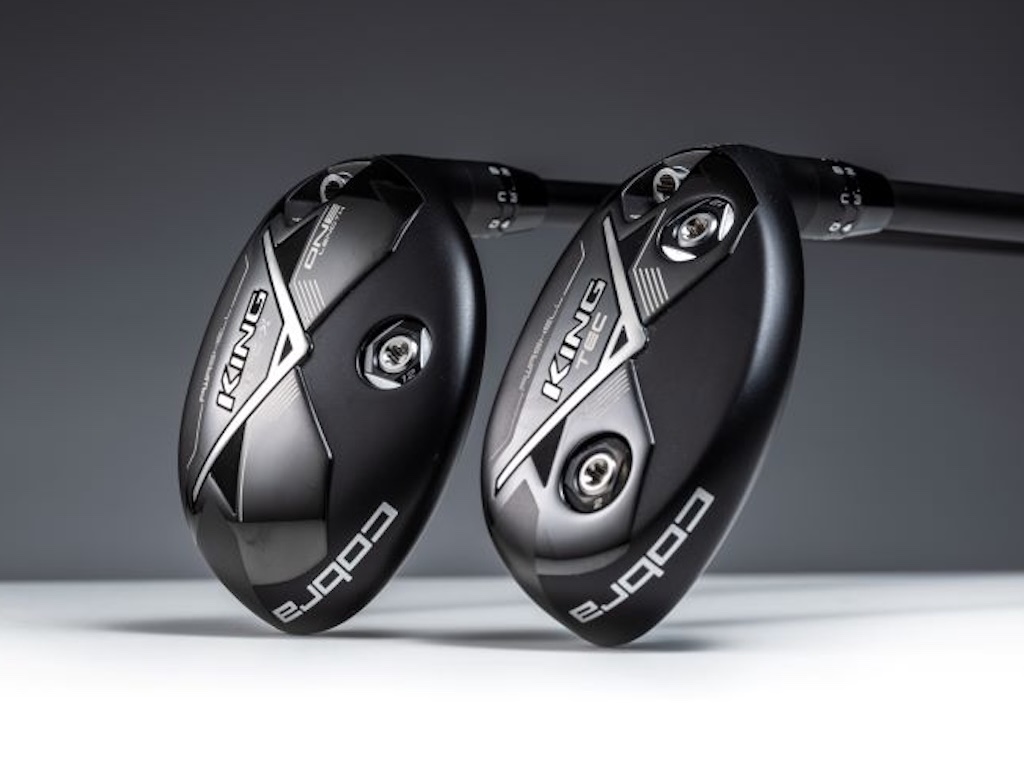
In our forums, users are talking about top of bag setups that are non-traditional or thought-provoking in some way. Original poster @SuperSpurs106 inquired about other members who might use unorthodox set-ups to help with gapping issues or weak spots.
They wrote:
“I currently have a PING G430 driver, TM Qi35 3W and a TM Qi4D 7W. Driver and 7W are fine but can’t get on with my 3W and have always struggling with this club over the years. Thinking of adding a 2H which I know would look odd. Just wondering if anyone else had a weird set up at the top of their bag?”
Our members in the forum have offered up their thoughts and personal experiences with non-traditional top of bag set-ups, and their reasoning for thinking outside of the box to begin with. Here are a few posts from the thread, but make sure to check out the entire discussion and have your say at the link below.
- BowMain42: “Don’t worry about what “looks” odd. If the club does what you need it to do, it’s the right club.”
- scooterhd2: “I cant hit 3 woods either. Thats why I roll with a unicorn XL Hibore 2 wood. 400 cc head at 16 degrees of loft and its just a monster 3 wood off the tee. Off the deck, we are playing the f6 baffler. 5 wood at 41.75 inches and its easy to control.”
- phizzy30: “I had driver, 3 metal, 2/4 hybrid once upon a time as a higher ss player. 4 hybrid is gone and in place is a driving iron nowadays. I don’t think what you’re proposing is weird in anyway, however the yardage gap might be glaringly huge between driver and 2 hybrid. What is it about your 3 metal that has got you all messed up? You could always go 4 metal with shorter shaft and see if that works.”
Entire Thread: “Interesting clubs at top of bag”
If you aren’t a member, join us in the GolfWRX forums today!
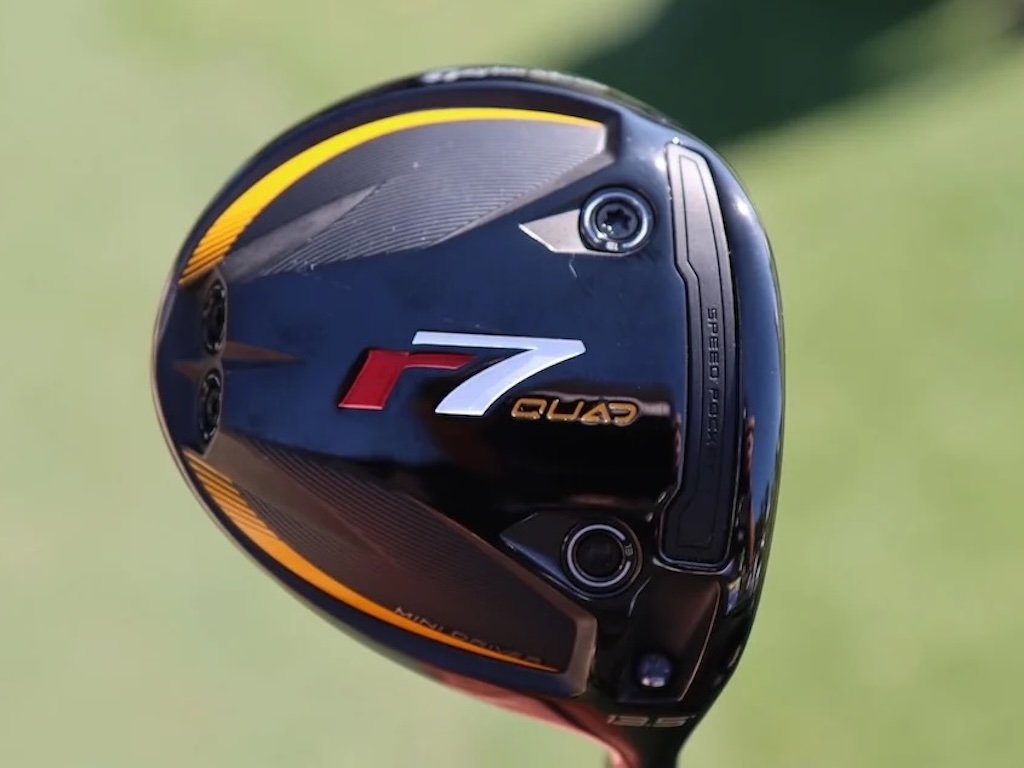
In our forums, one user has gone searching for fellow users of a mini driver. In a post, @TightFade asked for other mini driver users to chime in with their weapon of choice, the reason for employing a mini, and what club follows it in the bag.
@TightFade asked:
“What mini are you playing? What spot in the bag did it take over? What’s the next club after it? For me: Elyte mini 13.5. Replacing 3w. Next up club looks like it’ll be 5w.”
Our members in the forum have been sharing their own bag setups featuring the mini driver, and the various reasons they purchased one in the first place. Here are a few posts from the thread, but make sure to check out the entire discussion and have your say at the link below.
- RCGA: “Ping G430 Max 12* ‘Thriver.’ Next club is a 4w and 2i (I play a weird course).”
- JMB3: “R7 at 12.75 with Diamana BB 63s. 3w replacement. Next Club: Elyte Ti 5w at 17*.”
- ColdOkieGolf: “R7 15.5 turned down to 13.5 It replaces the 3w. I found it surprisingly easy to hit off the deck, and it’s very rare that I need or want to hit something beyond 250 from the fairway, so next club is my 7w.”
- ChaosTheory: “I’m sub-90 MPH with driver. But I’m able to hit DOD. I have been wanting something like the R7 15.5, so I just ordered one. I have a spot in the bag so nothing has to go. But I could see it replacing my trusty 4 wood, which I never use for approach shots. Just tee shots and lay ups. If I drop the 4 wood, I will turn my 7 wood down to ~20 degrees and will have good gaps. I recently tried a thriver build: 12 degree driver turned to 14, with a heavier 44 inch shaft and added head weight. I hit it great. Very accurate and not overly high, but the problem was that it sometimes went as far as a typical drive. And that’s not what I needed. So I will probably turn the 15.5 up to 16.5 or even 17.5. It’s all theoretical at this point. ?”
Entire Thread: “Members of the Mini Driver Club…Check In.”
If you aren’t a member, join us in the GolfWRX forums today!
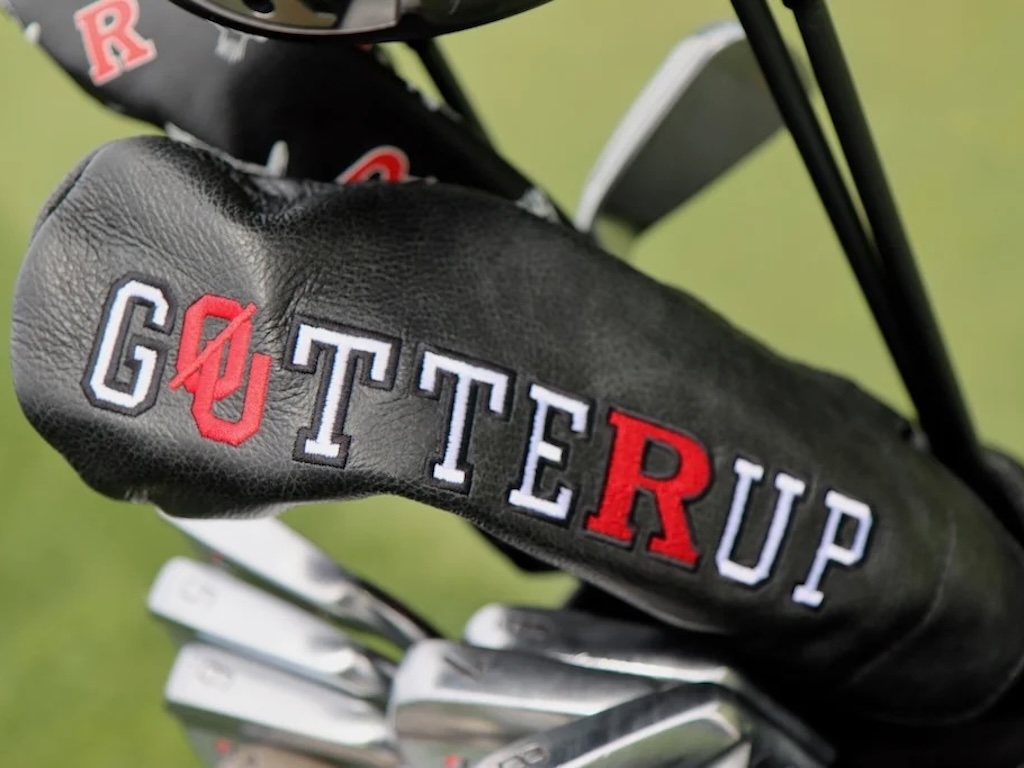
- Chris Gotterup had >14 clubs in his bag when photographed prior to the Memorial Tournament.
Drivers: TaylorMade Qi4D (8 degrees), Ping G440 LST (9 degrees @8), Ping G440 LST (7.5 degrees)
Shafts: Project X HZRDUS Smoke Grey 6.5 TX 70 g, Project X HZRDUS T1100 Handcrafted 6.5 TX 70 g, Project X HZRDUS Smoke Grey 6.5 TX 70 g
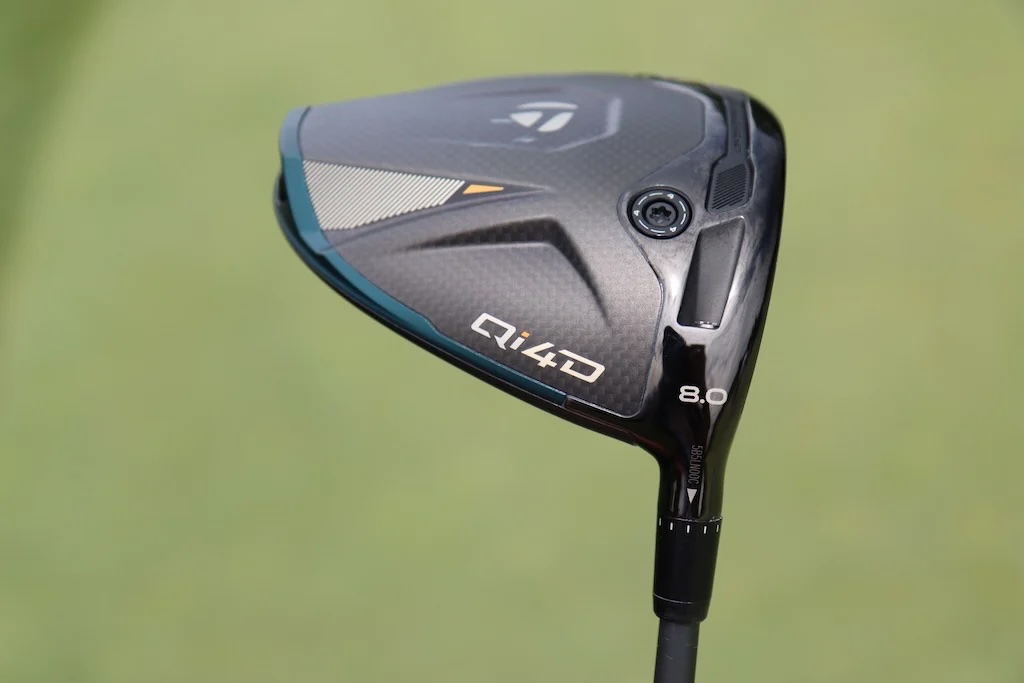
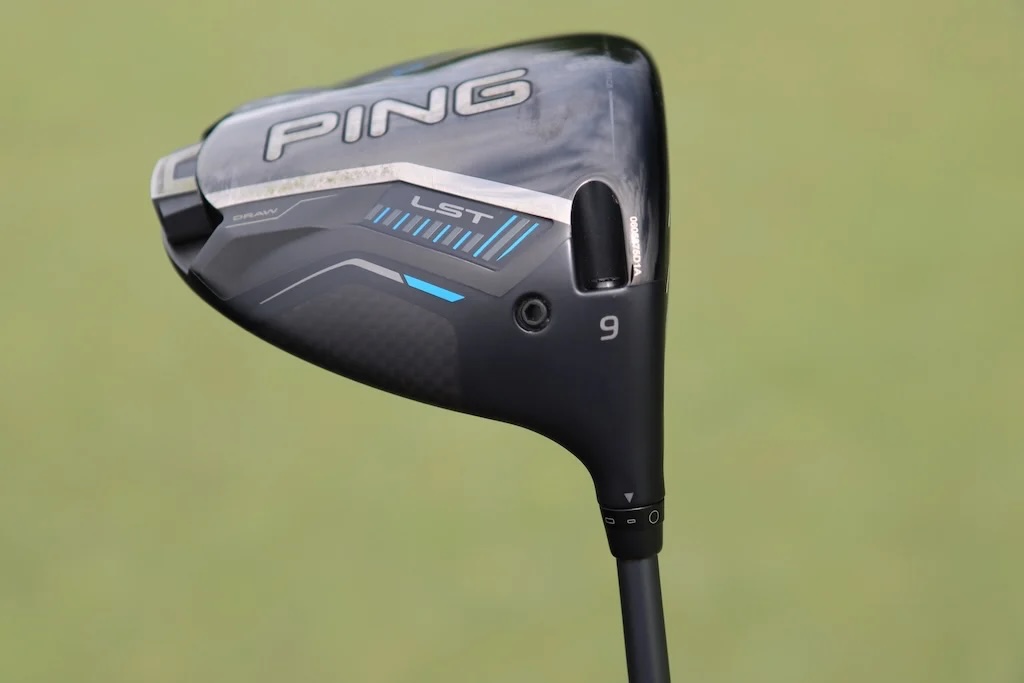
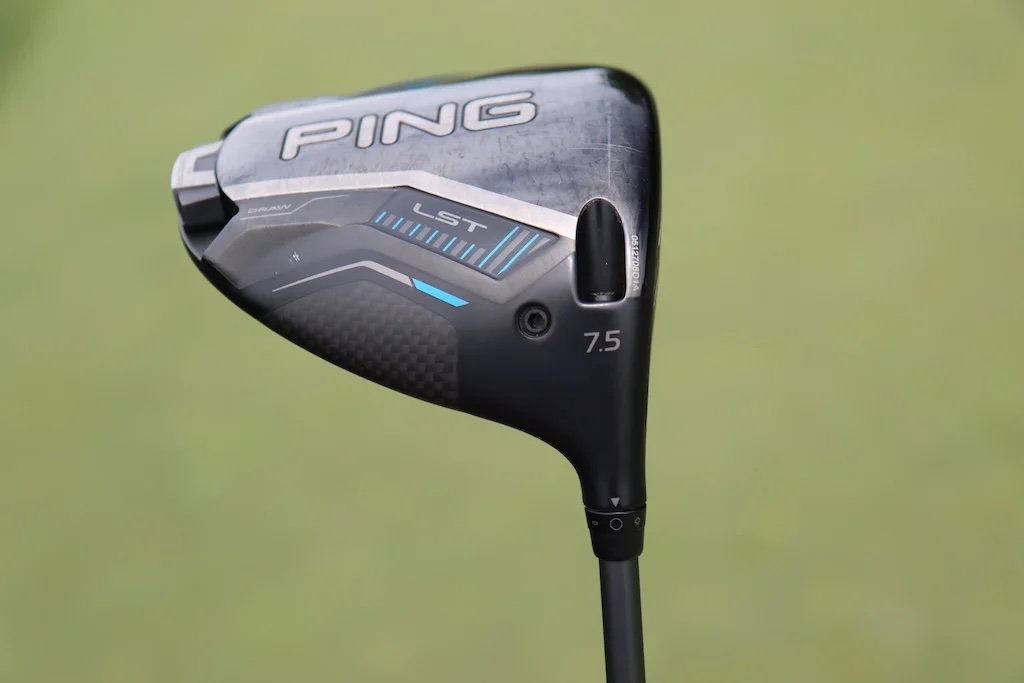
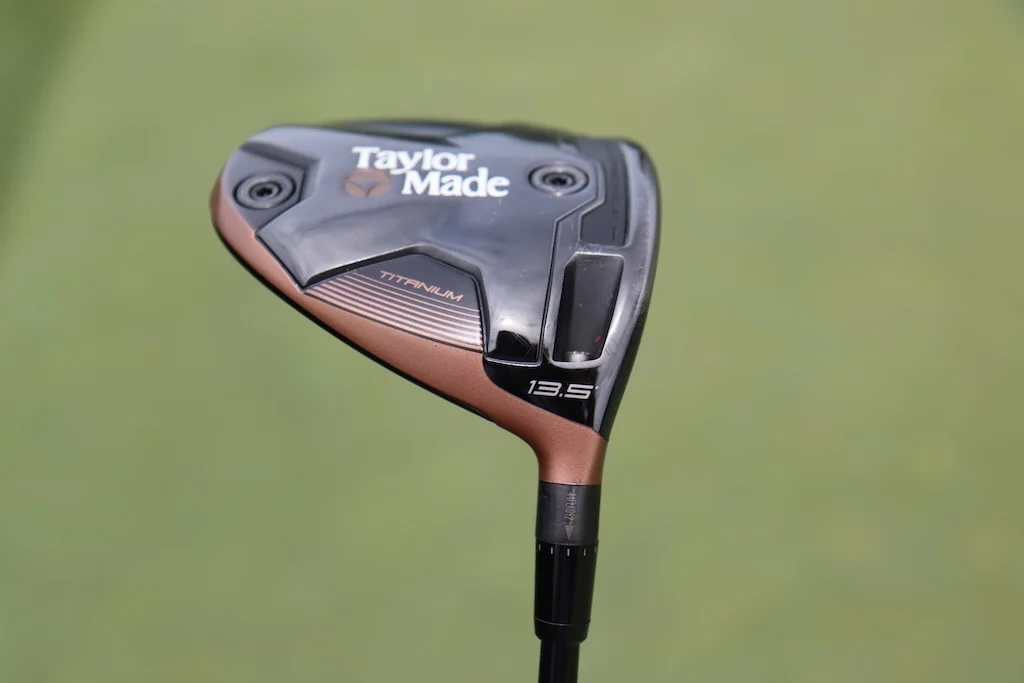
Mini driver: TaylorMade BRNR (13.5 degrees)
Shaft: Project X HZRDUS Black TX 80 g
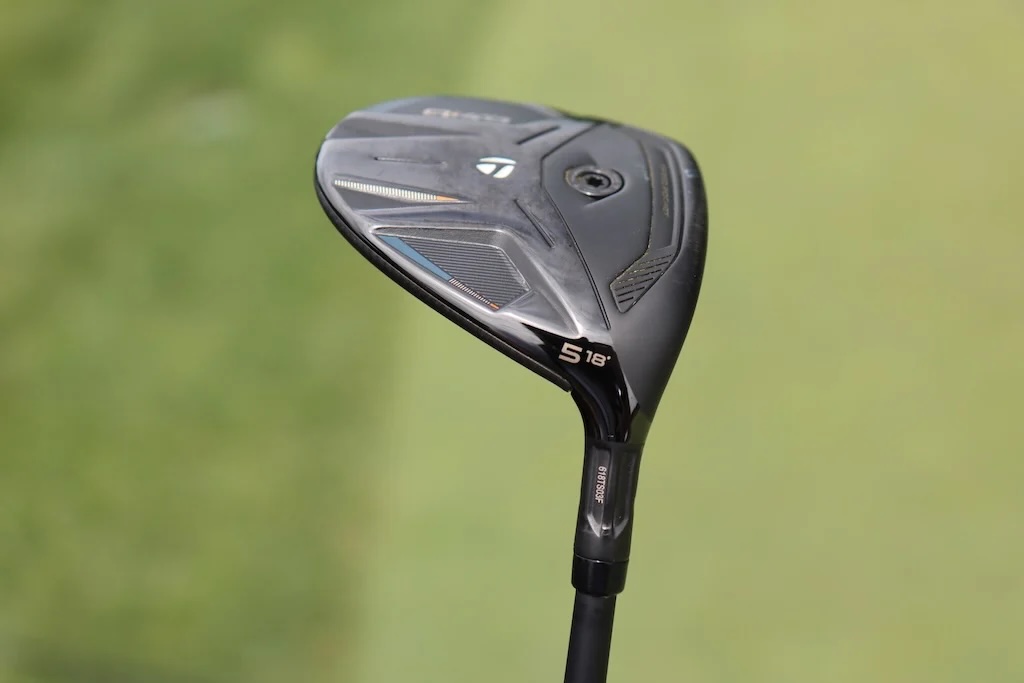
5-wood: TaylorMade Qi4D (18 degrees)
Shaft: Mitsubishi Chemical Diamana WB Wood Shaft 83 TX
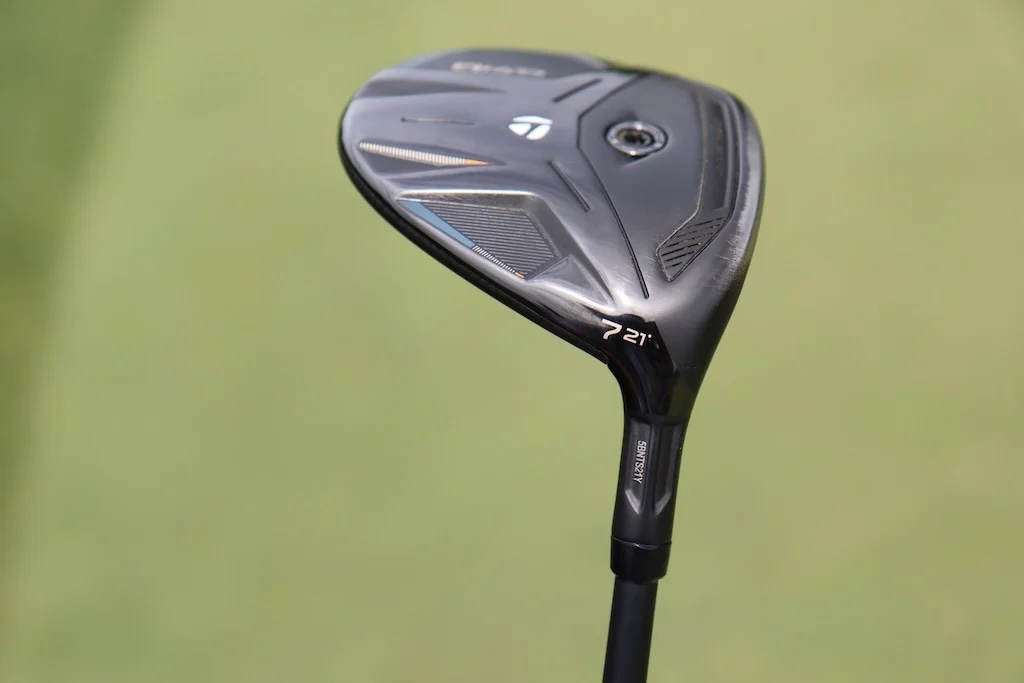
7-wood: TaylorMade Qi4D (21 degrees)
Shaft: Mitsubishi Diamana WB Wood Shaft 83 TX
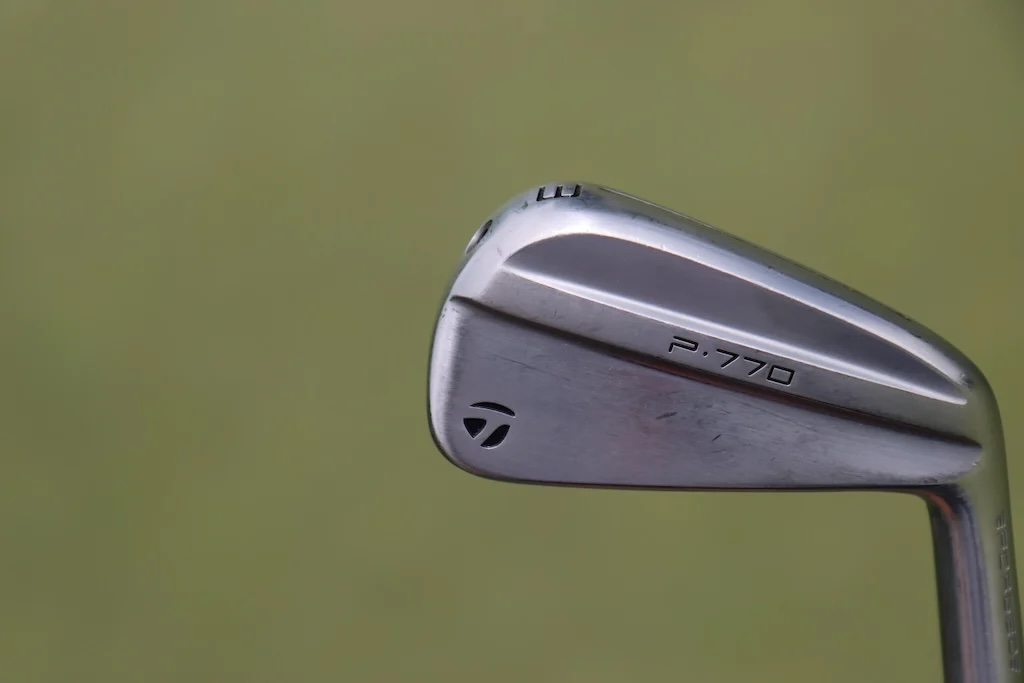
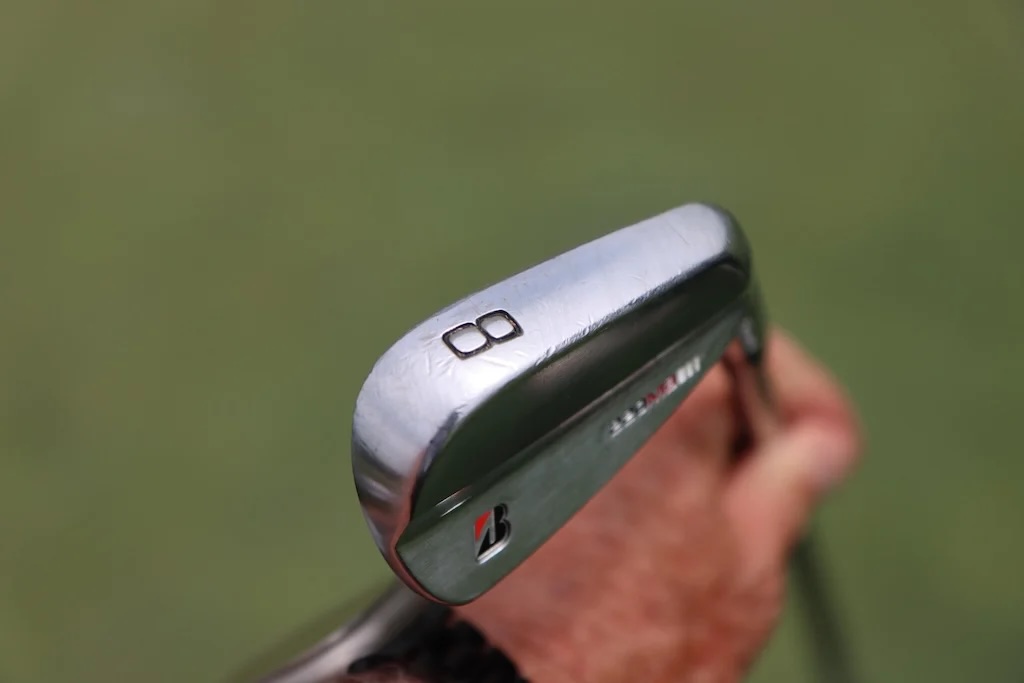
Irons: TaylorMade P770 (3), Bridgestone Tour B 220 MB (4-9)
Shafts: KBS C-Taper 130 X
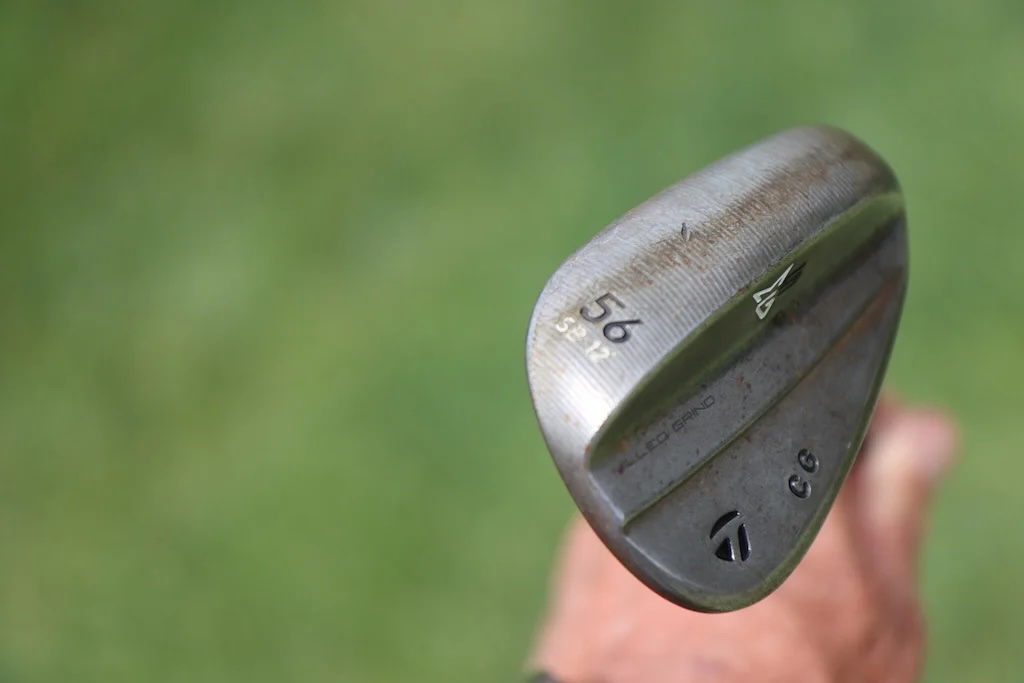
Wedges: TaylorMade MG5 (46, 52, 56, 60)
Shafts: KBS C-Taper 130 X, True Temper Dynamic Gold Tour Issue X100
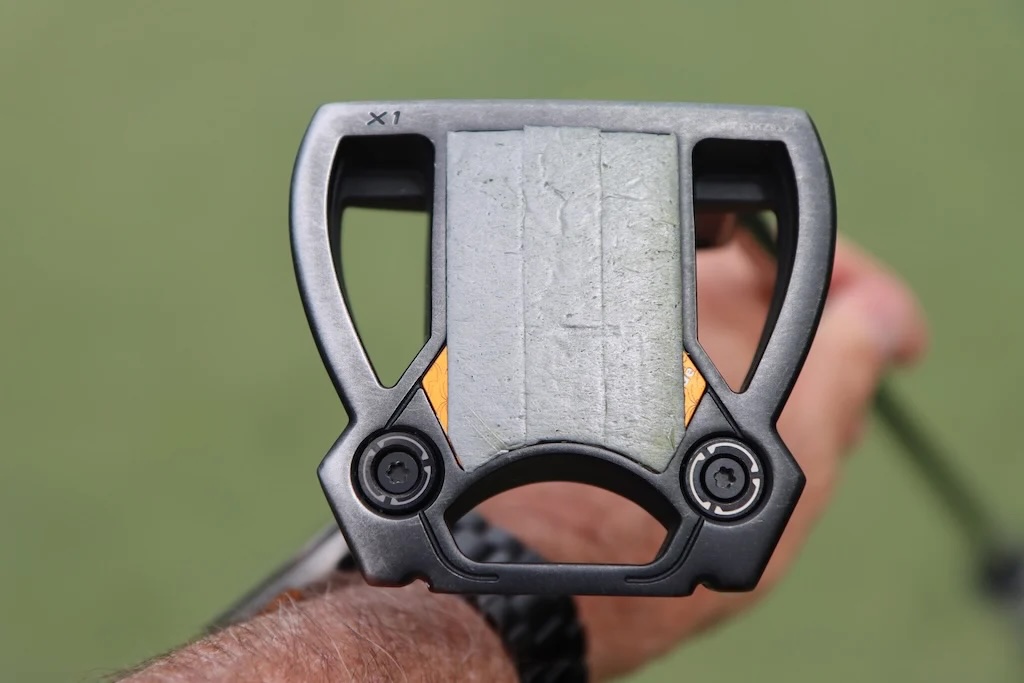
Putter: TaylorMade Spider X Tour
Grip: SuperStroke Zenergy Pistol 2.0
Grips: Golf Pride Z Grip Cord
Ball: Bridgestone Tour B X Mindset
Check out more in-hand photos of Chris Gotterup’s clubs here.

Justin Rose WITB 2026 (April): Full WITB breakdown with new McLaren irons

What’s the story behind Webb Simpson’s custom-stamped irons?

Cadillac Championship Tour Report: Spieth’s sizable changes, McLaren Golf launches, and more

Kristoffer Reitan’s winning WITB: 2026 Truist Championship

Russell Henley’s winning WITB: 2026 Charles Schwab Challenge

Cameron Young’s winning WITB: 2026 Cadillac Championship

Aaron Rai’s winning WITB: 2026 PGA Championship

Nelly Korda WITB 2026 (April)

Justin Rose on the switch to McLaren Golf, learnings from previous equipment moves

Photos from the 2026 CJ Cup Byron Nelson

Chris Gotterup WITB 2026 (June)
Chris Gotterup had >14 clubs in his bag when photographed prior to the Memorial Tournament. Drivers: TaylorMade Qi4D (8 degrees), Ping...

Jason Day WITB 2026 (June)
Jason Day had >14 clubs in his bag when photographed prior to the Memorial Tournament. Driver: Ping G430 LST (10.5 degrees...

Nastasia Nadaud WITB 2026 (June)
Driver: Titleist TSR4 (9 Degrees) Shaft: Project X EvenFlow Riptide CB 6.0 S 3-wood: Titleist GTS2 (15 degrees) Shaft: Graphite Design Tour AD DI...

Keith Mitchell WITB 2026 (June)
Driver: TaylorMade Qi4D LS Shaft: Project X Titan Yellow 6 X 3-wood: TaylorMade Qi10 (16.5 degrees) Shaft: Mitsubishi Tensei 1K Blue 90...
-
 News3 days ago
Russell Henley’s winning WITB: 2026 Charles Schwab Challenge
-
 Whats in the Bag2 weeks ago
Aaron Rai’s winning WITB: 2026 PGA Championship
-
 Tour Photo Galleries2 weeks ago
Photos from the 2026 CJ Cup Byron Nelson
-
Equipment13 hours ago
Details on Jason Day’s latest prototype Avoda iron setup
-

 Equipment2 weeks ago
CJ Cup Byron Nelson Tour Report: Koepka and Kim’s newest putters finally get hot
-
 News6 days ago
Charles Schwab Challenge Tour Report: MacIntyre, Åberg and Spaun all switch putters, TaylorMade launches new Spider
-
 Equipment1 week ago
Details on J.J. Spaun’s surprise putter switch
-
 Popular Photo Galleries1 week ago
Photos from the 2026 Charles Schwab Challenge


Pingback: Best driver 2026: The best drivers for high, mid, low swing speed golfers – GolfWRX
Nobody
Jan 16, 2026 at 10:40 pm
7 bones? Wow…
Ugly Callaway
Jan 16, 2026 at 1:34 pm
Buzz your girlfriend. Wolf.