
Equipment
Korean Gadget Report: KIGOS, testing the new frontiers of golf


Like a lovesick fool for new golf equipment, I’ve always been into the latest and greatest advancements in golf club technology. As a kid, I hung on to every word of my golf heroes explaining how their newest club and ball increased distance and accuracy. One of my fondest memories was saving up for the Fred Couples Boom Boom driver and how nervous I felt buying and sneaking it across the border into Canada. Those were the good ol’ days.
In college, I remember seeing golf magazine ads for new clubs with phrases like “tested by a third-party golf laboratory” printed on the bottom. The “unbiased” aspect of the data added an extra layer of trust for the products, and I opened my wallet many times to those as well.
More recently, I noticed that similar ads now show data from their own in-house tests rather than from a third party. Maybe that’s why I’ve never seen any ads touting the previous models to be better than the new ones.

Korea Institute of Golf & Sports has tested some amazing stuff over the years, but even they were surprised on this particular day.
My question is, where can we turn to now when we need objective information to gauge our next potential golf purchase? If you’re like me, you probably search the web and click on certain popular YouTube channels that are always ready with an opinion. Fair enough, since
I also do my fair share of such reviews. At the same time, I also recognize that my own reviews are just one of the countless many and by no means definitive. In other words, who keeps the manufacturers and golf-related companies true to their claims about their products?
I don’t know about the rest of the world, but somewhere within the halls of the Korean government, the powers that be decided to lend us golfers here a helping hand.
Iron Byron, Meet KIGOS
The Korea Institute of Golf & Sports (KIGOS) was established in 2013 with the support of the Ministry of Trade, Industry & Energy and the Incheon Metropolitan Government. What’s that, you say? The government splurging on cutting-edge equipment and facilities to help out average golfers?
As strange as it sounds, the bigger picture actually makes sense. Armed to the teeth with nearly every advanced golf testing equipment, including a state-of-the-art swing robot, the goal of KIGOS is to help Korea improve its competitiveness in all areas of golf, as well as to foster the domestic growth of golf-related trade and industries.

KIGOS is equipped with the latest tech to test all golf equipment, including 3D swing analysis.
Before KIGOS, it was reportedly difficult for importers to verify the quality of golf equipment sourced from overseas. To protect the Korean market and consumers, the newly formed institute was commissioned to test the incoming equipment. From there, KIGOS quickly became the authority on performance evaluations and verifying the validity of the claims made by golf brands and products.

Kwang-Hyuk Kim, Head of Research at KIGOS
In addition to testing inbound golf equipment, KIGOS also helps provide invaluable R&D support and infrastructure to domestic golf-related companies, who otherwise wouldn’t be able to compete with the bigger global brands. In fact, KIGOS has worked with every major golf brand and a good number of new ones year after year, each looking for the same thing – unbiased data validation and the opportunity to add “tested by KIGOS” to their product resume.
“We’ve had many products from all brands big and small tested here over the years. Still, we adhere to several strict policies before we agree to be commissioned. In particular, we decline those who seek to compare with and undermine another brand’s product or image. Our goal is to be unbiased and neutral and to help improve product quality and performance by providing objective data-driven facts.” – Kwang-Hyuk Kim, Head of Research at KIGOS

GEARS GOLF system is on the cutting edge of 3D Swing Analysis
KIGOS on human performance
In addition to testing golf equipment, KIGOS also helps foster the next generation of young golfers. Working closely with the KJ Choi Foundation, SNAG (Starting New at Golf) Golf Association, universities, and the media, KIGOS hosts various golf academies, seminars, and golf events for future stars of the game.
Kim was also instrumental in the development of GEARS GOLF system, which came about as a result of years of research working with golfers of all skill levels. It is the world’s first system to measure the actual movement of a golf shaft throughout the entire swing by combining the swing robot with an advanced 3D analysis system.

Junior golf program is one of the key focus areas of KIGOS
One GEARS participant who stands out is Jin-young Ko, the former world #1 ranked LPGA superstar. Before leaving to join the LPGA as a full-time member in 2017, Ko and her coach sought to analyze her swing in detail to gain an edge with the long hitters on tour.
With the help of GEARS, they were able to identify and focus on her already formidable iron play and honed it even further. As a result, Ko won the 2018 Rookie of the Year honors and went onto become the No. 1 golfer in the Women’s World Golf Rankings in April 2019.
In total, she has spent more than 150 weeks at the top, including her longest continuous stretch for nearly two years from July 2019 to June 2021, making her one of the longest- reigning top players in women’s golf history.
Kim confided that several more top-tier athletes have been inquiring about the program recently, including some well-known names from the biggest tours. For confidentiality, I can’t drop any names but it would be interesting to see if the players do well in the upcoming season.

Panning for Gold
I have visited KIGOS several times over the years to participate as an observer in various golf equipment testing. It is always an eye-opening experience to see the amazing array of machines in action, but none more impressive than the 4PT swing robot. There are only two of its kind in Korea, and Kim explained that the robot is extremely reliable for testing due to its ability to repeat the same swing at any speed – something that cannot be done by human golfers.
On this day, Kim was commissioned to test a new golf shaft to verify its claims of increased accuracy and shot dispersion. He was joined by Mr. Yong-Ho Jeung from Golf Mechanix Korea, who was on hand to analyze the EI/stiffness profile of the new shaft.
I’d actually written about the MetaFlex line of shafts by SJ Golf Lab late last year and was familiar with their carbon bending technology (CBT).
For a quick summary, the MetaFlex shaft and its CBT tech feature a unique manufacturing process to control how firm a shaft feels at impact. As unusual as it sounds, the shaft does feel softer than an R-flex but stiffens considerably at impact like an S- or X-flex shaft. (Read more about MetaFlex here)

Yong-Ho Jeung, general manager at Golf Mechanix Korea, measuring the EI/stiffness profile of MetaFlex shaft
While waiting for the expensive profiler to complete its analysis on the shaft, I made small talk with Kim about his most memorable test to date. “To be honest, nothing really fazes us much since most items that come through are slight improvements or variations of existing tech or methods. It’s like panning for gold. More often than not, you’re not going to find any.
On the other hand, there were many that didn’t live up to the manufacturer’s claims. In those cases, we present the data to the manufacturer and it’s up to them to decide whether or not to divulge or market the findings.”
Kim also shared a story from several years ago where a well-known OEM made performance claims of their new golf balls in terms of improved spin and distance. The test results, however, didn’t quite back it up. Fortunately for the company, they wisely chose to change the narrative and focused on the accuracy aspect, for which the new ball showed a slight improvement over its predecessor. “It was one of many instances where we helped both the company and the golfers save time and money by assessing the product correctly,” Kim said wryly.
Shaft testing 101
It was a first for me to see how a shaft is tested for shot dispersion.
According to the manufacturer, their CBT technology dynamically reins in the shaft from over-flexing through impact, thereby significantly reducing the dreaded duck hook misses to the left. This is a very bold statement as they are practically claiming to have solved the problem of distance-accuracy trade-off; something that I didn’t believe was possible.
Following their test protocol, Kim explained that the shaft is fitted into a TSR2 driver head and affixed to the swing robot. The robot is then set to deliver the club head at 95mph (average amateur swing speed) with zero attack angle at impact. Finally, the setup is further calibrated to hit the ball repeatedly out of the center of the clubface with zero dispersion from the center line.

At three different club head speeds, the clubface remained square at impact.
Once the baseline is set, the club head speed is increased by +7mph (at 102mph) to measure how the increased speed affects shot dispersion to the left. Likewise, the speed is then decreased by -7mph (at 88mph) to measure the amount of deviation to the right. The total shot dispersion value is determined by adding the left and right deviation averages (a total of five shots at each speed) together.
During the calibration process, I inquired Kim as to what a “good dispersion” would look like. Obviously, the more “accurate” the shaft, the smaller the total left/right dispersion would be.
Nonetheless, Kim predicted with no uncertainty that this particular shaft would also show dispersions to either side of the center line, just as every shaft they’d ever tested at KIGOS.
An exception to the rule?
To the collective amazement of the room, the driver and shaft combo did not show any dispersion to the left, even at the higher club speed. In fact, the dispersion actually decreased as the club speed increased. Kim had to check the swing robot to make sure what he witnessed was real. We even had the robot increase the club speed up to 115mph to force a left miss. Incredibly, the dispersion numbers still showed nothing left of the center line and only +80cm to the right for the tightest dispersion we saw that day.

No left dispersion at three different speeds – the first of such results from KIGOS shaft tests.
To illustrate how incredulous these results are, suppose that you are testing a new car in wet road conditions to see how long it takes for the car to stop completely. Given that all conditions remain the same, it is logical to expect a faster-moving car to skid longer than a slower-moving one. But now imagine the fastest car moving at 102mph stopping at half the distance it took for the 95mph car to stop, still, even less than that the 88mph!
The blatant incongruity of the data was stunning, to say the least, and left us to speculate on how it happened. It was Kim who summarized it as below, though he was also careful not to go out on a limb in describing what he saw.
“Before the test, I had doubts about their claims as they were contrary to what we have seen so far in all of our previous tests. But the shot dispersion results with this particular shaft are totally unexpected, to say the least. For certain, we’ll need more tests before we can determine anything with finality, but I will say that my current understanding of how a shaft can behave during the swing may have been incomplete.” – Kwang-Hyuk Kim, Head of Research at KIGOS
Interestingly, Jeung at Golf Mechanix thought that perhaps the new shaft manufacturing methods may have outpaced the current methods and tools of shaft analysis. He also hinted that maybe the distance-accuracy dilemma was never an issue, but that we just hadn’t found a way to overcome it until now. In any case, both Kim and Jeung came away from the test with more questions than answers. As for me, I was happy to have been there when it went down and looking forward to see what implications the results may have on the future of shaft manufacturing. What do you all think? I’d love to hear from the many shaftoids out there who can shine a light on this subject by dropping me an email.
What lies ahead
It’s not every day that the folks at KIGOS get excited about something new they haven’t seen before. I later received news that the findings were shared with the academic community here and a team of professors in mathematics, physics, material engineering, and sports kinesiology have gathered to further delve into the findings.
In this manner, I think KIGOS more than lives up to its purpose of helping Korean golf develop in ways that would not be possible in the private sector.

Lastly, KIGOS has plans to expand its research and testing capabilities to invite even more golf-related companies to visit their facilities. Whether you’re an athlete, a golf brand start-up, or already with a bigger golf company, KIGOS can be the break you’re looking for in getting your brand on the map. Oh, and in case you happen to commission them to test anything, please also be sure to invite me. You never know when the next new frontier of golf will unfold, and I’d love to be a part of it when it does.
For more info, visit their official site.









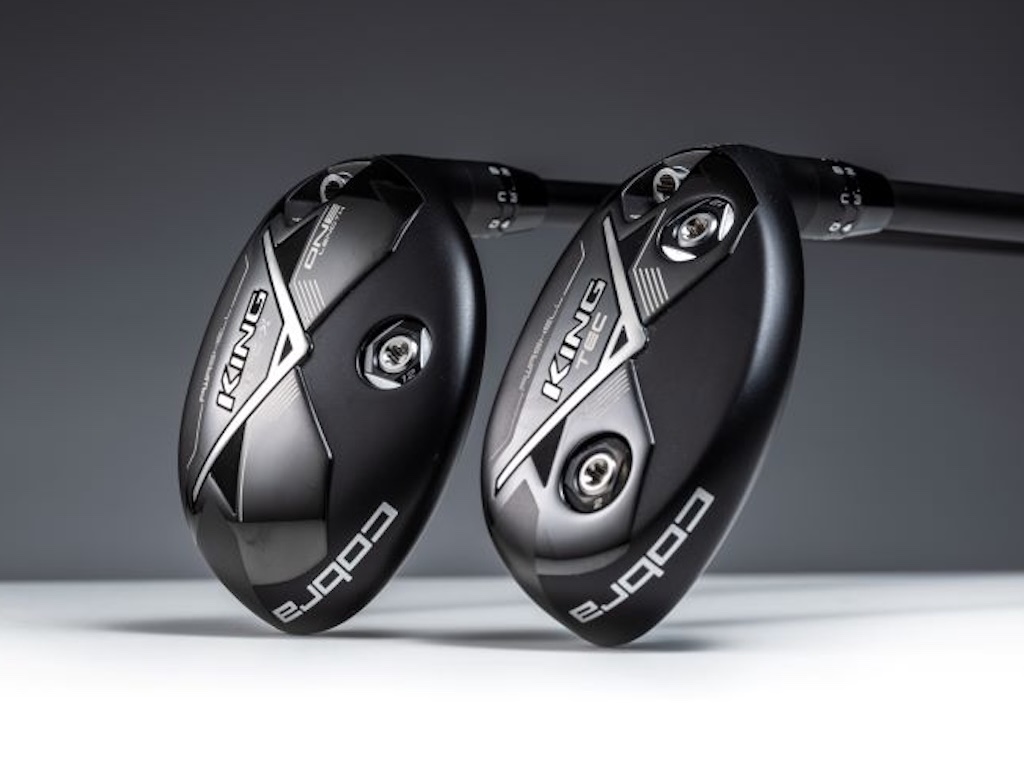
In our forums, users are talking about top of bag setups that are non-traditional or thought-provoking in some way. Original poster @SuperSpurs106 inquired about other members who might use unorthodox set-ups to help with gapping issues or weak spots.
They wrote:
“I currently have a PING G430 driver, TM Qi35 3W and a TM Qi4D 7W. Driver and 7W are fine but can’t get on with my 3W and have always struggling with this club over the years. Thinking of adding a 2H which I know would look odd. Just wondering if anyone else had a weird set up at the top of their bag?”
Our members in the forum have offered up their thoughts and personal experiences with non-traditional top of bag set-ups, and their reasoning for thinking outside of the box to begin with. Here are a few posts from the thread, but make sure to check out the entire discussion and have your say at the link below.
- BowMain42: “Don’t worry about what “looks” odd. If the club does what you need it to do, it’s the right club.”
- scooterhd2: “I cant hit 3 woods either. Thats why I roll with a unicorn XL Hibore 2 wood. 400 cc head at 16 degrees of loft and its just a monster 3 wood off the tee. Off the deck, we are playing the f6 baffler. 5 wood at 41.75 inches and its easy to control.”
- phizzy30: “I had driver, 3 metal, 2/4 hybrid once upon a time as a higher ss player. 4 hybrid is gone and in place is a driving iron nowadays. I don’t think what you’re proposing is weird in anyway, however the yardage gap might be glaringly huge between driver and 2 hybrid. What is it about your 3 metal that has got you all messed up? You could always go 4 metal with shorter shaft and see if that works.”
Entire Thread: “Interesting clubs at top of bag”
If you aren’t a member, join us in the GolfWRX forums today!
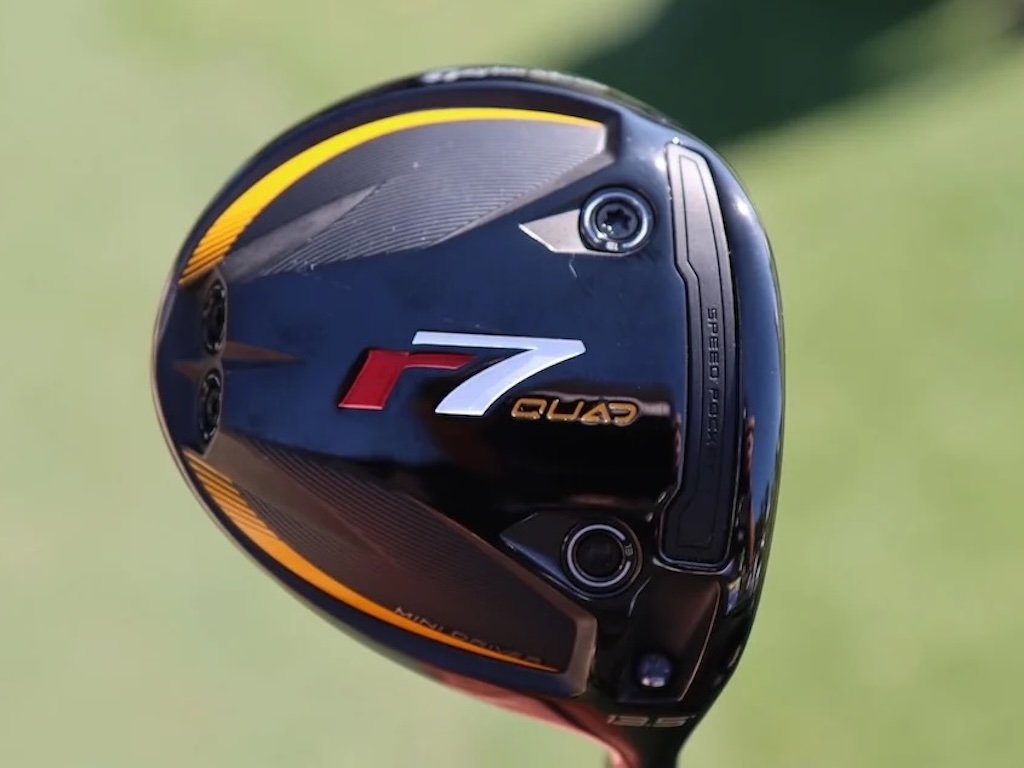
In our forums, one user has gone searching for fellow users of a mini driver. In a post, @TightFade asked for other mini driver users to chime in with their weapon of choice, the reason for employing a mini, and what club follows it in the bag.
@TightFade asked:
“What mini are you playing? What spot in the bag did it take over? What’s the next club after it? For me: Elyte mini 13.5. Replacing 3w. Next up club looks like it’ll be 5w.”
Our members in the forum have been sharing their own bag setups featuring the mini driver, and the various reasons they purchased one in the first place. Here are a few posts from the thread, but make sure to check out the entire discussion and have your say at the link below.
- RCGA: “Ping G430 Max 12* ‘Thriver.’ Next club is a 4w and 2i (I play a weird course).”
- JMB3: “R7 at 12.75 with Diamana BB 63s. 3w replacement. Next Club: Elyte Ti 5w at 17*.”
- ColdOkieGolf: “R7 15.5 turned down to 13.5 It replaces the 3w. I found it surprisingly easy to hit off the deck, and it’s very rare that I need or want to hit something beyond 250 from the fairway, so next club is my 7w.”
- ChaosTheory: “I’m sub-90 MPH with driver. But I’m able to hit DOD. I have been wanting something like the R7 15.5, so I just ordered one. I have a spot in the bag so nothing has to go. But I could see it replacing my trusty 4 wood, which I never use for approach shots. Just tee shots and lay ups. If I drop the 4 wood, I will turn my 7 wood down to ~20 degrees and will have good gaps. I recently tried a thriver build: 12 degree driver turned to 14, with a heavier 44 inch shaft and added head weight. I hit it great. Very accurate and not overly high, but the problem was that it sometimes went as far as a typical drive. And that’s not what I needed. So I will probably turn the 15.5 up to 16.5 or even 17.5. It’s all theoretical at this point. ?”
Entire Thread: “Members of the Mini Driver Club…Check In.”
If you aren’t a member, join us in the GolfWRX forums today!

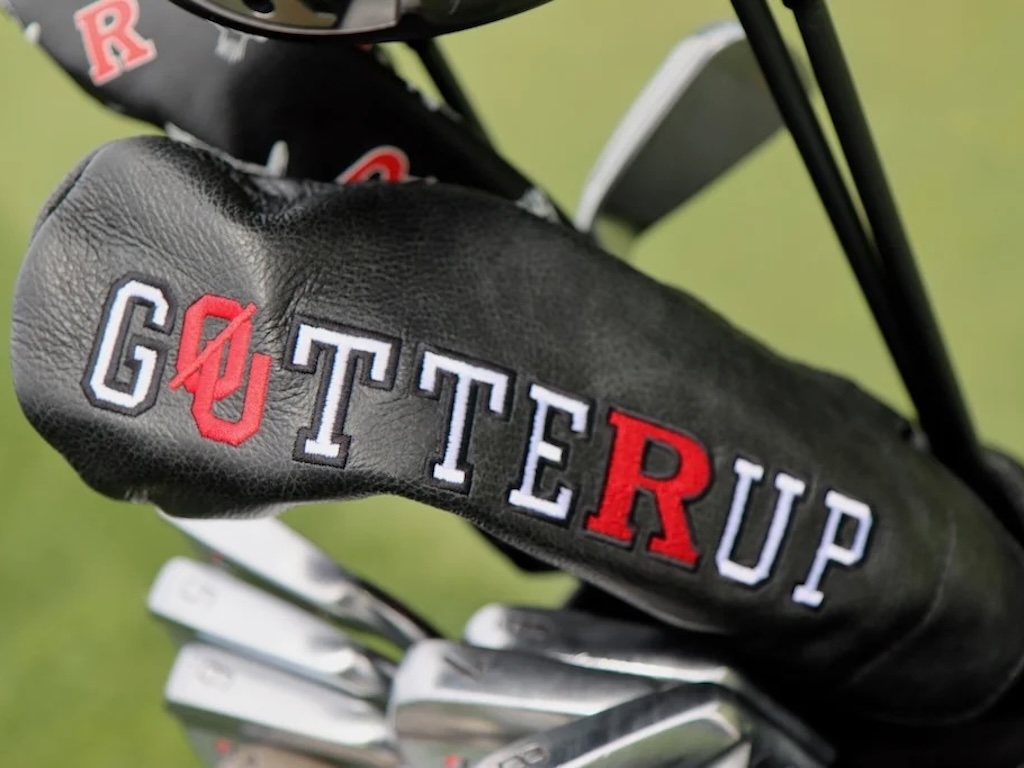
- Chris Gotterup had >14 clubs in his bag when photographed prior to the Memorial Tournament.
Drivers: TaylorMade Qi4D (8 degrees), Ping G440 LST (9 degrees @8), Ping G440 LST (7.5 degrees)
Shafts: Project X HZRDUS Smoke Grey 6.5 TX 70 g, Project X HZRDUS T1100 Handcrafted 6.5 TX 70 g, Project X HZRDUS Smoke Grey 6.5 TX 70 g
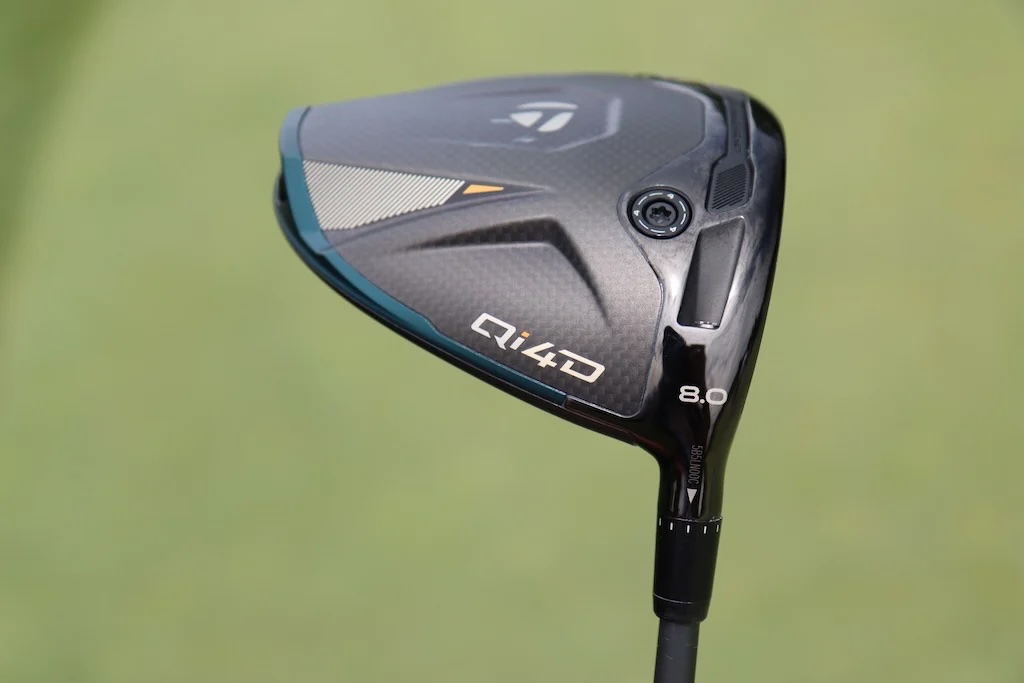
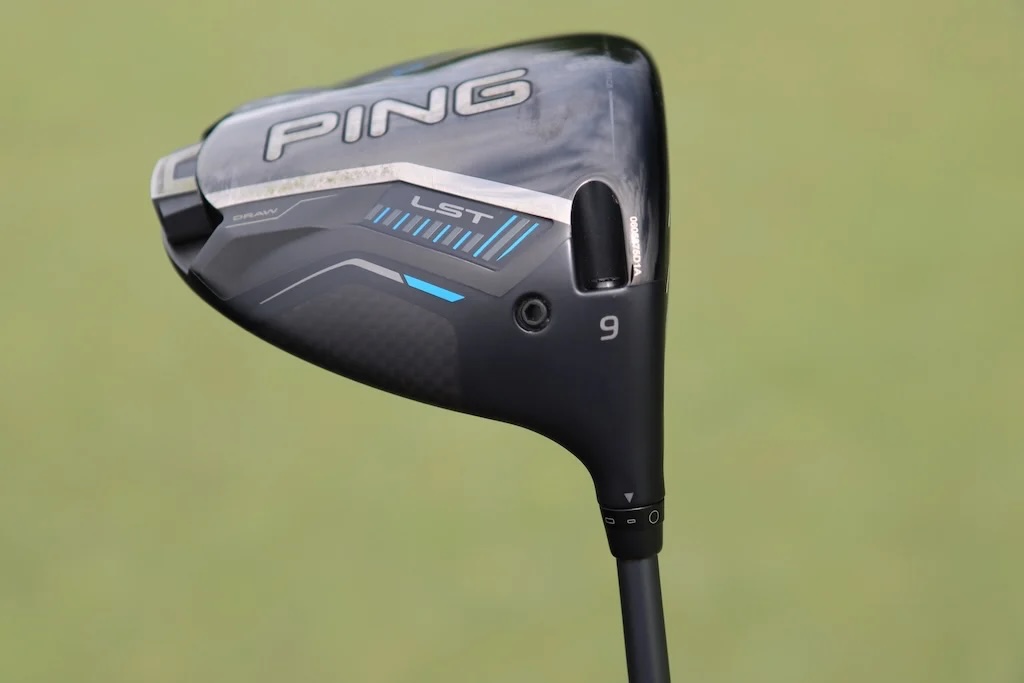
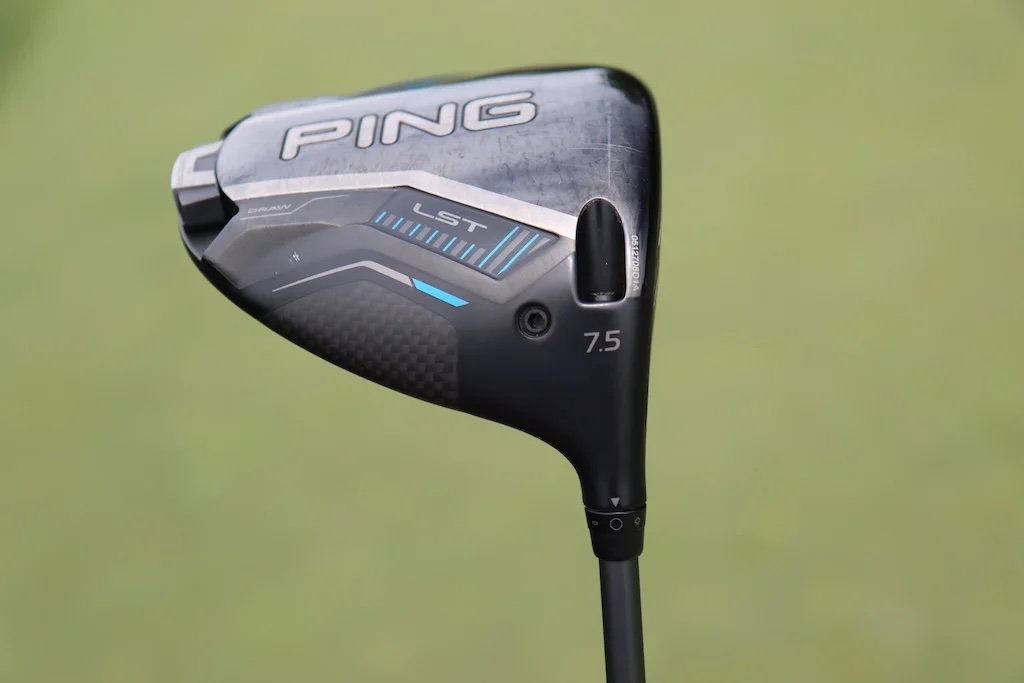
Mini driver: TaylorMade BRNR (13.5 degrees)
Shaft: Project X HZRDUS Black TX 80 g
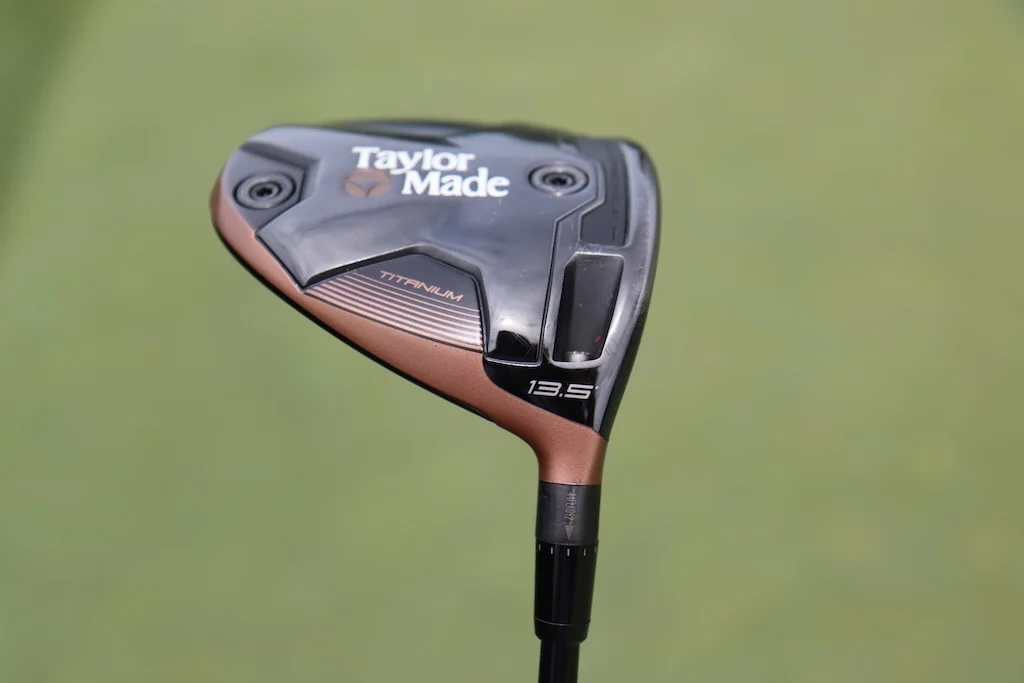
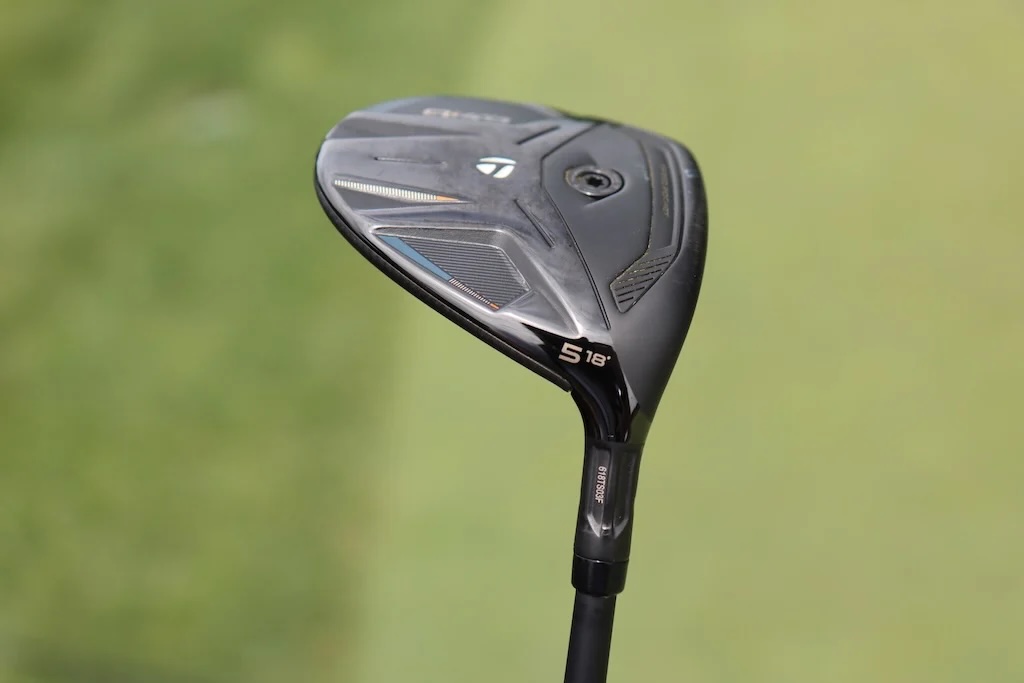
5-wood: TaylorMade Qi4D (18 degrees)
Shaft: Mitsubishi Chemical Diamana WB Wood Shaft 83 TX
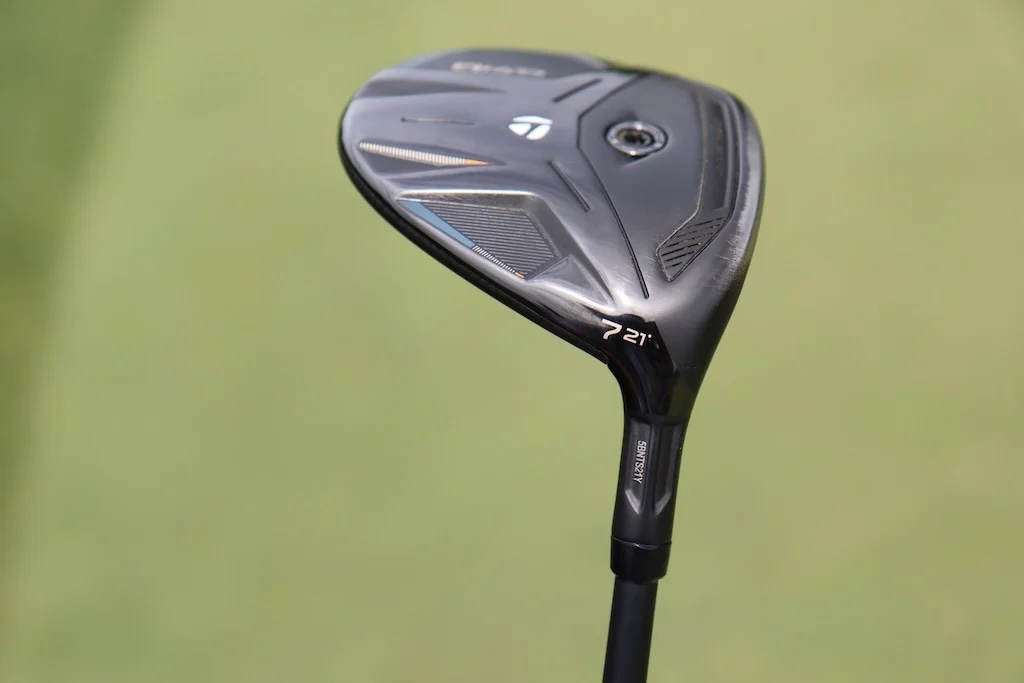
7-wood: TaylorMade Qi4D (21 degrees)
Shaft: Mitsubishi Diamana WB Wood Shaft 83 TX
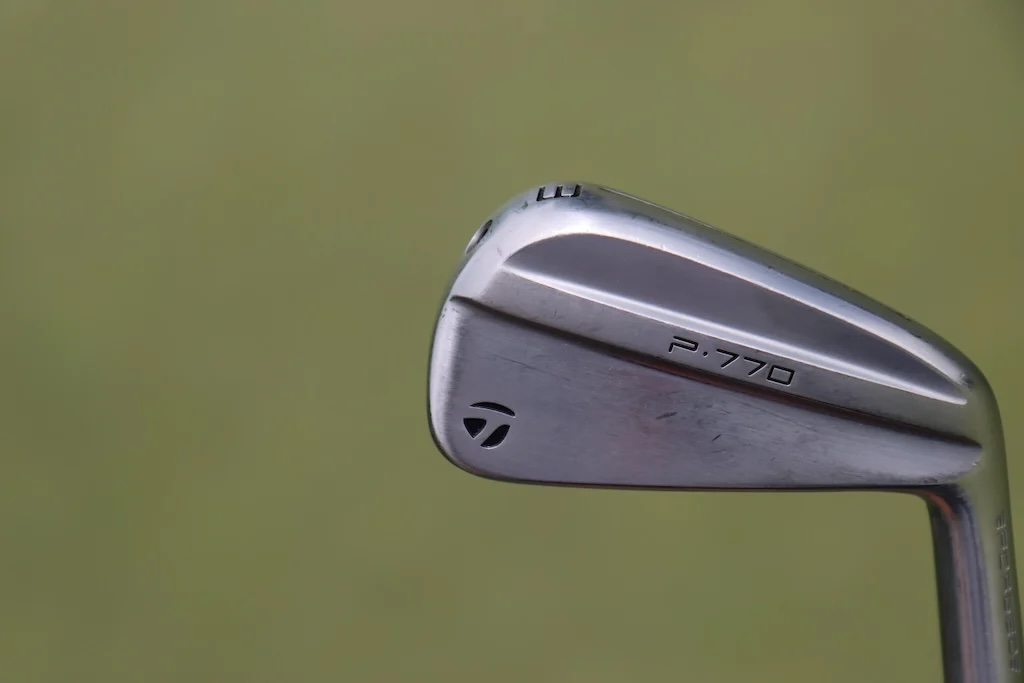
Irons: TaylorMade P770 (3), Bridgestone Tour B 220 MB (4-9)
Shafts: KBS C-Taper 130 X
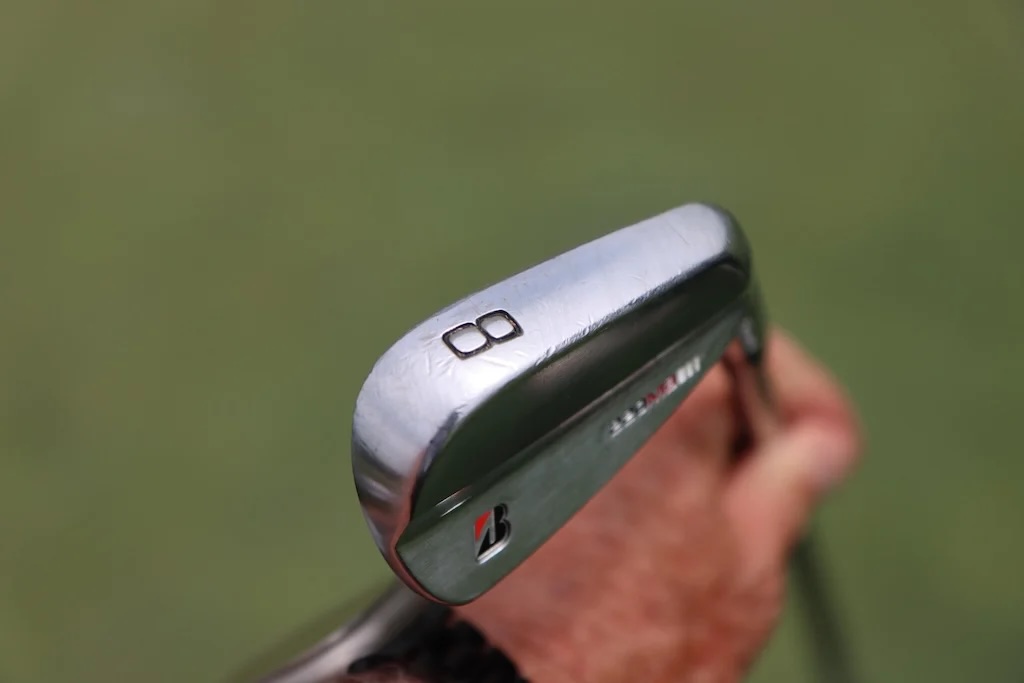
Wedges: TaylorMade MG5 (46, 52, 56, 60)
Shafts: KBS C-Taper 130 X, True Temper Dynamic Gold Tour Issue X100
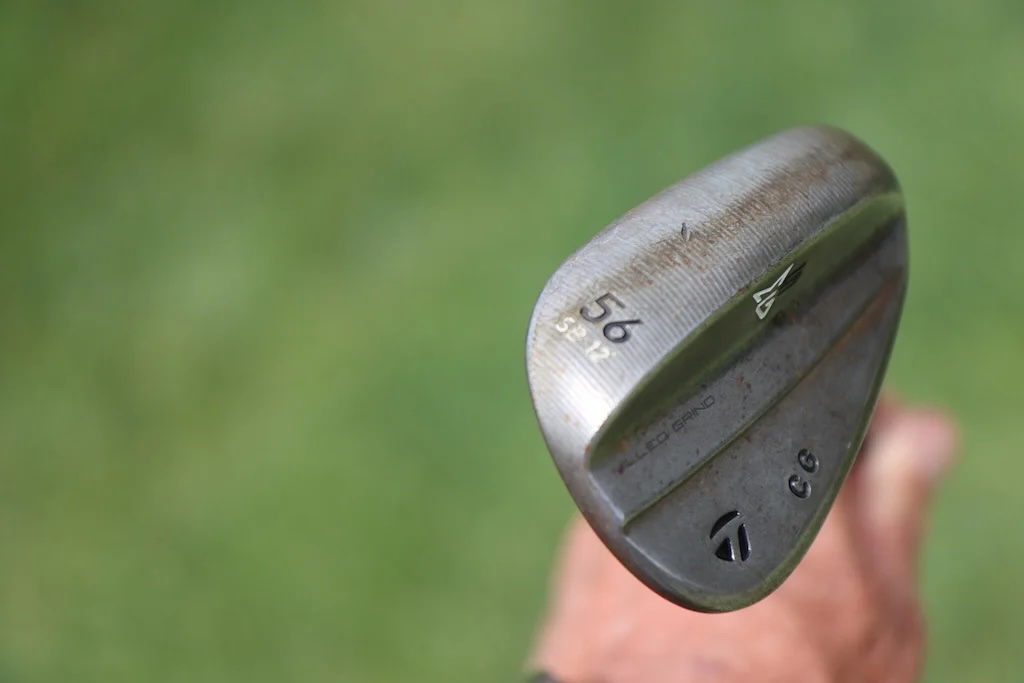
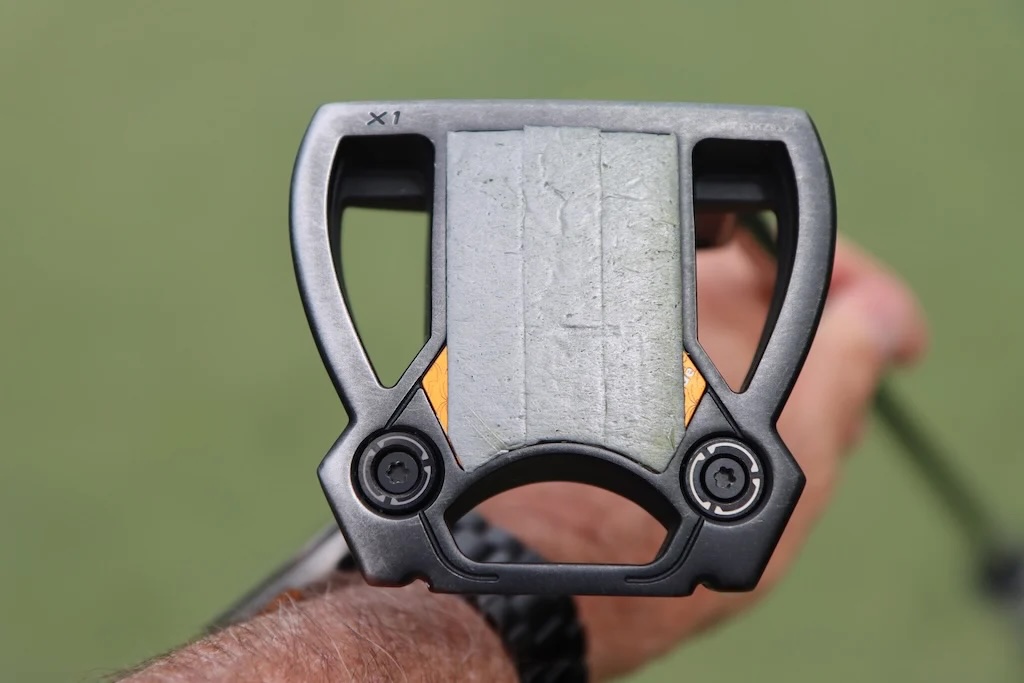
Putter: TaylorMade Spider X Tour
Grip: SuperStroke Zenergy Pistol 2.0
Grips: Golf Pride Z Grip Cord
Ball: Bridgestone Tour B X Mindset
Check out more in-hand photos of Chris Gotterup’s clubs here.

Justin Rose WITB 2026 (April): Full WITB breakdown with new McLaren irons

What’s the story behind Webb Simpson’s custom-stamped irons?

Cadillac Championship Tour Report: Spieth’s sizable changes, McLaren Golf launches, and more

Kristoffer Reitan’s winning WITB: 2026 Truist Championship

Russell Henley’s winning WITB: 2026 Charles Schwab Challenge

Cameron Young’s winning WITB: 2026 Cadillac Championship

Aaron Rai’s winning WITB: 2026 PGA Championship

Nelly Korda WITB 2026 (April)

Justin Rose on the switch to McLaren Golf, learnings from previous equipment moves

Photos from the 2026 CJ Cup Byron Nelson

Chris Gotterup WITB 2026 (June)
Chris Gotterup had >14 clubs in his bag when photographed prior to the Memorial Tournament. Drivers: TaylorMade Qi4D (8 degrees), Ping...


Jason Day WITB 2026 (June)
Jason Day had >14 clubs in his bag when photographed prior to the Memorial Tournament. Driver: Ping G430 LST (10.5 degrees...

Nastasia Nadaud WITB 2026 (June)
Driver: Titleist TSR4 (9 Degrees) Shaft: Project X EvenFlow Riptide CB 6.0 S 3-wood: Titleist GTS2 (15 degrees) Shaft: Graphite Design Tour AD DI...

Keith Mitchell WITB 2026 (June)
Driver: TaylorMade Qi4D LS Shaft: Project X Titan Yellow 6 X 3-wood: TaylorMade Qi10 (16.5 degrees) Shaft: Mitsubishi Tensei 1K Blue 90...
-
 News3 days ago
Russell Henley’s winning WITB: 2026 Charles Schwab Challenge
-
 Whats in the Bag2 weeks ago
Aaron Rai’s winning WITB: 2026 PGA Championship
-
 Tour Photo Galleries2 weeks ago
Photos from the 2026 CJ Cup Byron Nelson
-

 Equipment2 weeks ago
CJ Cup Byron Nelson Tour Report: Koepka and Kim’s newest putters finally get hot
-
 News5 days ago
Charles Schwab Challenge Tour Report: MacIntyre, Åberg and Spaun all switch putters, TaylorMade launches new Spider
-
Equipment10 hours ago
Details on Jason Day’s latest prototype Avoda iron setup
-
 Equipment1 week ago
Details on J.J. Spaun’s surprise putter switch
-
 Popular Photo Galleries1 week ago
Photos from the 2026 Charles Schwab Challenge


L
Oct 25, 2024 at 11:47 am
What’s the weight of the Metaflex shaft? At what dynamic lie does the robot swing?
KoreanGolfer
Oct 25, 2024 at 7:55 pm
Check their shaft specs and results of the test here: http://freeflexshaft.com
James
Oct 26, 2024 at 9:30 am
Check their page at http://freeflexshaft.com for the full test results and specs.