
Opinion & Analysis
Mastering the art of putting: Decoding the go-by numbers

Putting is an essential aspect of the game of golf that can often make or break a player’s performance on the green. According to putting genius Geoff Mangum, the pursuit of the perfect putt is evasive because of poor information.
Understanding the Basics
Most golfers believe that when putting, good advice is “never up, never in.” As a result many putts are hit well past the hole. It is these putts that most often result in 3-putts.
Instinctive delivery speed at the hole instead of trying to hit past, the best advice for putters is to try and die the ball into the front of the cup using practical and effective capture speed. Mangum teaches this ball “delivery speed” by teaching how instinctive “touch” is performed.
Geoff tells students “The brain science is that perception and intentionality to the space of the hole invokes the correct size stroke (with a stable tempo and rhythm) so the motion physics matches the putt’s physics on the green.”
The intentionality includes imagining the putt with final ball speed at the hole for the ball having time to drop safely in the cup even on the edge paths but not go too far past in case of a miss. Also, it means that the hole is as big as reasonable when the ball is rolling towards it. The bigger the hole, the more putts go in!
Pelz’s Puzzling Advice
The confusion surrounding go-by distances partly stems from Dave Pelz’s methodology and his claims. It appears that Pelz’s data on capture speed, published in Golf Digest in July 1977, does not consider the stimp or slope and contradicts his claim that 17 inches past the hole is best for all putts.
Optimal Velocity Choices
In practice, players should work on delivering the ball with a consistent speed, both uphill and downhill. According to Mangum, “Even at optimal delivery speed of 2-3 rps, a rare few outliers will be short due to unavoidable human variability. But this also means intending a delivery speed of 1 rps in light of normal variability greatly increases the number of putts that miss short.” And 4 rps can work but is risky for slick downhill putts going too far past.
The faster the ball is traveling at the cup, the less effective size of the cup and the farther the comeback putt. There are many factors, including stimp and slope, but in general, if the ball travels more than 2.5 feet (30 inches) past the hole, it probably would have needed to hit the center to have much of a chance of going in.
Developing Touch
When practicing putting, players need to work on their touch. According to Mangum, the first step is to stabilize a relaxed tempo and a same-same back and through rhythm.
The next step for instinctive touch is to appreciate how stroke size causes distance on the day’s particular green speed. To calibrate, putt “three balls with the same size stroke and the stable tempo-twice swinging rhythm. A typical size for this might be a stroke a little larger than the stance so the backstroke goes a few inches past the rear foot.” These putts will go a certain distance, perhaps 10 feet. This step calibrates green speed to the player’s tempo- rhythm, and using the same “core putt” every time allows comparing different green speeds on different greens or days.
The final step is to test instinctive sizing. Toss a “rabbit” ball around 30 feet away. Then intend for the putted “hound” ball to go the same distance and just “kiss” the rabbit ball. Find out if this process causes the instincts to size the stroke correctly.
With instinctive touch, the player “sizes” the stable tempo-rhythm by intending the delivery speed at the hole.
Over time, the final ball pace at the hole becomes correlated with a stable tempo-rhythm instinctively sized. The player then simply relies on the stable tempo-rhythm and target intentionality for a consistent great delivery pace.
Such “skillful” know-how enables the player to know what flaws in touch cause long or short (too slow or too fast a pace to the hole):
- Failure of clear intentionality to the target space
- Second half of rhythm is quicker; tempo and arrives too fast
- First half of rhythm ends before fully loading the size and is short
- The second half of the rhythm ends before fully spending the instinctive size and stops short
With this steady feedback from diagnosing errors, touch steadily improves for accuracy and consistency.



This past Monday, I played in the U.S. Amateur local qualifier at Rock Creek Country Club in Portland, Oregon. A full tee sheet from 7:30 a.m. to 1:55 p.m., the top 11 scores would make it to the U.S. Amateur final qualifying.
I teed off at 10:48 a.m.. With the 7:30 am tee time, you can get a feel for the leaders’ pace, and they were off and running on the challenging setup at Rock Creek.
View this post on Instagram
Getting to the highlight of the round on the par five 17th, a drive up the left side and 212 yards left to the front hole location. I took out a 5-iron with plans of middle of the green. The ball ended up 8 feet left of the hole, pin high. A slight downhill putt dropped in for an eagle 3 on the 17th. With the cut line looking to be anywhere from -2 to even par. This was the boost I had been waiting for all day.
With making par from the trees on 18, it was time to wait for a potential playoff with a posted score of one under par 71.
Three hours later, it was playoff time. 8 players for 6 spots. I made par on the playoff hole, which was good enough to advance to the U.S. Amateur final qualifying in July. USGA qualifiers sure deliver on all of the emotions in golf!
Club Junkie
Building my 2026 gamer WITB: Ranking the contenders and new putter projects – Club Junkie Podcast

The annual What’s In The Bag build is underway, and on this episode of Club Junkie, Brian breaks down the clubs currently leading the race for a spot in his 2026 gamer setup. From drivers and fairway woods to irons, wedges, and shafts, he ranks the equipment that’s performing best and explains what’s separating the front runners from the rest of the field.
Brian also heads into the workshop to discuss several putter projects currently on the bench. From head options and shaft choices to build ideas and testing plans, he shares what he’s working on and which putters could become serious contenders for the bag this season.
If you’re a gear junkie who loves equipment testing, club building, and the never-ending pursuit of the perfect setup, this episode is for you.
Follow Club Junkie:
Instagram: @clubjunkiepod
TikTok: @clubjunkiepod
Threads: @clubjunkiepod
X: @ClubJunkiePod
Club Junkie
Tour Edge Exotics mini driver review + TaylorMade Spider ZT Max first look – Club Junkie

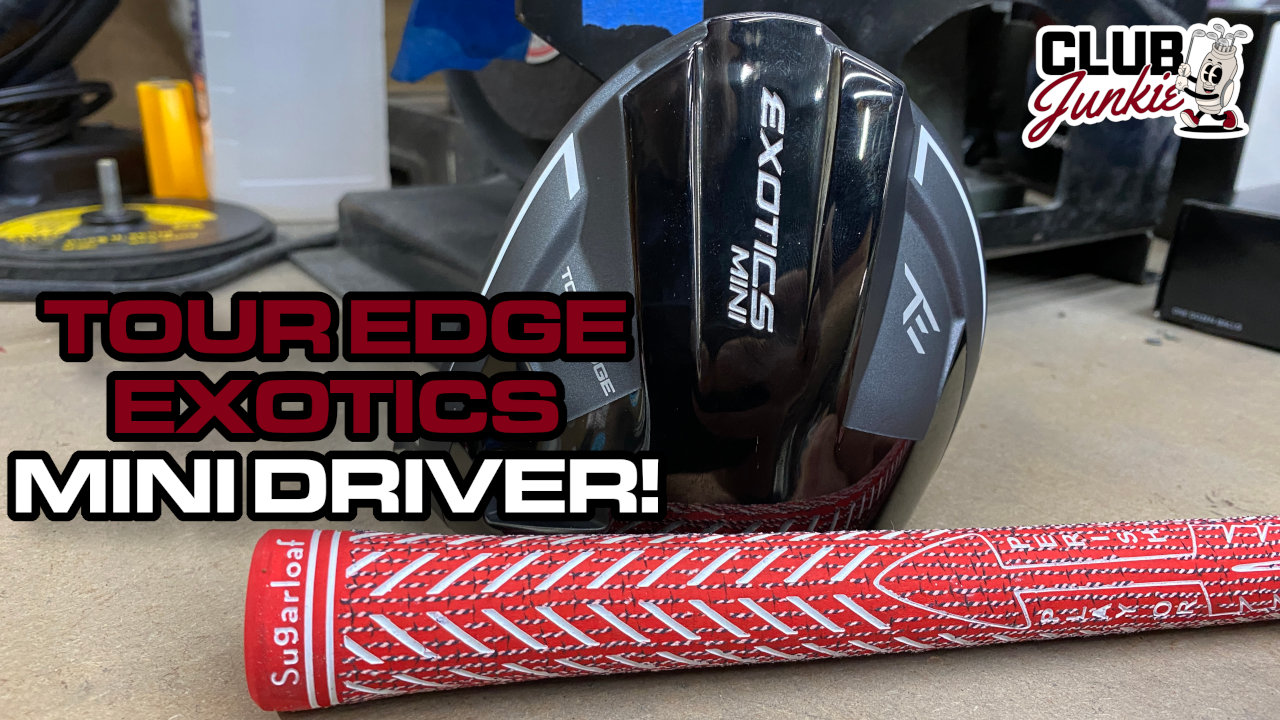
On this episode of Club Junkie, I put the new Tour Edge Exotics Mini Driver to the test and break down the performance, forgiveness, distance, and where it fits compared to a traditional driver or strong fairway wood. If you have been curious about adding a mini driver to the bag, this one is worth a look.
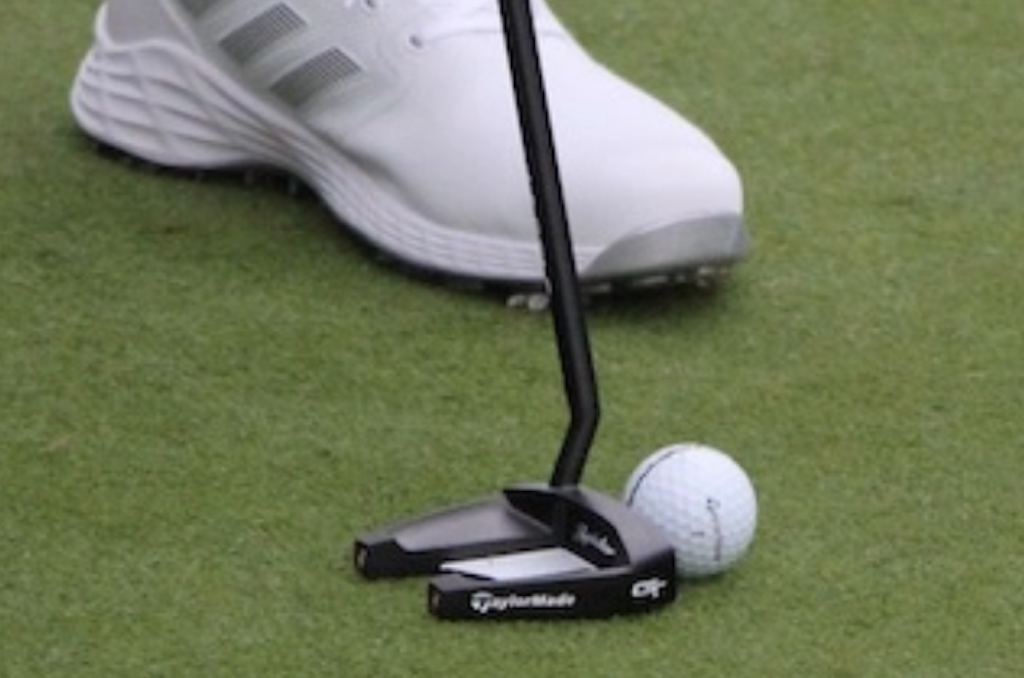
I also dive into the new TaylorMade Spider ZT Max putter that was recently spotted and discuss the growing zero torque putter trend. Plus, there is a closer look at the new Project X Titan Yellow shaft showing up on the PGA Tour and what makes it different from other profiles currently out there.

Justin Rose WITB 2026 (April): Full WITB breakdown with new McLaren irons

What’s the story behind Webb Simpson’s custom-stamped irons?

Cadillac Championship Tour Report: Spieth’s sizable changes, McLaren Golf launches, and more

Memorial Tournament Tour Report: Rory McIlroy, Cameron Young switch up drivers, and more

Russell Henley’s winning WITB: 2026 Charles Schwab Challenge

Kristoffer Reitan’s winning WITB: 2026 Truist Championship

Aaron Rai’s winning WITB: 2026 PGA Championship

Cameron Young’s winning WITB: 2026 Cadillac Championship

Details on Jason Day’s latest prototype Avoda iron setup

Justin Rose on the switch to McLaren Golf, learnings from previous equipment moves

J.T. Poston’s winning WITB: 2026 Memorial Tournament
Driver: Titleist GTS3 (9 degrees) Shaft: Mitsubishi Diamana BF 60 TX 3-wood: Titleist TS2 (15 degrees) Shaft: Graphite Design Tour...


Alex Noren WITB 2026 (June)
Driver: Callaway Paradym Ai Smoke Max D (9 degrees @7, draw setting) Shaft: Graphite Design Tour AD VF 6 X 3-wood: Callaway...
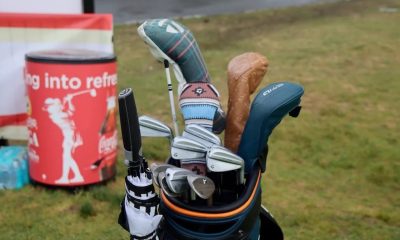

Melanie Green WITB 2026 (June)
Driver: TaylorMade Qi4D (9 degrees) Shaft: Graphite Design Tour AD VF 5 S 3-wood: TaylorMade Qi4D (15 degrees) Shaft: Graphite Design Tour...


Sungjae Im WITB 2026 (June)
Sungjae Im had >14 clubs in his bag when photographed prior to the Memorial Tournament. Driver: Titleist TSi2 (8 degrees, B1...
-
 Equipment2 days ago
Memorial Tournament Tour Report: Rory McIlroy, Cameron Young switch up drivers, and more
-
 News1 week ago
Russell Henley’s winning WITB: 2026 Charles Schwab Challenge
-
 Equipment5 days ago
Details on Jason Day’s latest prototype Avoda iron setup
-
 Tour Photo Galleries3 weeks ago
Photos from the 2026 CJ Cup Byron Nelson
-

 Equipment2 weeks ago
CJ Cup Byron Nelson Tour Report: Koepka and Kim’s newest putters finally get hot
-
 News1 week ago
Charles Schwab Challenge Tour Report: MacIntyre, Åberg and Spaun all switch putters, TaylorMade launches new Spider
-
 Equipment2 weeks ago
Details on J.J. Spaun’s surprise putter switch
-
 Popular Photo Galleries2 weeks ago
Photos from the 2026 Charles Schwab Challenge


eva
Aug 29, 2023 at 5:31 pm
I can’t believe I paid $19,000 for my first general test, according to a friend of my younger bs05 brother. Simply click the
.
.
Link to get started………………………………….https://careershome73.blogspot.com