
Equipment
2020 Callaway Mavrik fairway woods and hybrids

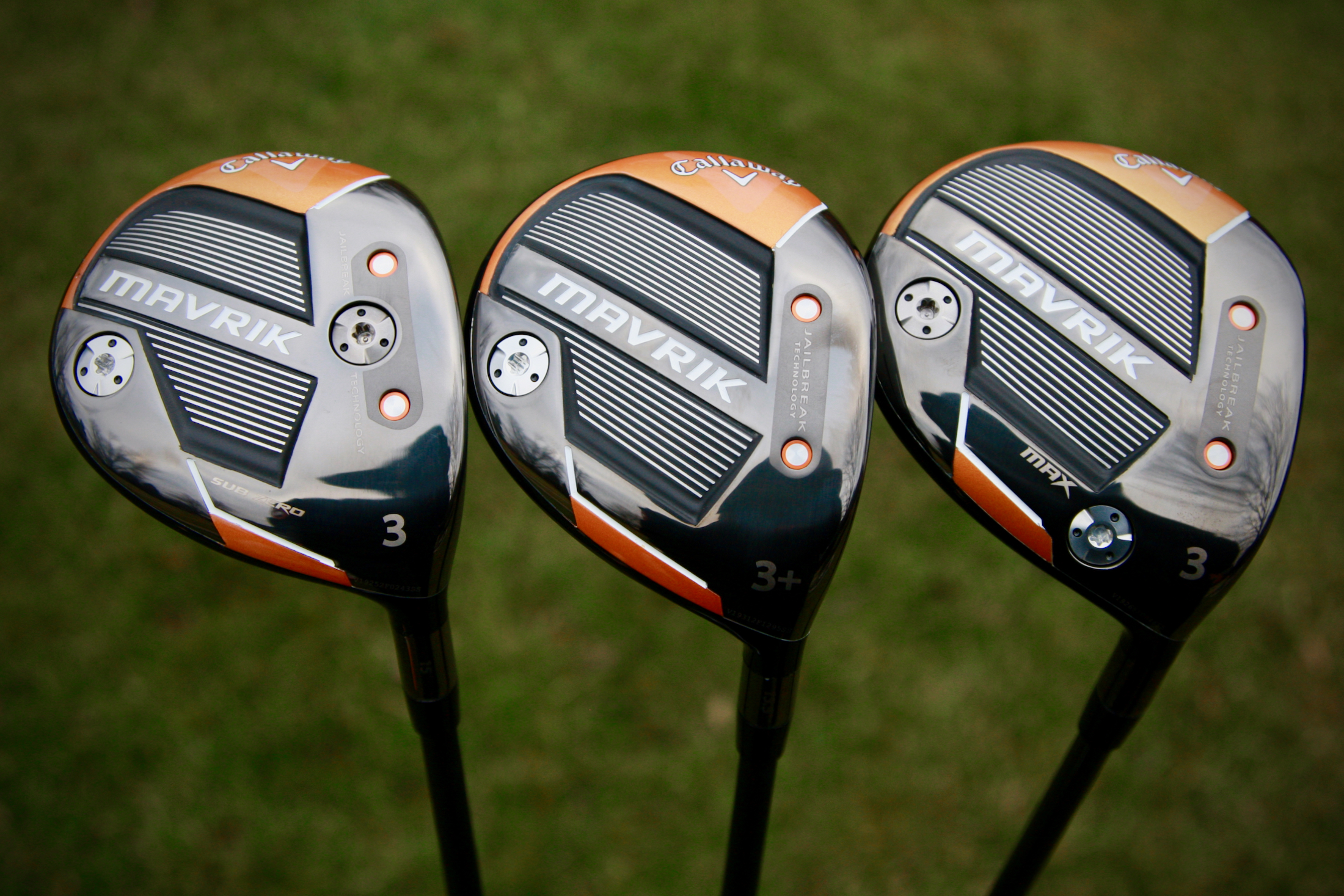
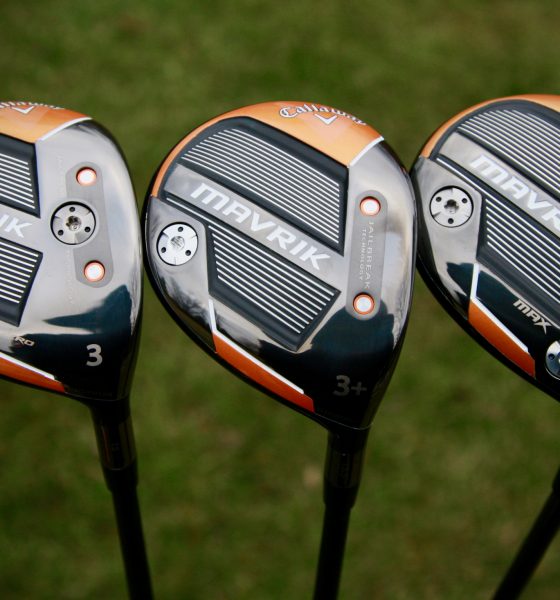
New for 2020 Callaway has three Mavrik Fairway Woods: Mavrik, Mavrik Sub Zero, and Mavrik Max.
Like with the Mavrik drivers, Callaway has taken every step to bring the same technological advantages produced through artificial intelligence to the Callaway Mavrik fairway metals for 2020.
The first thing you will notice beyond Callaway keeping the naming nomenclature consistent with the driver—Mavrik, Mavrik Sub Zero, and Mavrik Max—is the elimination of the adjustable hosel in favor of saving every last possible amount of discretionary mass to position around the head.
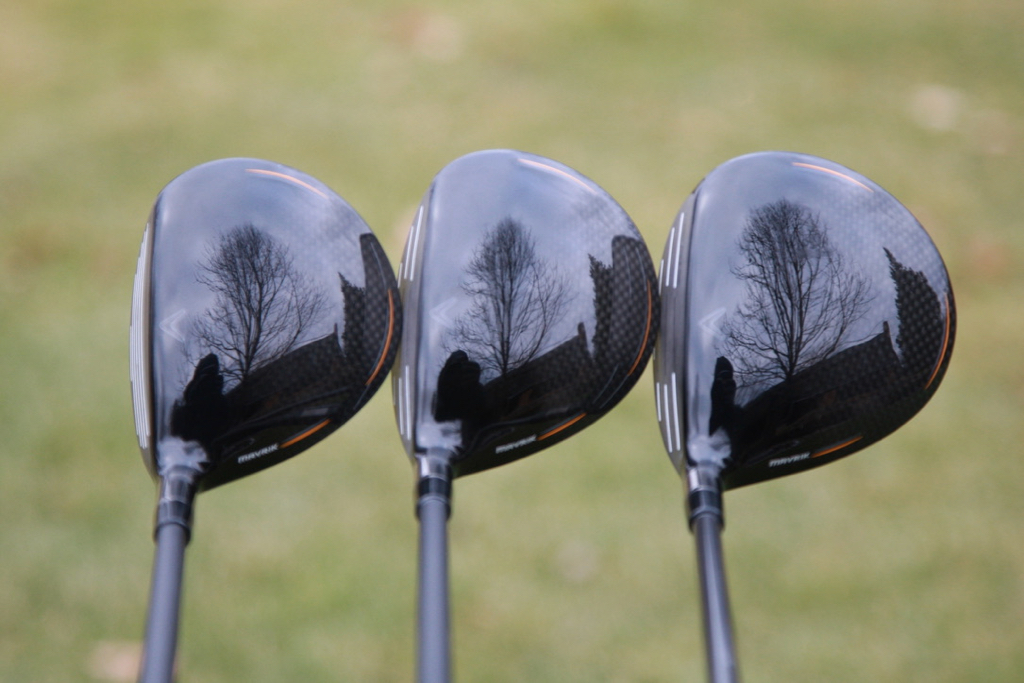
Callaway Mavrik Sub Zero (left), Mavrik (center) and Mavrik Max (right)
As we like to remind curious golfers out there: the one design constraint every single OEM has to deal with is final head weight for every club. With fairway woods, that’s between 212 and 218 grams for a 3-wood—that’s it! So use it wisely.
Flash Face SS20: Fairway wood edition
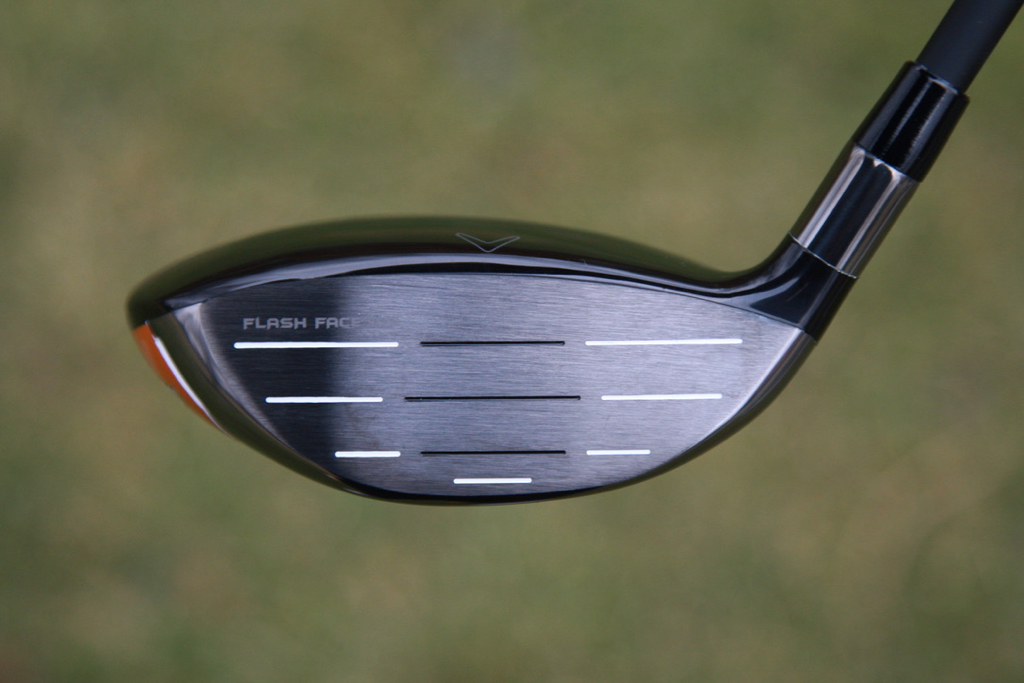
By using A.I just like with the Mavrik drivers, Flash Face SS20 in the fairway woods allow for lighter, faster and stronger faces, but thats where the similarities end…
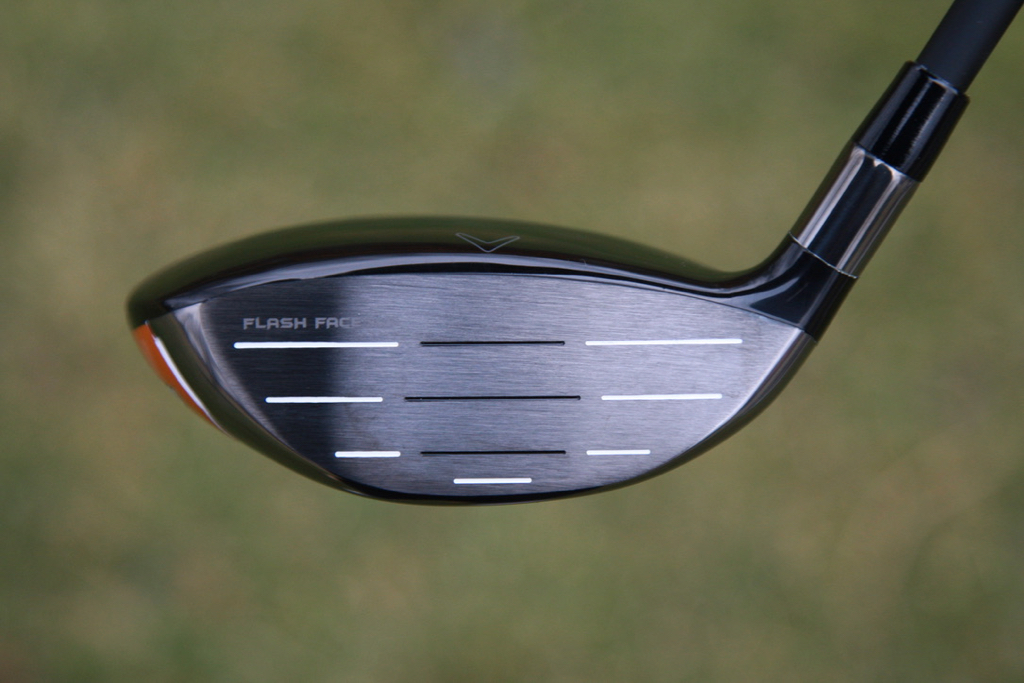
As much as you might assume it would be as easy as taking the same face insert designs from the Mavrik drivers and shrinking them down to fairway wood proportions, it’s not quite that simple. There are some big differences between drivers and fairways including
- Face height, and overall size
- Materials and mass distribution
- Impact location variations
All of these factors mean how the faces are constructed needs to change too! Bring on C300 maraging steel!
Quick metallurgy break
From Magellan Metal – C300: Maraging 300 alloy steel material is a vacuum induction melted and vacuum arc re-melted, low-carbon, nickel-cobalt-molybdenum high-temperature nickel alloy. This material can produce yield strengths in excess of 270 ksi (kilopounds per square inch ) (1862 MPa) through simple, low-temperature heat treatment at 900°F (482°C). Maraging steel 300 also exhibits good ductility at high strength levels, displays excellent notch ductility and outstanding weldability. This superior maraging steel maintains numerous beneficial features, including:
- Extremely tough
- Relatively soft
- Maintains high strength and toughness
- Ultrahigh tensile strength
- Resists corrosion and crack propagation
- Readily weldable
What this means for the golfer is this specialty metal helps engineers get more out of a fairway wood compare to conventional steel!
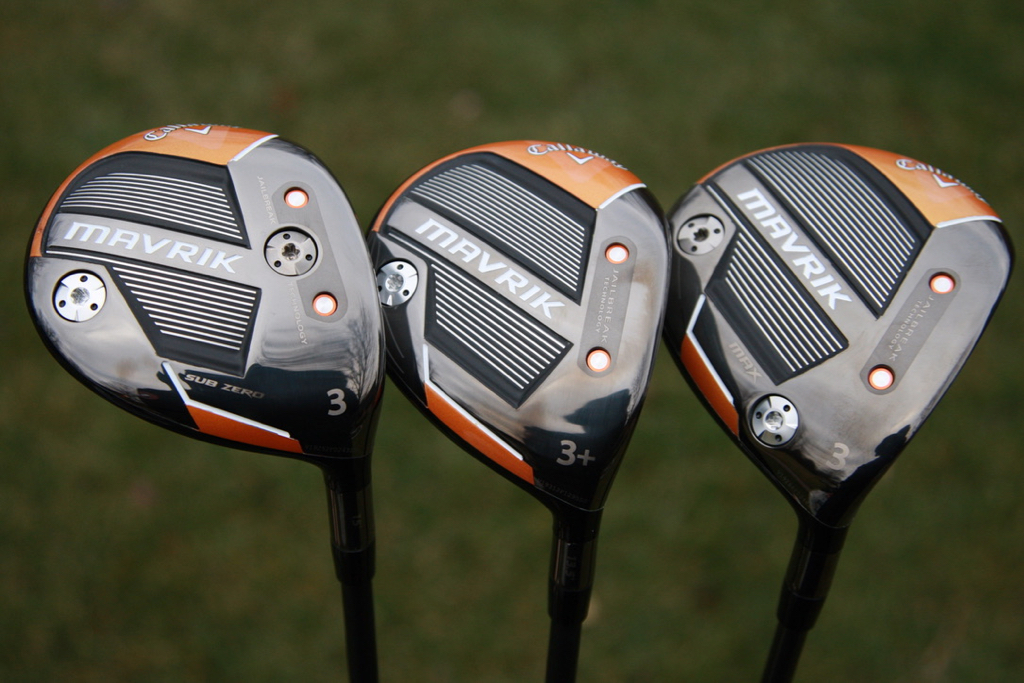
Callaway Mavrik Sub Zero (left), Mavrik (center) and Mavrik Max (right)
Ok and we’re back…
Each face is different: For a reason
With player testing at both the highest levels and with amateur players of all abilities. Callaway, with the help of artificial intelligence, has uniquely engineered variable face thickness patterns to maximize ball speed on center and off-center hits for every single loft of every single model in the Mavrik family.
The reason being, the average golfer using the Mavrik Max Model 7-wood, for example, hits it a lot differently than a touring profession hits a strong-lofted 3-wood. So why should they have the same faces?
Pair all of this new technology with more available discretionary mass from a fixed hosel configuration and Callaway’s proven Jail Break, and you have an entirely new line of fairway woods redesigned to help golfers across the whole spectrum of skill levels and swing speeds.
Mavrik fairway Wood models:
Mavrik Fairway Wood
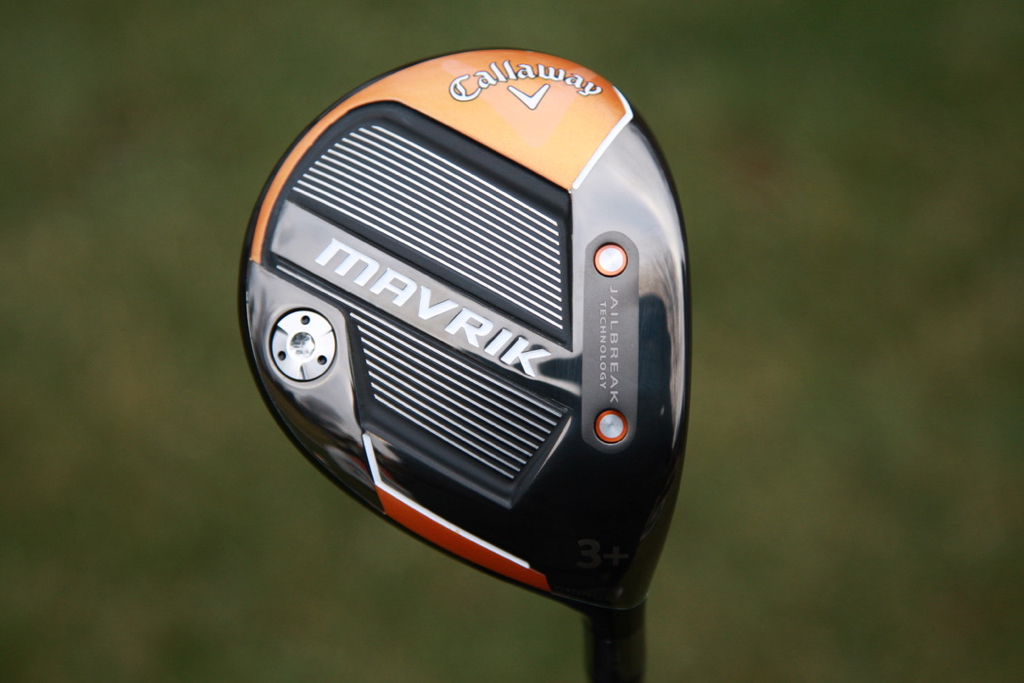
It is the fastest and most aerodynamically shaped of the three and is designed with the greatest scope of golfers in mind. The 3-wood comes in at 174cc’s, making it the perfect fit for players looking for a confidence-inspiring look from address while also not being “oversized.”
- Available lofts: 13.5° – Strong 3-wood. 15° – Standard 3-wood. 16.5° – 4-wood. 18° – 5-wood, 21° – 7-wood.
Mavrik MAX Fairway Wood
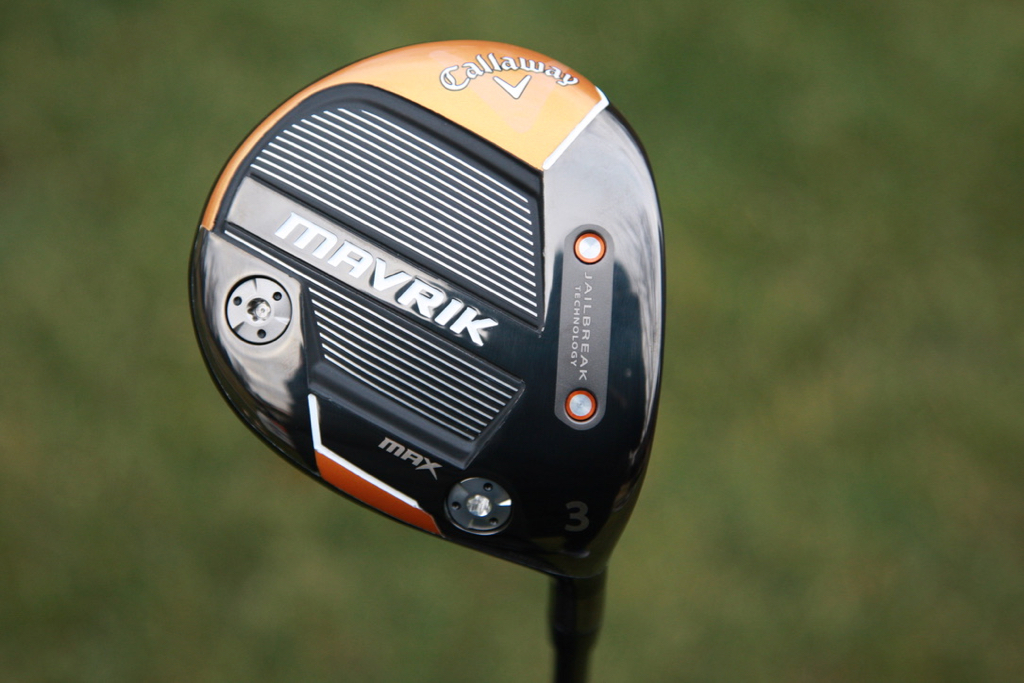
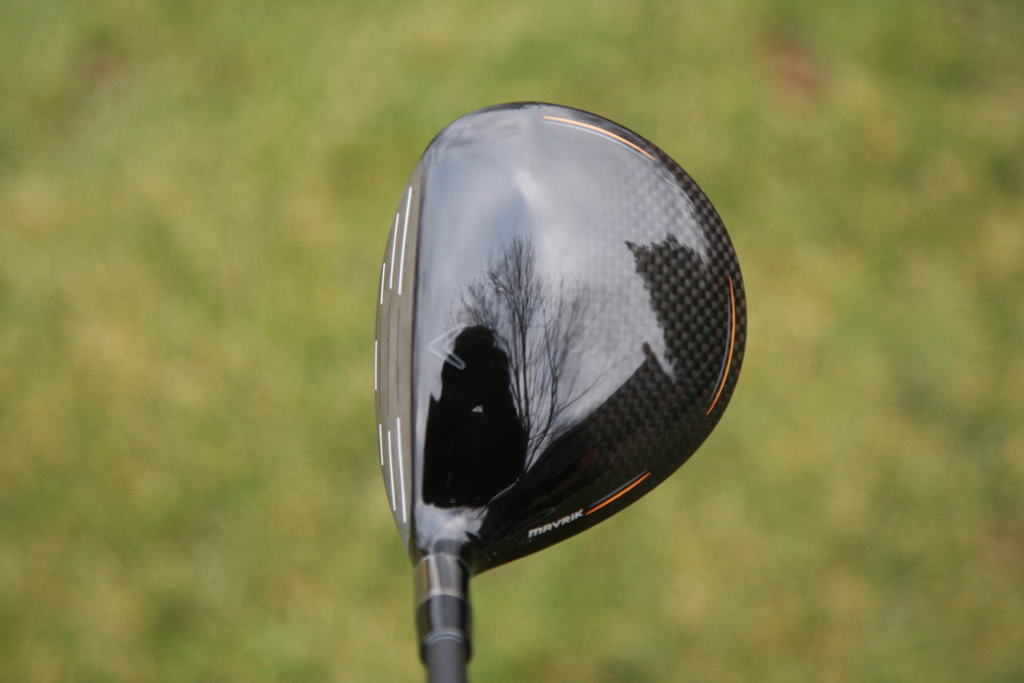
Like the Max model driver, the Mavrik Max fairway woods come with two adjustable weights positioned in the sole for either additional draw bias or extremely high MOI. The MOI is further boosted in the 3 wood since the head volume is 200cc—13 percent bigger than the standard model.
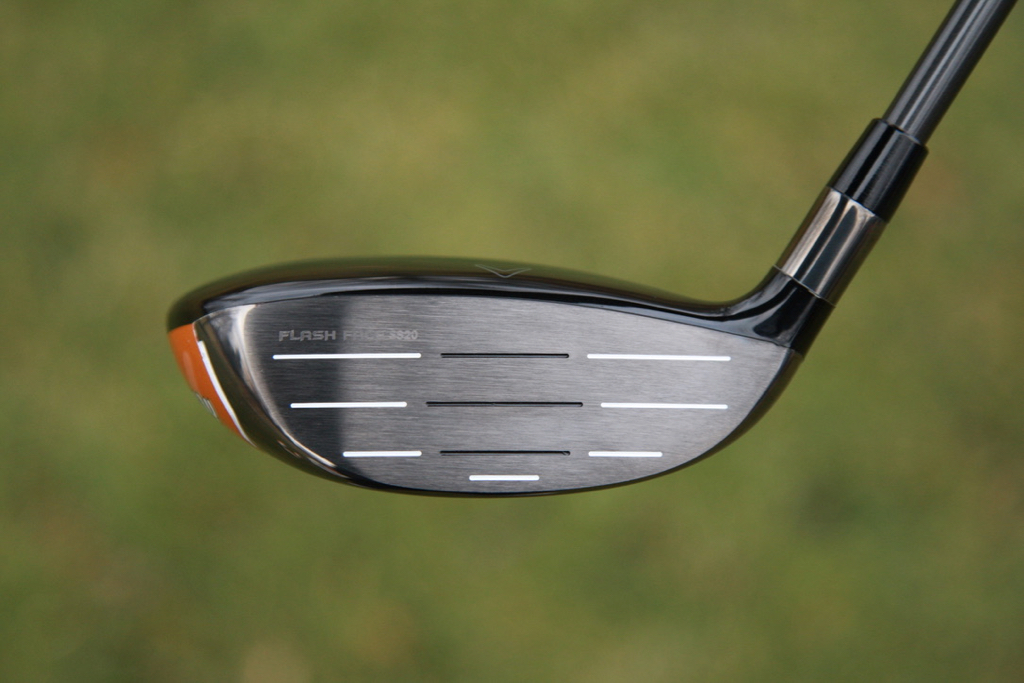
Callaway didn’t just shallow out the Max, increase size, boost draw bias, and call it a day. No, it lowered the leading edge profile to put more face area lower to make it easier to get the ball in the air. The reason being the target golfer looking for this style of fairway wood generally struggles with is hitting a fairway wood of the deck. Plus for players that might not have a lot of speed or are shallow into the ball, it makes getting the ball up easier too.
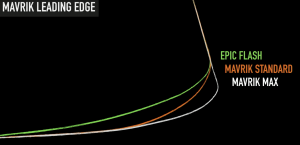
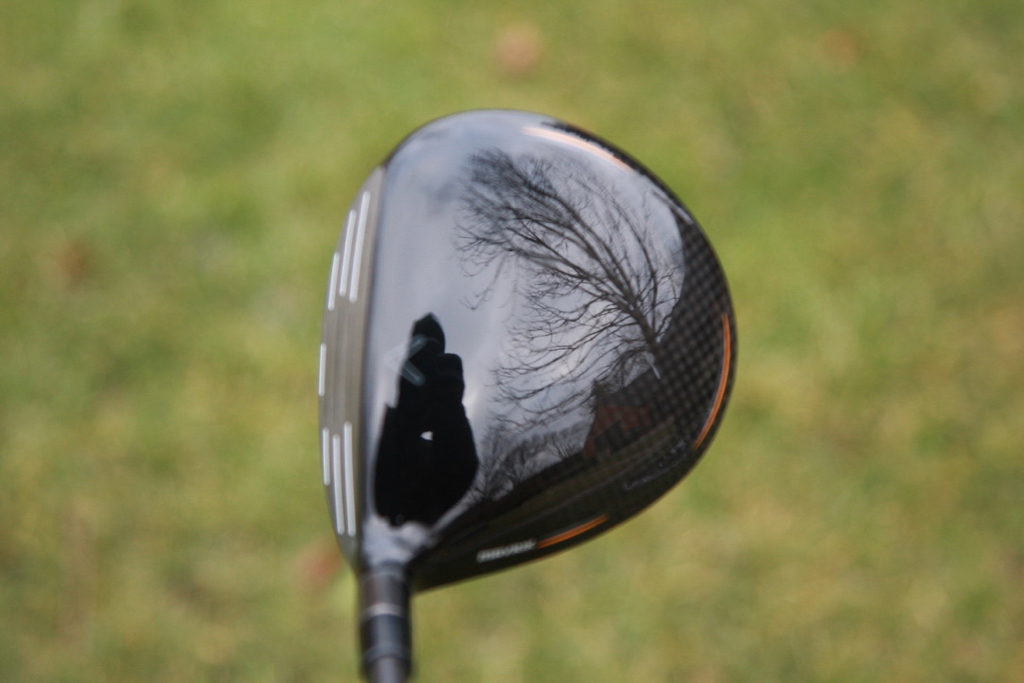
This leading-edge change is paired with the uniquely designed faces for each loft, which produces more high-quality shots, according to the company.
- Available Lofts: 13.5° – Strong 3-wood. 15° – standard 3-wood. 18° – 5-wood. 20° – Heaven Wood (length of a 5-wood). 21° – 7-wood. 23° – 9-wood. 25° – 11-wood.
Mavrik Sub Zero Fairway Wood
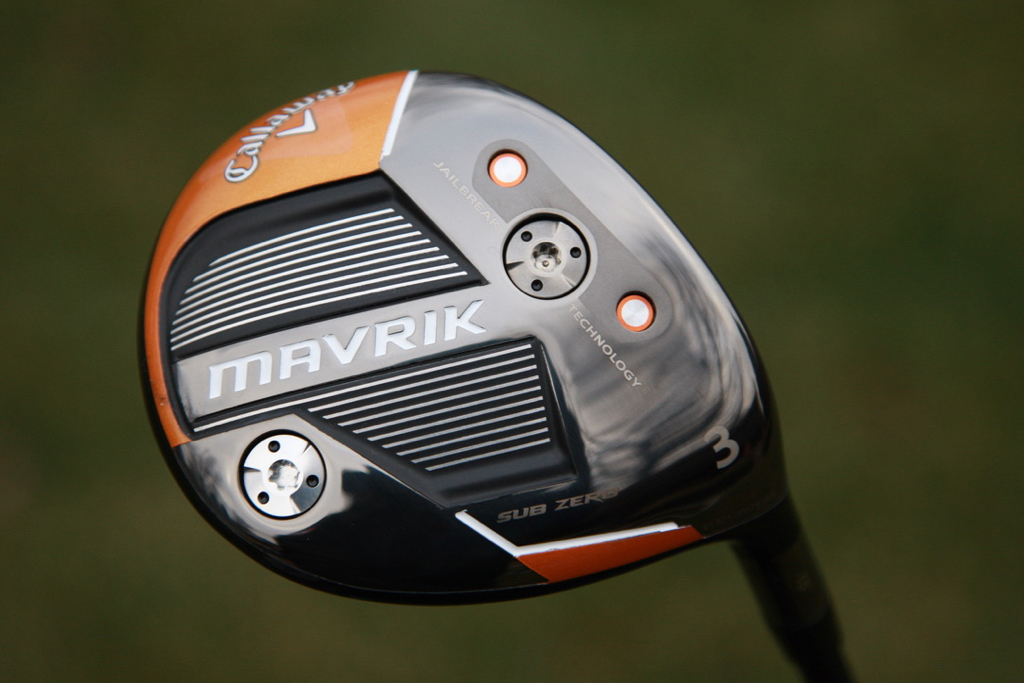
This is the one segment of the Mavrik fairway wood line that hasn’t been mentioned yet—the club for faster players that desire workability and need lower spin. The more workability part is relatively “easy”, lower MOI (compared to the other models) by decreasing volume down to 169cc’s, and shrinking the overall footprint.
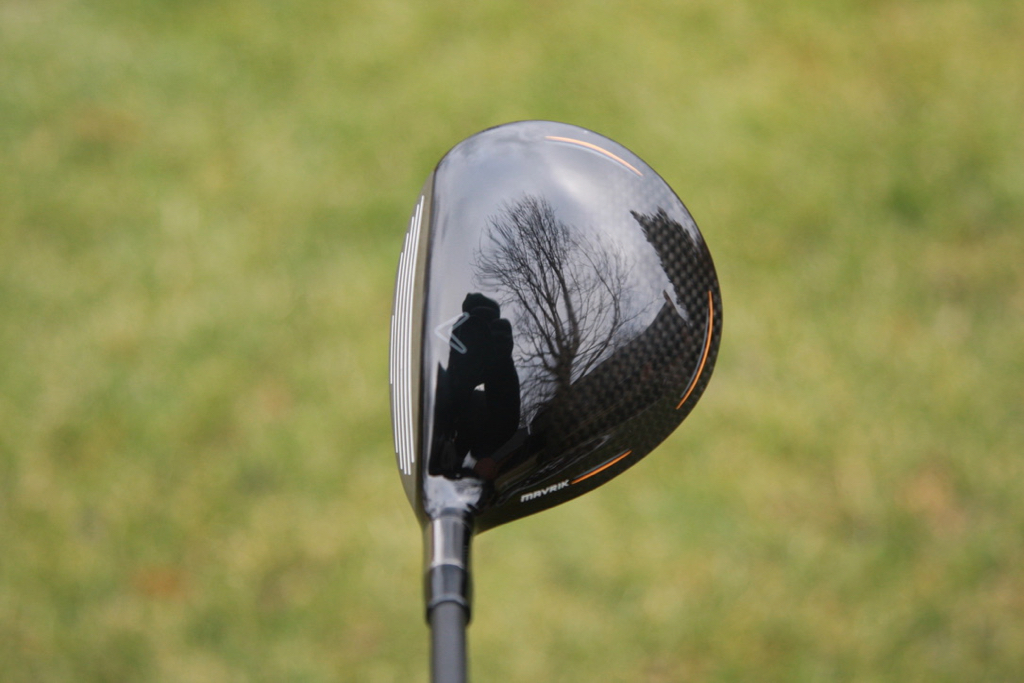
Callaway is using the same two-weight system as the Max but in the same configuration as previous Sub Zero models, allowing golfers to move weight front to back in the head to alter spin. This is not new technology, but it does further help players dial-in numbers, something that could becomes slightly more difficult with the elimination of the adjustable hosel.
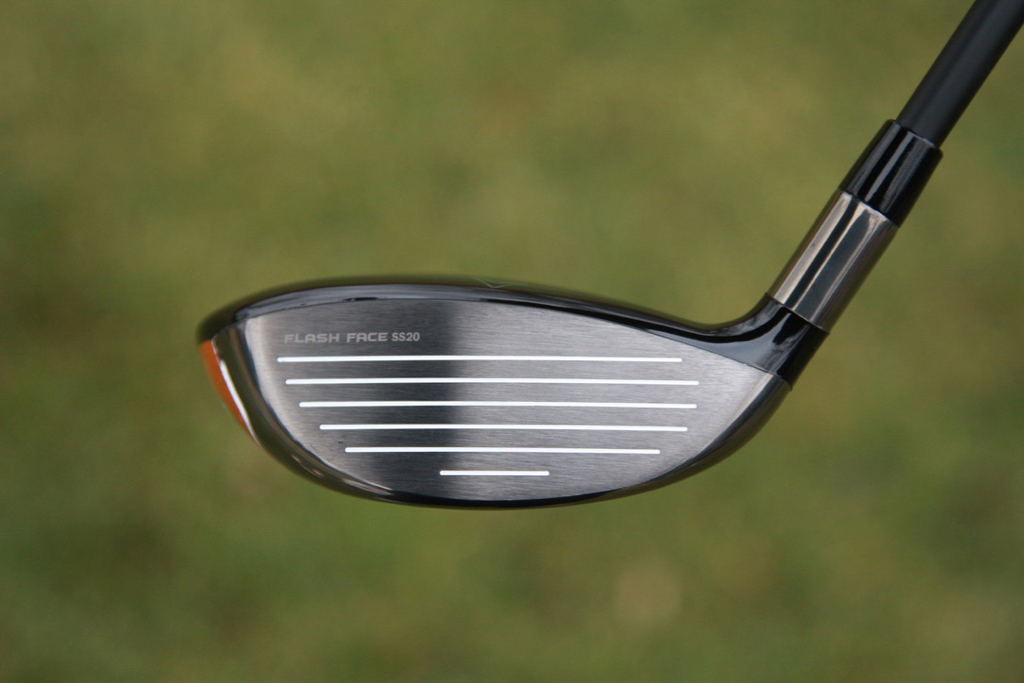
Other less noticeable appearance factors also separate the Mavrik Sub Zero from the rest of the line, including full-face scoring lines on every head, and a more open face angle from the address position—something better players request in a fairway wood.
- Available Lofts: 13.5° – Strong 3-wood. 15° – Standard 3-wood. 16.5° – 4-wood. 18° – 5-wood.
Shaft Specs, Availability, and Pricing
The stock shafts for the Mavrik fairway woods are below with further shafts options available through Callaway Customs
- Project X EvenFlow Riptide 50g, 60g in A-Flex, Regular, Stiff, and X-Stiff
- Aldila Rogue White 130 MSI 60g, 70g, 80g, in Regular, Stiff, and X-Stiff
- UST Helium 40g, 50g, in Women’s, A-Flex, Regular, and Stiff
Fitting pre-sale for Callaway Mavrik fairway woods starts January 14. PAR January 23.
Each model is priced at $299.99.
2020 Callaway Mavrik Hybrids
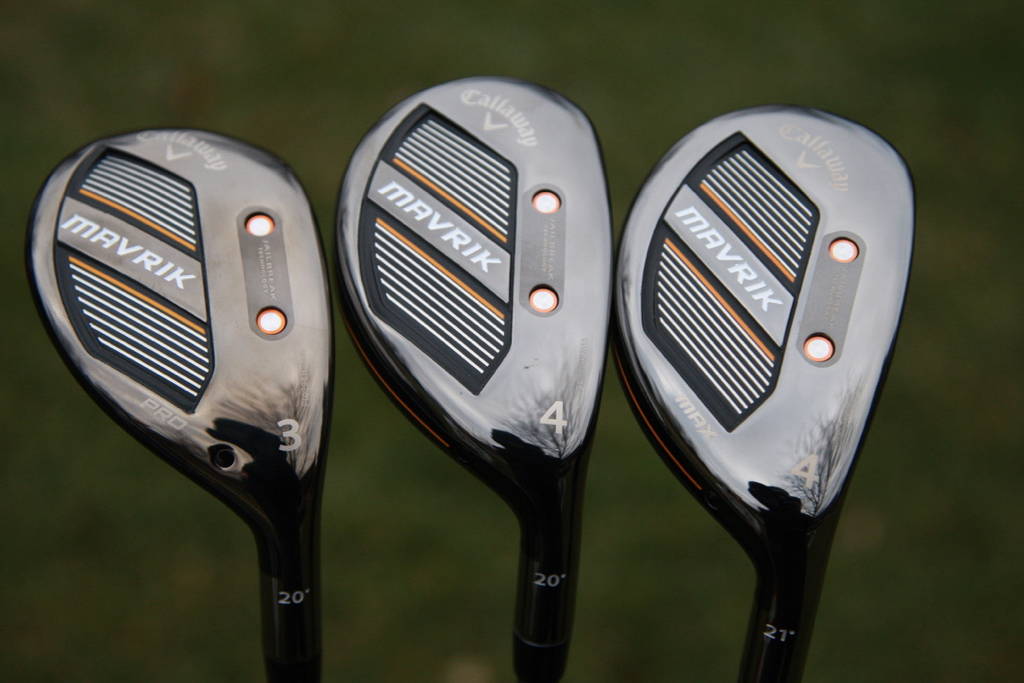
Callaway Mavrik Pro (left), Mavrik (center) and Mavrik Max (right)
The best way to describe the new Callaway Mavrik hybrids are as smaller more compact, more precise versions of the fairways woods—when you have an engineering and technology breakthroughs like Flash Face SS20 and A.I to help design faces, why not bring it to as many clubs as you can right?
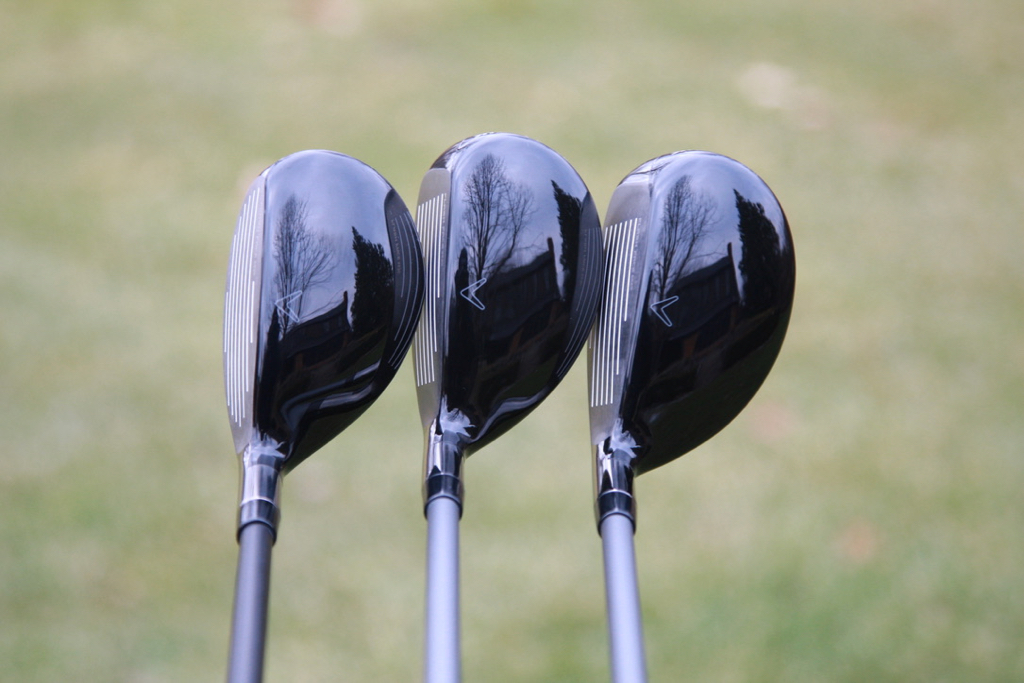
Callaway Mavrik Pro (left), Mavrik (center) and Mavrik Max (right)
Featuring three distinct models to fit specific player types similar to the rest of the Mavrik wood line, the hybrids options are: Standard, Max, and Pro. Flash Face SS20 offers the same unique face cup designs to each loft of each model family to maximize performance and creates greater customization for golfers in each segment of the market. It’s also a heck of a lot of tooling and extra production time being put into each club but Callaway 100 percent believes this can bring an improvement to anyone’s golf bag.
Mavrik Standard Hybrid

This is the most traditionally “Callaway-shaped” hybrid model of the three. Midsized to inspire confidence, but not too bulky to impede hitting shots from tougher lies or getting through the rough.
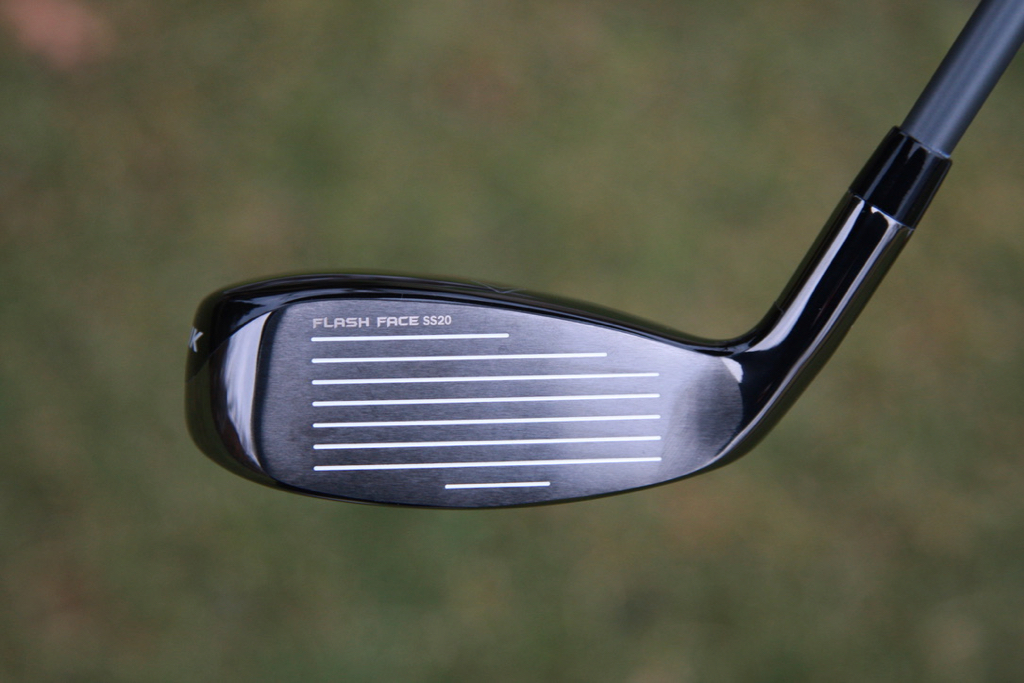
It features a much more squared-off toe to help with alignment and is going to appeal to the greatest number of players.
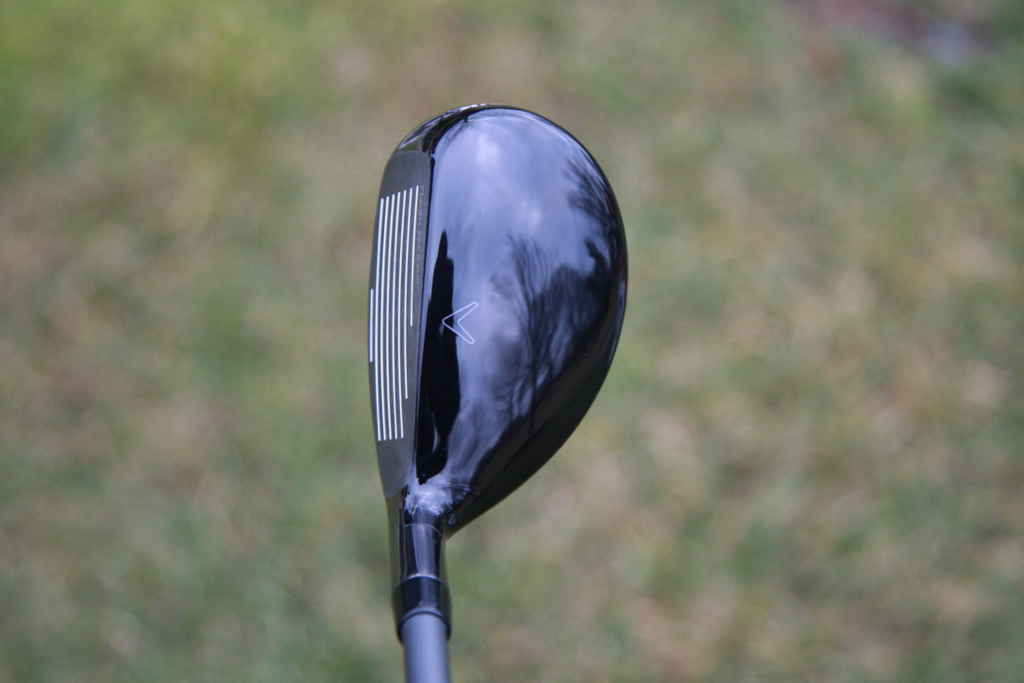
Mavrik Max Hybrid
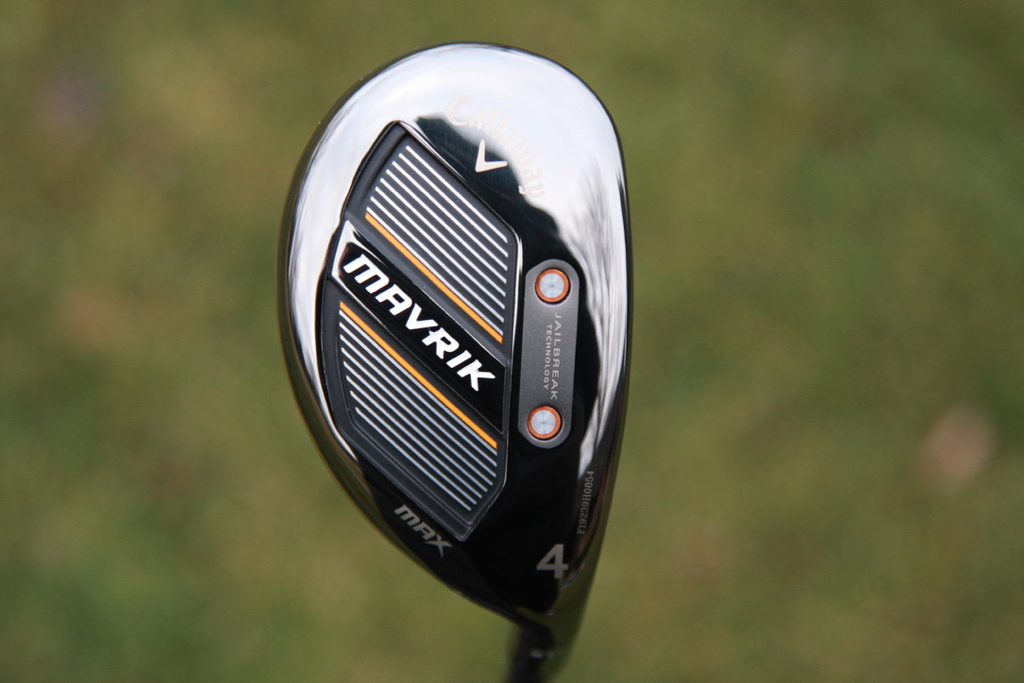
The Mavrik Max is exactly what you would expect—a bigger, higher-launching, more forgiving version of the Mavrik hybrid. While not quite as large as the current Callaway Super Hybrid, which is one of the biggest hybrids on the market, the Max utilizes a larger footprint, lower leading edge, and larger face profile to deliver for those players looking for easy-to-launch green-holding control.
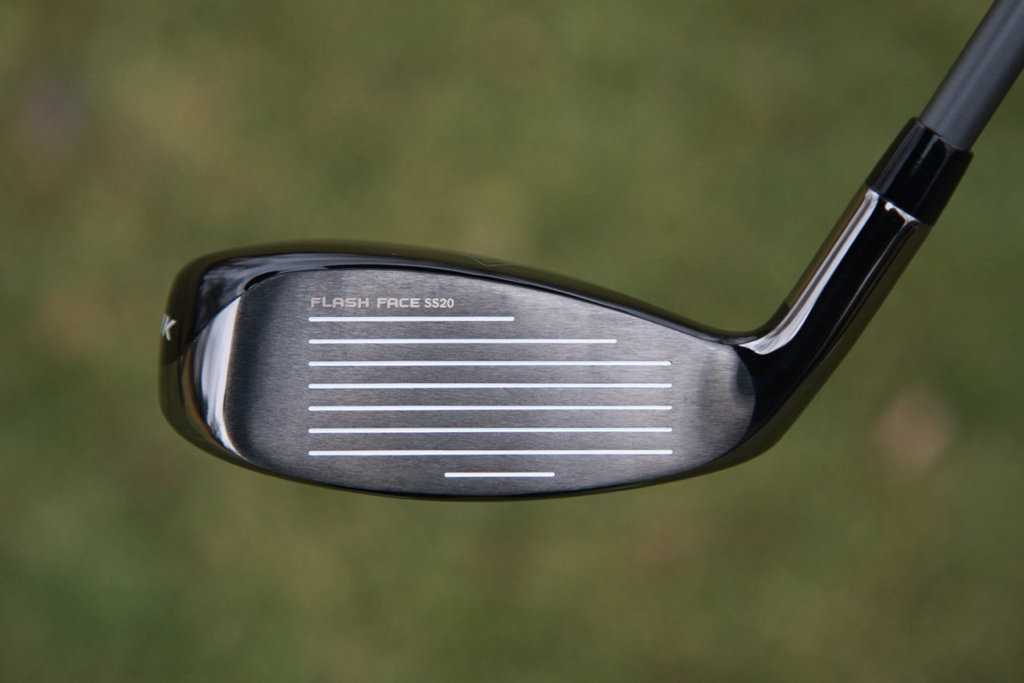
The Max offers a similar square face profile as the standard model, but with a slightly higher face height, this creates better vertical MOI (up and down the face) for players hitting this out of the rough, without sacrificing shots hit from the fairway.
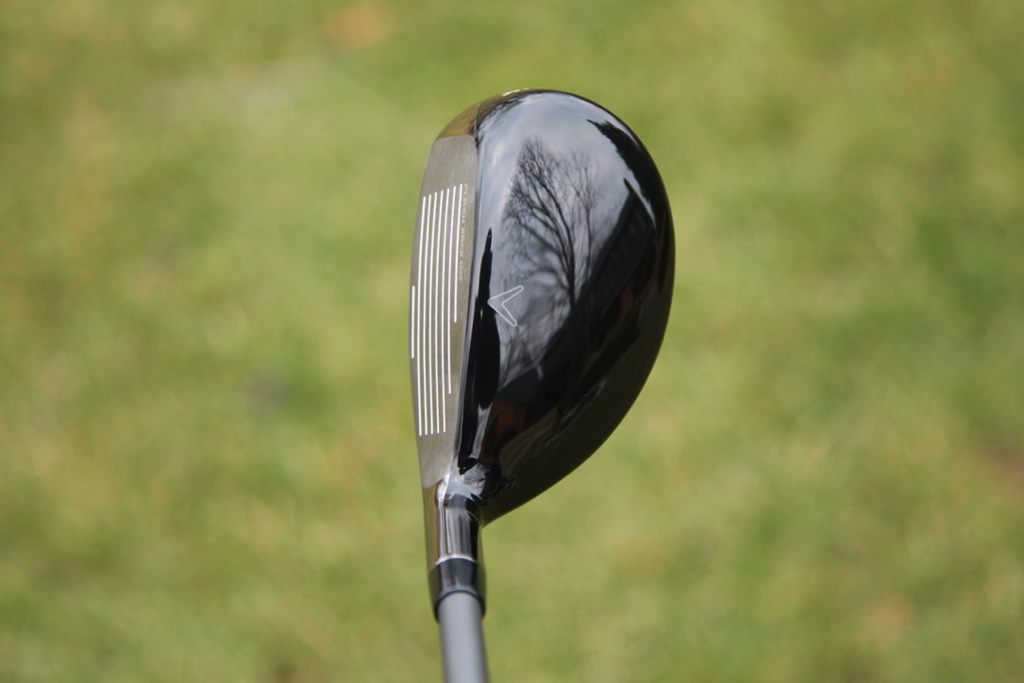
Mavrik Pro Hybrid
If there is one hybrid departing from Callaway’s traditional shaping, this is it!
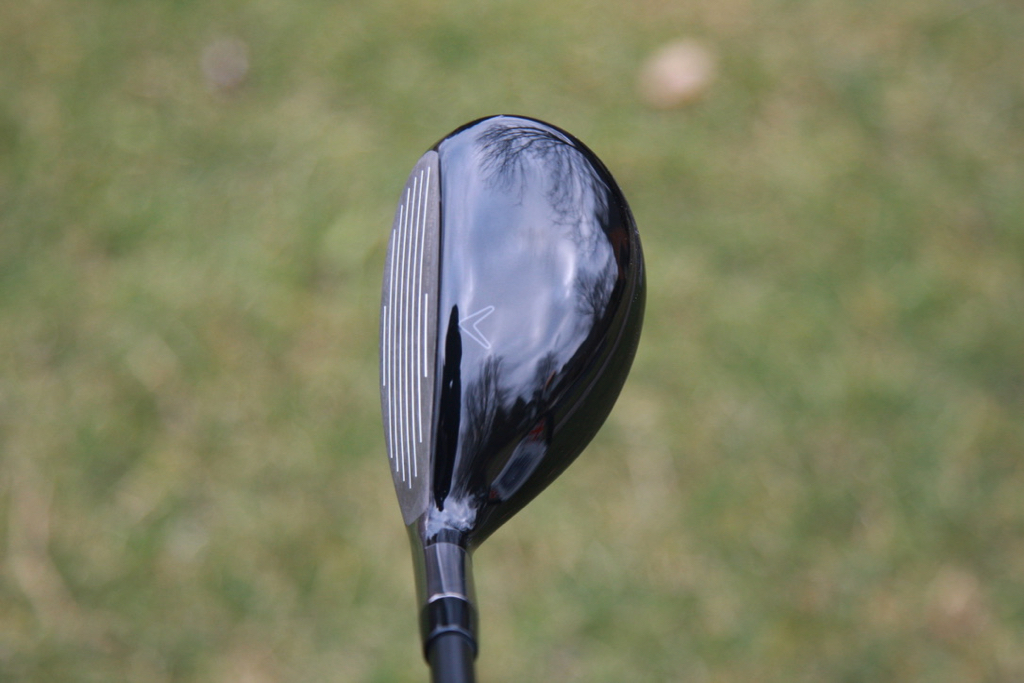
The Mavrik Pro takes its design cues more from a fairway wood than a standard hybrid but for good reason. The Pro is the smallest in the Mavrik hybrid family and also offers the flattest lie angles to promote a completely neutral ball flight.
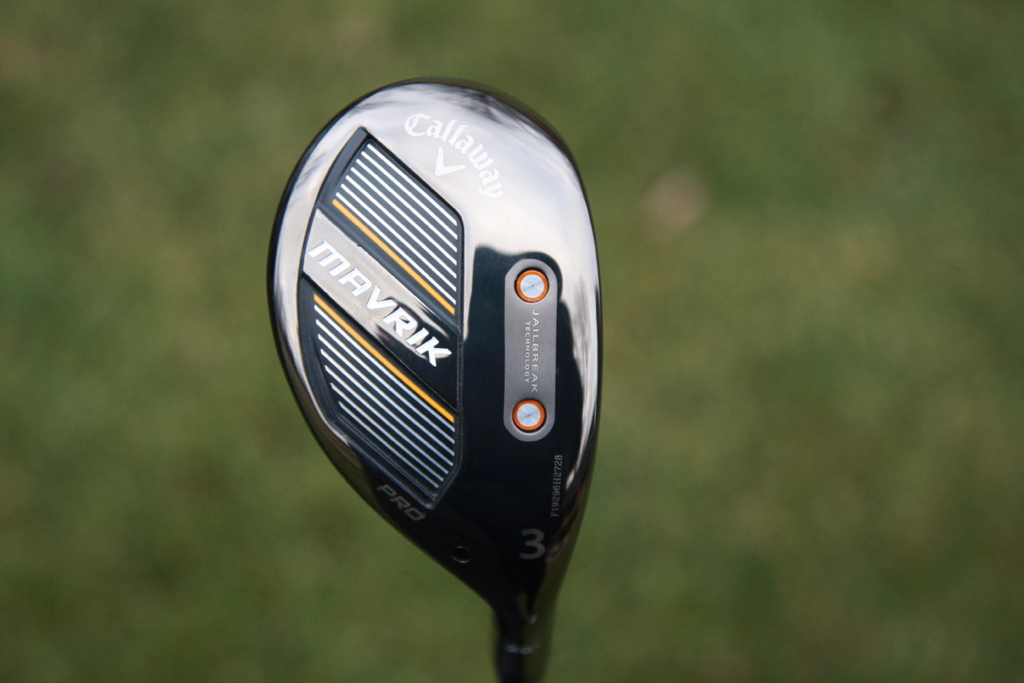
One of the biggest complaints OEMs and fitters hear from better players with higher clubhead speeds is that as much as they would love to play a hybrid to gain a higher trajectory or increase descent angle into greens, the dreaded “hook” miss is not something they want to worry about. Callaway believes they have helped solve this with the Mavrik Pro by offering a different head shape than ever before—but what will be interesting to see is if adoption by these targeted players will be as quick as the other models.
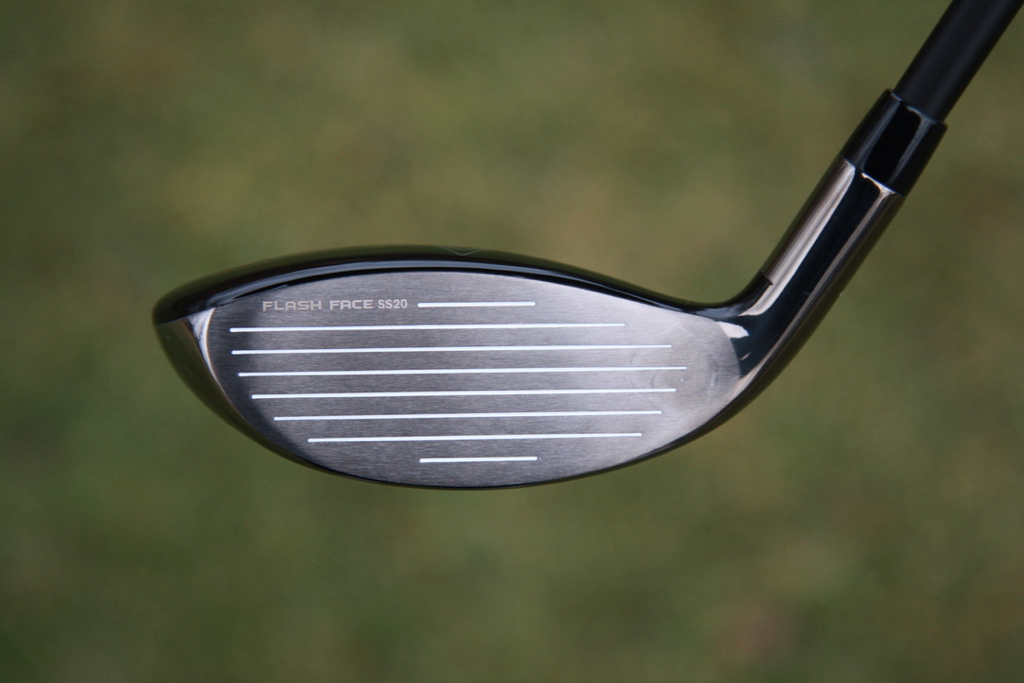
It’s not a completely new look for Callaway since some might remember the Original X-Hot Hybrid had a very similar profile but with a lot more offset and at this point a lot less technology.
Specs, availability, and pricing
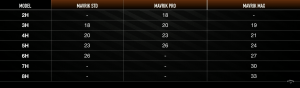
Lofts options
Shafts
The stock shafts offerings for the Mavrik Hybrids pair specifically with the target player in mind for each model by flex and weight availability. For the Standard and Max models, the secondary reason for the selected stock shafts is to help fitters and consumers build combo sets to tailor to each player.
- Standard: Project X Catalyst 55g, 65g, 75g,
- Max: Project X Catalyst 55g, 65g, 75g,
- Pro: KBS Tour Prototype Graphite Hybrid
Pre-sale starts January 14. PAR February 6.
$249.99 per club.




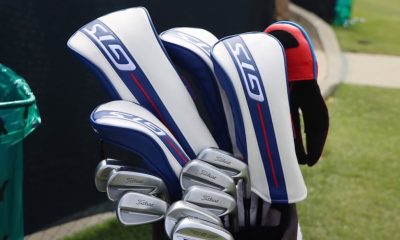






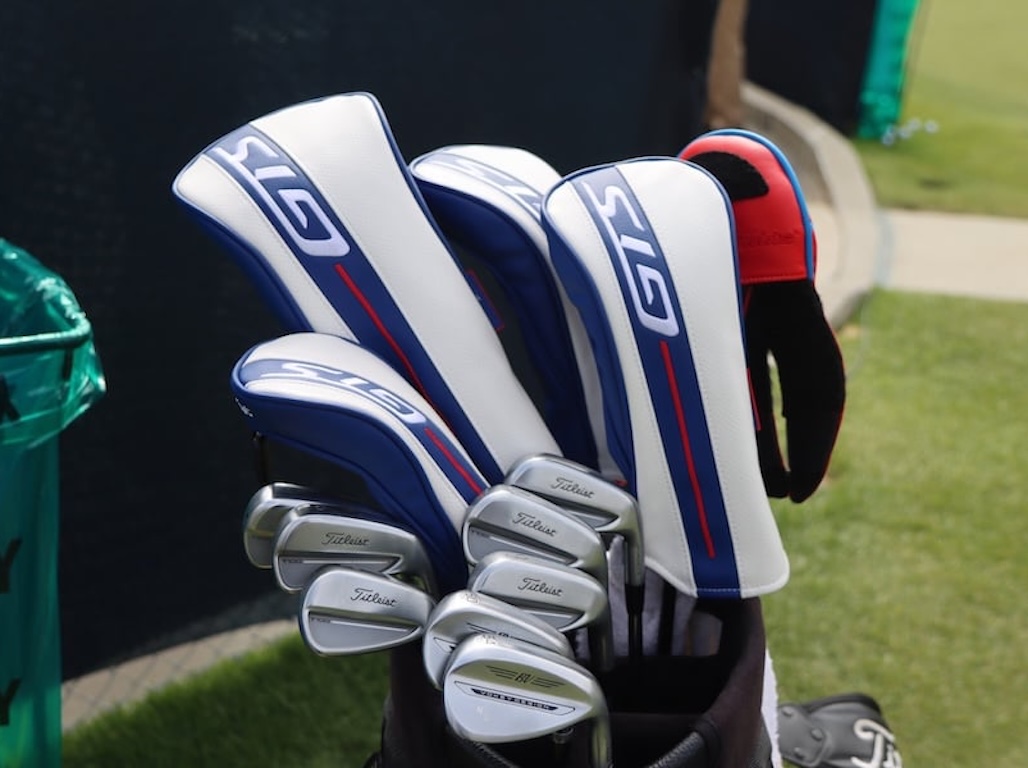
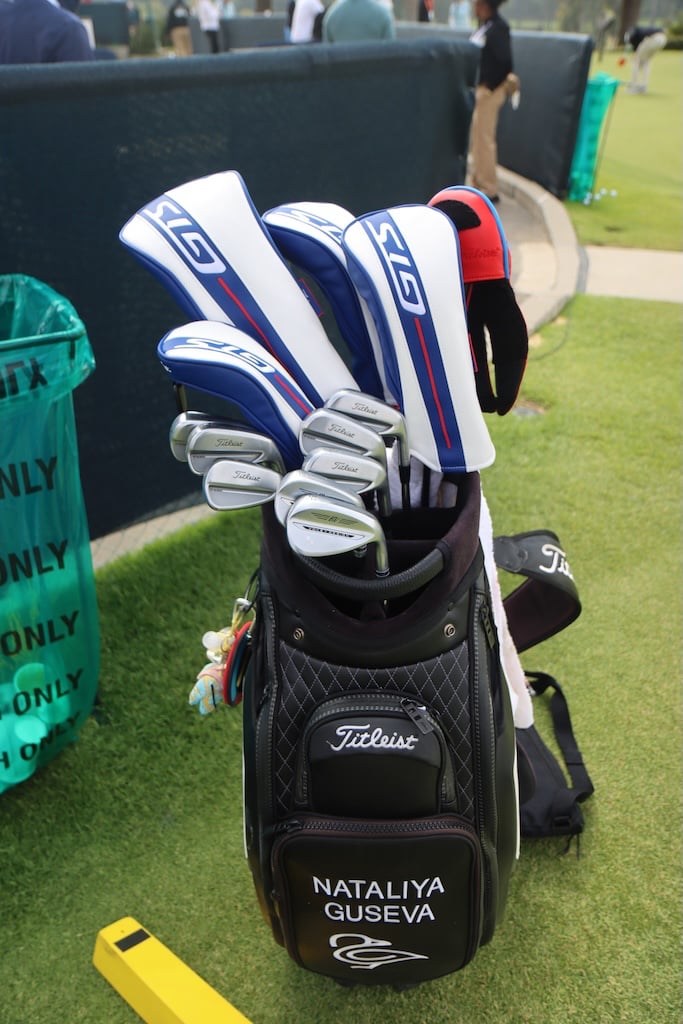
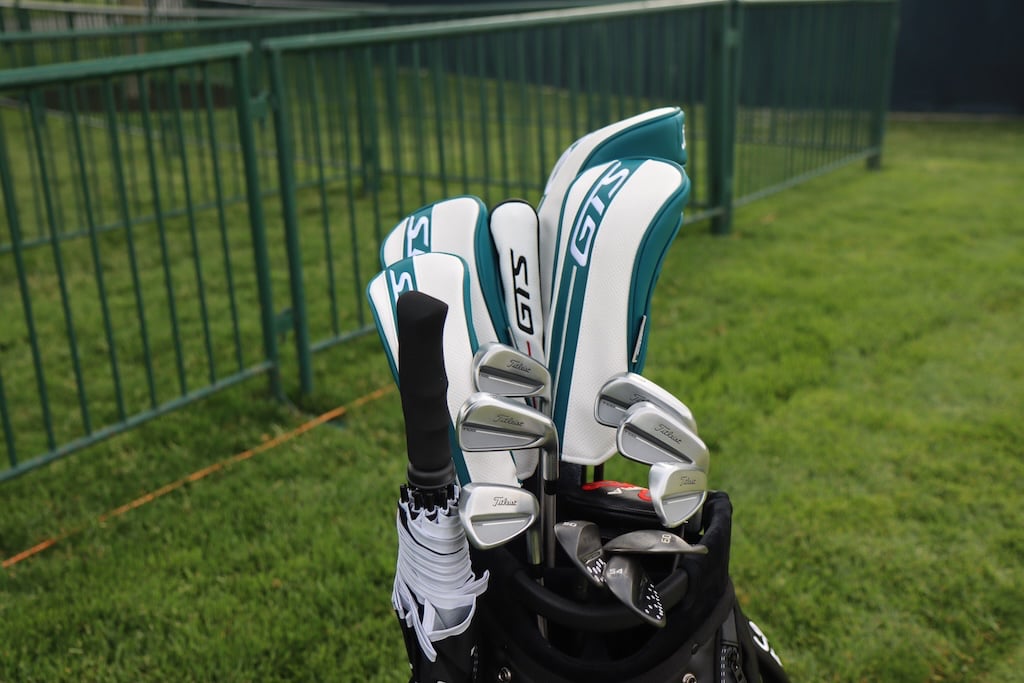
GolfWRX Tour Photographer Greg Moore was at Riviera Country Club this last week in Los Angeles for the U.S. Women’s Open. While browsing the photos, I spotted a recent major trend in headcovers. That is, the Titleist GTS headcover line expands the majors theme.
Seen on the bag of Natalia Guseva were the red, white, and blue Titleist GTS covers. This is the third time we have seen limited-edition Titleist major covers, the others being at the Masters and the PGA Championship. But with the launch of the GTS line back at the Texas Children’s Houston Open in March, this is the first time we have seen Titleist come out with major themed head covers for the season (driver headcovers through hybrids).
Check out some photos below.
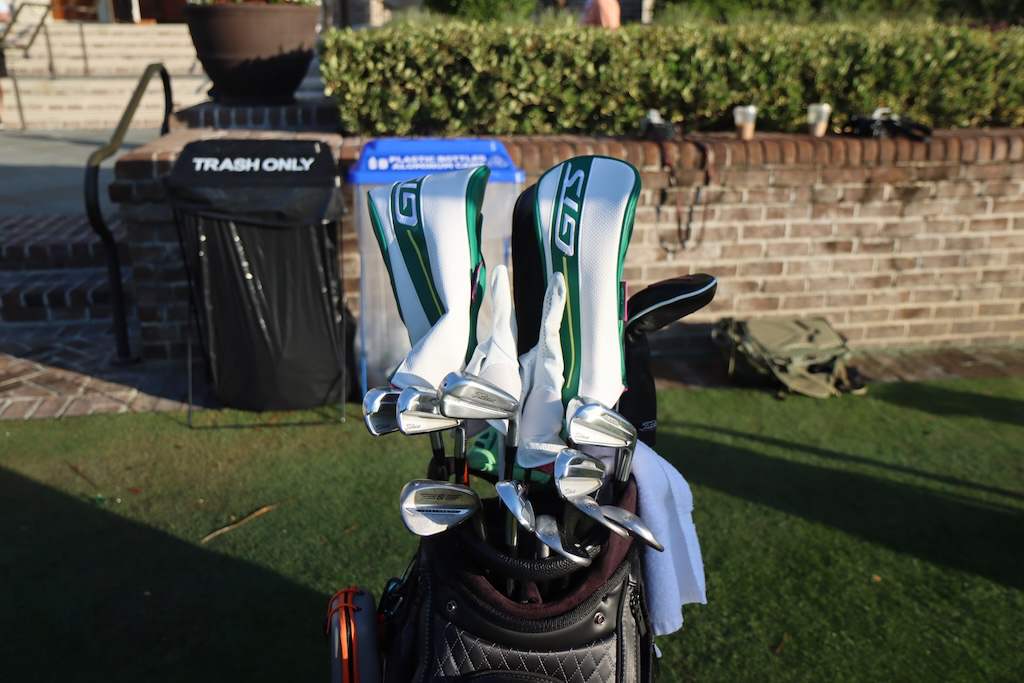
At the Masters, we saw the familiar Masters green, white, and yellow. While the PGA Championship design was colors synonymous with the Philadelphia Eagles NFL team. This shows the season major drops continue full steam ahead for major OEMs. New opportunities for each major for designs and themes, and who knows, maybe a lucky spark for a player and a major championship for their resume. It gets the wheels turning for what major theme headcover you would keep on your bag for the whole season!

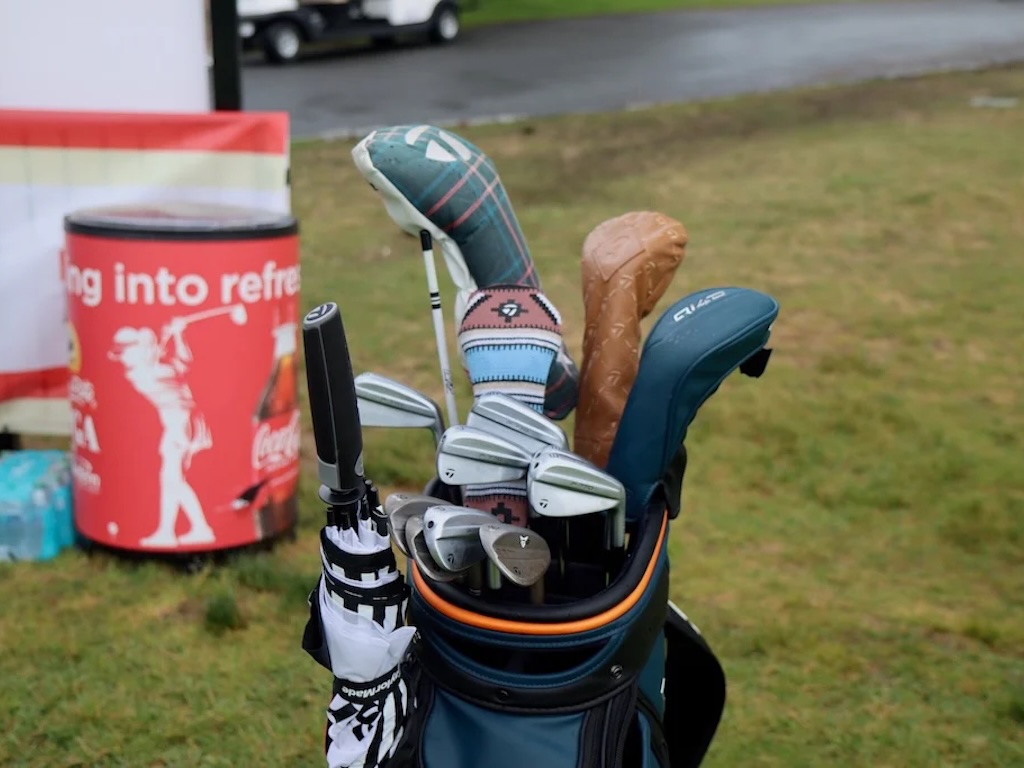
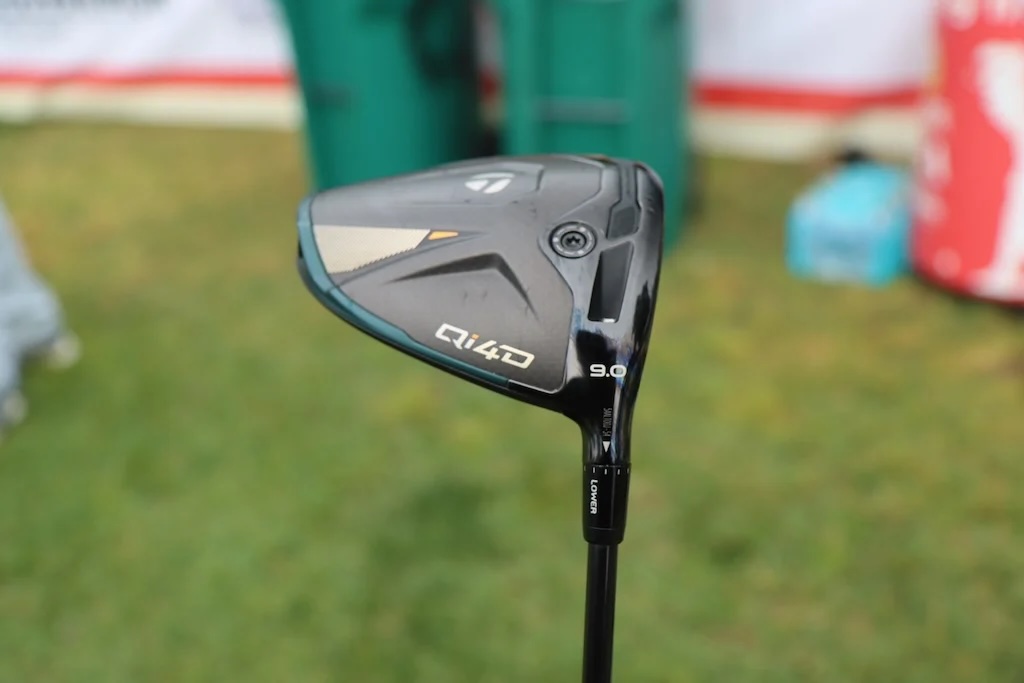
Driver: TaylorMade Qi4D (9 degrees)
Shaft: Graphite Design Tour AD VF 5 S
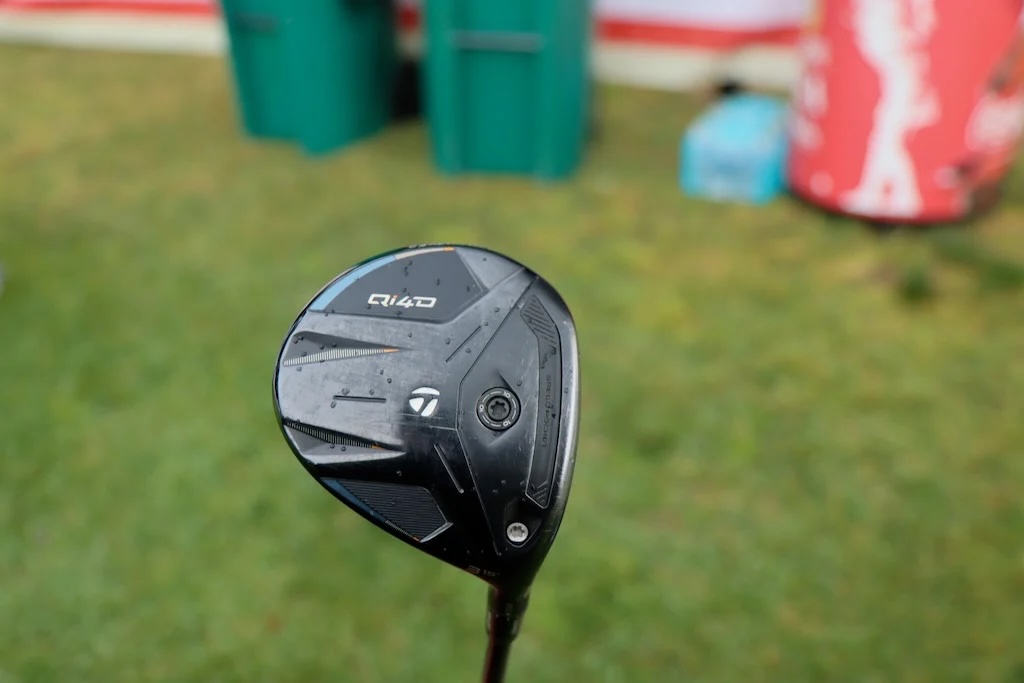
3-wood: TaylorMade Qi4D (15 degrees)
Shaft: Graphite Design Tour AD VF 6 S
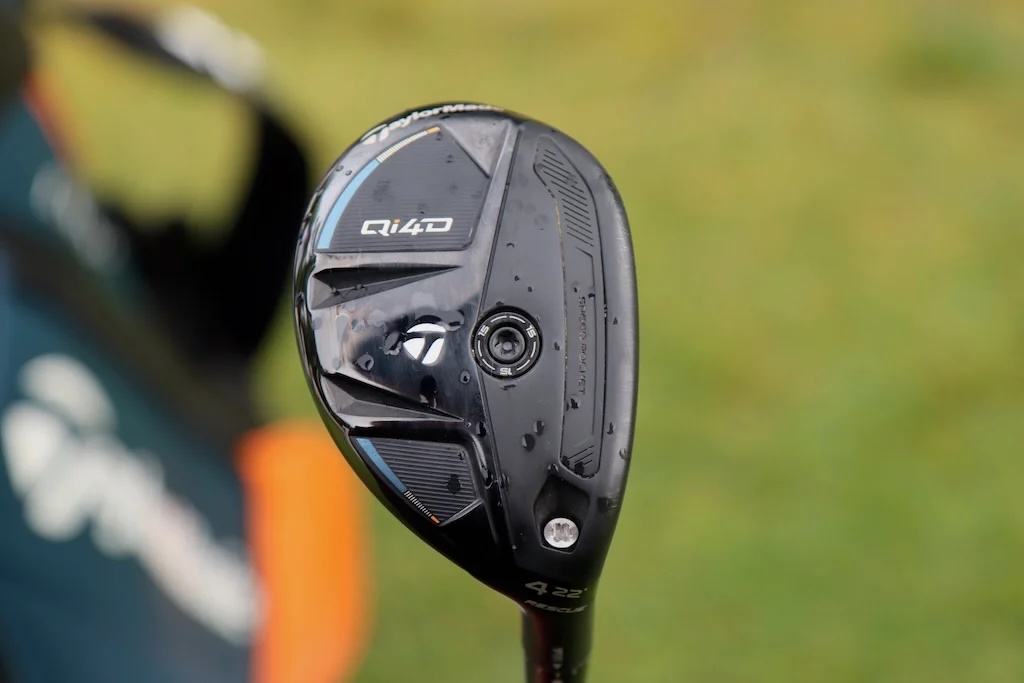
Hybrids: TaylorMade Qi4D (19 degrees, 22 degrees)
Shaft: Graphite Design Tour AD VF Hybrid 85 S 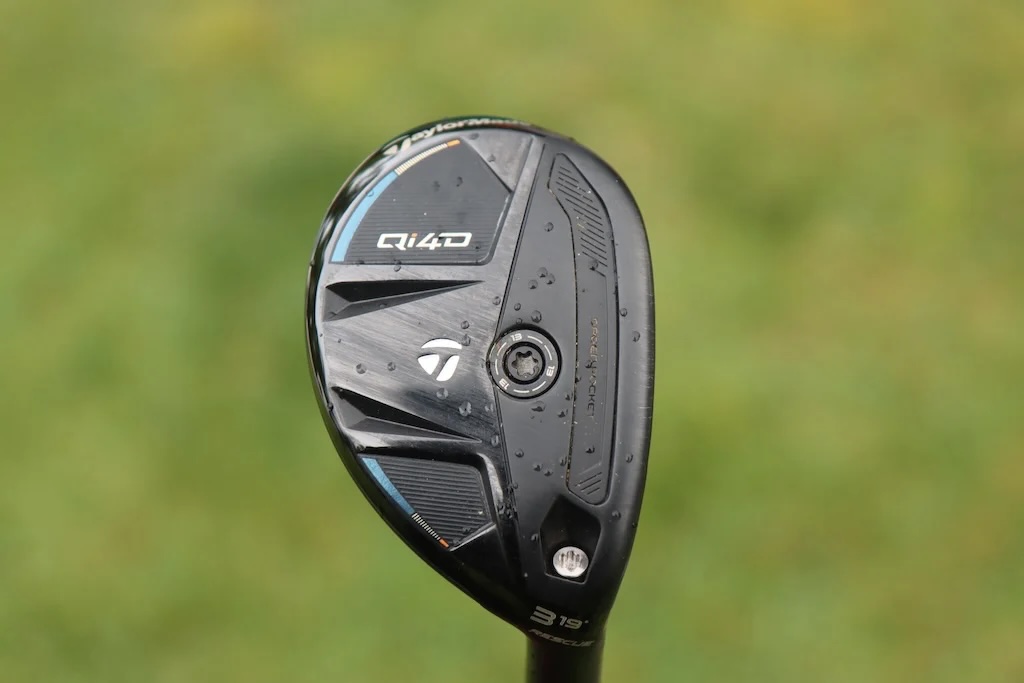
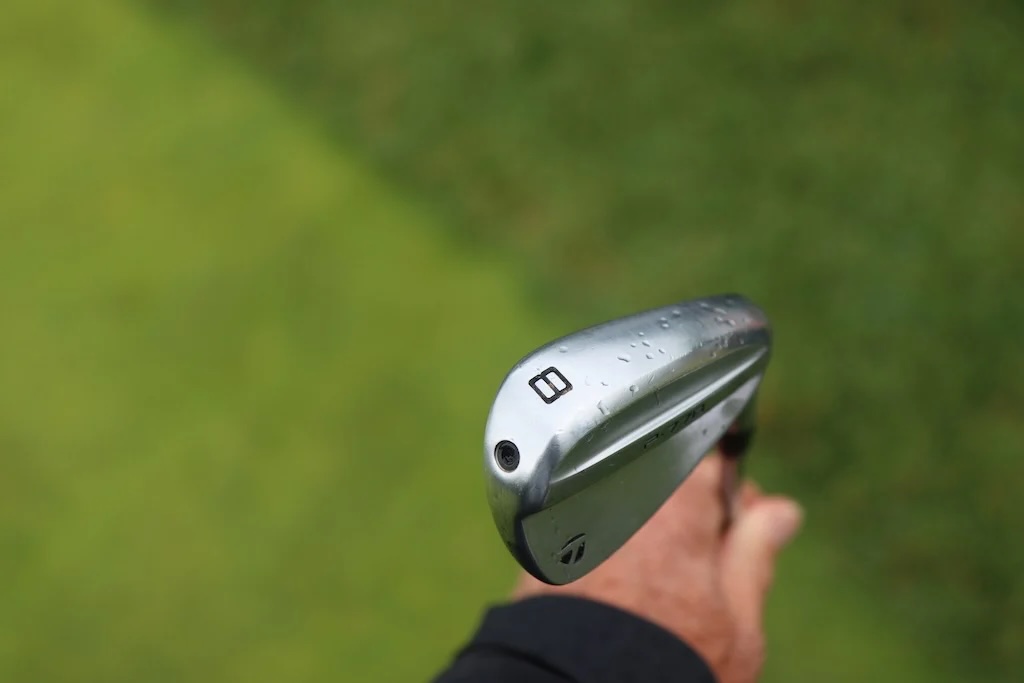
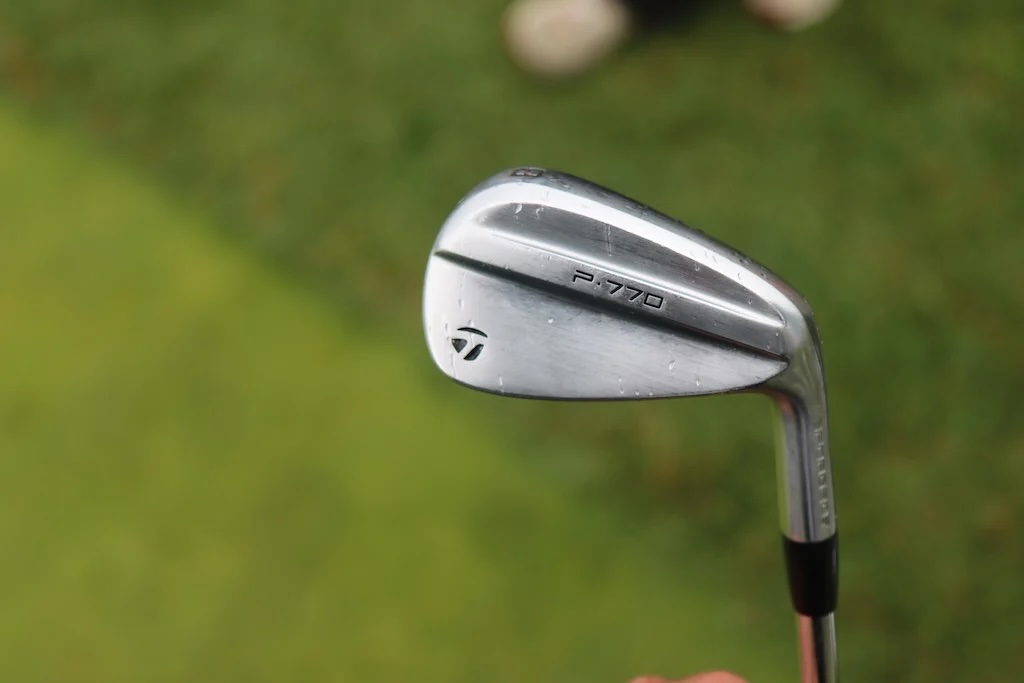
Irons: TaylorMade P770 (5-PW)
Shafts: Nippon Modus 3 Tour 105
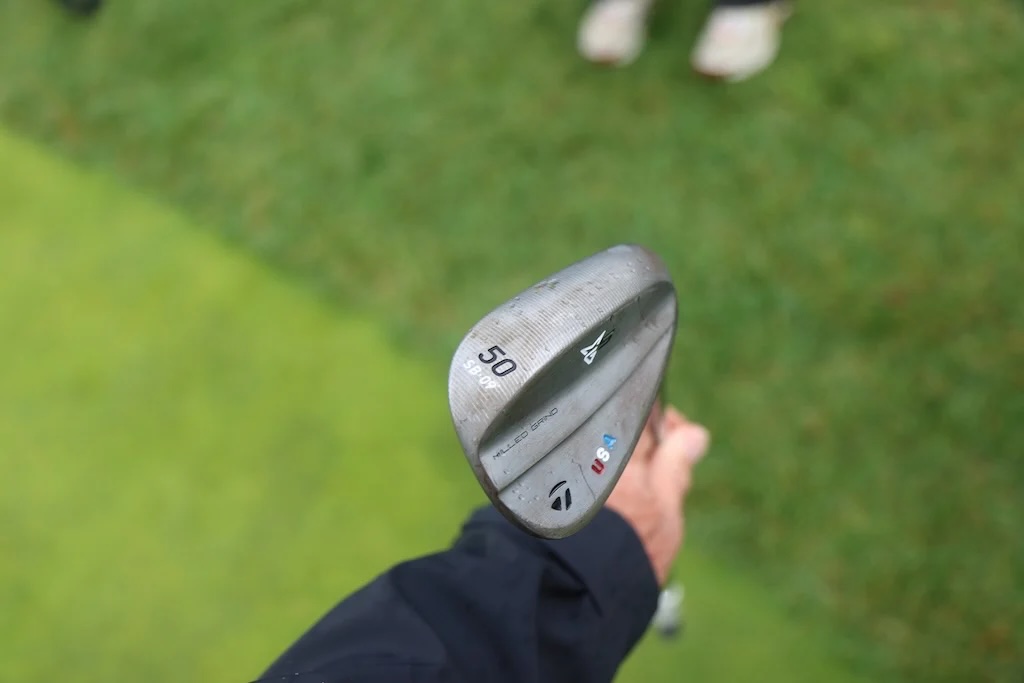
Wedges: TaylorMade MG5 (50-SB 09, 54-SB 12, 60-SB 10)
Shafts: Nippon Modus 3 Tour 105
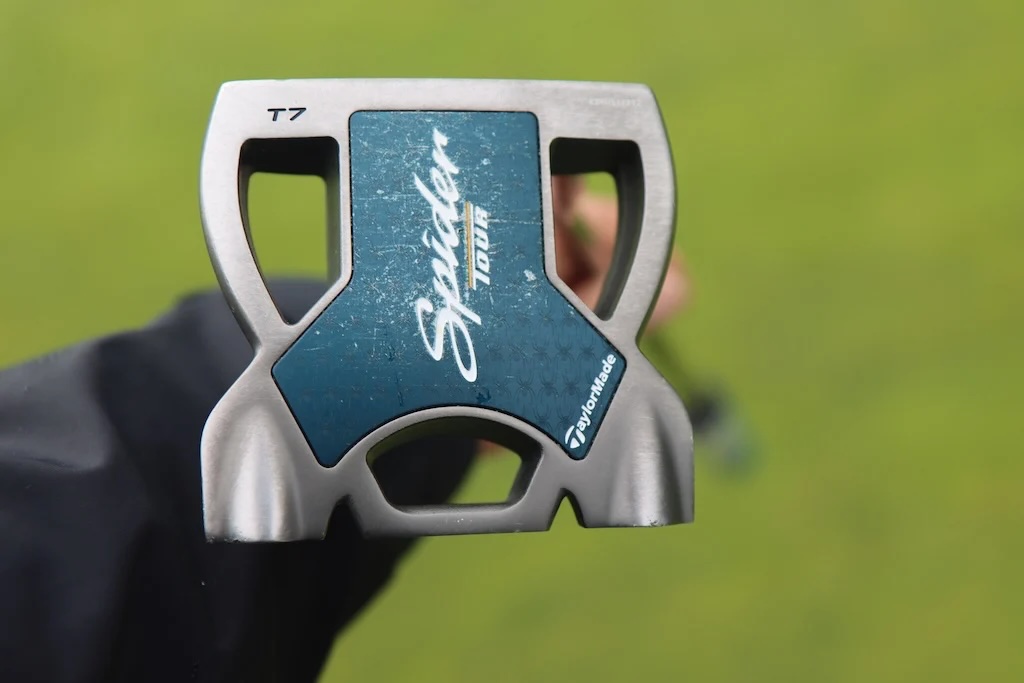
Putter: TaylorMade Spider Tour V
Grip: SuperStroke Flatso 2.0
Grips: Golf Pride MCC
Ball: TaylorMade TP5x
Check out more in-hand photos of Melanie Green’s clubs here.

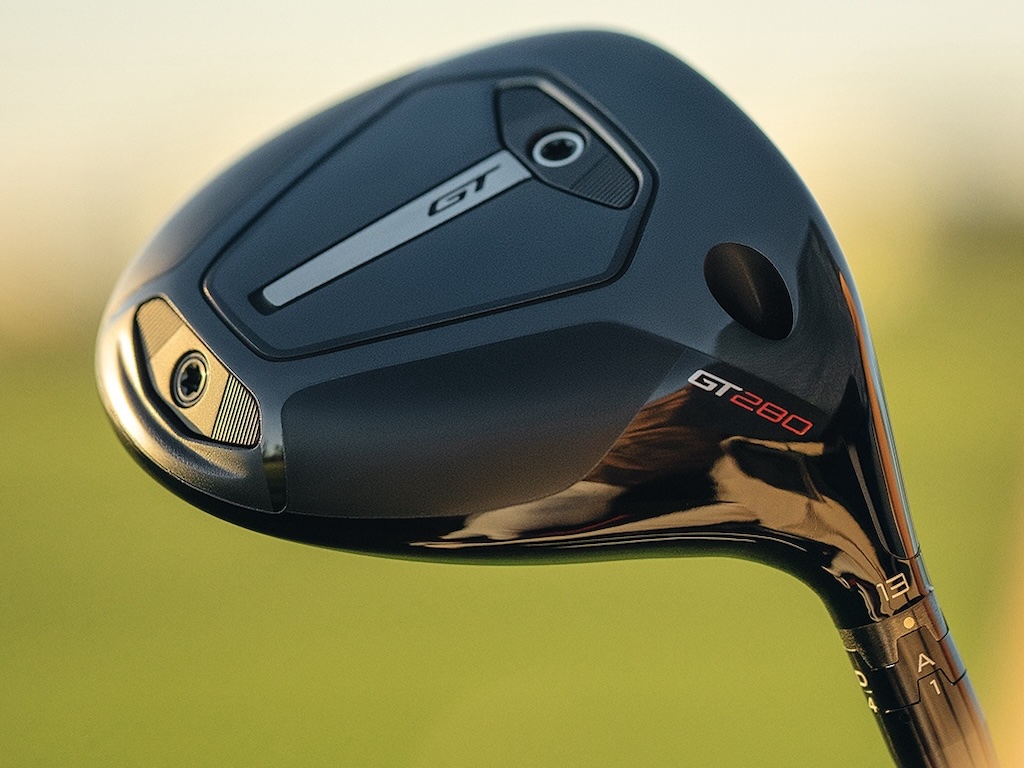
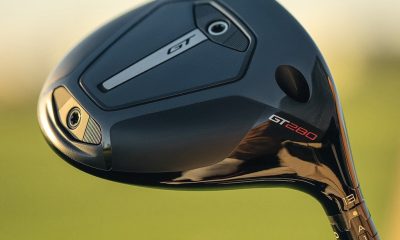
In our forums, one user has announced himself as a believer in the powers of Titleist’s GT280 Mini Driver, and is sharing the good news with other members.
User @dgarland chronicled:
“As the title states I have played 3 rounds with a Titleist GT280 mini driver and here are the results… If you have been contemplating trying one, definitely do. Stock Tensei Blue and set at standard loft and it’s legitimately hard to not put the ball in play with this. It is incredibly straight and even bad swings result in a usable shot. You will give up some distance but you will be in play. I have not attempted to hit it off the fairway yet but I rarely hit my 3 wood off the fairway either. At my home course there are two holes on the front 9 that are a really uncomfortable shot with the driver. One is a slight dogleg right where a draw (my normal shot) can run out of room fast and the other is a dogleg left with trees about 250ish straight off the tee, where a driver that doesn’t draw will get me into trouble. The mini driver has been perfect for both of them. I always step onto those tee boxes uncomfortable about the shot I need to play, but with this it makes it far easier to get the ball in play.
“Update: 2 for 2 again this morning in a 9 hole round.”
Members in the forum shared their thoughts on mini drivers, offering up their favorite models and whether or not they’re a proper fit for their home course/style of play. Here are a few posts from the thread, but make sure to check out the entire discussion and have your say at the link below.
- NorthMNgolfer: “I’m curious between this and the new TEC mini that was just released. But I’m waiting a mini that can be used from the fairway as well from time to time. Both look like great options.”
- jLMN: “I played the GT280 last year and it’s a great club. My problem this year is I couldn’t justify keeping it in the bag when I would only use it 2-3 times per round. Perfect club for short par 4 tee shots. I didn’t trust it as well off the deck compared to the tee box.”
- GolferPerson1: “I can only speak to the 280 but I’ve had no issues with it from the fairway. ”
Entire Thread: “Titleist GT280 mini driver after 3 rounds”
If you aren’t a member, join us in the GolfWRX forums today!

Justin Rose WITB 2026 (April): Full WITB breakdown with new McLaren irons

What’s the story behind Webb Simpson’s custom-stamped irons?

Cadillac Championship Tour Report: Spieth’s sizable changes, McLaren Golf launches, and more

Russell Henley’s winning WITB: 2026 Charles Schwab Challenge

Kristoffer Reitan’s winning WITB: 2026 Truist Championship

Aaron Rai’s winning WITB: 2026 PGA Championship

Cameron Young’s winning WITB: 2026 Cadillac Championship

Details on Jason Day’s latest prototype Avoda iron setup

Nelly Korda WITB 2026 (April)

Justin Rose on the switch to McLaren Golf, learnings from previous equipment moves


Melanie Green WITB 2026 (June)
Driver: TaylorMade Qi4D (9 degrees) Shaft: Graphite Design Tour AD VF 5 S 3-wood: TaylorMade Qi4D (15 degrees) Shaft: Graphite Design Tour...


Sungjae Im WITB 2026 (June)
Sungjae Im had >14 clubs in his bag when photographed prior to the Memorial Tournament. Driver: Titleist TSi2 (8 degrees, B1...

Lucas Glover WITB 2026 (June)
Lucas Glover had >14 clubs in his bag when photographed prior to the Memorial Tournament. Driver: Titleist GTS2 (10 degrees, B2 SureFit...

Chris Gotterup WITB 2026 (June)
Chris Gotterup had >14 clubs in his bag when photographed prior to the Memorial Tournament. Drivers: TaylorMade Qi4D (8 degrees), Ping...
-
 News5 days ago
Russell Henley’s winning WITB: 2026 Charles Schwab Challenge
-
 Whats in the Bag3 weeks ago
Aaron Rai’s winning WITB: 2026 PGA Championship
-
 Equipment2 days ago
Details on Jason Day’s latest prototype Avoda iron setup
-
 Tour Photo Galleries3 weeks ago
Photos from the 2026 CJ Cup Byron Nelson
-

 Equipment2 weeks ago
CJ Cup Byron Nelson Tour Report: Koepka and Kim’s newest putters finally get hot
-
 News1 week ago
Charles Schwab Challenge Tour Report: MacIntyre, Åberg and Spaun all switch putters, TaylorMade launches new Spider
-
 Equipment1 week ago
Details on J.J. Spaun’s surprise putter switch
-
 Popular Photo Galleries2 weeks ago
Photos from the 2026 Charles Schwab Challenge

