
Opinion & Analysis
Leaving golf comics for a higher purpose: Rick Newell, LITT and M.U.S.T.

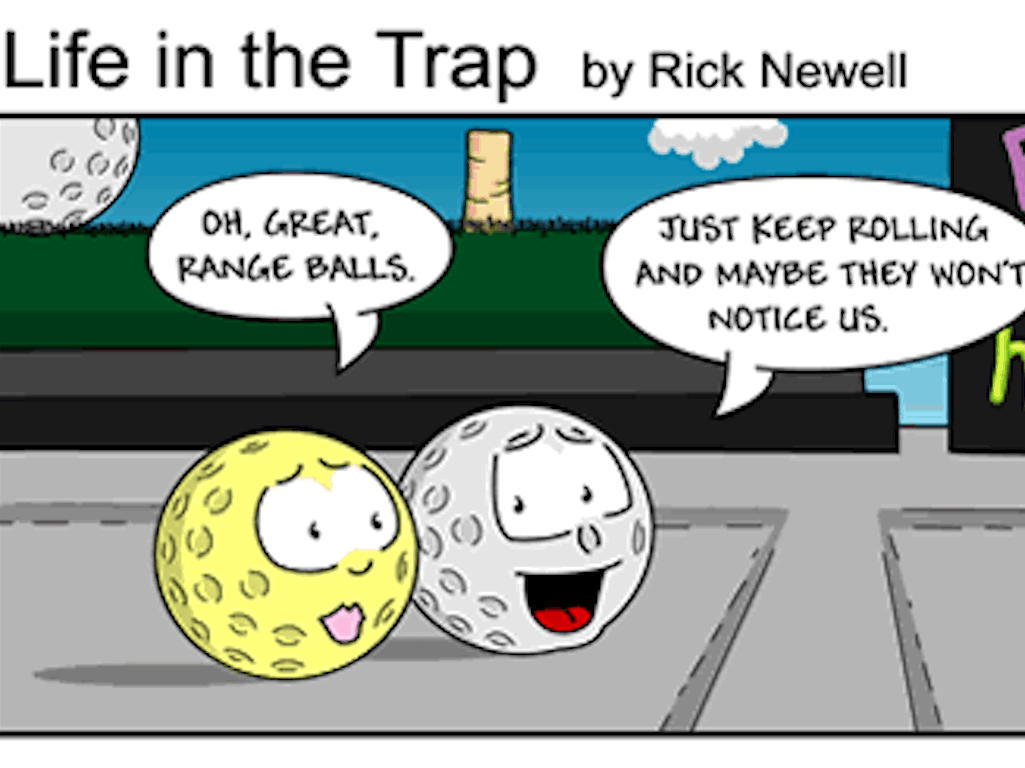
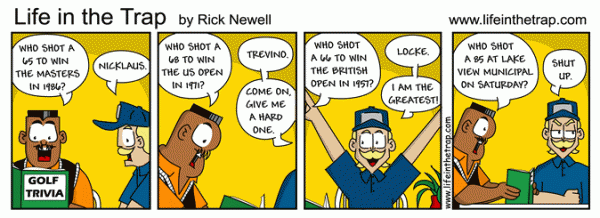
Rick Newell drew the best golf comic strip ever. No debate. No competition. The four main characters of Life In The Trap, and the troubles they faced (in both golf and life) mimicked our lives in an eerily-accurate fashion. And then, the strip came to an end. Newell and his wife, living in Seattle, were drawn to a higher purpose. The mentoring of urban youth and teens was too large a challenge to ignore. Think about that for a moment: take on not one child, but hundreds, with one goal—to contribute to society. We caught up with Rick this fall, and he was generous with his time. Total transparency: I made my donation last week. Click the logo before, while, or after, reading the interview, and help MUST make hope a reality.

Ron Montesano: How did LITT start?
Rick Newell: My uncle Jerry, who is a great golfer, gave me the idea way back in college (I turn 50 next year). I thought it was a pretty good idea since the niche would be big enough and there would be a lot of material to go with. Plus it would give me an excuse to play. I took a year off in between my junior and senior years of college and traveled through New Zealand and Australia for nine months. I took my sketchbook with me and worked on the characters as I traveled. When I got back I continued to slowly work on the comic strip and started to see if anyone would publish it. A black and white version of Life in the Trap was picked up by a paper in Florida for a time but it did not last and I stopped making the comic strip.
RM: How big did LITT grow?
RN: In 2002 I had a pretty bad personal meltdown. It was the perfect storm in many ways and things got pretty bad. I even started thinking about taking my own life. As I put my life back together I resolved to do the things that make me feel alive and make me feel awake and to not really care what anyone else thought. Life in the Trap was one of the things that had made me feel alive so I resurrected it. Once I added color and put it on the computer, it took off. I made the website (http://lifeinthetrap.com/) which provided an easy way for editors to preview the comic and it was also an easy way for them to receive the most recent comics for the month.
After the website was up, I started to email editors of magazines, websites and newsletters to see if they would be interested in publishing Life in the Trap. The response was good right away and the circulation rapidly grew. At its peak, Life in the Trap was read by over 1 million people in different golf publications around the world.
RM: Who inspired which characters?
RN: Life in the Trap has four main characters: Duff, Clay, Putts and Rosie. They are all combinations of people I know. Duff is named after my dad but his golf game is more like mine. My dad’s nickname was ‘Duff’ when he was young so the relation to a golf ‘duffer’ was obvious.
Clay is named after the man I was named for. My dad played college basketball with an African American guy named Clayborn Richard Jones. My parents named me Richard and I gave one of my characters the name Clay because of him. The inequities African Americans face have been on my heart since I was young because of whom I was named for. Duff is black in the comic because of Clayborn. Clayborn died of asthma before I was born so I never got to meet him but I have always been proud to bear his name.
My mom’s middle name is Rose, which she hates by the way, so Rosie is named after her. Not named after her because she hates the name but because I thought Rosie sounds like a good character and because I love my mom. I knew one of the characters had to be married because of all of the funny material that would be generated between spouses due to the game of golf.
Putts rounds out the crew. One of the characters had to be pretty bad at golf because so many people would be able to relate to him and and one character had to have a short fuse so I put those into one character. The love/hate relationship with golf defines Putts.

RM: What is your relationship and affinity for golf?
RN: My dad taught me golf so I have him to thank for all of the pain and suffering over the years. Just kidding… sort of. Our local course in Seattle was Jackson Park Golf Course. They have an executive course that we would play together and then we eventually graduated to the main course. I was not the easiest kid to raise, especially through my teens and early 20s, but I have very fond memories of playing golf with my dad on that course. I have never been a great golfer but it has always been a regular part of my life thanks to him.
RM: How can golf serve to make the world a better place?
RN: I read recently that if your household income is $50K or above you are in the top 1% of people on the planet. It might not seem like it to some, but we are a very wealthy nation. The average golfer’s household income is over $100K and there are about 24 million golfers in the U.S. That is a lot of wealth. In my opinion, with all of that wealth should come some responsibility. If every golfer in the U.S. picked a cause they cared about and devoted some time, resources and money to it then golfers could literally reshape the nation. There are so many amazing causes out there. Golfers should pick a cause that lights their fire and get behind it.
RM: What are you doing now?
RN: My background is in technology. I worked at big computer companies like Microsoft, Sun Microsystems and Cingular. After my meltdown in 2002, I decided that I did not want to be in the IT industry anymore. It certainly did not make me feel alive or awake. Instead I took a job at an inner-city Boys and Girls Club here in Seattle. I worked there for seven years and it changed my life. My dad was a successful doctor so I grew up not needing anything. Working at the Boys and Girls Club showed me first hand what some families have to overcome to just survive, much less succeed.
During my time at the club I came to believe that the most urgent need in the urban core is positive male role models. I felt that if you could provide that it would help the most number of people. There are many complicated reasons for male absence from the family, so if you can help fill that gap moms would get support and kids have opportunities to flourish. The economy would also benefit. So we started a mentoring program called MUST (Mentoring Urban Students and Teens). MUST finds African American guys who are in college and pays them well to mentor African American guys who are genuinely in danger of dropping out of high school. It is a four-year mentoring program. The big idea is that the younger guys watch the older for four years and begin to think, ‘He comes from the same place I do. If he can do it… so can I!” We are now in our eighth year and it is working better than we thought. Youth that we know would have dropped out of high school are attempting college. It is amazing to watch their courage and determination.
The average high school dropout costs the nation $600,000 or more. Great prevention programs like Big Brothers Big Sisters are less expensive but focus on younger kids. Rehabilitation programs like juvenile detention centers are very expensive and do not have a great track record of successful rehabilitation. MUST is a premium intervention program that exists between prevention and rehabilitation. We find kids who are the most vulnerable before they hit high school and give them a lot of support. One of our mottos is that we will support you all the way through high school…no matter what!

RM: How can we help?
RN: Donations are always great but one of our three core values in fundraising is joy. MUST wants the people that partner with us to take joy in helping us out because we are doing good work. There is more than enough money in the world to solve most of its problems. Literally. If you do not find joy in giving to us then there are so many other great organizations out there doing incredible work. Find the organizations that are solving the problems that pull on your heart and get behind them.
The best way to help us is to get on our newsletter list and start to get to know us. We put a lot of effort into our newsletters so current donors and supporters know what their efforts are supporting and see the difference they are helping. Come check us out and see if it would bring you joy to help us out.
The MUST mentoring model is more effective than we thought it would be. Because of its effectiveness we are now researching to see if the model would work in other communities that have high dropout rates. We are currently asking the Latinx community if they think our model might work for their youth. Pacific Islanders and Native Americans are also vulnerable youth groups here in Seattle. MUSTs goal is to one day have the MUST mentoring model in every major city in the U.S.
RM: Why did you stop creating LITT?
RN: I stopped because it did not make me feel alive anymore. I was working at the Boys and Girls Club and working other jobs to make ends meet and I just did not have time for it anymore. More than a million people were reading it but because I was giving it away for free, I did not make any money off it. Once it started to be a grind just to produce it, I stopped doing it. It is a great body of work that I am very proud of. I wanted to stop before the work I was proudly producing became compromised.
RM: What would it take to bring LITT back?
RN: We are considering bringing it back. Life is full so we will need to make sure. My wife and I have four sons and MUST obviously takes up a lot of time. We would want Life in the Trap to add to our family and MUST and not take away from it. Our oldest son fell in love with golf last year. He has been basketball, basketball, basketball up until high school and he was pretty good too. However, he joined the high school golf team his freshman year and now he loves it. Obsessed with it really. It might make sense to resurrect Life in the Trap. MUST is a great cause and if we could get the same numbers of readers looking at Life in the Trap a percentage of them might want to follow MUST and help out. Who knows. Stay tuned to GolfWRX to find out!


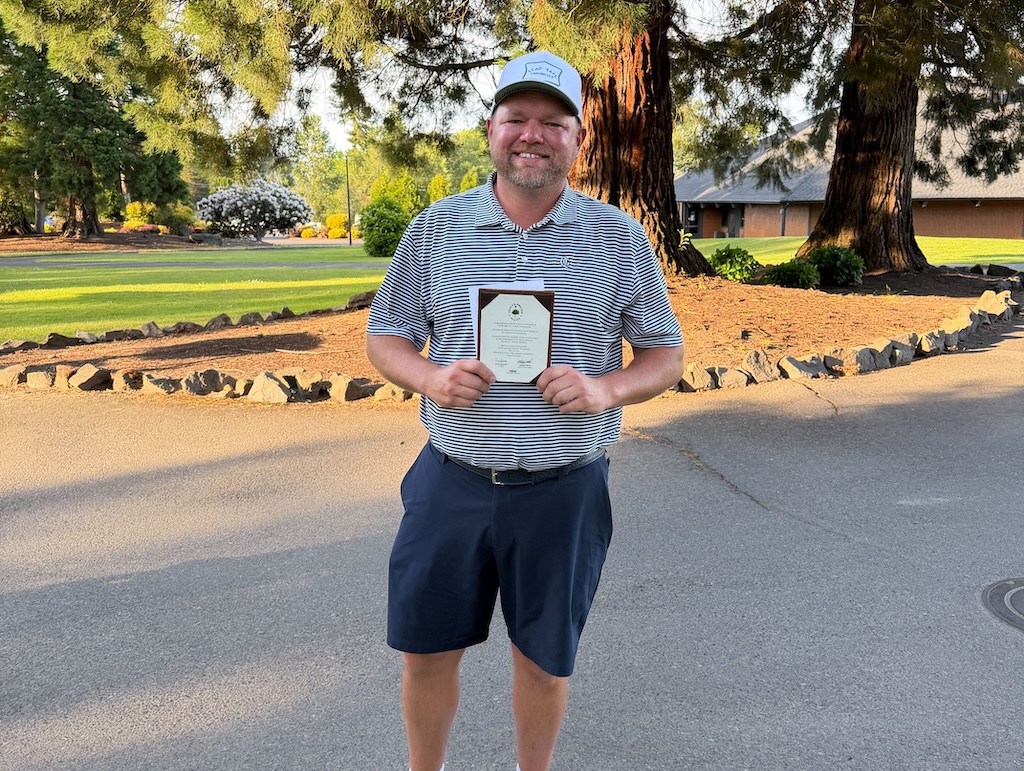
This past Monday, I played in the U.S. Amateur local qualifier at Rock Creek Country Club in Portland, Oregon. A full tee sheet from 7:30 a.m. to 1:55 p.m., the top 11 scores would make it to the U.S. Amateur final qualifying.
I teed off at 10:48 a.m.. With the 7:30 am tee time, you can get a feel for the leaders’ pace, and they were off and running on the challenging setup at Rock Creek.
View this post on Instagram
Getting to the highlight of the round on the par five 17th, a drive up the left side and 212 yards left to the front hole location. I took out a 5-iron with plans of middle of the green. The ball ended up 8 feet left of the hole, pin high. A slight downhill putt dropped in for an eagle 3 on the 17th. With the cut line looking to be anywhere from -2 to even par. This was the boost I had been waiting for all day.
With making par from the trees on 18, it was time to wait for a potential playoff with a posted score of one under par 71.
Three hours later, it was playoff time. 8 players for 6 spots. I made par on the playoff hole, which was good enough to advance to the U.S. Amateur final qualifying in July. USGA qualifiers sure deliver on all of the emotions in golf!
Club Junkie
Building my 2026 gamer WITB: Ranking the contenders and new putter projects – Club Junkie Podcast

The annual What’s In The Bag build is underway, and on this episode of Club Junkie, Brian breaks down the clubs currently leading the race for a spot in his 2026 gamer setup. From drivers and fairway woods to irons, wedges, and shafts, he ranks the equipment that’s performing best and explains what’s separating the front runners from the rest of the field.
Brian also heads into the workshop to discuss several putter projects currently on the bench. From head options and shaft choices to build ideas and testing plans, he shares what he’s working on and which putters could become serious contenders for the bag this season.
If you’re a gear junkie who loves equipment testing, club building, and the never-ending pursuit of the perfect setup, this episode is for you.
Follow Club Junkie:
Instagram: @clubjunkiepod
TikTok: @clubjunkiepod
Threads: @clubjunkiepod
X: @ClubJunkiePod
Club Junkie
Tour Edge Exotics mini driver review + TaylorMade Spider ZT Max first look – Club Junkie

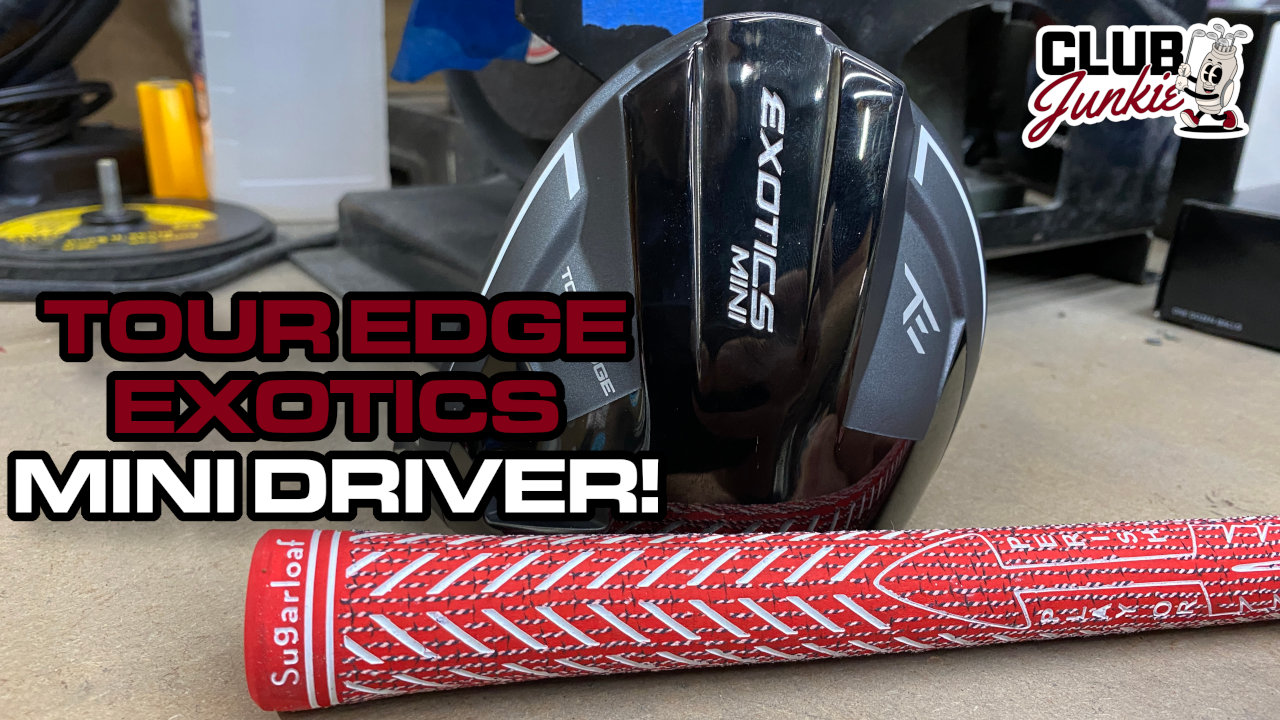
On this episode of Club Junkie, I put the new Tour Edge Exotics Mini Driver to the test and break down the performance, forgiveness, distance, and where it fits compared to a traditional driver or strong fairway wood. If you have been curious about adding a mini driver to the bag, this one is worth a look.
I also dive into the new TaylorMade Spider ZT Max putter that was recently spotted and discuss the growing zero torque putter trend. Plus, there is a closer look at the new Project X Titan Yellow shaft showing up on the PGA Tour and what makes it different from other profiles currently out there.

Justin Rose WITB 2026 (April): Full WITB breakdown with new McLaren irons

What’s the story behind Webb Simpson’s custom-stamped irons?

Cadillac Championship Tour Report: Spieth’s sizable changes, McLaren Golf launches, and more

Russell Henley’s winning WITB: 2026 Charles Schwab Challenge

Kristoffer Reitan’s winning WITB: 2026 Truist Championship

Aaron Rai’s winning WITB: 2026 PGA Championship

Cameron Young’s winning WITB: 2026 Cadillac Championship

Memorial Tournament Tour Report: Rory McIlroy, Cameron Young switch up drivers, and more

Details on Jason Day’s latest prototype Avoda iron setup

Nelly Korda WITB 2026 (April)


Melanie Green WITB 2026 (June)
Driver: TaylorMade Qi4D (9 degrees) Shaft: Graphite Design Tour AD VF 5 S 3-wood: TaylorMade Qi4D (15 degrees) Shaft: Graphite Design Tour...


Sungjae Im WITB 2026 (June)
Sungjae Im had >14 clubs in his bag when photographed prior to the Memorial Tournament. Driver: Titleist TSi2 (8 degrees, B1...


Lucas Glover WITB 2026 (June)
Lucas Glover had >14 clubs in his bag when photographed prior to the Memorial Tournament. Driver: Titleist GTS2 (10 degrees, B2 SureFit...
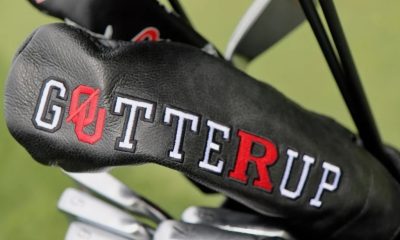

Chris Gotterup WITB 2026 (June)
Chris Gotterup had >14 clubs in his bag when photographed prior to the Memorial Tournament. Drivers: TaylorMade Qi4D (8 degrees), Ping...
-
 News5 days ago
Russell Henley’s winning WITB: 2026 Charles Schwab Challenge
-
 Whats in the Bag3 weeks ago
Aaron Rai’s winning WITB: 2026 PGA Championship
-
 Equipment13 hours ago
Memorial Tournament Tour Report: Rory McIlroy, Cameron Young switch up drivers, and more
-
 Equipment3 days ago
Details on Jason Day’s latest prototype Avoda iron setup
-

 Tour Photo Galleries3 weeks ago
Photos from the 2026 CJ Cup Byron Nelson
-

 Equipment2 weeks ago
CJ Cup Byron Nelson Tour Report: Koepka and Kim’s newest putters finally get hot
-

 News1 week ago
Charles Schwab Challenge Tour Report: MacIntyre, Åberg and Spaun all switch putters, TaylorMade launches new Spider
-

 Equipment1 week ago
Details on J.J. Spaun’s surprise putter switch


Scott Steib
Dec 12, 2019 at 1:35 pm
Rick is an unbelievable artist and an even better man! Reading all of this reminds me of just how much I admire him. Thanks to Ronald for this great article about Rick and for enabling me to read some of the LITT comics again! I love it!
Ronald Montesano
Dec 13, 2019 at 10:38 am
#Blushing. I’ll make sure to tell him.
RM
Michael Duranko
Dec 12, 2019 at 9:31 am
Thanks for the background on LITT, and Rick’s noble cause.
Please bring back Life in the Trap!!!
md
Ronald Montesano
Dec 12, 2019 at 11:59 am
Amen, brother. Spread the word and the link to this interview.
rm