
Opinion & Analysis
A PGA pro’s battle with ulcerative colitis

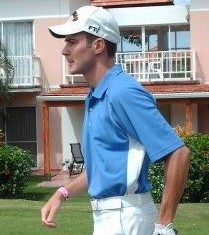
It was April 2010, and things in my life were going great. I was engaged to my dream girl, and was getting started at a brand new job, working as an assistant golf professional at a private club in Markham, Ontario. Not only that, but I was working with a great friend of mine, as well as one of the top head golf professionals in the province.
It was the perfect place for me to be at that point of my career. In my third year, I working under a great team at a great club. And on top of that, I had the opportunity to play a lot of local PGA events, which I was very excited about. Playing and competing at a high level is something I love and cherish, and I was pumped for the opportunity.
We were just getting things started at the club, setting up the pro shop and preparing for what was to be a great season. But things took a wicked turn for me in my own life. I found myself needing to go to the bathroom a lot more than normal, and experiencing quite a bit of stomach pain. I just sort of brushed it under the rug in the beginning, thinking it was nothing to worry about that it would go away on its own. Boy, was I wrong.
It continued to happen, increasing in frequency as well as in the urgency to go. When I had to go, I had to go NOW — no waiting around what so ever. The tipping point came when I began to notice blood in my stool. I knew this was something that was not going to go away on its own. I needed to get help.
I went to the doctor, and thus began a wild series of events that just never seemed to end. There were countless doctors and tests to try to determine what was wrong and why this was happening to me. In the beginning, I was told it was a bowel disease called “Ulcerative Proctitis.” They told me it was nothing major, and a series of medication were supposed to calm everything down and get things back to normal. I had been sick for about four months, so was excited to hear the news and happy to get my life back on track.
After taking the doctor’s advice and medication I was no better — maybe even a bit worse. I went back to the specialist and told him that there was no progress. Like me, he was concerned, and booked a colonoscopy. For anyone who has had this done, you know it is no fun at all, but at the same time it needed to be done so the doctors could see exactly what was going on. What the doctors found was worse than the original “scope” showed — more of my colon was affected, and my doctor was confident that I had “Ulcerative Colitis.”
For those who aren’t familiar with Ulcerative Colitis, it is an inflammatory bowel disease that unfortunately has no known cause, and only one cure; surgery. The symptoms are many, and include living in a bathroom (at the worst, I would have to go about 20 or more times a day). It also causes constant stomach pain, fatigue, weakness and other bad things.
Even though there was only the one cure, the doctor was nowhere near ready to make me go under the knife. He recommended a high-strength steroid (prednisone) that he thought would calm things down and ease the swelling of the colon, sending the disease into remission. There are thousands of people who have Crohns and Colitis and can live a normal life through medication and treatment, and we were hoping I would be one of them — David Garrard, a former Jacksonville Jags QB is a well-known athlete who has Crohns.
Of course, this made things at the golf club a lot tougher. I was in so much pain and in the bathroom so often. It affected my performance in the shop and on the course. I tried my best while there, but it was not easy. I played when the pain was not as high, but my game suffered. I was only able to play in two events all year, and they were both poor outings — a missed cut in the Ontario PGA Championship and a tough day two in our Assistants summer Championship that had me at the back of the pack.
Playing two consecutive days of tournament golf with this disease was tough, and the fatigue and pain caught up to me in the end. I knew that that was probably going to be it for me for tournaments for 2010, and that was tough to deal with. I knew I was just not healthy enough to play and compete at that level. I just wanted to put all of my energy to getting better and beating the disease. I ended up leaving the club just before the end of the season, as the pain and stress of it all was just too much for my body to handle.
It was now October, and all of these pills and medications were not doing anything for me. I felt I was getting worse and no progress was being made. I went back to the doctor and he knew at this point that the prednisone was not the answer. What I needed was a new drug treatment called Remicade. This was a new treatment for UC patients, but it had offered great results for some. The problem with this treatment is that you have to be approved through the government for it, and you have to get an insurance company to support you, as this treatment costs over $4000 per dose (it is an IV style treatment that goes directly into the blood stream.)
After a long wait and a number of phone calls, emails and paperwork, I was finally approved for the treatment. I had three appointments booked, and they had told me that this should get things into remission. Well, three treatments and more than $12,000 later, I was still not any better, and I knew the surgery was the next step. I was now a year into it and so sick and tired of being so sick and tired. I could not wait to have the surgery and be 100 percent cured of this disease. The main setback with this was the fact that I would have a colostomy bag on the outside of my stomach. It would be a major thing to get used to, but I knew I could do it. I felt it would be a piece of cake!
It was now August 2011 and almost one year since I had last played a round of golf. I remember being in the waiting room waiting to be called into the OR, and I kept thinking of all the things I was going to do when I was better. Golf was high on that list. Getting out to play and compete again was a high priority, and one I could not wait for! It took a while before that first round, but it was all worth it! I remember playing late in 2011, just one round. I was playing with my wife and in-laws at a course I knew well, and standing on that first tee was very special. After all that I had been through, all the hard times and struggles, I was back! I shot a high number that day, but the thrill of being back on the links was so special, and a round I will never forget.
I really appreciate GolfWRX allowing me the opportunity to share my story with the community here. I have left this off with a lot more to add to my story and I hope you enjoyed the read. For anyone looking for more information on the disease, I urge you to check out the websites below, and feel free to PM with any questions you may have in regards to the disease.


Club Junkie
Tour Edge Exotics mini driver review + TaylorMade Spider ZT Max first look – Club Junkie

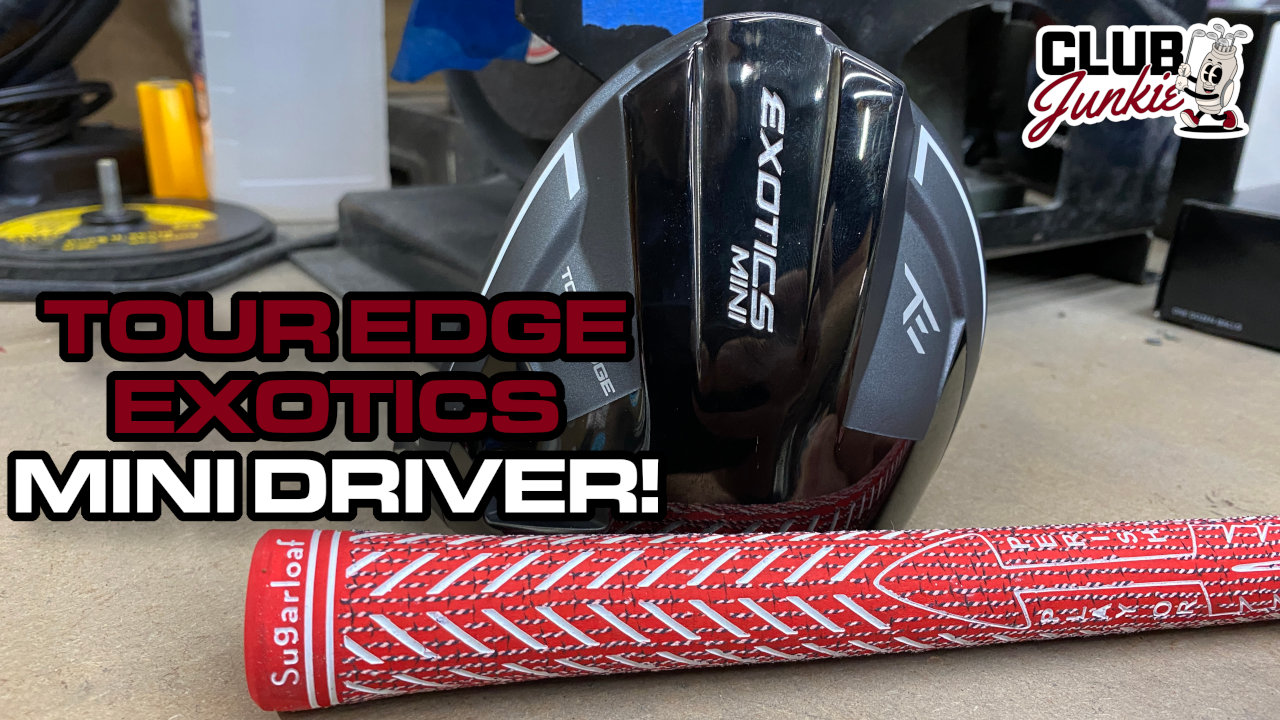
On this episode of Club Junkie, I put the new Tour Edge Exotics Mini Driver to the test and break down the performance, forgiveness, distance, and where it fits compared to a traditional driver or strong fairway wood. If you have been curious about adding a mini driver to the bag, this one is worth a look.
I also dive into the new TaylorMade Spider ZT Max putter that was recently spotted and discuss the growing zero torque putter trend. Plus, there is a closer look at the new Project X Titan Yellow shaft showing up on the PGA Tour and what makes it different from other profiles currently out there.
Opinion & Analysis
AVL: We’re talking about practice! My best tips for taking your game to the course

With the beginning of June on the horizon and courses rounding into peak condition for the season, it’s time to hone the finer skills that often get rusty over the winter. More sunlight also means more time to get out on the course and work on your game.
Whether it’s the practice green or the driving range, there’s always something to improve—whether you’re enjoying the fresh air or preparing for a weekend game or tournament. You can work on drills or freestyle around the green, and friendly competition is a great way to sharpen your skills.
While there are endless ways to get better at golf, I’m going to focus on practicing around the green. Let’s take a look at a few things to keep in mind as we head into the summer months.
Drills
From the driving range to the practice green, it’s important to incorporate drills into your routine. Years ago, I spent a weekend working on my short game with James Sieckmann. He recommended doing drill work for 5–10 minutes, then returning to your main practice.
This way, you create a balance between structured drills and real-world scenarios, so you’re not confined to “perfect” situations. For example, hitting the same three-foot putt over and over is good for repetition, but after a while, it becomes less interactive for your brain.
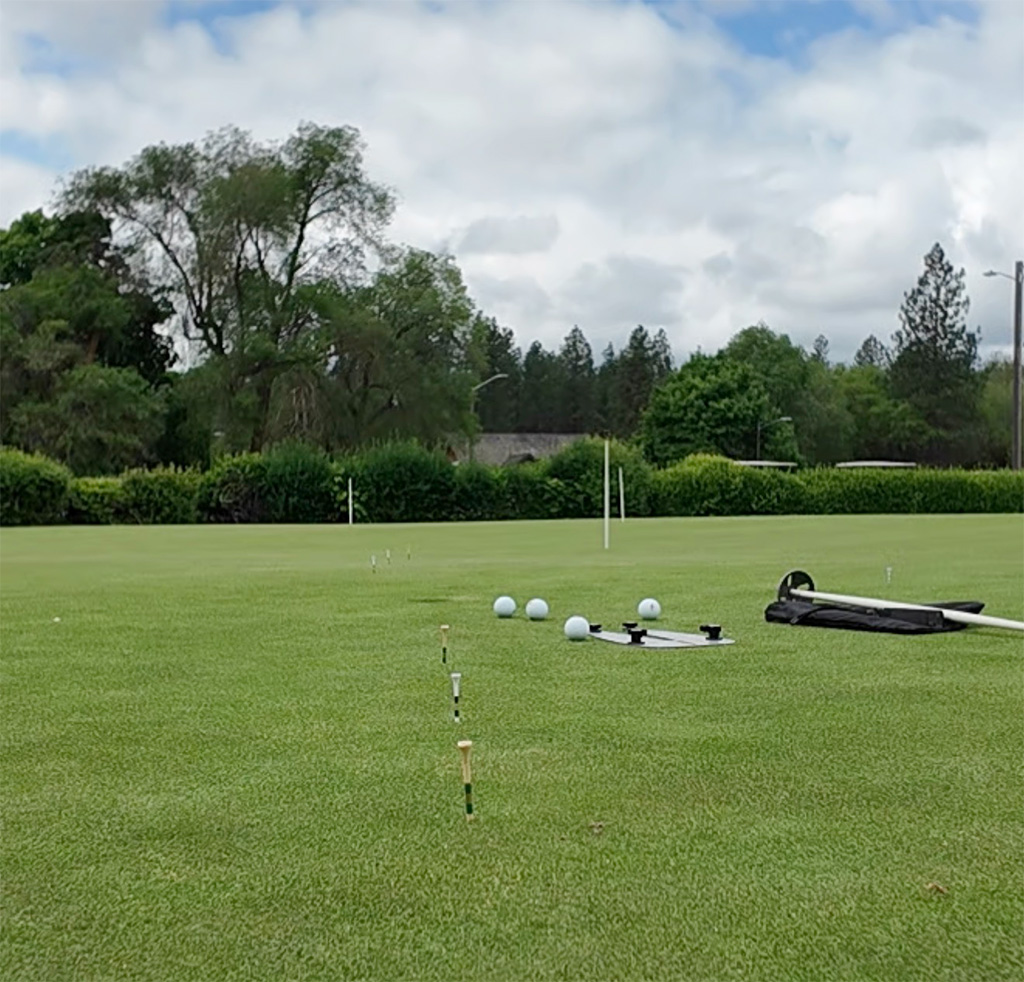
My approach is to use a putting trainer with a narrow gate for the ball to pass through, or simply place tees just outside the width of the ball. I’ll hit a series of four putts through the gate for three sets. Then, from a similar distance, I’ll hit four putts without the training aid and repeat that sequence three times.
Next, I’ll hit a number of 15–25 foot putts in a random fashion, then circle back to repeat the short putt drills with and without the training aid.
This breaks up the rhythm of hitting short putts with the training aid. When you hit the same short putts over and over, it’s easy to get into a groove—which is great for the drill, but not reflective of actual course play. While finding a rhythm is fundamental for drills, I like to introduce variation with longer putts to keep things realistic.
Game Mode
Once you’ve established a foundation with drills, it’s time to simulate on-course scenarios. This is where a few practice games come in handy.
One that I’ve been enjoying lately involves putting 10- to 15-footers with two balls. If I make the putt, great! If I miss, I pull the missed ball back a putter length. Suddenly, that little tap-in becomes a nerve-wracking three-footer—at least at first. As you get better at this game, those three- and five-footers become much more comfortable and routine.
It may sound cliché, but each shot is just what it is—it’s how we react that makes the difference. I like this game because it blends the pressure of on-course putting with the consequence of leaving yourself a much longer putt than usual.
Another game I like is one I recently learned from Brad Faxon. Place three tees in a line at four different locations around the hole: one at 3 feet, one at 6 feet, and one at 8 feet. The 3- and 6-foot putts count as par, and the 8-footer is for birdie.
This game keeps you focused on scoring and helps you get into a competitive mindset. You can even think about this putting game while you’re on the course. I just started playing it, and last week I couldn’t get better than two under par.
Competition
Competition during practice is when drills and games come to life, and you start to see results. For me, nothing beats a putting contest with a friend or two. In the right setting, these contests can become talking points for the whole season.
Match play, a game of 21, or simply seeing who can make the most one-putts (with a small prize on the line) are all great ways to simulate real on-course pressure. Recently, I played in a putting contest where one competitor made back-to-back 30- and 50-foot putts. As they say, expect your opponent to make every putt—and he nearly did. That’s impressive, and it’s something you see on the course, too: you have to stay committed to your game plan, no matter what.
When it comes to practice, it’s important to blend feedback from recent rounds with the fundamentals you want to reinforce. Drills, games, and competition—from the driving range to the putting green—form the backbone of skills you’ll rely on during actual rounds.
Finding the right balance is something we’re all working on, one practice session at a time. With the beginning of June on the horizon and courses rounding into peak condition for the season, it’s time to hone the finer skills that often get rusty over the winter. More sunlight also means more time to get out on the course and work on your game. Whether it’s the practice green or the driving range, there’s always something to improve—whether you’re enjoying the fresh air or preparing for a weekend game or tournament. You can work on drills or freestyle around the green, and friendly competition is a great way to sharpen your skills. While there are endless ways to get better at golf, I’m going to focus on practicing around the green. Let’s take a look at a few things to keep in mind as we head into the summer months.
Drills
From the driving range to the practice green, it’s important to incorporate drills into your routine. Years ago, I spent a weekend working on my short game with James Sieckmann. He recommended doing drill work for 5–10 minutes, then returning to your main practice. This way, you create a balance between structured drills and real-world scenarios, so you’re not confined to “perfect” situations. For example, hitting the same three-foot putt over and over is good for repetition, but after a while, it becomes less interactive for your brain.
My approach is to use a putting trainer with a narrow gate for the ball to pass through, or simply place tees just outside the width of the ball. I’ll hit a series of four putts through the gate for three sets. Then, from a similar distance, I’ll hit four putts without the training aid and repeat that sequence three times. Next, I’ll hit a number of 15–25 foot putts in a random fashion, then circle back to repeat the short putt drills with and without the training aid.
This breaks up the rhythm of hitting short putts with the training aid. When you hit the same short putts over and over, it’s easy to get into a groove—which is great for the drill, but not reflective of actual course play. While finding a rhythm is fundamental for drills, I like to introduce variation with longer putts to keep things realistic.
Game Mode
Once you’ve established a foundation with drills, it’s time to simulate on-course scenarios. This is where a few practice games come in handy. One that I’ve been enjoying lately involves putting 10- to 15-footers with two balls. If I make the putt, great! If I miss, I pull the missed ball back a putter length.
Suddenly, that little tap-in becomes a nerve-wracking three-footer—at least at first. As you get better at this game, those three- and five-footers become much more comfortable and routine. It may sound cliché, but each shot is just what it is—it’s how we react that makes the difference. I like this game because it blends the pressure of on-course putting with the consequence of leaving yourself a much longer putt than usual.
Another game I like is one I recently learned from Brad Faxon. Place three tees in a line at four different locations around the hole: one at 3 feet, one at 6 feet, and one at 8 feet. The 3- and 6-foot putts count as par, and the 8-footer is for birdie.
This game keeps you focused on scoring and helps you get into a competitive mindset. You can even think about this putting game while you’re on the course. I just started playing it, and last week I couldn’t get better than two under par.
Competition
Competition during practice is when drills and games come to life, and you start to see results. For me, nothing beats a putting contest with a friend or two. In the right setting, these contests can become talking points for the whole season. Match play, a game of 21, or simply seeing who can make the most one-putts (with a small prize on the line) are all great ways to simulate real on-course pressure. Recently, I played in a putting contest where one competitor made back-to-back 30- and 50-foot putts. As they say, expect your opponent to make every putt—and he nearly did. That’s impressive, and it’s something you see on the course, too: you have to stay committed to your game plan, no matter what.
When it comes to practice, it’s important to blend feedback from recent rounds with the fundamentals you want to reinforce. Drills, games, and competition—from the driving range to the putting green—form the backbone of skills you’ll rely on during actual rounds. Finding the right balance is something we’re all working on, one practice session at a time.


For Korean golfers, we always look forward to the last of the kkot-saem-chu-I for the true start of a new golf season. The term refers to a cold snap, but literally translates as “winter being jealous of the flowers beginning to bloom, thus lashing out one final time before surrendering to spring”.
A rather poetic mouthful packed into a short expression.
Koreans can be like that. Understated, yet oddly expressive at the same time. And nowhere is this more true on the golf course and in our golf bags. In fact, I suspect many Korean golfers look forward to new apparel and accessory drops more than they do actual equipment launches each year.

At this point, Korean golf fashion may exist on its own timeline. (courtesy of @seonbi_golfer)
There is ample evidence to support that suspicion. Korea is the world’s third-largest golf market behind the United States and Japan, yet its appetite for golf apparel exceeds that of both countries combined. Recent estimates suggest that Korea accounts for nearly 40 percent of the global golf apparel market, placing it among the world’s most influential golf fashion markets and punching well above its size.
Simply, we care deeply about how new golf clubs look and feel, but enjoy looking good while swinging them even more.
Golfers in the West may laugh and say that golf is played on a course, not a fashion runway. Perhaps. But what’s the harm in trying to look and feel good, if the added self-confidence can help actual performance? It certainly seems to have worked for Jason Day, who may have unlocked a new stats category: dormant strokes gained. Coincidence?

During the COVID-era, estimates placed the market near $9 billion, an astonishing figure for a single country.
As a proud member of Gen X, I’ve witnessed the highs and lows of golf fashion firsthand. The pleated trousers and wing-tipped shoes of Jack Nicklaus, the stylish plus-fours and knickers of Payne Stewart, the baggy black trousers and fitted mock-necks of Tiger Woods, and the thigh-hugging athletic tailoring of Rory McIlroy. Golf fashion, like the golf swing itself, has rarely stood still.
But nowhere have those trends shifted, evolved, and been scrutinized quite as relentlessly as in Korea. Here, golf fashion moves faster than fairway gossip, and consumers dissect brands with a level of discernment that can be both impressive and mildly terrifying. New brands are studied, judged, embraced, or dismissed with startling efficiency.
The result is a consumer base with one of the sharpest eyes for quality and authenticity anywhere in the world. It is difficult to quantify, but easy to recognize. Clean lines without trying too hard. Luxury mixed with utility. Trend awareness balanced by restraint and purpose.
It’s golf fashion shaped by one of the world’s most style-literate cities, something I like to call Seoul Sensibilities, referring to the taste level forged by a uniquely competitive environment.
And increasingly, global brands have noticed.

Many golf brands in Korea have their own flagship shops dedicated to apparel only
Titleist understood this years ago, when its apparel business in Korea took on a life of its own under new ownership and local direction. What had once been a straightforward extension of an iconic equipment giant became something sharper and more premium. By going all in on the serious Tour-player look (I couldn’t even fit into their XL sizes), Titleist struck the right chord with Korean consumers and helped its fledgling apparel business break into the mainstream. Titleist became a household name even for non-golfers who wore its caps, shirts, and windbreakers in daily life. In many ways, it proved that even heritage golf brands could carry real fashion credibility when viewed through a Korean lens.
Several years later, PXG took a page out of Titleist’s playbook and followed suit. Korean consumers helped transform the brand from one known largely for irons and loud commercials into something broader and more stylish. PXG apparel’s growth in Korea was explosive, where it found an early audience and turned the category into something more than mere logo merchandise. It is still hard to walk anywhere in Seoul without seeing its palindrome logo.
Malbon’s meteoric rise in the United States was genuine, but its ascent into a global golf lifestyle brand owes much to Korea, where it was elevated by a market already fluent in modern golf style. Korea did not simply embrace Malbon. It pressure-tested the concept, refined its appeal, and helped push it into the global spotlight.
As such, new brands may arrive from abroad, but more often than not, their sharpest evolution happens here. If a brand can earn credibility in Seoul, it’s deemed to have passed one of the toughest style audits in the game.
That is why the next meaningful chapter may not come from outside, but from a Korean brand moving in the opposite direction, carrying those Seoul Sensibilities outward as K-pop once did.

Play young Stay dope.
From Seoul, With Intent
Khalhon is a label that feels less like a trend-chasing newcomer and more like the product of a market that has already seen everything. Golfers here have long been surrounded by luxury logos, technical fabrics, and tour uniforms disguised as lifestyle wear and vice-versa. In other words, novelty alone rarely lasts here, and the Koreans seems to understand that instinctively.
Its style language leans into clean silhouettes, relaxed but tailored proportions, muted palettes, and premium materials that speak quietly but confidently. There is a modern city aesthetic running through it all, with strong layering pieces, thoughtful textures, and subtle branding that suggests sophistication rather than demanding attention.

“Built for the course. Designed beyond it.”
Most importantly, the garments seem designed to blur the line between golfwear and everyday style. Shirts, trousers, knitwear, and outer layers move comfortably between a game of screen golf, a lunch reservation, an airport gate, or an afternoon coffee in Gangnam with friends.
It raises the question of whether this is golfwear that happens to look good off the course, or everyday clothing that performs beautifully on the fairways.
Personally, I have long appreciated Nike Golf for its clean, athletic modernization of golf attire. It also has the useful side effect of making me look like a more serious golfer than I probably am. But off the course, there are times when being instantly identified as the golf guy in a crowd of non-golfers can feel a touch self-conscious.

“Built for the course. Designed beyond it.”
That is part of what drew me to Khalhon, which seemed to blend golf and everyday wear naturally. While some of the outfits may be slightly beyond my personal confidence level, the brand also offers tasteful options for older guys like me who still want to express a little personality without regretting the decision later.
These are not simply flashy outfits worn on the course and then banished to the closet until the next tee time. They work surprisingly well off the course too, and I suspect many of the pieces will still look right a couple of years from now, which would certainly be kinder to my wallet than most golf fashion trends tend to be.
And perhaps that broader lifestyle positioning also helps explain why someone like Sean Wotherspoon would find Khalhon creatively interesting in the first place.

“Built for the course. Designed beyond it.”
“Korea is not only one of the most fashion-forward golf markets in the world, but one of the most fashion-forward markets globally. Korea is ahead, and I love to watch and try to catch up.” – Sean Wotherspoon, Creative Director at Khalhon
Seoul and Beyond
If Khalhon’s rise says something about where Korean golf fashion is today, its relationship with Sean Wotherspoon says even more about where it is heading.
For readers less familiar with Sean Wotherspoon, his arrival at Khalhon is not some routine celebrity endorsement or influencer collaboration. In design and streetwear circles, Wotherspoon is regarded as one of the more influential creative voices of his generation, particularly when it comes to blending nostalgia, storytelling, and contemporary culture into products that people can connect with.
He first gained widespread attention through his now-famous Nike sneaker collaborations, where his vintage-inspired designs and instinct for color helped turn him into one of the defining artists of the late-2010s sneaker era. His work gradually expanded beyond footwear into apparel, automotive collaborations, collectibles, and broader lifestyle design.
Modern golf style now extends well beyond the fairways, where performance and functionality are largely expected by default. And while plenty of brands already make technically competent golfwear, Khalhon seems more focused on designing clothes people would genuinely want to wear even after the round ends.
And when guys at Wotherspoon’s level show genuine interest in working with a Korean golf brand as its new Creative Director, fashion circles tend to sit up and pay attention. There’s already a huge buzz among the fashion-conscious here about upcoming collabs with iconic sports stars and brands.

“My creative direction for Khalhon is disruptive, colorful, nostalgic, and modern. My goal is to blend these avenues seamlessly within each collection.” – Sean Wotherspoon
In chatting with Sean, what stood out most to me was how genuinely energized he sounded about the project itself. Despite having already worked across and countless other creative spaces, he described golf as a completely fresh category for him, saying that Khalhon “will be an amazing vehicle for my design work.”
At the same time, his enthusiasm seemed tied just as much to Korea itself. He spoke openly about admiring Korea’s fashion culture while repeatedly insisting he is still a terrible golfer.
There was something oddly refreshing about that humility. Rather than sounding like a celebrity parachuting into golf simply because the category suddenly became fashionable, Sean sounded genuinely curious about what Korea might do with the category next.
And perhaps that is what makes Khalhon feel interesting right now. The brand feels less like a trend-chaser and more like the natural result of a market now confident enough to export its own point of view.
For years, global brands came to Korea to sharpen their image against one of the most discerning audiences anywhere. Now, a Korean label appears ready to send those Seoul Sensibilities outward instead.
Which brings us back to kkot-saem-chu-i.
That final cold snap before spring always arrives with a reminder that seasons are changing, whether we notice it immediately or not. Golf fashion feels a little like that right now as well, as the old boundaries between sport, streetwear, luxury, and everyday style continue to soften.
And somewhere in Seoul, a Korean golf label already seems prepared for whatever season comes next. I just hope they have everything in my size.

Justin Rose WITB 2026 (April): Full WITB breakdown with new McLaren irons

What’s the story behind Webb Simpson’s custom-stamped irons?

Cadillac Championship Tour Report: Spieth’s sizable changes, McLaren Golf launches, and more

Kristoffer Reitan’s winning WITB: 2026 Truist Championship

Cameron Young’s winning WITB: 2026 Cadillac Championship

Aaron Rai’s winning WITB: 2026 PGA Championship

Russell Henley’s winning WITB: 2026 Charles Schwab Challenge

Nelly Korda WITB 2026 (April)

Justin Rose on the switch to McLaren Golf, learnings from previous equipment moves

Photos from the 2026 CJ Cup Byron Nelson


Maria Torres WITB 2026 (June)
Driver: Ping G440 LST (9 degrees) Shaft: Accra TourZ Green 5-M4 3-wood: Ping G440 Max (15 degrees) Shaft: Accra TourZ Green 6-M4 5-wood: Ping G440...

Eric Cole WITB 2026 (June)
Driver: PXG Lightning Tour Max (9 degrees) Shaft: Project X Titan Yellow 70 TX 3-wood: TaylorMade Qi4D (15 degrees) Shaft:...


Si Woo Kim WITB 2026 (May)
Driver: Callaway Quantum Triple Diamond (8.5 degrees) Shaft: Fujikura Ventus Black 6 X Mini driver: Callaway Paradym Ai Smoke Mini...


Wyndham Clark’s winning WITB: 2026 CJ Cup Byron Nelson
Driver: TaylorMade Qi4D (10.5 degrees) Shaft: Project X Titan Yellow 60 TX 3-wood: TaylorMade Qi4D Tour (15 degrees) Shaft: Project...
-
 Whats in the Bag2 weeks ago
Aaron Rai’s winning WITB: 2026 PGA Championship
-
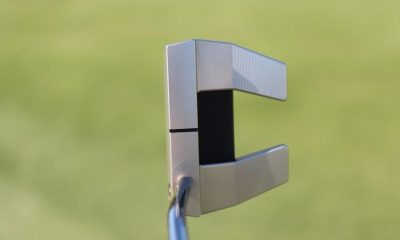 News2 days ago
Russell Henley’s winning WITB: 2026 Charles Schwab Challenge
-
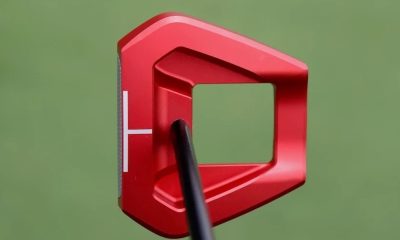 Tour Photo Galleries2 weeks ago
Photos from the 2026 CJ Cup Byron Nelson
-

 Equipment2 weeks ago
CJ Cup Byron Nelson Tour Report: Koepka and Kim’s newest putters finally get hot
-
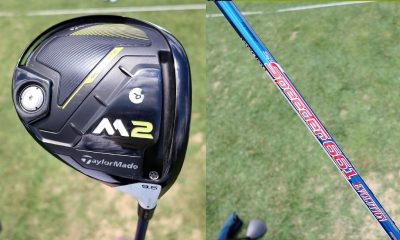
 News4 days ago
Charles Schwab Challenge Tour Report: MacIntyre, Åberg and Spaun all switch putters, TaylorMade launches new Spider
-
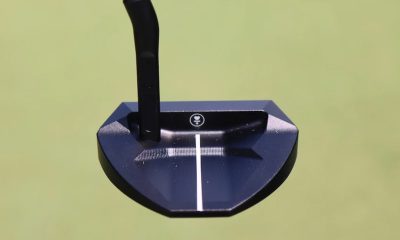
 Equipment6 days ago
Details on J.J. Spaun’s surprise putter switch
-
 Equipment3 weeks ago
GolfWRX Launch Report: 2026 Titleist GTS drivers
-
 Popular Photo Galleries1 week ago
Photos from the 2026 Charles Schwab Challenge


paul k.
Jan 18, 2013 at 4:36 pm
good luck w everything rob…i had ulcerative colitis for about 6 yrs..and endless trips to the bathroom and feeling tired..it felt like i was prescribed every possible drug on the market, and nothing helped. at one point i shriveled down to 117 lbs.(im 6’3)..i got emergency surgery on christmas eve to have my colon removed,,and it was the best thing ever. surgery seems like the only solution. good luk everyone with the disease, and good luck with your golf rob. ill be checking on how youre doing
Tom
Jan 3, 2013 at 4:43 pm
Rob,
Thanks for sharing your story- I hope everything is going well for you and your family. As a young man with UC also, I know it can be tough, especially with an active lifestyle. Take it easy and good luck with the gophers.
Tom
Robin
Jan 3, 2013 at 3:54 pm
This is a very inspirational story. I have Crohns myself (diagnosed Nov 2009) and went 11 months with no diagnosis, being told I had a “persistent stomach flu” and IBS. Finally a month long bout of kidney stones kicked off my long trek to remission. I am so glad to hear you are on the mend, sorry it took surgery to get you there, and wish you the best and many happy rounds on the course 🙂
naflack
Jan 3, 2013 at 2:05 pm
I lost my colon from UC in 2010 after battling it for 6 years. I am now disease free but will tell you first hand life without a functioning large intestine is quite challenging. Your strength and energy levels never return, sleeping through the night it’s no longer an option and you will battle significant dehydration for the rest of your life.
If you know anyone with crohns or UC understand that they in essence live their daily lives with symptoms you would associate with a stomach virus, everyday.
Tom Earls
Jan 3, 2013 at 10:47 am
bob,
Thank you for your story. I had Ulcerative Colitis for about 40 years, from the age of 24 to 66. I got some relief at about age 47 when I began taking a lot of Pepto Bismol which kills bactera. I finally achieved nearly 100% relief when I began taking colostrum 3 years ago. It is an auto immune enhancer from the first milk of a cow that has just given birth. I can only say it absolutely worked for me. I now get minor symptoms when I eat spagetti three days in a row, but I’m cured. Best of luck with you golf. Can you tell me how to cure my golf game?
Tom Earls
Sturbridge, MA
Erica K
Jan 2, 2013 at 12:30 pm
What an inspiring story! Keep doing what you’re doing and I know we’ll be seeing the name “Rob Kenny” on the leaderboard in the very near future.
Chris
Dec 31, 2012 at 4:05 pm
This is a good article about UC. As a sufferer for 20 years i can understand what you are going through, although mine appears much milder than yours. i have been on mesalazine for 19 years and 1 year on the prednisolone that saw my weight balloon. This is a good read and reminder of what happened to me a good few years back.
DaverB
Dec 30, 2012 at 7:31 pm
Great article Rob.
With your dedication and tenacity, I look forward to seeing you playing in The Big Show in the very near future.
Sam
Dec 27, 2012 at 10:30 pm
I definitely feel for you, Rob, as I have UC myself. I have a lighter case than many, and have managed mostly through diet (I was on sulfasalazine for years and that never really helped). I’m sorry you had to have surgery (I’ve considered it sometimes when I’m in bad flares), but it sounds like you’re taking it in stride and have great things ahead of you.
-S
Des
Dec 27, 2012 at 11:40 am
My daughter is a keen sportswoman and hard working 27yr old and manages her life around Chrohn’s. Your story is brave and candid and helpful to others with similar conditions. I wish you every sucess in your life and in your sport, you clearly have the strength of character to work through this tough period and I wish you every success and happiness in 2013. Des.