
Equipment
GolfWRX Interview – Dick Rugge USGA Senior Technical Director

 During the past year the United States Golf Association came out with an updated ruling in regard to golf club adjustability.
We can already adjust weight on putters and many of the newer drivers. Many have speculated this is an attempt to bring increased club adjustability to the golfing masses and not just the elite tour pros. GolfWRX recently interviewed Mr. Dick Rugge, Senior Technical Director of the USGA and he gave me some insight into this updated ruling…
How will the club adjustability ruling assist the average golfer? Will they benefit from this proposal more so than a professional tour player?
PGA Tour Professionals have long had the opportunity to have their clubs modified and adjusted both frequently and quickly because they have access to the tour vans at virtually every tour stop. The average golfer cannot access this resource. Additional club adjustability features should give the average golfer access to some of the same type of club fitting possibilities available to tour professionals.
How does club adjustability impact the club fitting process?
I believe that additional adjustable features should give club fitters more opportunity to better fit golfers.
Could this ruling be viewed as an attempt by the USGA to appease the manufacturers by limiting their ability to create increased distance through technology, but allowing "manufactured" shot shaping, or ball direction?
The intention of this rule change is to bring additional benefits to golfers. There was no intention of “appeasing” manufacturers in this ruling.
Do you envision some OEM manufacturers creating adjustable center of gravity (inside the head itself) in drivers and fairway woods?
The revised ruling has no affect on adjustments for weight which were already permitted in the Rules of Golf.
Do you envision quick re-shafts now, as in no more epoxy to secure shafts to the clubs? If so, won’t this have an adverse affect on the club fitting industry as a whole? The ruling stipulates "firmly fixed" what does this mean? (Almost anything can come apart during the normal course of play.)
While changing shafts or heads may be one type of adjustability, I believe that there will be many different types of adjustable features that will become available. Club designers have great creativity and will likely use that to come up with very interesting products. I believe that the club fitting industry will have additional tools with which to fit players and that this should be good for golfers and fitters alike.
“Firmly fixed” means all parts fit together as one unit. Adhesive joining does not totally guarantee that a club wouldn’t come apart – shafts break and glue joints can fail. We expect that manufacturers will create adjustable features that are durable.
Wouldn’t the tour level golfer stand much more to gain by this ruling than your average recreational golfer who cannot consistently repeat their swing?
Tour players already have the opportunity to adjust and modify their clubs on a frequent and rapid basis. I don’t anticipate that the additional adjustability allowance will change that situation very much.
The proposed ruling change by the USGA appears to be ambiguous. Does that suffice to say that the USGA is going to keep a "short leash" on just what exactly qualifies as "adjustable?"
Rather than draw strict guidelines around the rule at this point, we thought it best to develop our interpretations of what is and what is not acceptable with actual experience. That is why we have requested that club designers communicate their ideas with the USGA as soon as possible – certainly long before beginning production.
Just out of curiosity, how long does it take for the USGA to officially test and approve (or disapprove) a submitted golf club design once it has been submitted for testing. Obviously the manufacturers want to get things into the manufacturing process as soon as possible.
The length of time can vary greatly. We average 15 to 20 days for a typical conformance decision. However, some new concepts may take much longer to fully evaluate. This could be a year or more. This is because some new features may be very complex and the evaluation of them requires careful and professional analysis. To do this work, the USGA has a very competent technical staff, including six engineers (three of whom are PhD mechanical engineers). In addition to the internal staff, the USGA employs university consultants from Lehigh University, New York Polytechnic University, and M.I.T.
Have you (USGA) implemented a defined set of internal or USGA standards when evaluating the manufacturer’s submissions for legality? Obviously, the USGA has the deciding go ahead with each submitted golf club, in short, do you have a "threshold" in mind"?
Regarding club adjustability, we have not developed a defined set of USGA standards for the reasons cited in the previous response.
The USGA has published other club-related guidelines in the USGA publication “A Guide To the Rules On Clubs and Balls” The USGA guide is available here.
The guidebook can also be obtained in printed form from the USGA here.
Since it is stated that the adjustable club should "NOT be readily adjustable", does this infer that the golfer may have to take their club in to a shop to have it adjusted? Or, in essence, could we (golfers) complete this adjustment ourselves?
The “not readily adjustable” Rule language is intended to make it less likely that a club would be adjusted while playing a round of golf. This language has been included in the adjustability section of Appendix II for many years and has been applied to adjustable weight features in irons and woods, as well as other types of adjustable features for putters. Therefore, mechanisms which can be adjusted by the hands or adjustment features that can be changed with items commonly used during the round (e.g., coin or ball-mark repair tool) would likely not be considered conforming to the Rules.
I believe that one of the most consistent things about golf are the rules themselves, however I would venture that your average, recreational golfer (not someone who is striving to lower a tracked handicap) probably doesn’t follow ALL the rules and will use this proposal to make changes during a stipulated round. Was this discussed prior to deciding on this ruling?
Golfers have a personal responsibility to play according to the USGA Rules of Golf or whatever rules they choose. With that in mind, I believe that golfers will not violate this rule any more than they violate the rules that do not permit kicking a ball out from behind a tree or improving the lie on the fairway. Some types of equipment adjustability have been permitted for quite some time and I believe that many golfers are already aware of the ban on adjustment during a stipulated round.
Irons remain an enigma, many top professional and amateur golfers are still VERY successful using (older) blade type iron technology. Do you believe that this proposal on adjustability will be a catalyst for the OEMs to create "higher tech" iron offerings?
I believe that question is best answered by the manufacturers.
Do you expect a FLOOD of new, adjustable equipment designs submitted to the USGA in early 2008?
Time will tell.
Do you view the putter as something that might have a lot of potential for adjustability? There are many putter designs that already have adjustable weights right now.
The Rules have permitted adjustable features (more than just weight) on putters for some time. The new adjustable club ruling applies to irons and woods.
How much of an effect did the advent of the interchangeable fitting systems have on this rule decision?
Not much. Some other types of adjustable equipment submissions that were potentially beneficial to golfers but were not permitted under the current rules structure were the main impetus for the adopted change.
How does this new rule differ from the previous iteration which allowed moveable weights in golf clubs?
The old rule only permitted adjustments for weight purposes on woods and irons. The revised rule allows other types of adjustability.
What impact do you see this rule change having on the way golf clubs are bought and sold?
That will likely depend on designers’ ability to create products that are interesting to golfers. Any new feature or technology can have an affect in the marketplace.
What has the response been from OEM’s and shaft companies to the rule amendment? It seems like they would sell fewer clubs this way if golfers can easily save and reuse club heads and shafts.
Most reactions to the rule change have been very positive. This will give club designers many opportunities – beyond changing heads and shafts – to create interesting golf clubs.
How soon do you see these changes becoming widely accepted among golfers?
That depends on the success of club designers and manufacturers to create products that are wanted by golfers.
Thanks again Mr. Rugge and the USGA for sharing their time with Golfwrx.com.


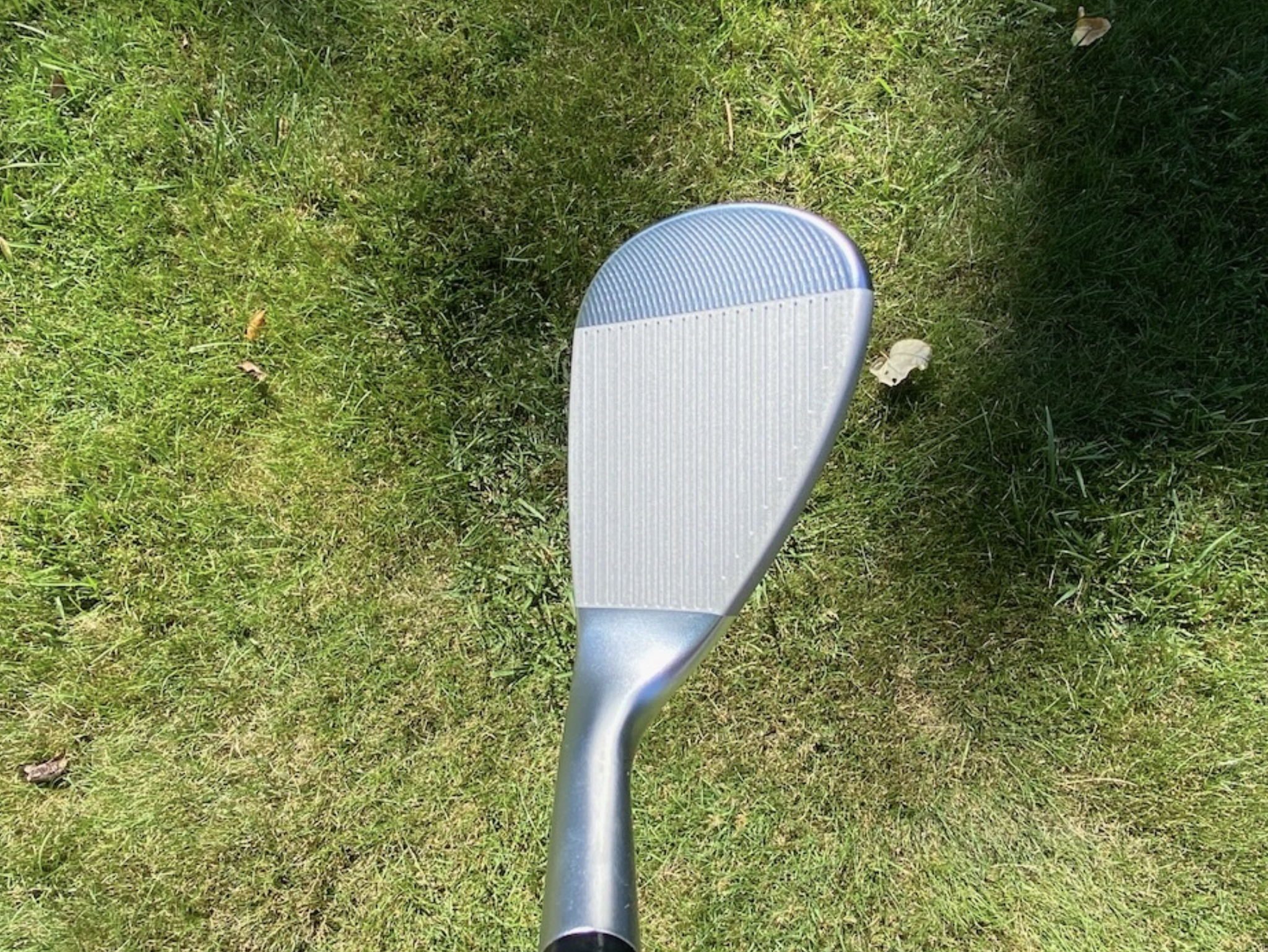
In our forums, our members have been discussing the most forgiving wedges on the market. WRXer ‘aaronpoling’ lays out his current setup and what he’s currently considering, saying:
“I am looking at getting new wedges, but looking for a forgiving wedge.
I currently play Ping G25 50°, MD4 54° and 58°. I used to play the CBX2 in the 50°, 54° and 58° and liked them a lot; but like any good dad, my son took them.
I am currently looking Callaway’s CB12 and Cleveland’s CBZ. Anyone have thoughts on these? Or recommendations of other wedges that I should check out?”
And our members have been weighing in with their thoughts and recommendations in response, with one brand coming out emphatically on top.
Here are a few posts from the thread, but make sure to check out the entire discussion and have your say at the link below.
- boggyman: “CBZs are amazing wedges!”
- drewbens: “Agreed, the Cleveland CB wedges are great! Already had a CBX Full Face 2 54 and recently added a 50 and 58 (for well under $100 a piece). Was chipping so well last week that my brother-in-law asked if the wedges were legal. Definitely underrated wedges for those of us that are not scratch golfers.”
- BogeyTed: “Get Cleveland CBX/CBZ. Very underrated clubs.”
Entire Thread: “Best ‘forgiving’ wedges – GolfWRXers discuss”
At GolfWRX, we are a community of like-minded individuals who all experience and express our enjoyment of the game in many ways.
It’s that sense of community that drives day-to-day interactions in the forums on topics that range from best driver to what marker you use to mark your ball. It even allows us to share another thing we all love – buying and selling equipment.
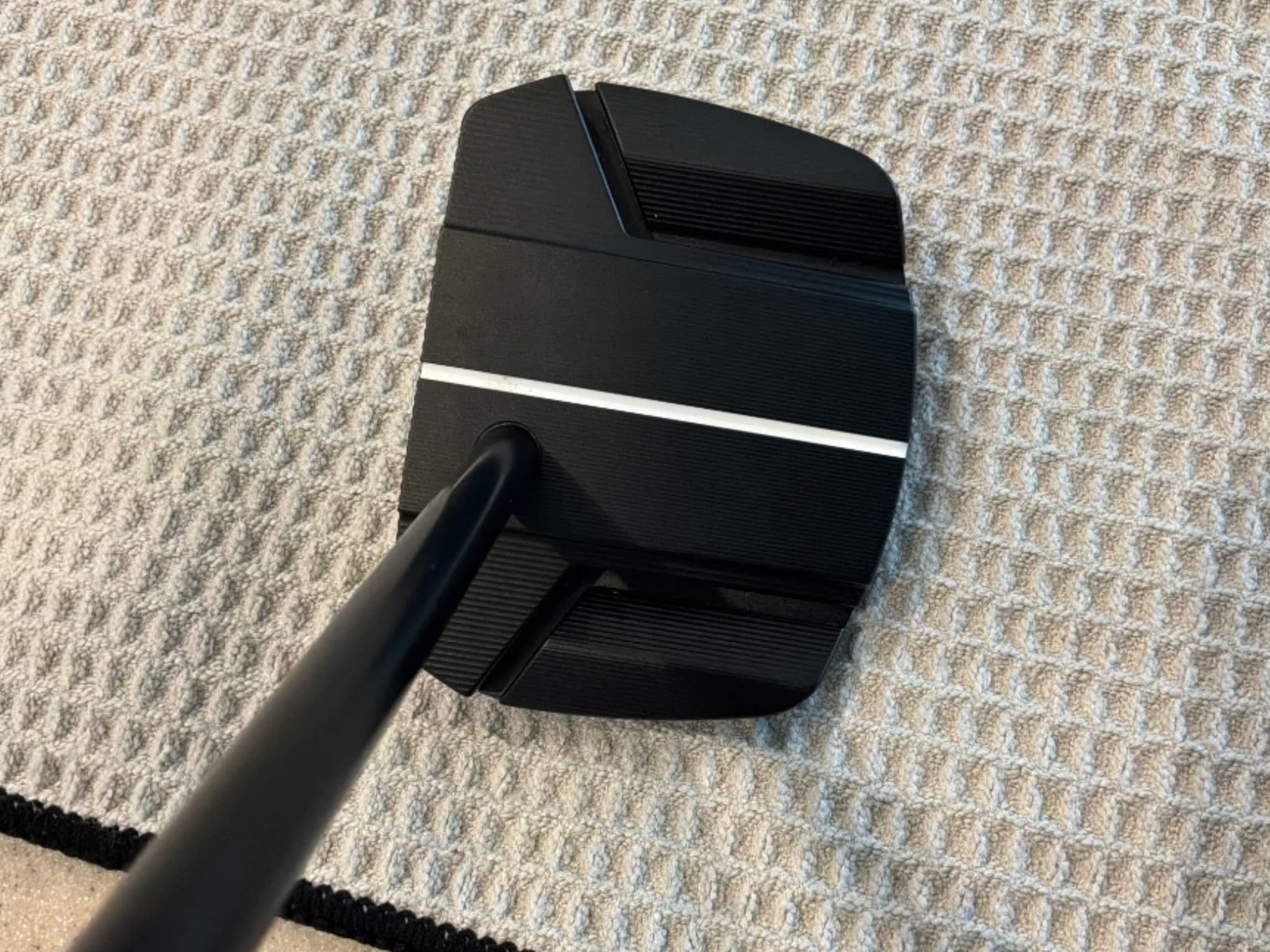
Currently, in our GolfWRX buy/sell/trade (BST) forum, @negncic has a Ping PLD Ally Blue Onset putter up for grabs.

From the listing: “34” Ping PLD Ally Blue Onset. Ping composite shaft Ping PLD Pistol grip. No issues. $345 shipped.”
To check out the full listing in our BST forum, head through the link. If you are curious about the rules to participate in the BST Forum, you can learn more here: GolfWRX BST Rules
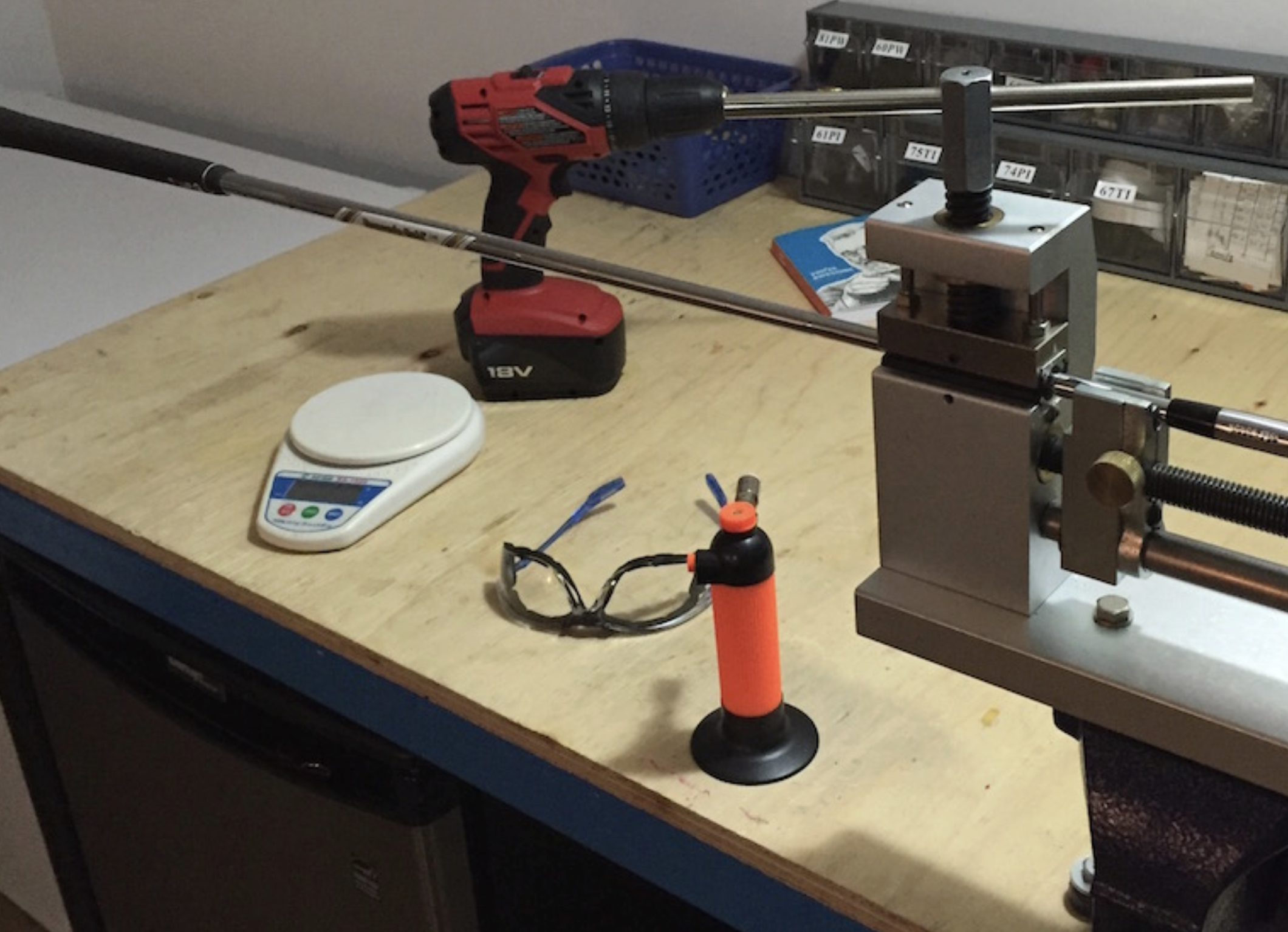
In our forums, our members have been reacting to a WRXer who claims to have built the “worst fitting clubs ever.” ‘dlow206’ recounts his experience with plenty of insightful findings for where he can go better next time in a detailed post, saying:
“Here’s my story of building the worst fitting clubs ever (for me). And my findings of what a better fit is.
I am short in stature, as well as a very short wrist to floor of 30.5″. I went down a rabbit hole of wanting to try irons 1″ shorter of more than standard length. Given the shorter lengths, the swingweights would be super light unless I added back a ton of weight to the heads, but I don’t like adding an extreme amount of weight back to the heads, so I decided to compensate with heavier shafts (115 grams instead of 95). Played with this set for a while and was hitting all irons extremely poorly. Thin, fat, right, right, left. My swing didn’t deteriorate that much because I was hitting my driver well, woods well, etc.
Went back to my older set of irons, playing at standard length, and my iron play improved immediately. Since then, have been doing more testing, while paying more attention to different possible variables. What I have found is I actually prefer lighter total weight with relatively normal or slightly heavier swingweights. Did a recent fitting and found that 85 gram shafts were better for me than 95 grams with standard length and relatively standard swingweights.
Still trying to dial in a final iron shaft choice, so have a few contenders that I will be testing. Will be moving away from my current Steelfiber i95 S parallel to lighter and softer
- MMT 80 parallel R – worked pretty well in a limited number of swings at a fitting
- Fujikura Travil 85 R – the fitter liked the Axiom 95 R for me at Club Champion, but i didn’t love the effort required to swing them. If there was a 85 Axiom, that would probably have been a great fit. So i am going try a Travil 85 R which is japan only
- Steelfiber i80 CW R – i have been playing Steelfibers for a long time, so need to give one Steelfiber shaft a shot
Given I do club building work, I am going to build all of these shafts with the All-Fit universal iron adapters to pair with a Srixon 7 iron head for testing. With these adapters, there isn’t a swingweight issue because the amount of weight from drilling out is about equivalent to the universal adapter components.”
And our members have been sharing their reactions in our forum.
Here are a few posts from the thread, but make sure to check out the entire discussion and have your say at the link below.
- Mikey_HACKilroy: “That length cut costs you a fair amount in swing points. I’d posit the length mattered more than the weight because a 115g shaft isn’t going to actually add enough back after cutting an inch off. Does it mean 115 would ultimately work? Hard to say. Maybe try a 1/2″ cut and add 2g to the head to compensate assuming the 7i is 37″ long. Maybe that will feel better. It translates to the same ~D2 you’re swinging at with the 95g shafts (estimated based on common weight, but you can weigh your parts on your own obviously).”
- Stuart_G: “Your process is good – keep at it and trust it.”
Entire Thread: “I built the worst fitting clubs ever – GolfWRXers discuss”

RBC Heritage Tour Report: More minis, course-specific setups, Spider & GTS launches

Justin Rose WITB 2026 (April): Full WITB breakdown with new McLaren irons

What’s the story behind Webb Simpson’s custom-stamped irons?

Cadillac Championship Tour Report: Spieth’s sizable changes, McLaren Golf launches, and more

Kristoffer Reitan’s winning WITB: 2026 Truist Championship

Cameron Young’s winning WITB: 2026 Cadillac Championship

Aaron Rai’s winning WITB: 2026 PGA Championship

Nelly Korda WITB 2026 (April)

Justin Rose on the switch to McLaren Golf, learnings from previous equipment moves

Photos from the 2026 CJ Cup Byron Nelson

Si Woo Kim WITB 2026 (May)
Driver: Callaway Quantum Triple Diamond (8.5 degrees) Shaft: Fujikura Ventus Black 6 X Mini driver: Callaway Paradym Ai Smoke Mini...


Wyndham Clark’s winning WITB: 2026 CJ Cup Byron Nelson
Driver: TaylorMade Qi4D (10.5 degrees) Shaft: Project X Titan Yellow 60 TX 3-wood: TaylorMade Qi4D Tour (15 degrees) Shaft: Project...

Cameron Smith WITB 2026 (May)
Driver: Titleist GTS3 (10 degrees, D1 SureFit setting) Shaft: Fujikura Ventus TR Blue 6 X 3-wood: Titleist GTS2 (16.5 degrees,...


Club Junkie WITB, week 17: Some underrated irons!
This week in my league, we are going with a rather interesting setup with old and new clubs. The PXG...
-
 Whats in the Bag3 weeks ago
Kristoffer Reitan’s winning WITB: 2026 Truist Championship
-
 Whats in the Bag2 weeks ago
Aaron Rai’s winning WITB: 2026 PGA Championship
-
 Tour Photo Galleries2 weeks ago
Photos from the 2026 CJ Cup Byron Nelson
-

 Tour Photo Galleries3 weeks ago
Photos from the 2026 PGA Championship
-

 Equipment1 week ago
CJ Cup Byron Nelson Tour Report: Koepka and Kim’s newest putters finally get hot
-
 Equipment4 days ago
Details on J.J. Spaun’s surprise putter switch
-
 Equipment3 weeks ago
GolfWRX Launch Report: 2026 Titleist GTS drivers
-

 Equipment2 weeks ago
PGA Championship Tour Report: Fitzpatrick, Koepka among big-name putter switches for Aronimink


Kay
Mar 10, 2008 at 3:25 pm
I found your blog via Google while searching for pga rules and your post regarding GolfWRX Interview – Dick Rugge USGA Senior Technical Director looks very interesting to me. I could not believe the amount of quality material on this site. The site is extremely eyecatching and pulls the reader straight it, the articles are great quality and are very professionally written. I have seen too many of these sites where it looks like they pay an 8 year old to do the writing – Not this one. Your site is easily the best that I have seen in a long while.