
Equipment
Wishon: Shaft frequency can be misleading

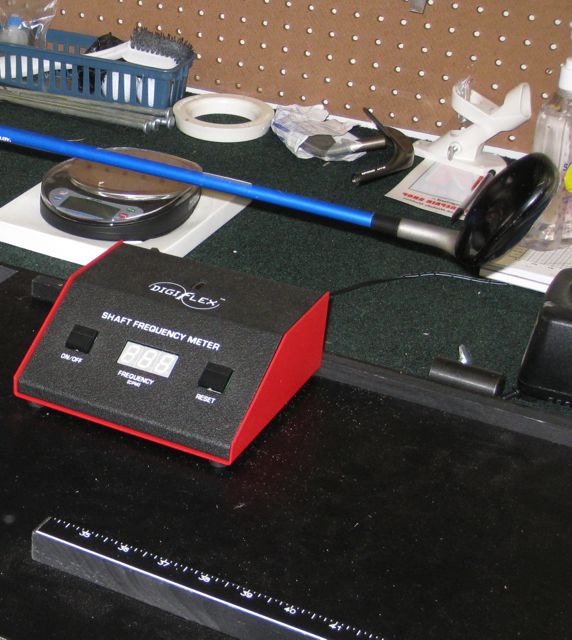
Numerous times I have read posts on GolfWRX from golfers who persist in selecting a shaft on the basis of a butt frequency measurement. In viewing new shafts that come on the market, many golfers believe as long as the new shaft has the same butt frequency as their current shaft, the shaft’s stiffness design will match their swing.
Unfortunately, there is a lot more to the stiffness design, stiffness performance and the stiffness feel of a shaft than a single butt frequency measurement. In other words, it is quite rare for two shafts with the same butt frequency to be the same stiffness design over the full length of the shaft. And equally, it is quite common for two shafts to have the same exact butt frequency measurement but be completely different in their stiffness design over the rest of the shaft.
Here’s a couple of examples to illustrate this point. First, let’s take a look at the full-length stiffness design of two shafts for drivers and woods, both made by the same company.
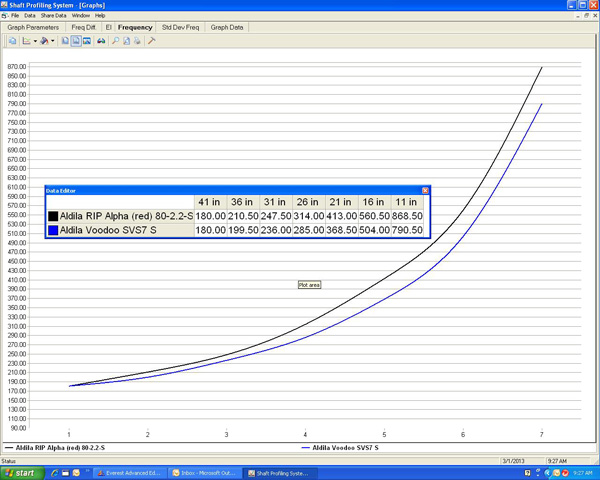
Note: All zone frequency measurements performed for our TWGT Shaft Bend Profile software are taken using a 454-gram tip weight so that we can obtain measurements all the way to the tip section of the shaft. With only a 205-gram tip weight, it would not be possible to obtain the measurements for the lower center to tip section of the shaft. Using a 454-gram tip weight lowers the actual frequency measurement compared to what the measurement would be using a 205-gram tip weight.
The two above shafts with their same 180-cpm butt frequency measurement, if done with a 205-gram tip weight, would both have a frequency measurement of 254 cpm. But the point is the same regardless of the frequency measurement method.
Here are two shafts which if measured only for the butt frequency, would lead a golfer to believe that they have the same flex or same stiffness design. Yet in looking at the full-stiffness design of both shafts, these two shafts may have the same butt frequency measurement, but they could hardly be more different in terms of their overall stiffness design. These two shafts in the hands of the same player would result in a completely different stiffness performance and stiffness feel — yet if the golfer were to look at the shafts by only referencing the single butt frequency measurement, the conclusion would be that they have the same stiffness.
This is not an isolated case. Within the 2,100 different shafts in our Shaft Bend Profile software, there are too many examples to list that are exactly like this — shafts that have the same butt frequency measurement but are completely different in their design, performance and feel.
The same thing exists within iron shafts, which is an area in club fitting that many golfers make their shaft selection decision based on comparing the butt frequency measurements. Let’s take a look at an example of two iron shafts with the same butt frequency.
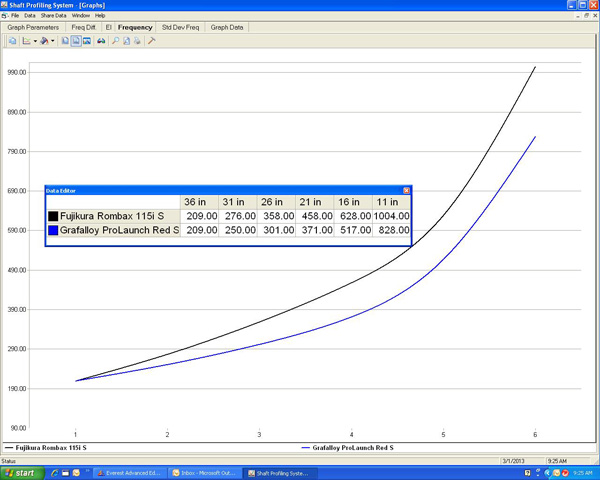
What’s interesting when looking at the full-stiffness measurements of these two S flex iron shafts is that within the world of shafts, these two shafts may have the same butt frequency but they are almost as different in their stiffness measurements for the rest of their lengths as they possibly can be. Were the same golfer to play both these shafts, the Rombax S would feel like a telephone pole compared to the ProLaunch Red S. Yet both are S flex and both have the same exact butt frequency.
This matter of judging shaft stiffness, performance and feel on the basis of the butt frequency only can rise up to mislead golfers in the other direction as well. Let’s take a look at this next pair of shafts, a Cleveland Gold 60 S and the Fujikura Blue 004-R.

Remember that these frequency measurements in the Bend Profile software are done using a 454-gram tip weight. The butt frequency of these two shafts if measured with a 205-gram tip weight would be 254 cpm for the Cleveland Gold 60-S and 244 cpm for the Blur 004-R.
Looking only at the butt frequency measurements, one would think that this 10 cpm difference in butt frequency with a 205-gram tip weight, or 7 cpm difference with a 454-gram tip weight, would most definitely be the reason the Cleveland Gold is an S flex and the Fuji Blur an R flex.
But take a look at all of the rest of the relative stiffness measurements after the butt frequency measurement. The 2- 3-5 differences in frequency for the 26 inch, 21 inch and 16 inch positions on the shaft are so small to be insignificant in terms of a stiffness difference in two shafts. Even the 13 cpm difference in the very tip end of the shaft is extremely small in terms of a performance or feel difference.
For all intents and purposes, beyond that single butt frequency measurement, these two shafts are so close in stiffness design to each other that only a very small number of very feel sensitive players could ever tell the difference in performance or feel between these two shafts.
Another interesting point from this comes to mind when you think about sorting shafts by their butt frequency as a way to make sure all the shafts in a set have the same stiffness. Think about that based on what you have seen in the previous graphs which show shafts of the same butt frequency but totally different over the rest of the shaft, and this above graph which shows two shafts that are completely different for their butt frequency yet so very close to each other over the entire rest of the shaft.
But what about that 7 cpm difference in the butt frequency measurements? Wouldn’t a golfer feel that difference even if the rest of the two shafts are so close to each other in their stiffness design?
Consider this: In the installation of wood shafts into a driver and fairway woods, almost all of that very area where the butt frequency measurement is performed is cut off the shaft when the woods are built to conventional playing lengths. Most shafts for woods are made with a raw uncut length of 45 inches or 46 inches. When installed in most driver heads, to achieve a playing length for the driver of 45 inches, in the area of three inches is cut from the butt end of the raw shaft after installation.
That means the position on the shaft where the butt frequency is measured is now just two inches from the end of the grip. Do you think that last two inches of the butt of the shaft bends very much during the swing? No, it doesn’t, which in turn even further negates the 7 cpm difference in butt frequency between these two shafts in our above example.
Shaft stiffness design selection has to be made not just on the basis of the butt frequency, but on the basis of the stiffness of the full length of the shaft. So the next time you hit shots with a club that you know has the same frequency but the shaft feels or performs different, you now know why. Or the next time you hit shots with two clubs that you are sure have different stiffnesses yet feel and perform the same, you know that reason as well.
Bottom line? If you are serious about your shaft selection, you need to be working with a good, experienced custom club maker who is cognizant of these factors and who is able to show you the actual differences and similarities of the stiffness design of the whole shaft.
Click here for more discussion in the “Clubmaking” forum.







In our effort to assemble the 2026 best irons, we have again compiled an expert panel of fitters to help you find out which of the 2026 irons is optimally suited to your game.
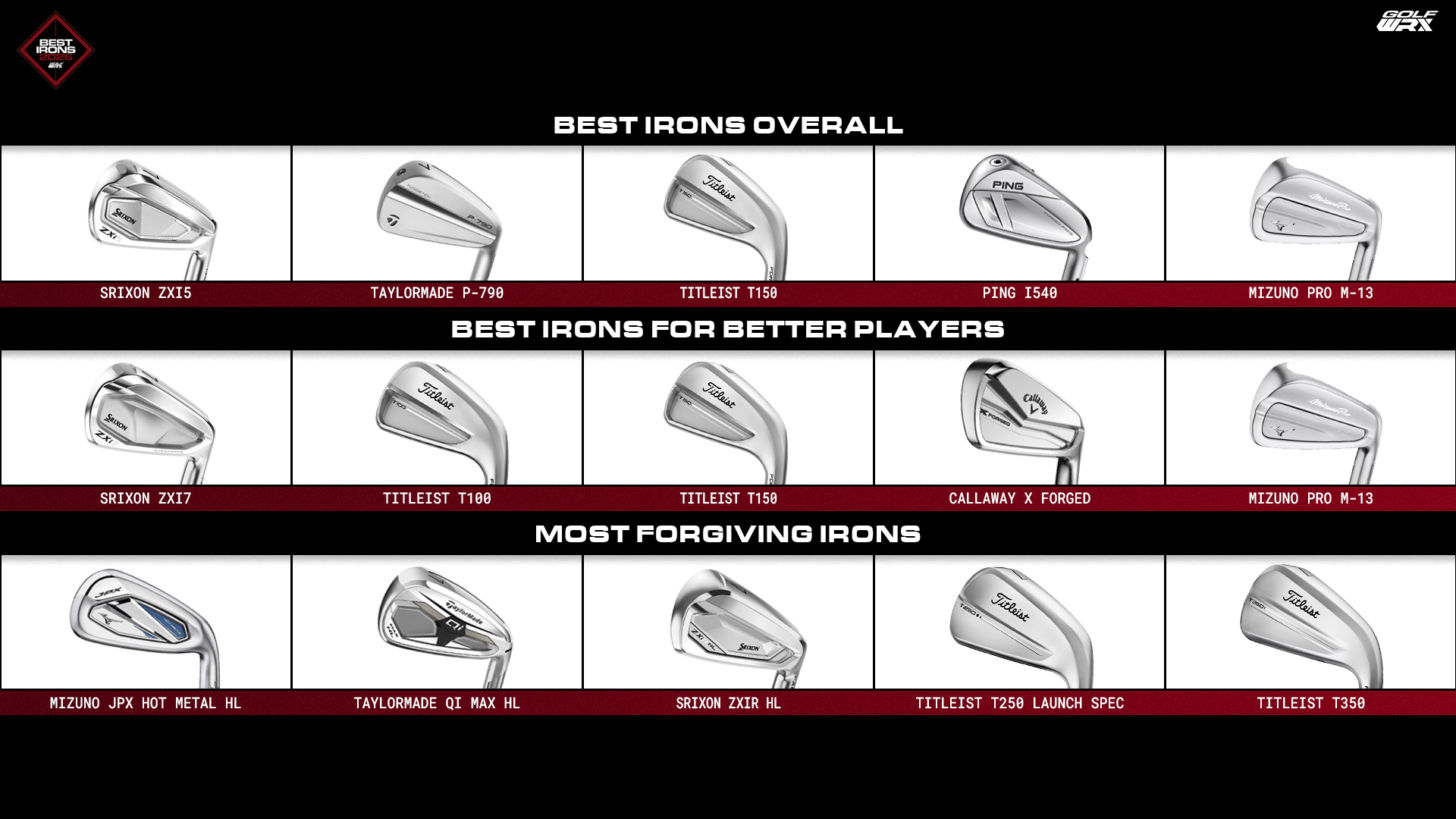
We are not, however, just running it back with the same categories. Instead, we have asked our fitters to shortlist their best irons overall, the best irons for better players, and the most forgiving irons. That’s it. Three categories. We are also featuring all the Best Irons categories in one piece, rather than dedicating an article to each.
We are in the era of not just maximizing distance but also minimizing the penalty of common misses for each player — this applies to irons just as much as it does with any other club in the bag. And of course, proper set makeup and gapping are essential. This is why, now more than ever, custom fitting is essential to help you see results on every swing you make.
Best irons of 2026: The process
The best fitters in the world see all the options available in the marketplace, analyze their performance traits, and pull from their internal databases of knowledge and experience like a supercomputer when they are working with a golfer.
Modern iron sets are designed into player categories that overlap the outdated “what’s your handicap?” model, and at GolfWRX we believe it was important to go beyond handicap and ask specific questions about the most crucial performance elements fitters are looking at.
These are the best iron categories we have developed for 2026.
Best irons overall
Srixon ZXi5
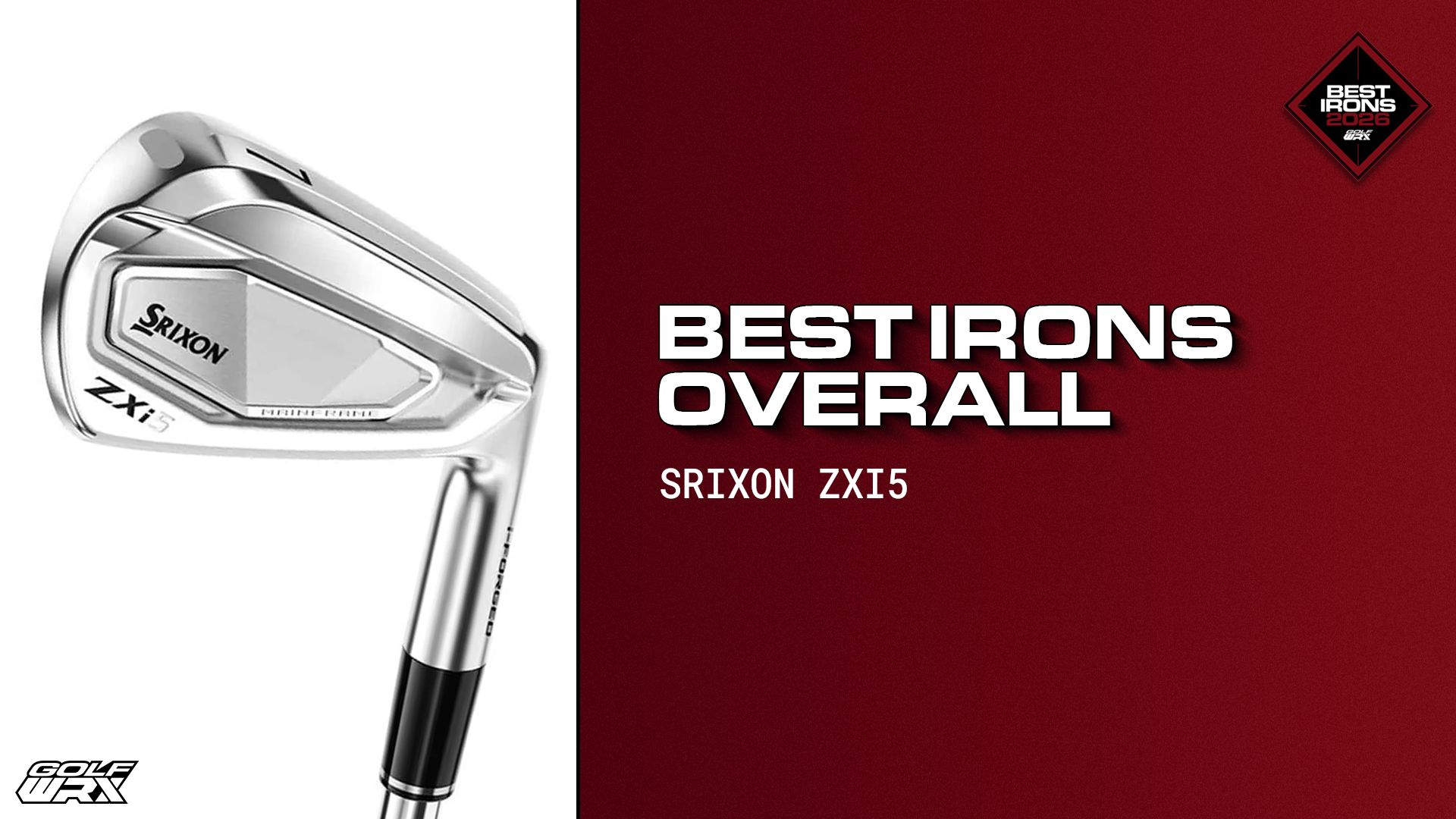
From our launch piece: Srixon developed some new technology and processes to ensure the ZXi line pushed the limits of performance in each iron category. A new forging process and new materials help create strength in the irons while giving better immediate feedback.
Fitter comments:
- Immense forgiveness across the face while maintaining consistent ball speeds and reducing flyers. Amazing feel.
- If this was a “most underrated iron” survey, the ZXi5 would be #1 by a long shot! Super soft iron that has a lot of forgiveness, is super soft feeling and has the best sole for anyone that is steeper into the turf. This one will win if it is put in the mix. Period.
- Best irons for steep players. The v-sole provides effortless turf interaction for steeper players, and the iron helps cut spin for high spin players but provides optimal launch angle. Would recommend to any player with a steep attack angle or out-to-in swing that is looking to get into the Player’s Distance Category.
TaylorMade P790
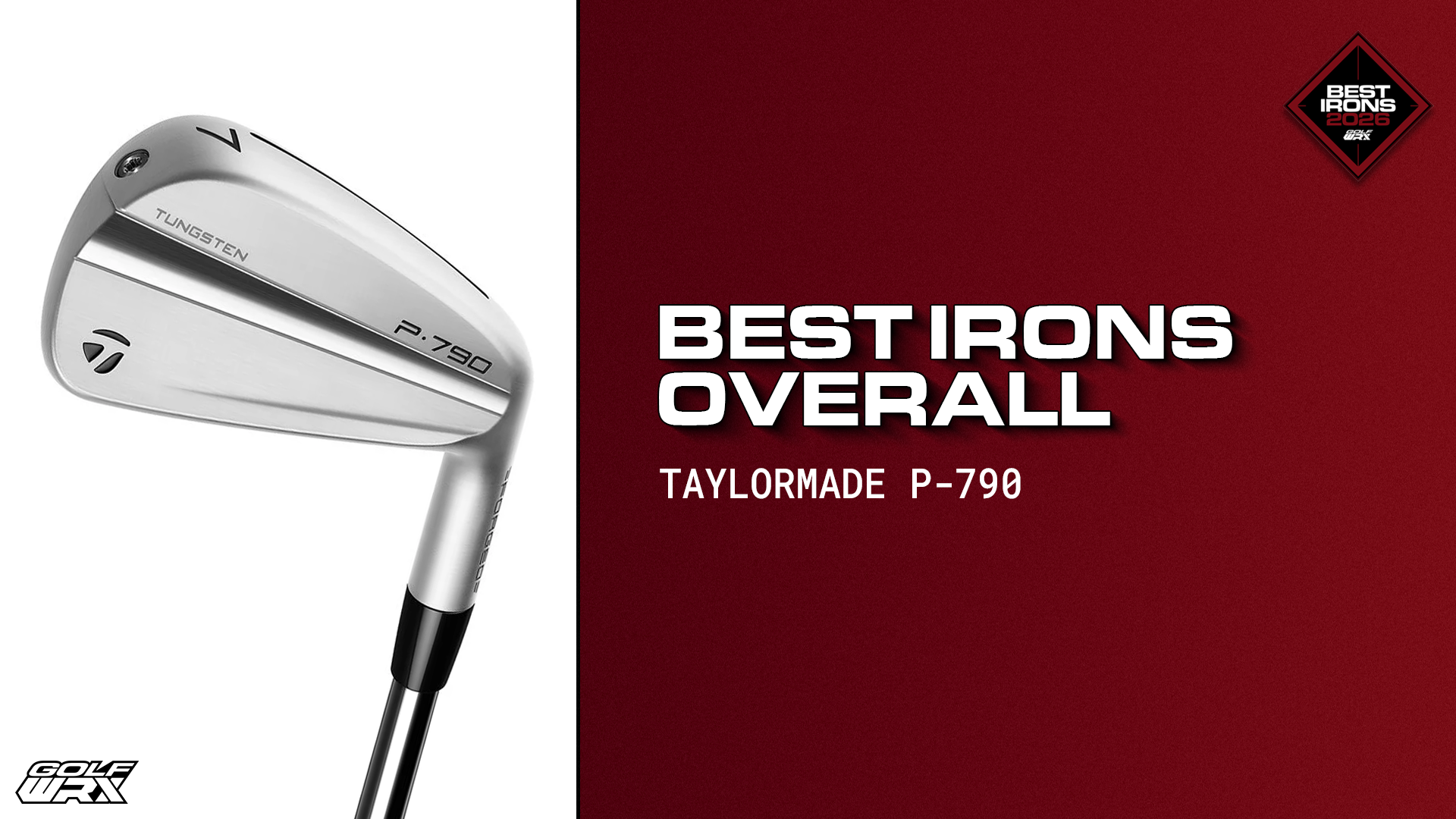
From our launch piece: The P790 irons feature a forged 4340M face material, which is 20-percent stronger than previous iterations, allowing for a thinner and faster face. The material change contributes to up to a 24-percent larger sweet spot in comparison to the previous P790 model, promoting more consistent distance across the set.
Fitter comments:
- A classic that continues to improve and remain dominant in feel, speed, and a more compact look.
- Tried and true. Consistently one of the highest performers in all the recent generations. This generation has fixed some of the consistency (flyer) issues. feels great. performance is great.
- Best for all golfers.
Titleist T150
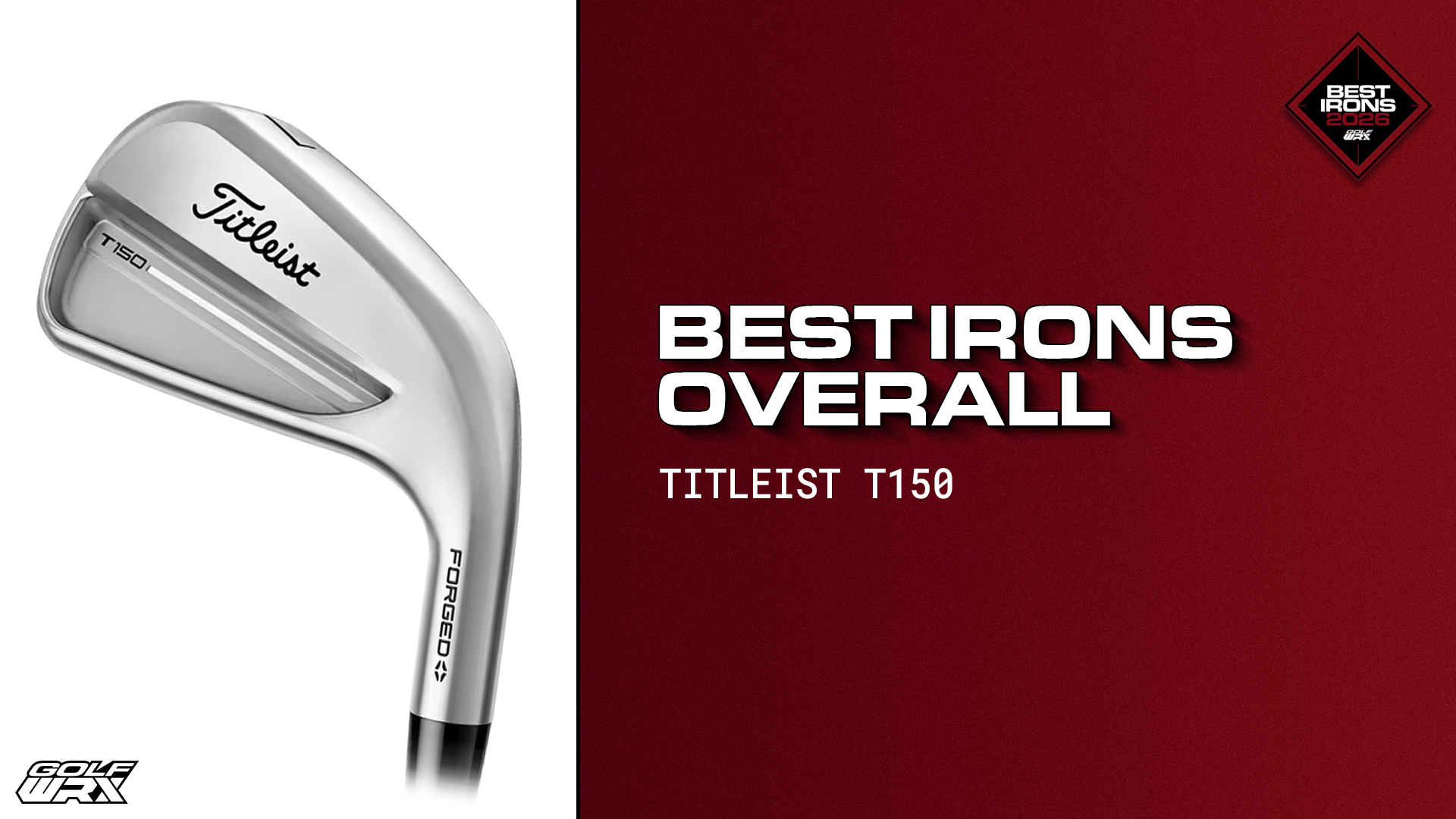
From our launch piece: For golfers seeking tour-like feel with added speed and launch, the T150 is the go-to. Slightly larger profile than T100 with stronger lofts. Improved muscle channel for faster ball speeds in mid- to long-ironS. Same VFT and groove enhancements as T100 for consistency across the face. Split tungsten weighting for optimized CG and improved launch.
Fitter comments:
- Another Titleist iron that I could have put higher up on the list. The T150 is a much more forgiving iron than the T100, yet you still get the great look of the T100. Really great iron to combo with T100 or even the opposite way and do the T250 at the top and the T150 in the low irons.
- Titleist has found a forgiving sweet spot for a players iron that provides amateurs with enough forgiveness without sacrificing all the feel and workability you receive with the T100.
- Like most Titleist products, hits all the marks without being to flashy.
Ping i540
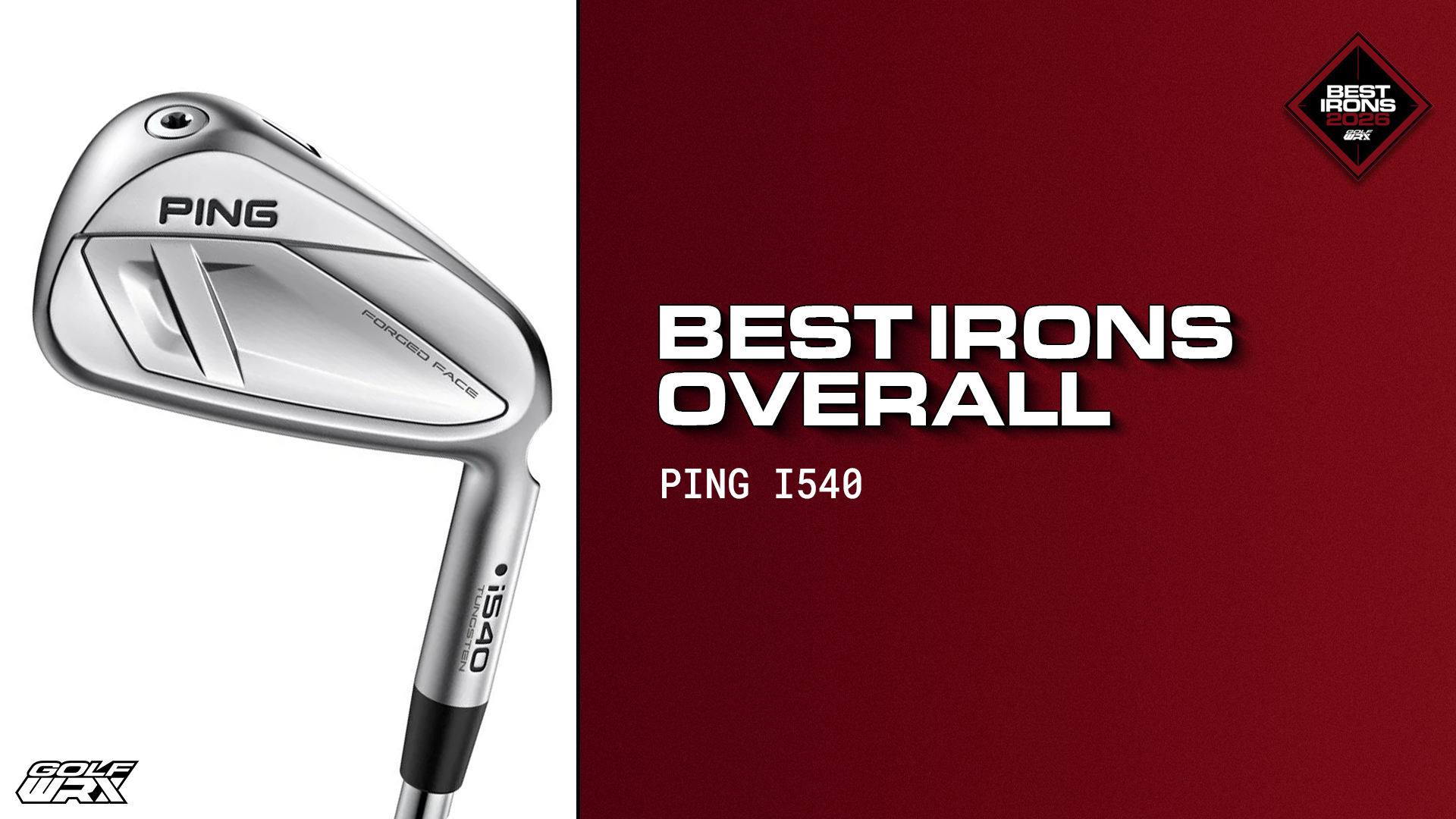
From our launch piece: Distance gains come from multiple sources in the i540 iron, including tungsten sole weighting in the 4-7 irons that lowers the center of gravity in design for more ball speed. In addition, the forged, highly flexible maraging-steel C300 face is precisely welded to a 17-4 stainless-steel body, creating metal-wood-like bending in a bid to ensure faster ball speeds with higher max height for more stopping power.
Fitter comments:
- This has been one of the longest clubs since it’s arrival in the players distance category. It is hard to find anything close to it in a similar size.
- The biggest surprise of this year’s releases. Ping manages to fix the feel, sound, weak spin, and inconsistent performance areas that their prior irons have suffered from. The i540 really gives category giants like the P790 a run for it’s money.
- Consistent, fly high, not too low spin. Great all around iron for mid handicappers or combo sets.
Mizuno Pro M-13
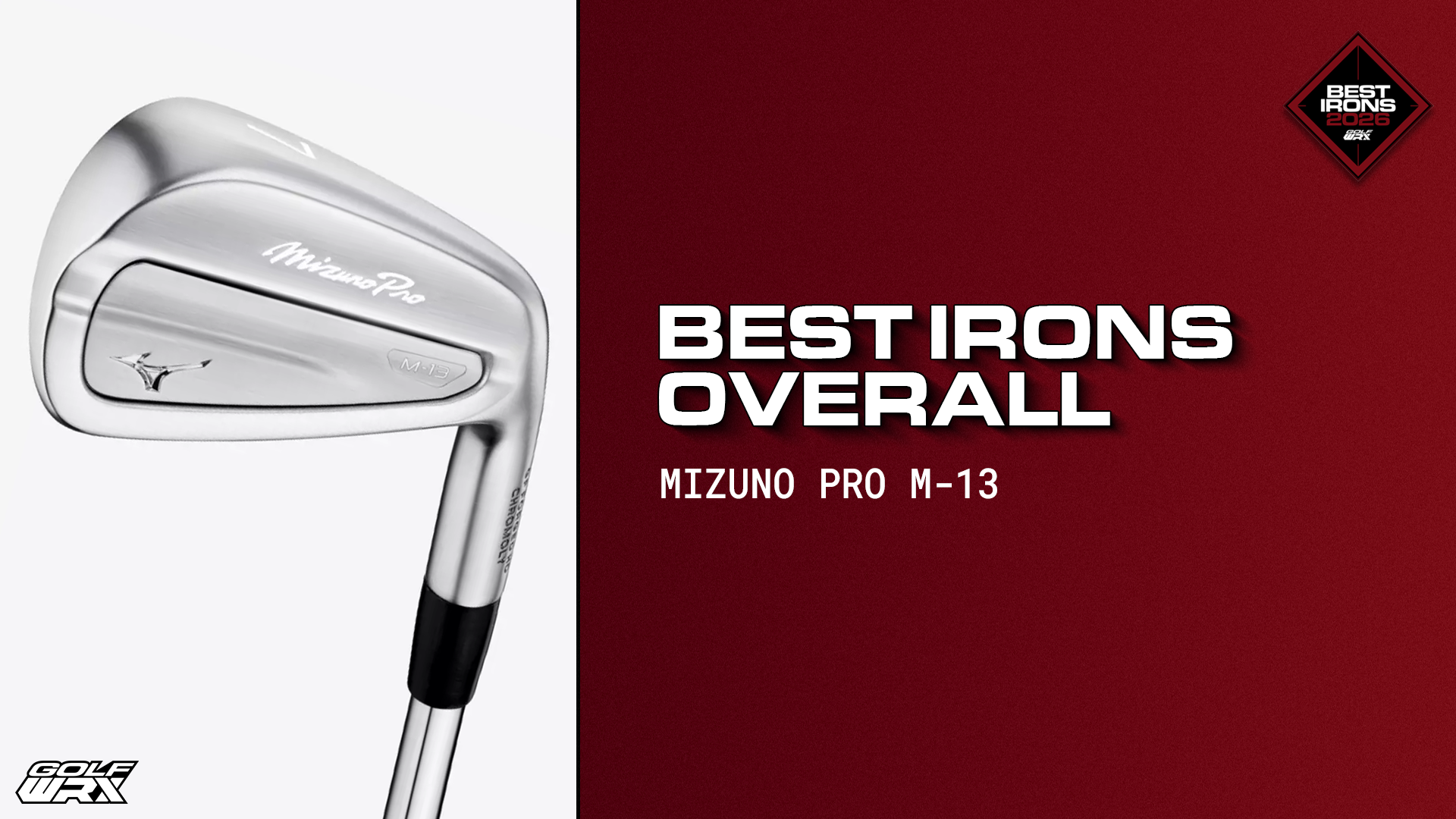
From our launch piece: Leading edge bevel provides a sharp leading edge with a high bounce surface, designed for ease of entering the turf without digging. In addition, the trailing edge bevel reduces turf drag as the head passes through the turf.
Fitter comments:
- Feel amazing, ball speeds are great, distance and trajectory are phenomenal.
- Better players with great feel. Really great follow up to the 243. Sleeker look with great performance.
- Mizuno consistently makes solid irons, and this is a nice, traditionally eye-appealing golf club for better players.
Best irons for better players
Srixon ZXi7
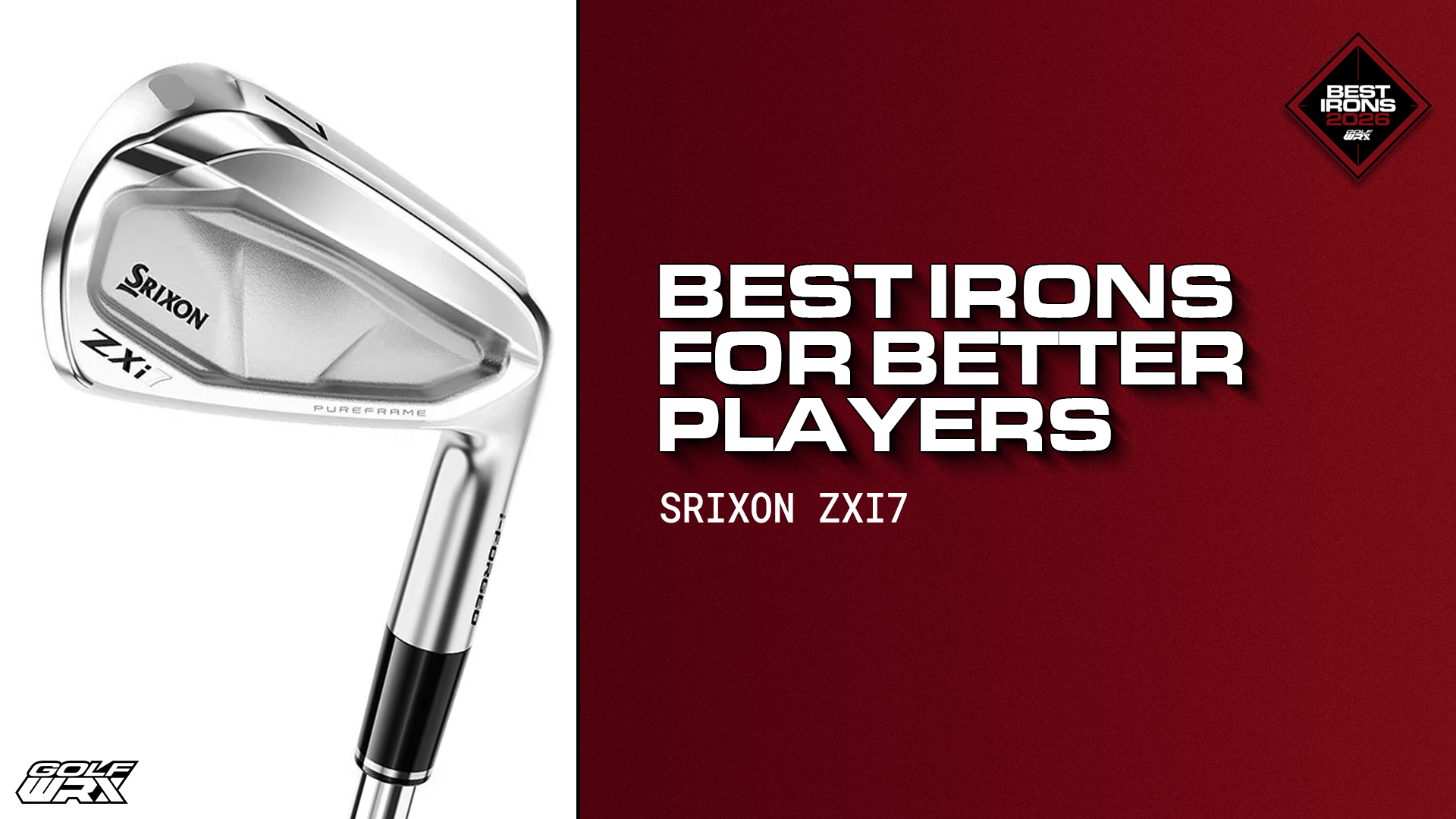
From our launch piece: For the ZXi7 irons Srixon knows the focus is on pure strikes, precision distances, and workability. PureFrame is forged behind the sweet spot to help strengthen that section, reducing unwanted vibration and giving the golfer that soft and solid feel.
Fitter comments:
- Packing feel and aesthetic with a dash of forgiveness that is not too intimidating to look at. Blends look great.
- Srixon just keeps hitting it out of the park with this model. Consistent Endo forged greatness! Smallish profile fits the eye and penetrating ball flight with great balls speed and control.
- The V-sole technology continues to deliver excellent performance and turf interaction in this generation of Srixon iron.
Titleist T100
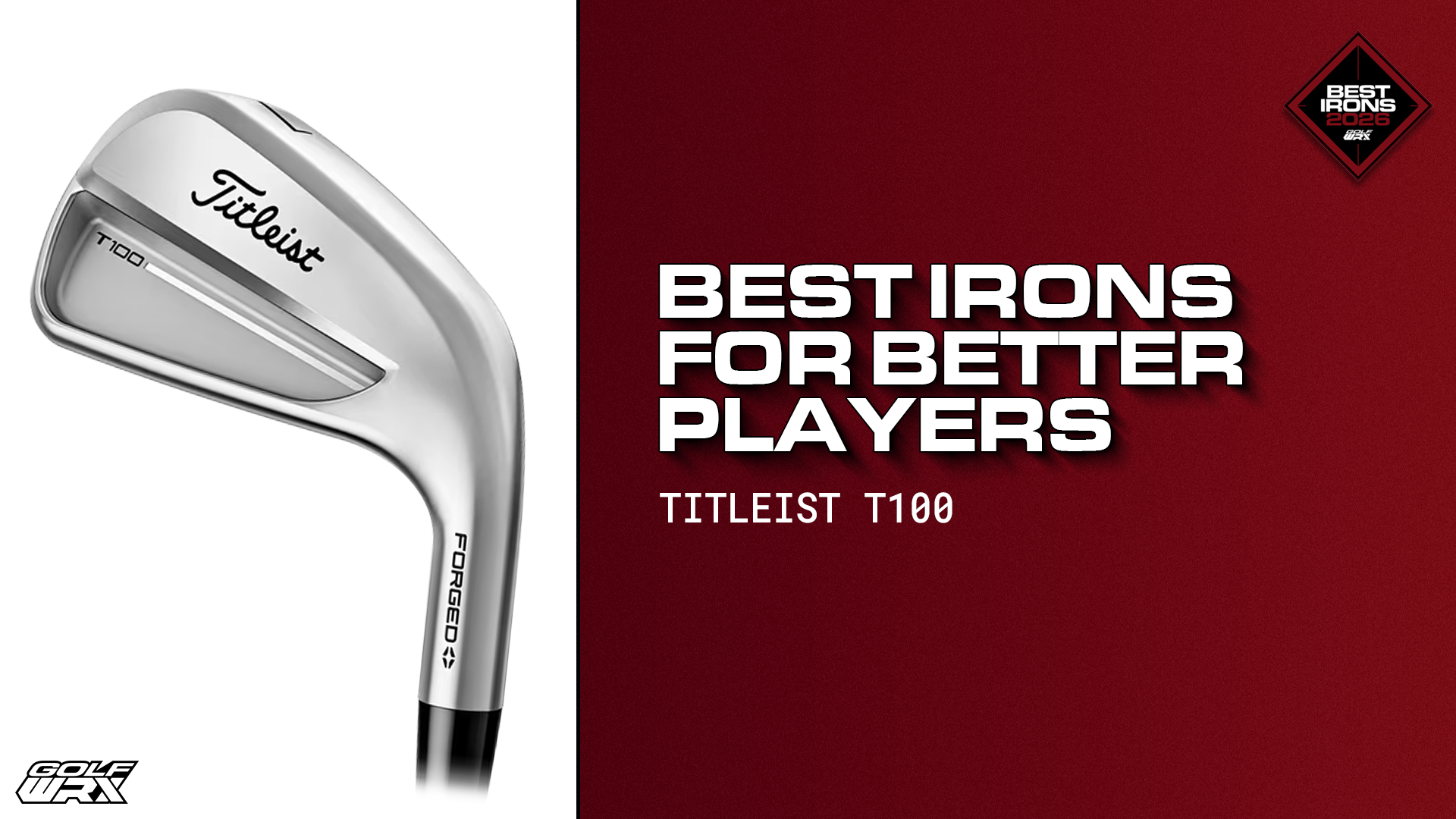
From our launch piece: The updated T100 continues its reign as the most played iron on the PGA Tour. Designed for elite ball-strikers, T100 features, Forged, multi-material construction with a compact, tour-preferred profile, New muscle channel in the 3- and 4-irons for higher launch and better gapping. Variable Face Thickness (VFT) in long irons for more speed across the face. Aggressive grooves in the mid- to short-irons for more consistent spin, even from the rough. A traditional cavity back with a little bit of forgiveness works for a lot of players, even better players looking for a higher ball flight.
Fitter comments
- A traditional cavity back with a little bit of forgiveness works for a lot of players, even better players looking for a higher ball flight.
- Extreme control over the ball with excellent feel, and the right amount of forgiveness even for lower handicaps.
- The T100 is just a great iron for anyone that is in that better player category. It combines look, feel, and proper spin rates leading to steeper land angles.
Titleist T150
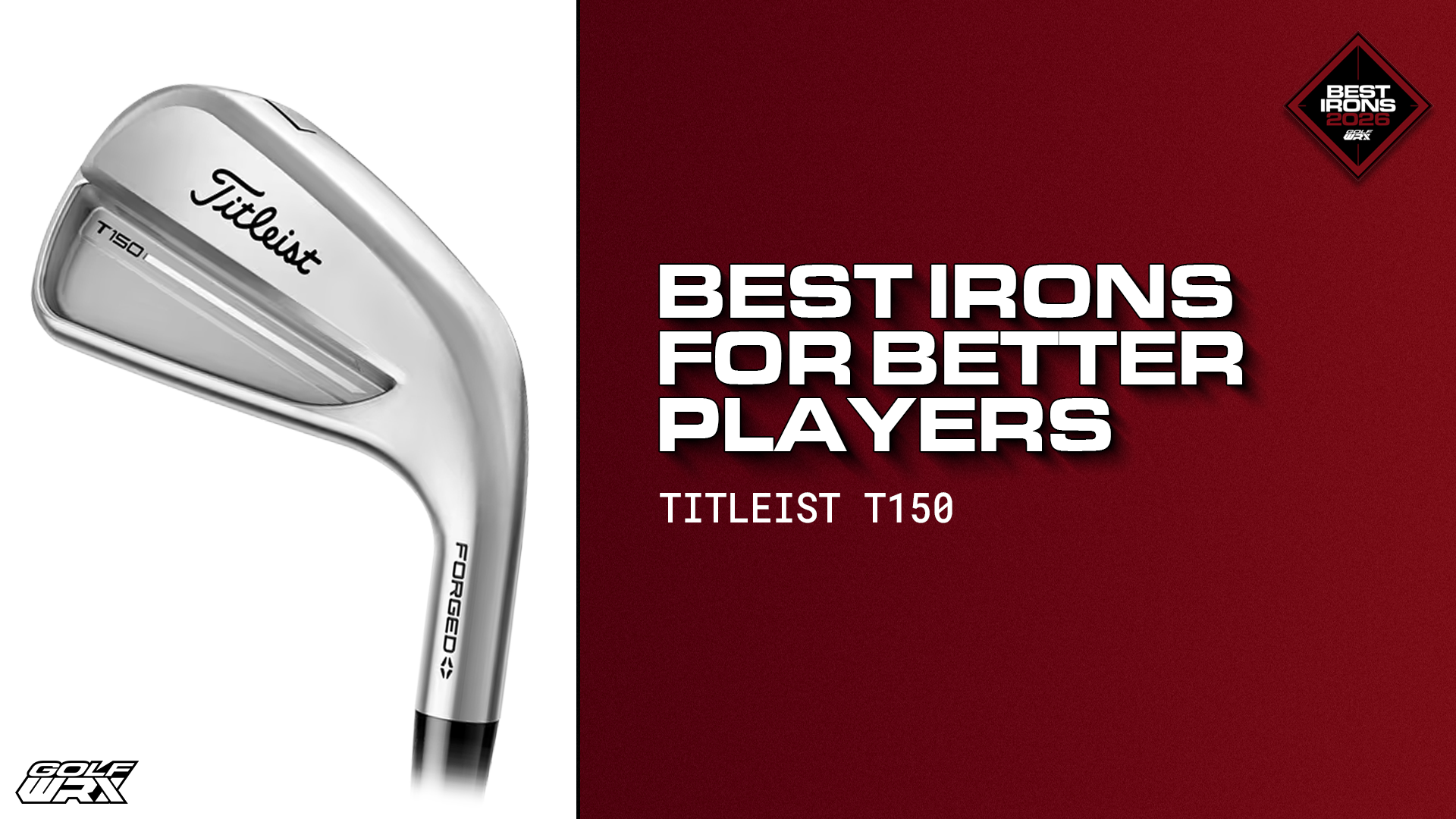
From our launch piece: Golfers seeking tour-like feel with added speed and launch, the T150 is the go-to. Slightly larger profile than T100 with stronger lofts. Improved muscle channel for faster ball speeds in mid- to long-iron. Same VFT and groove enhancements as T100 for consistency across the face. Split tungsten weighting for optimized CG and improved launch
Fitter comments:
- Provides forgiveness, while maintaining workability and feel.
- For those who are not fearful of the more blade-oriented shape, the T150 is incredibly rewarding. Great feel. Great forgiveness.
- Best blend of workability and forgiveness.
Callaway X Forged
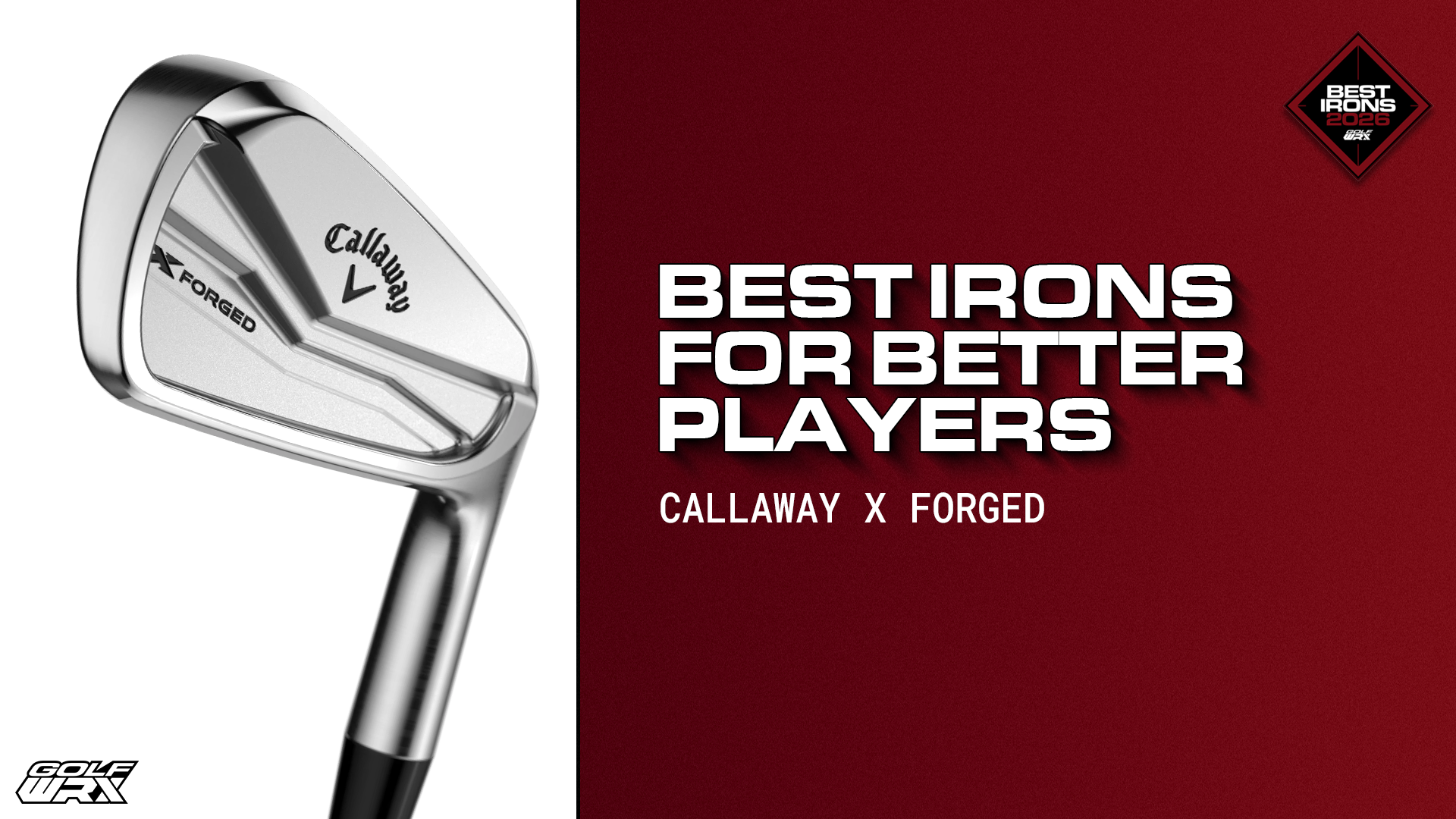
From our launch piece: Crafted from a single piece of 1020 Carbon steel, the X Forged irons are designed to deliver the crisp sound and soft feel that discerning players seek. Targeted for professionals and elite ball strikers, the irons feature a streamlined cavity back, compact profile, minimal offset, and a thin topline.
Fitter comments:
- Solid forged goodness! Nice ‘mid’ look with smaller footprint. Enough cavity to be forgiving but the essence of player iron just oozes from everywhere.
- Callaway finally improved on their 2018 version of this iron. This is a soft, sweet feeling iron and gives the player great turf interaction with the pre ground leading edge.
- Amazing look and feel with excellent performance.
Mizuno Pro M-13
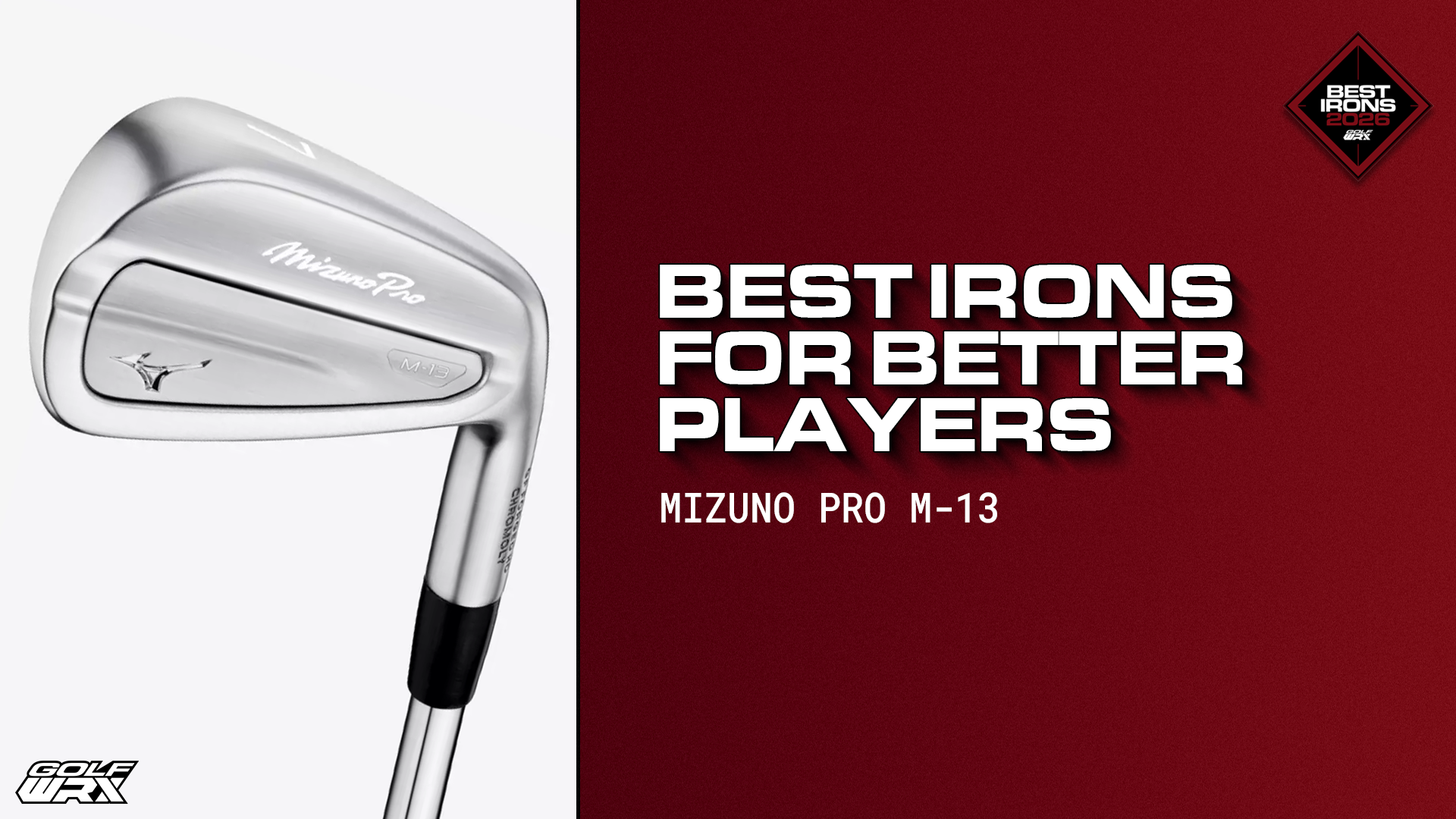
From our launch piece: Leading edge bevel provides a sharp leading edge with a high bounce surface, designed for ease of entering the turf without digging. In addition, the trailing edge bevel reduces turf drag as the head passes through the turf.
Fitter comments:
- Mizuno, again, just knows how to make irons. The amazing feel is complemented by the look and the performance. Great grind on the leading edge allowing for better turf interaction.
- Nothing feels like a Mizuno. You know what you’re getting. Predictable flight, spin and control. Blends well.
- Looks and feels like a Mizuno with better ball speed than previous generations.
Most forgiving irons
Mizuno JPX Hot Metal HL
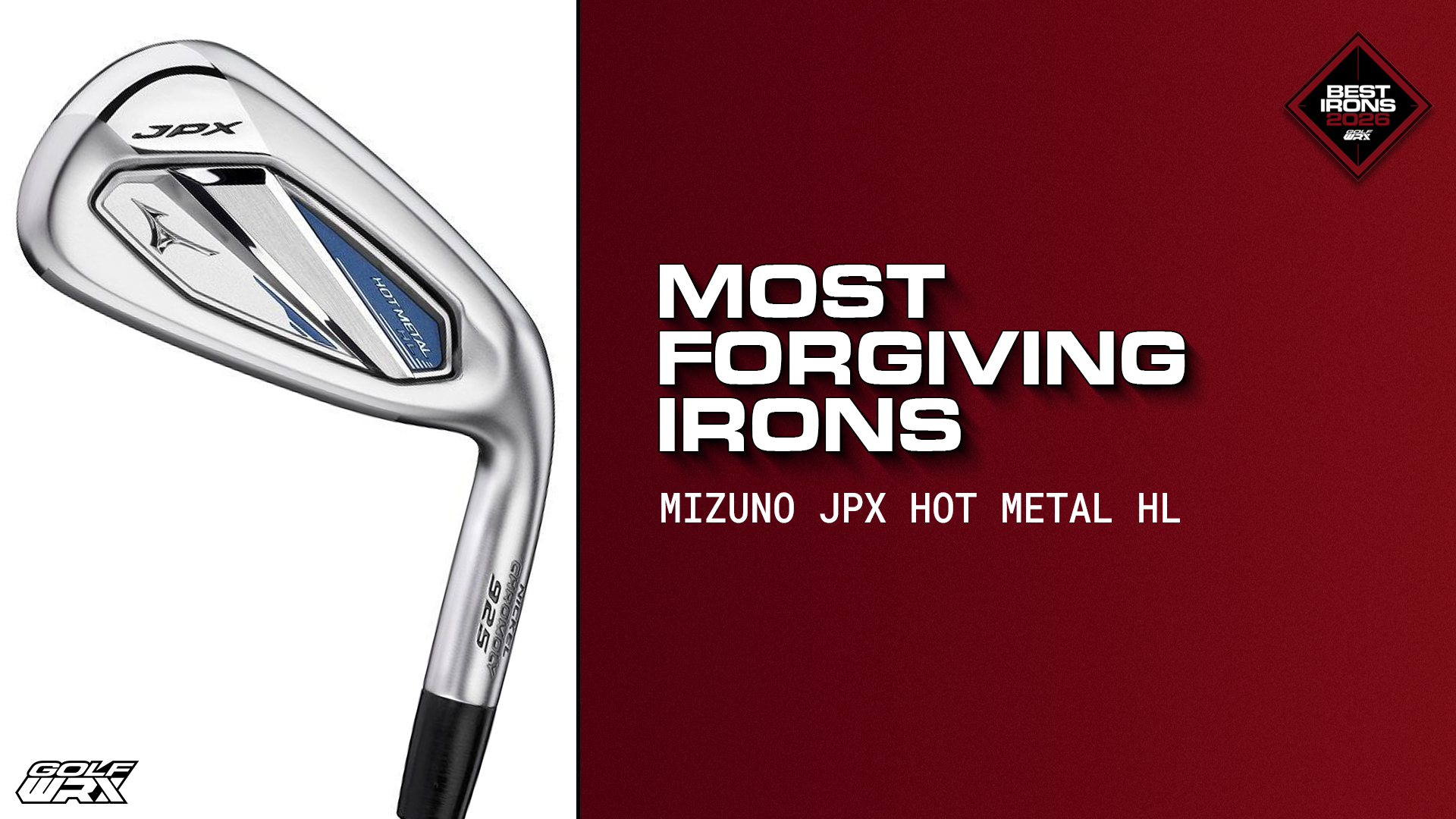
From our launch piece: Mizuno’s latest iteration of its technology-packed JPX iron series continues the company’s history of questioning and innovation by incorporating, for the first time, multi-material construction in the JPX family. Engineers use nickel chromoly and strategically positioned tungsten across the lineup for higher launch and steeper angles of descent.
Fitter comments:
- Great Mizuno feel with the performance for the person that doesn’t hit the ball as high. Makes it easy to launch but doesn’t sacrifice on the ball speed.
- Great feeling club, super forgiving, launches to the moon with spin in a confidence inspiring profile without excessive size.
- One of the best feeling in the high launch category.
TaylorMade Qi Max HL
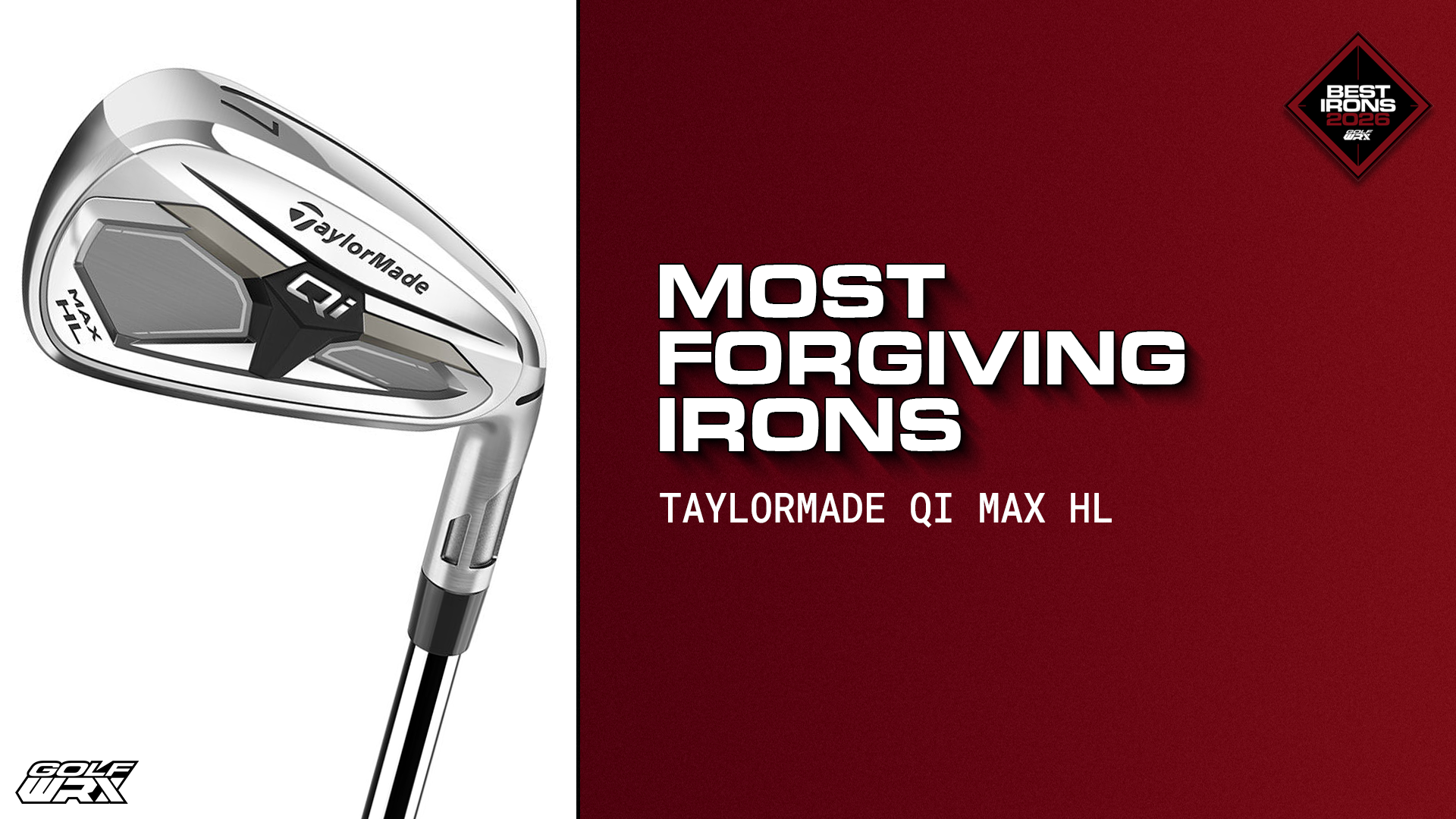
From our launch piece: “Per TaylorMade, through extensive testing, engineers were able to deduce that the faces in most game improvement irons flex more on the toe at impact than anywhere else on the face. The result is unwanted fade bias that sees golfers losing too many shots to the right (for right-handed players). To counteract this tendency, the faces in Qi Max and Qi Max HL irons are designed to flex in unison and reduce cut spin for shots that stay online.”
Fitter comments:
- A good forgiving large iron with very high flight.
- Really good mix of ball speed and height for the player that doesn’t mind a bigger, thicker head. Tons of forgiveness.
- Players looking for height this is the club.
Srixon ZXiR HL
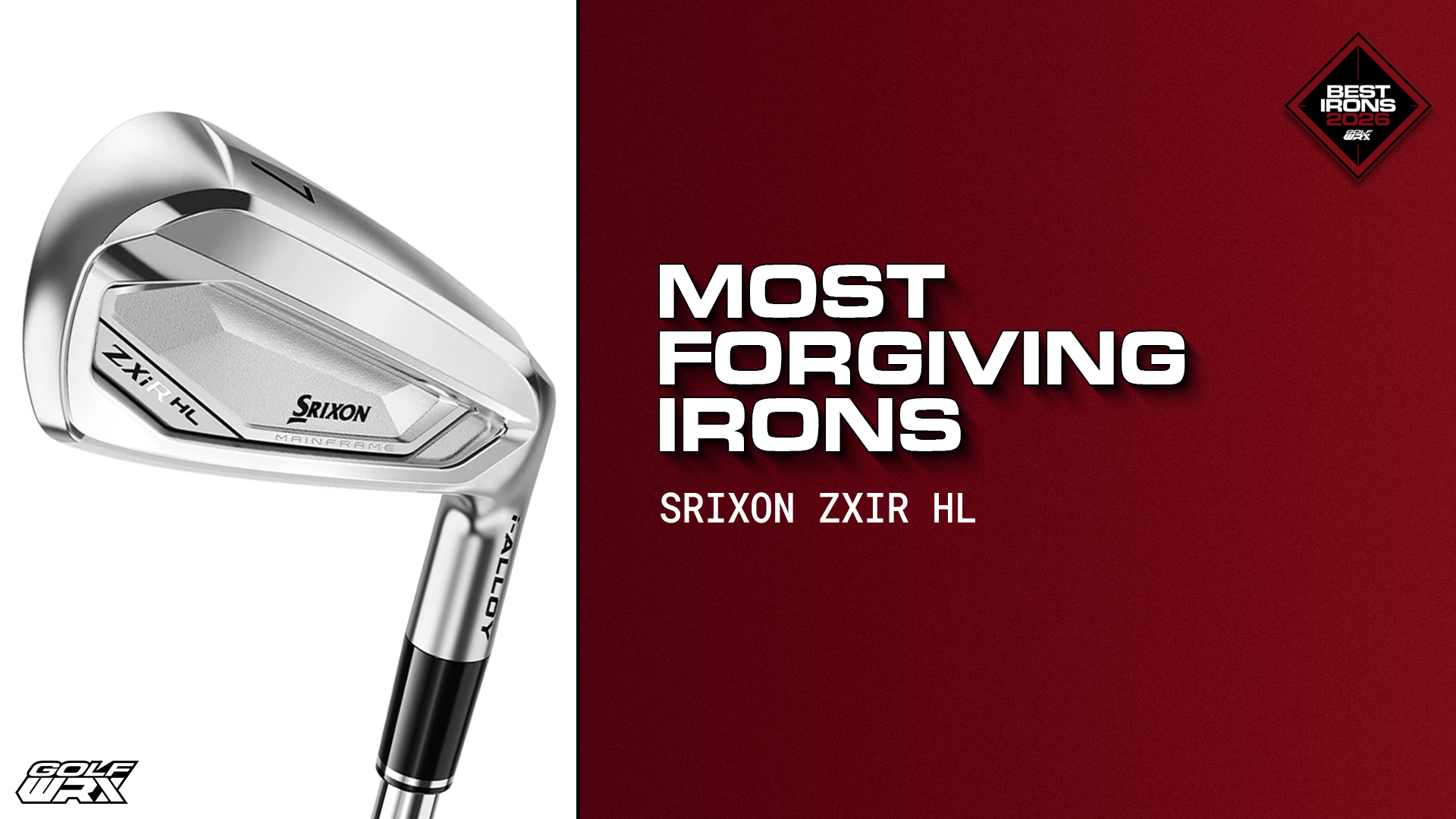
From our launch piece: Per TaylorMade, through extensive testing, engineers were able to deduce that the faces in most game improvement irons flex more on the toe at impact than anywhere else on the face. The result is unwanted fade bias that sees golfers losing too many shots to the right (for right-handed players). To counteract this tendency, the faces in Qi Max and Qi Max HL irons are designed to flex in unison and reduce cut spin for shots that stay online.
Fitter comments:
- The ZXIR HL launches the ball significantly higher than traditional game improvement irons while maintaining a high amount of ball speed. It uses it’s V-sole to help guide players through the turf.
- Best addition to this category in years. Gret look and feel that Srixon is known for. Numbers are incredible.
- This has been a phenomenal club for the person that isn’t launching the ball or getting any distance from their shots. Great for the person that hits down a good bit.
Titleist T250 Launch Spec
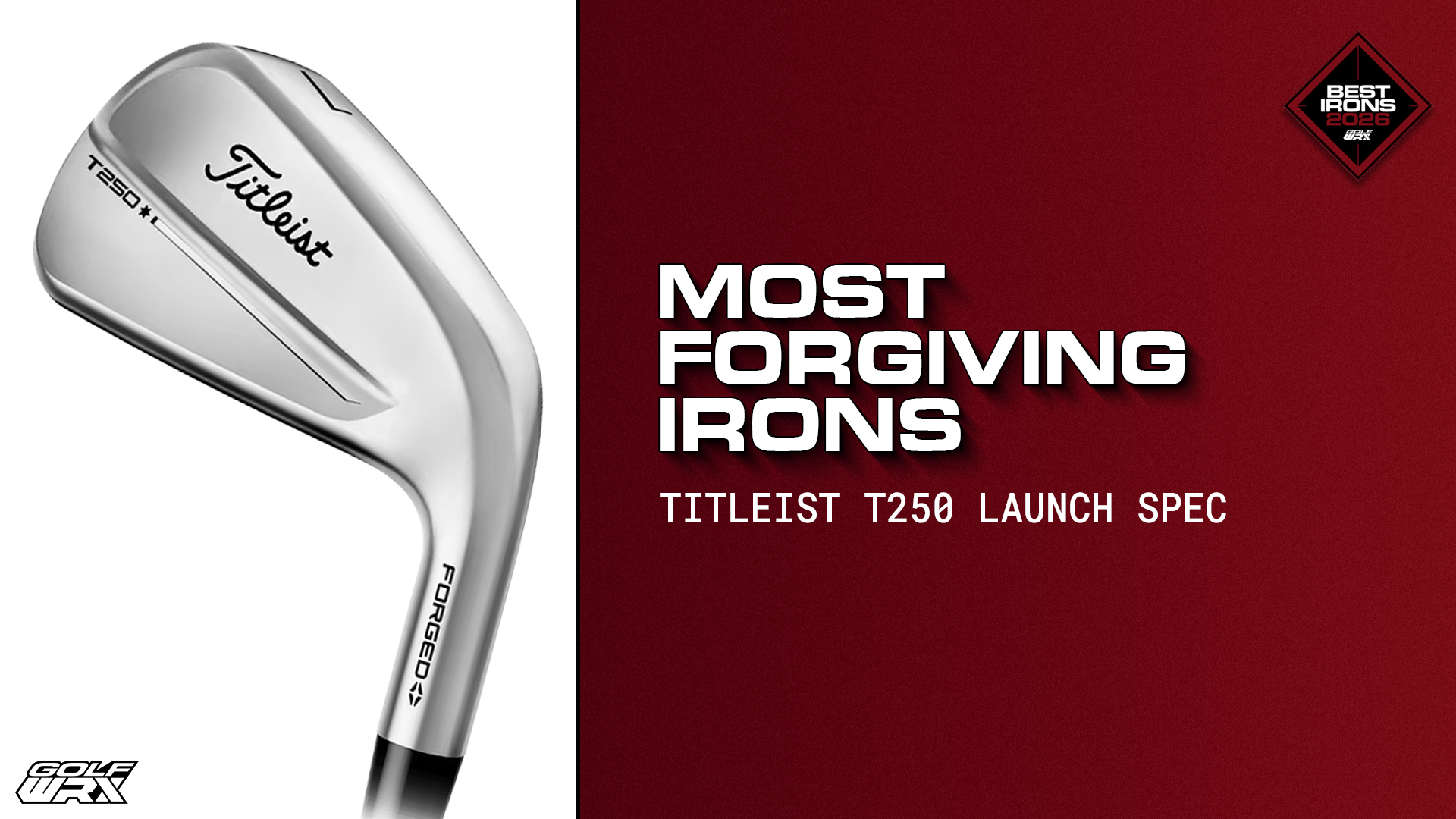
From our launch piece: An upgrade from the outgoing T200, the T250 introduces a sharper, all-steel look while packing in powerful tech. Forged L-Face insert and Max Impact 2.0 for explosive speed with control. V-Taper design and lower CG promote high launch and consistency. Split tungsten weighting enhances forgiveness and stability. Slightly thicker topline and wider sole offer added confidence at address.
Fitter comments:
- All of the great stuff about the the T250 with the higher loft to help with peak heights.
- A player oriented look, with traditional lofting and exceptional forgiveness.
- Higher lofted launch spec irons are great for chasing that extra bit of height for a proper, functional ball flight.
Titleist T350
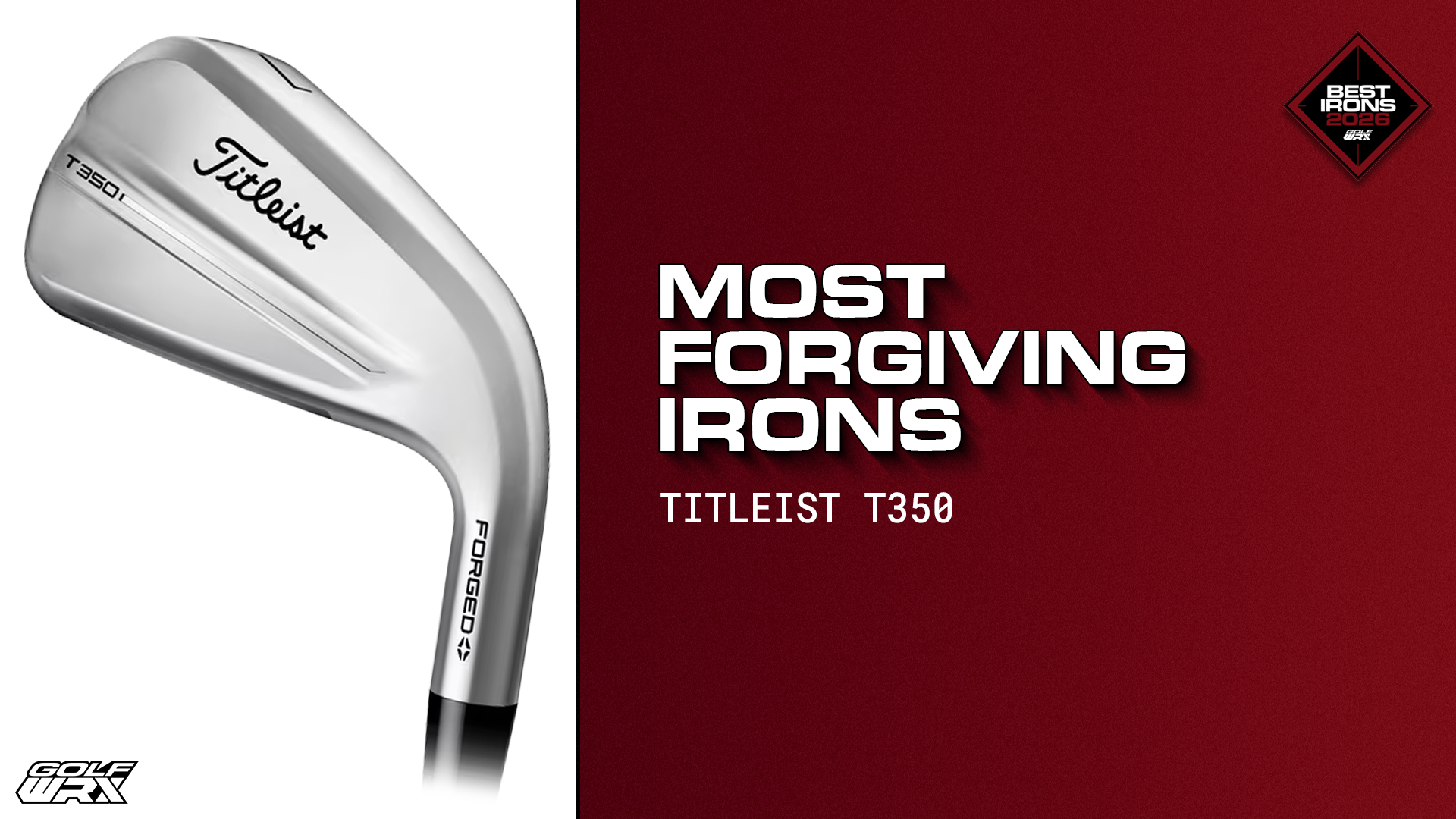
From our launch piece: Built for maximum forgiveness and distance, the T350 offers. All-steel construction with a clean, premium look. L-Face with multi-zone VFT for ultra-fast ball speeds. Deeper CG and high-density tungsten weighting for higher launch. Max Impact 2.0 and progressive grooves for better consistency from all lies.
Fitter comments:
- Great for distance.
- People are often intimidated by the name, but performance changes their mind quickly.
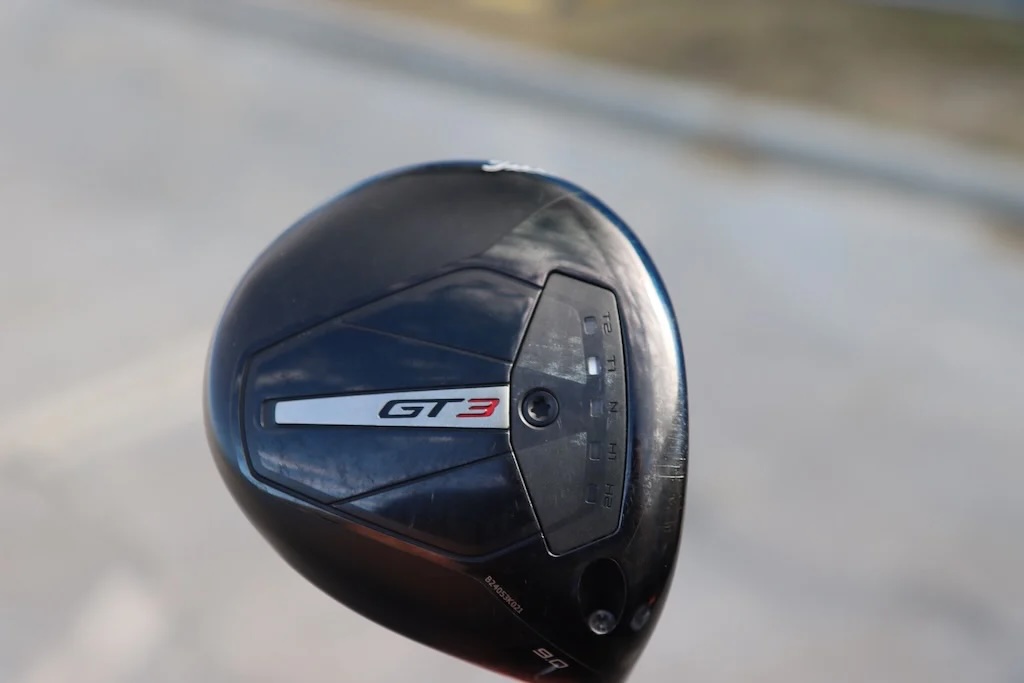
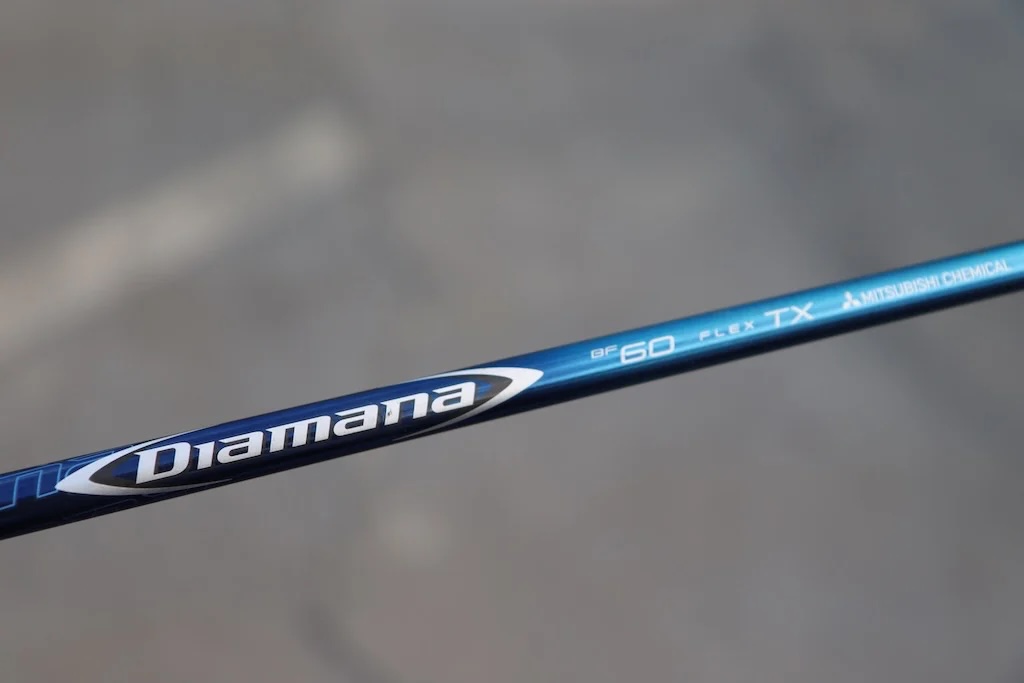
Driver: Titleist GTS3 (9 degrees)
Shaft: Mitsubishi Diamana BF 60 TX
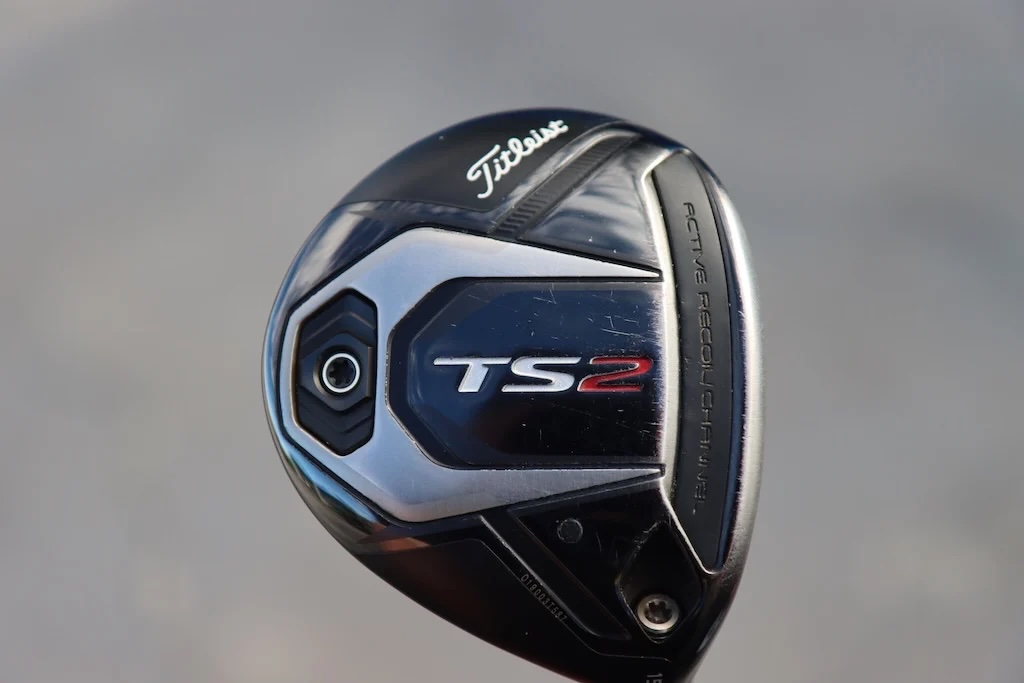
3-wood: Titleist TS2 (15 degrees)
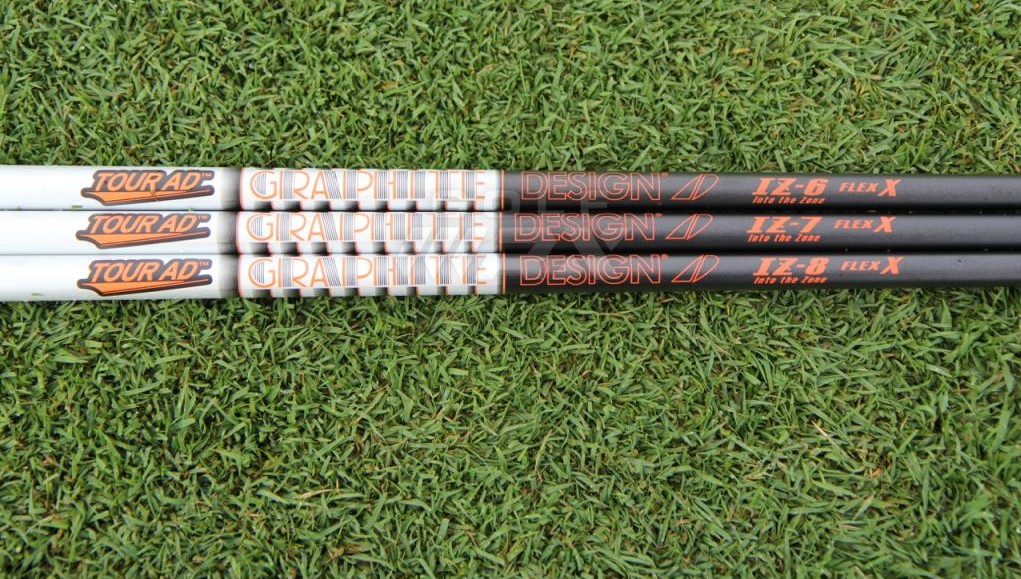
Shaft: Graphite Design Tour AD IZ 7 X
7-wood: TaylorMade Qi4D (21 degrees)
Shaft: Graphite Design Tour AD IZ 8 X
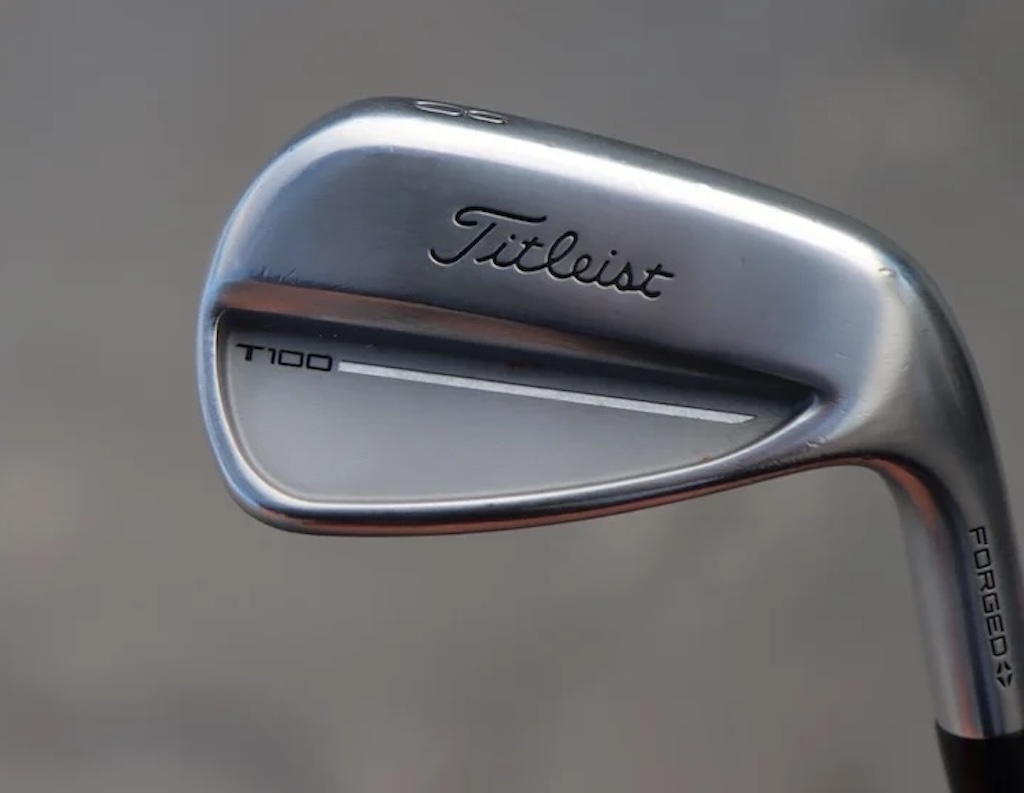
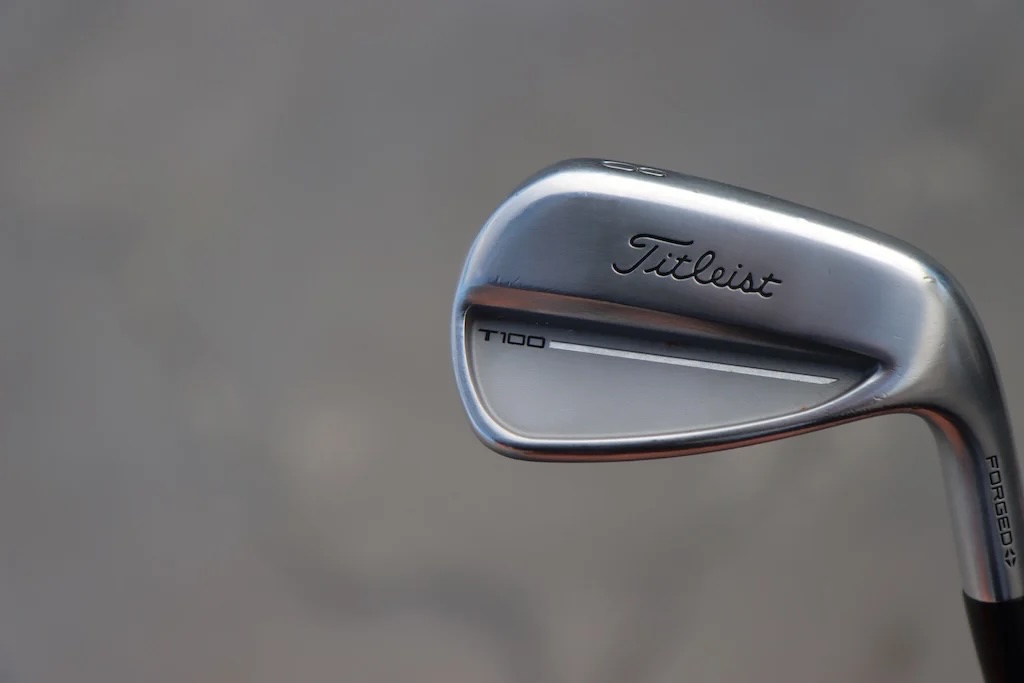
Irons: Titleist 150 (4), Titleist T100 (5-9)
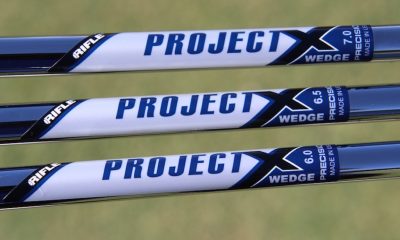
Shafts: True Temper Project X 6.5
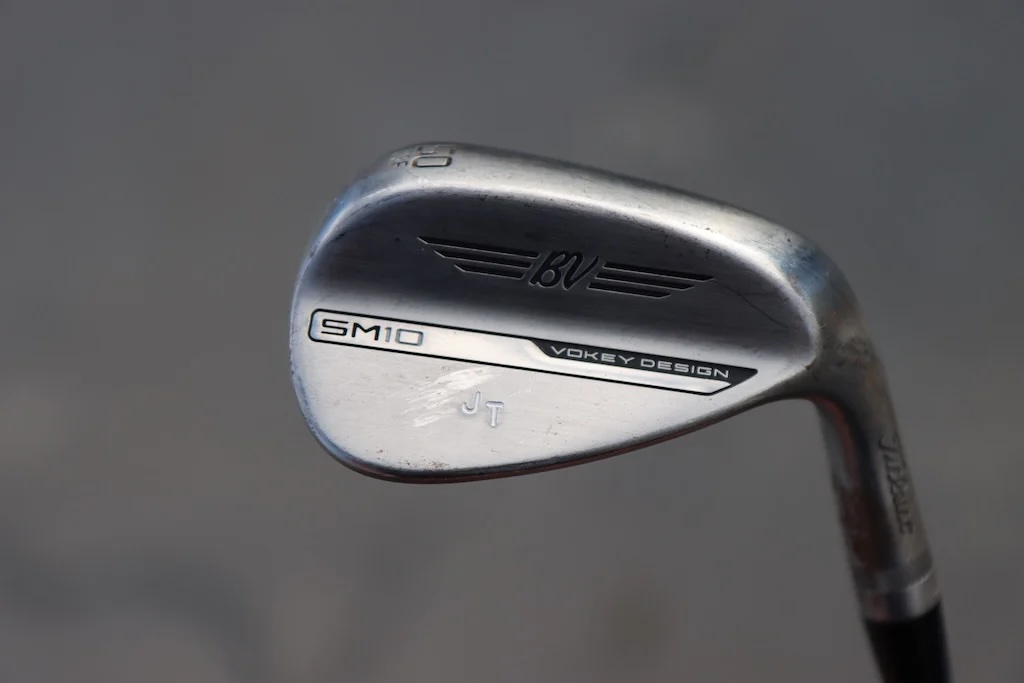
Wedges: Titleist Vokey Design SM10 (46-10F, 50-08F, 56-10S (@55), WedgeWorks (60-L)
Shafts: True Temper Dynamic Gold Tour Issue S400
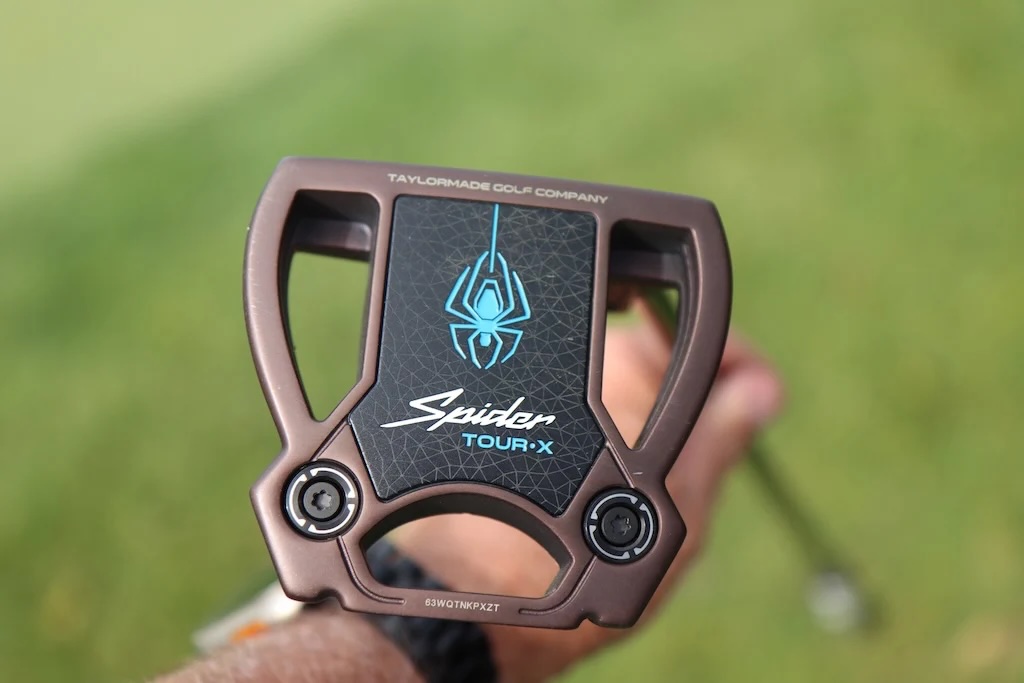
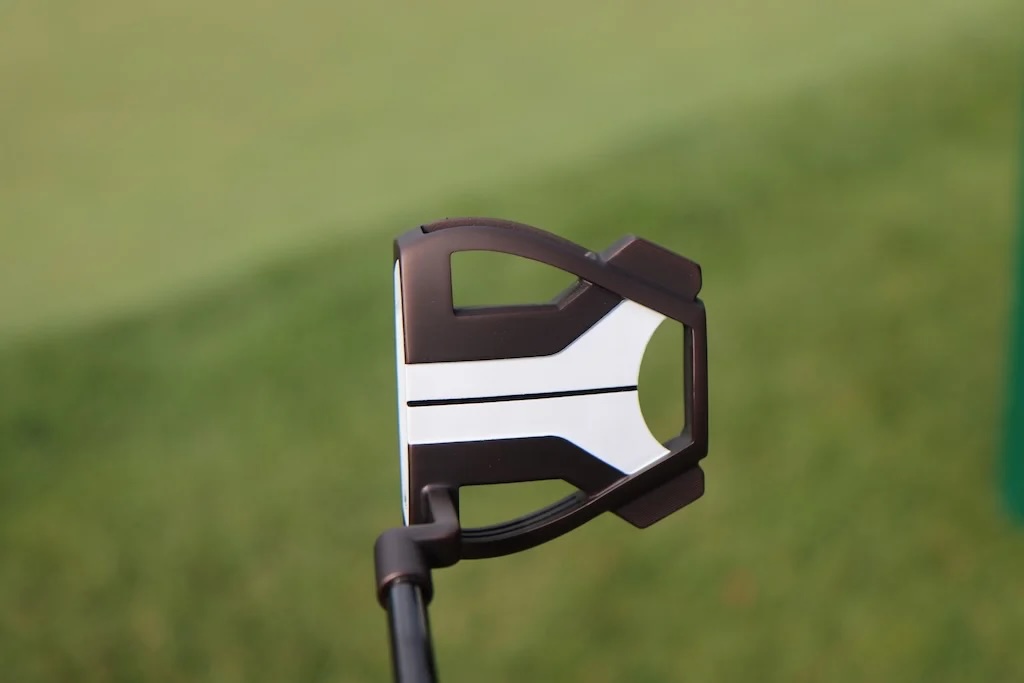
Putter: TaylorMade Spider Tour X Torched
Grip: SuperStroke Zenergy 1.0P
Grips: Golf Pride Tour Velvet Cord
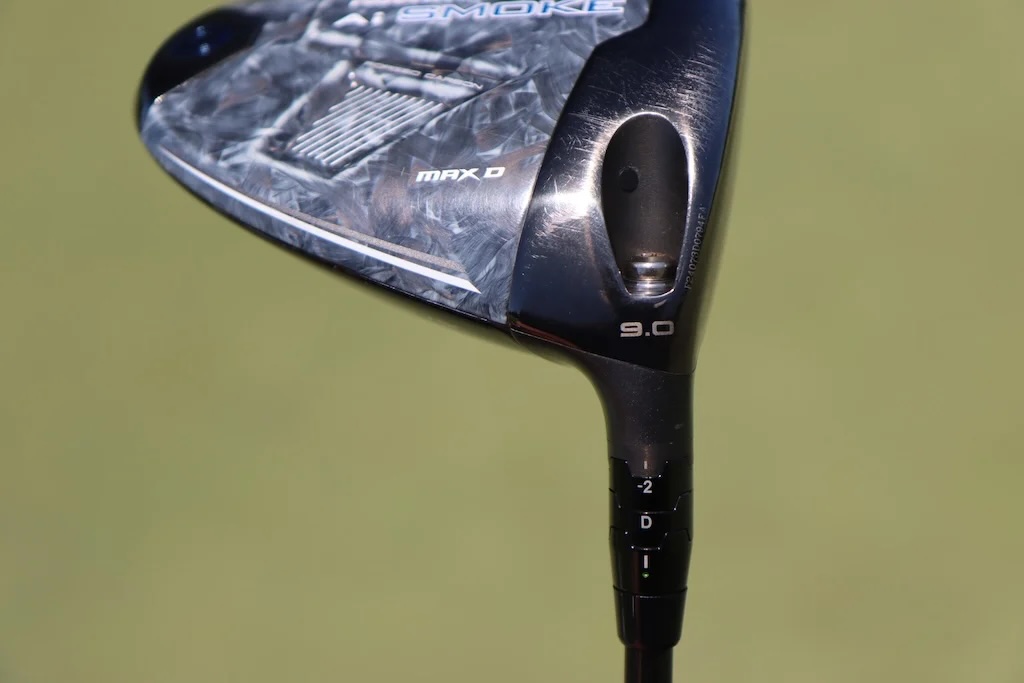
Driver: Callaway Paradym Ai Smoke Max D (9 degrees @7, draw setting)
Shaft: Graphite Design Tour AD VF 6 X
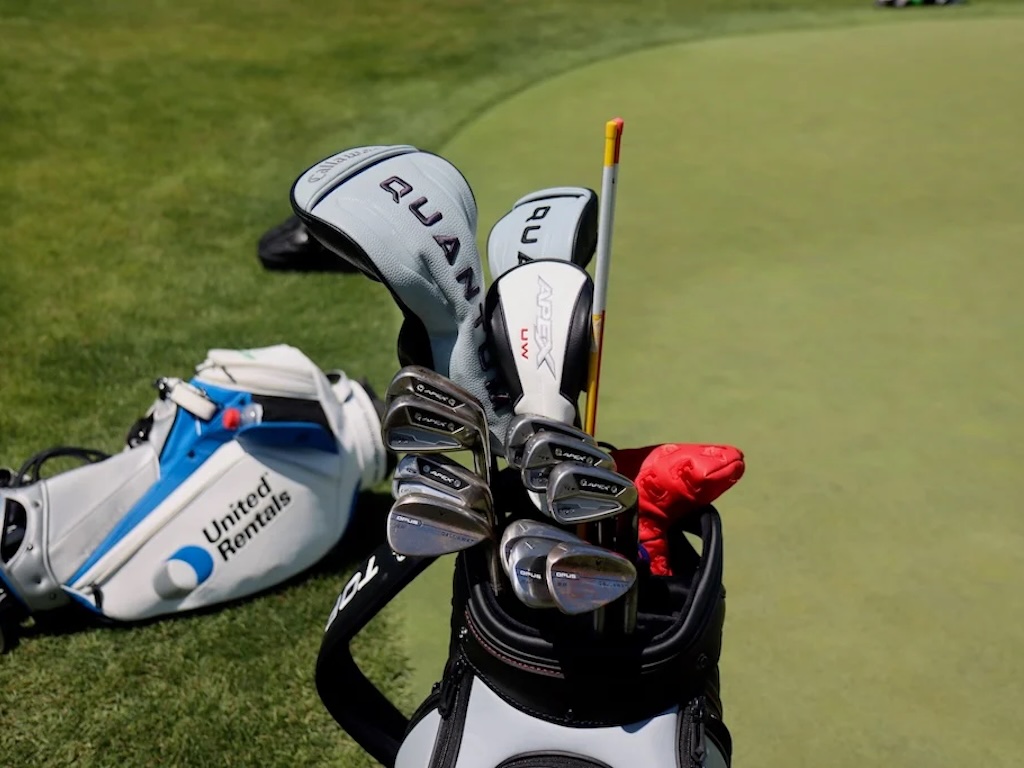
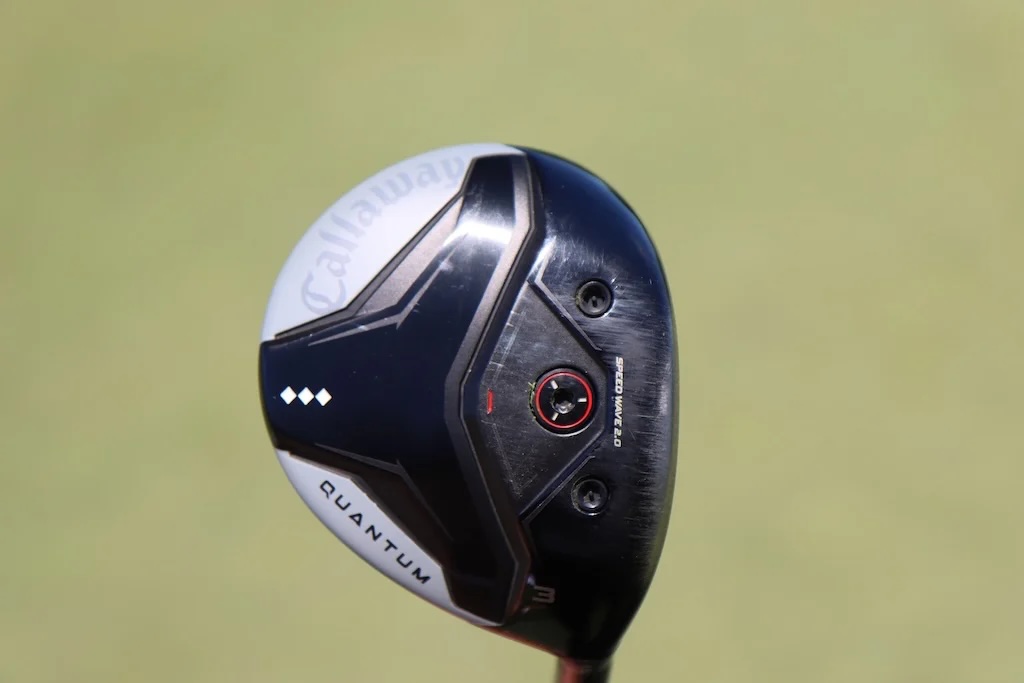
3-wood: Callaway Quantum Triple Diamond (15 degrees)
Shaft: Mitsubishi Diamana BB 83 TX
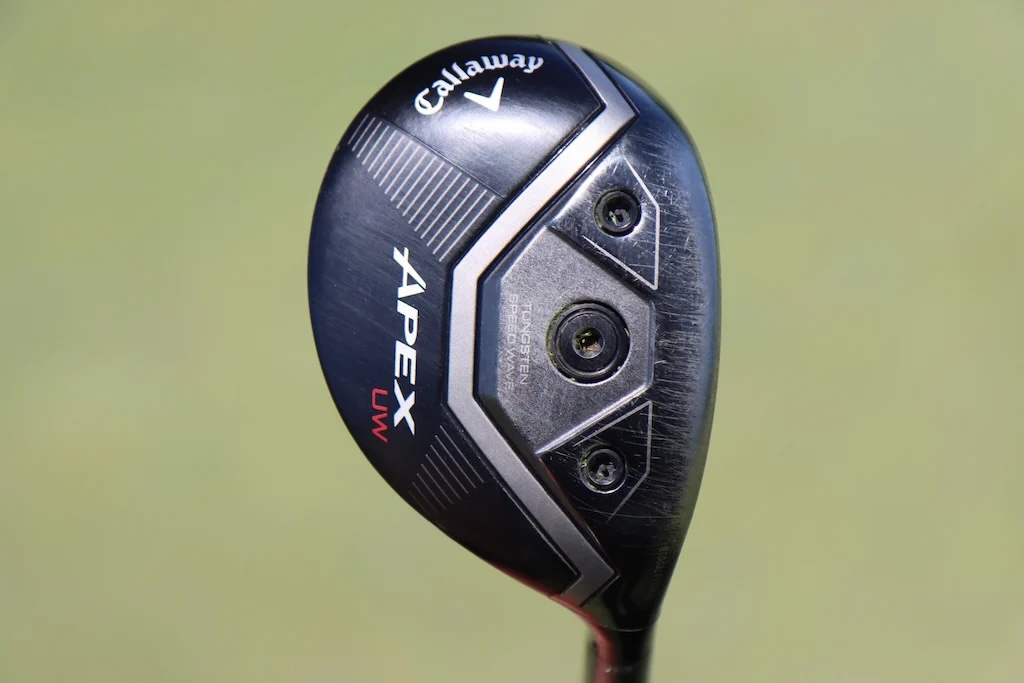
Hybrid: Callaway Apex UW (19 degrees)
Shaft: Project X HZRDUS Black
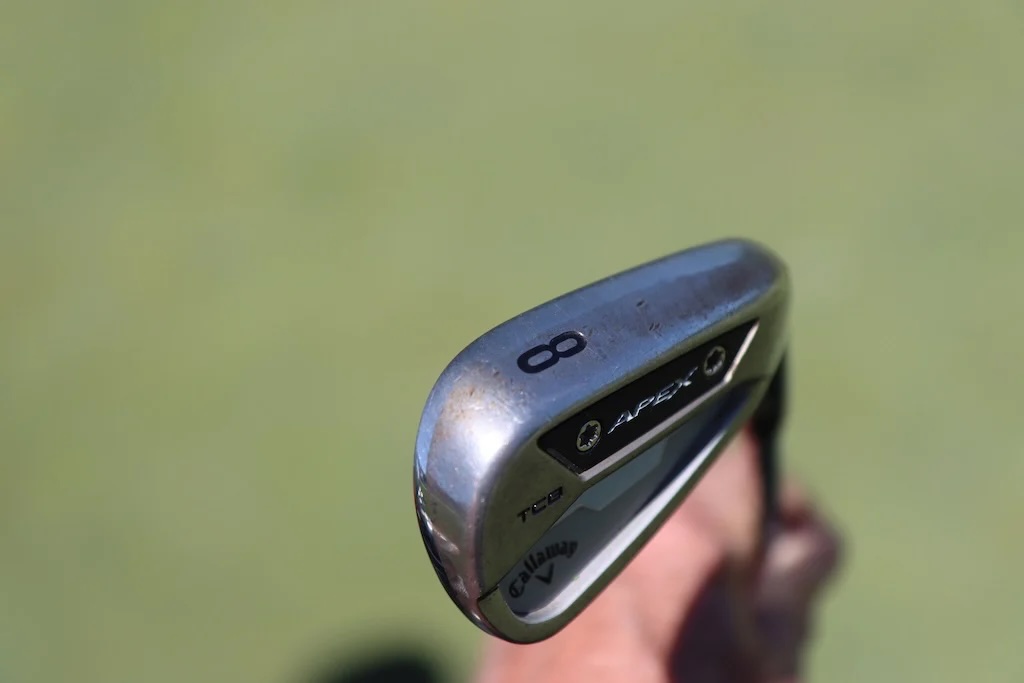
Irons: Callaway Apex TCB (4-9)
Shafts: True Temper Dynamic Gold Tour Issue X100
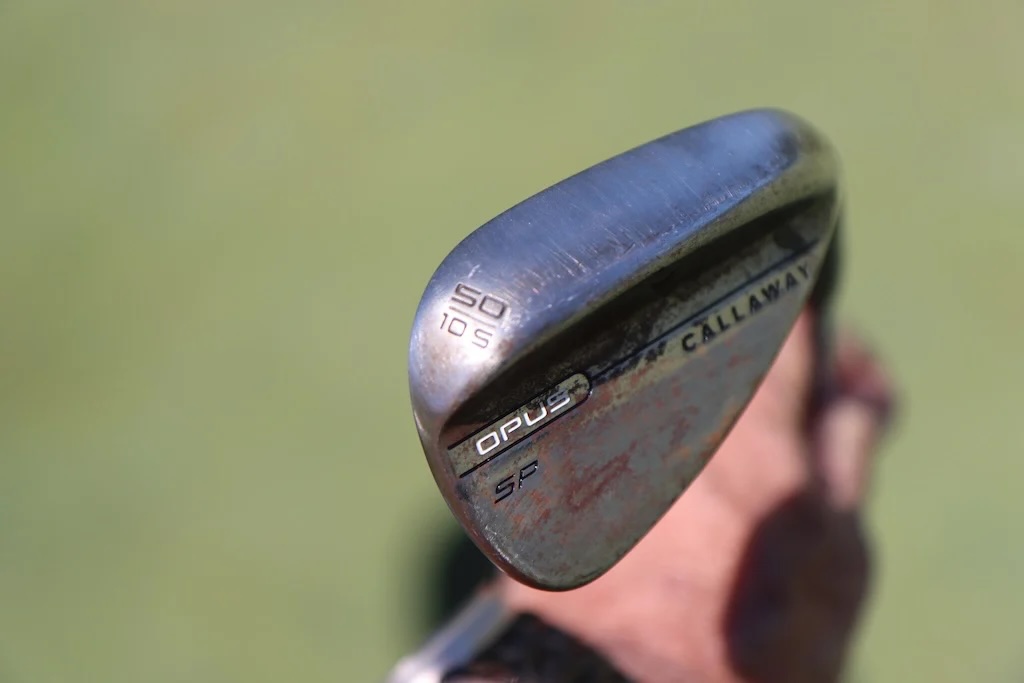
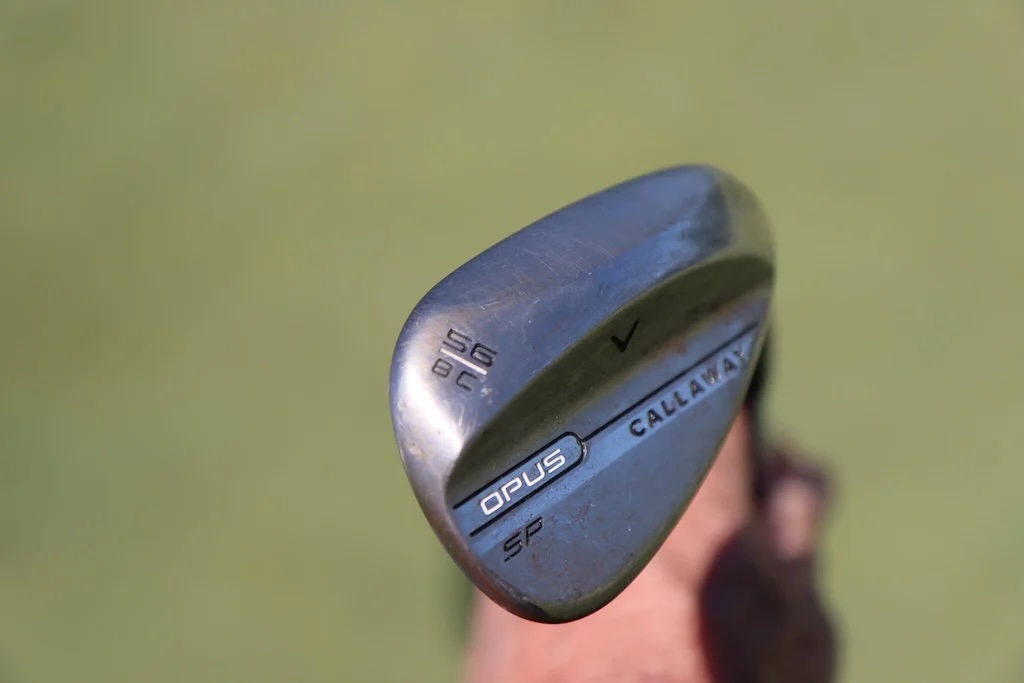
Wedges: Callaway Opus SP (46-10S, 50-10S, 56-08C, 60-08C)
Shafts: True Temper Dynamic Gold Tour Issue S400
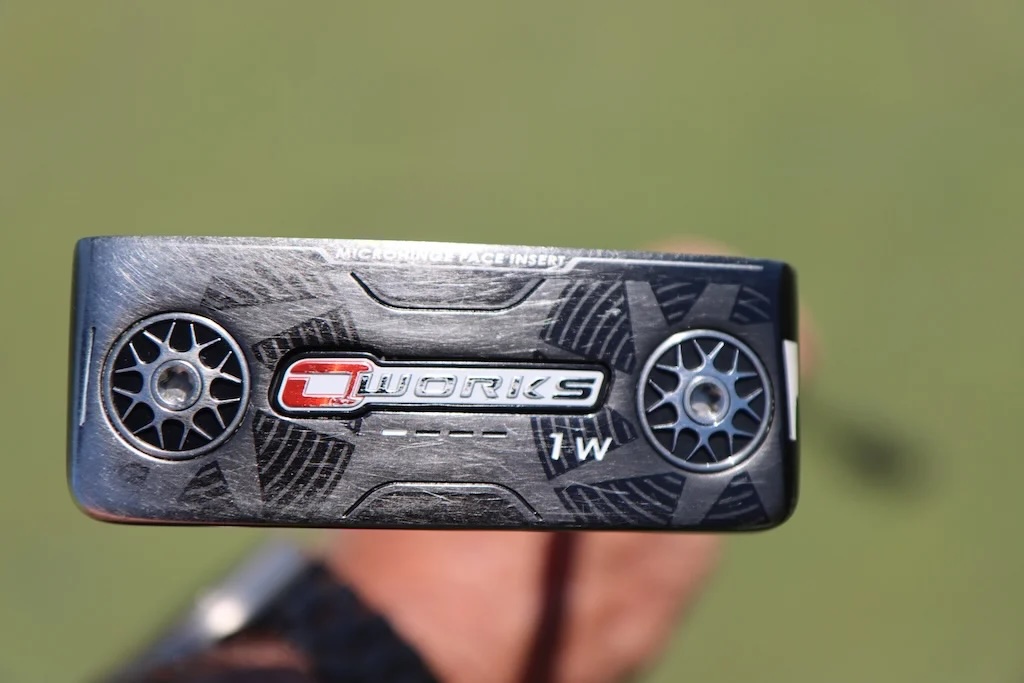
Putter: Odyssey O-Works #1W
Grips: Golf Pride Tour Velvet
Ball: Callaway Chrome Tour

Justin Rose WITB 2026 (April): Full WITB breakdown with new McLaren irons

What’s the story behind Webb Simpson’s custom-stamped irons?

Cadillac Championship Tour Report: Spieth’s sizable changes, McLaren Golf launches, and more

Memorial Tournament Tour Report: Rory McIlroy, Cameron Young switch up drivers, and more

Russell Henley’s winning WITB: 2026 Charles Schwab Challenge

Kristoffer Reitan’s winning WITB: 2026 Truist Championship

Aaron Rai’s winning WITB: 2026 PGA Championship

Cameron Young’s winning WITB: 2026 Cadillac Championship

Details on Jason Day’s latest prototype Avoda iron setup

Justin Rose on the switch to McLaren Golf, learnings from previous equipment moves

J.T. Poston’s winning WITB: 2026 Memorial Tournament
Driver: Titleist GTS3 (9 degrees) Shaft: Mitsubishi Diamana BF 60 TX 3-wood: Titleist TS2 (15 degrees) Shaft: Graphite Design Tour...

Alex Noren WITB 2026 (June)
Driver: Callaway Paradym Ai Smoke Max D (9 degrees @7, draw setting) Shaft: Graphite Design Tour AD VF 6 X 3-wood: Callaway...


Melanie Green WITB 2026 (June)
Driver: TaylorMade Qi4D (9 degrees) Shaft: Graphite Design Tour AD VF 5 S 3-wood: TaylorMade Qi4D (15 degrees) Shaft: Graphite Design Tour...


Sungjae Im WITB 2026 (June)
Sungjae Im had >14 clubs in his bag when photographed prior to the Memorial Tournament. Driver: Titleist TSi2 (8 degrees, B1...
-
 Equipment3 days ago
Memorial Tournament Tour Report: Rory McIlroy, Cameron Young switch up drivers, and more
-
 News1 week ago
Russell Henley’s winning WITB: 2026 Charles Schwab Challenge
-
 Equipment5 days ago
Details on Jason Day’s latest prototype Avoda iron setup
-
 Tour Photo Galleries3 weeks ago
Photos from the 2026 CJ Cup Byron Nelson
-

 Equipment2 weeks ago
CJ Cup Byron Nelson Tour Report: Koepka and Kim’s newest putters finally get hot
-
 News1 week ago
Charles Schwab Challenge Tour Report: MacIntyre, Åberg and Spaun all switch putters, TaylorMade launches new Spider
-
 Equipment2 weeks ago
Details on J.J. Spaun’s surprise putter switch
-
 Popular Photo Galleries2 weeks ago
Photos from the 2026 Charles Schwab Challenge


Sam Grogg
Feb 18, 2014 at 4:01 pm
If I wanted to do the complete profile on different shafts installed in the exact same model head, would the results be of any use to me?
Tom Wishon
Feb 19, 2014 at 11:40 am
Sure. Doing bend profile measurements like this on DIFFERENT shafts that are installed in the same head gives you the chance to see why you may like certain shafts over others because it eliminates the variable that different heads bring about.
The biggest way that different driver heads affect a shaft’s feel and performance is through the differences you see from model to model in the “bottom of bore to ground” (BBTG) dimension. Not all driver heads are made to have the same distance from where the tip end of the shaft ends in the hosel to the ground. Some are 2″, some 2.5″, some 3″ – there is no standard for this in a driver head or any head’s design.
So if you put the same shaft into two heads, one with a 2″ BBTG and the other with a 3″ BBTG, the same shaft in the head with the 3″ BBTG measurement is going to play softer because that greater BBTG causes the shaft tip to be farther off the ground. BUt what you are talking about, to test hit different shafts all installed in the same exact head, and then doing bend profile measurements on the shafts, that will tell you why you like some shafts and not others.
One other thing on this all golfers have to be aware of. You can have two of the same exact shaft in the same head and have them feel and perform differently. When this happens it is almost always because the +/- tolerances in production of the shafts rose up and bit you. Try as they like, shaft companies simply cannot make all shafts of the same model as tight to each other in all specs. Some certainly do a better job of this than others. And by no means does a higher priced shaft mean that you are buying more shaft to shaft consistency. Some expensive shafts ARE very close to each other in tolerances, while some are not. Just as some cheaper shafts are very close to each other in tolerances and some are not.
Thus this bend profile measurement system is a very good way to know all these things for sure.
TOM
steve
Mar 4, 2013 at 9:37 pm
its always interesting to read Mr.Wishon`s articles but everytime i get more knowledge about golf clubs and shafts. it makes me very uncomportable because i know that it would take hard work/time/money to get the golf club right for myself. moreover, more i read Mr.Wishon `s articles, I know that i’ve been fitted WRONG! and knowing that my equipments can be optimized to fit my swing better. and my IDEAL CLUB HEAD AND SHAFTS are out there to be found with hard work/time/money. sometimes i wish i didn`t know the stuff that i know now. the more i know it gets more complex! i wish i could just swing without worrying too much on the equipment side.
purkjason
Mar 5, 2013 at 11:46 am
@steve … I’m at the point also of not wanting to know anymore about ideal clubs ,shafts, etc. The game is just about going out and having fun. Whether a good round or bad I just enjoy being out there away from the real world for a little bit. I just went to the driving range and tried different swing angles and choking up on the club etc. and did all the modifications myself at home. Works for my recreational play haha.
Steven Safran
Mar 3, 2013 at 5:41 pm
Interesting and explains what I found today. I have 2 3 woods….one with an UST Axivcore 79 red and the other with an AD Di7. The AD Di7 feels and plays more stiff to me but today when I had them frequency checked the UST shaft has a significantly higher frequency. Gotta go buy feel over one parameter that doesn’t tell the whole picture.
K
Mar 3, 2013 at 10:32 pm
That’s not what this article is saying.
If they are already-installed shafts in the heads, they have been cut and glued with heads that weight differently, so of course they are going to read differently. Not only that, your two shafts have different torque as well as kick points, so your point is null and void.
Mr. Wishon is talking about the shafts BEFORE they are installed, so that you get fitted properly to the right shaft.
Pingback: “What’s the frequency Kenneth” – Golfbloggen
Jesse
Mar 3, 2013 at 12:30 am
Wow cool article. It is getting so complicated to choose shafts as everything is getting more technical and measurable. I am beginning to think that just trying shafts till I find what I like based on feel and ball flight. I do that with lies and lofts on irons some bent stronger or weaker based on distances, and some upright and flatter based on left right. I dont even know what they measure just go to a guy and say move it 2 degrees upright from whatever it is now.
Jessesbane
Mar 5, 2013 at 1:55 am
@Jesse: In the most laughter-provoking way you have just trashed Tom Wishon’s article. ROFL
Walt
Mar 2, 2013 at 8:59 pm
Too bad there still isn’t some uniform way for the manufacturers to agree upon in which to measure the shafts.
If they all agreed to use the method you are, then every shaft would have a visible graph like you have shown that would immediately help the buyer move into any companies shaft he wanted too.
What a novel concept.
Rob
Mar 4, 2013 at 2:01 pm
Every shaft is visible on a graph like that, but it’s not available to consumers or the monkeys working at golftown/golfsmith. Expeienced custom club fitters have that information, which is why they always say to go to them to get properly fitted.
What would be nicer is if industry standards on flex ratings were implememnted so that way all stiff/regular/x-stiff shafts are the same frequency, regardless of what company makes them.
John
Jul 10, 2013 at 5:10 pm
Actually ROB we have them printed out and are in just about every golfsmith proshop…in the interest of time and our main customer base we choose not to even mention it because we can’t have guys hitting in our bays for hours (I could see you being that guy)…golfsmith is a retail store, not a custom fitting studio, we exist to make money and fatheads like yourself and Tom Wishon (who left golfsmith) just don’t seem to get that simple concept…spend your money where ever you want but don’t bash a store because they won’t spend 2 hours of payroll flicking 15 different shafts on a frequency meter for you, get real buddy
Tom Wishon
Feb 18, 2014 at 3:37 pm
The guy calls you a monkey and this is what you say in response? Sounds fair. Oh, hey, wait a minute – I didn’t call you a monkey yet you still called me a fathead!! I guess you don’t win a star from the school of diplomacy.
RanchoBob
Feb 21, 2014 at 4:16 pm
Tom, I’m thinking maybe he’s not in their PR department. That’s probably just as well.
Your reasons for leaving them were your own and, based on what I know and what I’ve seen from Golfsmith of late, were spot on. It’s a great place to go to buy an off the rack club or to buy glue or grips or clothing. Fitting? Not so much.
Now then. When can I demo the 939 AHT? 😀
John D
Feb 21, 2014 at 10:50 am
Rob
There are clubfitters that have the shaft data and in the past it wasn’t published. But now a lot of this data is being made available to the average golfer. Go to http://www.golfshaftreviews.info to see the wealth of information that is becoming more available on the performance of golf shafts. I doubt that there will every be standards but if all shafts are measured in the same way you can compare different shafts to see how they should perform.
Hunterdog
Mar 2, 2013 at 8:37 pm
@tom – great article as always. Finding the knowledgable club maker is the trick.